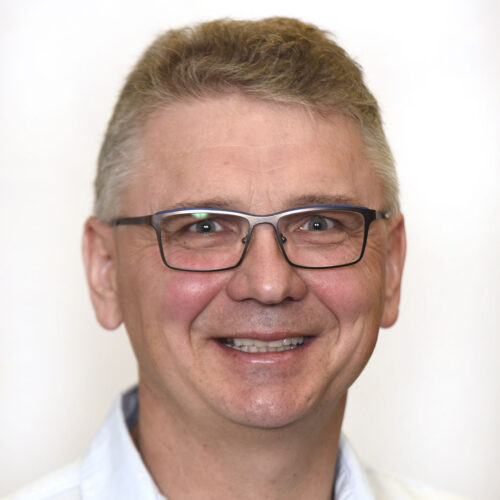
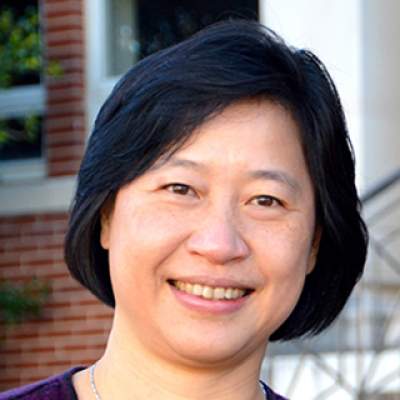
Vayu Hill-Maini is an Assistant Professor in the Department of Bioengineering at Stanford University, focusing on microbial systems engineering and their applications in food technology and human health. Their research bridges synthetic biology with microbiome studies. Academic Rank: Assistant Professor Institution: Stanford University Department: Bioengineering Research interests span: Synthetic biology tools for microbial upcycling Gut microbiome dynamics and xenobiotic metabolism Fermentation-based food innovations Interspecies pathway modulation Recent publications highlight interdisciplinary work combining: Waste-to-food conversion using edible fungi Gut microbial enzyme discovery Therapeutic microbiome engineering Culinary process microbiology
Joshua Edel is a Professor of Biosensing & Analytical Sciences at Imperial College London's Department of Chemistry within the Faculty of Natural Sciences. He specializes in developing trace analyte analytical platforms, including bioanalytical sensors for clinical applications. His work focuses on single-molecule detection, nanopore sensors, and microfluidic systems. Edel has published over 180 research articles and secured prestigious grants like the ERC Starting Grant (2011) and ERC Consolidator Award (2017). His research spans nanobiotechnology, plasmonic sensors, and biosensor innovation. Education: PhD in developing single-molecule detection within microfluidic systems from Imperial College London (2003). Postdoctoral research at Cornell University (School of Applied and Engineering Physics) and a fellowship at Harvard University's Rowland Institute (single-molecule biophysics). Research Interests: Edel’s lab pioneers techniques such as high-throughput droplet microfluidics, optical/electrical single-molecule sensors, and plasmonic nanopore sensors. His work addresses challenges in diagnostics, nanoelectronics, and structural chemistry. Key areas include developing selective biosensors for clinical samples and advancing nanoscale probing technologies. Grants & Awards: ERC Starting Grant (2011): Rare event bioanalysis ERC Consolidator Award (2017): Selective single-molecule biosensors Funding from EPSRC, Wellcome Trust, and industrial partners Advising & Labs: Edel leads projects in Imperial’s Department of Chemistry and collaborates across disciplines. His lab develops cutting-edge tools like nanoscale tweezers for single-cell analysis and nanofluidic platforms for biomarker detection. He actively consults in biosensing technology.
Prof. Robert Grass is a Lecturer at the Department of Chemistry and Applied Biosciences at ETH Zurich, affiliated with the Institute for Chemical and Bioengineering Sciences. His research focuses on innovative applications of nanotechnology, DNA-based storage systems, and sustainable catalytic processes for CO2 valorization. Grass has pioneered silica-encapsulated DNA technologies for traceability in healthcare, environmental monitoring, and anti-counterfeiting measures. His work bridges chemical engineering with information technology, addressing challenges in long-term data preservation and molecular-level security. Current projects include developing compostable DNA storage materials and designing catalysts for methanol synthesis from CO2, contributing to both environmental sustainability and energy systems. Grass's interdisciplinary approach integrates nanomaterials design, enzymatic processes, and machine learning to advance next-generation storage and sensing technologies. Research Interests: Development of DNA-based storage systems with error-correction mechanisms Nanoparticle engineering for medical and environmental applications Catalytic materials for CO2 conversion and green chemistry Bio-inspired security systems using molecular randomness Sustainable materials for long-term data preservation His recent work highlights advancements in silica-encapsulated DNA tracers for tracking pathogen transmission dynamics, as well as low-nuclearity catalysts enabling efficient methanol synthesis from CO2. Grass actively explores the intersection of nanotechnology and digital information, including cryptographic applications leveraging DNA's inherent complexity.
Dr. Anthony Callanan is a Senior Lecturer and Deputy Director of Learning & Teaching - Recruitment and Admissions at the University of Edinburgh's School of Engineering. He holds academic qualifications including a PhD in Biomedical Engineering (University of Limerick, 2009), BEng in Mechanical Engineering (2002), and a National Certificate in Mechanical Engineering (1999). His research focuses on tissue engineering, regenerative medicine, and biomaterials, with emphasis on kidney, liver, and cardiovascular applications. Key topics include extracellular matrix integration, scaffold design, and computational modeling of biomechanical systems. Education: PhD Biomedical Engineering, University of Limerick (2009) BEng Mechanical Engineering, University of Limerick (2002) National Certificate Mechanical Engineering, Galway-Mayo Institute of Technology (1999) His research interests span tissue engineering , biomaterials , and cardiovascular biomechanics . He has developed novel scaffolds for hepatic, cardiac, and vascular regeneration using electrospinning and 3D printing. His work addresses challenges in ECM integration, antioxidant delivery, and scaffold mechanical properties. Recent projects include creating compliant vascular grafts, icephobic elastomer coatings, and liver microenvironment models. He leads initiatives like the Ferritin Detection System on Menstrual Pads (Wellcome Trust-funded) and Macrophage-polarizing ALMA hydrogels (Medical Research Council). Scientific Awards: Chancellor's Fellow (2013–2017) IRCSET/Marie-Curie Research Fellowships (2010–2013) Dr. Callanan oversees grants totaling over £multi-million, focusing on biomaterials for clinical translation. His lab collaborates globally, advancing regenerative therapies for cardiovascular diseases and organ repair. Notable collaborations include work with the University of Pittsburgh and Imperial College London.
Professor Mark Thompson is an Associate Professor in Engineering Science at the University of Oxford and a Tutor/Fellow at Wadham College. He holds an MEng in Engineering and Materials Science (Oxford, 1997) and a PhD in Biomechanics from the University of London (2001). His research focuses on biomechanical engineering with emphasis on tissue repair, prosthetic design, and trauma modeling. Key projects include the OxVent ventilator and in vitro microvasculature systems for traumatic injury studies. His work bridges clinical and engineering challenges, addressing issues like prosthetic maintenance, musculoskeletal modeling, and biomaterials for regenerative medicine. Thompson collaborates with institutions like the Institute of Biomedical Engineering and has contributed to open-source frameworks for motion capture analysis. Current research trends involve mechanobiology of soft tissues and bioprinting for trauma research. Labs/Teams: Affiliated with the Institute of Biomedical Engineering and Oxford e-Research Centre. His work aligns with translational medicine and emergency medical device development. Future directions include optimizing 3D-printed bio-artificial tissues and advancing tactile feedback systems for prosthetics.
Dr Jonathan Foster is a Senior Lecturer in Information Management at the University of Sheffield's Information School. He holds a PhD in Information Studies (Social Sciences) from the University of Sheffield, alongside degrees in Information Systems and Education. His research focuses on information governance, ethics, data sharing, and digital economy dynamics. He leads the IKIM Research Group and has secured significant grants from AHRC, EPSRC, and Wellcome Trust, including projects on AI ethics and cybersecurity narratives. He has supervised numerous PhD students and contributed to curriculum development in information governance and digital economy. Notable awards include the 2018 Teaching Excellence Award for his Deliberation Days initiative. Education: BA, MSc (Brunel), M.Ed. (Sheffield), PhD (Sheffield). Research interests emphasize governance frameworks for data-driven AI, accountability in digital ecosystems, and ethical dimensions of data sharing. His publications span information science journals and edited volumes on collaborative information behavior. He has held roles such as Programme Coordinator for MSc Information Management and Sub-Dean for Undergraduate Affairs. Current grants include AHRC-funded work on mental health AI fairness and ESRC-funded cybersecurity narrative research. Teaching contributions include pioneering modules on information governance and digital economy, reflecting his research-led approach. His work bridges academic research with practical applications in enterprise and public health.
Professor Ian O'Hara is Deputy Dean of the Faculty of Engineering at Queensland University of Technology (QUT), leading strategic initiatives in bioeconomy development. He holds roles as Queensland's Biofutures Industry Envoy and Senior Editor of the EFB Bioeconomy Journal. His research focuses on biofuels, biorefining, and sustainable biomass processing, with expertise in techno-economic analysis and industrial biotechnology. Education: PhD (QUT), MBA (Deakin University), BEng (University of Queensland). Professional memberships include MIEAust (CPEng) and Australian Society of Sugar Cane Technologists. Research interests include biofuel production systems, biomass valorization, and pilot-scale biorefinery development (e.g., Mackay Renewable Biocommodities Pilot Plant). He leads ARC-funded projects on synthetic biology and bioplastics, emphasizing bioeconomy policy and industrial innovation. Recent publications highlight advancements in hydrogen production, machine learning for biomass processing, and sustainable materials from agricultural waste. Awards recognize his editorial, advisory, and keynote contributions to global bioeconomy forums. Grants include ARC Centres of Excellence and industry partnerships. Supervision focuses on bio-based product development and resource optimization.
Dr. Thomas Bifano is a Professor of Mechanical Engineering and Director of the Boston University Photonics Center. He holds affiliations with the Biomedical Engineering, Materials Science & Engineering, and Electrical & Computer Engineering departments. His research focuses on MEMS technologies, adaptive optics, and biomedical imaging applications. Dr. Bifano leads interdisciplinary initiatives in photonics, including commercialization of deformable mirrors via Boston Micromachines Corporation. He directs the Neurophotonics Research Training Grant and participates in the NSF Engineering Research Center on Cellular Metamaterials (CELL MET). His lab develops optical instruments for microscopy and telescope instrumentation, emphasizing light control through deformable mirrors. Recent work includes engineered heart tissue studies and high-throughput cardiac tissue screening. Education: PhD from North Carolina State University. Key Roles: Former Chair of the Manufacturing Engineering Department (1999-2006). Affiliations: Photonics & Optical Systems, Neuroscience & Neuroengineering. Grants & Collaborations: NSF CELL MET, BU Photonics Center innovation programs. Facilities: Manages state-of-the-art shared labs and a business innovation center at the Photonics Center.
Nathaniel Rosi is the Covestro Professor of Chemistry at the University of Pittsburgh's Dietrich School of Arts and Sciences, Department of Chemistry. His research focuses on designing and synthesizing new materials using chemical building blocks like metal clusters and biomolecules to create hierarchical structures with tailored properties for energy, medicine, and other applications. Research interests span inorganic and materials chemistry, metal-organic frameworks (MOFs), nanoparticle assembly, and sustainable energy materials. The Rosi Lab develops unifying design principles for organizing building blocks across multiple length scales, employing diverse synthetic methods and characterization techniques including NMR, TEM, X-ray diffraction, and sorption analysis. Scientific awards include: Chancellor's Distinguished Research Award (2014) Kavli Fellow (2012) ChemComm Emerging Investigator (2011) NSF CAREER Award (2010-2015) US Delegate for Transatlantic Frontiers of Chemistry Conference (2008) The Rosi Research Laboratory trains students in interdisciplinary approaches at the chemistry-biophysics interface and welcomes graduate students to explore its multi-disciplinary research environment.
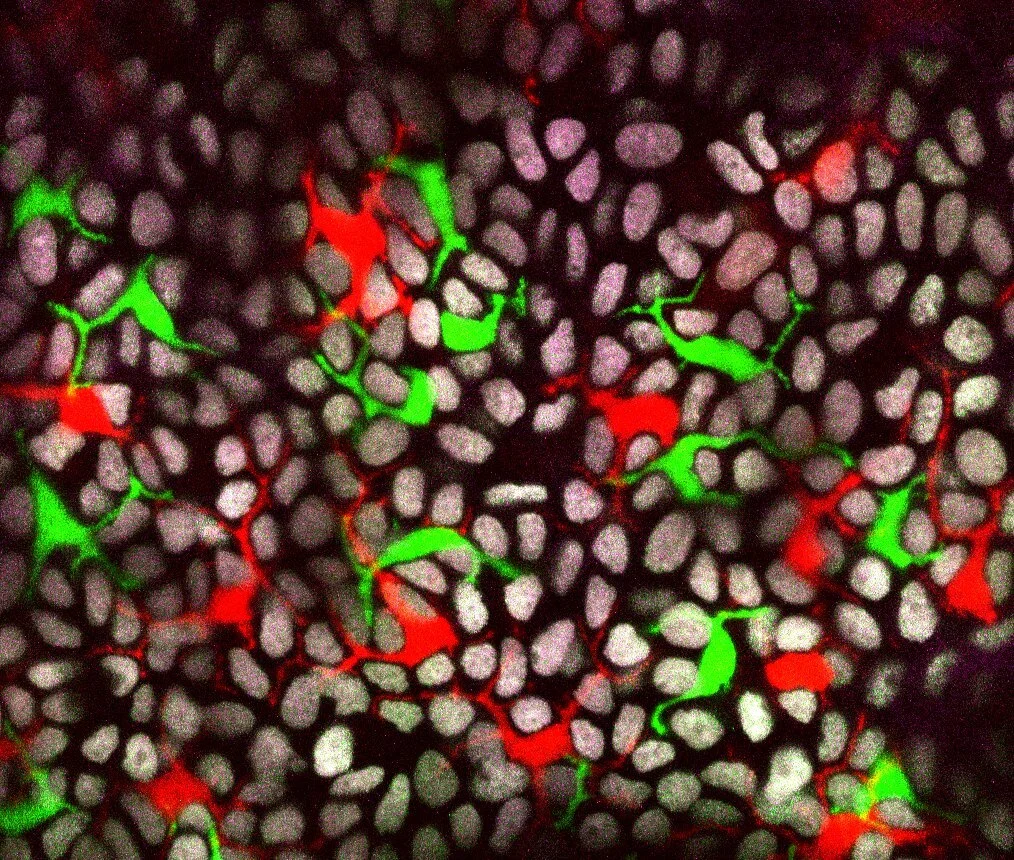
Sangbum Park, PhD, is an Assistant Professor in the Department of Pharmacology & Toxicology at Michigan State University (MSU), affiliated with the College of Human Medicine. His research focuses on immunity and inflammation, computational biology/genomics, and imaging techniques applied to stem cell biology and tissue repair. He leads the PARK LAB within the Institute for Quantitative Health Science & Engineering (IQ) and collaborates with the BioMolecular Sciences and Biomedical Engineering programs. Education: PhD in Veterinary Medicine (Seoul National University, 2012), BS in Animal Biotechnology (Seoul National University, 2006). Career highlights include postdoctoral research at Yale University (2013–2018) and an Associate Research Scientist position there (2018–2019) before joining MSU in 2020. Research interests emphasize live imaging of stem cell behavior, immune-epithelial interactions in wound repair, and regenerative medicine applications. Notable grants include NIH funding for studying immune-epithelial coordination in wound healing and NYSTEM support for stem cell imaging. Publications span topics like chromatin dynamics during differentiation, hair follicle development, and exosome-based anti-inflammatory therapies. His work bridges basic science and translational medicine, with implications for treating inflammatory diseases and tissue injury. Laboratory activities include the PARK LAB, which integrates quantitative health science tools with biomedical engineering approaches to study complex biological systems. Ongoing projects focus on organoid models for cardiac development and immunometabolic interactions with biomaterials.
Dr Orestis L. Katsamenis is a Lecturer in Biomedical Imaging at the University of Southampton , affiliated with the Faculty of Engineering and Physical Sciences (FEPS) and the Faculty of Medicine (FoM) . He leads the 3D X-ray Histology and Biomedical Imaging Theme at the μ-VIS X-ray Imaging Centre and holds a visiting position at the University Hospital Southampton NHS Foundation Trust in the Biomedical Imaging Unit of Cellular Pathology and Child Health. Education: BSc in Materials Science (University of Patras, 2007), MSc in Materials Science (University of Patras, 2009), PhD in Bioengineering (University of Southampton, 2012). His research focuses on 3D X-ray Histology (XRH) and Microfocus Computed Tomography (μCT) applied to biological and clinical imaging , pharmaceutical technology , and bone nanostructure . He has pioneered μCT protocols for clinical histology and developed advanced 3D imaging tools for applications in drug delivery , tissue engineering , and evolutionary biology . His work spans multidisciplinary collaborations with engineers, medical professionals, and paleontologists. Recent publications highlight his contributions to 3D imaging of bone , microneedle design , 4D-printed polypills , and paleontological studies . He has received awards including the EPSRC Doctoral Prize Award (2012) and multiple scientific presentation honors (2018) . Dr Katsamenis supervises PhD student Ayesha Mohiud Din and collaborates with research groups like the Engineering Materials and Surface Engineering Group and the Institute for Life Sciences . His Google Scholar profile lists over 20 recent articles, showing his prolific and diverse research output.
Eric Mosher Young is an Associate Professor in the Department of Chemical Engineering at Worcester Polytechnic Institute (WPI), affiliated with Biomedical Engineering and Bioinformatics & Computational Biology. He holds the Leonard P. Kinnicutt Assistant Professorship and received the 2020 NSF CAREER Award. His education includes a B.S. in Chemical Engineering and Biological Engineering (summa cum laude) from the University of Maine, a Ph.D. in Chemical Engineering from the University of Texas at Austin, and a postdoctoral fellowship in Biological Engineering at MIT. His research focuses on synthetic biology, metabolic engineering, and protein engineering, leveraging chemical engineering principles to reprogram microbial metabolism for biofuel, biomaterial, and biosensor applications. Key strengths include systems biology, genetic circuit design, and collaboration across academia and industry. He emphasizes interdisciplinary education, integrating technical proficiency with social impact analysis and entrepreneurship through WPI’s project-based learning model. Notable achievements include patents on yeast genome engineering, leadership in the Synthetic Biology Knowledge System project, and featured publications in Nature Communications and ACS Synthetic Biology . His work aligns with UN Sustainable Development Goals 3 (Health), 4 (Education), 7 (Energy), 8 (Economic Growth), 9 (Industry), and 11 (Sustainable Cities). Young’s lab at WPI’s Life Sciences & Bioengineering Center actively collaborates on projects like transparent cellulose materials and probiotic yeast development. He advises student projects via Digital WPI, emphasizing hands-on problem-solving in biotechnology.
Professor Selin Kara is affiliated with the Department of Biological and Chemical Engineering at Aarhus University, Faculty of Engineering. Her primary research focuses on Industrial Biotechnology, Biocatalysis, and Process Intensification, with expertise in Enzyme Immobilisation and Sustainable Process Engineering. She leads projects exploring novel biocatalytic processes, non-conventional reaction media, and the optimization of enzymatic reactions for industrial applications. Her research integrates experimental and computational approaches to enhance enzyme performance in non-aqueous solvents like deep eutectic solvents (DES) and lipid-based systems. Projects include developing photocatalytic synthesis methods, fusion enzymes for enzymatic cascades, and novel hydrogel characterization techniques. She has contributed to advancing light-driven sustainable biocatalysis and improving antimicrobial biomaterials. Key projects include the PHOTOX-f initiative (2025) and PhotoBioCat network (2018-2022), focusing on light-dependent biocatalytic systems and sustainable chemical production. Her work emphasizes industrial applications, environmental impact analysis, and process optimization for scalable biocatalytic solutions. Award-winning educator and researcher, Professor Kara collaborates internationally and holds a prominent role in training early-stage researchers in sustainable biocatalysis through EU-funded networks. Her labs specialize in enzymatic process development, material characterization, and continuous flow bioreactors.
Krzysztof Czaja is an Associate Professor in the Department of Veterinary Biosciences & Diagnostic Imaging at the University of Georgia. Previously, he served as an Assistant Professor at Washington State University (2007–2014). His academic journey includes postdoctoral research at institutions in Poland, Germany, and the USA. He holds a D.V.M. (1993) and Ph.D. in Neuroanatomy (1997) from Polish institutions. His research focuses on neurogenesis in adult mammals , obesity mechanisms , and gut-brain axis interactions . Notable areas include vagal nerve plasticity after bariatric surgery, microbiome-diet interactions, and neural coding of taste. His lab investigates how high-energy diets alter gut microbiota and trigger metabolic disorders, with implications for obesity treatment. Dr. Czaja’s work spans translational research, linking animal models to human applications. He has authored over 50 peer-reviewed publications and presented globally. His studies on Roux-en-Y gastric bypass revealed taste response changes and vagal remodeling, suggesting new therapeutic avenues. He explores how antibiotics and environmental toxins impact metabolic health across generations. Lab activities include developing novel devices like 3D-printed cecal fistula implants for microbiome studies. His research bridges basic neuroscience with clinical nutrition, addressing obesity, diabetes, and neurodegenerative risks.
Dr. C.J. Tsai is the Winfred N. 'Hank' Haynes Professor and Georgia Research Alliance Eminent Scholar at the University of Georgia. His research focuses on plant biology, particularly the molecular mechanisms underlying tree longevity, perennial growth, and interactions with pathogens. He employs advanced techniques including CRISPR genome editing, transcriptomics, and metabolomics. His lab hosts visiting scholars for technical training in areas like in situ hybridization and metabolomic analysis. Research interests include sucrose transport regulation, lignin biosynthesis, and salicylic acid signaling in trees. He has pioneered tools for editing woody perennials, with industrial relevance for biomass production and ecological insights into tree-pathogen interactions. His lab is affiliated with The Plant Center and operates the Forest Functional Genomics Lab. Recent publications highlight breakthroughs in Populus genome editing, CRISPR promoter development, and discoveries like the BOOSTER gene enhancing photosynthesis. Major awards include the 2024 IUFRO Scientific Achievement Award and AAAS Fellowship. He oversees a team of 14 researchers and 3 Ph.D. students, focusing on translating fundamental discoveries into sustainable forestry applications. Awards: IUFRO Excellence Awards (2024), AAAS Fellowship (2017), IAWS Fellowship (2013) Advising: 3 current Ph.D. students and 14 research staff Labs: Forest Functional Genomics Lab (specializing in tree genomics and biotechnology)