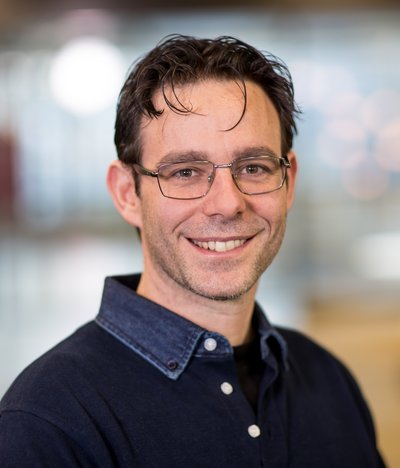
Max V. Birk is an Associate Professor at Eindhoven University of Technology (TU/e), affiliated with the Human-Technology Interaction group in the School of Industrial Engineering and Innovation Sciences. He holds a secondary appointment as EAISI Health Associate Professor. His interdisciplinary research focuses on game-based design strategies, digital health, and motivational interface design, with contributions to games user research, eSports, and interactive experience tools. Birk earned a Psychology degree from the University of Trier (2012) and a Computer Science PhD from the University of Saskatchewan (2018), focusing on avatar customization for health engagement. Research Contributions: Birk’s work spans player experience, behavioral data analysis, and game-based digital biomarkers for stress. He leads the NWO Veni-funded project on game-based biomarkers for acute/chronic stress. His research has been published in top HCI venues like CHI and ACM Transactions on CHI. Organized global workshops and co-chaired CHI PLAY 2020/2021 Collaborations with Tencent, AlienTrap, and global game developers Editorial roles at JMIR Mental Health Awards & Honors: 2023 TU/e Young Researcher Award 2022 Best MSc Teacher Industrial Design NWO Veni Grant (2020) Multiple ACM awards and recognitions Academic Leadership: Vice-chair of Eindhoven Young Academy of Engineering Board member of EWUU Centre for Unusual Collaboration Member of De Jonge Akademie (KNAW) Teaching: Courses include 'Digital Tools & Human Wellbeing', 'Human Factors', and 'Social Media & Online Life'.
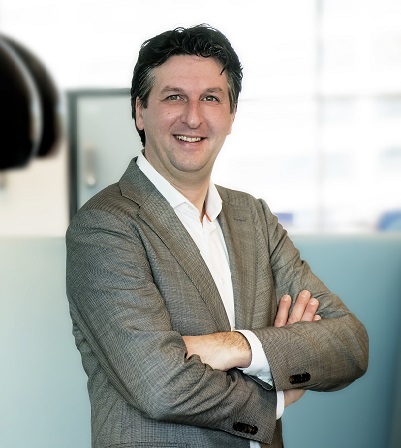
Massimo Mischi is a Full Professor at the Faculty of Electrical Engineering of the Eindhoven University of Technology (TU/e) and chairs the Signal Processing Systems (SPS) Division , the largest division at TU/e with over 250 researchers. He founded the Biomedical Diagnostics (BM/d) Lab in 2012, which now includes 180 researchers and clinical/industrial advisors, focusing on biomedical signal processing for diagnostics and monitoring.
Karin Roelofs is Professor of Experimental Psychopathology at the Behavioural Science Institute (BSI) and Principal Investigator at the Donders Centre for Cognitive Neuroimaging and Donders Institute for Brain, Cognition and Behaviour at Radboud University Nijmegen. She chairs the PI-group "Affective Neuroscience" and holds the chair in Experimental Psychopathology. Her research focuses on psychological and neuroendocrine mechanisms underlying social-motivational behavior in both healthy individuals and patients with stress-related and social-motivational disorders such as social anxiety and aggression. She employs various brain imaging techniques (fMRI, MEG) combined with neural stimulation (TUS, tACS) or pharmacological interventions during emotion control and decision making tasks. Her work investigates how stress influences the neural development of emotion control through longitudinal studies including the Nijmegen Longitudinal Study (NLS), BIBO, and the Police In-Action (PIA) cohort. Her key research questions address how people regulate emotional actions, whether emotion control can be improved by influencing brain activity or through real-time biofeedback, and whether psychopathology can be predicted based on acute stress reactions and recovery patterns. Her publications span high-impact journals including Nature Communications, Nature Human Behaviour, and Nature Reviews Neuroscience, demonstrating her leadership in understanding the neural basis of emotion regulation and stress responses. ERC Advanced Grant (2025) ERC Consolidator Grant (2017) ERC Starting Grant (2012) NWO VICI, VIDI, and VENI grants Elected Member of Royal Netherlands Academy of Arts and Sciences Elected Member of Academia Europaea Professor Roelofs has secured numerous significant grants including the HEART2ADAPT project (2019-2025, ERC-AdG), PIA: Police In-action longitudinal study (2015-2021), and DYNAMORE: Dynamic modelling of resilience (2017-2025). She serves on multiple boards including ALLEA (All European Academies), the Selection committee for the ERC Advanced Grant, and as Board Member of INTRESA (International Resilience Research Alliance). She is also a registered GZ psychologist (BIG) and cognitive behavioral therapist (VCGT), bridging clinical practice with cutting-edge neuroscience research.
Jeffrey Beekman is a Full Professor at the University Medical Center Utrecht, specializing in translational research for chronic diseases through the Department of Pediatric Pulmonology. His work bridges basic and clinical research to develop novel diagnostics and therapeutics for conditions like cystic fibrosis (CF) and Primary Ciliary Dyskinesia. Education: PhD in Molecular Immunology (2004) Key Roles: Principle Investigator since 2010, co-founder of FAIR Therapeutics, Board Member of the Dutch Society for Stem Cell Research His research focuses on patient-derived organoid models to study disease mechanisms, validate therapeutic targets, and optimize drug development. Strategic programs include Child Health and Regenerative Medicine & Stem Cells . Recent publications highlight his work on CFTR gene therapy, organoid-based drug efficacy testing, and host-pathogen interactions in CF. Collaborations span molecular biology, clinical pulmonology, and biotech translation. Key Techniques: Organoid modeling, RNA sequencing, Forskolin-induced swelling assay Diseases Studied: Cystic Fibrosis, Colorectal Cancer Susceptibility, Primary Ciliary Dyskinesia
Dr. Ed E. Moret is an Associate Professor of Computational Medicinal Chemistry at Utrecht University, where he serves as Managing Director of the Utrecht Institute for Pharmaceutical Sciences. He is a member of the Departmental Executive Board and Chair of the Board of Examiners of the School of Pharmacy. His academic career spans over three decades with significant contributions to pharmaceutical sciences. Utrecht University, Utrecht Institute for Pharmaceutical Sciences School of Pharmacy, Department of Chemical Biology and Drug Discovery Managing Director since January 2010 Dr. Moret's educational background includes completing Gymnasium-b at Gymnasium Camphusianum in Gorinchem in 1979, followed by pharmacy studies at Utrecht University until 1988. He earned his PhD in 1993 with research on calculations and simulations of DNA-alkylating cytostatics under supervision of Prof. L.H.M. Janssen and Prof. J.P.A.E. Tollenaere. He also conducted postdoctoral research at the Scripps Research Institute with Prof. A.J. Olson. His primary research interests focus on molecular recognition, particularly in auto-immune diseases, with expertise spanning computational medicinal chemistry, computer-aided drug discovery, cheminformatics, and bioinformatics. Dr. Moret's work bridges the gap between theoretical calculations and experimental validation in drug design. His research portfolio demonstrates a consistent trajectory from fundamental molecular interactions to applied drug discovery, with particular emphasis on enzyme inhibitors, carbohydrate-protein interactions, and molecular recognition processes. Analysis of his publication record reveals a strong focus on structure-based drug design, with significant contributions to the development of inhibitors for enzymes like β-glucocerebrosidase, NNMT, and neuraminidase. His work spans multiple therapeutic areas including lysosomal storage disorders, cancer metabolism, and infectious diseases. The interdisciplinary nature of his research is evident in the integration of computational approaches with experimental validation across biochemistry, pharmacology, and medicinal chemistry. Teacher of the Year (awarded three times by Pharmacy students) Member of editorial boards for Medicines and Conceptuur journals Secretary of Board of FIGON (2016) Secretary of Raad voor de Farmaceutische Wetenschappen (2024) Member of Board of Stichting Farmaceutische Erfgoed (2024) Dr. Moret has been actively involved in educational innovation, developing and coordinating the master's programme Drug Innovation, the profile Drug Regulatory Sciences, and the Honours programme Pharmaceutical Sciences. He has taught courses for pharmacy, chemistry, UCU and medical sciences students, as well as PhD courses in bioinformatics and computer-aided drug discovery. His educational contributions include developing an inquiry-based elective course on drug discovery, for which he published educational research. He holds BKO and SKO teaching qualifications and participated in the Centre of Excellence in University Teaching program. As Managing Director of the Utrecht Institute for Pharmaceutical Sciences, Dr. Moret leads research initiatives across chemical biology, drug discovery, and pharmaceutical sciences. His leadership extends to multiple advisory and editorial roles within the pharmaceutical research community, reflecting his significant contributions to both academic and professional spheres of pharmaceutical sciences.
Prof. Hannah Dugdale is an Associate Professor at the Faculty of Science and Engineering , University of Groningen, leading the Dugdale group - Evolutionary Medicine . Her research bridges evolutionary genetics, animal behavior, and microbiome ecology, focusing on wild vertebrate populations. University: University of Groningen School: Faculty of Science and Engineering Academic Rank: Associate Professor Research Interests: Telomere dynamics and aging Gut microbiome evolution Cooperative breeding mechanisms Environmental stress impacts Population genetics Behavioral ecology Article Trends: Her recent work examines telomere length as a biomarker for survival, gut microbiome effects on fitness, and climate/predation impacts on avian populations. Studies often employ long-term ecological datasets and genomic analyses. Grants & Projects: Involved in 14 funded projects, including environmental buffering hypotheses and microbiome research. Collaborates extensively with Prof. Terry Burke (University of Sheffield) and Prof. Jan Komdeur (University of Groningen). Labs & Teams: Leads the Dugdale group in Evolutionary Medicine, collaborating with international teams on vertebrate population studies. Research spans fieldwork, genetic analysis, and ecological modeling.
Dr. Vera Deneer is an Associate Professor of Clinical Pharmacology at the Utrecht Institute for Pharmaceutical Research (UIPS) within the Faculty of Science at Utrecht University, specializing in the Division of Pharmacoepidemiology and Clinical Pharmacology since 2019. She also serves as a hospital pharmacist and clinical pharmacologist at the University Medical Center Utrecht (UMC Utrecht) at the Department of Clinical Pharmacy since 2017. Dr. Deneer holds significant leadership positions including Vice-Chair of the Medicines Evaluation Board (MEB-CBG) since 2019 and Chair of the Dutch Pharmacogenetics Working Group (DPWG). Dr. Deneer received her PharmD from Utrecht University in 1991 and her PhD from Groningen University in 2003, with research focused on clinical pharmacology and pharmacokinetics of antiarrhythmic drugs in atrial fibrillation. She completed clinical training in hospital pharmacy in 1994 and clinical pharmacology training in 1998. Prior to her current positions, she served as Head of the Pharmacogenetics, Pharmaceutical and Toxicological Laboratory at St. Antonius Hospital, Nieuwegein/Utrecht from 1998 to 2017. Her research focuses on personalized medicine through the study of biomarkers including genetic variants, patient characteristics, and clinical parameters to optimize drug treatment efficacy and safety. Her work primarily targets cardiovascular disease, lung cancer, and immune-mediated inflammatory diseases. She also investigates clinical reasoning and decision-making by pharmacists to improve medication management in clinical practice. Dr. Deneer serves as principal investigator for multiple research projects funded by The Netherlands Organisation for Health Research and Development. Dr. Deneer's recent publications demonstrate her leadership in pharmacogenetics guidelines development, with numerous Dutch Pharmacogenetics Working Group (DPWG) guidelines published in 2023-2025 covering gene-drug interactions for various medication classes including antidepressants, antipsychotics, anti-epileptics, and cardiovascular medications. Her work spans both clinical implementation research and educational aspects of pharmacy practice. Among her significant appointments, Dr. Deneer serves as Vice-Chair of the Medicines Evaluation Board (MEB-CBG) and Chair of the Dutch Pharmacogenetics Working Group (DPWG). She previously chaired a medical research ethics committee from 2012-2017 and serves on multiple national and hospital committees related to pharmacotherapy and drug safety. Dr. Deneer has been actively involved in mentoring pharmacy students and professionals, with recent publications focusing on clinical decision-making education for pharmacists. Her work bridges the gap between pharmacogenetic research and clinical implementation, with particular emphasis on optimizing drug treatment strategies for individual patients while minimizing adverse drug reactions.
Dr. Tanja Stratmann is a Postdoctoral Researcher at Utrecht University 's Department of Earth Sciences within the Faculty of Geosciences since July 2025, with prior affiliations at NIOZ Royal Netherlands Institute for Sea Research (2022-2025), Max Planck Institute for Marine Microbiology (2019-2022), and Ghent University (2018-2019). PhD in Marine Sciences (2018) from NIOZ/Ghent University MSc in Statistical Data Analysis (2019) from Ghent University MSc in Biology (2014) from Aarhus University Her research focuses on extreme marine environments , particularly deep-sea ecosystems and polar regions . Key areas include: Environmental impacts of deep-sea mining Benthic food web dynamics using isotopic tracers Megafaunal roles in carbon/nitrogen cycling Dissolved organic matter cycling in Arctic systems Recent work analyzes 13C, 15N, 2H tracers in sponge feeding studies (2025) and Clarion-Clipperton zone food web integrity (2023). Her databases ( BenBioDen , ProkaBioDen ) support global marine research. Scientific Recognition: Veni Laureate (2022) Open Science XS Grant (2022) Rubicon Research Fellowship (2019-2022)
Nena Lejko serves as a Lecturer in the Department of Social Sciences at University College Groningen, University of Groningen. Her research focuses on neurocognitive mechanisms in psychiatric and neurodegenerative conditions, with particular expertise in neuroimaging techniques. Her primary research interests include Mild Cognitive Impairment , Functional Connectivity analysis, Dissociative Disorders , and application of Electroencephalography and fMRI in clinical populations. Current work examines biomarkers for acute dissociation and planning deficits in cognitive impairment. Lejko's publication portfolio demonstrates strong trends in neuroimaging methodology applied to cognitive decline, with significant emphasis on meta-analytic approaches and translational neuroscience. Her 2020 meta-analysis on alpha power connectivity has garnered substantial attention with 48 Scopus citations and Wikipedia references. Research collaborations span multiple institutions, with notable partnerships at University Medical Center Groningen. Her work shows consistent funding support evidenced by open-access publication status and research metrics indicating significant real-world impact through news coverage and social media engagement.
Sveta Zinger is a Full Professor in context-informed dynamic image analysis for clinical decision support at Eindhoven University of Technology (TU/e). She holds affiliations with the Biomedical Diagnostics Lab, NeuroPlatform, and EAISI Health. Her research focuses on medical image/video analysis, temporal data analysis, and machine learning for clinical applications. She has led projects funded by ZonMw, NWO, Philips, and others. She is also Co-Editor-in-Chief of Computer Methods and Programs in Biomedicine and serves on the Vidi committee for NWO. Education: MSc (2000) from Dnepropetrovsk State University; PhD (2004) from École Nationale Supérieure des Télécommunications, France. Postdoctoral roles at the French Atomic Agency and University of Groningen. Research Projects: Includes FORSEE (video monitoring for adverse events in healthcare) and NEUROTREND (fMRI biomarkers for depression). Awards: Second place in the CAMELYON17 challenge for metastases detection. Her teaching includes courses on DSP fundamentals, medical image processing, and cognitive neuroscience. She collaborates with clinical and industrial partners to advance biomedical diagnostics and healthcare technology.
Dr. Koen Haak is an Associate Professor at Tilburg University's Department of Cognitive Science and Artificial Intelligence within the Tilburg School of Humanities and Digital Sciences. His research focuses on vision science, neuroimaging, and AI applications in healthcare. He leads projects like 'Bridging the gap between visual function and functional vision' (NWO Vidi) and 'Neuroimaging biomarkers for predicting vision training success after stroke' (NWO KIC). He collaborates with institutions such as the Donders Institute and the Lifelong Vision Consortium. His work contributes to UN SDGs related to health and innovation. Research interests include analyzing brain imaging data to predict functional vision outcomes, developing machine learning tools for clinical trials, and studying visual cortex plasticity. He has authored 51+ publications, including papers in Nature Neuroscience and Translational Psychiatry . Awards include NWO Veni (2016) and Vidi (2020) fellowships. He teaches courses on computer vision and AI at Tilburg University. Current projects explore predictive analytics for eye treatments, thalamocortical connectivity, and sleep disruption effects in maritime pilots. His lab develops methods like connectopic mapping and deep learning for MRI analysis, with applications in Alzheimer's, autism, and psychiatric disorders.
Prof. Robbert Jan Kok is a Professor of Drug Delivery Technology at Utrecht University's Utrecht Institute for Pharmaceutical Sciences (UIPS) and Programme Director for the Bachelor of Pharmacy. He obtained his Pharmacy degree (1993) and PhD in renal drug targeting (1998) from the University of Groningen, followed by postdoctoral research on endothelial-targeted drug delivery. His work spans curriculum development for pharmacy programs and interdisciplinary research in drug innovation. Research Focus: Kok specializes in advanced drug delivery systems, including nanomedicines for kinase inhibitors, 3D-printed formulations, and stimuli-responsive carriers. Key areas include: Targeted delivery to tumors, kidneys, and inflamed tissues Polymeric micelles, liposomes, and microspheres for sustained release Biopharmaceutics and pharmacokinetic optimization Publication Trends: His recent work emphasizes nanotechnology-enabled therapies (e.g., curcumin nanodelivery, photodynamic micelles) and device-integrated drug release (3D-printed implants, macroencapsulation). Studies frequently combine material science with preclinical validation in cancer, renal diseases, and inflammatory disorders. Academic Leadership: Kok oversees student advising, laboratory operations, and international collaborations at UIPS. His team explores translational applications of drug delivery platforms, including partnerships for vascularized tissue engineering and combination therapies.
Carlijn Bouten is Full Professor of Cell-Matrix Interactions in Cardiovascular Regeneration at Eindhoven University of Technology. She leads the Soft Tissue Engineering & Mechanobiology group, investigating cellular interactions with extracellular environments in tissue growth, adaptation, and regeneration. Her research develops biodegradable heart valve prostheses that enable in vivo tissue regeneration, applying tissue engineering approaches to cardiovascular medicine. Professor Bouten holds an MSc from Vrije Universiteit Amsterdam and a PhD from TU/e. She completed postdoctoral research at Université Laval and University of London before joining TU/e's faculty. She directs the national Gravitation program 'Materials-Driven Regeneration' and received an ERC Advanced Grant for cardiac tissue organization research. Research Focus: Her interdisciplinary program spans: Mechanobiological cues in tissue regeneration Development of living heart valve replacements Advanced biomaterials for cardiovascular applications In vitro models for tissue development Soft robotic systems for cardiac assistance Recent publications demonstrate innovations in biohybrid devices, standardized biomaterial testing, and novel tissue patterning techniques. Her work integrates engineering, materials science, and clinical translation through collaborations with medtech spin-offs. Leadership and Recognition: Fellow of the European Alliance for Medical and Biological Engineering President-elect of the Heart Valve Society Member of AcademiaNet for Outstanding Female Scientists Recipient of NWO VICI grant and Aspasia award She leads multinational consortia in regenerative medicine and teaches courses on heart/blood physiology and regeneration. Her lab develops model systems spanning cellular to tissue levels to quantify mechanobiological processes.
Tos T.J.M. Berendschot is a University Researcher in Biomedical Engineering at Eindhoven University of Technology , specializing in Medical Image Analysis . His work spans interdisciplinary domains linking diabetes, neurodegeneration, and ophthalmology. Email: t.t.j.m.berendschot@tue.nl Research Interests focus on diabetic complications, retinal neurodegeneration, and AI-driven medical imaging. Key areas include: Maturity Onset Diabetes of the Young (MODY) Microvascular dysfunction Advanced Glycation End-Products (AGEs) Retinal vascular tree analysis Keratoconus detection via AI Optical Coherence Tomography (OCT) Selected Publications highlight AI applications in ophthalmology, diabetic neurodegeneration, and vascular connectivity studies. Collaborations include Maastricht University Medical Center and international conferences in computer vision. Media Contributions feature expert commentary on cataract surgery, keratoconus, Alzheimer's disease biomarkers, and intraocular lens calculations.
Professor Peter van der Voort is the Head of the Department of Intensive Care at the Faculty of Medical Sciences, University of Groningen, and holds a joint appointment as Professor of Health Care at Tilburg University. He is also an Academic Director of the Executive Master Health Administration program at TIAS School for Business and Society. Additionally, he serves as a Member of the Dutch Senate, balancing academic and political roles. Research Focus: His research primarily revolves around critical care medicine, particularly in the context of severe illnesses like COVID-19. Key areas include extracellular matrix dynamics in critical illness, clinical outcomes in ICU patients, and the impact of comorbidities such as obesity on disease severity. He has contributed to studies on corticosteroid therapy efficacy, renal function biomarkers, and the immunopathological mechanisms of viral infections in transplant recipients. Publications & Awards: Over 80 peer-reviewed articles in journals like Respiratory Research , Scientific Reports , and Critical Care highlight his expertise. His work emphasizes translational research bridging clinical care and public health policy. Notably, he pioneered methodologies for predicting mortality in critically ill patients using machine learning and advanced biomarker analysis. Affiliations & Leadership: Beyond academia, he leads the Netherlands’ Palliative Care Association and has been featured in media for his commentary on healthcare optimization and cost-efficiency strategies. His dual role in politics and medicine underscores his commitment to improving healthcare systems through evidence-based policies.