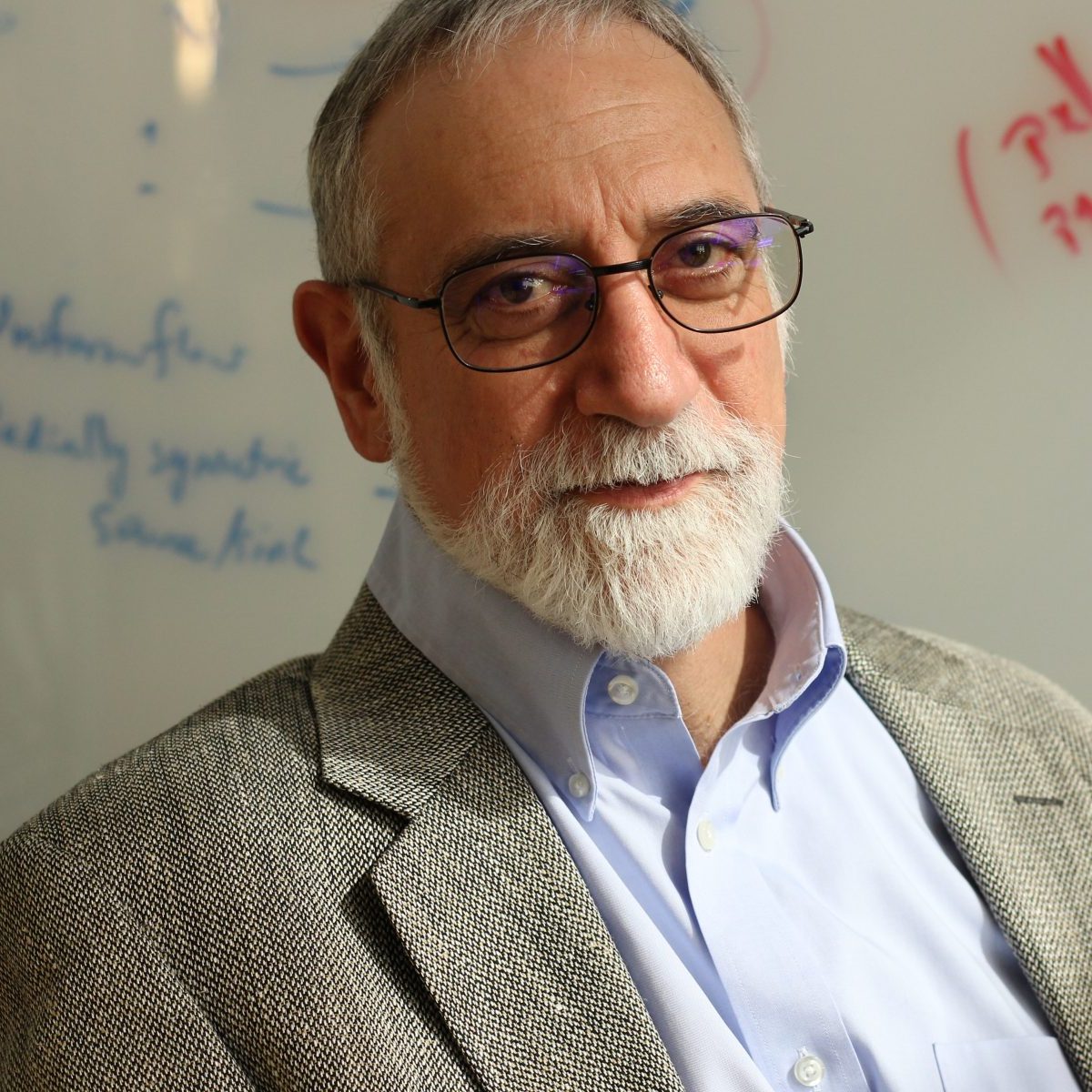
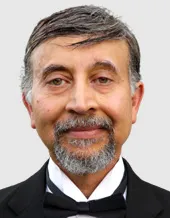
Muhammad Ardiyansyah is a Postdoctoral Researcher at the Department of Biological and Environmental Sciences , University of Jyväskylä. His work bridges robotics and mathematical frameworks, focusing on computational methods for motion control. Research Interests: His research applies Lie Algebra to robotics optimization, integrating principles from applied mathematics and bio-inspired engineering . This interdisciplinary approach aims to enhance robotic systems' efficiency and adaptability in dynamic environments. Recent Publication Trends: His 2025 work highlights the intersection of robotics , mathematical modeling , and environmental science , indicating a focus on real-world applications of theoretical advances.
Kartik Balachandran serves as Interim Associate Dean for Research in the College of Engineering at the University of Arkansas, holding a faculty position in the Department of Biomedical Engineering where he teaches Biomaterials (BMEG 3633) and Advanced Biomaterials and Biocompatibility (BMEG 4243/5243). His research integrates mechanical forces with biological responses to address cardiovascular and neurological disorders through innovative bioengineering approaches. Education: Postdoctoral training at Harvard University and the Wyss Institute for Biologically Inspired Engineering Ph.D. in Bioengineering from Georgia Institute of Technology M.S. in Mechanical Engineering from Georgia Institute of Technology B.Eng. in Mechanical Engineering from National University of Singapore Dr. Balachandran's research focuses on mechanobiology and tissue engineering, specifically investigating how mechanical forces regulate physiology and disease progression in cardiac valves and the blood-brain barrier. His laboratory employs micro- and nano-fabrication tools, live-cell imaging, and tissue engineering techniques to model calcific aortic valve disease, valve fusion, and traumatic brain injury. Key methodologies include organ-on-chip platforms that replicate hemodynamic conditions to study cellular responses to cyclic stretch, pressure, and shear stress. Analysis of his 15 most recent publications (2021-2025) reveals a dominant trend toward developing advanced microphysiological systems, particularly valve-on-chip and airway-on-chip models. These platforms enable high-resolution study of disease mechanisms, with significant emphasis on calcific aortic valve disease progression, neurovascular unit dysfunction, and aerosol delivery optimization. His work bridges cardiovascular and neurological research through shared mechanobiological principles, increasingly incorporating multi-omics approaches and xenofree biomaterials for enhanced physiological relevance. Scientific Awards: No scientific awards were listed in the provided source material. Advising and Grants: While the source material confirms Dr. Balachandran leads an active research laboratory and teaches graduate courses, specific details about student advising, grant funding, or sponsored research projects were not provided in the scraped content. Laboratory and Team: His research group utilizes a multidisciplinary approach combining microfabrication, live imaging, and tissue engineering to investigate cardiovascular and cerebrovascular pathologies. Current projects focus on developing bi-layered hydrogels mimicking aortic valve structure, nasal airway-on-chip models for aerosol studies, and neurovascular platforms for traumatic brain injury research. The lab collaborates extensively with clinicians and basic scientists to translate mechanobiological insights into potential regenerative therapies and medical interventions for valve calcification and blood-brain barrier dysfunction.
Stefano Olivieri serves as a Researcher in the Department of Civil, Chemical, and Environmental Engineering (DICCA) at the University of Genoa, Italy. He teaches core courses including Aerodynamics for Mechanical Engineering, Environmental Fluid Mechanics for Environmental Engineering, and River and Maritime Hydraulics for Civil Engineering master's programs, covering critical aspects of hydraulic risk management and fluid dynamics. His research centers on advanced fluid dynamics with emphases on turbulence characterization, fluid-structure interactions, and environmental flow systems. Key investigations include free-stream turbulence generation at low Reynolds numbers, dynamics of flexible fibers and canopies in turbulent boundary layers, and collective behavior of bio-inspired hairy surfaces. Methodologically, his work integrates high-fidelity numerical simulations with experimental validation to address complex flow phenomena across engineering and environmental contexts. Recent publications reveal a cohesive research trajectory exploring fluid-structure coupling in natural and engineered systems, with applications spanning aeronautics, river hydraulics, and ecological flow management. His studies consistently address multi-scale interactions in turbulent flows, particularly focusing on flexible elements like vegetation canopies and fiber arrays under varying flow conditions. Scientific awards: No awards or fellowships were documented in the source material. Advising and grants: The available information does not specify graduate student supervision, research grants, or collaborative funding initiatives. Labs and teams: No dedicated laboratory facilities, research groups, or institutional collaborations were referenced in the provided profile.
Prof. Dr. Martin Bogdan is a faculty member at the University of Leipzig since 2008, currently holding the Professorship for Neuromorphic Information Processing in the Faculty of Mathematics and Computer Science . His academic career spans roles as a research assistant, assistant professor, and department head at institutions including the University of Tübingen and University of Leipzig. Education : Studied technical computer science at Fachhochschule Offenburg (1987–1993) and industrial informatics at Université Grenoble I (1991–1993); earned PhD in 1998 from University of Tübingen. Research Interests focus on: Neuromorphic Information Processing Spiking Neural Networks Brain-Computer Interfaces (BCI) Embedded Systems for Bio-Analogous Processing Real-Time Signal Processing in Medicine Machine Learning Applications in Neurology Mainframe Computing Techniques Article Trends show expertise in: spiking neural networks for real-time applications; BCI systems for locked-in syndrome patients; hyperspectral imaging for agricultural analysis; FPGA-based evolving hardware; and machine learning applications in medical diagnostics. His work bridges neuroscience, computer science, and biomedical engineering. Academic Roles include leadership of the NeuroTeam (2000–2015), editorial positions, and extensive teaching experience in technical computer science and neuromorphic systems. Labs & Teams : Leads the Neuromorphic Information Processing division; collaborates with researchers including Dr. Sophie Adama, Dr. Jörn Hoffmann, and engineers like Max Braungardt.
Ioannis Fasoulas is an Assistant Professor in the Department of Mechanical Engineering at the Technical University of Crete, holding office hours Monday 18:00–20:00 and Thursday 12:00–14:00. Contact via jfasoulas@hmu.gr. Educational background: Diplomate Engineer, Electrical & Computer Engineering, Aristotle University of Thessaloniki (1999) Doctorate in Engineering, Electrical & Computer Engineering, Aristotle University of Thessaloniki (2004) His research spans robotics, mechatronics, and control systems with marine, biomechanical, and medical applications. Specializes in multi-joint robotic manipulation, biologically inspired systems, and innovative mechatronic solutions for biomedical use cases. Actively contributes to robotics literature as a journal and conference reviewer. Member of the Control Systems and Robotics Laboratory at TUC, supervising doctoral/postgraduate theses and directing the 'Advanced Production Systems, Automation and Robotics' postgraduate program. Previously collaborated with Aristotle University of Thessaloniki, University of Macedonia, and served as municipal engineer in Nea Alikarnassos.
Dr. Toni Wöhrl is a researcher at the Institute for Zoology and Evolutionary Research, Friedrich Schiller University Jena, Germany, specializing in biomechanics of insect locomotion and pediatric physical fitness. His work bridges entomological research with public health studies, focusing on ant climbing behaviors and pandemic-related impacts on children's health. His primary research investigates climbing behaviors in ants , analyzing how these insects prevent slipping or tipping on slopes through precise measurements of leg reaction forces and joint trajectories. This extends to comparative biomechanical analyses across Hymenoptera, examining adaptive locomotion strategies in uneven habitats. Concurrently, he contributes to large-scale pediatric studies assessing how age, sex, body constitution, and social factors influence physical fitness during/post-pandemic periods. Recent publications (2023-2025) reveal dual research trajectories: arthropod biomechanics involving instrumented motion arenas and force measurement systems, and public health epidemiology analyzing fitness data from over 38,000 German schoolchildren. His interdisciplinary approach combines experimental entomology with population health metrics, demonstrating methodological versatility across biological scales. Dr. Wöhrl collaborates extensively within the Institute for Zoology and Evolutionary Research, developing modular experimental setups for arthropod motion analysis while contributing to university-wide pandemic impact studies. His team-based research integrates motion capture, force sensors, and biomechanical modeling to explore fundamental principles of hexapod locomotion and human physical development.
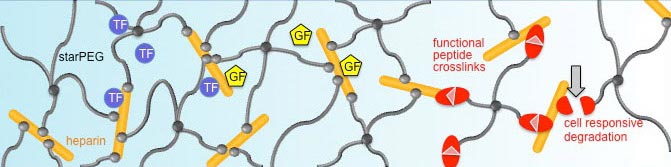
Carsten Werner is Professor for Biofunctional Polymer Materials at Technische Universität Dresden and Director of the Institute of Biofunctional Polymer Materials at Leibniz Institute of Polymer Research Dresden. He has led the Department of Biomaterials since 2000, with prior roles including Adjunct Professor at the University of Toronto (2000–2018) and Group Leader at Leibniz Institute (1995–2000). His research group develops biologically inspired polymer systems with focus areas including: Charge/structure analysis at bio-interfaces Anticoagulant coatings for blood-contacting devices Decellularized matrices for regenerative therapies Bio-responsive hydrogels for in vivo tissue engineering Recent publications emphasize biomaterial strategies for vascularization (2020), stem cell maintenance (2017), and renal tissue development (2017), utilizing hydrogel platforms to control cellular microenvironments. No awards or student information is provided in the source material. He directs the Carsten Werner Group at Leibniz Institute, developing polymer-based solutions for medical applications with an emphasis on translational impact.
Christophe Goupil is a University Professor 1st Class at the University of Paris, where he teaches in the Faculty of Physics and conducts research at the Interdisciplinary Laboratory of Tomorrow's Energies (LIED), UMR 8236. He serves as Head of the DyCO (Dynamiques Couplées) research team and previously held the position of Deputy Director of LIED from 2015-2020. With research spanning three distinct periods—Supraconductivity (1991-2004), Thermoélectricity (2004-2012), and Interdisciplinary Energy Research (2012-present)—Goupil's work focuses on energy conversion, non-equilibrium thermodynamics, and the application of thermodynamic principles to biological and economic systems. His approach integrates physics, biology, and economics through the lens of coupled dynamics, with particular interest in bio-inspired energy systems and the thermodynamics of metabolic processes. His research has evolved from fundamental studies of vortex dynamics in superconductors to interdisciplinary applications examining the relationship between energy conversion and living systems. Goupil's recent publications reveal a growing trend toward interdisciplinary applications of thermodynamics, with approximately 40% focusing on biological systems, 30% on advanced thermoelectric materials and devices, 20% on fundamental thermodynamic theory, and 10% on economic applications. His work consistently applies Onsager's linear response theory to diverse systems, demonstrating the universality of thermodynamic principles across disciplines. Best Paper Award 2015 for Thermodynamics of Thermoelectric Phenomena and Applications in Entropy journal Co-director of the publication Manuel de la grande transition Co-editor of the exhibition catalog for the Biomimétisme exhibition at Cité des Sciences Professor Goupil has supervised 8 PhD theses and 5 post-doctoral researchers, while mentoring approximately 2 M2-level interns annually. His research has been supported by numerous projects including THETAGEN (FP7 CleanSky), ENERMAT (INTERREG), METABOLOCOT (CNRS), FLEXIGEN (Centre-Val de Loire), and several FUI projects. He has served on 17 thesis committees and 3 HDR committees, demonstrating his active engagement in academic mentorship and evaluation. As head of the DyCO research team at LIED, Goupil leads investigations into coupled dynamics across multiple domains. The team explores the thermodynamic foundations of energy conversion in both living and non-living systems, with particular focus on the interface between physical principles and biological organization. Their work bridges traditional disciplinary boundaries, examining how thermodynamic constraints shape system behavior across scales—from electronic transport to metabolic processes to economic systems.
Dr. Ana Cocho-Bermejo serves as a Senior Lecturer in the School of Engineering and the Built Environment within the Faculty of Science and Engineering at Anglia Ruskin University (ARU), specializing in Artificial Intelligence and Machine Learning applications for architectural and urban design. Previously, she held academic leadership roles at UIC Barcelona including Lecturer, Researcher, Academic Manager, and Vice-Dean for Student Affairs, while co-directing the Masters in Artificial Intelligence for Architectural Design at Barcelona Tech. Her academic credentials demonstrate exceptional interdisciplinary depth: PhD in Building Technology in Architecture, Construction and Urban Planning (Barcelona Tech, 2012) MPhil in Artificial Intelligence (Barcelona Tech, 2022) MRes in Adaptive Architecture and Computation (The Bartlett, 2011) MArch Design as Research (Architectural Association of London, 2006) MPhil Representation in Architecture (ETSA Coruna, 2006) MArch+ARB Architecture (ETSA Coruna, 2004) Her research pioneers hybrid design methodologies integrating evolutionary computation and machine learning with architectural practice. She investigates complex systems and distributed intelligence to develop computational frameworks for optimizing building envelopes, urban morphologies, and generative design processes. Her work bridges theoretical AI with practical architectural challenges, emphasizing sustainable material systems and responsive environments through supervised learning and behavioral modeling. Publication analysis reveals consistent innovation in applying evolutionary algorithms to architectural problems, evolving from foundational work on intelligent membranes (2014-2015) toward sophisticated behavioral studies of adaptive materials (2025) and urban tissue optimization. The interdisciplinary trajectory spans computational geometry, biomimetics, and complex systems theory, demonstrating increasing sophistication in merging AI techniques with architectural design constraints. She actively contributes to academic discourse through editorial roles for the International Journal of Architectural Computing and Sustainability, while maintaining memberships in leading professional bodies including ACADIA, ECAADE, and the Architects Registration Board (UK/Spain). Her scholarly development was supported by prestigious scholarships from Foundation Santander Universia and the Pedro Barrie de la Mza/British Council. As a research supervisor, she mentors students in computational design, data analytics, and AI-driven design methodologies. Her teaching portfolio includes Design Studio A and Technology A for Architecture programs, plus Sustainable Design Studio 1 for Architectural Technology. Fluent in four languages, she maintains strong European academic networks through conference participation and collaborative research.
Jason Yoder serves as Associate Professor of Computer Science and Software Engineering at Rose-Hulman Institute of Technology's College of Engineering. His dual appointment bridges computational and cognitive sciences through interdisciplinary research. His educational background includes: Dual Ph.D. in Computer Science and Cognitive Science, Indiana University (2018) M.S. in Computer Science, Indiana University (2011) B.A. in Computer Science and Mathematics, Goshen College (2008, 2009) Yoder's research spans two interconnected domains. In evolutionary systems, he investigates developmental exaptations, neuromodulation in neural networks, and evolvable hardware through computational modeling. His cognitive science work examines metacognition, emotion theory, and consciousness frameworks. This dual focus manifests in bio-inspired AI approaches that integrate biological principles with computational efficiency. His publication portfolio reveals consistent contributions to artificial life conferences and computational neuroscience journals since 2014, with recent emphasis on developmental strategies in NK fitness landscapes and meta-learning architectures. Key trends include the convergence of evolutionary computation with neuromodulatory principles for adaptive systems. Notable recognitions include: National Science Foundation Research Opportunity Award (2021) Indiana University Male Big of the Year Award (2019) Sarah D. Barder Fellowship (2017) Associate Instructor of the Year Award (2016) Yoder has pioneered educational innovations in software engineering pedagogy, notably implementing exam wrappers to improve student performance. His teaching portfolio covers bio-inspired AI, evolutionary computation, and object-oriented development. Beyond academia, he maintains an active role coaching college ultimate frisbee teams and competing in multiple sports.
Mohammad Jafari serves as an Associate Professor of Robotics Engineering in the Department of Earth and Space Sciences, College of Letters and Sciences, at Columbus State University since August 2021. His academic credentials include: Ph.D. in Electrical Engineering, University of Nevada, Reno (2018) M.S. in Computer Science and Engineering, University of Nevada, Reno (2015) M.S. in Mechatronics Engineering, Iran (2012) B.S. in Computer Hardware Engineering, Iran (2007) His research centers on real-time learning-based control systems with applications across diverse domains. Key focus areas: Machine Learning for Control Theory Multi-Agent Systems and Formation Control Biologically-inspired Control (including BELBIC) Robotics for Microgrids and Biological Systems His 2025 publications reveal a cohesive theme of applying machine learning to robust control challenges, spanning bioengineering cell migration control, thermoacoustic oscillation management, and agricultural meteorology applications. No scientific awards are documented in available materials. He mentors graduate researchers including Logan, who successfully defended a thesis on Physics-Informed Neural Networks for rocket engine modeling in December 2024. Dr. Jafari actively contributes to academic service through conference judging and presentations at Columbus State University's 2025 Tower Day Conference. Prior research at the University of Nevada's Intelligent Autonomous Systems Lab informs his current robotics engineering program at Columbus State, though specific lab structures are not detailed.
Tareq Assaf is a Lecturer in Robotics Engineering at the University of Bath, affiliated with the Department of Electronic & Electrical Engineering. He leads research in bio-inspired robotics, focusing on tactile sensing systems and soft robotics applications. His work integrates biological principles to enhance robotic platforms, with projects addressing large-scale artificial skin development and human-robot collaboration in manufacturing. Current research interests include bio-inspired robotics, tactile skin-like lattice systems, and distributed robotics frameworks. He actively contributes to UN Sustainable Development Goals through innovations in sustainable materials and assistive technologies. Tareq supervises doctoral students in robotics and bioengineering, with opportunities listed at FindAPhD . Projects: Multimodal intention aware system (2025-2026, British Academy-funded) Bio-inspired feathered sensors for UAVs (2023-2024, Royal Society-funded) Labs/Groups: The Foundry (Digital Manufacturing & Design), Centre for Bioengineering & Biomedical Technologies (CBio) His research outputs span over 30 peer-reviewed articles and datasets on artificial sensory systems, including innovations in tactile sensor arrays and cerebellar-inspired control algorithms. Recent work highlights include low-cost plastic waste recognition systems and adaptive robot control frameworks.
Dan Koditschek is the Alfred Fitler Moore Professor of Electrical and Systems Engineering at the University of Pennsylvania, affiliated with the GRASP Lab. His research focuses on applying dynamical systems theory to design and test legged robots capable of complex physical interactions, such as running, climbing, and reorientation. Collaborations with biologists inform designs inspired by animal mobility, emphasizing formal mathematical modeling to understand success and limitations of robotic platforms. Key research areas include dynamical systems and control, machine learning/AI, and autonomous systems. Recent advancements include robotic rheometry for soil analysis, fault-tolerant gaits, and embodied intelligence in legged systems. His work spans theoretical foundations to real-world applications, such as planetary exploration and field data collection. Awards include the IEEE RAS Pioneer Award (2016) and Heilmeier Research Award (2017). The Koditschek Doctoral Fellowship honors his legacy. Advising over 20 PhD students and postdocs, Dan’s lab has produced leaders in academia and industry (e.g., Ghost Robotics, Amazon). Major projects include the RHex hexapod and the Kinegami origami-based robot design framework. Current efforts emphasize reactive planning in unstructured environments, energy-efficient locomotion, and interdisciplinary field robotics. His lab’s innovations address challenges in granular media interaction, obstacle-aided locomotion, and sensor-based navigation. Recent articles highlight advances in proprioceptive sensing, robotic rheometry, and multiscale dynamical systems analysis.
Nitish Thakor is a Professor of Biomedical Engineering at Johns Hopkins University and a Hans Fischer Senior Fellow at the Technical University of Munich's Institute for Advanced Study (TUM-IAS). His work focuses on neuroengineering, including neural interfaces, neuroprosthetics, and biomimetic sensing systems. He leads the Human-Centered Neuroengineering focus group at TUM-IAS, collaborating with Prof. Gordon Cheng. Thakor has over 425 peer-reviewed publications and 16 patents, with notable contributions to tactile feedback systems, neuromorphic e-dermis for prosthetics, and brain-machine interfaces. His awards include election to the National Academy of Inventors and Fellowships from IEEE, AIMBE, and the Biomedical Engineering Society. Research interests include neural signal processing for prosthetics, soft robotics for delicate object manipulation, and sensory feedback systems enhancing phantom limb perception. He co-founded three companies commercializing neuroengineering technologies. His recent work integrates sensory stimulation to improve neural connectivity in amputees and explores bio-inspired reflex mechanisms for robotic systems. He actively contributes to scientific leadership as Editor-in-Chief of Medical & Biological Engineering and Computing .
Ed Habtour is an Assistant Professor in the Department of Aeronautics & Astronautics at the University of Washington. He leads The illimited Lab, focusing on biomimetic actuation, nature-inspired robotics, and dynamic structures. His research aims to engineer structures inspired by biological systems for aerospace, robotics, energy, and medicine applications. Education: Ph.D. Mechanical Engineering (University of Maryland, 2015), M.S. Mechanical Engineering (University of Maryland, 2014), M.E. Mechanical Engineering (Johns Hopkins University, 2006), M.S. Computational Engineering (Purdue University, 2011), B.S. Mechanical Engineering (Utah State University, 2004). Key research areas include structural health monitoring, nonlinear dynamics, and adaptive materials. Current projects involve aerial-aquatic robot transformers, snake dynamics emulation, and advanced manufacturing of aerospace structures. Awards: US Department of the Army Commander’s Medal, IEEE Evans/P.K. McElroy Award, and multiple science awards. Courses Taught: Aircraft Design I/II, Structural Vibrations, Aerospace Structures I, Mechanics of Composite Materials. Labs/Teams: The illimited Lab, specializing in bio-inspired engineering and smart materials.