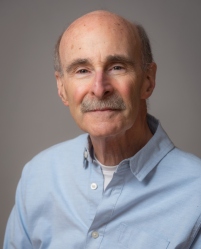
Ed Grant is a Professor in the Department of Chemistry at the University of British Columbia (UBC), Faculty of Science. He leads research in chemical physics, focusing on laser spectroscopy, ultracold plasmas, and Raman spectroscopy. B.A., 1969, Occidental College Ph.D., 1974, University of California, Davis Research Interests: Grant's work spans fundamental and applied domains. His team investigates ultracold plasmas using molecular beam techniques, revealing Coulombic interactions and strong correlations. In Raman spectroscopy, they develop instruments for microscale biological sample analysis and employ multivariate classification. Recent projects integrate quantum computing, machine learning, and environmental science (e.g., microplastics' atmospheric impact). Scientific Awards: R&D 100 Award (1998) Fellow of the American Physical Society (1992) Humboldt Research Award (1992, 2012) Kelly Award for Excellence in Undergraduate Teaching (1990) Fulbright Senior Scholar (1988)
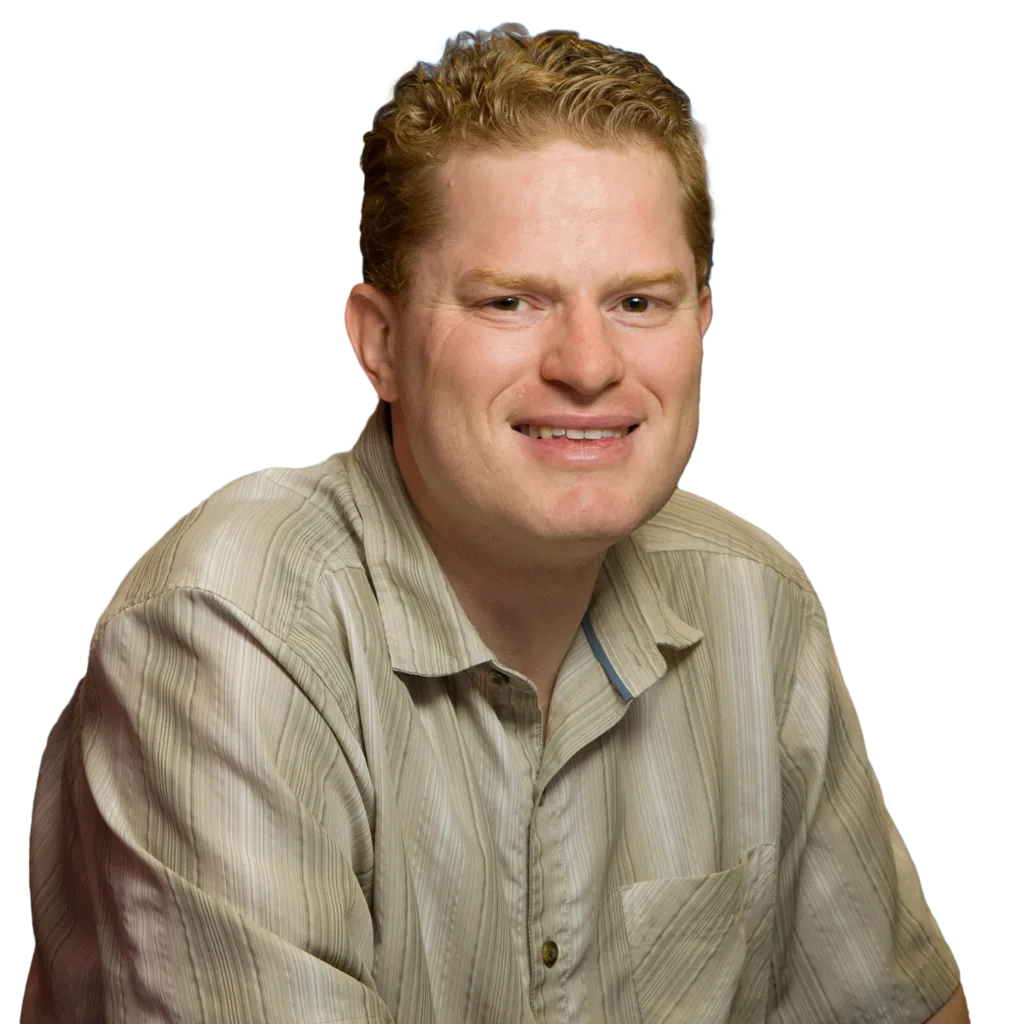
Prof. Dr. Moritz Helias is a University Professor and leads the Theory of Multi-Scale Neuronal Networks group at the Institute for Advanced Simulation (IAS-6), Computational and Systems Neuroscience, Forschungszentrum Jülich. His research bridges biological and artificial neural networks, focusing on dynamics, information processing, and the physics of AI. The group is part of a larger interdisciplinary institute that integrates theory, simulation, and data analysis to understand the brain. Institution: Forschungszentrum Jülich School: Institute for Advanced Simulation Department: IAS-6, Computational and Systems Neuroscience Position: Professor and Group Leader Email: m.helias@fz-juelich.de His research interests lie at the intersection of statistical physics and neuroscience. He investigates how structure shapes dynamics in both biological and artificial networks, aiming to uncover general principles of information processing. Using methods from statistical physics, his work enables a unified framework for understanding collective phenomena, learning, and generalization. Key areas include spiking neural networks, renormalized field theory, and the theoretical foundations of AI. The recent publications reflect a strong trend toward multi-scale modeling of neural systems, integrating statistical physics with neuroscience. Topics include spiking network dynamics, mean-field theory, renormalization, and applications of machine learning in physics. The work spans biological realism and artificial intelligence, with implications for neuromorphic computing and brain-inspired AI architectures. While no scientific awards are listed in the provided texts, his group actively contributes to open science through tools like NEST and theoretical frameworks that influence both neuroscience and AI. Prof. Helias supervises a research group focused on theoretical and computational approaches, contributing to collaborative projects involving large-scale simulations and data analysis. His team works closely with experimentalists and theorists to validate models and advance understanding of brain function. The group is also involved in developing simulation technologies and theoretical tools that support reproducible neuroscience. The Theory of Multi-Scale Neuronal Networks group is embedded within a vibrant research environment at IAS-6, collaborating with teams in statistical neuroscience, computational neurophysics, and future simulation architectures. This fosters a loop between data, theory, and simulation, enabling cutting-edge research on brain function and artificial intelligence.
Randy Bartels is a Professor in the Department of Biomedical Engineering at the University of Wisconsin-Madison. His laboratory specializes in developing advanced biomedical imaging techniques to study complex biological phenomena and translate these methods into applications that enhance fundamental understanding of biology and disease treatments. Education: PhD, University of Michigan (2002) MS, University of Michigan (1999) BS, Oklahoma State University (1997) Research Interests: Bartels focuses on creating novel coherent nonlinear optical imaging modalities, such as spatial frequency modulation imaging (SPIFI), impulsive stimulated Raman scattering (ISRS), and synthetic aperture holography. His work emphasizes label-free imaging, optical scattering robustness, and computational enhancements for resolution and sensitivity. Scientific Awards: 2021 Institut Fresnel Visiting Professor 2013 American Physical Society Fellow 2011 Optical Society of America Fellow 2006 Presidential Early Career Award in Science and Engineering (PECASE) 2005 Sloan Research Fellow (Physics) 2004 NSF CAREER Award Recent Article Trends: Bartels' publications highlight innovations in label-free imaging, nonlinear microscopy, and computational techniques. Key themes include hyperspectral coherent Raman imaging, quantum-classical fusion for super-resolution, and robustness to optical scattering in biological and industrial applications. His work spans fundamental physics, engineering, and biomedical translation. Laboratory: Bartels leads a research group dedicated to advancing imaging technologies, with a focus on overcoming limitations in resolution, depth, and sensitivity through optical and computational methods.
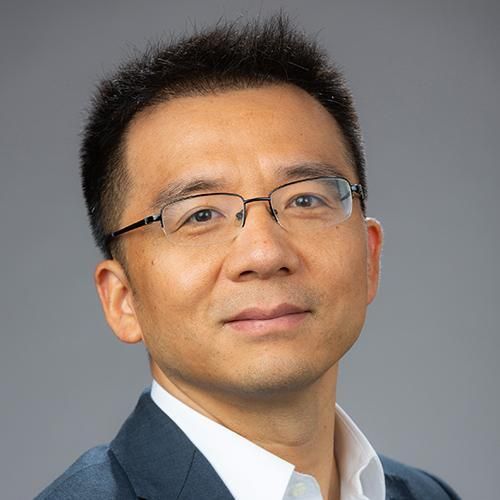
Yves Comeau is a Professor in the Department of Civil, Geological and Mining Engineering at Polytechnique Montréal. With a Ph.D. in Environmental Civil Engineering from the University of British Columbia (1989), his career spans over three decades, focusing on wastewater treatment, nutrient removal, and water resource recovery systems. He directs the Environmental Engineering Laboratory and co-leads the Center for Research, Development and Validation of Water Treatment Technologies (CREDEAU). Education: B.Eng. (1980), M.A.Sc. (1984), Ph.D. (1989) from UBC Current research emphasizes biological/chemical nutrient removal, modeling, and phytotechnology for cold climates Key projects include steel slag filters for phosphorus removal, willow-based wastewater treatment, and landfill leachate management His 183 publications cover topics from activated sludge modeling to bioremediation of contaminated soils Recent work demonstrates the efficacy of willow vegetation filters in cold climates and microplastic characterization in wastewater. He has supervised 12 Ph.D. and 54 Master’s students, including Dominique Claveau-Mallet (2017) and Xavier Lachapelle-Trouillard (2017). Awards include the Environmental Network Distinction (2016) .
Christian Freund is Professor of Protein Biochemistry at the Institute for Chemistry & Biochemistry, Freie Universität Berlin, holding this W2 professorship since 2011. He serves as Coordinator of the FU Berlin-UCSF Collaborative Initiative and Founding Member/Vice-chair of the DFG Collaborative Research Centre SFB/TRR 186 on Molecular Switches in Cellular Signal Transmission, leading interdisciplinary research across Berlin and Heidelberg institutions. His academic foundation includes Chemistry studies at Heinrich-Heine-Universität Düsseldorf (1983-1986) and Ludwig-Maximilians-Universität München (1986-1989), followed by a PhD in Structural Biology at the Max-Planck-Institute of Biochemistry (1994) and Habilitation in Biochemistry at Freie Universität Berlin (2005). Freund's research integrates structural biology, biophysics, and immunology to investigate molecular mechanisms of antigen presentation and cellular signaling. His work centers on MHC class II dynamics, protein conformational switches, and nanoscale organization of signaling complexes, employing NMR spectroscopy, quantitative proteomics, and molecular engineering to dissect immune recognition pathways and neuronal signaling mechanisms. Analysis of his 2010-2019 publications reveals consistent focus on MHC-mediated antigen presentation (60% of works), with significant contributions to understanding peptide exchange dynamics and HLA-DM editing functions. Secondary research streams explore synaptic protein networks (25%) and T cell signaling machinery (15%), demonstrating methodological breadth across structural biology, proteomics, and cell biological approaches. His scientific recognition includes: Biofuture award from the German Ministry of Education and Research (1999) Swiss National Funds Post-doctoral Scholarship (1997) Innovationswettbewerb Medizintechnik grant (2009) As research group leader at Leibniz-Institute of Molecular Pharmacology (2000-2011) and current FU Berlin professor, Freund has secured major collaborative funding through DFG SFB/TRR 186 and the UCSF partnership. His mentorship spans postdoctoral fellows at Harvard/Dana-Farber and Leibniz-Institute, with current supervision of graduate students in the Berlin biochemistry program. Freund directs a research group within FU Berlin's Institute for Chemistry & Biochemistry, operating as core component of SFB/TRR 186. His laboratory maintains active collaborations with UCSF's QBI (Nevan Krogan) and Heidelberg-based structural biology teams, utilizing advanced NMR, cryo-EM, and single-molecule imaging facilities across the Berlin-Heidelberg research alliance.
Dr. Stephen Warren-Smith is a Senior Research Fellow at the Future Industries Institute, University of South Australia (UniSA), where he conducts cutting-edge research in optical fiber technology and photonics. He is affiliated with the Laser Physics and Photonic Devices Laboratories within UniSA STEM (Science, Technology, Engineering and Mathematics), and serves as a Research Degree Supervisor for graduate students. Dr. Warren-Smith's primary research interests span optical fiber technology, photonics, and biosensors, with a particular focus on developing novel fiber optic sensing platforms for biomedical and environmental applications. His work encompasses microstructured optical fibers, fluorescence sensing, and the integration of machine learning techniques for enhanced sensor performance. He has made significant contributions to the fields of harmonic generation in optical fibers, NV center-based quantum sensing, and multimode fiber applications. Analysis of Dr. Warren-Smith's recent publications reveals a strong trend toward developing sophisticated fiber optic sensing platforms with diverse applications. His work demonstrates increasing integration of advanced materials (like diamond with NV centers) and computational methods (particularly deep learning) to overcome traditional limitations in optical sensing. The research spans fundamental physics of light-matter interactions in fibers to practical applications in medical diagnostics, environmental monitoring, and industrial process control. A notable pattern is the development of multi-parameter sensing capabilities within single fiber platforms, enabling simultaneous measurement of various physical and chemical properties. Dr. Warren-Smith has secured significant research funding including ARC Future Fellowships (FT200100154), ARC Discovery Projects (DP190102896), and support from the Australian National Fabrication Facility (Optofab Node) utilizing Commonwealth and South Australian State Government resources. His research has received substantial citation counts, with several papers cited multiple times in Web of Science and Scopus. Dr. Warren-Smith leads research activities within the Laser Physics and Photonic Devices Laboratories at UniSA STEM. His team specializes in the design, fabrication, and characterization of advanced optical fiber devices, with particular expertise in microstructured optical fibers, suspended core fibers, and integrated photonic sensing platforms. The laboratory maintains strong connections with the Australian National Fabrication Facility (Optofab Node) for advanced device fabrication capabilities and collaborates extensively with institutions including RMIT University, University of Melbourne, University of Adelaide, and international partners in China.
Richard A. Register is the Eugene Higgins Professor of Chemical and Biological Engineering at Princeton University and serves as Director of the Princeton Materials Institute . He is affiliated with the Andlinger Center for Energy and the Environment as an executive committee member and associated faculty. Education : Ph.D. in Chemical Engineering (1989, University of Wisconsin-Madison); M.S. in Chemical Engineering Practice (1985), S.B. in Chemical Engineering (1984), and S.B. in Chemistry (1983) from MIT Research Interests : Focuses on materials synthesis, processing, and properties of polymers, particularly multi-phase polymeric systems like block, gradient, and random copolymers. His work bridges fundamental polymer physics with applications in energy, environment, and scalable nanofabrication. Selected Research Trends : Recent publications highlight block copolymers for biobutanol recovery, melt-processing of polyolefin multiblock copolymers, shear-induced orientation of nanocylinders, crystallization modes in microdomains, and lithographic applications for dense nanoscale arrays. Scientific Awards : Inaugural Distinguished Faculty Service Award (2025), Distinguished Teacher Award (2018), Fellowships in AIChE (2014), ACS (2012), and APS (2001), Graduate Mentoring Award (2008), and early-career honors from NSF (1992) and Unilever (1992) Advising and Grants : Mentors graduate students including Asmita Ghosh and Katherine Gunter. Leads projects funded by DOE on recyclable plastic packaging and collaborates across disciplines via Princeton's Materials Institute and Andlinger Center. Labs and Teams : Heads the Polymer Research Laboratory at Princeton, overseeing a team of graduate students and postdocs. His lab integrates synthesis, structural characterization (SAXS, WAXS, SEM, TEM, AFM), and property measurements to advance polymeric materials.
Tony Jun Huang is the William Bevan Distinguished Professor of Mechanical Engineering and Materials Science at Duke University, with additional professorships in Electrical and Computer Engineering and Biomedical Engineering. His research focuses on acoustofluidics, optofluidics, and micro/nano systems for biomedical diagnostics and therapeutics. Ph.D. in Mechanical and Aerospace Engineering (UCLA, 2005) Huang's research has revolutionized biomedical microsystems through acoustofluidic technologies, enabling contactless particle manipulation, exosome isolation, and advanced diagnostic platforms. His work has been cited over 36,000 times (h-index: 102) with 30 issued/pending patents. Recent publications highlight his innovations in acoustic tweezers, extracellular vesicle analysis, topological acoustofluidics, and AI-assisted biomimetic imaging. His lab develops technologies for single-cell analysis, non-invasive diagnostics, and programmable material systems. 2023 Highly Cited Researcher (Web of Science) 2020 Fellow of the National Academy of Inventors (NAI) 2019 Van C. Mow Medal (ASME) 2017 Analytical Chemistry Young Innovator Award (ACS) 2010 NIH Director's New Innovator Award Huang has taught courses including ME 535: Biomedical Microsystems and mentored numerous graduate students through his Duke Acoustofluidics Lab. His lab's technologies are applied in cancer biomarker detection, Alzheimer's diagnostics, and wound healing hydrogels.
Jonathan Freund is Professor of Mechanical Science and Engineering and Aerospace Engineering at the University of Illinois at Urbana-Champaign, holding the Donald Biggar Willett Professorship since 2016. He serves as Head of Aerospace Engineering (2020-present) and is Co-Director of the Center for Exascale-enabled Scramjet Design (CEESD). His academic journey began with all three degrees in Mechanical Engineering from Stanford University (B.S. 1991, M.S. 1992, Ph.D. 1998), followed by faculty positions at UCLA (1997-2001) before joining UIUC. Freund's research spans fluid mechanics with applications in biomedical systems, aeroacoustics, and materials science. His work focuses on computational modeling of cellular blood flow, jet noise control, plasma-coupled combustion, uncertainty quantification, and nanoscale material processing. He develops advanced simulation tools to investigate phenomena ranging from atomically thin liquid films to spacecraft propulsion systems. His laboratory leverages high-performance computing to solve complex multiphysics problems requiring exascale capabilities. Analysis of his recent publications reveals a strong emphasis on computational fluid dynamics applied to biological systems (35%), aeroacoustics and jet noise (25%), materials processing at nanoscale (20%), and uncertainty quantification methods (20%). His work consistently bridges fundamental fluid mechanics with practical engineering applications, particularly in medical technologies and advanced propulsion systems. Donald Biggar Willett Professor (2016-present) Kritzer Faculty Scholar (2011-2016) Fellow of the American Physical Society (2011) Campus Excellence in Faculty Mentoring Award (2017) APS DFD Gallery of Fluid Motion Winner (2000) Associate Fellow of AIAA (2012) Freund has advised numerous graduate students and received multiple teaching honors including the Engineering Council Award for Excellence in Advising (2008, 2012) and repeated recognition on the List of Excellent Teachers. His research has been supported by agencies including the Department of Energy's National Nuclear Security Administration. He leads the CEESD center which develops physics-faithful predictive simulations for scramjet design using advanced high-temperature composite materials.
Dr. Katherine Fish is a Research Fellow in Water Systems Microbiology at the School of Mechanical, Aerospace and Civil Engineering, University of Sheffield. She holds a PhD in Civil and Structural Engineering (2013) and an MSc in Biological Science (2009) from the same institution. PhD: The impact of hydraulic regime upon biofilms in drinking water distribution systems , University of Sheffield. MSc: First-Class Honours in Biological Science, Department of Animal and Plant Sciences, University of Sheffield. Her research focuses on applied environmental microbiology, particularly the microbial ecology of natural and engineered environments. Key areas include: Biofilm formation, mobilisation, and stability in drinking water systems Interdisciplinary approaches to biofilm management and water quality Microbial community responses to disinfection practices Impacts of hydraulic regimes and chemical treatments on biofilms Public health implications of biofilm dynamics She collaborates with industry partners such as AkzoNobel, Dŵr Cymru Welsh Water, and South Staffs Water on projects like Managing Aquatic Biofilms via Surface Manipulation (funded by NBIC, BBSRC) and Biomonitoring . Her work also contributes to EPSRC-funded initiatives including TWENTY65, Sheffield Water Centre, PODDS, Pipe Dreams, and Pennine Water Group. Her publications span topics like Pseudomonas aeruginosa interactions in biofilms, disinfection residual behaviour, microplastic contamination in aquatic systems, and climate change impacts on water infrastructure. These studies integrate biological, chemical, and physical analyses to enhance water system management. Contact: k.fish@sheffield.ac.uk | ORCID | LinkedIn
Nader Sadegh is a Professor in the Woodruff School of Mechanical Engineering at the Georgia Institute of Technology's College of Engineering, where he also serves as Associate Director and Education Director of the Robotics Ph.D. Program. His research spans robotics, control theory, and artificial intelligence with applications in industrial automation and public health. Dr. Sadegh's educational background includes: B.S. from University of California, Santa Barbara (1982) M.S. from University of California, Berkeley (1984) Ph.D. from University of California, Berkeley (1987) His research evolved from pioneering work on adaptive learning controllers for robotic manipulators—which enable robots to learn repetitive tasks without precise models—to neural network applications and nonlinear system identification. Current work focuses on barrier state theory for safety-critical control systems, safe trajectory optimization in robotics, and epidemiological modeling for disease transmission control. His methodologies consistently bridge theoretical control frameworks with industrial implementations to enhance system accuracy and autonomy while reducing hardware complexity. Analysis of his recent publications reveals a dominant trend toward safety-critical control architectures using barrier states and functions, with expanding applications in quadrotor navigation, agricultural robotics, and pandemic response systems. The interdisciplinary nature of his work connects control theory with machine learning, epidemiology, and industrial automation. Scientific distinctions include: Associate Editor, Journal of Dynamic Systems, Measurement, and Control (1993-1997) Registered Professional Engineer in Georgia U.S. Patent 5,946,449 for precision apparatus with non-rigid structures Dr. Sadegh has secured significant industry-sponsored research including Xerox Corporation projects on photoreceptor speed regulation, Ford Motor Company collaborations on assembly operations and continuously variable transmissions, and Visteon-funded work on high-precision manufacturing systems. His grants consistently target practical implementations where theoretical control methods solve real-world problems in automotive systems, electro-hydraulic valves, and glass forming processes. Based at the Georgia Tech Manufacturing Institute (GTMI), his lab develops integrated control solutions for complex mechanical systems, with recent emphasis on safety-guaranteed autonomous operations in unstructured environments and data-driven modeling for biological processes.
Nicole Gerardo is a Professor at Emory University and Director of the Graduate Division of Biological and Biomedical Sciences. Her lab studies evolutionary ecology in insect-microbe systems, including aphid-bacteria symbioses and fungus-growing ants. Education includes a Ph.D. from University of Texas at Austin (2004) and B.A. from Rice University (1997). Research integrates experimental evolution , genomics , and field ecology to address: Mechanisms of symbiont-mediated pathogen defense Transmission dynamics in mutualisms Host immunological trade-offs Agricultural applications of protective microbes Recent work examines priority effects in symbiont colonization, monarch butterfly microbiomes, and coevolution in ant-fungal systems. Field sites span Panama, Brazil, and agricultural ecosystems.
Fangwei Si is the Cooper-Siegel Assistant Professor of Physics at Carnegie Mellon University's Department of Physics, with courtesy appointments in Biomedical Engineering. His research focuses on uncovering biological laws through quantitative biophysics , integrating microfluidics , imaging , and physical modeling . He previously held postdoctoral positions at The Scripps Research Institute and University of California, San Diego, and earned his Ph.D. in Mechanical Engineering from Johns Hopkins University. Ph.D.: Johns Hopkins University (2015) B.S.: Peking University (2009) His research bridges cell surface biophysics , cellular adaptation , and bacteria-phage interactions , emphasizing how cells optimize fitness through precise membrane organization and component redundancy . Current projects explore mechanical compression effects , quantitative adaptation principles , and phage-host coevolution . The lab's articles reveal trends in cell size control (2017-2019), mechanosensation (2018), and stochastic modeling (2020-2021), extending to machine learning approaches (2025) and high-throughput imaging (2024). Key methods include microfluidics , genetic modulation , and physical modeling . At CMU, Si leads the Experimental Cell Biophysics Lab, mentoring Ph.D. students like Mo Zhou and Christopher Aldrich , alongside postdocs and undergraduates. His lab received NIH and NSF grants in 2023 to advance research on microbial systems.
Dr. Monica Martinez Wilhelmus is the Thomas J. and Alice M. Tisch Assistant Professor of Engineering at Brown University's School of Engineering. She holds affiliations with NASA Jet Propulsion Laboratory (JPL) and is an adjunct professor at the University of California Riverside. Her research integrates experimental and numerical methods to study transport phenomena at the intersection of biology, oceanography, and fluid mechanics. Key interests include sea ice dynamics, remote sensing, and fluid transport by plankton aggregations. Education: B.Sc. in Mechanical Engineering from Universidad Nacional Autonoma de Mexico (2010), M.S. and Ph.D. in Mechanical Engineering from Caltech (2012, 2016). Her postdoctoral work at JPL/Caltech focused on collaborative ocean science projects. Research in the Wilhelmus Lab explores fluid mechanics in environmental and biological systems, with projects like Arctic sea ice tracking, robotic platforms, and plankton hydrodynamics. The lab's work bridges engineering and environmental science to address climate observation challenges and ocean turbulence. Her interdisciplinary approach combines satellite data analysis with field experiments, contributing to understanding Arctic Ocean eddies and submesoscale currents. Collaborative efforts include developing algorithms for ice floe tracking and advancing sediment diagenesis models.
Kourosh Shoele is an Associate Professor in the Department of Mechanical Engineering at Florida State University (FSU), part of the FAMU-FSU College of Engineering. He previously held roles as an Assistant Research Scientist at Johns Hopkins University and a Post-doctoral Researcher at the University of California, San Diego. His research focuses on fluid-structure interaction, computational mechanics, and bioinspired engineering, with applications in renewable energy, aerospace, and biological systems. Education: Ph.D. (2011) and M.Sc. (2006) in Mechanical Engineering from the University of California, San Diego and Sharif University of Technology, respectively, and B.Sc. (2003) from Shiraz University. Research emphasizes multiphase fluid dynamics, aeroelasticity, energy harvesting, and shock wave dynamics. Notable projects include studies on cryogenic fuel storage, bioinspired robotics, and mask efficacy during respiratory disease transmission. His work has been recognized with awards such as the NSF Career Award (2020) and DARPA Young Faculty Award (2019). Advising and Team: Leads the Computational & Theoretical Multiphysics Laboratory (CTML), mentoring graduate students and postdocs across fluid dynamics, thermal management, and robotics. Collaborates on interdisciplinary projects including mask aerodynamics, flexible tree dynamics, and shock-boundary layer interactions. Labs/Teams: CTML Group, with ongoing collaborations in fluid-structure interaction, renewable energy systems, and biomimetic design. Active in publishing high-impact research in journals like Physics of Fluids and Journal of Fluid Mechanics.