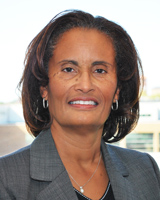
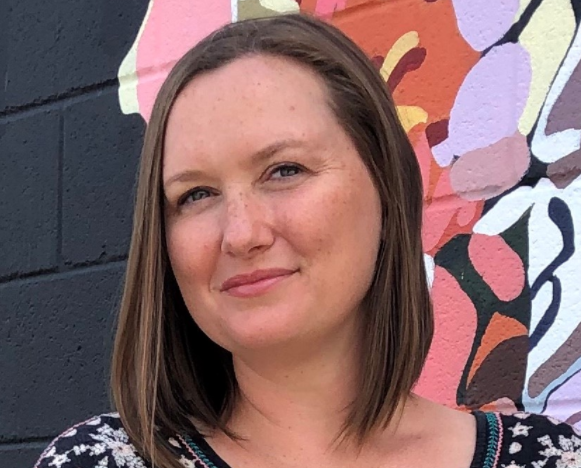
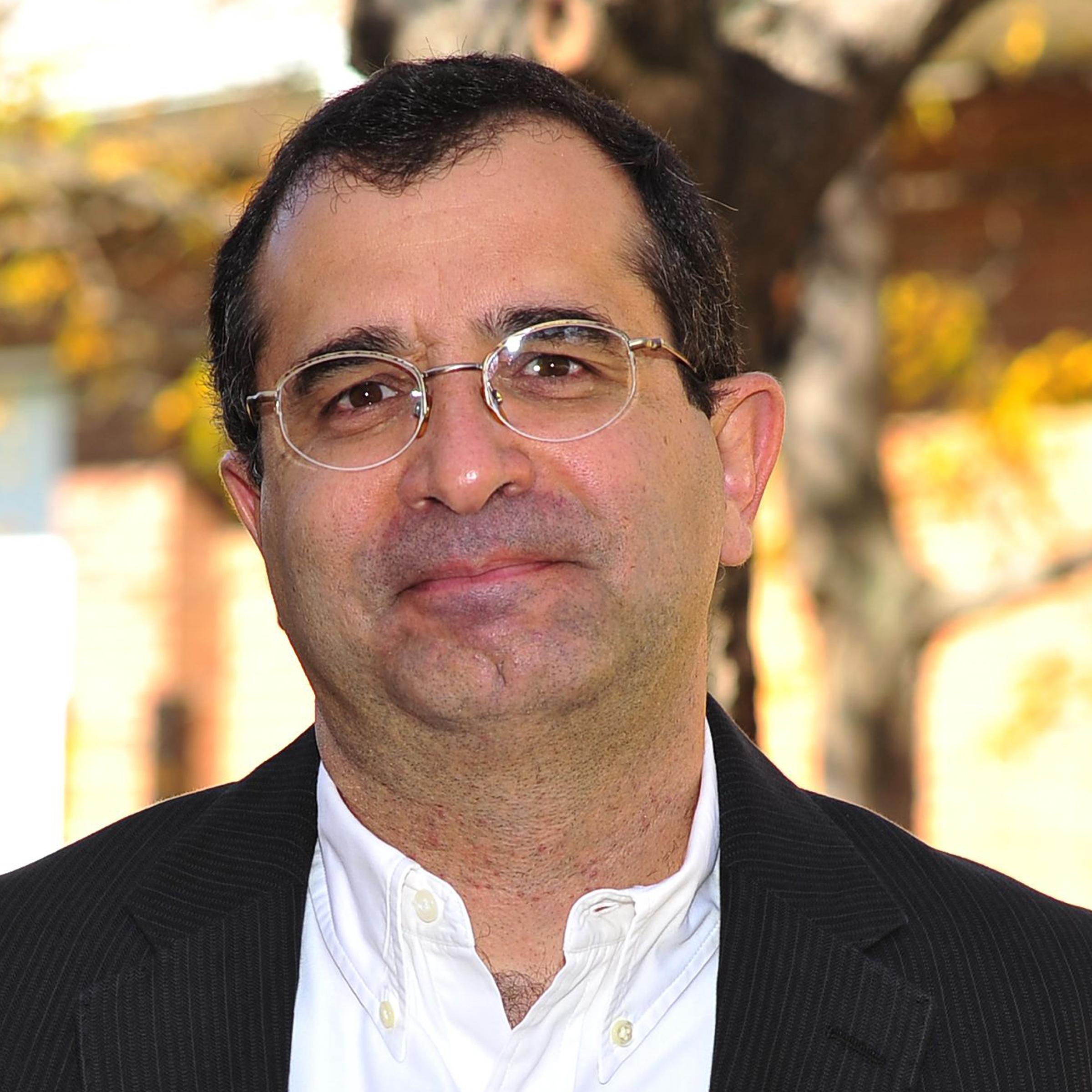
Massimo Delledonne is a Full Professor in the Department of Biotechnology at the University of Verona. His research focuses on clinical genomics, functional genomics, structural genomics, and metagenomics. He teaches modules such as Genetics and Human Genomics across undergraduate and graduate programs, including Molecular and Medical Biotechnology and Medical Bioinformatics. Affiliations: Department of Biotechnology, University of Verona Committees: Faculty Board of PhD in Biotechnology, Biotechnology Teaching Committee Spin-offs: EDIVITE s.r.l., Microbion S.r.l., Enerzyme s.r.l. (among others) His research interests include genome assembly, single nucleotide variant analysis, and applications of next-generation sequencing technologies. Projects span plant and human genomics, with a focus on crop improvement, disease diagnostics, and microbial interactions. Recent work includes studies on lupin diversity, common bean evolution, and grapevine genetics. Key projects include IBEARAD (Bioinformatics for Agricultural Resilience) and SYMPHONY (Phaseolus vulgaris genome analysis). He leads interdisciplinary efforts in genomic medicine, plant genomics, and environmental genomics.
Professor Denise Doolan is an Affiliate Professor in The University of Queensland's School of Chemistry and Molecular Biosciences and Deputy Director (Research) at the Institute for Molecular Bioscience (IMB). She previously served as Deputy Director of the Australian Institute of Tropical Health and Medicine and Director of the JCU Centre for Molecular Therapeutics. Her research focuses on molecular immunology, vaccine development, and omics-based approaches to combat infectious and chronic diseases, particularly malaria and Epstein-Barr virus (EBV)-related malignancies. She leads cross-disciplinary programs in antigen discovery, host-pathogen immunity, and biomarker development, leveraging genome-based technologies and human disease models. Academic Positions: Affiliate Professor, Deputy Director (IMB), Affiliate of Centre for Superbug Solutions Executive Roles: President of International Society for Vaccines (2021–2023), Member of Australian Medical Research Advisory Board Her research interests include vaccine engineering, systems immunology, and therapeutic development. Key projects involve identifying EBV protein signatures linked to Multiple Sclerosis and malaria immunity profiling using controlled human infection models. She is renowned for her work in malaria immunology and omics-based diagnostics, recognized with Fellowships from the International Society for Vaccines and Australian Society of Parasitology. Recent publications highlight her work on EBV antibody responses in lymphomas, malaria vaccine candidates, and molecular diagnostics for vascular diseases. She actively supervises PhD students in areas like EBV-MS links and malaria systems immunology, supported by grants from NIH, MS Research Australia, and ARC. Scientific Awards: ISV Fellowship (2017), ASP Fellowship (2019) Grants: NIH-funded malaria vaccine projects, EBV-MS diagnostics (MS Research Australia) Her lab collaborates on developing point-of-care tests and next-generation vaccines, emphasizing translational research to address global health challenges.
Nicholas Pearce is an Assistant Professor at Linköping University, affiliated with the Department of Physics, Chemistry and Biology (IFM) and the Bioinformatics (BIOIN) division. He leads the Data-Driven Determination of Macromolecular Structures (D3MS) group, also known as PearceLab @ LiU, and is affiliated with SciLifeLab and the Wallenberg Centre for Molecular Medicine (WCMM) through the Data-Driven Life Sciences (DDLS) program. His research focuses on advancing structural biology by developing computational and experimental methods that capture the dynamic nature of proteins. Key interests include protein flexibility, disorder, and functional dynamics, with applications in drug discovery and macromolecular modeling. The group employs techniques such as X-ray crystallography, cryo-EM, machine learning, and statistical modeling to improve the resolution and interpretability of macromolecular structures. The recent publications highlight a strong focus on software and method development for structural biology, particularly in multi-dataset analysis and crystallographic data processing. The work contributes to open-source tools like the CCP4 suite and introduces novel approaches such as PanDDA and PanDEMIC.adp for detecting ligand binding and modeling disorder. While no formal scientific awards are listed in the provided text, his involvement in major collaborative projects and national research initiatives underscores his growing impact in the field. He actively mentors students and welcomes Master’s candidates to join his research group. Nicholas began his independent research career at Linköping University on October 1, 2022, with funding supporting the launch of his lab. His group emphasizes data-driven decision-making in structural analysis and collaborates extensively within Sweden and internationally. Current projects include multi-dataset analysis for fragment screening and decomposition of protein disorder using elastic net models. The D3MS group is active in outreach and scientific communication, maintaining a blog and public presence, including a Twitter feed. They have participated in international research visits, such as a recent trip to the University of Hamburg, and national conferences like Sweprot in Tällberg.
Dr. Timothy R. Rebbeck is the Vincent L. Gregory, Jr. Professor of Cancer Prevention at the Harvard T.H. Chan School of Public Health and Dana-Farber Cancer Institute. He directs the Zhu Family Center for Global Cancer Prevention and the Center for Global Health Equity , focusing on genetic, molecular, and epidemiological factors in cancer risk and disparities. Key Initiatives : MADCaP consortium; NCI-funded African Cancer STARS training program Funding : Continuous NIH support since 1994 His cancer genetics research spans prostate cancer disparities , BRCA1/2 mutation risk modeling , and global health equity , with recent work on precision interception approaches for aggressive prostate cancer in African American men and multi-ancestry polygenic risk scores . Over 65 trainees mentored, now in academic roles. Scientific accolades include the Joseph F. Fraumeni, Jr. Award and ASCO-American Cancer Society Lecture . His 15 most recent articles (2022-2025) cover: Prostate cancer genomics in diverse populations Somatic tumor profiling in veterans Social/environmental determinants of telomere length Global cancer registries in low-resource settings Health disparities in screening/treatment access Evolutionary roots of cancer susceptibility Dr. Rebbeck's work bridges genetic epidemiology , clinical translational research , and international capacity building , with significant contributions to understanding and addressing cancer burden disparities across ancestry groups.
Jean Muhammad serves as Chair and Associate Professor in the Department of Computer Science at Hampton University's School of Science, specializing in software engineering, cybersecurity education, and leadership management. Her academic journey spans Florida State University (Ph.D., 2005), Illinois Institute of Technology (M.S., 1991), and Chicago State University (B.S., 1984), complemented by industry roles at AT&T Bell Labs and Nokia. Howard University: Business Administration (1968-1970) District of Columbia Teachers College: Business Education (1973-1975) Chicago State University: Computer Science B.S. (1984) Illinois Institute of Technology: Computer Science M.S. (1991) Florida State University: Computer Science M.S. (1999) Florida State University: Computer Science Ph.D. (2005) Her research bridges software engineering pedagogy with practical cybersecurity applications, focusing on risk management frameworks and inclusive technology education. Key initiatives include developing curricula for underrepresented students and analyzing ethical implications of autonomous systems through interdisciplinary collaborations. Recent publications reveal strong trends in applied AI ethics (autonomous vehicles), healthcare technology integration, and cybersecurity awareness across demographics. Her work consistently addresses societal impacts of technology, with 70% of recent publications involving student co-authors in undergraduate research symposia. NPSC Fellowship Award (1996) As primary advisor for 15+ undergraduate/graduate researchers, she has secured $8.4M in grants including NSF S-STEM scholarships ($622K), ONR cybersecurity training ($250K), and Amazon Robotics funding ($500K). Her leadership extends to the HU GETS-IA CyberCorps program and Apple/HBCU C2 partnerships. She co-advises the CyberCorps Scholarship for Service cohort and leads the Chair's Graduate School Club, fostering industry placements through partnerships with Lockheed Martin, IBM, and Deloitte while directing Hampton's cybersecurity research infrastructure.
Sabrina Pacor is an Associate Professor in Applied Biology (BIO/13) at the University of Trieste , where she teaches Pharmacology in the Pharmacy LM and STB BSc programs. With over 30 years of research experience in experimental oncology and host defense peptides, she has made significant contributions to studying antimicrobial peptides (AMPs) and their interactions with bacterial membranes. Her research focuses on: Direct antimicrobial activity of AMPs against Gram-positive and Gram-negative bacteria Indirect immunomodulatory effects of host defense peptides Development of drug delivery systems using nanomaterials (carbon nanotubes, gold nanoparticles) Mechanistic studies of ruthenium-based antimetastatic drugs She leads extensive cytofluorimetry research using flow cytometry platforms, particularly for evaluating: Cytotoxicity (necrosis/apoptosis, proliferation index) Modulation of host biological responses (chemotaxis, phagocytosis, ROS production) Peptide-bacterial membrane interactions through fluorescent labeling Her recent work demonstrates trends in: Proline-rich antimicrobial peptides against ESKAPE pathogens Hybrid antibiotic design (peptide-aminoglycoside conjugates) Structure-activity relationships in membranolytic peptides Evolutionary insights into defensin and cathelicidin families Prof. Pacor has co-authored over 100 peer-reviewed publications and actively mentors students, having supervised: 70 experimental/thesis reviews for Pharmacy/CTF Master's students 20 Bachelor's degree theses
Lindsay Fernandez-Rhodes serves as Assistant Professor of Biobehavioral Health in the College of Health and Human Development at Pennsylvania State University, with dual affiliation at the Penn State Cancer Institute. Her research focuses on genetic and sociocultural determinants of health disparities, particularly among Hispanic/Latino populations through the Hispanic Community Health Study/Study of Latinos (HCHS/SOL). Her primary research interests span Genetic Epidemiology , Health Disparities , and Sociocultural Determinants of Obesity . She investigates how genetic ancestry interacts with acculturation, socioeconomic status, and environmental factors to influence cardiometabolic outcomes. Her work integrates multi-omics approaches with life course epidemiology to uncover mechanisms driving health inequities in minority populations. Analysis of her recent publications reveals a strong emphasis on Hispanic/Latino health across multiple domains: genomic fine-mapping ( 2023, 2025 ), epigenetic mediation of socioeconomic effects ( 2024 ), pubertal development ( 2025 ), cognitive aging ( 2023 ), and cardiometabolic disease ( 2024, 2025 ). Her methodological innovations include synthetic data applications for privacy preservation ( 2025 ) and commentary on genomic inclusion ( 2023 ). Dr. Fernandez-Rhodes actively contributes to major collaborative initiatives including HCHS/SOL, PAGE consortium, and TOPMed. Her work has secured substantial NIH funding for population genomics research, though specific grant details aren't listed in the provided text. She mentors graduate students in biobehavioral health and genetic epidemiology through Penn State's PhD programs. Her laboratory work centers on the Penn State Cancer Institute's Cancer Control program, with additional collaborations through the Center for Research on Tobacco and Health and Office for Cancer Health Equity. She utilizes HCHS/SOL data infrastructure and Penn State's biostatistics/bioinformatics shared resources for multi-omics analyses.
Najib El-Sayed serves as a Professor of Cell Biology and Molecular Genetics at the University of Maryland with a joint appointment at the University of Maryland Institute for Advanced Computer Studies (UMIACS). His research is centered at the Center for Bioinformatics and Computational Biology, where he leads a laboratory focused on genomic approaches to infectious disease mechanisms. His research program employs integrated genomic and computational methodologies to dissect host-pathogen dynamics, with core emphases on: Genome-wide transcriptome profiling of host-pathogen systems Interspecies protein-protein interaction networks Structural and functional analysis of the "infectome" Development of molecular tools for infection diagnostics This work targets fundamental mechanisms of parasitic and bacterial infections across human, animal, and plant systems to advance therapeutic interventions.
Elizabeth Topper is a Research Professor at the Bloomberg School of Public Health , Johns Hopkins University , with primary affiliations in the Department of Epidemiology and MACS/WIHS Combined Cohort Study . She holds advanced degrees from JHU (PhD 2001, MEd 2017) and Columbia University (MPH 1995). Research focus: HIV epidemiology, women's reproductive health, antiretroviral therapy effects Leadership roles: Director of Master of Applied Science (MAS) programs, multi-PI for MACS/WIHS study Teaching: Epidemiologic methods since 2007 at JHU and Tsinghua University Recent publications highlight her work on HIV's effects on women , including links between sleep quality , gut microbiome , and multimorbidity . Her research team also explores integrase inhibitors ' impact on body composition and cardiovascular risk . Projects span two major NIH-funded cohorts (MACS/WIHS and STAR) with over 6,000 participants. Scientific Awards : Delta Omega Honorary Society (2010), NIH Loan Repayment Program (2007-2009), NIDA Travel Awards Methodology : Longitudinal cohort analysis, metabolomics, biomarker validation Collaborations : NIH, Tsinghua University, multiple U.S. medical centers
Dr. Joseph Vinetz is Professor of Medicine (Infectious Diseases), Anthropology, and Epidemiology (Microbial Diseases) at Yale University, with additional affiliations as Research Professor at Universidad Peruana Cayetano Heredia and Senior Investigator at the Alexander von Humboldt Institute of Tropical Medicine. His work bridges clinical practice, laboratory research, and field epidemiology, focusing on malaria and leptospirosis in the Peruvian Amazon, Brazilian Amazon, and Sri Lanka. He leads a research program continuously funded by NIH since 2001, alongside support from WHO, Gates Foundation, and HHMI. Research Highlights: Malaria resilience mechanisms in Amazonian populations Molecular ecology of Plasmodium-Anopheles interactions Leptospirosis diagnostics and vaccine development Genomic studies of malaria vectors and parasites Climate change impacts on tropical disease transmission Scientific Recognition: Elected to American Society for Clinical Investigation Fellow of American College of Physicians Bailey K. Ashford Medal recipient Doctor Honoris Causa from PGIMER, India Academic Leadership: Dr. Vinetz mentors multidisciplinary research teams and contributes to Yale's global health initiatives. His lab develops novel interventions for neglected tropical diseases while translating bench discoveries to clinical and public health applications.
Ravi Kant serves as Principal Investigator and Adjunct Associate Professor at the University of Helsinki, with additional Visiting Professor appointments at Medical University of Gdansk, Poland and University of Nairobi, Kenya. He is affiliated with the Helsinki One Health (HOH) Viral Zoonosis Research Unit and the Emerging Infections Research Group within the Department of Virology at the Faculty of Medicine. His research focuses on viral zoonoses, emerging infectious diseases, and viral genomics. Key research areas include SARS-CoV-2 transmission dynamics, viral pathogenesis in animal models, viral metagenomics, and molecular epidemiology of emerging pathogens. His work spans both human and veterinary medicine, reflecting the One Health approach that characterizes his research unit. Kant leads multiple significant research projects including the EU-funded REFINE project (2025-2028), Pipeline for Rapid Diagnostics of Emergency Transboundary Infectious Diseases (2023-2027), and research on poxvirus epidemiology and disease control (2022-2025). His publication record demonstrates consistent output with 81 publications spanning from 2005 to 2025, with recent emphasis on SARS-CoV-2, mpox, antimicrobial resistance, and viral metagenomics. He actively supervises doctoral students across multiple programs including Biomedicine, Microbiology and Biotechnology, and Clinical Veterinary Medicine, with several ongoing doctoral supervision activities documented through 2025. His media engagement includes significant contributions to public understanding of infectious diseases, with appearances discussing topics such as the cause of dermatitis epidemics in trotting horses, innovative mobile diagnostic laboratories, and mitochondrial roles in antiviral immunity.
Professor Fred Asiegbu is a distinguished researcher and educator in forest pathology at the University of Helsinki. He holds the position of Professor of Forest Pathology in the Department of Forest Sciences, with additional affiliations at the Institute of Sustainability Science (HELSUS) and Viikki Plant Science Centre (ViPS). Professor Asiegbu also serves as an invited Professor at Nanjing Forestry University in China and supervises doctoral students across three Doctoral Programmes: Integrative Life Science, Plant Sciences, and Sustainable Use of Renewable Natural Resources. Professor Asiegbu's educational foundation includes: PhD in Biotechnology (1988-1991, awarded 1992) MSc in Applied Microbiology & Plant Pathology (1984-1985, awarded 1986) BSc in Botany (1979-1983, awarded 1983) His research program addresses critical challenges in sustainable forest management through innovative biotechnology approaches. Professor Asiegbu leads investigations into molecular tree-microbe interactions, tree microbiomes, fungal genomics, and biological control of forest pathogens. His work focuses on understanding the molecular and biochemical pathways required by fungal pathogens to infect trees and the mechanisms by which forest trees resist infection. A central research question explores why certain fungi are pathogenic while others form beneficial associations like mycorrhizae. His team applies metabolomics and genomics approaches to screen conifer genotypes for resistance against pathogens like Heterobasidion spp., with the goal of developing novel disease control strategies and informing resistance breeding programs. Analysis of Professor Asiegbu's recent publications reveals a strong interdisciplinary focus spanning molecular biology, genomics, metabolomics, and ecological studies of tree-pathogen interactions. His work predominantly investigates the Heterobasidion pathosystem in coniferous trees, particularly Norway spruce, while also exploring the protective roles of beneficial microbes in enhancing tree resistance. The research integrates fundamental biological insights with practical applications for forest health management in the context of climate change threats to forest ecosystems. Professor Asiegbu has supervised multiple doctoral students on topics related to conifer resistance mechanisms, Heterobasidion pathogenesis, and co-infection dynamics. He leads significant research projects including 'Heterobasidion barrträd patosystem' (2024-2028), 'Bright' (2023-2025), and participates in the Viikki Plant Science Centre and NaPPI infrastructure initiatives, with funding primarily from the Academy of Finland. As director of the Forest Pathology Research Lab, Professor Asiegbu oversees a research program that applies modern biotechnology tools to understand tree-microbe interactions across natural forests, plantations, and urban environments. His work serves public and environmental interests by developing scientific approaches to prevent and control tree diseases, addressing both biotic factors (particularly fungal diseases) and abiotic factors (such as climate change impacts) affecting forest health.
Pascal O. Title serves as an Assistant Professor in the Department of Ecology and Evolution at Stony Brook University, leading the macroEEB Lab focused on large-scale evolutionary and ecological dynamics. His research integrates phylogenetic, trait, and spatial data to unravel biodiversity patterns across continents and through time. His educational background includes: Ph.D. from University of Michigan (2018) Dr. Title's work centers on four interconnected research pillars: Large-scale biodiversity patterns through analysis of museum collections and observational databases for Australian reptiles, marine fishes, and Neotropical birds Species responses to climate change via geographic range shift analyses linked to phylogenetic history Species distribution modeling methodology development addressing data biases and environmental variables Diversification rate quantification through simulation-based evaluation of macroevolutionary metrics His approach leverages global biodiversity networks and computational tools to address fundamental questions in evolutionary ecology. Analysis of his 2014-2025 publication record reveals consistent focus on macroevolutionary processes across diverse taxa, with increasing emphasis on climate change impacts and methodological innovations. Key thematic threads include latitudinal diversity gradients, adaptive radiation mechanisms, and computational tool development for integrating phylogenetic and spatial data. The macroEEB Lab operates as a collaborative hub for researchers investigating evolutionary dynamics across spatial and temporal scales, recently participating in the 2025 Evolution conference.
Matthew W. State, MD, PhD is the Oberndorf Family Distinguished Professor and Chair of Psychiatry at the University of California, San Francisco (UCSF) School of Medicine, and Director of the Langley Porter Psychiatric Institute and Hospital. He is also affiliated with the UCSF Weill Institute for Neurosciences, where he leads groundbreaking research at the intersection of child psychiatry and human genetics. Dr. State received his undergraduate and medical degrees from Stanford University, completed his residency in psychiatry and fellowship in child psychiatry at the UCLA Neuropsychiatric Institute, and earned a PhD in genetics from Yale University working in the lab of David C Ward. He was on the faculty at Yale from 2001 to 2013 where he was the Donald J. Cohen Professor of Child Psychiatry, Psychiatry and Genetics and the Co-Founder and Co-Director of the Yale Program on Neurogenetics. Dr. State is a leading child psychiatrist and human geneticist whose research focuses on pediatric neuropsychiatric syndromes, particularly autism spectrum disorders (ASD) and Tourette disorder (TD). His laboratory has played a pivotal role in demonstrating the contribution of rare and de novo genetic variation to these conditions. His work has contributed significantly to the identification of dozens of ASD risk genes and the first high-confidence TD genes. Through systems biological approaches, his research has characterized the spatial and temporal convergence of autism genes in developing human brain, providing crucial insights into disease mechanisms. His lab utilizes diverse methodologies including genomic analysis, functional studies in model systems, and collaborative large-scale sequencing efforts. Analysis of Dr. State's recent publications reveals a strong focus on the molecular and cellular mechanisms underlying autism spectrum disorders. His research increasingly examines the convergence of autism-related proteins, chromatin regulation, and the role of specific cellular structures like cilia in neurodevelopment. There's also a growing emphasis on translating genetic findings into potential therapeutic approaches, with several recent papers addressing treatment development and biomarker identification for autism and related conditions. His work demonstrates a clear trajectory from gene discovery to understanding biological pathways and ultimately to developing novel therapeutic strategies. Yale Graduate School Alumni Association 2020 Wilbur Cross Medal National Academy of Medicine 2017 Rhoda and Bernard Sarnat International Prize in Mental Health National Academy of Medicine 2014 Elected member American Academy of Child and Adolescent Psychiatry 2014 Tarjan Award Brain and Behavior Research Foundation 2012 Ruane Prize Science Magazine 2011 Annual Top 10 Scientific Breakthroughs Science Magazine 2005 Annual Top 10 Scientific Breakthroughs Dr. State plays a leadership role in numerous national and international collaborative genomics studies, including the Simons Simplex Collection Genomics Consortium, the Autism Sequencing Consortium, and the Tourette International Collaboration (TIC) on Genetics. His NIH-funded research portfolio includes multiple principal investigator roles on grants examining the genetic architecture of autism and Tourette disorder, brain development, and the functional consequences of genetic variants. His laboratory has been continuously funded by the National Institutes of Health since 2002, with recent grants totaling millions of dollars supporting cutting-edge research in neurogenetics. His collaborative approach has established him as a central figure in the field of psychiatric genetics. Dr. State directs a vibrant research program that integrates genomic analysis with functional studies to understand the biological basis of neurodevelopmental disorders. His work bridges basic science and clinical applications, with a growing emphasis on identifying potential therapeutic targets based on genetic findings. He collaborates extensively with researchers across multiple institutions and disciplines, fostering a collaborative approach to understanding the complex genetic architecture of autism spectrum disorders and Tourette disorder. His research program includes both human genetic studies and functional validation in model systems, creating a comprehensive pipeline from gene discovery to biological mechanism.
Massimiliano Pontil is a **part-time Professor of Computational Statistics and Machine Learning** in the Department of Computer Science at University College London (UCL) and a Senior Researcher at the **Istituto Italiano di Tecnologia (IIT)**, leading the **Computational Statistics and Machine Learning (CSML)** research group. He holds an MSc and PhD in Physics from the University of Genova (1994 and 1999) and has held postdoctoral positions at MIT and research roles at institutions like the University of Siena and City University of Hong Kong before joining UCL in 2003. **Research Interests**: Focuses on machine learning, including statistical learning theory, kernel methods, multitask and transfer learning, online learning, sparsity regularization, and applications in computer vision, bioinformatics, and user modeling. His work bridges theoretical foundations (e.g., regularization, optimization) with practical applications. **Publications**: Over 100 papers in top venues like NIPS/NeurIPS, ICML, COLT, and JMLR, covering topics such as structured sparsity, multitask learning, and optimization frameworks. Recent work emphasizes meta-learning, fair algorithms, and dynamical systems learning. **Grants & Awards**: EPSRC Advanced Research Fellowship. His research has been applied to diverse domains, including bioinformatics (e.g., protein-protein interface prediction) and social network analysis (e.g., mobility patterns). **Labs/Teams**: Leads the CSML group at IIT, collaborating on projects like Koopman operator regression and conditional meta-learning. Active in organizing workshops on multi-task learning and structured outputs (e.g., PASCAL thematic programs).