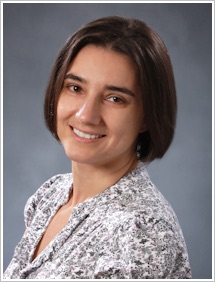
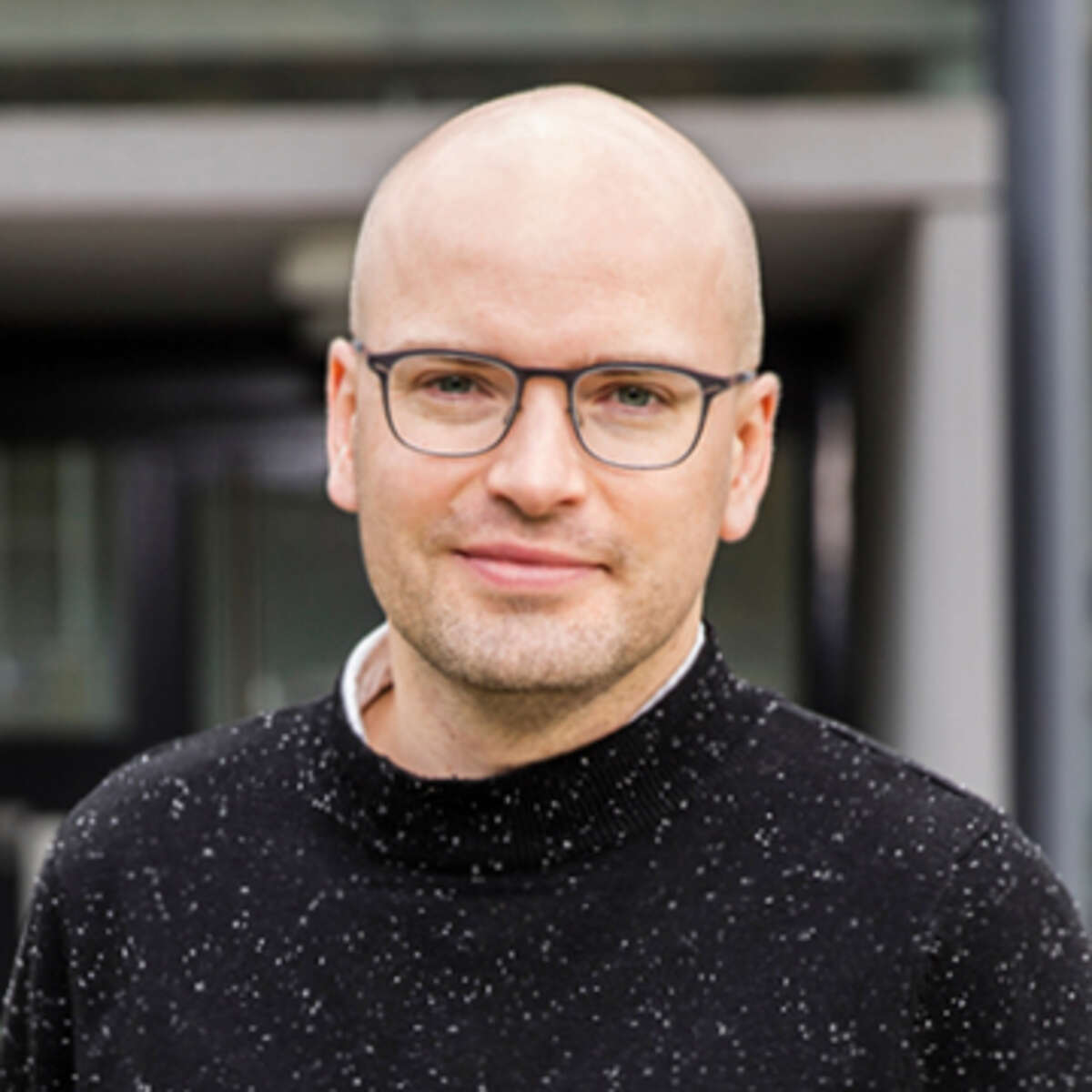
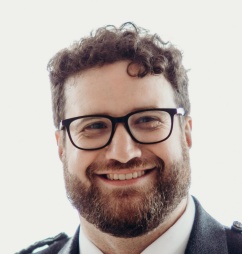
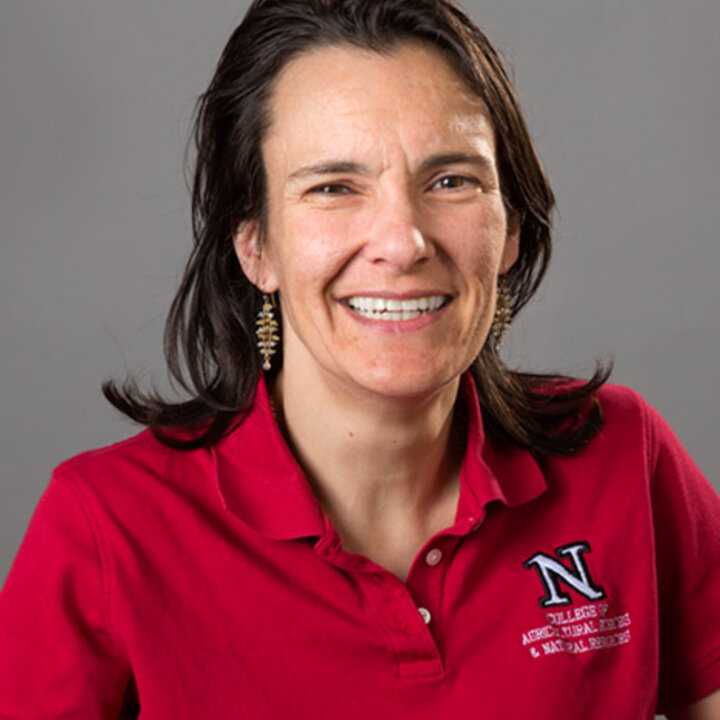
Dr. Sirui Li is a Lecturer at Murdoch University's School of Information Technology within the College of Science, Technology, Engineering and Mathematics. Her research focuses on Artificial Intelligence, Natural Language Processing (NLP), Machine Learning, Knowledge Graphs, Data Analysis, Temporal Data, and Multi-modal Models, with applications in medicine, agriculture, and mining. She collaborates with industry partners like BHP and has published in journals such as Food Chemistry and Knowledge and Information Systems , as well as conferences like ICSME and IJCNN. Education: Bachelor of Advanced Computing (Honours) in Computer Science at Australian National University Master of Computing (Specialising in AI) at ANU Ph.D. in Information Technology (AI) at Murdoch University Research interests include interdisciplinary applications of AI, such as clinical coding privacy solutions, disease spread modeling, and drug repurposing for pandemics. Her work emphasizes practical industry integration, demonstrated through awards like the 2024 EMNLP Best Demo Award and the 2023 Iron Ore Circuit Hackathon innovation prize. Professional roles include IEEE Western Australia Section committee membership, conference chair positions, and peer review for top journals. She actively mentors students pursuing Honours, Master's, or PhD projects in her areas of expertise.
Christopher M. Overall is a Full Professor at the University of British Columbia in the Faculty of Dentistry, Department of Oral Biological and Medical Sciences . He is also a Principal Scientist at the Centre for Blood Research and holds associate memberships in UBC's Biochemistry & Molecular Biology , Obstetrics and Gynecology , and Bioinformatics Graduate Program departments. As a Canada Research Chair Laureate , he pioneered the field of degradomics to study proteases in vivo. B.D.S., University of Adelaide Ph.D., University of Toronto Postdoctoral Fellowship, UBC (with Nobel Laureate Michael Smith) Dr. Overall’s research focuses on protease proteomics and systems biology , particularly degradomics to analyze protease substrates in diseases like COVID-19 and immunodeficiency . His work on matrix metalloproteinases has revealed new therapeutic strategies for inflammatory diseases and cancer . His 15 most recent articles (2015–2008) demonstrate expertise in TAILS proteomics , protein terminomics , and protease network analysis with applications in arthritis , antiviral immunity , and precision medicine . Scientific Awards 2022 Helmut Holzer Award 2018 Royal Society of Canada Fellow 2014 Tony Pawson Canadian Proteomics Award 2013 IADR Distinguished Scientist Award Dr. Overall has mentored 61 trainees , including 9 full professors with department chairs, and received the UBC John McNeill Mentorship Award (2023). He leads the HUPO Chromosome-centric Human Proteome Project and consults for Genentech and Novartis .
Réka Albert is a Distinguished Professor of Physics at Pennsylvania State University, affiliated with the Eberly College of Science. Her research focuses on the application of network science to biological systems, including signal transduction networks, ecological interactions, and cancer systems biology. She holds editorial roles at npj Systems Biology and Applications , IET Systems Biology , and Bulletin of Mathematical Biology . Education: Ph.D. in Physics from the University of Notre Dame (2001), M.S. and B.S. from Babeș-Bolyai University, Romania (1995-1996). Research Interests: Modeling complex systems using network theory; Boolean network analysis of biological pathways; ecological community dynamics; systems-level understanding of disease mechanisms (e.g., cancer, AML). Her work bridges theoretical physics, computational biology, and experimental data to predict system behavior and therapeutic strategies. Awards: External member of the Hungarian Academy of Sciences (2016), APS Maria Goeppert-Mayer Award (2011), NSF CAREER Award (2007), and Alfred P. Sloan Fellowship (2004). Grants/Support: NSF awards (MCB 1715826, IIS 1814405), ARO MURI on hyperuniform systems, and collaborations with biologists like Sarah Assmann (plant signaling) and Katriona Shea (ecology). Labs/Teams: Leads a multidisciplinary research group at Penn State, mentoring over 20 PhD alumni and current students like Eli Newby and Fatemeh Nasrollahi. Active in developing tools like pystablemotifs for Boolean network analysis.
Owen R. White is a Professor in the Department of Epidemiology & Public Health at the University of Maryland School of Medicine, serving as Associate Director of the Institute for Genome Sciences and Associate Director of Research Collaboration & Development. He leads a team of 25 scientists and engineers developing genomic annotation pipelines and data analysis tools for state-of-the-art research in microbiome and multi-omic studies. His academic background includes: BS in Biotechnology from the University of Massachusetts (1985) PhD in Molecular Biology from New Mexico State University (1992) Postdoctoral Fellowship in Genome Informatics at the Institute for Genomic Research (TIGR) (1994) Dr. White's research spans bioinformatics, genomics, transcriptomics, and metagenomics with emphasis on data management, metadata standards, ontologies, and cloud systems. His work has been foundational for large-scale initiatives like the Human Microbiome Project (HMP) and Integrative Human Microbiome Project (iHMP), generating over 50,000 datasets totaling 10 terabytes of multi-omic data. Analysis of his recent publications reveals a strong trend toward neuroscience multi-omics (BRAIN Initiative), cloud-based data infrastructure, and ethical data sharing frameworks. His work consistently bridges microbiome research with emerging fields like single-cell analysis and Alzheimer's disease biomarker discovery through integrated data platforms. Notable awards include: Benjamin Franklin Award for Open Access in the Life Sciences (2015) Kumho Science International Award in Plant Molecular Biology and Biotechnology (2001) As Principal Investigator for major NIH-funded centers, he has secured sustained support for the HMP Data Analysis and Coordination Center and iHMP Data Coordination Center. His team's work combines fee-for-service models with collaborative research funding to maintain cutting-edge genomic analysis capabilities. The Institute for Genome Sciences houses his computational team responsible for developing production annotation pipelines, database systems, and visualization tools that serve researchers across the University of Maryland School of Medicine and national consortia.
Prof. Knut Drescher is an Associate Professor at the Biozentrum, University of Basel , leading a research group focused on bacterial biofilms , swarming , and microbial multicellularity . Previously, he served as a Professor of Biophysics and Max Planck Research Group Leader at Philipps-Universität Marburg (2015-2021) and conducted postdoctoral research at Princeton University. Research Interests: Physical and biological mechanisms of biofilm formation Cell-cell interactions in microbial communities Antibiotic resistance in biofilms Hydrodynamics of bacterial swarms Evolution of cooperation in multispecies biofilms Development of bioimaging software (BiofilmQ, BacStalk) Scientific Awards: 2023: SNSF Consolidator Grant 2019: Heinz Maier-Leibnitz Prize (DFG), VAAM Research Prize, IUPAP Young Scientist Prize 2016: ERC Starting Grant Advising & Grants: Advises PhD and Master's students in microbiology, biophysics, and bioinformatics Secured major grants from ERC , HFSP , and DFG
Finlay Maguire is an Assistant Professor jointly appointed in the Faculty of Computer Science and the Department of Community Health & Epidemiology at Dalhousie University. He leads the Maguire Lab, which develops data-driven methods to address health and social crises through genomic epidemiology and interdisciplinary health data science. He is also affiliated with the Shared Hospital Laboratory, Sunnybrook Research Institute, and multiple national and international public health consortia including PHA4GE, CanCOGeN, and IRIDA. PhD: University College London / Natural History Museum (2016) MA: University of Oxford (2011) Donald Hill Family Fellowship, Dalhousie University (2021) Dr. Maguire's research focuses on two main areas: genomic epidemiology of infectious diseases and interdisciplinary health data science collaborations . His work in genomic epidemiology includes developing bioinformatics and machine learning tools to study antimicrobial resistance (AMR) and SARS-CoV-2 dynamics, often in collaboration with public health agencies. His broader health data science work addresses issues such as online radicalization, healthcare access for refugees, and autism-related language use, combining computational methods with social science. His recent publications (2023–2025) reflect a strong trend in pathogen genomics , AMR , zoonotic spillover , and computational social science . He has published on novel coronaviruses in bats, SARS-CoV-2 animal models, invasive Group A Streptococcus, and sociological analyses of incel communities. Much of this work involves tool development (e.g., ArgNorm, Pathoplexus) and data standardization (e.g., PHA4GE metadata standards). Finalist, 2024 Discovery Awards (Emerging Professional) 2023 President’s Research Excellence Award for an Emerging Investigator, Dalhousie Finalist, 2023 Discovery Awards (Emerging Professional) Funding from CIHR, NSERC, Genome Canada, SSHRC, BMGF Dr. Maguire actively mentors graduate students and postdocs, including PhD candidates in Computer Science and MSc students in Community Health & Epidemiology. He has secured major training grants such as the CIHR Health Research Training Platform and the Canadian One Health Training Program for Emerging Zoonoses. He also contributes to capacity-building initiatives like MicroResearch in Ghana and Kenya. The Maguire Lab is embedded in a rich network of collaborations, including the CARD database, Public Health Agency of Canada, Canadian Food Inspection Agency, and Sunnybrook Health Sciences Centre. The lab emphasizes open science, reproducible research, and interdisciplinary training, as seen in the development of open-source tools and participation in international consortia.
Karoline Faust is an Associate Professor at KU Leuven, affiliated with the Laboratory of Molecular Bacteriology (Rega Institute) and the Faculty of Medicine . She contributes to the iSi Health and Leuven One Health institutes, and serves on senior academic councils. Her research spans microbial systems biology, focusing on community dynamics and network analysis. Education: PhD in bioinformatics (2010, KU Leuven) Affiliations: KU Leuven, ISME Journal editorial board, Belgian Society for Microbiology Her research investigates microbial community dynamics , systems biology approaches to microbiomes, and bioinformatics tool development . She specializes in modeling human gut microbiota , synthetic microbial communities , and environmental microbiomes (e.g., microplastic impacts on Daphnia microbiomes). Her work integrates metabolic modeling , network analysis , and experimental systems to understand microbial interactions. Recent publications highlight her contributions to microbial network inference , 16S rRNA sequencing protocols , microfluidics , and ecological modeling of microbiomes. She develops tools like manta , miaSim , and CoNet to analyze community structures. Teaching: Karoline co-teaches courses in microbiology, bioinformatics, and network analysis at KU Leuven, and has contributed to international workshops on microbial network inference. Scientific Engagement: She serves as Senior Editor at ISME Journal and Secretary of the Belgian Society for Microbiology .
Heping Zhang is the Susan Dwight Bliss Professor of Biostatistics at the Yale School of Public Health , with secondary appointments in the Child Study Center , Department of Statistics and Data Science , and Department of Obstetrics, Gynecology, and Reproductive Sciences . He directs the Collaborative Center for Statistics in Science (C²S²) and leads the Reproductive Medicine Network data coordinating center. Education: PhD in Statistics, Stanford University (1991) Postdoctoral Fellow, Mathematical Science Research Institute (1991) Research Focus : Zhang specializes in biostatistical methodology for genomic data analysis , clinical trials , and reproductive medicine . His work bridges genetics , mental health , and maternal-child health through innovative statistical approaches. Awards : 2023 Web of Science Highly Cited Researcher 2023 International Chinese Statistical Association Distinguished Achievement Award 2022 Institute of Mathematical Statistics Neyman Award and Lecture 2011 Royan Institute International Research Award 2011 Institute of Mathematical Statistics Medallion Award 2008 Harvard School of Public Health Myrto Lefokopoulou Distinguished Lecturer Professional Roles : He served as President of the International Chinese Statistical Association (2019) and Former Editor of the Journal of the American Statistical Association - Applications and Case Studies . His lab develops open-source software tools like ABESS , STREE , and modSaRa for genomic and clinical data analysis.
Long Cai is a Professor at the California Institute of Technology, affiliated with the Biology and Biological Engineering department. He pioneered the field of spatial genomics and co-developed transformative technologies such as seqFISH and MEMOIR. Research Interests: His work focuses on decoding biological systems through spatial genomics, integrating molecular imaging with computational analysis to uncover cellular organization in tissues. Key areas include developmental biology, neuroscience, kidney regeneration, and cancer biology. Publications: Recent studies highlight applications of spatial transcriptomics in kidney disease, brain nuclear architecture, and multi-omics tissue mapping. His research emphasizes creating high-resolution atlases of cellular dynamics. Scientific Awards: NIH Director’s Pioneer Award (2022) Labs & Collaborations: He leads the Cai Lab, which develops cutting-edge imaging tools in collaboration with the Elowitz Lab and other interdisciplinary teams.
Jennifer L. Clarke is a Professor in the Department of Statistics at the University of Nebraska–Lincoln and Director of the Quantitative Life Science Initiative. She holds leadership roles in enabling big data integration across the University of Nebraska system through collaborative research programs. Her affiliations include the Institute of Agriculture and Natural Resources (IANR) and the College of Agriculture and Natural Resources. Dr. Clarke's research focuses on statistical methodology for high-dimensional data, computational biology, bioinformatics, and bacterial genomics. Her work bridges statistical innovation with applications in oncology, microbiome analysis, and agricultural phenomics. Key areas include predictive modeling, machine learning, and genomic/metagenomic data integration. Her recent publications span cancer biomarker discovery, plant phenotyping methodologies, and microbial community analysis, reflecting her interdisciplinary approach. Articles emphasize translational applications like therapeutic target identification and precision agriculture. Dr. Clarke leads initiatives fostering collaboration between statisticians and domain scientists, including the Quantitative Life Science Initiative and contributions to the Agricultural Genome-to-Phenome Initiative (AG2PI). Her work advances data-driven solutions for healthcare and food security challenges. Notable projects include developing statistical tools for microbiome studies, analyzing root architecture via 3D imaging, and investigating cranberry-derived compounds' cancer-inhibitory mechanisms. Her methodological contributions include hybrid clustering techniques and predictive model validation frameworks.
Xiang Ji is an Assistant Professor in the Department of Mathematics at Tulane University, affiliated with the School of Science & Engineering. His research focuses on statistical phylogenetics, computational biology, and bioinformatics, particularly in viral evolution and genomic epidemiology. He collaborates with Dr. Wu-Min Deng on cancer biology research from a bioinformatics perspective. Education: Ph.D., 2017: Bioinformatics and Statistics (Co-Major), North Carolina State University M.S., 2013: Material Science and Engineering, North Carolina State University B.S., 2011: Economics (Double Major) and Physics, Peking University Research Interests: Dr. Ji develops statistical models and computational tools for phylogenetic analysis, including scalable algorithms for large-scale genomic data. His work spans viral evolution, zoonotic disease surveillance, and parallel computing libraries for Bayesian inference. He emphasizes practical implementations such as Torchtree and TreeFlow . Articles Trends: Recent publications emphasize viral evolution dynamics (e.g., SARS-CoV-2, avian influenza), genomic surveillance strategies, and computational methods for phylogenetic inference. His work often bridges statistical theory with real-world applications in public health and epidemiology. Advising & Grants: While specific grant details are not listed, his active research program indicates involvement in funding initiatives related to computational biology and viral evolution. He teaches advanced courses in data analysis, linear models, and probability theory. Labs & Teams: Collaborates with Tulane’s Cancer Biology group and maintains partnerships with institutions globally, focusing on genomic epidemiology and phylogenetic software development.
Michael U. Gutmann is a Senior Lecturer in Machine Learning at the School of Informatics, University of Edinburgh, and a member of the Institute for Adaptive and Neural Computation. His research lies at the intersection of machine learning, statistics, and scientific applications, with a focus on developing inference methods for complex and implicit models. Education: PhD in Computational Neuroscience, University of Tokyo MSc in Engineering and Applied Mathematics, Swiss Federal Institute of Technology (ETH) Zurich MSc, Ecole Centrale Paris His primary research interests include Bayesian inference, likelihood-free inference, optimal experimental design, unsupervised learning, and applications in computational biology and neuroscience. He is best known for introducing Noise-Contrastive Estimation (NCE), a foundational technique for training unnormalized statistical models. His recent work spans variational inference, density ratio estimation, flow models for missing data, and AI-driven experimental design in behavioral and biological sciences. His publications, including in NeurIPS , ICML , JMLR , and eLife , demonstrate a strong emphasis on methodological innovation for scientific discovery. He has contributed to open-source tools such as ELFI (Engine for Likelihood-Free Inference) and developed practical implementations of robust inference algorithms. Scientific Awards: No specific awards listed in the provided texts. Michael Gutmann actively supervises students and collaborates with leading researchers in machine learning and computational biology. He has secured research funding from EPSRC and BBSRC for projects in generative modeling and infectious disease epidemiology. He teaches advanced courses such as Probabilistic Modelling and Reasoning and Data Mining, reflecting his deep engagement with both theoretical and applied aspects of machine learning. Labs and Research Groups: Institute for Adaptive and Neural Computation (ANC), University of Edinburgh Former affiliations with Department of Mathematics and Statistics and Department of Computer Science at the University of Helsinki and Aalto University
Konstantinos Anastassiadis is a Professor at the Center for Molecular and Cellular Bioengineering (CMCB) of Dresden University of Technology , leading the Stem Cell Engineering group at the Biotechnology Center (BIOTEC) . His research focuses on unraveling molecular pathways regulating stem cell self-renewal and lineage commitment, with a strong emphasis on genetic engineering tool development and epigenetic mechanisms during cellular reprogramming. The lab utilizes mouse and human embryonic stem cells, neural stem cells, mesenchymal stromal cells, and induced pluripotent stem cells (iPSCs) in their investigations. Core Research Areas: Molecular regulation of stem cell fate Epigenetic mechanisms (e.g., UTX/UTY histone demethylases) Genetic engineering tool development (Flp, Dre, Vika recombinases, CRISPR protocols) Conditional immortalization systems for rare cell expansion Publications highlight his contributions to understanding: Role of histone methyltransferases (MLL1, MLL2, Setd1b) in hematopoiesis and cancer Epigenetic regulation during mouse development and spermatogenesis Genetic tools for protein tagging, transposon-mediated BAC transgenesis Interactions between stem cells and niche microenvironments Transcriptional and mechanical markers during reprogramming Collaborations span immunology , developmental biology , and bioinformatics . The lab actively participates in teaching activities at CMCB and maintains a focus on translational applications of stem cell research.
Dr. Baijian "Justin" Yang serves as the Associate Dean for Research at Purdue Polytechnic Institute and is a Professor in the Department of Computer and Information Technology at Purdue University. He earned his Ph.D. in Computer Science from Michigan State University, with Master's and Bachelor's degrees in Automation (EECS) from Tsinghua University. Dr. Yang has established himself as a leader in multiple interdisciplinary research domains. Dr. Yang's educational background includes: PhD in Computer Science, Michigan State University (2002) MS in Automation (EECS), Tsinghua University (1998) BS in Automation (EECS), Tsinghua University (1995) His research interests span multiple cutting-edge domains with practical applications: Cybersecurity : Developing novel approaches for threat intelligence, security education, and network defense Big Data : Creating innovative algorithms for dimension reduction, regression with categorical variables, and tensor decomposition Applied Machine Learning : Implementing AI solutions in healthcare, manufacturing, and forestry applications Digital Forestry : Using UAV imagery and remote sensing for forest management and tree species classification Dr. Yang's publication record demonstrates significant impact across multiple disciplines, with recent work focusing on spatial transcriptomics analysis (SiGra), delirium detection using limited-lead EEG, and visual localization technologies. His research bridges theoretical advances with practical applications in healthcare, manufacturing quality control, and environmental monitoring. The interdisciplinary nature of his work is evident in collaborations spanning computer science, healthcare, forestry, and manufacturing domains. His scientific achievements have been recognized with numerous awards: 2023 HRSA Building Bridges to Better Health Competition Winner (Phase 1) and 2nd place ($100,000 prize) in Phase 3 2023 Outstanding Faculty Award in Engagement, Department of Computer and Information Technology, Purdue University 2021 Leadership in Manufacturing Award, Manufacturing Times Digital (MxD) 2021 Good to Great Award, Purdue Polytechnic 2020 Outstanding Faculty Award in Discovery, Department of Computer and Information Technology 2019 University Faculty Scholars, Purdue University As an educator and mentor, Dr. Yang has advised numerous graduate students through their PhD and Master's research. His leadership extends to significant service roles including serving as Faculty Champion for the Holistic Safety and Security research impact area at Purdue Polytechnic from 2018 to 2021, board membership with ATMAE (2014-2016), and participation in the IEEE Cybersecurity Initiative Steering Committee (2015-2017). He holds valuable industry certifications including CISSP, MCSE, and Six Sigma Black Belt, demonstrating his commitment to bridging academic research with industry practice. Dr. Yang leads multiple research projects including "Digital Forestry" for developing tools to quantify forest function, "CHEESE" (Cyber Human Ecosystem of Engaged Security Education), and "CICI" (Supporting Controlled Unclassified Information with a Campus Awareness and Risk Management Framework). His work on "Applied Machine Learning" focuses on solving real-world problems, while his "Dimension Reduction and Memory Amnestic Big Data Regression" project innovates computational algorithms for large-scale data analysis.
Xiuwei Zhang is the J.Z. Liang Early-Career Assistant Professor in the School of Computational Science and Engineering (SCoSE) at Georgia Institute of Technology, part of the College of Computing. Her research focuses on computational biology and bioinformatics, particularly in developing machine learning methods for analyzing single-cell omics data, including multi-modal, temporal, and spatial data integration. She leads a lab that designs tools like scDART , scMoMaT , and scMultiSim , which address challenges in multi-omics integration, lineage reconstruction, and simulation. Before joining Georgia Tech, she held postdoctoral positions at UC Berkeley (Nir Yosef’s group), the European Bioinformatics Institute (EBI), and École Polytechnique Fédérale de Lausanne (EPFL). She earned her PhD in computer science from EPFL under Bernard Moret. Her Erdős number is 3, reflecting her collaborative work across computational fields. Her research spans four key areas: multi-batch/single-cell data integration, temporal analysis of cell differentiation, spatial-temporal omics dynamics, and simulation tools for benchmarking methods. She has received prestigious awards, including the NSF CAREER Award (2022) and NIH MIRA (2021). She actively participates in conferences (RECOMB, ISMB) and serves on editorial boards (Journal of Computational Biology). Her group’s recent work includes the scMultiSim simulator (2025), which generates multi-omics spatial data, and LinRace (2023), reconstructing cell lineage histories. She mentors over 15 students and collaborates internationally on projects like the InQuBATE Workshop on Single-Cell Transcriptomics.