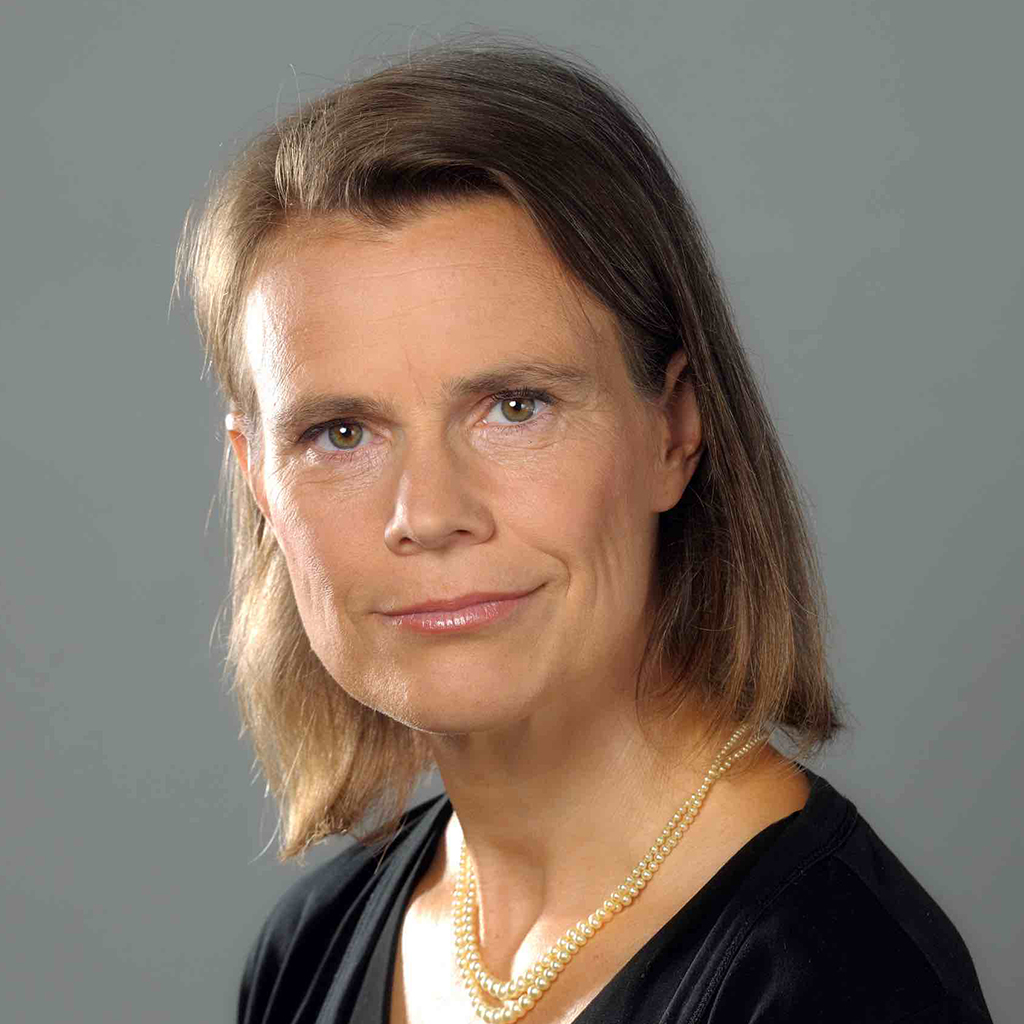
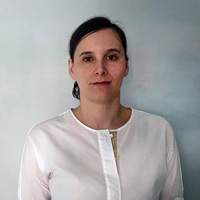
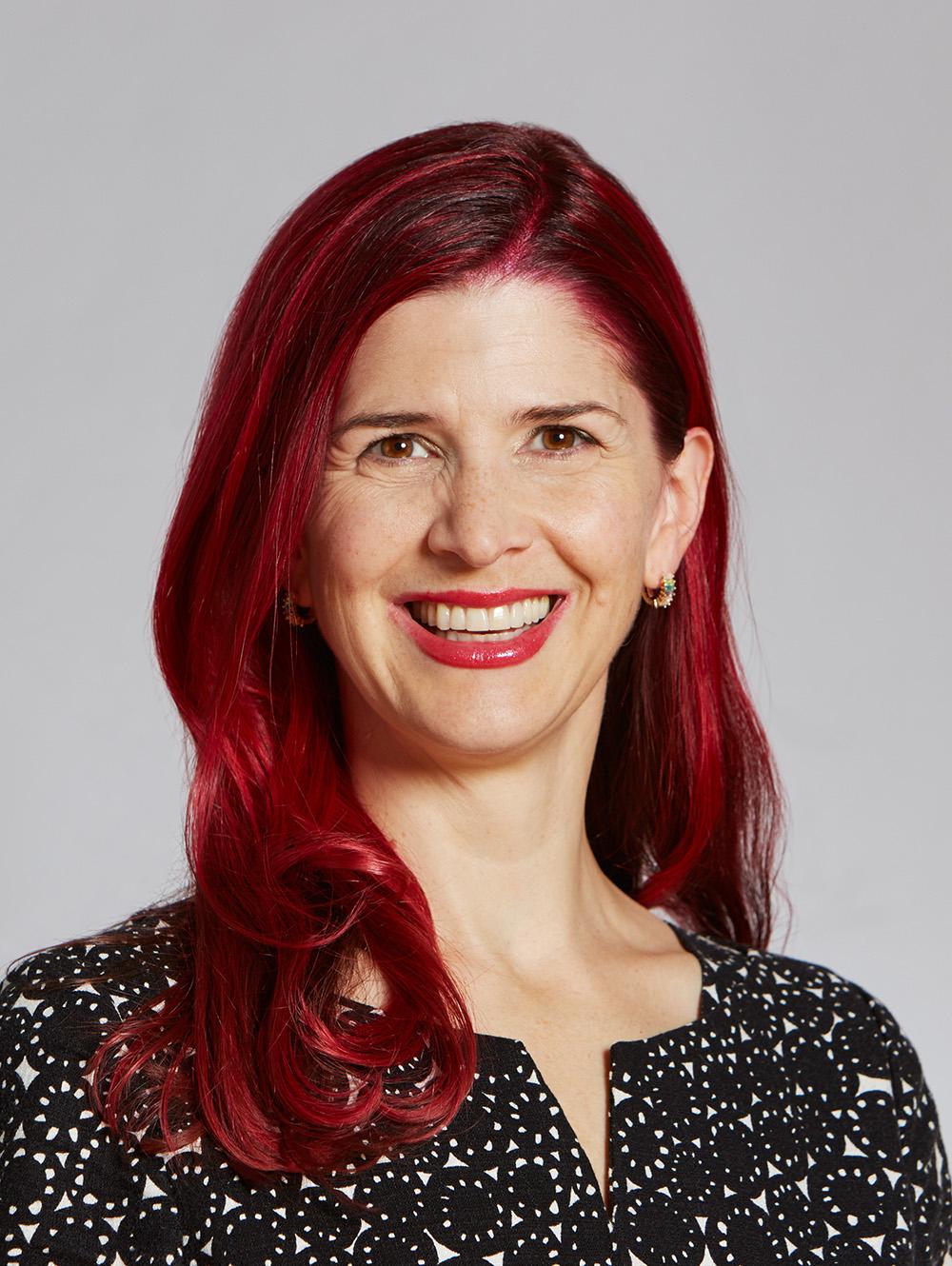
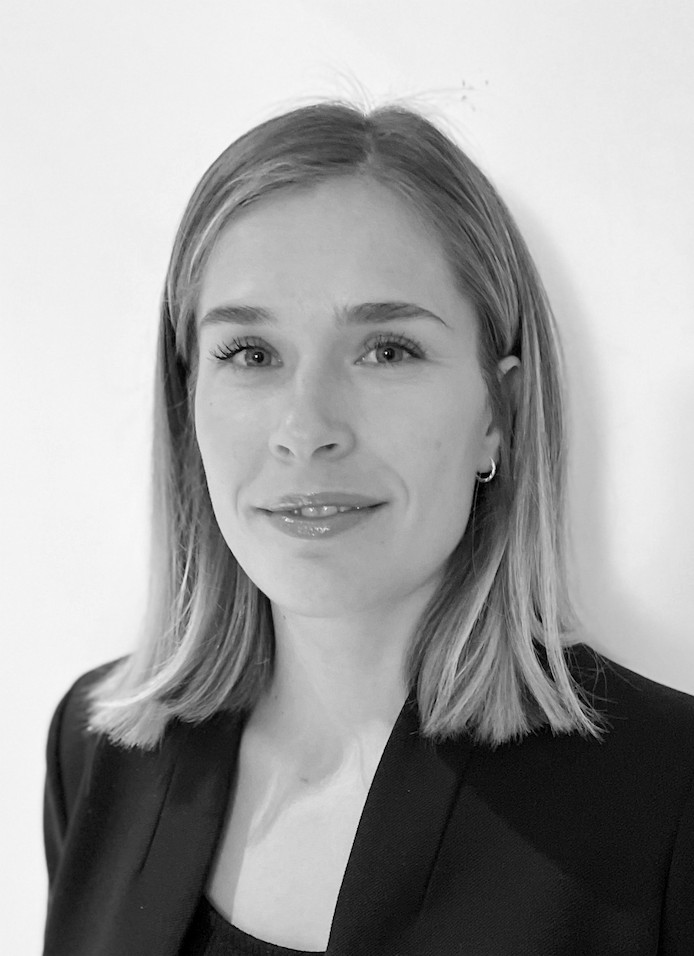
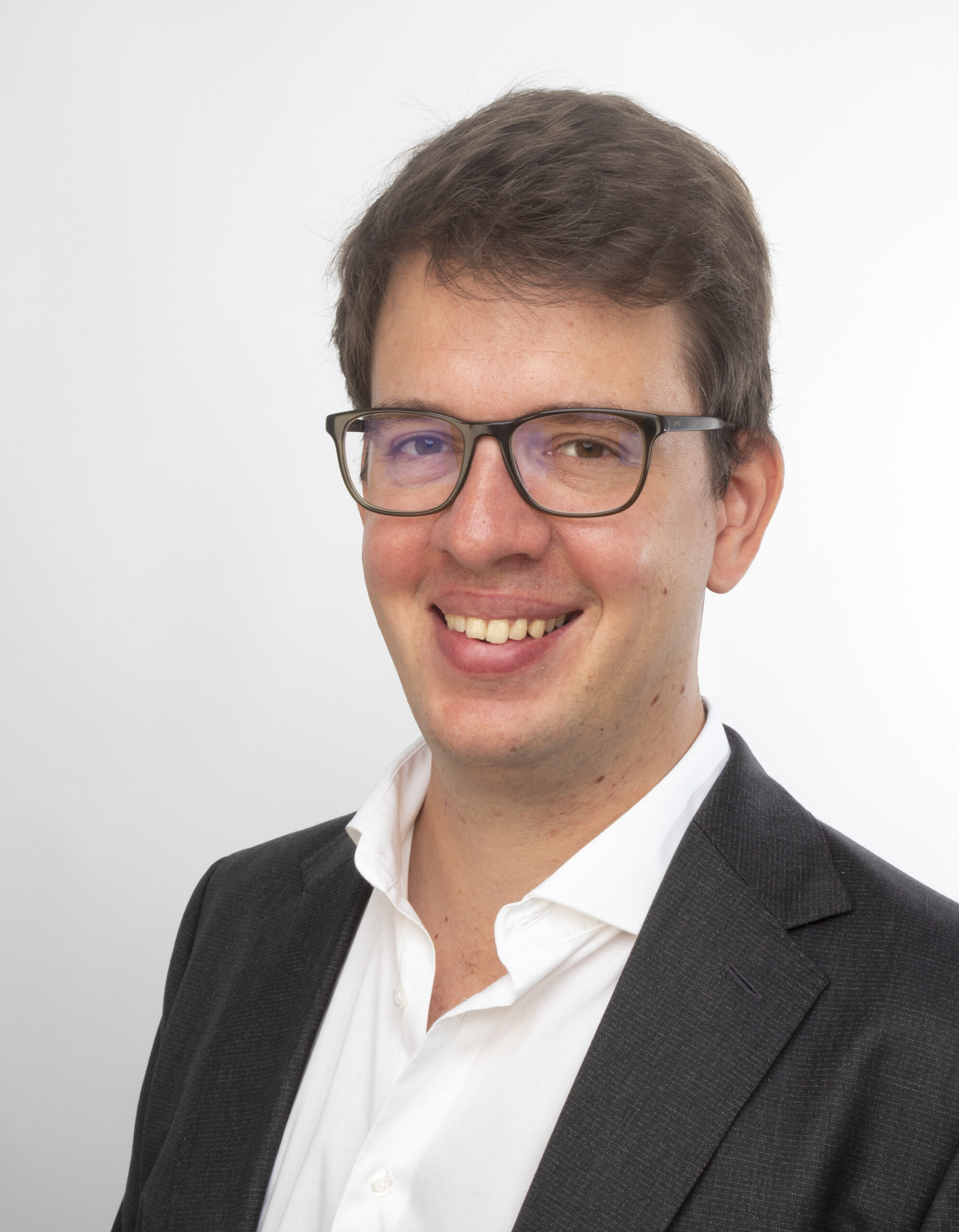
Professor Nikola Biller-Andorno is a leading academic in biomedical ethics and digital health innovation at the University of Zurich , where she directs the Institute of Biomedical Ethics and History of Medicine and serves as Vice Dean for Innovation and Digitalization at the Faculty of Medicine . Her work bridges cutting-edge technology with ethical frameworks for patient-centered healthcare. Director, Institute of Biomedical Ethics and History of Medicine (WHO Collaborating Centre) Vice Dean for Innovation and Digitalization, Medical Faculty Founding Director, UZH Center for Medical Humanities Chair, PhD program 'Biomedical Ethics and Law' Research Interests focus on digital transformation in healthcare, including ethical implications of AI, patient experience integration via big data, and crisis management frameworks during pandemics. Her scholarship addresses: Digitalization of health systems Algorithmic decision-making ethics Equity in digital health access Scientific Awards include: Commonwealth Fund Harkness Fellowship (2012-2014) Fellowship at Collegium Helveticum (2016-2020) Master of Health Business Administration (2018) Leadership roles in International Association of Bioethics and European Association of Centres of Medical Ethics
Dr. Mattia Andreoletti is a Lecturer at the Department of Health Sciences and Technology at ETH Zurich, working within the Professorship for Bioethics. His research spans philosophy of medicine and bioethics, with a focus on the ethical dimensions of AI in healthcare, dementia policy, drug regulation, and clinical reasoning. PhD from the European School of Molecular Medicine (SEMM), affiliated with the European Institute of Oncology (IEO, Milan) ORCID: 0000-0003-1880-0770 His work intersects with clinical ethics, particularly examining replicability in scientific research, evidential pluralism in drug regulation, and the ethical landscape of digital biomarkers. He contributes to courses such as Ethics in Drug Development and Ethics Workshop: The Impact of Digital Life on Society . The 15 most recent articles (2025-2023) highlight his engagement with AI ethics, dementia prevention, regulatory science, and clinical reasoning. Topics include ethical frameworks for digital biomarkers, evidential pluralism in drug approval, and philosophical foundations of rehabilitation sciences.
Professor Bernice Simone Elger serves as Head of the Institute for Biomedical Ethics (IBMB) at the University of Basel, holding a dual affiliation with both the Faculty of Science and Faculty of Medicine. Established in 2011, the IBMB operates as Switzerland's unique ethics institute bridging scientific and medical disciplines under her leadership. Her research expertise spans biomedical ethics with particular focus on ethical challenges in emerging medical technologies, organ donation protocols, palliative care frameworks, and international research ethics. The institute's methodology combines empirical fieldwork with normative theoretical analysis, examining stakeholder perspectives across diverse healthcare contexts including developing countries and prison populations. Recent publications demonstrate her commitment to improving medical communication, particularly through plain-language translation of complex research for patient understanding. The IBMB under her direction has published extensively on topics ranging from smart home health technologies to ethical considerations in AI-driven medical decision-making. The institute maintains active research programs including the "Aging in Prison" project and hosts major international events such as the 2025 Experimental Philosophical Bioethics (BioXPhi) Summit. With over a dozen PhD students and multiple post-doctoral researchers, the IBMB receives consistent funding from major Swiss research bodies including SNF and SAMW. Professor Elger oversees comprehensive teaching initiatives including the "Contemporary Issues in Bioethics" lecture series and specialized ethics courses for both undergraduate students and medical professionals, emphasizing practical application of ethical frameworks in clinical settings.
Aileen Nielsen is a Ph.D. Candidate at ETH Zurich's Center for Law & Economics and a Fellow in Law & Tech. She holds a J.D. from Yale Law School, a B.A. in Anthropology from Princeton University, and advanced degrees in Applied Physics (Columbia) and Comparative Human Development (University of Chicago). Her research focuses on regulatory and judicial responses to technological innovation, particularly in AI governance, data privacy, and medical technology. She has practiced law in NYC and worked in tech startups across healthcare and political organizations. Education: Ph.D. Candidate (ETH Zurich), J.D. (Yale), M.S. Applied Physics (Columbia), M.A. Comparative Human Development (Chicago), B.A. Anthropology (Princeton) Her work combines empirical and experimental methods to address challenges like algorithmic fairness, AI liability in medicine, and public perceptions of data markets. Recent findings explore regulatory frameworks for AI systems and the ethical implications of algorithmic surveillance. She teaches courses on algorithms and fairness, law & tech research, and authentication security. Publications span law journals, cybersecurity white papers, and AI ethics conferences, with a focus on balancing innovation with societal accountability. Her books Practical Fairness and Practical Time Series Analysis further bridge technical and legal domains.
Emily Cross is a Full Professor at the Department of Humanities, Social and Political Sciences at ETH Zurich, leading the Social Brain Sciences Professorship since spring 2023. She previously held professorships at Bangor University (Wales), University of Glasgow (Scotland), Macquarie University (Australia), and Western Sydney University's MARCS Institute (Australia). Her research centers on how embodied experience shapes social learning and perception across diverse contexts. Key contributions include identifying neural signatures of embodied expertise using dancers, developing embodied neuroaesthetics theory, uncovering neurocognitive foundations of visual learning across lifespans, and pioneering paradigms for human-robot social engagement. Her interdisciplinary approach bridges technology, performing/visual arts, and social sciences to explore experience-dependent plasticity at brain and behavioral levels. Recent publications (2024-2025) demonstrate intense focus on human-robot interaction dynamics, aesthetic movement perception, and context-dependent social cognition. Work increasingly examines self-disclosure mechanisms to robots, cultural influences on robot acceptance, and neural correlates of movement synchrony, reflecting her expanding influence at the neuroscience-robotics intersection. Scientific awards include: Philip Leverhulme Prize for Psychology Jacob Bronowski Award from British Science Foundation Young Talent Award from Dutch Neuroscience Society RoboHub and Insight Analytics top women in robotics listings Australia’s Superstars of STEM (2022) Cross passionately trains next-generation scientists with emphasis on research ethics. Her work attracts major funding from ERC, NIH, Fulbright Commission, ESRC, EPSRC, and UK Ministry of Defence. She serves on UNESCO’s International Bioethics Committee (co-rapporteur for neurotechnology ethics report) and as Associate Editor for International Journal of Social Robotics. She leads ETH Zurich's dynamic Social Brain Sciences group, which embraces interdisciplinarity through research paradigms bridging technology, performing/visual arts, and biological/social sciences, while maintaining active roles in editorial boards and conference committees including Intelligent Virtual Agents and Affective Computing meetings.
Dr. Sara Kijewski is a Lecturer at ETH Zurich's Department of Humanities, Social and Political Sciences (D-GESS), specializing in the Ethics and Governance of Artificial Intelligence, Digital Health, and Health Policy. She joined ETH in 2022 after earning her PhD in Political Science from the University of Bern, with additional studies at the University of North Carolina, University of Oslo, and University of Zurich. Her research focuses on AI ethics frameworks, digital health governance, and the societal impacts of war through projects like the Health Ethics & Policy Lab's Health Data and AI course coordination and postdoctoral work on NRP 77 (Digital Health Innovation Governance). As Director of Operations for the ETH AI Ethics and Policy Network, she bridges academic and policy dimensions of emerging technologies. Key research interests include global AI governance, healthcare innovation ethics, and the long-term social consequences of conflict, reflected in publications analyzing post-war societies, public opinion on biotechnology, and international health policy challenges. Her academic background includes multilingual proficiency (Norwegian/Finnish native, German/English fluent), supporting cross-cultural research collaboration. Professional activities include undergraduate course coordination, internship supervision, and contributions to interdisciplinary initiatives like Precise4Q: Predictive Modelling in Stroke. Current academic roles combine teaching (e.g., Ethics Workshop: The Impact of Digital Life on Society in Autumn 2025) with research leadership in AI ethics and health policy domains.
Swiss Federal Institute of Technology in LausanneSwitzerland
Yuval Noah Harari is a historian, philosopher, and lecturer at the Department of History at the Hebrew University of Jerusalem. Born in Haifa, Israel in 1976, he received his PhD from the University of Oxford in 2002. He is best known as the author of the internationally acclaimed books Sapiens: A Brief History of Humankind (2014), Homo Deus: A Brief History of Tomorrow (2016), 21 Lessons for the 21st Century (2018), Nexus: A Brief History of Information Networks from the Stone Age to Artificial Intelligence , and the Unstoppable Us children's series. Harari's research focuses on macro-historical questions including the relationship between history and biology, the essential difference between Homo sapiens and other animals, justice in history, historical directionality, human happiness throughout history, and the ethical questions raised by science and technology in the 21st century. His work bridges history, biology, philosophy, and economics, taking both macro and micro perspectives to understand not only what happened and why, but also how it felt for individuals. His books have sold over 45 million copies in 65 languages, with Sapiens alone selling 25 million copies since its publication. He is considered one of the world's most influential public intellectuals today. Harari has given keynote speeches at major international forums including the World Economic Forum in Davos and has presented as a digital avatar in a TED talk. Sapiens spent 96 consecutive weeks in the top 3 of the Sunday Times bestseller list Co-founded Sapienship, an international social impact company focused on education and storytelling, with his husband Itzik Yahav Regularly speaks at major international events on topics of technology, history, and the future of humanity Harari's recent work focuses on the challenges of the information age, particularly the crisis of truth and trust in an era of disinformation and artificial intelligence. He explores how humans can navigate the complex ethical questions raised by emerging technologies while maintaining democratic values and human dignity.
Raffael N. Fasel is a SNSF Ambizione Senior Researcher at the University of Zurich , with affiliations as an Affiliated Lecturer at the University of Cambridge and Visiting Scholar at NYU Law School . His work bridges animal rights law , constitutional theory , and comparative jurisprudence . Education: Dr. iur. from University of Cambridge, LL.M. from Yale, MA from University College London. Current research focuses on nonhuman legal personhood , direct democracy , and constitutional constraints in global contexts. His publications analyze intersections between legal philosophy and practical governance , including forthcoming work on Animal Rights Law and peer-reviewed articles on topics like Sieyès' constitutional theory and Swiss primate rights cases . He has collaborated with artists on public legal education projects, such as an installation on the monkey selfie case (Naruto v. Slater) in Aarhus Courthouse (2020). Scientific awards: SNSF Ambizione Fellowship Key thematic areas: animal rights law , constitutional self-determination , judicial reasoning , and democratic legitimacy .
Felix Gille is a researcher at the University of Zurich , affiliated with the Institute for Implementation Science in Health Care under the Faculty of Medicine. He leads the DSI-funded project "Data handling, security and protection: reaching conceptual equivalence for the concept of public trust in national electronic health records in Switzerland and neighboring countries," collaborating with Prof. von Wyl (IfIS/DSI, UZH) and Prof. Thouvenin (Faculty of Law, UZH). His work bridges health system and policy research, digital health, data law, and data security. Education: BSc in European Public Health, Maastricht University MMedSc in Health Economics, Policy and Management, Karolinska Institute PhD in Public Trust in Healthcare Systems, London School of Hygiene and Tropical Medicine Research Focus: Gille specializes in public trust dynamics within healthcare systems, particularly examining data governance, health policy, and ethical dimensions of digital health innovations. His projects analyze cross-national trust frameworks, biobanking ethics, AI in healthcare, and pandemic data sharing mechanisms. Scientific Contributions: His publications address critical issues such as GDPR impacts on research, trustworthiness of mHealth apps, and interdisciplinary approaches to health data policy. Articles span 2015–2025, emphasizing conceptual trust models, policy harmonization, and stakeholder engagement in health data systems. Awards & Roles: Fellow of the Swiss School of Public Health Associate Editor for Public Health Reviews
Axel Tschentscher serves as Professor of Constitutional Law, Legal Philosophy and Constitutional History at the University of Bern's Faculty of Law since 2005. His academic work bridges German and Swiss constitutional systems with expertise in fundamental rights interpretation, data protection frameworks, and comparative constitutional design. Affiliated with the Institute for Public Law, he maintains an active research profile through publications and case law analysis. His educational background includes law studies in Hamburg, a Cornell Law School LL.M. (1993), German bar admission (1996), American bar admission (1997), a dissertation in legal philosophy from Kiel University (1999), and a Master's in Philosophy from Würzburg University (2001). His habilitation in constitutional law was completed at Würzburg in 2004. Tschentscher's research focuses on constitutional theory , legal philosophy , and constitutional history , with significant contributions to data protection law, fundamental rights interpretation, and comparative constitutional analysis. His work often examines German and Swiss constitutional jurisprudence, particularly the jurisprudence of the German Federal Constitutional Court (BVerfG). Recent publications demonstrate evolving interests in digital privacy frameworks, climate protection obligations, and electoral system design. Analysis of his publications reveals strong emphasis on constitutional interpretation methodologies , fundamental rights protection , and comparative constitutional systems . His scholarly approach combines historical analysis with contemporary legal challenges, particularly in data protection and biotechnology regulation. The case law commentaries highlight his engagement with practical constitutional adjudication. Tschentscher maintains an active supervisory role for Master's theses at the University of Bern, implementing a structured four-stage supervision process including thematic discussion, topic assignment, content consultation, and formal review. His supervision focuses on constitutional law, legal philosophy, and ethics topics relevant to law department specializations. He directs research operations at the Institute for Public Law with a team including Head of Secretariat Sabrina Camenzind and assistants Olga Songs, Julian Marbach, Kathrin Rüegsegger, Patricia von Weissenfluh, and auxiliary staff. His office (D114) operates from Schanzeneckstrasse 1, PO Box 3444, CH-3001 Bern, with published contact channels for academic engagement.
Prof. Anna Elsner is an Associate Professor of French Studies & Medical Humanities at the School of Humanities and Social Sciences (SHSS-HSG) at the University of St. Gallen. Her research focuses on intersections between medical ethics, literature, and film, particularly regarding assisted dying, French philosophy, and palliative care narratives. She holds a BA in Philosophy and Modern Languages from Oxford University (2006). Her work critically examines representations of death and dying in diverse media, including cinema, literature, and activism. Key interests include Marcel Proust’s exploration of mortality, bioethical debates in France, and the ethical dimensions of physician-assisted suicide. She has published analyses of films like 'Mar adentro' and 'Miele,' as well as literary works like Ana Estrada’s blog and Jean-Marie Lorand’s diary. Elsner’s research also engages with global debates on euthanasia legality, disability rights, and palliative care access. She frequently collaborates with interdisciplinary teams, including artists and policymakers, to bridge theoretical and practical dimensions of medical humanities. Recent projects include studies on Canadian MAID law reforms and Dutch assisted-dying policies. Her work has been featured in documentaries like 'The Death Debate' and academic analyses of legal cases such as María Benito’s constitutional appeal in Peru. She advocates for nuanced discussions on autonomy, dignity, and societal responsibility in end-of-life decisions.
Roberto Andorno is an Associate Professor ('Privatdozent') of biomedical law and bioethics at the Faculty of Law, University of Zurich, and a Research Associate and PhD Program Coordinator at the Institute of Biomedical Ethics and History of Medicine. He holds doctoral degrees in law from the University of Buenos Aires (1991) and Paris-Est Créteil (1994), and has held visiting and fellowship positions at Laval University, University of Göttingen, and University of Tübingen. He is actively involved in international bioethics through UNESCO, including serving on the International Bioethics Committee (1998–2005) and the Expert Group on the Ethics of Neurotechnology (2024). Doctor of Law, University of Buenos Aires (1991) Doctor of Law, Paris-Est Créteil University (1994) Privatdozent, University of Zurich PhD Program Coordinator, Institute of Biomedical Ethics, University of Zurich His research focuses on the intersection of law, human rights, and bioethics, with key interests in neuroethics, human germline editing, scientific integrity, and end-of-life care. He has extensively published on mental privacy, cognitive liberty, and the ethical implications of neurotechnologies. His work emphasizes human dignity as a foundational principle in bioethics and law. His recent publications (2021–2023) reveal a strong trend toward neuroethics and neurorights, with significant contributions to debates on mind-reading technologies, neurosurveillance in the workplace, and the need for new human rights in the age of neuroscience. He also continues to publish on assisted suicide, palliative sedation, and global bioethics post-pandemic, reflecting a broad and evolving research agenda. Member, UNESCO International Bioethics Committee (1998–2005) President, European Society for Philosophy of Medicine and Healthcare (2014–2016) Researcher, EU Project 'INTEGRITY' on Scientific Integrity (2019–2021) Member, UNESCO Expert Group on the Ethics of Neurotechnology (2024) Roberto Andorno has not publicly listed specific advisees, but as Coordinator of the PhD Program in Biomedical Ethics and Law, he plays a central role in mentoring doctoral candidates. He has participated in major research projects funded by the EU and UNESCO, indicating substantial grant involvement. He leads discussions on bioethics education and integrity training, advocating for stronger integration of research ethics in medical curricula. He is affiliated with the Institute of Biomedical Ethics and History of Medicine at the University of Zurich, a leading center for bioethics research in Europe. His work often involves collaboration with international scholars and institutions, contributing to global policy development in bioethics and human rights.
Raji C. Steineck is a Professor of Japanese Philology at the University of Zurich and Vice Dean of Research for the Faculty of Arts and Social Sciences. He also holds visiting professorships at Yamaguchi University’s Research Institute for Time Studies and has been actively involved in academic leadership as President of the International Society for the Study of Time (ISST) and board member of the Swiss Asia Society (SAG) and the Center for Medieval Studies Zurich. Education: M.A. in Japanese Studies (1993), Dr. phil. in Philosophy (1999), and venia legendi in Japanology (2006) from Bonn University. His research spans Japanese philosophy , medieval mythologies , symbolic forms in Dōgen , and time in medieval culture . He has pioneered a transcultural theory of symbolic forms inspired by Cassirer, applied to Japanese studies, and led collaborations on topics like modern Japanese philosophy, authorship in East Asian literature, and Buddhist text analysis. His 2014 monograph Symbolische Form und Funktion critically engages with Cassirer’s work, while a monograph on ancient Japanese mythologies is in press. Recent publications focus on Dōgen’s temporal philosophy , Marxist critique , and bioethical debates in Japan. He has organized interdisciplinary research on Japanese mummified remains (2021) and contributed to critical theory. His awards include the ERC Advanced Grant and fellowships from DAAD, MEXT, Humboldt Foundation, and JSPS. Scientific Awards: ERC Advanced Grant (Project ‘Time in Medieval Japan’) DAAD Scholarship MEXT Scholarship (Japanese Ministry of Education) Humboldt Foundation Fellowship JSPS Fellowship As a mentor for the Swiss Study Foundation and co-editor of Welten Ostasiens and Asiatische Studien/Études Asiatiques , he fosters academic exchange. His teaching at Zurich includes courses on Japanese intellectual history, theoretical philosophy, and classical Japanese literature.
Matteo Gianni is a Full Professor and Director of the Department of Political Science and International Relations at the University of Geneva, Faculty of Social Sciences. He has been a faculty member since 2011, previously serving as Associate Professor and progressing from assistant and senior lecturer roles. He is affiliated with the Institute for Citizenship Studies (where he briefly served as Director in 2024) and the Institute for Gender Studies. He also holds a significant role in the NCCR – On the Move research consortium based at the University of Neuchâtel, leading research and serving on its management board since 2018. His research interests span a broad and interconnected set of themes in political theory and social policy, including Normative Political Theory, Migration and Mobility, Urban Citizenship, Deliberative Democracy, Integration of Muslims in Europe, Theories of Justice and Recognition, Secularism, and Epistemology of the Social Sciences . He has extensively examined the political integration of Muslims in Switzerland and Europe, the ethics of migration, and the role of public deliberation in democratic societies. The most recent publications reflect a sustained focus on issues of epistemic justice, multicultural citizenship, and the political dynamics of religious pluralism. His work often analyzes how migration, security policies, and integration discourses shape democratic citizenship in mobile and multicultural societies. He frequently collaborates with scholars across Europe and North America, as seen in his leadership of international research projects and co-supervision of PhD students. Matteo Gianni has supervised numerous doctoral students, many of whom have completed their theses on topics related to migration, citizenship, and political integration. He has received research funding from the Swiss National Science Foundation and has conducted scientific visits to Rutgers University and the University of Toronto. He was Vice-Dean of the Faculty of Social Sciences from 2016 to 2020 and is co-chair of the ASSP Political Theory Group. He has led major research projects such as Narratives of Crisis and Their Influence in Shaping Discourses and Policies of Migration and Mobility and Perimeters of Multilayered Democratic Citizenship in a Mobile and Multicultural World . He is actively involved in knowledge transfer and public engagement, as evidenced by his media contributions such as the article "We must make race visible" in Le Courrier (2022). His work bridges academic research and policy development, particularly through partnerships with public institutions like the Department of Social Cohesion in Geneva to create local participatory forums.
Philippe Ducor is an Associate Professor at the Faculty of Law of the University of Geneva, where he has been teaching since 2004. He serves as an Associate Professor in the Department of Commercial Law and previously directed the interdisciplinary master's program in life law. His academic work spans multiple faculties, including contributions to the MBL program at the Faculty of Law, the doctoral school in pharmaceutical sciences at the Faculty of Sciences, and bioethics courses at the Institute of Biomedical Ethics of the Faculty of Medicine. Dr. Ducor holds dual doctorates in law and medicine, having studied at the Universities of Geneva and Stanford. Before transitioning to law, he practiced as an FMH specialist in internal medicine. His professional credentials include being a lawyer at the Geneva Bar and maintaining active medical qualifications alongside his legal career. Ducor's research focuses on the intersection of law and life sciences, with particular expertise in biotechnology law, pharmaceutical law, intellectual property, technology transfer, medical law, and health law. His scholarly work demonstrates a consistent pattern of addressing emerging ethical and legal challenges at the boundary between medical practice and legal frameworks, especially in areas involving patient rights, medical confidentiality, and biotechnological innovation. Recent publications show increasing attention to international and cross-border aspects of medical law. He actively participates in scholarly discourse through his membership on the scientific council of the Brocher Foundation, the editorial board of the Collection Médecine Société, and the council of the Fondation pour Recherches Médicales. Each year, he organizes specialized conferences dedicated to contemporary issues in the law of the living with colleagues from his master's program. As an academic advisor, Ducor has supervised doctoral theses including GUDNADOTTIR Urdur Ua's 2024 work on cross-border assisted reproduction and CAMPANELLI Alessandro's 2017 research on Swiss federalism in medical and pharmaceutical legislation. His teaching extends to multiple continuing education programs across faculties, including e-law, biosafety certification, and Good Clinical Trial Practices training.