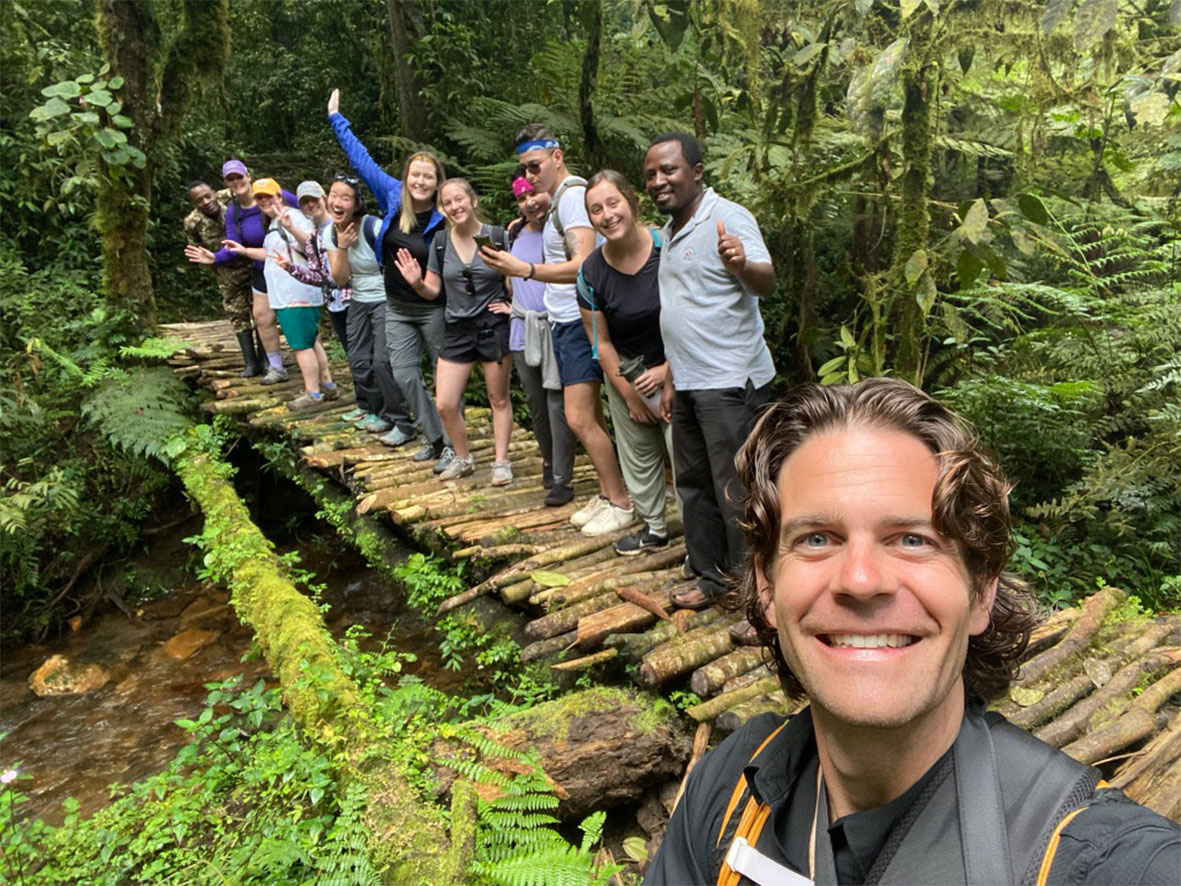
Dr. Paul Cummins is a Visiting Assistant Professor in the Lewis School of Health & Life Sciences at Clarkson University, with expertise in bioethics. He leads the Caribbean Research Ethics Education Initiative (CREEi) and develops ethics curriculum. Research addresses bioethics education, conscientious objection in healthcare, and environmental ethics frameworks. Current projects include cross-cultural research ethics training in the Caribbean and parental attitudes toward adolescent research participation. Teaches courses on research ethics, social justice, and pediatric ethics.
Dr. Simon Whitby is Associate Professor at the University of Bradford's School of Social Sciences, working at the intersection of life sciences and security policy since 2009. His research addresses dual-use biosecurity and bioethics, developing governance frameworks for emerging biotechnologies while building global capabilities in responsible science education. He pioneers innovative training methods including online Masters programs and team-based learning approaches. He leads historical research documenting the 50-year evolution of Peace Studies at Bradford, resulting in an upcoming book publication (2026) commemorating the program's founding in 1973. Dr. Whitby co-developed the Catalyst Project implementing Team-Based Learning pedagogy across multiple UK universities and contributes to biological weapons control policy through BTWC review processes. His publications focus on biosecurity education frameworks, governance of dual-use research (particularly CRISPR technologies), and strengthening biological weapons conventions, with recent emphasis on pandemic-related policy implications.
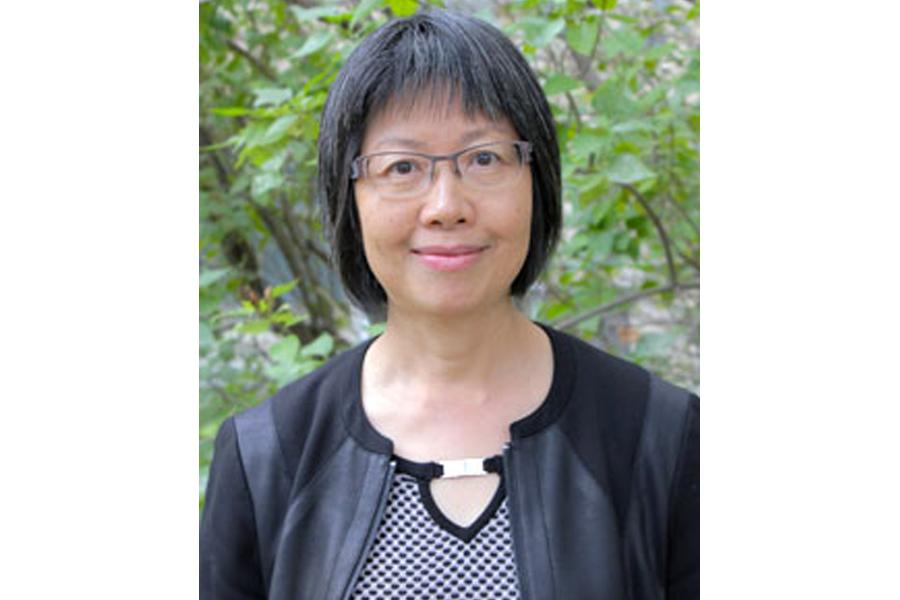
Dr. Maria Cheung is Professor Emerita at the University of Manitoba's Faculty of Social Work. She holds a Ph.D. in Social Work from Wilfrid Laurier University (1999), M.S. in Social Science from the University of Hong Kong (1985), and B.S. in Social Science from the University of Hong Kong (1978). Her research examines human rights in China, trauma experiences of spiritual minorities, genocide studies, and women's social development. Dr. Cheung led a multi-million dollar CIDA Tier One project (2004-2010) on gender equality and human rights protection in rural China. As Research Affiliate at the Centre for Human Rights Research, she investigates Falun Gong practitioner experiences and global human rights curriculum in social work education. Her publications address forced organ harvesting, genocide prevention, and resilience in immigrant communities. She presents internationally on topics including genocide recognition, torture impacts, and telepsychiatry transitions. Her work has been featured in The Conversation and academic journals spanning social work, human rights law, and mental health.
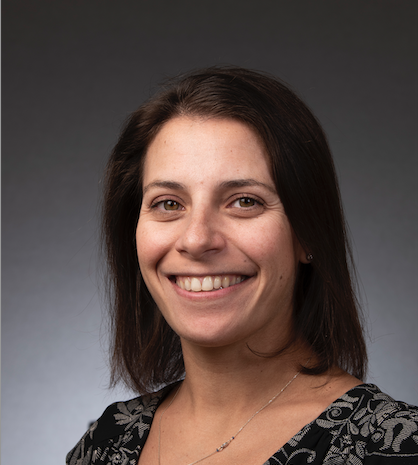
Rebecca (Becky) DeBoer, MD, MA is an Assistant Clinical Professor of Medicine in the Division of Hematology/Oncology at the University of California San Francisco (UCSF) and an attending medical oncologist at Zuckerberg San Francisco General Hospital (SFGH). She combines clinical practice with academic roles, including teaching global health ethics at UC Berkeley and medical ethics at UCSF. Her research focuses on implementation science to improve equitable cancer care delivery in diverse settings, particularly in Rwanda, Tanzania, and San Francisco's public health system. Key areas include patient-clinician communication, resource allocation ethics, and clinical practice evaluation. Education: B.A. in Human Biology, Stanford University (2005) M.D., Northwestern University Feinberg School of Medicine (2011) M.A. in Medical Humanities and Bioethics, Northwestern University (2014) Internal Medicine Residency, University of Chicago (2014) Clinical Medical Ethics Fellowship, MacLean Center for Clinical Medical Ethics (2016) Medical Oncology Fellowship, UCSF (2019) Research Interests: Dr. DeBoer's work bridges implementation science and bioethics to address systemic barriers in cancer care delivery. She emphasizes culturally adapted interventions for patient communication, equitable resource allocation frameworks, and quality improvement strategies in low-resource settings. Her projects often involve collaborations with NGOs like Partners In Health and institutions in sub-Saharan Africa. Grants & Awards: NIH/NCI K08CA279874 (Validation of Quality Measures for Patient-Centered Cancer Communication in Rwanda) UCSF Society of Hellman Fellows Award (Pilot Study of Palliative Care Quality Indicators in Rwanda) National Palliative Care Research Center Kornfeld Scholars Program Award Rachel Pearline Award for Patient Care Excellence (UCSF) Clinical Work: She runs general oncology and breast oncology clinics at SFGH, focusing on underserved populations. Her practice integrates evidence-based care with cultural competency. Labs/Teams: Collaborates closely with UCSF's Global Oncology programs and the University of Rwanda's oncology teams to implement scalable care models.
Cyrus P. Olsen III serves as Associate Professor of Theology/Religious Studies at The University of Scranton and holds Affiliate Faculty status in Health Humanities. His academic appointments include Research Fellow for AI&Faith and Affiliate Research Fellow through a Templeton World Charity Foundation Grant at the Human Network Initiative (Harvard Medical School's Dhand Lab). Previously, he held the Lo Schiavo Chair in Catholic Social Thought at the University of San Francisco during Academic Year 2022-2023. Dr. Olsen's research spans three primary domains: the intersection of artificial intelligence and theological ethics, health humanities with focus on African contexts, and public health theology. His work examines AI alignment through virtue ethics frameworks, analyzes Ugandan community health systems through religious lenses, and develops theological anthropologies for ecological sustainability. Current projects include Templeton-funded brain health research in Uganda and collaborative NEH-supported Health Humanities curriculum development. His scholarship demonstrates consistent interdisciplinary integration across theology, medical ethics, and technology studies. Recent publications reveal growing emphasis on AI ethics (40% of recent output), African health systems (35%), and critical care philosophy (25%), with increasing collaboration between neurology researchers and theologians. Lo Schiavo Chair in Catholic Social Thought (University of San Francisco, 2022-2023) Templeton World Charity Foundation Grant #20714 (2022-2025) for Ugandan brain health research National Endowment for the Humanities Grant for Health Humanities Concentration development Multiple invited presentations at UN Science Summit, African Studies Association, and Harvard-affiliated forums Dr. Olsen directs collaborative health humanities initiatives involving Makerere University, Bwindi Community Hospital, and Brigham and Women's Hospital. His Templeton-funded work with the Human Network Initiative examines neurological impacts of environmental stressors in Ugandan communities, while his Health Humanities Concentration development (with Holy Cross and Geisinger Commonwealth) creates new interdisciplinary pathways. Current advising focuses on graduate students researching AI ethics and global health theology, with emerging projects on Batwa indigenous medical knowledge preservation. His laboratory affiliations include the Dhand Lab at Harvard Medical School (neurology focus) and the Bannakroli Health Clinics research network in Uganda. The Human Network Initiative team integrates neurologists, theologians, and Ugandan community health workers to study brain health determinants in resource-limited settings, while his US-based work connects with the Lane Center for Catholic Social Thought for policy applications.
Dr. Jodi Halpern is a Professor of Bioethics and Medical Humanities at the University of California, Berkeley School of Public Health. She co-founded the Berkeley Group for the Ethics and Regulation of Innovative Technologies and serves as the Co-Director of the Kavli Center for Ethics, Science, and the Public at UC Berkeley. MD and PhD in Philosophy from Yale University Former Psychiatry Resident at UCLA Neuropsychiatric Institute Robert Wood Johnson Clinical Scholar Fellowship Her research focuses on the intersection of psychiatry, philosophy, and decision science to examine how innovative technologies transform human relationships and society. This includes AI psychotherapy, gene editing ethics, and virtual reality applications for empathy development. Her recent publications highlight concerns about AI replacing human empathy in healthcare, ethical implications of germline genome editing, and the importance of empathic curiosity in resolving conflicts. She has explored how emotional thought processes influence decision-making and how people adapt to health losses through psychological transformation. Guggenheim Fellowship in Health and Medicine (2022) Chancellor’s Chair at UC Berkeley (2019) Greenwall Faculty Scholars Fellowship Rockefeller Fellowship at Princeton University As a consultant and speaker, Halpern advises organizations like the Federal Reserve Bank of San Francisco, Kaiser Permanente, and the Los Angeles Mayor’s office on ethical technology implementation. Her work has been featured at the World Economic Forum in Davos and she maintains an active role in training the next generation of bioethics scholars.
Rebecca R. Seltzer, MD, MHS is an Associate Professor of Pediatrics at the Johns Hopkins School of Medicine and affiliated with the Berman Institute of Bioethics. Her work focuses on improving care for children with medical complexity, particularly those in the child welfare system. She oversees pediatric residents and medical students at the Harriet Lane Primary Care Clinic and leads the Bridging to Wellness clinic for children evaluated for abuse/neglect. Dr. Seltzer's research explores ethical challenges in medical decision-making, foster care placements, and community support gaps for vulnerable children. Education: BA from University of Virginia (Echols Scholar), MD from University of Pennsylvania Perelman School of Medicine, pediatric residency at Children’s Hospital of Philadelphia, and fellowships in Academic General Pediatrics and Bioethics at Johns Hopkins. She holds an MHS from the Johns Hopkins Bloomberg School of Public Health in Population Health. Research Interests: Intersection of medical/socioeconomic complexity, foster care system dynamics, medical decision-making ethics, and policy solutions for vulnerable pediatric populations. Active in curriculum development for pediatric ethics education and clinical training programs. Key Projects: Ventilator Nurse Training (VeNT) Program, housing instability assessments for medically complex children, and exploring medical foster care models. Her work bridges clinical practice, bioethics, and public health policy to address systemic challenges in caring for high-need pediatric patients. Teaching & Leadership: Guest instructor for pediatric ethics courses, directs clinical training rotations, and contributes to national pediatric education curricula through PEAC initiatives. Serves as attending physician and mentor in primary care and ethics training programs.
Prof. Anita Blagojević holds a full professorship at the Faculty of Law, University of Osijek , specializing in constitutional law, human rights, and local self-government. She has served since 2021 at the Department of Constitutional and European Law following prior roles including associate professor (2016–2021) and assistant professor (2011–2016). Her career began in 2000 as a scientific novice, advancing through academic ranks while contributing to Croatian and international legal scholarship. Education: Bachelor of Law (2000) – Faculty of Law, Osijek Master-equivalent thesis (2004): Porijeklo i razvoj institucije ombudsmana PhD (2009): Terrorizam, antiterorizam i ljudska prava Additional training: Pedagogical-psychological education (2010), Conciliation course (2007) Research Focus: Blagojević’s work emphasizes constitutional frameworks, human rights protection in crisis contexts (e.g., pandemic governance), anti-terrorism legislation, and local governance structures. She has authored/co-authored three books and numerous articles addressing topics like abortion rights, migrant integration, and constitutional referendums. Awards & Recognition: 2022: Povelja lokalne samouprave from Osječko-baranjska Županija for contributions to local governance Teaching & Academic Contributions: She teaches courses on constitutional law, human rights, and public administration. Her research spans EU comparative law, legal responses to terrorism, and gender equality in constitutional frameworks. Active in professional organizations like the Croatian Association for Constitutional Law and the International Society of Public Law (ICON-S).
Victoria Mui, MD is an Assistant Professor of Clinical Obstetrics and Gynecology at the Perelman School of Medicine, University of Pennsylvania. She is actively engaged in global health initiatives with fieldwork in Vietnam, Uganda, Guatemala, and Guyana, and serves as the OB/GYN Curriculum Lead for the VinUni-UPenn partnership. Her research and professional interests span Global Surgery, Medical Education, Maternal Health, Bioethics, and International Medical Training . She has contributed significantly to curriculum development and faculty-level teaching in low-resource settings, particularly through her work at Gulu University in Northern Uganda, where she delivered medical lectures and supervised clinical trainees. The available publications and projects reflect a consistent focus on strengthening healthcare education systems and advancing women’s health globally, particularly through surgical training and academic partnerships. Her work bridges clinical obstetrics and gynecology with global health policy and education reform. Former MGH Global Health Clinical Fellow (Seed Global Health-Peace Corps) Curriculum Lead, OB/GYN Clinical Clerkship, VinUni-UPenn Partnership Visiting Faculty, Gulu University School of Medicine, Uganda Dr. Mui has mentored medical students, interns, and medical officers in Uganda and continues to lead educational initiatives through international collaborations. She has coordinated faculty efforts in developing core didactic materials for OB/GYN training programs abroad. Although specific grants are not listed, her roles suggest involvement in funded global health education projects. She is affiliated with the Center for Global Health at Penn and contributes to global surgery and medical education capacity building. Her work is coordinated through structured academic partnerships and institutional global health programs, emphasizing sustainable training models and curriculum implementation.
Federico Jose Arena is a postdoctoral researcher at the University of Girona, affiliated with the Department of Private Law and the Barcelona Institute of Analytical Philosophy (Universitat de Barcelona, Universitat Pompeu Fabra, Universitat de Girona), selected as a María de Maeztu Excellence Unit by the Spanish government. He holds a European PhD in Legal Philosophy and Bioethics from the University of Genoa and is an Independent Researcher at CONICET in Argentina. Current Roles: Research Fellow at University of Girona, Tenured Professor at Universidad Blas Pascal, Director of the Journal Discusiones . Education: Law degree from National University of Cordoba (Argentina), European PhD in Legal Philosophy and Bioethics from University of Genoa (Italy). Research Focus: His work bridges legal philosophy, bioethics, and judicial methodology, analyzing stereotypes in legal norms, conventionalism in law, and the role of evidence in judicial reasoning. Recent projects explore tempered skepticism and normative systems through an analytical philosophy lens. Publications: Author of three monographs on legal conventionalism and bioethics, including a 2022 manual commissioned by Mexico's Supreme Court on judicial stereotypes. His scholarship integrates interdisciplinary perspectives from analytical philosophy, legal interpretation, and ethics. Scientific Engagement: He collaborates with CONICET's National Science and Justice Program, providing judicial training in Argentina, Chile, and Mexico. His editorial leadership includes directing the Revista Discusiones at Universidad Nacional del Sur.
Henry J. Silverman, MD, MA, is Professor of Medicine at the University of Maryland School of Medicine with a secondary appointment in Epidemiology & Public Health. He serves as Principal Investigator for NIH-funded research ethics training programs in the Arab Middle East and Myanmar, and co-investigator for a Gambia-based initiative. At the University of Maryland Medical Center, he chairs the Ethical Advisory Committee overseeing ethics consultations, policy development, and education. He also directs a 12-credit online certificate program in research ethics at the University of Maryland Graduate School. Education includes: BS/MS in Biomedical Engineering, Rensselaer Polytechnic Institute (1974) MD, Johns Hopkins School of Medicine (1978) MA in Bioethics, Georgetown University (1995) His research spans international research ethics with focus on: informed consent frameworks, research ethics committee operations, genomic/biobanking ethics, plagiarism, research misconduct, and integrity climate assessment. Clinical ethics investigations include moral distress in COVID-19 care, ICU decision-making climates, medical student ethics training, and xenotransplantation ethics. His work emphasizes interdisciplinary collaboration across the Middle East, North Africa, and Southeast Asia. Publication trends reveal concentrated focus on ethical dimensions of global health research (2020-2024), particularly biobanking regulations, research integrity climate, and pandemic-related ethical challenges. Earlier work established foundations in critical care trial ethics and research oversight frameworks. Awards: Senior Resident's Teaching Award (1988) Humanism in Medicine Award (2001) Public Health Teaching Award (2013) As Principal Investigator for major NIH grants: Middle East Research Ethics Training Initiative ($1.43M; 2016-2024) Myanmar Master's Program in Research Ethics ($1M; 2017-2025) He mentors international trainees through Fogarty programs and leads the Medical Ethics Interest Group at UMSOM.
Lynda Redwood-Campbell is a Professor in the Department of Family Medicine at McMaster University and an active member of the Canadian Red Cross International Emergency Response. Her work bridges family medicine with humanitarian health ethics, disaster response, and global primary care development. Research Interests: Disaster Medicine and Emergency Response Humanitarian Health Ethics Palliative Care in Resource-Limited Settings Refugee and Immigrant Health Global Family Medicine Education Article Trends: Her 15 most recent publications focus on disaster response strategies (2018-2023), ethical challenges in humanitarian aid (2012-2018), refugee health (2009-2018), and global health education (2015-2017). Key journals include Prehospital and Disaster Medicine , Canadian Family Physician , and Public Health Ethics . Scientific Context: Her work spans public health, disaster medicine, and global health education, with emphasis on knowledge transfer from international deployments to domestic preparedness, ethical frameworks for humanitarian care, and strengthening primary care in low-resource settings.
Dr. Julie S. Armin is an Assistant Professor in the Department of Family and Community Medicine at the University of Arizona College of Medicine – Tucson, holding a tenure-track position. She also serves as an Assistant Professor of Practice in Health Promotion Sciences and as the Director of the Health Disparities Curriculum at the College of Medicine. As a medical anthropologist, Dr. Armin focuses on improving healthcare and reducing health disparities for historically underserved populations using qualitative, multi-method and community-based methodologies. Education PhD in Anthropology (Sociocultural/Medical), University of Arizona, 2015 MA in Anthropology, San Francisco State University, 2006 Dr. Armin's research program is broadly focused on addressing gaps in cancer prevention and treatment for populations that have been historically marginalized due to hierarchies of race and social class. She has examined how cancer care is affected by immigration status, social class, and gender. Her current work centers on the practices of advance care planning among English and Spanish-speaking people living with cancer and their providers, and access to cancer care for people with disabilities. She employs intersectionality frameworks to understand health disparities and utilizes community-based participatory research methods to develop culturally appropriate interventions. Dr. Armin's recent publications demonstrate a strong focus on health disparities, particularly in cancer care for marginalized populations including women with intellectual and developmental disabilities, Native American communities, and other historically underserved groups. Her work often examines barriers to cancer screening and treatment, with particular attention to structural factors that create vulnerability. She frequently collaborates with interdisciplinary teams to develop and test interventions aimed at improving access to care and health outcomes for these populations. Scientific Awards University of Arizona Cancer Center Full Membership (Fall 2024) Building Research Capacity Fellowship ADFM (Fall 2023) Dr. Armin serves as PI or Co-PI on several significant research projects, including "Improving Shared Decision-Making about Cancer Screening Among American Indian Women Experiencing Intellectual Disabilities" and "Improving Advance Care Planning through Better Care Coordination" funded by the American Academy of Family Physicians. She also serves as a Co-Investigator on projects such as "A Guided Imagery Tobacco Cessation Intervention Delivered by a Quitline and Website" and "Expanding Patient-Centered Cancer Care for Underserved Patients in Southern Arizona." Her teaching portfolio includes courses on health disparities, histories of health inequity, and disability perspectives. Dr. Armin collaborates with research teams focused on cancer disparities, working with colleagues like Heather Williamson at Northern Arizona University through the Partnership for Native American Cancer Prevention. She also partners with researchers at the University of Arizona Cancer Center and community organizations serving Native American populations to develop culturally appropriate interventions and address health disparities.
Dr. hab. Zdzisław Zarzycki is an Associate Professor at the Ecclesiastical and Religious Law Workshop within the Faculty of Law and Administration at Jagiellonian University. He has been a research and teaching employee since completing his law studies at the same university, first at the Department of History of Administration and Administrative Thought, and since 1999 at the Ecclesiastical and Religious Law Workshop. He has lectured on Ecclesiastical and Religious Law since 2001 and Religious Law in the European Union since that time as well. His primary research interests focus on religious law (and its history) and marital law (and its history), with particular attention to the intersection between canon law of the Catholic Church and Polish civil law. His scholarly work examines church-state relations, religious freedom, marriage regulations, and the legal status of religious minorities in Poland and the European Union. Dr. Zarzycki has published over 120 scientific papers and participated in approximately 80 national and international scientific conferences. His recent work has increasingly focused on contemporary challenges in religious law within the EU framework, mental health considerations in marriage law, and the rights of religious minorities. He is a member and co-founder of the Polish Society of Religious Law and serves on its governing bodies. He has balanced his academic career with legal practice, having completed judicial training and passed the judicial examination. Dr. Zarzycki supervises numerous master's theses, with his students exploring diverse topics across approximately 90 thematic areas including marriage law, criminal law aspects of religious practice, personal life regulations, church-state relations, new religious movements, special chaplaincies, and other church-state issues. His office hours are held on Tuesdays from 9:30 a.m. to 11:00 a.m. at the Office of Ecclesiastical and Religious Law.
Dr. Abraham Aseffa is a pioneering researcher at Haramaya University , with extensive contributions to global health, particularly in Ethiopia. His work spans infectious diseases, bioethics, and antimicrobial resistance. Research Focus: Tuberculosis, malaria, HIV, zoonotic diseases, and drug resistance. Key Collaborations: Armauer Hansen Research Institute, World Bank, UNICEF, and Wellcome Trust. Research Themes: Bioethics in low-resource settings, One Health approaches, genomic epidemiology, and diagnostic tool development. Sponsors: National Institutes of Health, Bill & Melinda Gates Foundation, Medical Research Council, and Fogarty International Center.