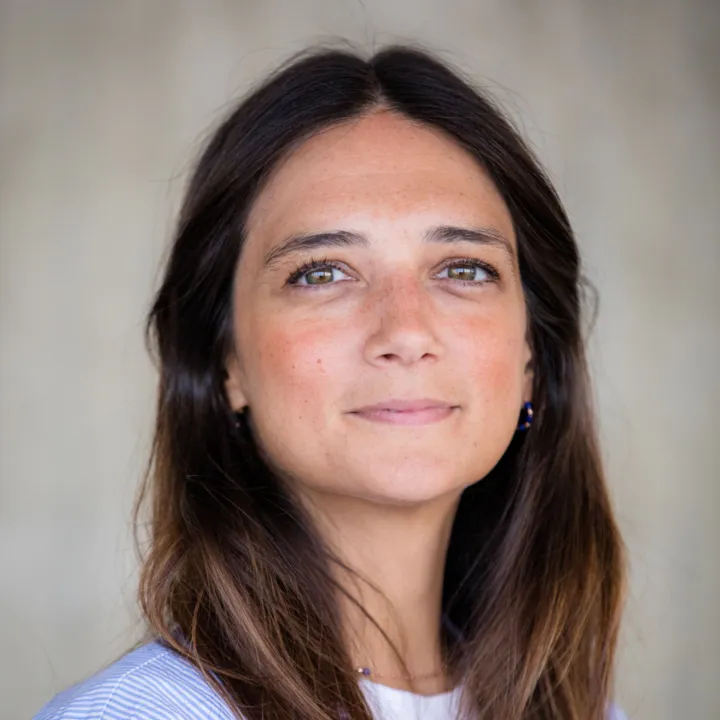
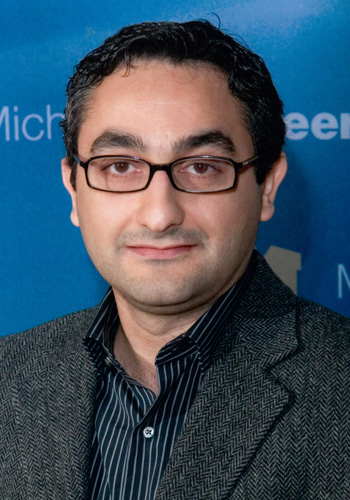
Polina O. Anikeeva is a Professor of Materials Science and Engineering and Associate Director of the Research Laboratory of Electronics (RLE) at MIT. She leads the Bioelectronics Group, focusing on developing minimally invasive neural interfaces and neuroprosthetics using advanced materials. Her work integrates materials chemistry, nanotechnology, and microfabrication to enhance biocompatibility and signal quality in neural devices for conditions like Parkinson’s disease and major depressive disorder. Education: Bachelor of Science in Physics, St. Petersburg State Polytechnic University (2003) PhD in Materials Science, MIT (2009) Postdoctoral Fellowship in Bioengineering, Stanford University Her research emphasizes hybrid organic-inorganic materials and optoelectronic systems for neural recording/stimulation. Key innovations include magnetically actuated sensors, wireless neuromodulation, and flexible optoelectronic fibers. Notable achievements include the NIH Director’s Pioneer Award (2021) and collaborations with the Fashion Institute of Technology on smart textiles. Lab Focus: Bioelectronics Group at RLE develops next-generation neural interfaces, with applications in brain-machine interfaces and paralysis treatment. Recent advances include magnetoelectric nanodiscs for transgene-free neuromodulation and remotely controlled chemomagnetic neural circuits.
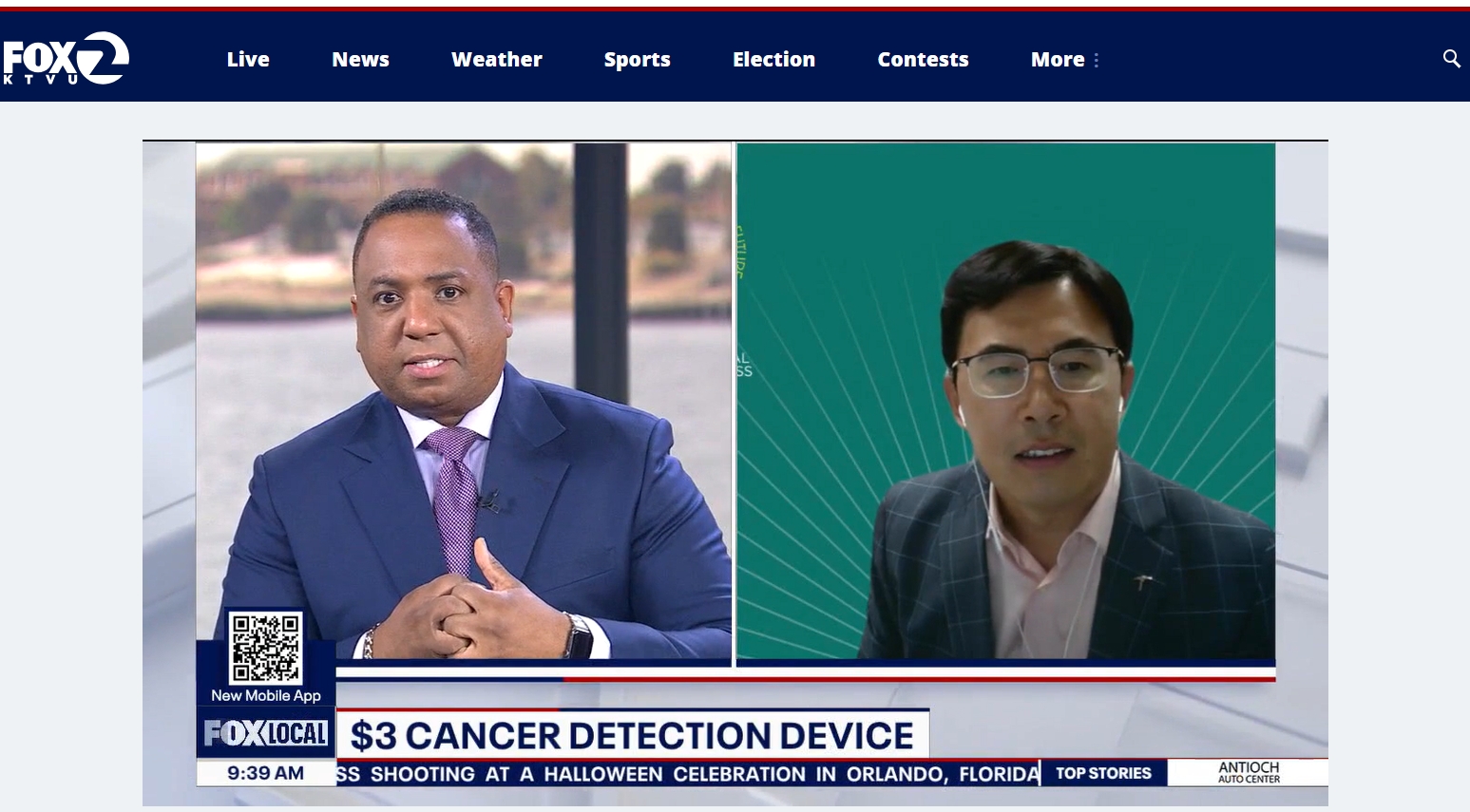
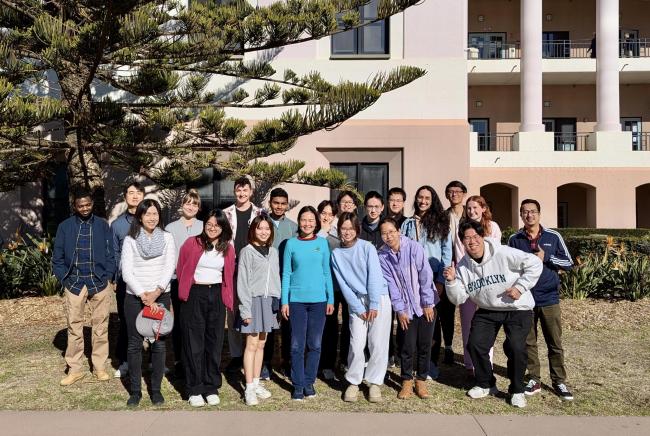
Dr. XiuJun Li is a Professor in the Department of Chemistry and Biochemistry at The University of Texas at El Paso (UTEP) within the College of Science. He leads the Li Microfluidic Lab-on-a-Chip & Nanotechnology Group, focusing on the development of cutting-edge, low-cost diagnostic technologies for applications in bioanalysis, biomedical engineering, forensic science, and environmental science. His work is highly interdisciplinary, bridging chemistry, engineering, and biology. Dr. Li's primary research interests lie in microfluidics, nanotechnology, lab-on-a-chip systems, and point-of-care diagnostics. His lab specializes in creating paper and polymer hybrid microfluidic devices for the ultrasensitive detection of cancer biomarkers, infectious diseases (such as SARS-CoV-2 and pertussis), and environmental toxins. A significant focus is on making these devices instrument-free and affordable, particularly for use in resource-limited settings and rural areas. His recent work on a $3 paper-based cancer detector has garnered significant media attention, including features in the New York Post and local TV stations. The trend in Dr. Li's recent publications reveals a strong emphasis on developing portable, visual, and quantitative diagnostic platforms. His research frequently involves the integration of nanomaterials for signal amplification, the use of microfluidic chips for controlled reactions, and innovative readout methods like bar-chart displays and smartphone-based detection, all aimed at creating practical tools for real-world healthcare challenges. Dr. Li has received substantial recognition for his contributions to science, including being named one of the World's Top 2% of Cited Researchers by Elsevier and a Top Scholar by ScholarGPS. He is an Editorial Board Member for Microsystems & Nanoengineering (Nature Publishing Group) and has been awarded a Travel Grant from GEM on the Road’s PFI Programming. He holds patents for his inventions in biosensing and photothermal detection. Dr. Li is a dedicated mentor and educator. He has advised numerous PhD and Master's students, many of whom have gone on to prestigious postdoctoral positions at institutions like Harvard, UPenn, and MD Anderson. He is also the Director of the Forensic Science program at UTEP, where he organizes outreach events to engage students. His lab is actively involved in research, with multiple postdoctoral fellows and graduate students currently working on projects related to cancer detection and infectious disease study.
Michael Daniele is an Associate Professor at North Carolina State University, jointly appointed in the Department of Electrical & Computer Engineering and the Joint Department of Biomedical Engineering . His research focuses on bioelectronics engineering, particularly in developing microsystems for monitoring, mimicking, and augmenting biological functions. He leads the @BiointerfaceLab , exploring wearable/implantable biosensors, microphysiological systems, and process analytical technologies for biomanufacturing. Education : Ph.D. in Materials Science & Engineering (Clemson University, 2012) Bachelor's in Materials Science & Engineering (Rutgers University, 2009) Research Highlights : Developing "injury-on-a-chip" models for coagulation studies Pioneering hydrogel microneedles for diagnostic devices Advancing light-controlled peptide ligands for protein purification Collaborating with Novartis on viral vector manufacturing Award Recognition : 2024 William F. Lane Outstanding Teaching Award 2019 NSF CAREER Award 2022 University Faculty Scholar Grants & Initiatives : Co-leader of the NC-Viral Vector Initiative (2023–present) NSF-funded projects in biosensor integration and biomanufacturing His work bridges engineering and medicine, with applications in gene therapy, wearable diagnostics, and precision agriculture.
Spyridon Pavlidis is an Associate Professor in the Department of Electrical and Computer Engineering at North Carolina State University, leading the Laboratory for Electronics in Advanced Devices and Systems (NCSU LEADS). He is affiliated with the ME Commons Hub (CLAWS), PowerAmerica, FREEDM, and ASSIST Research Centers. His research focuses on semiconductor devices, wide bandgap materials (GaN/AlN), and their applications in power electronics, sensing, and bioelectronics. Pavlidis holds a PhD from Georgia Tech (2016) and a Master's from Imperial College London (2010). Education: Ph.D. in Electrical and Computer Engineering, Georgia Institute of Technology (2016) M.Eng in Electrical and Electronic Engineering, Imperial College London (2010) His expertise spans power electronics packaging, microwave technologies, and biosensing. Recent work includes developing GaN and AlN-based devices for high-power and high-frequency applications. Pavlidis has received prestigious awards, including the 2022 NSF CAREER Award and the 2022 Bennett Faculty Fellowship. He actively contributes to IEEE committees and technical program reviews. His funded research includes defect-state analysis in GaN diodes and bioelectronic sensors for medical applications. Pavlidis collaborates across interdisciplinary teams, advancing next-generation semiconductor technologies and wearable biosensors.
Thuc-Quyen Nguyen is a Professor in the Department of Chemistry & Biochemistry at the University of California, Santa Barbara (UCSB), affiliated with the College of Letters and Science. She leads the Nguyen Research Group, focusing on organic electronics, including photovoltaics, photodetectors, and bioelectronics. Her work emphasizes understanding charge transport, morphology, and interfaces in organic semiconductors. Dr. Nguyen holds leadership roles, including Director of the Center for Polymers and Organic Solids (CPOS). She earned degrees from UCLA and has held postdoctoral positions at Columbia University and IBM Research. Education: B.S., M.S., Ph.D. in Physical Chemistry, UCLA (1997-2001) AA from Santa Monica College (1995) Research Interests: Her group investigates organic photovoltaics, conjugated polyelectrolytes, and device physics. Key areas include exciton diffusion, green solvent processing, and stable organic electronics. Recent work focuses on high-efficiency photodetectors and self-doped materials for bioelectronics. Awards: 2023 US National Academy of Engineering Member 2023 de Gennes Prize (Royal Society of Chemistry) 2019 AAAS Fellow 2006 NSF CAREER Award Grants & Advising: Dr. Nguyen has mentored numerous students and postdocs. Her lab collaborates on NSF, DOE, and industry-funded projects. She chairs SPIE committees and serves on editorial boards for Advanced Materials and others. Labs & Facilities: Her labs at UCSB include Solar Cell, OLED, and Spectroscopy facilities, shared with CPOS. Research spans materials synthesis, device fabrication, and advanced characterization (e.g., NMR, AFM).
Professor Chen Xiaodong is a Distinguished University Professor at Nanyang Technological University (NTU), Singapore, holding primary appointment in the School of Materials Science & Engineering with courtesy appointments in the Lee Kong Chian School of Medicine and School of Chemistry, Chemical Engineering and Biotechnology. He serves as Deputy Director of the Institute for Digital Molecular Analytics and Science (IDMxS) and Director of both the Innovative Centre for Flexible Devices (iFlex) and Max Planck-NTU Joint Lab for Artificial Senses. His research spans mechanomaterials science and engineering, flexible electronics, sense digitalization, cyber-human interfaces and systems, and carbon-negative technology. Professor Chen's work focuses on developing methods for controlling materials architecture at 1-100 nm scale to solve fundamental and applied problems in energy, environment, and healthcare. His group integrates expertise from materials science, chemistry, biology, physics, and engineering to create innovative solutions. His scientific contributions have been recognized through numerous prestigious awards including the Singapore President's Science Award, National Research Foundation Investigatorship and Fellowship, Friedrich Wilhelm Bessel Research Award, Dan Maydan Prize in Nanoscience and Nanotechnology, and election to multiple national academies including Singapore National Academy of Science, Academy of Engineering Singapore, and German National Academy of Sciences Leopoldina. Professor Chen serves as Editor-in-Chief of ACS Nano and sits on editorial boards of numerous prestigious journals including Advanced Materials, Chemical Reviews, and Matter. He has mentored numerous PhD students and research fellows who have gone on to faculty positions at institutions worldwide. His laboratory develops cutting-edge technologies in flexible electronics, bio-inspired materials, and nano-bio interfaces, with strong industry collaborations and translational research focus.
Prof. Xiao Hu is an Associate Professor in the Department of Physics and Astronomy at Rowan University, with joint appointments in Biomedical and Translational Sciences and Biomedical Engineering. His interdisciplinary research bridges biophysics, polymer science, and biomedical applications, focusing on protein-based biomaterials derived from silks, elastins, and plant proteins. Post-Doctoral Associate, Tufts University Ph.D., Polymer and Biophysics, Tufts University M.S., Biomedical Engineering, Tufts University M.S., Physics, Tufts University B.S., Crystal and Material Physics, Nanjing University His work on biopolymer self-assembly explores silk-elastin alloys, tissue engineering scaffolds, and tunable drug delivery systems. Recent studies involve ultrasound-assisted fabrication and ionic liquid processing of nanofibers. Key article themes include biocomposite crystallinity (2025), 3D-printed protein materials (2025), and electrospun drug carriers (2024). Awards highlight his leadership in thermal analysis societies and innovation. Rising Innovator Award (Rowan, 2016) President, North American Thermal Analysis Society (2023) Springer Best Poster Awards (2008, 2010) Prof. Hu mentors students in biophysics and biomedical engineering, co-authoring studies on silk-cellulose composites, thermal conductivity, and smart biomaterials for medical devices. His lab utilizes advanced equipment like FTIR, DSC, and electrospinning systems.
Dr. Charalampos (Babis) Pitsalidis is an Assistant Professor at the Department of Physics, Khalifa University, and a Visiting Scholar at the University of Cambridge. He directs the Laboratory of Biosystems and Bioelectronics on Chip (LAB-BBC), focusing on interdisciplinary research at the intersection of electronics and biology. Education: BSc in Physics (University of Crete, 2004), MSc in Nanosciences & Nanotechnologies (Aristotle University of Thessaloniki, 2010), PhD in Physics (Aristotle University of Thessaloniki, 2014) His research themes span bioelectronics, energy harvesting, and wearable technologies, with emphasis on triboelectric nanogenerators (TENGs) for biomedical applications. Projects include SENSE-MS (self-powered wearables for monitoring multiple sclerosis) and BioTENG (bio-derived materials for sustainable energy devices). Recent publications highlight advancements in biodegradable TENGs, injectable hydrogels, and multimodal imaging contrast agents. Awards include the Heraclitus II PhD Scholarship. Key affiliations: Khalifa University, University of Cambridge Labs: Director of LAB-BBC
Dr. Enrico Opri is an Assistant Professor in the Department of Biomedical Engineering at the University of Michigan , where he directs the Opri Lab. His research focuses on engineering novel methodologies to automate and enhance clinical procedures in neuromodulation for neurological disorders such as Parkinson’s, Tourette syndrome, essential tremor, and epilepsy. Research Focus Neurophysiological activity in basal ganglia-thalamocortical circuits Therapeutic effects of neuromodulation (e.g., Deep Brain Stimulation, cortical stimulation mapping) Identification of neurological biomarkers for improved clinical procedures Advancements in closed-loop neurostimulation systems Article Trends Dr. Opri's recent publications emphasize closed-loop deep brain stimulation (DBS) systems, computational modeling of neural activity, and the identification of biomarkers for neurological disorders. Key subfields include Parkinson’s disease motor dynamics, Tourette syndrome tic detection, essential tremor treatment, and cortico-thalamic coupling mechanisms. His work bridges biomedical engineering and clinical neuroscience, focusing on translating technological innovations into therapeutic applications.
Zhenqiang Ma is a Lynn H. Matthias Professor and Vilas Distinguished Achievement Professor in the Department of Electrical and Computer Engineering at the University of Wisconsin-Madison. His work bridges semiconductor physics, flexible electronics, and bioelectronics, with affiliations in Nuclear Engineering & Engineering Physics and Materials Science & Engineering. Education: PhD, M.S.E., and MS in Electrical Engineering from University of Michigan; BS and BE in Applied Physics and Electrical Engineering from Tsinghua University His research focuses on lattice-mismatched semiconductor heterostructures, flexible/stretchable electronics, neural interfaces, optoelectronic devices, and semiconductor processing. Articles highlight UV Micro-LEDs, heterojunction diodes, and stretchable microwave components. Scientific Awards: PECASE, Fellowships from AAAS, IEEE, and 5 other societies, Marquis Lifetime Achievement Award, WARF Innovation Award Finalist, and 8+ Best Paper Awards Ma has supervised 60+ scientists/postdocs/PhDs and collaborates with biomedical engineering and medical school experts on vision restoration scaffolds and neuroprosthetic electrodes.
Cameron Taylor is an Assistant Professor in the Lampe Joint Department of Biomedical Engineering at UNC Chapel Hill and NC State University . His research focuses on neuromuscular sensing and stimulation , electromagnetics , and computational science . He teaches BMME 385 - Bioinstrumentation and leads the Hi-PHI Lab , which develops transformative human interfacing technologies to restore ability in persons with movement disorders. His work integrates magnetoquasistatics , neural interfacing , and muscle physiology . Ph.D. in Media Arts and Sciences (Biomechatronics) MIT, 2020 M.S. in Media Arts and Sciences (Biomechatronics) MIT, 2016 B.S. in Electrical Engineering Brigham Young University, 2014 A.S. Mesa Community College, 2012 His research interests include novel electromagnetic strategies for sensing and imaging the human body, with applications in wearable technologies and clinical interventions. His lab’s innovations include magnetomicrometry —a first-of-its-kind technology for real-time muscle tissue tracking in humans. Awards : - 2023 Promising Investigator Award from the Rocky Mountain Muscle Symposium Lab and Team : The Hi-PHI Lab, launching Fall 2025, seeks graduate students and postdocs with expertise in electromagnetics , algorithm development , or signal processing . Current advisees include Mahavir Prasad (PhD candidate focused on affordable human interfacing technologies) and John Goebel (PhD candidate working on bioelectronic equipment for tissue measurements). His work has been featured in Physics World , MIT Technology Review , and Electronic Design .
Jian Lu is a Professor in the Department of Biological Physics at The University of Manchester, affiliated with the Christabel Pankhurst Institute. He holds a Doctor of Philosophy from The University of Hull (1991), specializing in Emulsion stability and breakdown. His research focuses on biological physics, biomaterials, biointerfaces, and peptide self-assembly, with a strong emphasis on antimicrobial peptides, nanostructure fabrication, and neutron scattering techniques. Key projects include investigations into structural changes of antibody molecules at interfaces, development of novel biocides against antimicrobial resistance, and contributions to the Manchester Bioelectronics Network. Lu has supervised 33 research students and led/co-led projects totaling £2.5M in funding. His work spans UN Sustainable Development Goals related to health and environmental sustainability. Research highlights include enzyme-triggered drug delivery systems, surfactant-pesticide interactions, and pH-responsive peptide gels. His lab employs advanced techniques like neutron reflectivity and molecular dynamics simulations to study protein-surface interactions and antimicrobial mechanisms. Lu's recent work explores biocompatible nanomaterials for medical applications and sustainable water purification using bioinspired materials.
Claudia Cea is an Assistant Professor in the Department of Electrical & Computer Engineering at Yale University's School of Engineering and Applied Science. Her research focuses on developing soft, multifunctional bioelectronic devices designed to interface with the nervous system for long-term neural interrogation and modulation. She leads The Cea Group, which integrates principles from bioelectronics, materials science, and neuroscience to engineer conformable, high-resolution neural interfaces. Ph.D., Columbia University M.Sc., San Diego State University B.Sc., University of Pisa Her research interests lie at the intersection of bioelectronics , neural engineering , and soft materials design , with a focus on creating minimally invasive tools for understanding brain–body communication. By combining electrical, optical, and chemical modalities, her lab develops technologies capable of both recording and modulating neural activity in central and peripheral circuits. These innovations aim to uncover fundamental neural mechanisms and translate them into therapies for neurological, psychiatric, and systemic disorders. The recent publications demonstrate a strong trajectory in implantable bioelectronics , particularly in organic electrochemical transistors , ionic communication systems , and multimodal neural interfaces . Her work consistently appears in top-tier journals such as Nature Materials , Science Advances , and PNAS , reflecting significant impact in neuroengineering and bioelectronic medicine. The research emphasizes device autonomy, biocompatibility, and real-time neural signal processing. Her scientific achievements have been recognized with prestigious honors: MIT Technology Review 35 Innovators under 35 SEAS Ph.D. Research Symposium Winner, Columbia University CSNE Hackathon Winner, University of Washington Shiley Scholarship in Bioengineering Claudia Cea has secured competitive funding and recognition that support her lab’s innovative work. While specific grant details are not listed, awards such as the Shiley Scholarship and hackathon wins indicate strong support from institutions like the Center for Sensorimotor Neural Engineering (CSNE). Her role as principal investigator of The Cea Group suggests active mentorship of graduate students and postdoctoral researchers in interdisciplinary research. The lab fosters collaboration across engineering, neuroscience, and clinical domains to accelerate translation. The Cea Group is dedicated to advancing soft, multifunctional electronics for biomedical applications. The team focuses on designing conformable, implantable devices that seamlessly integrate with biological tissues. Their work spans materials synthesis, device fabrication, in vivo testing, and clinical translation, aiming to bridge gaps between engineering innovation and medical need. The lab environment promotes creativity, rigor, and translational thinking in next-generation neural technologies.
Dr. Omid Veiseh is a Professor of Bioengineering and CPRIT Scholar in Cancer Research at Rice University, directing the Biotechnology Launch Pad initiative. He leads interdisciplinary research in engineering cell-based therapeutics and biomaterials for diseases like cancer and diabetes. His lab develops implantable systems combining synthetic biology, immunoengineering, and material science to create 'living pharmacies' for real-time biologic production. He has authored over 80 publications and holds 50+ patents, co-founding biotech companies with $500M+ in funding. Education: Ph.D. in Materials Science & Engineering/Nanotechnology, University of Washington (2009) Postdoc at MIT/Harvard Medical School under Prof. Robert Langer (2011-2016) B.S. in Cell Biology, Western Washington University (2002) Research Focus: Innovating biomaterials to modulate immune responses, vascularized tissue engineering, and localized drug delivery systems. Key areas include cytokine factories for cancer immunotherapy, anti-fibrotic biomaterials, and implantable bioelectronic systems. His work bridges lab-to-clinic translation through partnerships with industry and clinical networks. Awards: MedTech Boston’s 40 Under 40 (2017) Controlled Release Society Fellow Member, National Academy of Inventors Advising & Grants: Leads multi-disciplinary teams with industry and academic collaborators, securing funding from NIH, CPRIT, and private investors. His translational efforts aim to accelerate FDA-approved therapies through the Biotech Launch Pad. Advises students on biomaterials development and preclinical testing. Labs/Teams: Veiseh Lab at Rice, focused on biomaterials engineering, cell therapies, and biofabrication. Collaborates with MIT, Harvard, and industry partners on clinical trials for IL-2/IL-12 immunotherapies.
Dr. Mohammad Reza Abidian is an Associate Professor in the Department of Biomedical Engineering at the University of Houston, part of the Cullen College of Engineering. His research focuses on integrating organic bioelectronics with neural tissue to develop neuroelectronic devices for treating neurological disorders. Key areas include materials science (design of biocompatible devices), electronics (neural interface technologies), neuroscience (in vivo testing), and biomedical translation (clinical applications). Education: PhD in Biomedical Engineering from University of Michigan, Ann Arbor; Master’s and Bachelor’s in Biomedical and Mechanical Engineering from Amirkabir University of Technology, Tehran. His work emphasizes multidisciplinary innovation, such as 3D-printed organic semiconductor devices, conductive polymer nanotubes for drug delivery, and femtosecond laser fabrication. He leads the Abidian Lab, pioneering bioelectronic medicine and neural prosthetics. Awards: Single-PI NIH R01 grant (5-year award). His research bridges fundamental science with clinical applications, addressing challenges in neural regeneration, tumor-targeted therapy, and biosensor development. Grants and collaborations support his mission to advance biomedical technologies.