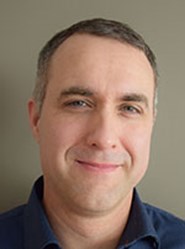
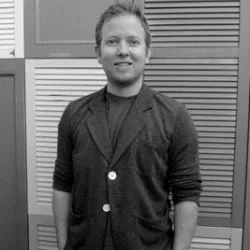
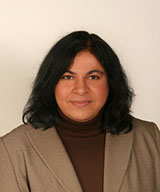
Prof. Amir A. Zadpoor holds dual roles as Antoni van Leeuwenhoek Professor at TU Delft (Department of Biomechanical Engineering) and Professor of Orthopedics at Leiden University Medical Center. He leads the Additive Manufacturing Lab and specializes in biomaterials, tissue biomechanics, and orthopedic implants. His research focuses on 3D/4D printing, meta-biomaterials, and biodegradable metals for clinical applications. Key research interests include: designing function-tailored implants, antimicrobial biofunctionalized materials, and mechanically adaptive meta-implants. He has pioneered projects like 'Metallic clay' and 'Mechanobiology in-silico,' with applications in orthopedics and regenerative medicine. Notable awards include ERC grants, Vidi/Veni awards, and the Jean Leray Award. His lab develops deployable implants, self-folding origami lattices, and smart meta-implants. Ancillary roles include editorial positions at Springer Nature and directorships at Sylvanity/Zagres. Teaching includes courses on biomaterials, regenerative medicine, and computational biomechanics. Research outputs span over 150 peer-reviewed articles. Current priorities include sustainable biomaterials, AI-driven design optimization, and translating additive manufacturing innovations into clinical practice.
Ryan Sponseller is a Professor at the Department of Ecology and Environmental Science, Umeå University, and serves as Director of Studies. His research focuses on biogeochemical processes in boreal and Arctic ecosystems, particularly stream hydrology, riparian zone dynamics, and climate change impacts. He investigates how human activities, land use changes, and extreme climatic events affect carbon, nitrogen, and dissolved organic matter cycling in freshwater systems. Key research themes include: Carbon dioxide and methane dynamics in streams and lakes Effects of forest management and drought on biogeochemical fluxes Landscape controls on stream network functioning Long-term ecosystem responses to disturbances His work integrates field experiments, long-term monitoring (e.g., Krycklan Catchment Study), and interdisciplinary approaches to address global environmental challenges. Recent studies highlight browning trends, riparian zone heterogeneity, and the role of groundwater-stream interactions in regulating ecosystem processes. Publications emphasize methodological advances in measuring aquatic metabolism and greenhouse gas emissions, while also addressing policy-relevant issues like sustainable forest management and climate mitigation strategies.
Yves Comeau is a Professor in the Department of Civil, Geological and Mining Engineering at Polytechnique Montréal. With a Ph.D. in Environmental Civil Engineering from the University of British Columbia (1989), his career spans over three decades, focusing on wastewater treatment, nutrient removal, and water resource recovery systems. He directs the Environmental Engineering Laboratory and co-leads the Center for Research, Development and Validation of Water Treatment Technologies (CREDEAU). Education: B.Eng. (1980), M.A.Sc. (1984), Ph.D. (1989) from UBC Current research emphasizes biological/chemical nutrient removal, modeling, and phytotechnology for cold climates Key projects include steel slag filters for phosphorus removal, willow-based wastewater treatment, and landfill leachate management His 183 publications cover topics from activated sludge modeling to bioremediation of contaminated soils Recent work demonstrates the efficacy of willow vegetation filters in cold climates and microplastic characterization in wastewater. He has supervised 12 Ph.D. and 54 Master’s students, including Dominique Claveau-Mallet (2017) and Xavier Lachapelle-Trouillard (2017). Awards include the Environmental Network Distinction (2016) .
Professor Luke Connal is a full professor at the Research School of Chemistry at the Australian National University (ANU), where he leads the Connal Group. He joined ANU in 2017 after serving as a Senior Lecturer at the University of Melbourne. Currently, he holds an ARC mid-career industry fellowship and serves as the chair of the Royal Australian Chemical Institute (RACI) polymer division. Professor Connal is also an associate editor for the Royal Society of Chemistry journal "Molecular Systems Design and Engineering" and co-founder of two spin-out companies focused on polymer technologies. Professor Connal received his Bachelor of Chemical Engineering and PhD in polymer chemistry from the University of Melbourne, Australia. Following his doctoral studies, he completed a post-doctoral position with Professor Frank Caruso at the University of Melbourne, developing new techniques for the self-assembly of polymers. He then held a joint Sir Keith Murdoch postdoctoral Fellowship and Australian Linkage International Fellowship at the University of California, Santa Barbara, working with Professor Craig Hawker. Professor Connal's research focuses on the development of molecular design concepts to create new materials for diverse applications, including artificial skin and tissues, sustainable polymers and surfactants, additive manufacturing electronics, and water harvesting. His core competencies center around advanced polymer design, self-assembly, and catalysis . His group explores four main research themes: Catalysis, Functional Materials and Interfaces, Soft Matter, and Supramolecular Chemistry . They develop innovative materials such as enzyme-inspired polymer catalysts, smart polymers for 3D printing, and polymer electrolytes for energy storage applications. Analysis of Professor Connal's recent publications reveals a strong focus on developing biomimetic materials and responsive polymers. His work bridges fundamental polymer chemistry with practical applications in environmental remediation, healthcare, and sustainable technologies. A notable trend is the increasing emphasis on CO2 capture technologies through enzyme-inspired catalysts and hydrogel systems. His group has also made significant contributions to 3D printing of functional materials , particularly self-healing gels and pH-responsive polymers. The research demonstrates a consistent trajectory toward creating smart, responsive materials with applications addressing global challenges in sustainability and healthcare. David Syme Research Prize (2020) Grimwade Prize in Industrial Chemistry (2019) Professor Connal actively supervises multiple PhD students including Lilian Boton, Jason Buchanan, Sandra Jestin, Saif Rahaman, Peidong Shen, Ming Li Tan, Moki Thanusing, and Jekaterina Viktorova. His current research is supported by several significant grants including projects on sustainable and compostable plastic alternatives, multimaterial 3D printed antenna arrays, developing vitrimers as next-generation reusable plastics, multi-material 3D printing, and smart materials for atmospheric water management. These projects demonstrate his commitment to translating fundamental polymer research into practical solutions for environmental and technological challenges. The Connal Group at ANU operates at the intersection of polymer chemistry and materials science, developing innovative solutions across multiple domains. Their laboratory work focuses on creating new polymers with applications spanning artificial skin development, sustainable packaging alternatives, atmospheric water harvesting, and advanced electronics. The group's unique approach combines biomimicry principles with cutting-edge polymer synthesis techniques to create materials with precisely controlled properties. Current projects include developing strong and self-healing polymer materials for biological applications, expanding 3D printing capabilities for functional materials, creating fully recyclable or compostable plastics, and designing thermoresponsive polymer desiccants for sustainable water harvesting.
Russell Detwiler is an Associate Professor in the Department of Civil and Environmental Engineering at the Samueli School of Engineering, University of California, Irvine. He holds a Ph.D. and B.S. in Civil Engineering from the University of Colorado and University of Vermont, respectively. As Associate Director of the UCI WEX Center, his work combines laboratory experimentation with computational modeling to study subsurface fluid dynamics. Education: Ph.D., Civil Engineering, University of Colorado B.S., Civil Engineering, University of Vermont Research Focus: Detwiler's research examines fluid flow processes in porous and fractured media, with emphasis on multiphase flow, subsurface property alteration, and environmental applications. Key areas include contaminant remediation, CO2 sequestration, geothermal energy, and nuclear waste management. Publication Trends: His recent work (2022-2024) emphasizes subsurface PFAS behavior, coastal aquifer modeling, and fracture clogging dynamics. Earlier research (2019-2021) focused on mineral precipitation effects and kinetic modeling for contaminant removal. Common sub-fields span fracture sealing mechanisms, particle retention, and reactive transport modeling. Laboratory: Leads the Subsurface Processes Visualization Lab, developing parallel computational models to scale laboratory observations to field applications. Research integrates high-resolution imaging with numerical simulation for subsurface system analysis.
Benjamin G. Keselowsky is a Professor in the J. Crayton Pruitt Family Department of Biomedical Engineering at the University of Florida's Herbert Wertheim College of Engineering. His research focuses on engineering biomaterial-immune cell interactions and controlled release systems for immunotherapies, with applications in implanted devices, vaccines, and tissue engineering. He holds a B.S. in Chemical Engineering (University of South Florida, 1998) and a Ph.D. in Bioengineering (Georgia Institute of Technology, 2004). Key honors include AIMBE Fellowship (2018), UF Preeminence Term Professorship (2017-2020), and UF Research Foundation Professorship (2015-2018). His work bridges biomaterials science and immunology, emphasizing translational strategies for immune modulation. Recent efforts include developing bioresorbable alloys, enzyme-delivery systems, and antigen-specific microparticle therapies. Education: B.S., Chemical Engineering, University of South Florida (1998); Ph.D., Bioengineering, Georgia Tech (2004) Research Themes: Biomaterial-Immune System Interactions Controlled Release of Immune Modulators Tissue Engineering and Regenerative Medicine Awards: AIMBE Fellow (2018) UF Preeminence Term Professor (2017-2020) UF Research Foundation Professor (2015-2018) His lab's innovations include microparticle systems for treating autoimmune diseases and enzymatic gels for localized therapy. Collaborations span biomaterials design, immunotherapy development, and clinical translation.
Prof. Ayşegül Aksoy is a faculty member in the Department of Environmental Engineering at Middle East Technical University (METU) since 2002. She holds a Ph.D. in Civil Engineering from the University of Virginia (2000) and has held visiting roles at Stanford University (2015-2016) and the University of California Davis (2001). Her academic leadership includes Vice Chair roles in METU's Environmental Engineering Department (2012-2015 and 2006-2009), and she co-developed UN courses on Black Sea environmental management. Her research focuses on environmental systems engineering, integrated waste management, water quality modeling, and remote sensing applications. Notable projects include developing autonomous systems for lake turnover monitoring, optimizing landfill leachate management, and evaluating solar sludge drying alternatives. She has directed over 20 graduate theses and contributed to research funded by TÜBİTAK, Newton Fund, and EU programs. Key awards include the AQUA 360 Best Paper Award (2021) and TÜBİTAK Fellowships. Her work spans 120+ peer-reviewed publications, with recent focus areas including anaerobic digestion optimization, GIS-based waste routing, and pollutant fate modeling in heterogeneous aquifers. She advises on national environmental policies and manages projects like the 'Turnover Response System Development' (2020-2023) and 'Chlorophyll-a Modeling in Lake Eymir' (2009-2010).
Theo van de Ven is a Professor and holds the Sir William C. Macdonald Chair in Chemistry at McGill University's Department of Chemistry. He serves as Director of the Quebec Centre for Advanced Materials (QCAM/CQMF). His research focuses on cellulose chemistry and its applications in novel materials, including nanocellulose-based composites, biodegradable products (e.g., straws, films), and advanced materials for drug delivery and environmental applications. His work also explores polyphenolic chemistry, such as lignin and tannic acid interactions with proteins in viral and neurodegenerative contexts. Van de Ven teaches CHEM 233 (Physical Chemistry for Engineers) and CHEM 585 (Colloid Chemistry), emphasizing phase boundary dynamics, electrochemistry, and surfactant science. His labs are located at the Pulp & Paper Building, with research emphasizing green chemistry and sustainable materials. His scientific contributions include pioneering work on hairy nanocellulose architectures and functionalized cellulose derivatives, earning recognition through prestigious awards. His research spans environmental and biomedical applications, including carbon fiber production from asphaltenes, silica/cellulose hybrids for catalysis, and tannic acid's role in protein interactions (e.g., SARS-CoV-2 and Alzheimer's). Collaborative efforts with industry and academia aim to bridge fundamental research with industrial applications, such as scalable cellulose-based filaments and films.
Orlin D. Velev is the S. Frank and Doris Culberson Distinguished Professor of Chemical Engineering at North Carolina State University (NC State), part of the College of Engineering. His research focuses on colloid science, soft materials engineering, nanotechnology, and sustainable nanocomposites. He leads the Velev Lab, pioneering innovations in self-propelling microdevices, environmentally benign nanomaterials, and responsive materials for energy and biomedical applications. Velev's academic journey includes a PhD in Physical Chemistry from Sofia University (1999), followed by M.S. and B.Tech degrees in Chemical Engineering from NC State. His work bridges chemistry, physics, and biology, with notable contributions to microfluidics, colloidal assembly, and battery technologies. He has supervised numerous graduate and undergraduate students, fostering interdisciplinary research and innovation. Key research areas include: Directed assembly of colloids using external fields Self-propelling microbots and active particles Sustainable biopolymer composites (e.g., lignin-based nanoparticles) Soft robotic components and smart materials Biodegradable electronics and energy storage solutions Honors include the Braskem Award, AIChE’s Andreas Acrivos Award, and multiple fellowships. His lab’s recent advancements include osmotic-capillary wearable patches for sweat analysis and high-performance lithium-sulfur battery separators using soft dendritic colloids. Velev collaborates extensively, with projects funded by NSF, industry partnerships, and federal grants. His work emphasizes translating fundamental science into real-world applications, such as biodegradable packaging, microplastic remediation, and wearable health monitoring devices.
Owais Khan serves as an Assistant Professor in the Department of Biomedical Engineering at Toronto Metropolitan University, where he leads research in cardiovascular biomechanics to improve heart disease diagnosis and treatment through engineering-driven approaches combining computational simulations, medical imaging, and biomechanics. His research program focuses on three interconnected pillars: developing physics-based computational models for blood flow simulation in patient-specific anatomies; advancing medical imaging techniques like dynamic CT myocardial perfusion and vessel wall MRI for quantitative physiological assessment; and conducting fundamental biomechanics studies to optimize prosthetic valve designs. This work directly addresses critical clinical challenges including heart surgery complications, aneurysm rupture prediction, and vein graft failure in coronary bypass patients. Khan's publication record demonstrates consistent innovation in cardiovascular computational modeling, with recent work emphasizing personalized medicine through physics-informed neural networks, multi-fidelity uncertainty quantification, and integration of CT perfusion imaging for coronary hemodynamics. His research bridges engineering principles with clinical cardiology to enable virtual treatment planning and risk stratification without additional patient risk. His scientific contributions have been recognized with prestigious awards including the American Heart Association Postdoctoral Fellowship, NSERC Postdoctoral Fellowship, Baxter Young Investigator Award, and MITACS Globalink Research Award. As director of the Cardiovascular Imaging and Modeling Biomechanics Lab (CIMBL), Khan maintains active collaborations with clinicians and radiologists at major hospitals, facilitating direct translation of engineering solutions to clinical cardiovascular medicine through a multi-disciplinary approach focused on personalized treatment strategies.
Prof. Xiao-Hua Qin is an Assistant Professor in the Department of Health Sciences and Technology at ETH Zürich, leading the Biomaterials Engineering research team and co-leading the Laboratory for Bone Biomechanics. He specializes in creating biomaterials for tissue biomanufacturing and regenerative medicine, with a focus on miniaturized in vitro bone models for disease modeling and drug discovery. His work has been recognized by prestigious grants such as the ERC Starting Grant and SNSF NRP 79, and he co-leads editorial roles for Biomedical Materials . He teaches courses on engineering with living materials and multiscale bone biomechanics. His research emphasizes constructing 3D microenvironments to study bone physiology/pathology, with recent breakthroughs in hydrogel-based systems for cell network formation and organoid-on-chip tools. He has pioneered techniques like two-photon subtractive biofabrication and volumetric bioprinting. Qin's honors include Young Academy of Europe membership and multiple awards for innovative biomaterials and poster presentations. He mentors 6 PhD students and collaborates across disciplines, aiming to replace animal experiments with human organoid models (3Rs principle). His lab's innovations span biodegradable hydrogels, photoresponsive materials, and microscale 3D printing technologies.
Andrew J Whelton is a Professor of Civil and Construction Engineering at Purdue University's College of Engineering, with concurrent appointments in Sustainability Engineering and Environmental Engineering. He serves as Director of the Healthy Plumbing Consortium and Lead for the Center for Plumbing Safety, focusing on water quality, chemical contamination, and public health in building plumbing systems. Professor, Civil and Construction Engineering Professor, Sustainability Engineering Professor, Environmental Engineering Director, Healthy Plumbing Consortium Lead, Center for Plumbing Safety His research spans environmental engineering and public health, with key themes including chemical contamination from plastic pipe degradation, post-disaster water system recovery, wildfire-related water quality impacts, and microbial risks in premise plumbing. Recent work addresses crises like the East Palestine chemical spill and Maui wildfires, while also developing predictive models for water quality and evaluating sustainable infrastructure materials. Scientific awards and recognitions include: Rapid Response Research (RAPID) Grants from NSF for disaster-related studies Environmental Protection Agency (EPA) support for building water quality programs Leadership in interdisciplinary consortia focused on plumbing safety Development of novel tools for water quality monitoring and remediation His publications reveal trends in: Chemical leaching from plastic piping materials Environmental justice in water contamination crises Integration of machine learning for water quality prediction Microbial ecology in stagnant plumbing systems Policy recommendations for disaster response Sustainable material innovation for infrastructure
Prof. Dr. Seden Acun Özgünler is a faculty member at the Faculty of Architecture, Istanbul Technical University , where she has served as Professor since 2021. Her research spans material science in architecture, focusing on durability, maintenance, and sustainable building technologies . She has supervised numerous theses and led projects on natural binders, thermal insulation, and historical preservation . Education: PhD in Building Science (Dr), Istanbul Technical University. Academic Roles: Department Head (2023), Associate Professor (2013-2021), Research Assistant (1999-2003). Research Trends include: Material Innovation: Mycelium-based composites, natural hydraulic binders, and geopolymer concrete. Sustainability: LCIA models, waste material utilization, and energy-efficient designs. Historical Preservation: Volcanic tuff conservation, grouting methods for masonry repair, and adaptive reuse of structures. Scientific Awards: 2nd Young Türkiye Summit Academy Award (2017) for Mimar Sinan Cultural Wealth Preservation. Publication-based Academic Performance Awards (2022, 2025) from Istanbul Technical University. Key Projects involve biocomposite materials, natural cement reproduction, and chromic glass applications in facades. Her work bridges traditional building techniques with modern sustainability through experimental and computational approaches.
Klaus Mosthaf is an Associate Professor in the Department of Environmental and Resource Engineering at the Technical University of Denmark (DTU), where he conducts research on contaminant transport and numerical modeling in porous and fractured media. His work focuses on protecting groundwater resources through advanced modeling of contamination from substances like PFAS, chlorinated solvents, and pesticides. He is actively involved in teaching and academic leadership, coordinating the Nordic Masters program Enviro5Tech and the Sino-Danish Center module on Pollutants and Pollution Control. Research Interests: Transport processes in porous media Groundwater contamination and remediation Numerical modeling of reactive transport Aquifer Thermal Energy Storage (ATES) Fractured and variably saturated geologies Coupled porous-medium and free-flow systems His recent publications reveal a strong focus on PFAS fate, bioremediation in ATES systems, and tracer-based characterization of glacial tills. He employs tools like COMSOL Multiphysics, Python, and FEFlow to develop predictive models grounded in laboratory and field data. Scientific Contributions: Active contributor to over 60 publications in hydrogeology and environmental engineering Key developer of models for coupled processes in subsurface systems Organizer and speaker at international conferences on multiphase flow and contaminant transport Advising and Grants: Klaus Mosthaf supervises multiple PhD students and has coordinated significant research projects, including those on PFAS transport and bioremediation. He is the main supervisor of two active PhD projects and has previously co-supervised two others. His leadership extends to board membership in the Danish Academy of Technical Sciences on Soil and Groundwater (ATV Jord og Grundvand), where he fosters collaboration among academia, consultants, and public authorities. Laboratories and Research Groups: His work is conducted within DTU Sustain, a leading research environment in environmental engineering, where he collaborates with experts in hydrogeology, bioremediation, and sustainable technologies. He is deeply integrated into a network of national and international collaborators focused on groundwater protection and sustainable subsurface utilization.
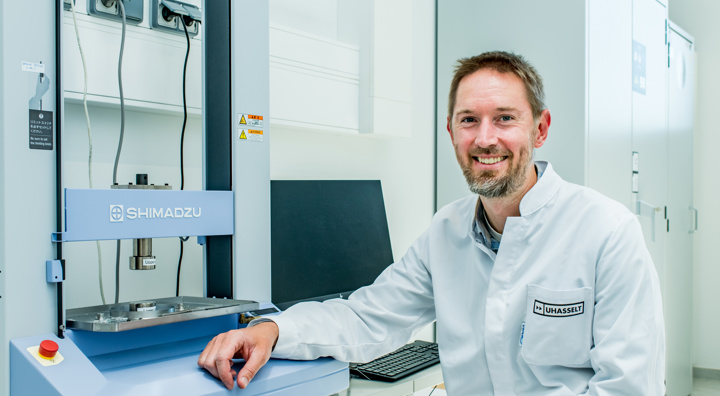
Prof. Louis Pitet is an Assistant Professor at Hasselt University in the Department of Chemistry and a member of the Institute for Materials Research (imo-imomec). He leads the AFP research group focused on advanced functional polymers and sustainable materials. Pitet's career began as an independent researcher in 2018 following postdoctoral work at Eindhoven University of Technology and industry experience at DSM. Education: Bachelor's in Chemistry (2005), Colorado School of Mines PhD in Polymer Chemistry (2011), University of Minnesota Research interests center on block copolymer design , hydrogel bioinks , and sustainable polymer upcycling . His work emphasizes functional materials for biomedical applications, energy storage, and environmental solutions. Key innovations include tough hybrid hydrogels, dynamic supramolecular networks, and methods for converting plastic waste into valuable materials. Recent publications highlight advancements in 3D-printable hydrogels, recyclable thermosets, and polyester upcycling strategies. His group actively explores biocompatible materials and smart responsive polymers with tunable mechanical properties. Labs/Teams: AFP Research Group (Hasselt University), Institute for Materials Research (imo-imomec). Collaborates across disciplines to bridge fundamental polymer science with real-world applications in healthcare and sustainability.