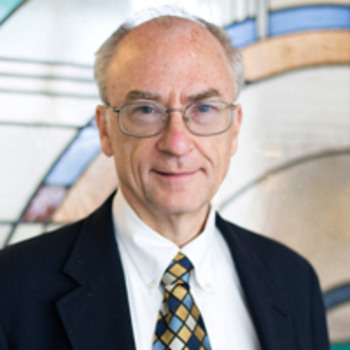
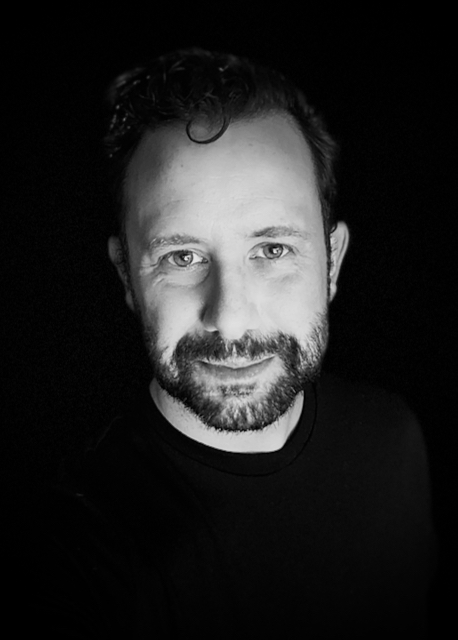
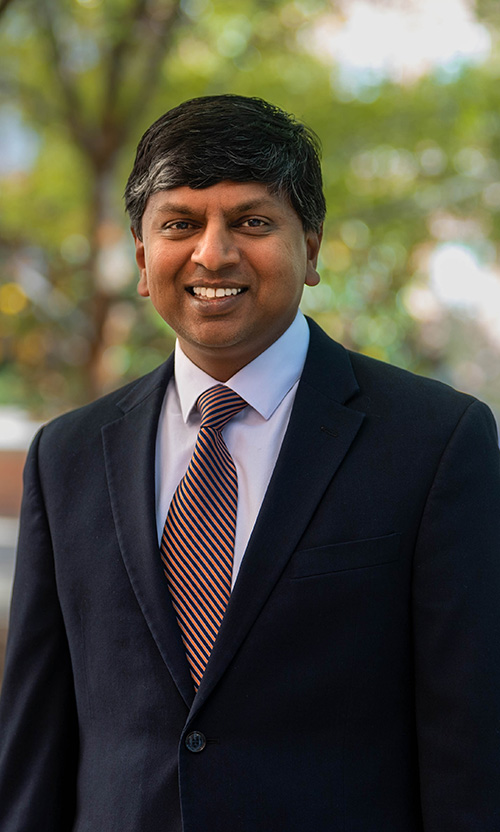
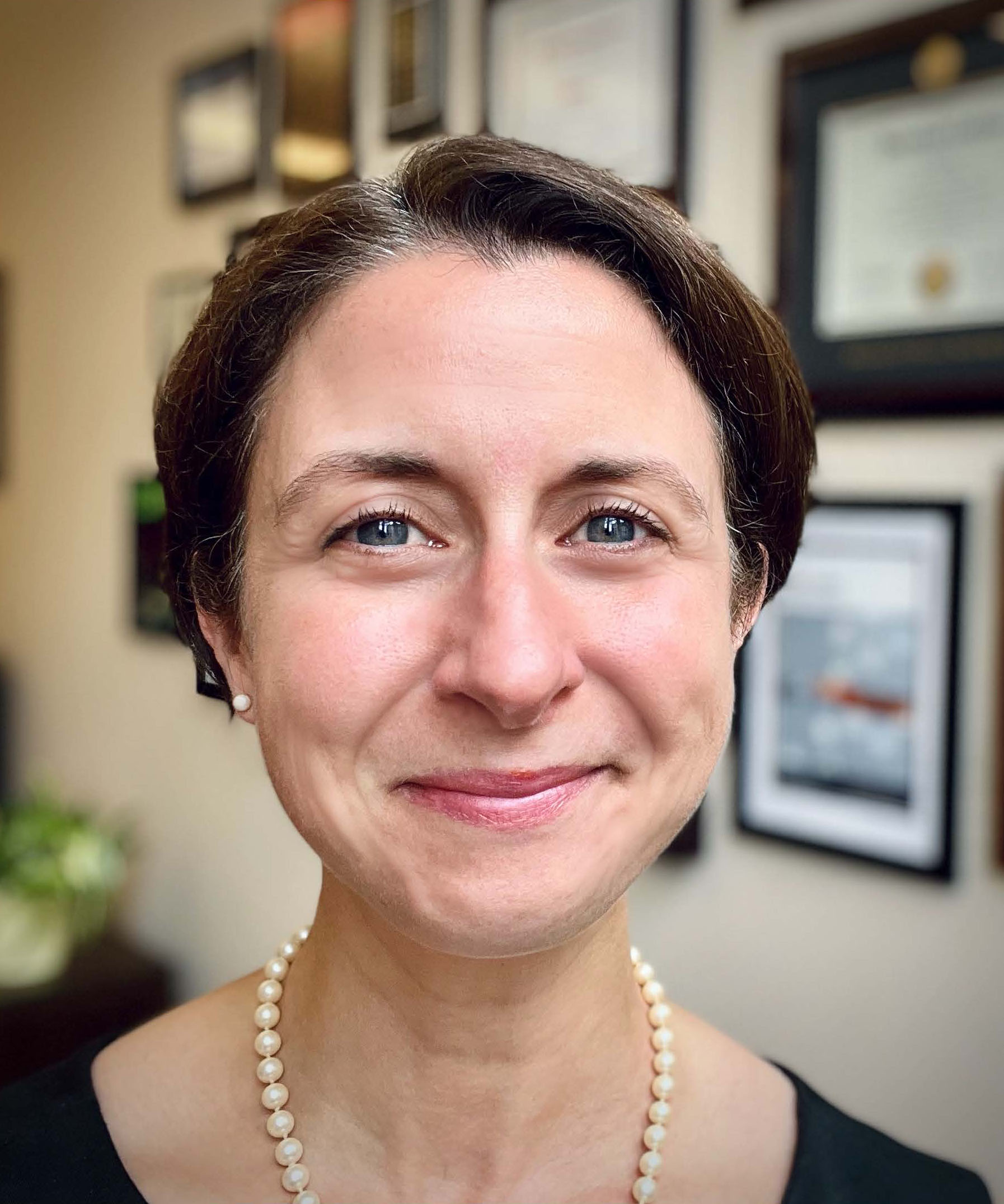
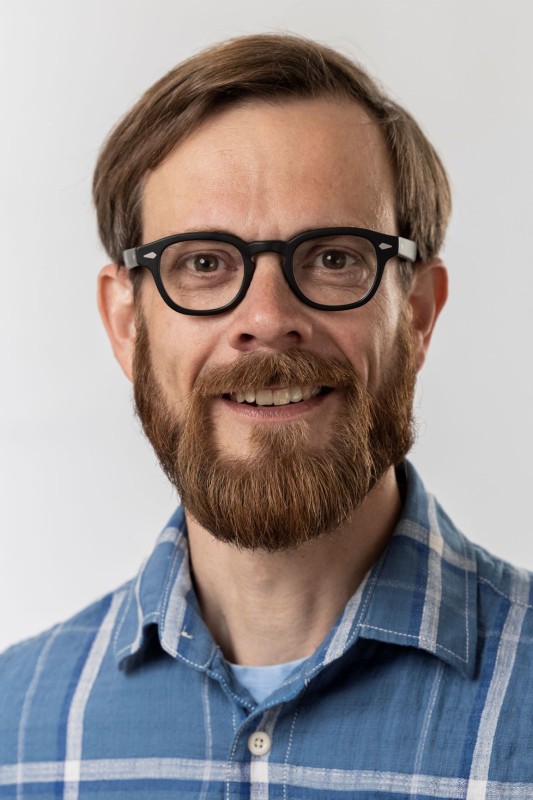
Ronald G. Larson serves as the George Granger Brown Professor of Chemical Engineering and A. H. White Distinguished University Professor at the University of Michigan's College of Engineering, with additional appointments in Mechanical Engineering and Macromolecular Science & Engineering. His research leadership spans multiple departments within the Chemical Engineering Division, where he directs the Larson Lab focused on fundamental and applied soft matter physics. His research program investigates complex fluids through computational and theoretical frameworks, emphasizing polymer physics, rheology, and molecular simulations. Key thrusts include polymer melt processing, biomembrane dynamics, colloidal systems, and polyelectrolyte coacervation. The group employs advanced techniques like Brownian dynamics, coarse-grained modeling, and multiscale simulation to address challenges ranging from industrial polymer processing to biomedical applications. Recent publications (2023-2025) reveal strong momentum in rheological modeling of complex fluids, with particular emphasis on self-healing materials, wax deposition in pipelines, and crystallization mechanisms. The work bridges fundamental molecular insights with industrial applications, demonstrating consistent high-impact output across polymer science, soft matter physics, and chemical engineering domains. The Larson Lab operates as a collaborative hub within the Chemical Engineering Department, leveraging computational resources to advance understanding of fluid mechanics and material properties. Current projects integrate machine learning with traditional modeling approaches, reflecting the group's commitment to methodological innovation while maintaining strong connections to experimental validation and real-world engineering problems.
Julian Jauk is a Researcher at the Institute for Architecture and Media, TU Graz. His work focuses on innovative material systems, digital fabrication, and sustainable architectural design. He explores the integration of clay composites, mycelium-based materials, and knitted structures with advanced manufacturing techniques like 3D printing. Key research themes include lightweight ceramic structures, biocomposite materials, and computational design methodologies. His research emphasizes material-driven innovation, structural optimization, and environmental sustainability. Notable projects include MyCera (clay-mycelium composites) and ClayKnit (3D-printed clay-knitted hybrids). He also investigates mixed reality tools for architectural sketching and kinetic architectural prototypes. Publications from 2021–2024 highlight trends in bio-based materials, additive manufacturing, and material-property analysis. His work bridges traditional craftsmanship with cutting-edge digital fabrication, aiming to redefine sustainable building practices.
Alexandre Poulain is a Full Professor in the Department of Biology at the University of Ottawa and Vice Dean for Research and Infrastructure in the Faculty of Science. His multidisciplinary research bridges biogeochemistry, microbial physiology, and environmental toxicology. Education: B.Sc. (Angers, France), M.Sc. (INRS, Canada), Ph.D. (Université de Montréal, Canada), Postdoc (MIT, USA) Research Interests: Mercury cycling in Arctic and temperate ecosystems, microbial metal transformations, biosensor development for contaminants, redox reaction dynamics, bioremediation using environmental microbes, and mercury-organic matter interactions. His lab (2017-2025) has produced 15 recent publications on mercury biogeochemistry in oil sands, rice paddies, and Arctic lakes, alongside arsenic speciation studies and pesticide impacts on pollinators. Current students explore archaeal mercury regulators, acidothermophilic biosensors, and microbial remediation. Scientific contributions include: NSERC Postdoctoral Fellowship (2007-2009) Co-PI on Microbright, a startup commercializing microbial water treatment Developed portable arsenic biosensor tested in Cambodia Co-edited mercury-climate synthesis in Nature Communications
Allan David serves as the John W. Brown Professor of Chemical Engineering and Associate Dean for Research at Auburn University's Samuel Ginn College of Engineering. His leadership extends across academic administration and cutting-edge nanomedicine research, with a focus on translating laboratory discoveries into clinical applications. His educational foundation includes: Ph.D. in Chemical Engineering, University of Maryland B.S. in Chemical Engineering, University of Maryland Dr. David's research program pioneers nanomedicine applications through the development of smart materials for cancer diagnostics and therapy. His work spans nanoparticle-based MRI contrast agents , ocular drug delivery systems , and vaccine delivery platforms , with particular emphasis on optimizing physicochemical properties for targeted biological interactions. Current projects address critical healthcare challenges including safer contrast agents for patients with kidney impairment and precision cancer targeting mechanisms. Analysis of his 15 most recent publications reveals a cohesive research trajectory centered on magnetic nanoparticles and biomimetic delivery systems . The work demonstrates increasing translational focus, evolving from fundamental nanoparticle characterization (2020-2021) to clinically relevant applications like ocular delivery and cancer theranostics (2022-2024), culminating in commercialization efforts through NanoXort, LLC. Dr. David has secured significant research funding including an $184,773 grant from the Alabama Department of Economic and Community Affairs (ADECA) for developing cardiovascular MRI agents. He leads collaborative efforts that bridge chemical engineering with biomedical innovation, notably co-founding NanoXort, LLC to commercialize safer MRI contrast agents addressing gadolinium toxicity concerns for renal-impaired patients. His laboratory operates at the intersection of chemical engineering and medicine, focusing on nanoparticle-cell interactions and targeted delivery systems. The research group maintains strong industry partnerships through the NanoXort startup, which has secured $1 million NSF funding to advance MRI contrast agent technology toward clinical implementation.
Daria Camilla Boffito is a Full Professor in the Department of Chemical Engineering at Polytechnique Montréal , holding the Tier-2 Canada Research Chair in Intensified Mechano-chemical Processes for Sustainable Biomass Conversion. Her research spans process intensification , catalysis , sonochemistry , photocatalysis , and metal extraction , with a focus on sustainability. Education: B.Sc. and Ph.D. in Industrial Chemistry from the University of Milan, M.Sc. in Industrial Chemistry and Management Current Research: Developing ultrasound-assisted extraction , CO2 conversion , and floating photocatalysts for wastewater treatment Collaborations: Works with Canadian and international companies on sustainable chemical processes Scientific Awards include the Canada Research Chair Tier-2 (2016-2021), NSERC Banting Postdoctoral Fellowship (2013-2016), and FRQNT PBEEE Postdoctoral Fellowship (2013-2016). Advising has seen 5 Ph.D. and 9 Master's students graduate. She leads the Engineering Process Intensification and Catalysis (EPIC) Laboratory and is a member of the Institut de génie biomédical .
Julie M. Goddard is a Professor of Food Science at Cornell University , affiliated with the College of Agriculture and Life Sciences and the Department of Food Science . Her research focuses on Biomaterials and Biointerfaces , with emphasis on food quality, safety, and sustainability. She leads the Goddard Research Group, which develops innovative polymeric materials and coatings for food packaging, bioprocessing, and equipment. Key projects include antimicrobial/nonfouling coatings, biocatalytic materials, and active packaging to reduce synthetic additives and food waste. Dr. Goddard holds a Bachelor of Science (1999) and Ph.D. (2008) in Food Science from Cornell University. Her work is supported by grants from USDA NIFA, NIH, NSF, and FFAR. Notable awards include the National Excellence in Multistate Research Award (2019) , APLU Junior Moulton Medal (2015) , and Institute of Food Technologists Young Scientist Award (2013) . Her research spans nonmigratory active packaging (e.g., antioxidant, antimicrobial films), biofilm inhibition , and enzyme immobilization . Recent articles highlight advancements in PETase engineering for microplastic degradation and optimization of curcumin-grafted biodegradable materials. She collaborates across disciplines, including materials science, chemical engineering, and microbiology. Labs/Teams: The Goddard Group operates in Stocking Hall, Cornell. Projects include biocatalytic packaging , hydrogen sulfide formation in canned beverages , and consumer acceptance of novel food technologies . Key grants fund exploration of bio-based materials and food safety innovations.
Dr. Kathryn A. Whitehead is a Professor in the Department of Chemical Engineering and holds a courtesy appointment in the Department of Biomedical Engineering at Carnegie Mellon University. She joined the faculty in 2012 after completing postdoctoral training at MIT. Her research focuses on engineering drug delivery systems for RNA therapeutics, maternal-infant health, and overcoming biological barriers to enhance drug efficacy. Key areas include lipid nanoparticle (LNP) design for mRNA delivery, intestinal permeation enhancement, and leveraging maternal milk cells for therapeutic applications. Education: H.B.Ch.E., University of Delaware (2002); Ph.D., University of California, Santa Barbara (2007); Postdoctoral Fellow, MIT (2008–2012). Research Interests: Drug delivery systems, RNA interference, bionanotechnology, personalized medicine, and translational nanomedicine for diseases such as cancer and diabetes. Her lab develops novel LNPs for targeted delivery to tissues like the liver, brain, and pancreas. Awards and Recognition: AIMBE Fellow, DARPA Young Faculty Award (2016), CMBE Young Innovator Award (2016), MIT Technology Review Innovator Under 35 (2014), and NIH Director’s New Innovator Award. Her work has been cited over 9,000 times, with patents in RNA delivery and permeation enhancers. Lab Members: Active researchers include Ph.D. students, postdocs, and undergraduates working on projects such as LNP formulation, maternal milk cell biology, and siRNA therapies. Notable alumni have advanced to roles at Moderna Therapeutics, Verve Therapeutics, and academic institutions. Grants and Funding: Supported by NIH, DARPA, and industry partnerships. Current projects include NIH grants on pregnancy-safe mRNA delivery and DARPA funding for maternal-infant therapeutics.
Stephen A. Boyd is a University Distinguished Professor in the Department of Plant, Soil and Microbial Sciences within Michigan State University's College of Agriculture and Natural Resources. His research spans environmental chemistry and microbiology with a focus on soil systems. His educational background includes a B.S. in Chemistry from Central Michigan University (1975), and M.S. and Ph.D. in Soil Chemistry from Purdue University (1978, 1980). Dr. Boyd's research investigates organic contaminant movement in soil, microbial/catalytic degradation mechanisms, and remediation technologies for contaminated soils/sediments. His work features innovative approaches including chemically modified clays for contaminant sorption and degradation, mechanistic studies of toxicant interactions with natural/modified clays, and development of in-situ soil modification technologies. He extensively examines biodegradation of xenobiotics (particularly PCB reductive dechlorination) and bioavailability of soil-bound contaminants to degrading bacteria. His 15 most recent publications reveal strong trends in clay-based contaminant immobilization, pharmaceutical/water pollutant interactions, dioxin chemistry, and nanomaterial applications for environmental remediation, with dominant fields being environmental chemistry, soil science, and contaminant toxicology. University Distinguished Professor (MSU, 2005) Jackson Award in Soil Science (SSSA, 2004) Highly Cited Researcher (Institute for Scientific Information, 2002) Distinguished Faculty Award (MSU, 2001) Soil Science Research Award (SSSA, 1999) Dr. Boyd has secured significant research funding including a recent $750K USDA grant (2022) for PFAS mitigation research. His laboratory focuses on clay chemistry applications for environmental remediation, with notable breakthroughs in soil cleansing technologies and biochar applications. Current work emphasizes advanced contaminant degradation pathways and practical field applications of his soil modification technologies.
Dr. Hongli (Julie) Zhu is an Associate Professor in the Department of Mechanical and Industrial Engineering at Northeastern University's College of Engineering. Her research focuses on sustainable energy storage, multifunctional materials, and advanced manufacturing, with emphasis on developing environmentally friendly biomass-derived materials, all solid-state batteries, and flow batteries. She leads the ZHU Lab at Northeastern University, which is dedicated to creating safer, cheaper, and higher performance energy storage solutions while exploring multifunctional materials derived from nature. Dr. Zhu received her PhD from South China University of Technology and Western Michigan University (2004-2009). She conducted postdoctoral research at KTH Royal Institute of Technology in Sweden (2009-2011), focusing on biodegradable and renewable biomaterials from natural wood, followed by additional postdoctoral work at the University of Maryland (2012-2015), where she researched nanocellulose and energy storage. Dr. Zhu's research spans multiple disciplines at the intersection of materials science, energy storage, and sustainable manufacturing. Her work addresses critical challenges in energy storage technology, including developing all solid-state batteries, flow batteries, and high energy density battery systems. She has pioneered research in sustainable biomass-derived materials, particularly investigating cellulose, hemicellulose, and lignin for applications in bendable, implantable, and biocompatible electronics. Her lab also focuses on advanced manufacturing techniques, including high-speed roll-to-roll processing for emerging advanced materials and devices. Analysis of Dr. Zhu's publication record reveals a strong focus on next-generation battery technologies, particularly solid-state systems. Her research demonstrates significant contributions to understanding and improving lithium dendrite suppression, electrode architecture optimization, and interface stabilization in solid-state batteries. She has also made substantial advances in sustainable materials derived from natural resources, developing applications for cellulose nanostructured fibers, paper, and aerogel/hydrogel systems. MRS Communications Early Career Distinguished Presenters and JMR Distinguished Invited Speakers (2024) Selected in Stanford University List of Top 2% Scientists Worldwide (2021-2024) College of Engineering Faculty Fellow (2023) Soren Buus Outstanding Research Award (2022) Women in Materials Science, Advanced Materials (2021 and 2022) Women Scientists at the Forefront of Energy Research, ACS Energy Letters (2020) Innovator of the Year 2013, Maryland Jakob Wallenberg Scholarship, Sweden Dr. Zhu has secured significant research funding from various sources, including the National Science Foundation and Department of Energy. Her current projects include "Uncovering the mechano-electro-chemo mechanism of fresh Li in sulfide based all solid-state batteries through operando studies" (NSF), "Enabling Advanced Electrode Architecture through Printing Technique" (DOE), and "Engineering the Metal Sulfide Interface in All Solid State Batteries through Operando Study" (NSF). She collaborates with industry partners including Rogers Corporation and has developed patented technologies related to sustainable materials and energy storage. Dr. Zhu serves as Codirector of Advanced & Intelligent Manufacturing, Editor of Progress in Materials Science, and on the Editorial Advisory Board of Chemical Society Reviews. The ZHU Lab at Northeastern University is a highly interdisciplinary research group that bridges scales from the nanoscopic to macroscopic and system level. The lab's work has led to numerous patents, including "Natural fiber composites as a low-cost plastic alternative" and "Fire-retardant Nanocellulose Aerogel, and Methods of Preparation and Uses Thereof." The group focuses on making energy storage safer, cheaper, and higher performing while exploring multifunctional materials derived from nature, with particular emphasis on applying high-speed roll-to-roll manufacturing to emerging advanced materials and devices.
Tarmo Tamm is a Researcher at the Intelligent Materials and Systems Lab, University of Tartu. His work focuses on conducting polymers, soft actuators, and biomaterials , with emphasis on applications in biomedical engineering, nanotechnology, and electrochemistry. He holds a primary affiliation with the University of Tartu and has authored/co-authored over 100 peer-reviewed articles since 2002. His research spans material characterization, actuator design, and polymer electrolyte systems. Key projects include development of biocompatible hydrogels (e.g., sea cucumber-derived materials), soft exoskeletons inspired by spider leg mechanics, and sustainable paper recycling processes . Tamm’s publications highlight interdisciplinary collaboration with institutions globally, addressing topics like ion mobility in PEDOT films, microbial interactions with silicone foams, and encapsulation techniques for biomedical actuators. His work often bridges fundamental material science with practical applications, such as energy storage systems and medical devices. Current research trends emphasize electrochemomechanical systems and bioinspired materials , with growing focus on sustainable materials engineering.
Christoph Müller is a Full Professor of Energy Science and Engineering at ETH Zürich's Department of Mechanical and Process Engineering. He leads the Laboratory of Energy Science and Engineering, focusing on sustainable energy generation, heterogeneous catalysis, and granular systems. His research integrates experimental methods like Magnetic Resonance Imaging (MRI) and Discrete Element Modelling (DEM) with mathematical modeling to address industrial energy challenges. Education: Dipl.-Ing. from Technical University of Munich (2004), PhD in Chemical Engineering from the University of Cambridge (2008). Notable awards include the Danckwerts-Pergamon Prize (2009) and DAAD Scholarship (2005). He teaches courses such as Thermodynamics I and Thermo- and Fluid Dynamics. Research interests span CO₂ capture via chemical looping, catalytic hydrogenation, and granular flow dynamics. Recent work explores catalyst design for propane dehydrogenation, MXene-based ammonia synthesis, and MgO-based CO₂ sorbents. His lab employs advanced techniques like operando X-ray absorption spectroscopy to study catalyst behavior under reaction conditions. Key achievements include developing stable PtGa propane dehydrogenation catalysts and advancing understanding of Na₂CO₃-promoted CO₂ sorbents. His work on fluidized bed hydrodynamics via MRI contributes to reactor design optimization. Müller's interdisciplinary approach bridges fundamental science and industrial application, addressing global energy sustainability challenges.
Prof. Michael Sander is a Lecturer at ETH Zurich's Department of Environmental Systems Science, specializing in environmental organic chemistry and polymer biodegradation. His research focuses on understanding the environmental fate of synthetic polymers, soil organic matter dynamics, and microplastic contamination. He teaches courses such as 'Introduction to Environmental Organic Chemistry' and contributes to interdisciplinary studies on sustainable materials and climate change impacts. Key research areas include polymer degradation mechanisms, redox properties of peat, and the design of biodegradable agricultural materials. His work integrates analytical chemistry, biogeochemistry, and environmental engineering to address global challenges like plastic pollution and soil health. He has published extensively on topics such as microplastic analysis in soils, biodegradation pathways of polyesters, and the redox cycling of peat organic matter. Collaborative projects involve developing sustainable polymer alternatives and assessing their environmental compatibility. Sander's research emphasizes practical solutions for reducing plastic waste and enhancing soil resilience.
Dr. Richard Venditti is the Elis-Signe Olsson Professor of Pulp and Paper Science and Technology at North Carolina State University's Department of Forest Biomaterials, College of Natural Resources. He specializes in sustainable bioproducts, recycling technologies, and environmental life cycle analysis (LCA). His research focuses on transforming renewable plant-based resources into eco-friendly materials, addressing challenges like microfiber pollution and decarbonization in the paper industry. Education: PhD in Chemical Engineering, Princeton University (1994) B.S. in Pulp and Paper Technology and Chemical Engineering, NC State University (1988) Research Interests: Biodegradation of materials, fiber processing innovations, LCA of bioproducts, and upcycling waste into high-value products. Dr. Venditti leads high-impact projects, including a USDA-funded initiative to educate diverse students in bioproduct industries and a multi-organization study on microplastic fate in the environment. He has authored over 200 peer-reviewed publications and holds patents in sustainable technologies. Grants & Funding: Key projects include a $2.75M USDA program, a $2.99M NSF grant for eco-manufacturing of soft electronics, and a $1.64M DOE project on AI-driven municipal waste analysis. Awards & Recognition: TAPPI Fellow (2012), Fulbright Specialist (2009), and ACAAGS Advocacy Award (2010) for promoting diversity in graduate education. He directs the Pulp and Paper Workshop (co-sponsored by TAPPI) and teaches courses like Environmental LCA and Unit Operations. His lab explores innovations in dewatering, biomass valorization, and textile waste upcycling.
Brian Ingalls is a Professor in the Department of Applied Mathematics and cross-appointed to Biology at the University of Waterloo. His research applies mathematical and control-theoretic approaches to biological systems, including genetic regulatory networks, microbial communities, and cellular metabolism. Institutional Affiliation: Faculty of Mathematics, University of Waterloo Contact: bingalls@uwaterloo.ca His work focuses on systems biology and synthetic biology , particularly sensitivity analysis of biochemical networks, optimal experimental design, and mathematical modeling of cellular processes. Research funding comes from NSERC and CIHR . Notable contributions include the textbook Mathematical Modeling in Systems Biology (MIT Press, 2013) and the Ingalls Quantitative Cell Biology Lab , which investigates intracellular and intercellular network dynamics through computational and experimental methods. Key Collaborations: iGEM Waterloo, Chemical Engineering, and international synthetic biology networks Advising: Mentored 15+ graduate students and postdocs across applied math, biology, and engineering fields
Tomasz Majka serves as a Lecturer at the Department of Polymer Chemistry and Technology within the Faculty of Chemical Engineering and Technology at Tadeusz Kościuszko Cracow University of Technology. His academic career spans over a decade with continuous research and teaching activities focused on polymer engineering and materials science. His educational background includes a Licentiate in Applied Chemistry (2008) and Pedagogical Preparation (2008) from State Higher Vocational School in Tarnów, followed by MSc in Plastics Technology (2010) and Dr. Eng. in Technical Sciences (2015) from Tadeusz Kościuszko Cracow University of Technology. Majka's research primarily centers on polymer processing technologies , with special emphasis on thermal analysis and flammability of polymer materials , nanocomposite development , and terminal ballistics . His work bridges fundamental polymer science with practical industrial applications, particularly in developing sustainable flame retardant systems using biobased materials like lignosulfonamides. Recent publications reveal a strong focus on circular economy approaches through polymer recycling and biodegradable material development. His scientific contributions demonstrate consistent output in high-impact journals, with a notable shift toward sustainable polymer solutions since 2020, particularly in biodegradable composites and recycling technologies. The 15 most recent publications show expertise spanning flame retardancy mechanisms, nanocomposite engineering, and sustainable polymer processing. III place at International Session of WIiTCh Krakow University of Technology Science Clubs (2010) Award in 'Sustainable Development - Scientific Debut 2010' competition (2010) Award in 'Poster about famous scientist - Norio Taniguchi' competition (2011) II Prize in B-Innovative 'Be Entrepreneurial' business plan competition (2013) Majka actively supervises the Ballistic and Flammability Research Section within WIiTCH PK Chemistry Research Club and maintains strong industry connections through numerous industrial research projects. His professional engagements include international research stays at University of Bolton (UK) and Academy of Sciences of the Czech Republic, focusing on fire testing and polymer materials innovation. He serves as a scientific advisor for several industrial projects related to polymer processing and material safety. His laboratory work spans multiple specialized facilities including thermal analysis equipment, scanning electron microscopy, and polymer processing machinery. Current research directions include developing halogen-free flame retardants from lignin derivatives, optimizing biodegradable polymer composites, and advancing recycling technologies for post-consumer plastics.