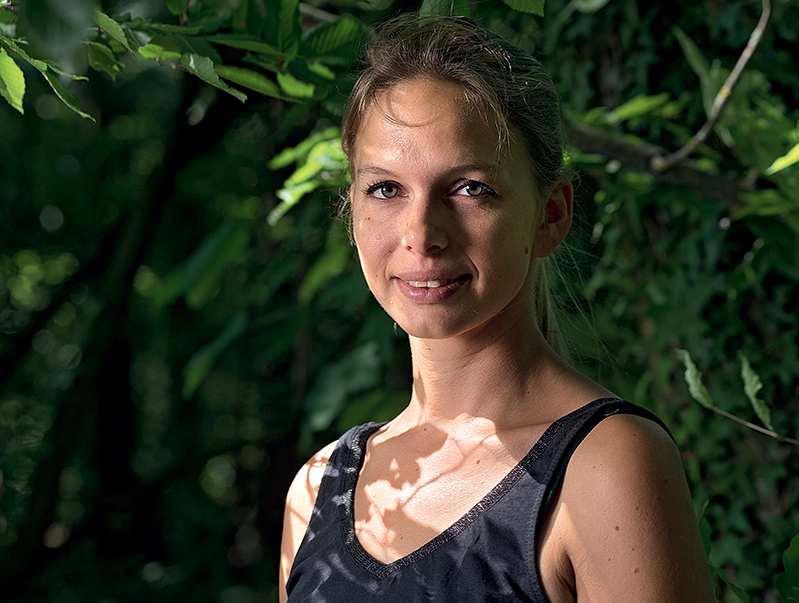
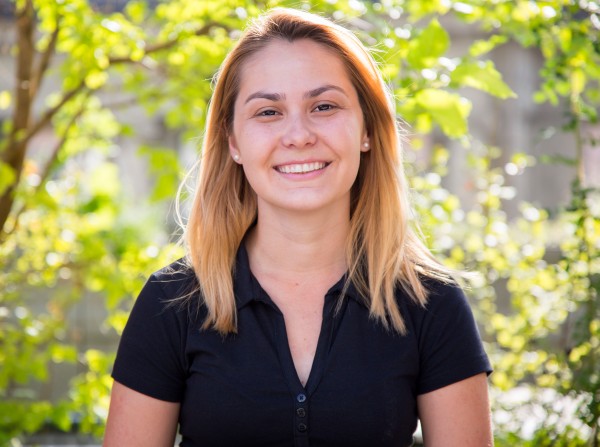
Dr. Anna Spescha is a Lecturer at ETH Zurich's Department of Environmental Systems Science, researching biological control of insect pests using Pseudomonas bacteria combined with nematodes and fungi. Her work focuses on developing sustainable agricultural solutions through microbial consortia that target below-ground pests like the cabbage maggot. Research Highlights: Triple-combination biocontrol systems Field validation of entomopathogenic efficacy Risk assessment frameworks for biocontrol agents Current Projects: Optimizing Pseudomonas-based formulations for bean seed fly and cabbage maggot control.
Zurich University of Applied Sciences (ZHAW)Switzerland
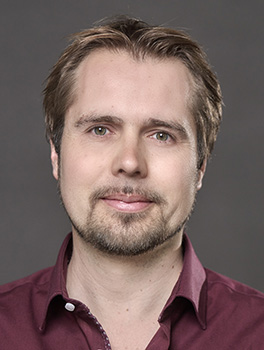
Prof. Dr. Urs Hilber is the Dean of the School of Life Sciences and Facility Management at ZHAW Zurich University of Applied Sciences. He has held leadership roles such as Head of the ZHAW Sustainable Development Focus and Director of multiple Swiss agricultural research institutions. Current affiliations include Au-Konsortium, Eidgenossenschaft, Fructus, grow Cluster, and ZKSD (President of Board of Directors) Education: PhD and MSc in Biology from University of Basel His research focuses on plant pathology , particularly fungicide resistance mechanisms in pathogens like Botryotinia fuckeliana (gray mold) and Venturia inaequalis (apple scab). He pioneered biolistic transformation techniques for fungal genetic studies and developed resistance monitoring strategies for anilinopyrimidines, phenylpyrroles, and dicarboximides. The 15 most recent publications highlight his work on: Fungal taxonomy (Pseudomonas species) PCR-based resistance diagnostics Integrated disease management Genetic variability in plant pathogens
Dr. Aurélien Bailly is affiliated with the University of Zurich in the Department of Plant and Microbial Biology . His research focuses on volatile organic compounds (VOCs) as signaling molecules in plant-microbe communication, particularly in mediating growth and immune responses. Research Interests Molecular mechanisms of VOC-mediated cross-kingdom signaling Plant perception of bacterial volatiles Trade-offs between growth and immunity via phytohormones Functional characterization of microbial VOC bouquets Publication Trends highlight work on Arabidopsis thaliana and rhizobacteria, with emphasis on auxin transport , systemic resistance , and biocontrol strategies . His articles span disciplines including microbial ecology , plant physiology , and chemical biology .
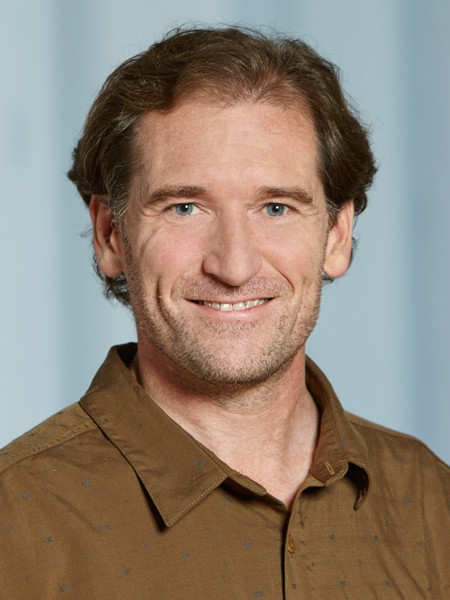
Monika Maurhofer is a Professor at the Department of Environmental Systems Science, ETH Zurich , specializing in multitrophic interactions within the rhizosphere. Her research bridges plant pathology, microbial ecology, and biological control of plant diseases and insect pests. 1988: Dipl. sc. nat., ETH Zurich 1993: Dr. sc. nat., ETH Zurich Research focuses on biocontrol pseudomonads and their molecular interactions with plants, fungi, and insects. Key projects include: Understanding Pseudomonas protegens mechanisms in rhizosphere colonization Comparative genomics of entomopathogenic bacteria Developing disease-suppressive compost diagnostics Investigating microbial consortia for pest control 2024-2025 publications highlight her work on entomopathogenic pseudomonads and nematode-bacteria symbiosis , with applications in sustainable agriculture. She received the Golden Owl Award for teaching excellence in 2014 and 2017. Current collaborations include Syngenta Crop Protection and interdisciplinary teams at University of Zurich and University of Basel.
PD Dr. Jochen Klumpp is a Senior Lecturer in the Department of Health Sciences and Technology (D-HEST) at ETH Zurich. His research focuses on bacteriophage biology, bacterial pathogenesis, and antimicrobial strategies. He leads studies on phage-host interactions, phage-based diagnostics, and phage therapy applications, particularly targeting pathogens like Campylobacter, Salmonella, and Mycobacterium tuberculosis. Key research areas include phage resistance mechanisms, genomic analysis of bacterial pathogens, and development of broad-spectrum phage cocktails. His work spans food safety, clinical microbiology, and evolutionary virology. Recent studies emphasize engineering phages for rapid pathogen detection in clinical samples and exploring phage diversity in environmental and clinical settings. Publications highlight innovations in phage taxonomy, CRISPR-Cas9 systems in bacteria, and structural biology of phage-tail components. Collaborations with global institutions, including Thailand and Kenya, underscore his commitment to addressing global health challenges through phage research. Awards: None explicitly listed. Advising/Grants: No student names or grant details provided. Research is supported through institutional and collaborative funding. Labs/Teams: Part of D-HEST's microbiology and biotechnology research groups, focusing on applied and fundamental phage research.
Dr. Francesca Fiegna is part of the Professorship for Evolutionary Biology at ETH Zurich's Department of Environmental Systems Science, within the Institute of Integrative Biology. Her research focuses on microbial ecology, particularly bacterial social behavior, predation dynamics, and density-dependent traits under environmental stress. She investigates how ecological contexts like temperature and pH influence predator-prey relationships and microbial community structures. Key research interests include: microbial predation reversal mechanisms, evolutionary responses to novel environments, and the role of kin discrimination in microbial social systems. Her work integrates experimental evolution, genetic analysis, and ecological modeling to understand cooperative behaviors and evolutionary hotspots in soil microbes. Recent studies highlight her exploration of Myxococcus xanthus as a model organism, examining outer membrane exchange, kin recognition, and population-level adaptations. She also explores applications of predatory bacteria as biocontrol agents against fungal pathogens like Zymoseptoria tritici. Collaborations include funding from Swiss National Science Foundation (SNF) grants, focusing on motile bacterial adaptation and predation mechanisms.
Leo Meile is an Adjunct Professor at ETH Zurich's Department of Health Sciences and Technology, specializing in food biotechnology. His research encompasses food microbiology, fermentation technology, probiotic safety, and antimicrobial resistance in food systems. Research areas: Microbial ecology of fermented dairy products Biogenic amine formation in fermented foods Antifungal cultures for food preservation He has published extensively on traditional fermentation processes across Africa and Europe and contributed to safety assessments of dairy microorganisms. His work supports the ETH spin-off PharmaBiome.
Cleo Bertelsmeier is an Associate Professor in the Department of Ecology and Evolution at the University of Lausanne (UNIL), Faculty of Biology and Medicine, a position she has held since November 1, 2023. She leads the Bertelsmeier Group, focusing on invasion ecology, particularly the spread and establishment of invasive insects in the context of globalization and climate change. Education: 2006: German Abitur & French Baccalaureate, Frankfurt, Germany 2006–2009: Bachelor of Biology, University of Oxford, United Kingdom 2009–2010: Master’s in Ecology, Biodiversity and Evolution, University of Paris XI, France 2010–2013: Doctorate in Ecology, Systematics and Evolution, University of Paris XI, France 2014: Postdoctoral Fellow, Institute of the Environment, University of Adelaide, Australia 2015–2018: Postdoctorate, Department of Ecology and Evolution, UNIL Her research centers on two major themes: (1) the global spread of invasive species driven by trade and human mobility, and (2) the establishment of these species under novel climatic conditions. She frequently uses ants as model organisms due to their ecological diversity and invasive success. Her work combines macro-ecological modeling, data analysis, and experimental approaches to understand invasion dynamics across spatial and temporal scales. She investigates how historical socio-economic processes, trade networks, and climate filtering influence invasion patterns, and whether invasive species undergo niche shifts or use behavioral buffering to survive in new environments. Her recent publications reveal trends in global insect invasions, the role of plant introductions in facilitating insect invasions, climatic filtering in establishment, and the homogenization of ant communities worldwide. She has also explored citizen science for monitoring ant biodiversity and the risks associated with the pet trade. Scientific Awards: Young Researcher in Basic Sciences Award, FBM (2018) FBM Communication Award (2020) Sandoz Family Foundation's Academic Success Program (2020) ERC Starting Grant (2022) for the SPREAD project on globalized trade and insect invasions She advises several PhD and Master’s students, including Aymeric Bonnamour, Olivia Bates, and Gyda Fenn-Moltu. Her group has secured significant research funding, notably the ERC grant, and collaborates widely. She has also authored the popular science book The Secret Wars of the Ants - Sex, Murders and Territorial Invasions (2019). The Bertelsmeier Group is an active research team comprising postdocs, graduate students, and scientific collaborators. They investigate invasion ecology using interdisciplinary methods and contribute to public understanding through media engagement and outreach.
Prof. Dr. Matthias Erb is the Head of the Biotic Interactions Section and co-director at the Institute of Plant Sciences, University of Bern. His research focuses on plant defense mechanisms, plant-microbe interactions, and ecological interactions between plants, herbivores, and their natural enemies. Key areas include plant volatile signaling, biocontrol strategies using entomopathogenic nematodes, and the role of specialized metabolites in shaping rhizosphere microbiota. Research Themes: Plant defense against herbivores, microbial symbiosis, plant communication via volatiles, and agricultural applications of ecological strategies. Key Projects: Engineering bacterial symbionts for pest control, understanding plant-soil feedback mechanisms, and elucidating the metabolic basis of plant resistance. His work bridges fundamental ecology with applied agronomy, addressing challenges in sustainable crop protection and soil health. Recent studies highlight the importance of plant secondary metabolites in mediating interactions across trophic levels.
Zurich University of Applied Sciences (ZHAW)Switzerland
Dr. Fabio Rezzonico is a researcher at the Zurich University of Applied Sciences (ZHAW) , affiliated with the School of Life Sciences and Facility Management and the Institute of Natural Resource Sciences . His work spans plant pathology, bacterial genomics, and environmental microbiology. His research focuses on: Fire blight ( Erwinia amylovora ) epidemiology and control Development of molecular diagnostic tools (qPCR, CRISPR typing) Genomic analysis of plant-associated bacteria Environmental microbiology in aquaponics and wastewater systems Assisted migration in forest ecosystems Notable projects include: Fire Blight App for Central Asia (completed) - a citizen science tool for disease mapping Antibiotic resistances in Enterobacteria (completed) - studying NDM-producing bacteria MinION2FixID (completed) - nanopore sequencing for bacterial ID Evaluation of benefits and risk of assisted migration in Fagus species (completed) He collaborates extensively across disciplines, particularly with Swiss and international microbiology teams. Publications include work in Phytopathology Research , Diagnostic Microbiology and Infectious Disease , and Journal of Plant Pathology .
Monika Maurhofer Bringolf serves as a Titular Professor and Lecturer at the Department of Environmental Systems Science at ETH Zürich, where she leads the research group focused on Biological Control. Her academic career at ETH Zürich spans over 25 years, beginning as an assistant researcher (1996-1999) and progressing to her current position as senior researcher and lecturer since 2000. Her educational background includes a Dipl. sc. nat. from ETH Zürich (1988) and a Dr. sc. nat. from the Institute of Phytopathology/Plant Sciences at ETH Zürich (1993). These qualifications established the foundation for her extensive research in plant-microbe interactions and biological control mechanisms. Professor Maurhofer Bringolf's research centers on the ecological properties of biocontrol pseudomonads and the complex interactions between crop plants and microorganisms inhabiting the rhizosphere. Her work spans microbial ecology, plant pathology, and biological pest control, with particular emphasis on how plant-beneficial bacteria can improve soil health and plant resistance against pathogens and pests. She investigates the mechanisms governing interactions among biocontrol bacteria, phytopathogens, pest insects, plants, and non-target microbiota. Her research employs approaches ranging from field studies to comparative genomics and transcriptomics to understand how biocontrol bacteria can switch between different ecological niches. Her recent publications demonstrate a strong focus on entomopathogenic bacteria, microbial consortia for pest control, and the suppressive properties of composts against soilborne pathogens. The research shows an increasing trend toward understanding microbial communities and their collective effects on plant health and pest management, with particular attention to how different biocontrol organisms can work synergistically. Winner of the 'golden owl' teaching award from ETH Zurich students in 2014 Winner of the 'golden owl' teaching award from ETH Zurich students in 2017 She actively contributes to scientific policy as a member of the Swiss Expert Committee for Biosafety (SECB) and the Swiss Society for Phytiatry. Her research has been supported by grants from the Swiss National Science Foundation, including projects on microbial consortia for pest control and molecular determinants of insect-plant associated lifestyles of beneficial pseudomonads. Professor Maurhofer Bringolf teaches Plant Pathology I and Plant Pathology III courses at ETH Zürich, maintaining her commitment to educating future plant pathologists and environmental scientists while continuing her active research program.
Dr. Patricia Sanches is a Lecturer in the Department of Environmental Systems Science at ETH Zurich, Switzerland. Her research focuses on ecological interactions, particularly plant responses to herbivory, microbial symbiosis effects, and pest management strategies. She investigates how plants utilize defensive volatiles and chemical signals to combat herbivores and pathogens, with applications in sustainable agriculture and biodiversity conservation. Her work bridges entomology, microbiology, and plant physiology, addressing topics such as aphid-plant symbiosis, parasitoid attraction mechanisms, and fungal-viral synergies in plant stress responses. Recent studies include the modulation of virus effects on aphid-plant interactions and the role of jasmonic acid in sugarcane pest resistance. Dr. Sanches collaborates on projects involving beneficial rhizobacteria for root pest resistance and large-scale rearing of fruit fly species for biological control. Her research highlights the complexity of trophic interactions and the potential for ecological solutions in crop protection.
Prof. Dr. sc. nat. Siegfried Hapfelmeier-Balmer serves as Head of Research Group and Deputy Head of Research at the Institute for Infectious Diseases (IFIK) at the University of Bern. His research focuses on gut microbiology, host-microbial interactions, and infectious diseases, utilizing innovative host and microbial model systems to improve understanding of intestinal health and disease. Educational Background: Doctorate in Natural Sciences (Dr. sc. nat.) Prof. Hapfelmeier-Balmer's research investigates the complex ecosystem of bacterial species in mammalian intestines. His laboratory specializes in mutualistic host-microbial interactions that regulate immunity and protect against infection. Key research areas include colonization resistance mechanisms, immune responses against pathogens, metabolic bacteria-host interactions (particularly bile acid transformation), and development of bioengineered intestinal bacteria for vaccination. His work integrates microbiology, immunology, and metabolic research within the One Health framework. His research has led to significant translational applications including the Santella project (vaccine against avian pathogenic E. coli) and the Enzoxa spin-off (plant-derived medicines against Helicobacter pylori). An interdisciplinary study he led revealed gut bacteria convert arsenobetaine from seafood into toxic compounds, challenging previous assumptions about seafood safety. Scientific Awards: Ypsomed Innovation Award 2025 (2nd place) Stage-Up Winner 2023 (Enzoxa) Prof. Hapfelmeier-Balmer mentors junior researchers including Sabrina Stöckli, who received a BRIDGE Proof-of-Concept Fellowship (130,000 CHF) for intestinal vaccine research. He was among the first recipients of UniBE Venture Fellowships supporting innovation projects at the University of Bern. His research has secured funding from SNSF and Innosuisse through the BRIDGE program. He leads the Gut Microbiology research group within the Multidisciplinary Center for Infectious Diseases (MCID) at the University of Bern, collaborating extensively across disciplines including the Interfaculty Research Cooperation 'One Health' and with the Institute of Veterinary Sciences (IVI).
Brian Steiner is a Lecturer in the Department of Environmental Sciences at the University of Basel, Switzerland. His role involves teaching assignments in geosciences and active participation in research projects focused on plant-microbe interactions, particularly disease suppression by compost microbiomes and soil-borne pathogens. Based in Basel, he is associated with the Plant-Microbe Interactions research group led by Dr. Pascale Flury. Contact: brian.steiner@unibas.ch Research Focus: Soil microbiology, sustainable agricultural practices, and microbial ecology. His work aligns with projects such as the EUCOR Seed Money-funded Roots of Resilience , aimed at enhancing grapevine resilience against climate-related fungal diseases through rhizosphere microbiome optimization. While no specific scientific awards are listed, his contributions intersect with grant-funded initiatives like compost microbiome diagnostics and biocontrol strategies. Teaching & Team Involvement: Brian supports MSc students in Plant Sciences, including those investigating compost amendments, rhizobacteria ecology, and microbial feedback mechanisms in plant health.
Gregory Velicer is a Full Professor at ETH Zurich's Department of Environmental Systems Science and Deputy Head of the Institute of Integrative Biology. His research investigates microbial social evolution, focusing on complex behaviors like predation and multicellular development in myxobacteria using ecological, molecular, and evolutionary approaches. Research explores: Genetic controls of bacterial cooperation Predator-prey dynamics in microbial communities Evolution of cheating resistance Ecological drivers of social exploitation Molecular regulation of developmental processes Recent publications emphasize bacterial social evolution in changing environments, with themes spanning molecular genetics, ecological adaptation, and applied biocontrol. Laboratory work integrates experimental evolution with genomic and transcriptomic analysis.