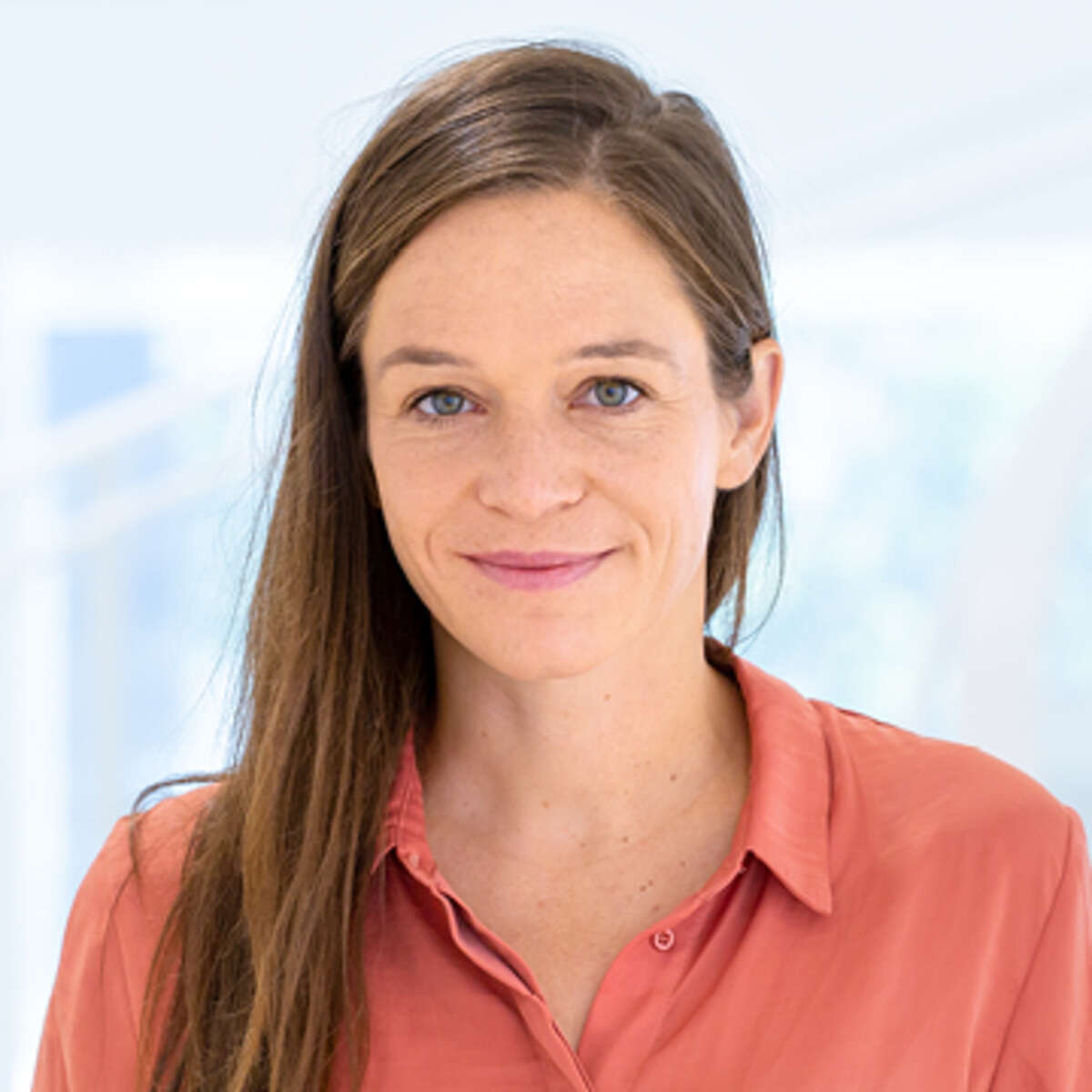
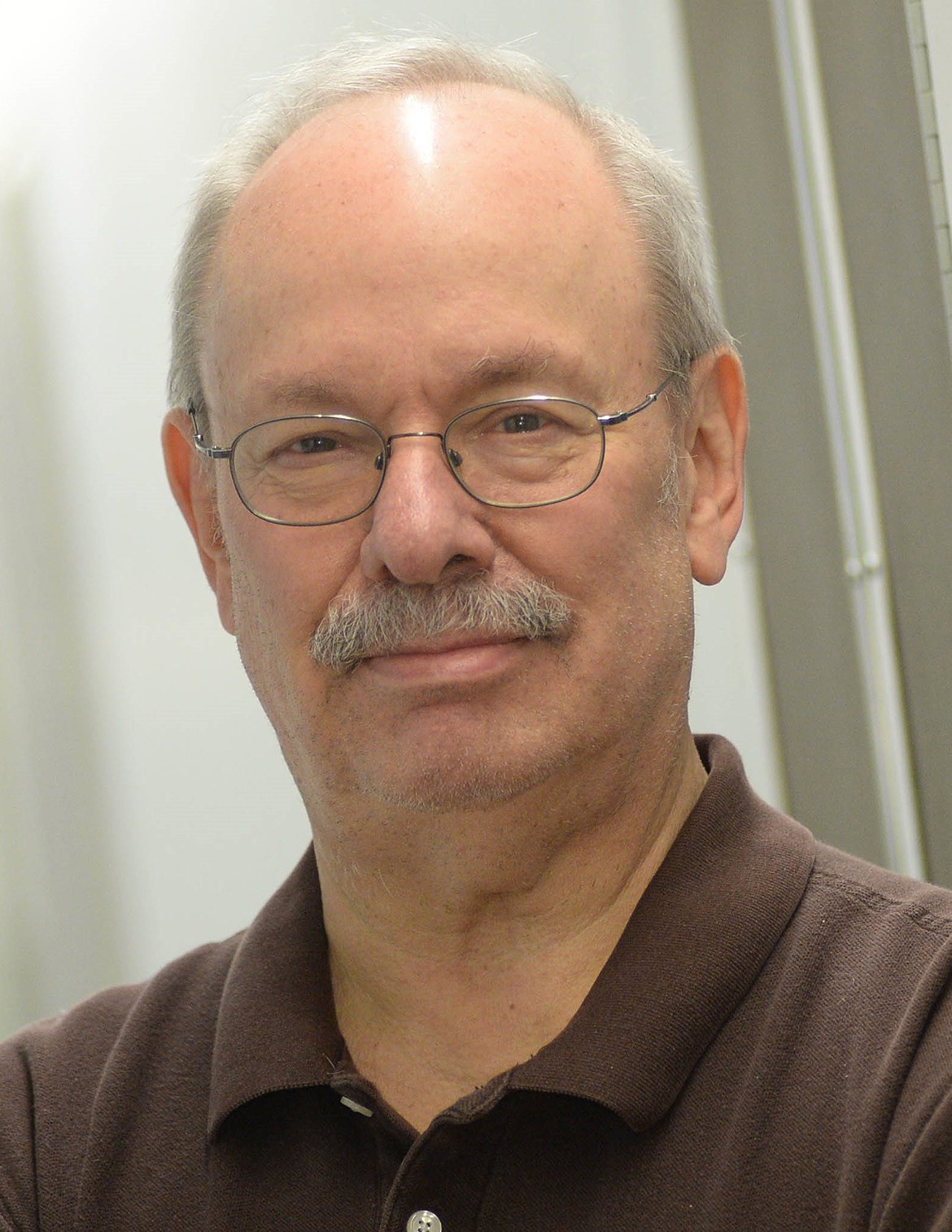
Brian Ingalls is a Professor in the Department of Applied Mathematics and cross-appointed to Biology at the University of Waterloo. His research applies mathematical and control-theoretic approaches to biological systems, including genetic regulatory networks, microbial communities, and cellular metabolism. Institutional Affiliation: Faculty of Mathematics, University of Waterloo Contact: bingalls@uwaterloo.ca His work focuses on systems biology and synthetic biology , particularly sensitivity analysis of biochemical networks, optimal experimental design, and mathematical modeling of cellular processes. Research funding comes from NSERC and CIHR . Notable contributions include the textbook Mathematical Modeling in Systems Biology (MIT Press, 2013) and the Ingalls Quantitative Cell Biology Lab , which investigates intracellular and intercellular network dynamics through computational and experimental methods. Key Collaborations: iGEM Waterloo, Chemical Engineering, and international synthetic biology networks Advising: Mentored 15+ graduate students and postdocs across applied math, biology, and engineering fields
Thomas Reinthaler is a researcher at the Faculty of Life Sciences, Department of Functional and Evolutionary Ecology, specializing in microbial oceanography and biogeochemical processes. His work investigates the role of prokaryotic organisms in marine carbon cycling, the influence of environmental factors like temperature and UV irradiation on microbial activity, and metabolic adaptations in deep-sea environments under in situ pressure conditions. Research Interests Reinthaler's research spans microbial ecology, biogeochemistry, and oceanography. Key areas include dark ocean carbon cycling, anaplerotic carbon fixation, hydrostatic pressure effects on microbial communities, and the interplay between prokaryotic gene expression and environmental stressors like UV radiation. His work also addresses microbial contributions to the biological pump and nutrient recycling in mesopelagic zones. Publication Trends Recent publications highlight metaproteomic analyses of dark ocean trophic interactions, sulfur cycling dynamics, and antibiotic-resistant bacteria in coastal systems. He has advanced methodologies for in situ pressure experiments and contributed to resolving paradoxes in carbon budget calculations through studies on heterotrophic autotrophy and microbial substrate utilization patterns. Projects and Activities BASS Project : Biochemical processes and air-sea exchange in the sea surface microlayer (active 2022–2025). Prokaryoten Project : Funded research on prokaryotic activity in the North Atlantic (2011–2016). Organized the 2024 Symposium on Microbial Oceanography and presented at the ECOTIP Photoexhibit (2024).
Prof. Dr.-Ing. Johannes Henrich Schleifenbaum is a Professor and Chair of Digital Additive Production at RWTH Aachen University, where he leads research in the Profile area Production Engineering (ProdE). His work advances additive manufacturing (AM) through interdisciplinary approaches combining materials science, process engineering, and digital technologies. His research encompasses: Laser powder bed fusion (LPBF) process optimization and defect mitigation Development of novel alloys/composites for AM applications Sustainable manufacturing practices including material recycling Integration of AI/ML for accelerated material and process design Digital tools for automated design and distributed manufacturing Recent publications (2023-2025) demonstrate a strong focus on: Multi-material processing and microstructure control Machine learning-driven alloy development Standardization and scalability of AM processes Advanced simulations for meltpool dynamics and thermal behavior Applications in aerospace, construction, and biochemical engineering He leads the Chair of Digital Additive Production, collaborating with industry partners to translate research into industrial solutions for next-generation manufacturing.
Ditte Hededam Welner is a Senior Researcher & Group Leader at the Novo Nordisk Foundation Center for Biosustainability, Technical University of Denmark. Her research focuses on Enzyme Engineering and Structural Biology, particularly the development of enzyme biocatalysts for sustainable industrial production of natural products like aromas, dyes, and pharmaceuticals. She leads efforts to replace petroleum-based chemical synthesis with eco-friendly bio-based processes, emphasizing glycosyltransferase (GT) engineering to enhance substrate specificity, efficiency, and stability. Education: Biochemistry, University of Copenhagen (2000–2011). Research Interests: Glycosylation mechanisms, high-throughput enzyme discovery/evolution, structural biology techniques (X-ray crystallography, NMR), and biocatalysis applications in sustainable chemistry. Her work contributes to UN SDG 9 (Industry, Innovation, and Infrastructure) and SDG 12 (Responsible Consumption and Production). Recent publications highlight advancements in alginate degradation mechanisms, sucrose synthase engineering, and glycosyltransferase applications in biocatalytic routes for indigo/indican production. She supervises multiple PhD projects on enzyme optimization, machine learning for enzyme engineering, and sustainable bioprocessing. Professional Activities: Peer review for journals like Nature Catalysis and Metabolic Engineering , conference organization, and editorial contributions. Active in promoting open-access science and sustainable biotechnology. Labs/Teams: Leads the Enzyme Engineering and Structural Biology group at DTU, collaborating with industry and academic partners globally to advance biocatalytic solutions for environmental challenges.
Maria Hondele is a Tenure-track Assistant Professor at the Biozentrum, University of Basel, Switzerland, where she leads a research group dedicated to understanding the formation, regulation, and function of membraneless organelles, particularly those associated with RNA processing. Her interdisciplinary work bridges biochemistry, biophysics, and cell biology to dissect how RNA-protein condensates influence gene expression. Her research focuses on liquid-liquid phase separation and the role of DEAD-box ATPases as master regulators of biomolecular condensates. She investigates how these dynamic structures control RNA flux, processing, and localization within cells. Her lab employs a multidisciplinary approach including biochemical reconstitution, biophysical measurements, high-throughput screening, and advanced imaging techniques to uncover the molecular mechanisms underlying condensate formation and function. The recent publications of her group reveal a strong thematic focus on RNA-protein interactions, phase separation, stress granules, and the enzymatic regulation of condensates by ATPases. These studies span model systems from synthetic coacervates to human cells, reflecting a comprehensive strategy to understand both fundamental principles and biological implications of membraneless organelles. ERC Starting Grant (2020) SNSF Eccellenza Professorship (2019) HFSP Long-Term Postdoctoral Fellowship (2015–2018) ETH and EMBO Postdoctoral Fellowship (2015) PhD Prize, University of Munich (2014) Boehringer Ingelheim PhD Fellowship (2008–2011) Dr. Hondele advises a vibrant team of postdoctoral fellows, PhD students, and master’s students, indicating an active and expanding research program. She has secured competitive grants and leads a productive research group contributing significantly to the field of RNA biology and cellular organization. She is also an Associate Member of the National Center of Competence in Research (NCCR) RNA & Disease, reflecting her integration into major national research initiatives. Her research group is embedded within the Biozentrum, a leading interdisciplinary research center at the University of Basel, providing access to state-of-the-art facilities and collaborative networks in molecular and cellular biology.
Dr. Anna Baldycheva is a Senior Lecturer in Electronic Engineering at the University of Exeter, within the College of Engineering, Mathematics and Physical Sciences. She leads the interdisciplinary STEMM Laboratory, focusing on applied R&D in smart materials, photonics, AI, and IoT. With prior research experience at MIT, Trinity College Dublin, and Tyndall National Institute, she has established herself as an internationally recognized innovator and entrepreneur in emerging technologies. PhD in Electronic and Electrical Engineering, Trinity College Dublin (2008–2012) BSc (Hons) in Physics, St. Petersburg State University (2003–2008) Postgraduate Certificate in Academic Practice, University of Exeter (2016–2017) Postgraduate Certificate in Technology Management, Smurfit Business School (2009–2010) Her research spans Nano-Engineering, Opto-Electronics, Photonics, AI, and IoT , with a strong emphasis on real-world applications. She pioneers work in fluid opto-electronics , graphene nanocoatings , and AI-driven emotion recognition and early cancer detection . Her lab develops smart composite materials for flexible electronics, e-textiles, and structural applications, integrating machine learning into healthcare, education, and communications systems. The recent publications highlight a strong trend toward applied interdisciplinary innovation , combining materials science with AI and photonics for healthcare diagnostics, energy-efficient computing, and educational technology. Her work frequently bridges fundamental physics with commercialization potential, as seen in spin-out technologies like GSurf and the Electronic-Nose for lung cancer detection. Fellow, Royal Microscopical Society (RMS) Fellow, Higher Education Academy (FHEA) Expert, Future and Emerging Technologies, European Commission Featured in Forbes and Forbes Tech Council Editor-in-Chief, InSTEMM Journal Associate Editor, Nature Scientific Reports and Discover Nano Trustee, Royal Microscopical Society Founder, STEMM Global Scientific Society Founder, It’s Her! Women in STEMM Initiative Dr. Baldycheva actively supervises PhD students and has secured industrial collaborations with organizations such as Qinetiq and Lumentum. She leads multiple outreach initiatives, including STEMM Junior for underprivileged children, and serves on the committee for the Jocelyn Bell Brunel PhD Scholarship. She has raised significant research funding through national and international grants, though specific grant names are not listed. She leads the STEMM Laboratory , a multidisciplinary research group with divisions in Smart Composite Materials, Machine Learning & AI, and Opto-Electronics & Photonics. The lab emphasizes industry collaboration and technology transfer, having produced a university spin-out (GSurf) and multiple media-highlighted innovations.
Jacqui Webster is a Professor of Public Health at the University of Technology Sydney (UTS), leading the WHO Collaborating Centre on Nursing, Midwifery and Health Development. She serves as the Secretariat for the South Pacific Chief Nursing and Midwifery Officers Alliance (SPCNMOA) and continues collaborating with The George Institute for Global Health on salt reduction research. Key Grants: NHMRC Investigator Grant (Leadership 2), NHMRC IDEAS Grant, Global Alliance for Chronic Diseases grants Collaborations: Fiji National University, Deakin University, University of Sydney, UNSW, Northwestern University Her research focuses on reducing cardio-metabolic diseases through food/water security programs and salt reduction policies. Recent articles analyze potassium-enriched salt adoption barriers, global water sodium standards, ultra-processed food impacts in Fiji, and pandemic-related dietary shifts in Australia. She authored the public health-themed book Two Bugs on Bikes (Hembury Books 2025) based on her cycling journey across Europe and Africa. At UTS, she mentors early-career researchers and supports strategic operations for the WHO Collaborating Centre.
Albert H. Titus is a Professor in the Department of Biomedical Engineering and an Adjunct Professor in the Department of Electrical Engineering at the University at Buffalo, State University of New York. He serves as Associate Vice President for Regulatory Support in the Office of the Vice President for Research and Economic Development. His research focuses on analog VLSI design for neuromorphic visual processing, biosensors, wearable devices, optoelectronic systems, and neural networks. Education: PhD in Electrical and Computer Engineering, Georgia Institute of Technology (1997) MS in Electrical Engineering, University at Buffalo (1991) BS in Electrical Engineering, University at Buffalo (1989) Research Interests: His work spans wearable and implantable sensors, bioinstrumentation, neural network-based visual processing, analog VLSI implementations, optoelectronics, and electronic packaging. He pioneered CMOS-based neuromorphic systems and developed patented technologies for glare sensing and RF power calorimetry. Publication Trends: His recent articles emphasize CMOS-integrated sensors, machine learning for bioimpedance analysis, implantable medical devices, and xerogel-based optical biosensors. These works bridge biomedical engineering and microelectronics. Scientific Recognition: He is a Fellow of the National Academy of Inventors and has received the SUNY Chancellor’s Award for Excellence in Service (2017), NSF CAREER award, and Western New York Inventor of the Year (2010). His inventions include a patented low-power glare sensor (U.S. Patent 7,586,079) featured in Popular Science’s 2011 Top Ten Inventions. Academic Leadership: As a faculty member, he has supervised nearly 20 PhD and over 40 MS students, while teaching courses in circuits, IC design, sensors, and signal processing across electrical and biomedical engineering disciplines.
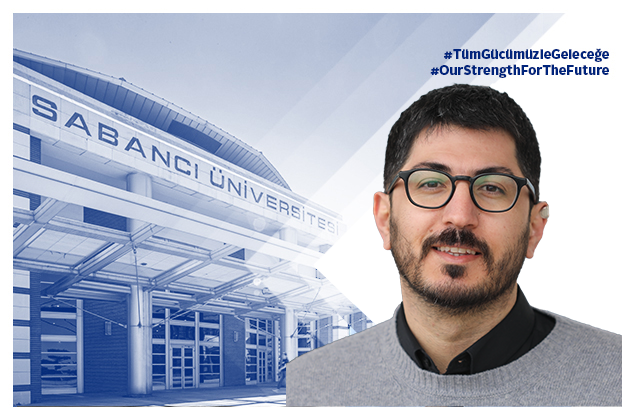
Dr. Morteza Ghorbani is a researcher and faculty member at Sabancı University's Faculty of Engineering and Natural Sciences (FENS), specializing in fluid mechanics and environmental engineering. He leads the AquaCav project, a collaborative effort with Oxford Brookes University, focused on developing sustainable water treatment solutions using hydrodynamic and acoustic cavitation. His research addresses global challenges such as PFAS pollution and wastewater management, with applications in biomedical devices and energy-efficient technologies. Key collaborations include projects funded by the International Science Partnership Fund (ISPF), leveraging his expertise in microfluidic systems and cavitation dynamics. Dr. Ghorbani's work combines experimental and numerical methods to optimize cavitation-based processes for environmental and biomedical applications. His contributions span from fundamental fluid dynamics studies to applied technologies like flexible cystoscopes and clot-on-a-chip platforms. Scientific achievements include the ISPF Research Collaboration Grant (2024) and advancements in PFAS removal, graphene exfoliation, and microalgae cultivation. His research group at Sabancı University explores interdisciplinary solutions at the intersection of engineering, nanotechnology, and sustainability.
Dr. W.S. Winston Ho is a Distinguished Professor of Engineering at The Ohio State University, holding joint appointments in the William G. Lowrie Department of Chemical and Biomolecular Engineering and the Department of Materials Science and Engineering. With over 50 years of combined industrial and academic experience, he leads pioneering research in molecular separation technologies. His industrial tenure includes R&D leadership at Exxon, Xerox, and Commodore Separation Technologies, where he commercialized gas treating processes and membrane systems. Education: Ph.D. in Chemical Engineering, University of Illinois at Urbana-Champaign (1971) M.S. in Chemical Engineering, University of Illinois at Urbana-Champaign (1969) B.S. in Chemical Engineering, National Taiwan University (1966) His research focuses on advanced membrane systems for critical environmental and energy challenges, including: CO 2 -selective membranes for hydrogen purification and carbon capture High-flux desalination membranes with fouling resistance Proton-exchange membranes for fuel cells operating under low humidity Supported liquid membranes for pharmaceutical recovery and heavy metal removal Recent publications demonstrate a strong emphasis on scaling membrane technologies for industrial applications, particularly carbon capture from flue gas and hydrogen purification. Over 75% of his last 15 articles address CO 2 separation, membrane scalability, or material enhancements for energy systems. Major Scientific Awards: Elected to National Academy of Engineering (2002) and Academia Sinica (2014) AIChE Institute Award (2006), Gerhold Award (2007), Evans Award (2012) New Jersey Inventor of the Year (1991) with 60+ U.S. patents Global recognition including Chemcon Distinguished Speaker Awards He directs the Winston Ho Research Group, focusing on membrane process scale-up and holds advisory roles in national research panels. Current projects include field testing spiral-wound membrane modules for carbon capture and developing fluoride-containing membranes to enhance solid oxide fuel cell efficiency. His work has been funded by DOE, NSF, and industrial partners, resulting in commercial implementations of membrane technologies.
James Manley is the Julian Clarence Levi Professor of the Life Sciences at Columbia University, with extensive research in gene expression regulation. His work spans transcription, RNA splicing, and polyadenylation mechanisms in human cells, connecting these processes to neurodegenerative diseases (ALS/FTD) and cancers. Affiliation: Columbia University, Department of Biological Sciences Contact: jlm2@columbia.edu Research Interests: Dr. Manley's laboratory investigates nuclear processes including: Transcriptional control via RNA polymerase II CTD modifications Alternative splicing regulation by hnRNP and SR proteins Polyadenylation dynamics in cell cycle and differentiation Disease mechanisms in spliceosome mutations (SF3B1, SRSF2) RNA-protein interactions in stress responses Publication Trends: Recent work focuses on disease-associated mutations affecting RNA processing, non-canonical RNA functions, and immune regulation via polyadenylation. Articles span molecular oncology, neurodegeneration, and RNA surveillance mechanisms. Scientific Recognition: Member, American Academy of Arts & Sciences Member, National Academy of Sciences Key Collaborations: Studies involve interdisciplinary work with neurology, cancer biology, and immunology teams. His lab employs biochemical assays, structural analysis, and genetic models to dissect RNA processing pathways.
Christopher Rycroft is a Professor and Associate Chair in the Department of Mathematics at the University of Wisconsin–Madison. He leads the Rycroft Group, which focuses on mathematical modeling and scientific computation for interdisciplinary applications in science and engineering. Prior to joining UW-Madison in summer 2022, he was a professor at Harvard University's School of Engineering and Applied Sciences from 2014-2022, and before that a Morrey Assistant Professor at UC Berkeley from 2010-2013. Professor Rycroft's research spans three main areas: numerical methods for material mechanics, data-driven discovery, and computational geometry. His group develops new computational methods while working directly with domain scientists. Key achievements include the development of the reference map technique for fluid-structure interaction, Voro++ software library for Voronoi tessellation, and novel approaches to understanding crumpling physics. His work combines traditional analysis and modeling with machine learning methods to extract scientific insights from complex data. The Rycroft Group's publication record demonstrates a strong trajectory of interdisciplinary research bridging mathematics, physics, materials science, and biology. Recent work has focused on fluid-structure interaction, computational geometry applications, mechanical metamaterials, and biological fluid dynamics. The group develops both theoretical frameworks and practical software tools that have found applications across diverse scientific domains from materials science to virology. Everett Mendelsohn Award for Excellence in Mentorship (2021) Professor Rycroft has advised numerous PhD and master's students who have gone on to postdoctoral positions at institutions including MIT, EPFL, and Cornell. His teaching includes advanced scientific computing courses that have quadrupled in enrollment during his tenure. He has secured research funding supporting his group's work on computational methods and interdisciplinary applications. The Rycroft Group consists of graduate students, postdocs, and collaborators with diverse backgrounds in applied mathematics, physics, engineering, and computer science. The group maintains active collaborations with researchers across multiple institutions and participates in centers such as the Harvard Quantitative Biology Initiative.
Henrik Haller is an Associate Professor at Mid Sweden University, affiliated with the Department of Natural Sciences, Design and Sustainable Development (NDH). His work integrates environmental science with practical applications in tropical regions, particularly focusing on land use, soil remediation, and sustainable food systems. Academic Title: Doctor of Philosophy Location: Östersund, Sweden Key Research Areas: Multifunctional land use, bioremediation, agroforestry, and sustainable development in the Global South Haller's research emphasizes transforming environmental challenges into opportunities. His work includes: Bioremediation of heavy-metal-contaminated soils using amaranth plants Urban agriculture potential in Swedish cities Life cycle assessments of cold-weather aquaponic systems Waste valorization strategies for contaminated lignocellulose sediments Universal design approaches to zero-waste communities Industrial symbiosis for local food systems He has ongoing projects in urban farming, wastewater resource recovery, and sustainable behavior transformation. His publications span topics from fungal metal tolerance to policy challenges in environmental governance.
Ceri Hammond is a Senior Lecturer and Reader in Catalysis at Imperial College London's Department of Chemical Engineering, Faculty of Engineering. He leads the Hammond Lab, focusing on catalytic processes, biomedical engineering, and sustainable chemistry. His research integrates materials design, in situ spectroscopy, and reaction engineering. Key areas include biomass upgrading, C1 chemistry, and nanotechnology-driven cancer therapies. Education: PhD from Cardiff Catalysis Institute under Prof. Graham J. Hutchings. Postdoctoral work at ETH Zürich and Stanford University. Affiliations: Hammond Lab, Institute for Molecular Science and Engineering. Funding: Royal Society, Leverhulme Trust, RSC, EPSRC, and industry partners. Research Interests: Catalysis: Development of heterogeneous catalysts for biomass conversion, CO 2 methanation, and C1 chemistry. Innovations in catalyst stability and process intensification. Bio-medical Engineering: Nanoparticle-based targeted cancer therapies, leveraging expertise in nanotechnology. Publications: Over 50 peer-reviewed articles, with notable work on Sn-Beta catalysts, methane oxidation, and photocatalytic fluorination. Recent trends emphasize sustainable catalytic processes and biomedical applications. Awards: Harrison-Meldola Memorial Award, Royal Society University Research Fellowship. Lab Team: 1 PI, 2 PDRA, 7 PhD students, and undergraduate researchers. Labs/Teams: Hammond Lab at Imperial's South Kensington Campus, collaborating with multidisciplinary groups like the Institute for Molecular Science and Engineering.
Thomas Ouldridge is a Royal Society University Research Fellow and Reader in Biomolecular Systems at the Department of Bioengineering, Faculty of Engineering, Imperial College London. He leads the 'Principles of Biomolecular Systems' group, which focuses on theoretical and computational modeling of complex biochemical systems, particularly exploring the interplay between molecular details and emergent behaviors like sensing, replication, and self-assembly. His work integrates natural systems analysis with synthetic biology applications, aiming to engineer artificial analogs of biological processes. His research spans interdisciplinary areas including stochastic thermodynamics, DNA-based computation, and molecular reaction networks. Key affiliations include the Physics of Life, Synthetic Biology Hub, and the Leverhulme Centre for Cellular Bionics. He has contributed to over 60 peer-reviewed articles since 2009, with recent work emphasizing energy-efficient molecular information processing and thermodynamic limits of biochemical systems. Awards: Royal Society University Research Fellowship (current). Labs/Teams: Principles of Biomolecular Systems Group, collaborating with multiple centers including the Centre for Synthetic Biology and Institute of Chemical Biology. Grants/Positions: Maintains research funding through the Royal Society and UKRI grants, focusing on non-equilibrium biomolecular systems and synthetic biology tools. Recent publications highlight advances in DNA templating networks, stochastic thermodynamic modeling of computation, and optimal protocols for molecular copying systems. His work bridges foundational physics with applied biotechnology, aiming to push the boundaries of synthetic biological engineering.