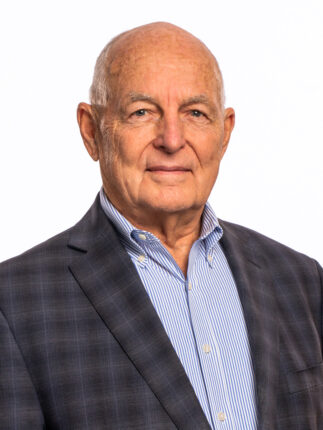
Maxim V. Berezovski is a Full Professor in the Department of Chemistry and Biomolecular Sciences at the University of Ottawa , Faculty of Science. His research focuses on bioanalytical chemistry , aptamer development , and biomarker discovery , particularly in cancer and immune cell biology. His lab specializes in Kinetic Capillary Electrophoresis (KCE) , aptamer-based biosensors, and single-cell analysis. Research interests include: Therapeutic and diagnostic applications of nucleic acid and peptide aptamers Biomarker identification for cancers (e.g., breast, glial tumors) Proteomic/metabolomic analyses of exosomes and extracellular vesicles Recent work emphasizes aptamer-driven innovations, such as: Fluorescence-guided brain tumor surgery Quantitative detection of SARS-CoV-2 proteins Molecular imaging of tumors using infrared-labeled aptamers Publications span aptamer engineering , cancer diagnostics , and environmental impacts on proteomics . Collaborations focus on interdisciplinary applications in medicine, biotechnology, and environmental science.
Rainer Schuhmacher is a Full Professor for Plant and Microbe Metabolomics at the University of Natural Resources and Life Sciences, Vienna (BOKU), affiliated with the Department of Agricultural Sciences and the Institute of Bioanalytics and Agro-Metabolomics in Tulln an der Donau. His research focuses on metabolomics, analytical chemistry, and plant-microbe interactions, with emphasis on fungal secondary metabolites, mycotoxin resistance, and environmental stress responses in crops. He leads projects funded by the Austrian Science Fund (FWF), European Commission, and national agencies. Research interests span: Metabolomic profiling of plant-pathogen interactions (e.g., Fusarium -wheat systems) Stable isotope-assisted techniques for metabolic pathway analysis Cold stress mitigation in plants using Antarctic bacteria Development of computational tools for untargeted metabolomics data processing His work integrates analytical chemistry, bioinformatics, and molecular biology to study metabolic crosstalk in agricultural systems. Awards include the Fritz-Feigl-Preis (2012) and Dr.-Wolfgang-Houska-Preis (2005). He has supervised multiple PhD projects and leads the Plant-Microbe Metabolomics group, managing core metabolomics platforms and international collaborations. Key projects: Chemical crosstalk in mycoparasitic interactions (FWF) Metabolomics of cold stress tolerance mediated by psychrotolerant bacteria Extension of metabolomics platforms for plant-pathogen studies
Jean-François Masson is a Full Professor in the Department of Chemistry at the Faculty of Arts and Sciences, Université de Montréal. He directs research in instrumentation, surface chemistry, and plasmonic materials, developing innovative biosensors for medical diagnostics and analysis. His work bridges analytical chemistry, nanotechnology, and artificial intelligence to create portable diagnostic devices. Position: Full Professor, Department of Chemistry Institution: Université de Montréal Research Focus: Plasmonic biosensors, surface chemistry, medical diagnostics Contact: jf.masson@umontreal.ca | 514 343-7342 Masson earned his BSc in Chemistry from Université de Sherbrooke in 2001, followed by a PhD in Analytical Chemistry from Arizona State University in 2005. He completed postdoctoral training at Georgia Tech before joining Université de Montréal's Chemistry Department in 2007. His research focuses on developing spectroscopic instruments for biomolecule analysis in medical samples through biosensors. He studies nano- and microstructure properties to enhance instrument sensitivity and surface chemistries to improve analysis selectivity in biological fluids. His plasmonic technology uses surface plasmon resonance at the intersection of analytical chemistry, nanotechnology, and artificial intelligence, employing gold thin films on chips that change color to detect the presence of antibodies like those for COVID-19. His publication trends show a consistent focus on surface plasmon resonance applications, with increasing emphasis on portable diagnostic devices, clinical applications, and integration with artificial intelligence. His work spans fundamental plasmonic material science to practical medical diagnostics, particularly in chemotherapy monitoring and infectious disease detection. 7 patents filed or granted for innovations in instrumentation, surface chemistry, and plasmonic materials License granted to Rose Street Labs (2005) Numerous research grants from NSERC, FRQNT, CIHR, and other major funding agencies Professor Masson has supervised over 20 graduate students (PhD and MSc) since joining Université de Montréal. His research has attracted significant funding, including multiple NSERC Discovery Grants, FRQNT team projects, and collaborations with hospitals for clinical validation of his diagnostic technologies. He leads several major research initiatives including projects on plasmonic optophysiology, chemical biology of sugars, and portable sensors for inflammation markers. His research is conducted through multiple units including the Thin Film Physics and Technology Research Group (GCM), the Neural Signaling and Circuitry Research Group (SNC), and the Interdisciplinary Research Center on Brain and Learning (CIRCA). He also contributes to the Oncopole, a research, development, and investment hub accelerating cancer fight efforts.
Patrícia Gomes-Alves serves as Head of the Sanofi Satellite Laboratory and dual Coordinator of iBET's Analytical Services Unit and Mass Spectrometry Unit within the Health & Pharma Division. She has been instrumental at iBET since 2011, initially joining as a Senior Scientist in the Cell Bioprocesses Lab before assuming leadership of the Mass Spectrometry Unit in 2013 and the Sanofi Satellite Lab in 2018. Her expertise centers on advancing biopharmaceutical manufacturing through bioprocessing and bioanalytics, leveraging omics tools and mass spectrometry for process optimization. Dr. Gomes-Alves earned her PhD in Biology in 2009 from ITQB-NOVA (Instituto de Tecnologia Química e Biológica, Universidade NOVA de Lisboa), conducted in collaboration with Instituto Nacional de Saúde Dr. Ricardo Jorge. Her doctoral research pioneered proteomics and mass spectrometry applications for cystic fibrosis biomarker discovery, with international collaborations at the University of Edinburgh and Universidad Autónoma de Madrid. Her research program focuses on developing integrated workflows to characterize bioprocesses for biologics, cell therapies, and gene therapies, emphasizing analytical innovation to enhance product quality and manufacturing efficiency. Current projects bridge fundamental science with industrial applications through omics-driven process understanding and mass spectrometry-based characterization. She has secured significant funding as Principal Investigator and team member in FCT (Portuguese Foundation for Science and Technology) and European Commission projects, while coordinating multiple industry R&D collaborations. Dr. Gomes-Alves actively mentors graduate students and contributes to biopharmaceutical innovation through her leadership in analytical services. Leading the Sanofi Satellite Laboratory within the Animal Cell Technology Unit, she directs strategic initiatives across iBET's Mass Spectrometry Unit (UniMS) and Analytical Services Unit, driving cutting-edge solutions for biopharmaceutical development and quality control.
Dr Vincenzo Abbate is a Senior Lecturer in Bioanalysis at King's College London , affiliated with the Faculty of Life Sciences & Medicine and serving as Programme Director for the MSc in Analytical Toxicology . He holds a Pharm.D. (2004, Federico II University of Naples) and a PhD in Chemistry and Analytical Sciences (2008, The Open University) . Prominent research themes include: Metal Chelators for Medical/Diagnostic Applications New Psychoactive Substances (NPS) Toxicology Forensic Drug Analysis Nuclear Medicine Radiotracers Recent publications highlight advancements in nanoneedles for lipidomics , thallium-based radiopharmaceuticals , and stability studies of synthetic cathinones , with a focus on interdisciplinary collaborations across bioanalysis, synthetic chemistry, and clinical translational research . Scientific Recognition : Maplethorpe Fellowship (2008) Chartered Chemist (CChem) and Chartered Scientist (CSci) President of IUPAC Subcommittee on Toxicology and Risk Assessment His grants and projects include BBSRC , MRC , and Parkinson’s UK funding, with industrial partnerships like Theragnostics Ltd and TicTac Communications . He leads a team of 10 researchers and is actively involved in Spatial Biology Network and Multiscale Biofilm Research Hub initiatives.
Christine Keating is the Shapiro Professor of Chemistry at Pennsylvania State University's Department of Chemistry. She is affiliated with the Huck Institutes for the Life Sciences and the Materials Research Institute, and serves on the graduate faculty of the Bioengineering Department. Her research focuses on self-assembled artificial cells, prebiotic compartmentalization, bioinspired materials synthesis, and particle assembly. Her work bridges physical chemistry, colloid science, and biological chemistry. Education: B.S. in Biology and Chemistry from Saint Francis College (1991), Ph.D. in Chemistry from Penn State (1997). Research Themes: Artificial cells and cytomimetic chemistry Prebiotic compartmentalization via coacervation Bioinspired materials using phase-separated microenvironments Optical applications of reconfigurable particle assemblies Awards: Over 20 honors including the Langmuir Lectureship (2024), AAAS Fellowship (2014), and NSF CAREER Award (2003-2008). Grants: Active funding includes projects on protocells and Rules of Life collaboration through NSF. Advises graduate students in interdisciplinary programs. Labs: Leads the Keating Group and participates in the ProteoCell Project, a six-university NSF initiative.
Prof. Can Dincer is a Professor of Sensors and Wearables for Healthcare at the TUM School of Computation, Information and Technology, Technische Universität München (TUM). His research focuses on bioanalytical materials, wearable sensors, and AI-driven diagnostics for One-Health applications, integrating disposable sensor technology with data science. He holds a doctorate from the University of Freiburg (summa cum laude, 2016) and worked as a visiting scientist at Imperial College London before joining TUM in 2024. He is a member of the Munich Institute of Biomedical Engineering (MIBE). Key research interests include: Development of wearable biosensors for real-time health monitoring CRISPR-based diagnostics for nucleic acids and proteins AI integration for therapeutic drug monitoring in sepsis and other critical conditions Environmental health connections via point-of-need diagnostics Notable achievements include the 2021 Biosensors & Bioelectronics Best Paper Award and inclusion in Stanford's World's Top 2% Scientists since 2022. His work spans clinical applications, microfluidic platforms, and nanotechnology-based solutions for healthcare challenges. Publications highlight innovations like optogenetic bioassays (Science Advances, 2024), CRISPR-powered multiplexed biosensors, and wearable systems for continuous biomarker monitoring. His research bridges material science, electrical engineering, and biomedicine to create practical diagnostic tools. Prof. Dincer collaborates across disciplines, focusing on translating lab innovations into clinical and commercial applications through advanced sensor technologies.
Prof. Dr. Beate Escher is Head of the Department of Cell Toxicology at the Helmholtz Centre for Environmental Research (UFZ) in Leipzig, Germany. She holds professorial positions at Eberhard Karls University of Tübingen , is a Privatdozent at ETH Zurich , and is affiliated with the University of Queensland and Griffith University in Australia. Her research program focuses on advancing in vitro bioassays and New Approach Methods (NAMs) for environmental and human health risk assessment of micropollutants. Her research interests lie at the intersection of environmental toxicology , molecular toxicology , and exposure science . She develops and applies bioanalytical tools for water quality assessment, with a focus on pharmaceuticals, pesticides, and transformation products. Her work includes mechanism-based toxicity assessment , toxicokinetic-toxicodynamic (TKTD) modeling , and the development of the CITEPro robotic bioassay platform for high-throughput screening. She integrates omics data , computational modeling , and machine learning to improve chemical hazard characterization. Recent publications highlight trends in chemical mixture toxicity , safe-by-design chemicals , ionic compound assessment , and machine learning applications in toxicology. Her work increasingly leverages data-driven approaches to prioritize contaminants and predict biological effects across species. Scientific Awards: Highly Cited Researcher (Web of Science/Clarivate, Top 0.1%, 2020) Outstanding Achievements in Environmental Science and Technology (ES&T & ACS ENVR, 2023) Advising and Grants: She supervises multiple doctoral students and leads major collaborative projects such as InCeTo, MibiTox, nanoINHALE, and SafePol. She received an Australian Research Council grant (2011–2014) and leads Swiss National Science Foundation-funded initiatives. She was a member of the German Science Council (2017–2024) and serves on the Board of Reviewing Editors of SCIENCE . Labs and Teams: She leads the Cell Toxicology team at UFZ, which includes researchers such as Dr. Luise Henneberger, Dr. Julia Huchthausen, and Dr. Haotian Wang. The team operates the CITEPro platform and contributes to international consortia focused on exposome research and chemical safety.
Dr. Martin F. Semmelhack is a Professor of Chemistry at Princeton University, leading the Semmelhack Lab. His research focuses on designing small molecules to modulate biological processes, particularly bacterial quorum sensing mechanisms in pathogens like Vibrio cholerae and Pseudomonas aeruginosa. His work aims to develop anti-infective drugs by targeting cell communication pathways. Key research areas include synthetic organic chemistry, chemical biology, and bacterial signaling pathways. Notable contributions include the discovery of autoinducers CAI-1 and AI-2, and the development of quorum sensing agonists/antagonists. Collaborations with microbiologists and neuroscientists expand applications into biofilm inhibition and neurotransmitter release technologies. His honors include the Arthur C. Cope Scholar Award (2014), John Simon Guggenheim Fellowship (1978–1979), and Camille and Henry Dreyfuss Teacher-Scholar Grant (1972–1977). Research combines chemical synthesis with biological testing to bridge molecular design and therapeutic potential. Advising and grant activities include funding from the National Institutes of Health and National Science Foundation, supporting interdisciplinary projects. The Semmelhack Lab is located in the Frick Laboratory, Princeton University.
Prof. Alessandro Bertucci is an Associate Professor at the University of Parma, Department of Chemical, Life and Environmental Sustainability Sciences, specializing in Analytical Chemistry (CHIM/01). He earned his Ph.D. in Chemical Sciences through a dual Italian-French program at the University of Parma and the University of Strasbourg, receiving the "Best Scientific Thesis in France" award. Education: Master's in Chemistry (2011, University of Parma), Ph.D. in Chemical Sciences (2015, University of Parma/Strasbourg) Postdoctoral Experience: University of Rome Tor Vergata (2015-2016), Sanford Burnham Prebys Medical Institute (2016), University of Melbourne (2016), UC San Diego (2017-2020) His research integrates molecular recognition with synthetic design for biomolecular systems programming , focusing on nanoscale diagnostics and precision medicine . Key methodologies include DNA nanotechnology, electrochemical biosensing, and responsive nanomaterials. Recent publications highlight CRISPR-based diagnostics and low-cost spectrophotometric platforms . His work has been recognized with the Galileo Galilei International Prize (2021) and ISSNAF Young Investigator Finalist (2018). Scientific Awards: Galileo Galilei Prize (2021), ISSNAF Finalist (2018) Fellowships: Marie Skłodowska-Curie Global Fellowship (2017), Endeavour Research Fellowship (2016), Umberto Veronesi Fellowship (2020) He teaches Bioanalytical Methods (Master's in Genomic, Molecular and Industrial Biotechnology) and Analytical Chemistry for Materials (Bachelor's in Materials Science), with extensive experience in course coordination and curriculum development.
Jung-Ho Yu is Assistant Professor of Chemistry at the University of Waterloo, specializing in nanoscale bioanalytical platforms. His research develops nanotechnology for multiplexed molecular monitoring in biological systems, with applications in cancer imaging and diagnostics. Research focuses on: Design of excretable nanoparticle contrast agents Multiplexed tumor imaging using surface-enhanced Raman spectroscopy Advanced microscopy techniques for deep-tissue visualization Professional associations include the American Chemical Society and World Molecular Imaging Society. Teaches courses in Multi-Component Analysis and Analytical Chemistry.
Professor Gunter Kuhnle is a leading academic at the University of Reading, specializing in nutritional epidemiology and dietary assessment. He holds roles including Module Convenor for 'Nutritional Epidemiology and Dietary Assessment,' Undergraduate Research Project Coordinator, and Director of the Chemical Analysis Facility (CAF). He is affiliated with the Hugh Sinclair Unit of Human Nutrition, a research center focusing on human nutrition science. Education: Diplom Biochemiker (University of Leipzig), Doctor Rerum Naturalium (University of Leipzig), Postgraduate Certificate in Academic Practice (PGCAP) His research interests are centered on three key areas: developing objective measures of dietary intake and exposure to food bioactives, polyphenol metabolism and health outcomes, and investigating the association between red/processed meat consumption and cancer risk. He advocates for biomarker-based research to address biases in dietary studies. Recent work includes studies on dietary flavanols' cognitive benefits in older adults, nitrate's impact on cardiovascular health, and the role of genetic factors in lipid metabolism. His publications address methodological challenges in nutrition research and emphasize evidence-based guidelines for dietary bioactives. Awards: Fellow of the Higher Education Academy (FHEA) Professor Kuhnle's contributions extend to interdisciplinary collaborations, including the PHYTOME project to reduce dietary nitrosamine exposure through natural compounds. His work bridges basic science, clinical applications, and public health policy.
Henning Urlaub serves as Professor at the University Medical Center Göttingen (UMG) and Research Group Leader of the Bioanalytical Mass Spectrometry group at the Max Planck Institute for Multidisciplinary Sciences. His group maintains dual operations: the primary facility at the Max Planck Institute providing proteomics services as a Core Facility, and a branch laboratory at UMG's Institute for Clinical Chemistry comprising both the Proteomics Research Group and Proteomics Service Facility. The group sustains long-term collaborations including the Center for Internal Medicine at University Hospital Frankfurt/Main. Urlaub's research specializes in high-sensitivity protein analysis using electrospray ionization (ESI) and MALDI mass spectrometry, with core projects in high-throughput proteomics, detection of post-translational modifications, quantitative protein analysis, and structural characterization of protein complexes and protein-nucleic acid interactions. Recent breakthroughs include deciphering modular assembly of mitochondrial protein factories and identifying long-lived proteins essential for egg cell maintenance, demonstrating significant contributions to cellular machinery understanding. The Bioanalytical Mass Spectrometry group actively supports the research community through its Core Facility services while pursuing clinically relevant projects at UMG. Current work focuses on mitochondrial function and reproductive biology, reflecting Urlaub's leadership in advancing mass spectrometry applications for complex biological systems.
Kaiyu Fu is an Assistant Professor in the Department of Chemistry and Biochemistry at the University of Notre Dame, where she leads a multidisciplinary research lab at the intersection of electrochemistry, nanoscience, and synthetic biology. Her work aims to develop ultrasensitive analytical platforms for biomedical applications, particularly in point-of-care diagnostics and chronic disease management. Education: Ph.D. in Chemistry, University of Notre Dame (2018) M.S. in Polymer Chemistry, Fudan University, China (2014) B.E. in Polymer Science & Engineering, Sichuan University, China (2011) Her research focuses on three core areas: (1) nanoscale electrochemistry enabling single-entity detection; (2) electrochemical biosensors for real-time, in vivo monitoring of therapeutic agents; and (3) nanobiotechnology, including DNA nanotechnology and directed evolution of nucleic acids for precise molecular recognition. Her lab develops innovative instrumentation and materials to overcome biofouling and enhance sensor performance. The recent publications highlight a strong trend toward implantable and miniaturized sensing systems, with applications in cancer therapeutics, drug delivery, and infectious disease diagnostics. These works span advanced materials, surface engineering, and hybrid electrophotonic systems. Scientific Awards: ACS Division of Analytical Chemistry Graduate Fellowship (2018) J. Peter Grace Fellowship, University of Notre Dame (2014–2015) Kaiyu Fu advises graduate students and postdoctoral researchers, and her lab actively recruits creative and dedicated individuals. She has secured research funding to support her innovative work in biosensor development and has contributed to significant advances in electrochemical detection mechanisms, including electron transfer acceleration in nanostructured electrodes and surface charge engineering for molecular discrimination. Her collaborative work with teams at Stanford and other institutions further strengthens her research impact. The Fu lab is engaged in developing next-generation diagnostic platforms, including implantable microelectrode arrays for intratumoral pharmacokinetic monitoring and hydrogel-based aptamer switches for real-time signaling molecule detection. These projects involve interdisciplinary teams working across chemistry, engineering, and biomedical sciences.
Dr. Sergio Dall'Angelo is a Lecturer and independent Research Fellow at the University of Aberdeen's School of Medicine, Medical Sciences and Nutrition. Holding a Ph.D. in Industrial Chemistry from Universita' Statale di Milano (2008), he established an organic/medicinal chemistry lab at the Institute of Medical Sciences in 2009 and became a Research Fellow in 2019. His research spans PET imaging, peptide synthesis, and synthetic organic chemistry. Ph.D. in Industrial Chemistry (Universita' Statale di Milano, 2008) 2012 SINAPSE Postdoctoral and Early Career Researcher Exchange Fund awardee Harvard University research visit (2012-2013) Research focus areas include: Development of novel fluorine-18 PET tracers for hypoxia and drug interactions Peptide/peptidomimetic synthesis for therapeutic applications Radiochemical methodologies and clinical-grade PET tracer preparation Recent publications highlight advancements in PET tracer development, fluorinated drug design, and peptide engineering. Key collaborations include work with Harvard University and SINAPSE network institutions. Scientific affiliations: Royal Society of Chemistry (RSC) European Society for Molecular Imaging (ESMI) SINAPSE (Scottish Imaging Network) SULSA Strategic Committee - Diagnostics and Therapeutics