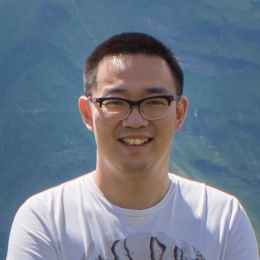
Dr. Carlos Mingoes is a Postdoctoral Research Assistant at the School of Engineering and Materials Science , Queen Mary University of London , working under the supervision of Prof. Ana Jorge Sobrido. Expertise : Electrochemistry, Electro/Photoelectrocatalysis, Energy Storage Materials, Redox Flow Batteries Affiliation : School of Engineering and Materials Science, Queen Mary University of London His research focuses on sustainable energy conversion and storage technologies, particularly developing carbon-based porous electrodes for redox flow batteries and electro/photoelectrocatalysts for water splitting . Recent work includes spin-selective iridium electrocatalysts for oxygen evolution, quantum dot-DNA conformational analysis, and FRET-based biosensing systems. Key publication trends: Electrocatalysis for energy applications (2023-2018) Fluorescence-based analytical methods (2019) Nanomaterial-biomolecule interactions (2018) Collaborative work spans energy storage , nano-biotechnology , and advanced spectroscopic techniques . He contributes to analytical chemistry innovations in nucleic acid detection and cellular metabolite quantification. Research collaborations include institutions such as Queen Mary University of London and technical teams working on: Advanced electrochemical systems Quantum dot-based architectures Upconversion nanoparticle applications
Rolf Sparidans is an Assistant Professor in the Department of Pharmacology within the Faculty of Science at Utrecht University. His academic career spans over three decades, with expertise in bioanalytical chemistry and pharmaceutical sciences. He completed his education in Analytical Chemistry at Eindhoven Technical University in 1990, earned his PhD at Leiden University Medical Center in 1997, and conducted post-doctoral research at Utrecht University from 1997-2001. His research interests focus on developing and applying liquid chromatography-mass spectrometry methods for analyzing endogenous compounds and drugs, particularly in kidney pharmacology. His work centers on cystine, protein-bound uremic toxins (PBUTs), and short-chain fatty acids (SCFAs). His extensive publication record demonstrates consistent contributions to bioanalytical method development, particularly for kinase inhibitors and compounds relevant to kidney function. His recent publications (2022-2025) show a continued focus on pharmacokinetic studies of various kinase inhibitors, with particular attention to drug transporters (ABCB1, ABCG2), metabolism pathways, and analytical method development. His work bridges analytical chemistry with clinical pharmacology, particularly in understanding drug distribution across biological barriers. Sparidans teaches analytical courses, pharmacokinetics, and biotransformation within the Pharmaceutical Sciences program. He serves on the editorial board of the Journal of Chromatography B, demonstrating his standing in the analytical chemistry community.
Dr. Qiuda Zheng is a Research Fellow at the Queensland Alliance for Environmental Health Sciences within the University of Queensland 's Faculty of Health, Medicine and Behavioural Sciences. He completed his PhD in 2022, focusing on wastewater-based epidemiology for substance use estimation. Research Focus : Linking public health data with wastewater analysis to monitor tobacco, alcohol, and pharmaceutical consumption trends Funding : Holds active grants from ARC, Queensland Corrective Services, Australian Taxation Office, and NHMRC Research Trends (based on 15 most recent articles): Specializes in refining correction/excretion factors for wastewater-based epidemiology Investigates substance use patterns across diverse populations (China, Australia, prisons) Develops analytical methods for drug/pharmaceutical detection in wastewater Examines environmental factors affecting biomarker transformation Scientific Awards : ARC Discovery Early Career Researcher Award (DECRA) NHMRC IDEAS Grant
Erin Prestwich is an Assistant Professor in the Department of Medicinal and Biological Chemistry at the University of Toledo within the College of Pharmacy and Pharmaceutical Sciences. Her research focuses on leveraging analytical chemistry, mass spectrometry, and chemical biology to explore nucleic acid modifications in disease pathophysiology, particularly in bacterial biofilms and inflammatory conditions. Ph.D. in Chemistry, Boston College (2006) B.A. in Chemistry, Wellesley College (1999) Her laboratory investigates how epigenetic and epitranscriptomic changes influence biofilm behavior, antibiotic resistance, and pathologies like diabetes and inflammatory bowel disease. This involves developing robust methods for RNA and DNA modification quantification, MALDI-based imaging techniques, and studying oxidative stress responses in microbial and mammalian systems. Recent publications highlight trends in RNA and DNA damage analysis, biofilm subpopulation characterization, and pharmaceutical development. These span fields such as mass spectrometry, microbiology, immunology, and disease biomarker discovery. Contact: erin.prestwich@utoledo.edu
Dr. Isaac T. Schiefer is a Professor of Medicinal and Biological Chemistry at the University of Toledo, serving as Director of the Center For Drug Design And Development (CD3) and Associate Director of the Shimadzu Laboratory For Pharmaceutical Research Excellence within the College of Pharmacy and Pharmaceutical Sciences. His laboratory is housed in the Frederic and Mary Wolfe Center. Dr. Schiefer's educational background includes a Post-doctoral Fellowship in Chemical Biology from Northwestern University (2013), a Ph.D. in Medicinal Chemistry from the University of Illinois at Chicago (2012), and a B.S.P.S. in Medicinal and Biological Chemistry from The University of Toledo (2007). His research program focuses on CNS drug discovery at the interface of medicinal chemistry and chemical biology. The Schiefer lab conducts work in two primary areas: target identification using chemical and cellular biology techniques, and small molecule hit-to-lead optimization using synthetic, bioanalytical, and bioorganic chemistry approaches. The lab employs a genuine multi-disciplinary approach including organic synthesis; bioanalytical characterization in primary neurons; metabolic stability analysis; in vivo pharmacokinetic studies (using HPLC and LC-MS-MS); analysis of pharmacodynamic markers (via ELISA, western blot, microscopy); and behavioral efficacy studies using murine and zebrafish models of learning, memory, and motor function. Analysis of Dr. Schiefer's recent publications (2021-2024) reveals a strong focus on neurodegenerative disorders, particularly Alzheimer's disease, with significant work on nitric oxide mimetics and furoxans. His research has expanded into the gut-brain axis, investigating how gut microbiome components affect drug efficacy, especially for cardiovascular medications. This emerging research direction demonstrates his ability to identify innovative paths with potential clinical impact across multiple therapeutic areas. Dr. Schiefer has received substantial research funding as Principal Investigator on multiple grants including a New Investigator Award from the American Association of Colleges of Pharmacy, an NIRG grant from the Alzheimer's Association, and multiple NIH grants (R01, R03) from NIA and NIDA. He serves on NIH study sections including The Blood-Brain Barrier, Neurovascular System and CNS Therapeutics, and has been a guest editor for a special issue on 'Pharmacology & Medicinal Chemistry of Nitric Oxide' in the journal Nitric Oxide. As Director of CD3 and Associate Director of the Shimadzu Laboratory, Dr. Schiefer leads research teams focused on translating basic discoveries into clinical applications. His laboratory maintains state-of-the-art facilities for organic synthesis, bioanalytical characterization, and in vivo studies using zebrafish and murine models, creating an integrated environment for drug discovery from target identification through preclinical development.
Professor MEHMET KAHRAMAN is currently serving as a Professor in the Department of Chemistry at Gaziantep University's Faculty of Arts and Sciences. With over 15 years of academic experience, he has progressed through the ranks from Assistant Professor (2012-2014) to Associate Professor (2014-2020) before attaining his current position as full Professor since 2020. His research is centered at the intersection of analytical chemistry, nanotechnology, and biomedical applications, with particular expertise in Surface Enhanced Raman Scattering (SERS) technologies. Dr. Kahraman received his Doctorate in Chemistry from Istanbul Technical University (2007-2011), followed by a Master's degree in Bioengineering from Yildiz Technical University (2005-2007), and completed his undergraduate education in Chemistry at Çukurova University (2000-2005). His academic journey began as a Research Assistant at Yeditepe University's Department of Genetics and Bioengineering (2005-2011), before transitioning to Gaziantep University. His primary research interests focus on developing advanced plasmonic nanomaterials for biomedical detection applications. He has pioneered work in SERS-based biosensors for pathogen detection, cancer biomarker identification, and antibiotic resistance monitoring. His laboratory specializes in fabricating tunable plasmonic nanostructures, particularly silver nanodomes and diatomite-based substrates, to enhance Raman scattering signals for sensitive molecular detection. Recent work increasingly integrates machine learning techniques with spectroscopic data for improved diagnostic accuracy. His research has significant implications for point-of-care diagnostics and clinical laboratory applications. Analyzing his publication record reveals a clear trajectory from fundamental nanomaterial development toward increasingly sophisticated biomedical applications. His early work focused on nanomaterial synthesis and characterization, while recent publications (2021-2024) demonstrate strong emphasis on clinical applications, particularly in detecting antibiotic-resistant bacteria and cancer biomarkers using machine learning-enhanced SERS platforms. The consistent high-impact publication record across SCI-expanded journals demonstrates sustained research excellence. TÜSEB Incentive Award (2018) Outstanding Young Scientist Award from Turkish Academy of Sciences (TÜBA) (2018) Young Scientist Award from Gaziantep University (2015) Professor Kahraman has successfully supervised eight graduate students to completion of their theses, spanning topics from plasmonic nanodomes to SERS-based biosensors. He has secured multiple competitive research grants, including seven TÜBİTAK projects where he served as principal investigator on four major grants (1001, 3501, and two others), focusing on plasmonic nanostructures for bioanalytical applications and pathogen detection. His international research collaborations include positions as Visiting Professor at McGill University (2017) and Postdoctoral Researcher at University of California Davis (2012-2013). His laboratory maintains active research programs in plasmonic nanomaterial fabrication, SERS substrate development, and biosensor design. The research group collaborates extensively with medical researchers for clinical validation of detection platforms, particularly in the areas of bacterial identification and cancer biomarker detection. Current work focuses on flexible, low-cost SERS platforms for point-of-care applications and machine learning integration for improved diagnostic accuracy.
Dr. Miao Zhang is an Associate Professor in the School of Pharmacy at Chapman University, specializing in ion channels, structural biology, electrophysiology, drug discovery, and movement disorders. His research focuses on understanding the structure and function of small-conductance Ca 2+ -activated K + (SK) channels and developing structure-aided drug discovery approaches for neurological and cardiovascular diseases. Hebei Medical University, Bachelor of Science Hebei Medical University, Master of Science Kyoto University, Ph.D. in Pharmaceutical Sciences (2007) Dr. Zhang's research program utilizes structural biology techniques to investigate ion channels as potential drug targets. His laboratory focuses on two primary research areas: (1) structure-aided drug discovery targeting SK2 channels for movement disorders including ataxia and essential tremor; and (2) structure-aided drug discovery targeting SK3 channels for vascular diseases. His work bridges molecular structure, channel function, and therapeutic applications, with particular emphasis on understanding how mutations and pharmacological modulators affect channel behavior. Analysis of Dr. Zhang's recent publications reveals a consistent focus on the structural determinants of potassium channel function, particularly the role of specific domains like the HA/HB helices and S4-S5 linker in channel gating and modulation. His research demonstrates how subtle structural changes can dramatically alter channel properties and how these insights can be leveraged for developing subtype-selective therapeutics. The publications span multiple disciplines including molecular pharmacology, structural biology, and disease modeling. Dr. Zhang is an active member of several professional organizations including the Biophysical Society, Society for Neuroscience, and American Heart Association, reflecting the interdisciplinary nature of his research. With over 20 peer-reviewed publications in high-impact journals such as Nature Chemical Biology, Science Advances, PNAS, and Nature Communications, Dr. Zhang has established himself as a significant contributor to the field of ion channel research and drug discovery. His work has been cited extensively, demonstrating its impact on understanding channel structure-function relationships and therapeutic targeting.
Michael A. Johnson is an Associate Professor in the Department of Chemistry at the University of Kansas , where he has been developing and applying bioanalytical techniques to study neuronal communication and neurological disorders. His research integrates fluorescence microscopy , fast-scan cyclic voltammetry , and microfluidics to analyze neurotransmitter dynamics. Education: B.S. from the United States Air Force Academy (1988), M.S. from the University of Colorado (2000), Ph.D. from the University of Virginia (2002), and Hereditary Disease Foundation Postdoctoral Fellowship at the University of North Carolina at Chapel Hill (2005). Research Interests: Johnson’s group focuses on: Huntington’s Disease: Investigating dopamine depletion in animal models using in vivo and ex vivo electrochemical methods. Chemobrain: Studying cognitive decline post-chemotherapy through dopamine release/uptake impairments in Wistar rats. Oxidative Stress: Exploring its impact on neuronal function via electrochemical and microscopy techniques. Caged Compound Photolysis: Combining light-activated molecules with voltammetry to resolve neurotransmitter interactions. Microfluidic Devices: Developing tools for studying neurotransmitter release from brain slices. Scientific Awards: Recognized with the ACS Editor’s Choice Award and journal cover feature in 2016. His work has been highlighted in Science Daily , Medical News Today , and other outlets. Advising and Collaborations: He currently mentors PhD candidates and students, including Piyanka Hettiarachchi, Ashley Litton, and Jacob Theismann. Collaborations with Prof. Rich Givens (KU Chemistry) and contributions to major publications underscore his interdisciplinary impact.
Dr. Yakov Woldman is a Professor in the Department of Chemistry at Valdosta State University. He teaches freshman chemistry I and II (with labs), honors chemistry (with labs), and biochemistry I and II (with labs). His research focuses on detecting reactive oxygen and nitrogen species in biological systems, particularly through chemiluminescence and quantitative analysis of cellular reactive species generation. Research Interests: Detection of reactive oxygen/nitrogen species in biological systems Quantitative assessment of reactive species generation by cells Development of chemiluminescence-based detection methods Design of pH-sensitive nanoprobes for biomedical applications Publications highlight his work in nitric oxide detection, chemiluminescence techniques, and nanoparticle-based analytical tools.
Kwon Seong-won is a Professor at the Department of Pharmacy, College of Pharmacy, Seoul National University, where he has held continuous faculty appointments since 2005. His academic foundation was established entirely at Seoul National University, culminating in a PhD in Pharmacy in 2001 after completing BS (1996) and MS (1998) degrees there. Prior to his faculty appointment, he conducted postdoctoral research at Indiana University (2001-2002) and Southwestern Medical Center (2002-2005). Education PhD in Pharmacy, Seoul National University (2001) MS in Pharmacy, Seoul National University (1998) BS in Pharmacy, Seoul National University (1996) Professor Kwon's research centers on advanced mass spectrometry applications in biological systems. His primary focus areas— Mass Spectrometry-Based Metabolomics , Single Cell Spatial Lipidomics , and Bioanalytical Method Development —converge on understanding metabolic and lipidomic alterations at cellular and molecular levels. His work bridges analytical chemistry with disease mechanisms, particularly in oncology, immunology, and nanotoxicology, emphasizing translational applications for drug analysis and disease diagnostics. Analysis of his 2018-2024 publications reveals a consistent trajectory in multi-omics approaches to complex biological problems. His research spans thyroid cancer metabolic phenotyping, nanoparticle toxicity mechanisms, tumor microenvironment remodeling, and rheumatoid arthritis lipidomics. A unifying theme is the application of spatial lipidomics and metabolomics to uncover disease-specific metabolic signatures, with strong emphasis on nanomaterial-biological interactions and immune-metabolic crosstalk. Scientific Awards No specific awards were documented in the source materials. While student mentorship details are absent from the provided information, his prolific publication record in high-impact journals (including Nature Communications and ACS Nano) indicates active supervision of graduate researchers. His laboratory operations, referenced by lab fax (886-7844), support advanced mass spectrometry workflows for lipidomic and metabolomic analyses at Seoul National University.
Susan M. Lunte is the Ralph N. Adams Distinguished Professor of Chemistry and Pharmaceutical Chemistry and Director of the Adams Institute for Bioanalytical Chemistry and the NIH COBRE Center for Molecular Analysis of Disease Pathways at the University of Kansas School of Pharmacy. Her research bridges neurobiology, analytical chemistry, and bioengineering. Education: B.A. from Kalamazoo College (1980), Ph.D. from Purdue University (1984) Research interests focus on bioanalytical methods for blood-brain barrier peptide transport, microdialysis-coupled microchip electrophoresis, and cell-based assays for oxidative stress markers. Projects include chip-based clinical diagnostics for heart disease and on-animal sensors for neurotransmitter monitoring. Recent publications highlight advancements in microfluidic devices for in vivo neurochemical analysis, carnosine’s anti-inflammatory properties, and portable electrochemical detection systems. Key subfields include neuroactive peptides, drug metabolism, and biomedical microsystems. She leads the Lunte Research Group, which develops miniaturized sensors for freely moving animals and clinical diagnostics. Research facilities include the Multidisciplinary Research Building and NIH-funded infrastructure.
Minyong Li is a Professor of Medicinal Chemistry at the School of Pharmacy, Shandong University. He earned his B.S. and Ph.D. from China Pharmaceutical University and conducted postdoctoral research at Georgia State University. His work spans medicinal chemistry, chemical biology, and computational methods. Rational design of therapeutic agents targeting enzymes, GPCRs, and ion channels Development of optical sensors for biomolecules Computational modeling using QSAR, pharmacophore, and molecular dynamics His publications focus on fluorescent probes, QSAR studies, and computational modeling of drug targets. Awards include SCOPUS Young Scientist, New Century Excellent Talent, and multiple NSFC-funded projects. He serves as Associate Editor for Medicinal Research Reviews and on editorial boards of four journals.
Dr. Ina Albert is a researcher at the Zurich University of Applied Sciences , School of Life Sciences and Facility Management, Department of Pharmaceutical Technology and Pharmacology. She focuses on ethnopharmacology, photodynamic therapy, and natural product validation for cancer treatment. Active projects include historical text analysis of 16th-century Swiss herbal recipes Developed extracellular vesicle functionalization platforms Investigated oxygen concentration effects on glioma cells Research Trends : Combines traditional medicine with modern bioanalytical methods, studying plant-derived compounds for dermatological and oncological applications. Scientific Contributions : Published in Journal of Ethnopharmacology , Nanomedicine , and Chemistry - A European Journal , focusing on photodynamic therapy, metabolite profiling, and plant bioactivity.
John Kalu Osiri serves as Associate Professor of Practice in Management and Director of the International Business Program at the University of Nebraska-Lincoln's College of Business, where he is also a Robert B. Daugherty Water For Food Institute Faculty Fellow. A global educator and executive leadership coach, he integrates academic rigor with practical business experience across international contexts. His educational credentials include a Management Development Program from Harvard University, an AACSB-sanctioned Post-Doctorate in International Business and Entrepreneurship from the University of Florida, a Ph.D. in Bioanalytical Chemistry from Louisiana State University, and a B.S. in Chemistry (with minors in Biology and Mathematics) from Grambling State University. Osiri's research centers on decolonizing management practices through African indigenous knowledge systems, with significant focus on Igbo management philosophy and cross-cultural leadership. He investigates how cultural contexts shape entrepreneurial intentions, social media's impact on consumer behavior and workplace productivity, and sustainable development frameworks in African and Indian contexts. His work bridges neurochemistry of leadership with practical applications for organizational change. His recent publications reveal a clear trajectory toward decolonizing business scholarship, examining pandemic impacts in Sub-Saharan Africa, sustainable energy solutions, and the symbiotic relationship between innovation and entrepreneurship through culturally grounded lenses. Notable recognitions include the Chancellor’s Fulfilling the Dream Award (2018) for expanding global student opportunities and his Water For Food Institute fellowship. As Doctoral Faculty Associate, Osiri mentors graduate students and serves on dissertation committees. He previously directed faculty-led study abroad programs in Spain and France, and actively contributes to university governance through committees focused on equity in faculty evaluation and pandemic response leadership. His community engagement includes founding the Afrikan Community of Nebraska and serving on credit union boards. He founded Osiri University to address educational disparities in Africa and authored "Unleashing Your Idea" and "Entrepreneurial Marketing," while maintaining active roles in the Academy of International Business and Consortium for Undergraduate International Business Education.
Hongyi Xu is a researcher and principal investigator at the Department of Chemistry, Stockholm University , specializing in electron crystallography for structure determination of materials and biomolecules. He completed his PhD in Materials Engineering at the University of Queensland (2013) with the Dean’s Award for Research Excellence and John Simmons Prize for Best Thesis , followed by a postdoc at SU (2014–2016) under Prof. Xiaodong Zou. Education BEng (Hons) in Mechatronics, University of Queensland (2009) PhD in Materials Engineering, University of Queensland (2013) Current Role Principal Investigator, Stockholm University (2018–Now) Lecturer for Electron Crystallography (2022–Now) Guest Lecturer for Bioanalytical Chemistry and Experimental Chemistry Methods (2020–Now) Research Focus : Development of MicroED and 3D electron diffraction methods for solving structures of submicron/nanocrystals from proteins to pharmaceuticals. Key projects include: Charge state analysis in metalloenzymes Fragment-based drug design via high-throughput MicroED Multidimensional toolkit for modern electron microscopy Cryo-EM applications (SPA, cryo-ET, MicroED) Scientific Contributions : Solved over 180 novel structures (2018–2023) using MicroED, including first protein structures and protein-inhibitor binding studies. Collaborated with 25+ international groups to establish 3D ED facilities. Scientific Awards : Wenner-Gren Postdoc Fellowship (2014–2016) Young Scientist Lecturer Award (2019) Consultant, IUCr Commission on Electron Crystallography (2021–Now) Grants : Secured 6 competitive projects totaling ~SEK 18.6M, including a Swedish Research Council Starting Grant (2018–2021) and European Commission NanED ITN (2021–2025). Supervision : Mentored 1 postdoc (main), 3 postdocs (co), 2 PhD students (main), and 4 PhD students (co) at SU. Alumni include researchers at UCLA, Karolinska Institute, and Rosalind Franklin Institute.