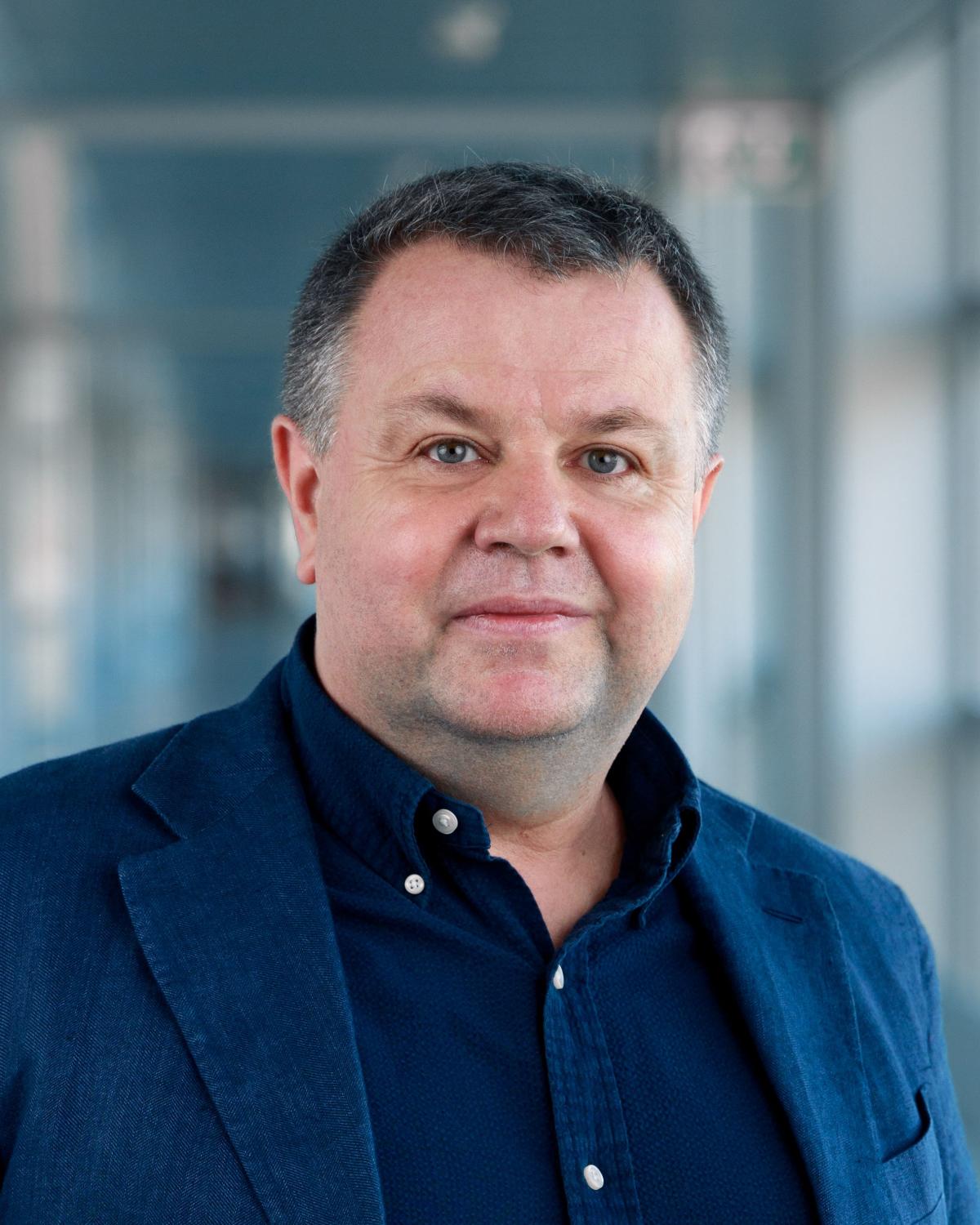
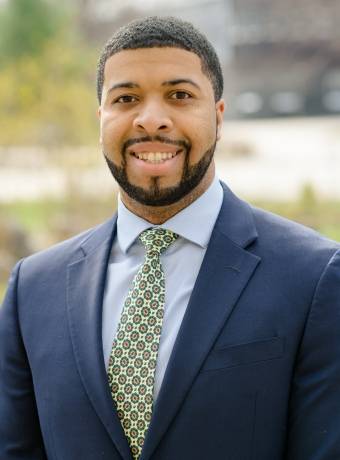
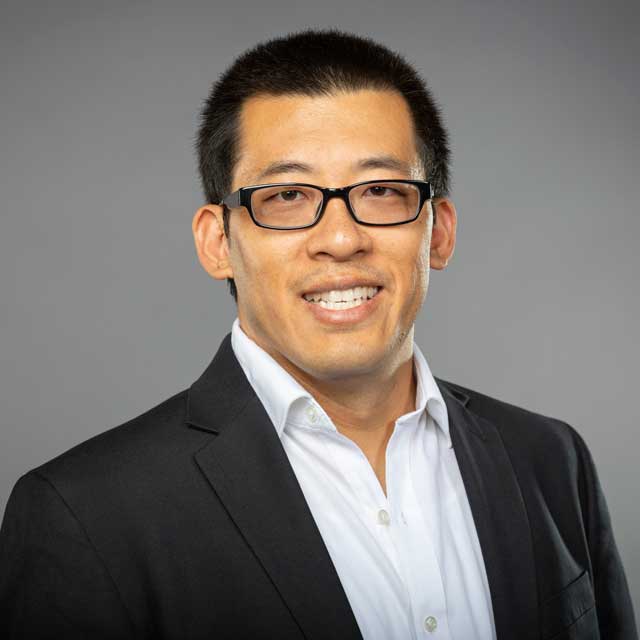
Jörg F. Löffler is a Full Professor of Metal Physics and Technology at the Department of Materials, ETH Zürich , where he has been since 2003. He previously served as Chairman of the Department (2010–2013) and holds Adjunct Professor positions at Tohoku University (Japan) and a Visiting Faculty role at Caltech. His research focuses on bulk metallic glasses , metallic biomaterials , and magnetic materials , combining synthesis, characterization, and applications in biomedical and structural contexts. Educations : Studied Physics and Materials Science at Saarland University (Germany), earned his doctorate at ETH Zurich and Paul Scherrer Institute on magnetism and neutron scattering (1997). Research Trends : Recent work explores additive manufacturing (e.g., laser powder bed fusion), biodegradable magnesium alloys for implants, and magneto-structural coupling in metallic glasses. Collaborative efforts integrate in situ analysis with computational modeling. Scientific Awards : International Magnesium Science and Technology Award (2023) MRS Fellow (2021) DGM 'Breakthrough' Prize (2016) Masing Memorial Prize (2005) ETH Zurich Medal (1998) Alexander von Humboldt Fellowship (1998-2001) Löffler advises the Department of Materials Science and Engineering at UC Davis and serves on editorial boards. His group at ETH Zürich investigates advanced metallic materials using synchrotron radiation and neutron scattering facilities.
Gerhard M. Sessler is a Professor at the Department of Electro-acoustics, Technische Universität Darmstadt. His research focuses on advanced materials and transducers, particularly ferroelectrets and piezoelectrets. He has pioneered work on energy harvesting systems, wearable sensors, and acoustic metamaterials. His contributions bridge electroacoustics, materials science, and biomedical engineering. Key research areas include: Design of piezoelectric materials with tunable properties Development of biodegradable and sustainable sensor technologies Innovations in vibration-based energy harvesting Applications in wearable devices and medical monitoring His work emphasizes practical applications of fundamental physics, such as smart clothing sensors and eco-friendly materials for force myography. Over 50 peer-reviewed articles since 2015 highlight advancements in ferroelectret-based transducers, 3D-printed energy systems, and biomedical sensor integration. Notable trends in his publications include: Focus on material microstructure and performance optimization Exploration of biodegradable and additive manufacturing approaches Integration of sensors into wearable and implantable systems Expansion of ferroelectret applications across disciplines
Roger Guillory serves as an Assistant Professor in the Joint Department of Biomedical Engineering at Marquette University and Medical College of Wisconsin, and holds a secondary appointment as Assistant Professor in the MCW Department of Pediatrics. He directs the Regenerative Engineered Biomaterials Lab, where his research focuses on developing innovative biomaterials solutions for vascular medical applications. Dr. Guillory earned his BS and PhD in Biomedical Engineering from Michigan Technological University, followed by a Postdoctoral Research Fellowship at Northwestern University's Department of Biomedical Engineering. His educational background provides a strong foundation in both the theoretical and practical aspects of biomaterials science and engineering. His research program centers on cellular and molecular interactions of bioactive materials, with particular emphasis on bioabsorbable metals and advanced biomaterials characterization techniques. Dr. Guillory's work specifically targets the development of biomaterials for vascular medical devices, including stents and other implantable technologies that can safely degrade within the body while promoting healing. His laboratory investigates how material properties influence biological responses, with the goal of creating next-generation medical devices that minimize complications and improve patient outcomes. Analysis of Dr. Guillory's recent publications reveals a strong focus on magnesium-based biomaterials and their applications in vascular medicine. His research spans from fundamental materials science investigations to preclinical in vivo testing, with particular attention to corrosion behavior, endothelialization processes, and inflammatory responses. The work demonstrates a clear trajectory toward clinical translation of bioresorbable metallic implants, especially for cardiovascular applications. Dr. Guillory currently leads multiple significant research projects, including an NIH-funded study on bioresorbable magnesium alloys and their interactions with the inflammatory microenvironment. His work bridges engineering principles with clinical needs, positioning him at the forefront of regenerative biomaterials development. As principal investigator on multiple grants, Dr. Guillory manages research funding from both the Medical College of Wisconsin's Cardiovascular Research Center and the National Institutes of Health. His current projects focus on predicting degradation rates of arterial magnesium implants using machine learning approaches, understanding the relationship between magnesium alloy corrosion and inflammatory responses, and developing biodegradable elastomers for vascular grafts. These projects involve interdisciplinary collaborations across engineering, medicine, and data science disciplines. At the Regenerative Engineered Biomaterials Lab, Dr. Guillory leads a research team dedicated to advancing the field of bioresorbable metallic implants. The lab employs a multidisciplinary approach combining materials science, cellular biology, and engineering design to develop novel solutions for vascular interventions. Current projects focus on optimizing material composition, surface modifications, and device designs to improve biocompatibility and functionality of next-generation medical implants.
Dr. Yifei Jin is an Assistant Professor at the University of Nevada, Reno (UNR), leading the UNR 3D Printing Lab within the College of Engineering's Department of Mechanical Engineering. His research focuses on advanced 3D printing techniques, particularly in bioprinting, yield-stress fluids, and biomedical applications. Key projects include developing biodegradable vascular stents, hydrophobic functional materials, and stimuli-responsive materials for 4D printing. He actively mentors graduate students and welcomes visiting scholars, offering research opportunities in polymer processing, additive manufacturing, and material science. Affiliations: UNR 3D Printing Lab, College of Engineering (Mechanical Engineering) Research Themes: 3D Bioprinting, Yield-Stress Fluids, Metal 3D Printing, Medical Device Design His work integrates material science with fabrication methodologies to address challenges in tissue engineering and medical device development. Recent studies emphasize embedded ink writing, fluid-bath assisted printing, and high-speed organ construct fabrication. The lab collaborates on projects ranging from pediatric surgical solutions to aerospace-inspired actuators. Dr. Jin’s lab has pioneered techniques like nanoclay suspension-enabled bioprinting and fluid-bath-assisted microfluidic chip manufacturing. He emphasizes translational research, bridging fundamental material studies with clinical applications such as personalized surgical solutions and wearable sensors.
Javier LLorca is a Professor in Materials Science at the Technical University of Madrid and Scientific Director of IMDEA Materials Institute since 2017. His work spans computational materials science, metallurgy, and biomedical composites. Research Interests Multiscale modeling of metallic alloys Slip transfer and fracture mechanics Machine learning for materials discovery Bioabsorbable Mg/PLA composites Publications Trends His recent articles (2023-2025) focus on: Grain boundary interactions in Ti and Mg alloys Mechanical behavior of high-entropy alloys First-principles analysis of precipitation Machine learning applications in twin nucleation Bioabsorbable composite degradation modeling
Thashree Marimuthu is an Associate Professor of Pharmaceutical Chemistry at the University of the Witwatersrand's Faculty of Health Sciences. She leads research in the Wits Advanced Drug Delivery Platform (WADDP) Research Unit and is an NRF Y-rated researcher. Her academic journey includes BSc, BSc Honours (University of KwaZulu-Natal, 2006), and a PhD (2012, upgraded from MSc) in homogenous catalysis. She transitioned to pharmaceutical chemistry and health sciences to address healthcare challenges through drug delivery innovations. Research Interests : Molecular engineering of precise systems, drug delivery systems, nanomedicine, and biomaterials. Her work focuses on hydrogels, nanoparticles, and biodegradable materials for wound healing, cancer therapy, and controlled drug release. Recent advancements include pH-responsive hydrogels and targeted SPIONs for lung cancer treatment. Publications & Awards : Over 50 publications (14 as first author) in top journals like Carbohydrate Polymers and Cancers . Awards include the 2022 Friedel Sellschop Research Award and SAYAS Membership (2021). She co-invented a thermoresponsive hydrogel and contributed to over 40 national/international conferences. Grants & Mentorship : Secured grants including SAMRC Self-Initiated Research (2022) and NRF grants (e.g., Molecular Engineering of Peptide Hydrogels). Supervised 3 PhD and 6 Master’s graduates. Recognized for mentoring (2013, 2019) and teaching excellence (2019 Phillip Tobias Award). Labs/Teams : Co-leads the WADDP Unit and contributes to the CELENA X High Content Imaging Platform. Serves on the Controlled Release Society (CRS) South Africa executive committee.
Dr. Helen Xu is a Senior Lecturer in the School of Biomedical Engineering at the University of Technology Sydney (UTS), within the Faculty of Engineering and Information Technology (FEIT). She holds a PhD in Materials and Chemical Engineering from the University of Western Australia (UWA) and has held prestigious fellowships, including the Chancellor's Postdoctoral Research Fellowship at UTS (2021) and a Macquarie University Research Fellowship (2015–2017). Her research focuses on biomaterials for biomedical implants, biodegradable metals for tissue engineering, and inorganic luminescent nanocrystals for medical imaging and drug delivery. She also explores applications in cancer therapy and Type I Diabetes treatment. Education: PhD (UWA), BEng (Harbin Engineering University) Research Highlights: Development of Cu-Fe alloys for contraception devices, quantum emitters in hBN, and 3D-printed hydrogels for water treatment. Dr. Xu's funded projects include grants for bioabsorbable stents, nanoscale engineering of upconversion materials, and immunomodulatory agent delivery systems. She teaches courses such as Materials Science and Chemistry and Medical Imaging Technologies , and supervises Master’s and PhD students. She actively contributes to professional organizations, including IEEE and the Australasian Society for Biomaterials and Tissue Engineering. Her leadership roles include organizing workshops for women in STEMM and serving on editorial boards for Materials Letters and Bioactive Materials . Key awards include the Chancellor’s Fellowship and Macquarie Fellowship.