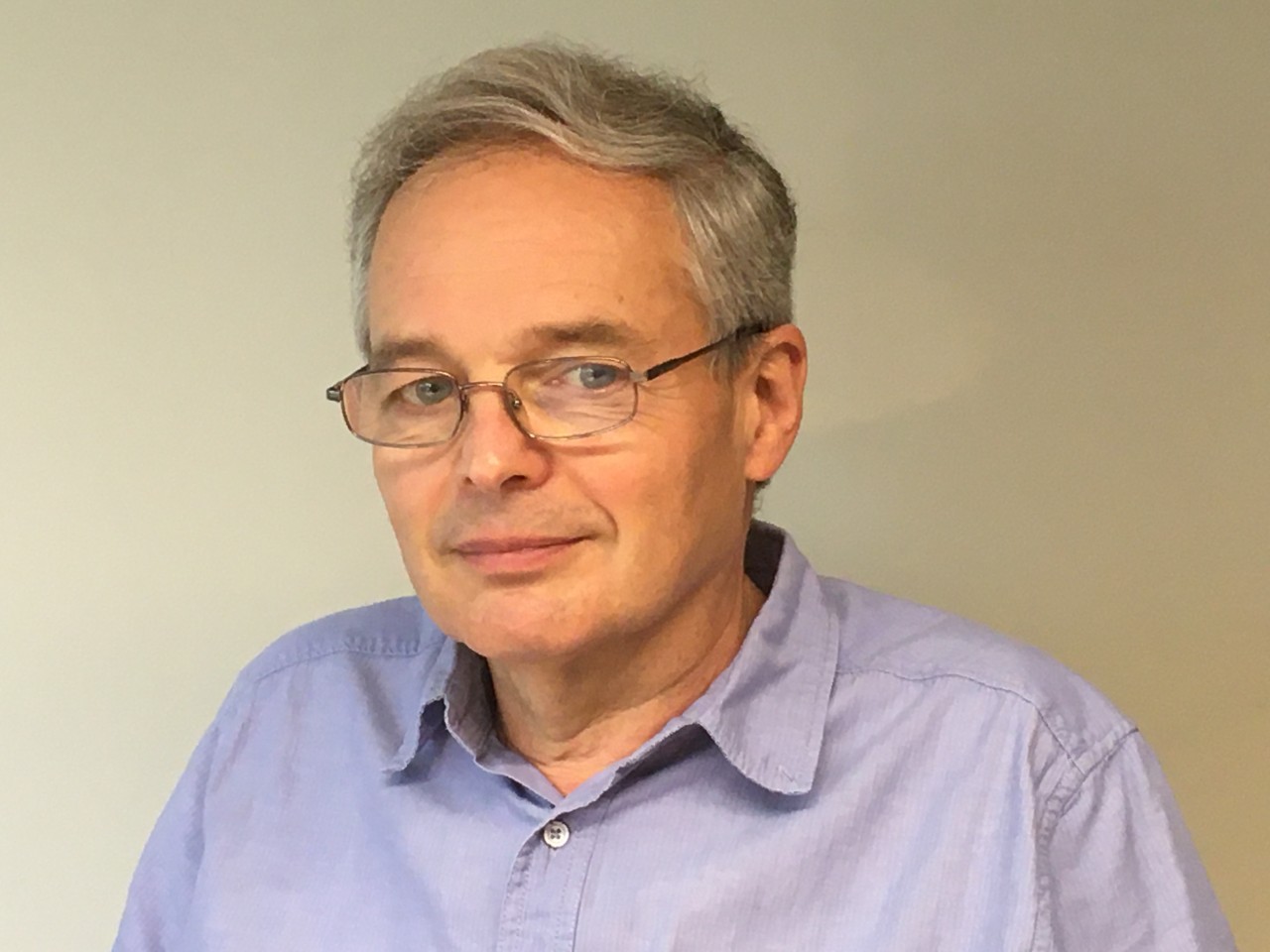
Rajmund Mokso is a senior scientist and professor at the MAX IV Laboratory, Lund University, and an honorary professor at the Technical University of Denmark. He specializes in X-ray physics with a focus on advanced imaging techniques for biology and material science applications, including coherent imaging, time-resolved tomography, and phase-sensitive contrast enhancement. Since 2015, he has served as a Scientist and Med MAX project leader at Lund University, following roles at institutions like the Paul Scherrer Institut and the European Synchrotron Radiation Facility. Key Roles : IPDD WG 3 member, Imaging Core Group member at LINXS Expertise : X-ray imaging instrumentation design, in vivo bio-imaging, wave-optics modeling for phase effects His work emphasizes improving temporal and spatial resolution in imaging systems. Work Experience : 2015–present: Scientist/Med MAX project leader, Lund University 2009–2015: Beamline Scientist, Paul Scherrer Institut Scientific awards include being named a LINXS Fellow.
Kaiwen Hsiao is an Assistant Professor in the Department of Materials Science and Engineering at Texas A&M University's College of Engineering, where he leads research at the intersection of advanced manufacturing and polymer physics. His work focuses on developing high-resolution additive manufacturing techniques and understanding fundamental polymer dynamics for biomedical applications. Dr. Hsiao's research program centers on Additive Manufacturing (particularly CLIP-based 3D printing achieving single-digit micrometer resolution), Polymer Physics (ring/linear polymer dynamics in semidilute solutions), Single Molecule Spectroscopy , and Complex Fluid Dynamics . His innovations enable novel applications in transdermal drug delivery systems and microscale sensor design, bridging fundamental science with engineering solutions. Analysis of his publication trajectory reveals two dominant research threads: cutting-edge advancements in high-resolution 3D printing (accounting for 60% of recent work) and foundational studies of polymer dynamics (40%). The manufacturing research emphasizes precision engineering for biomedical devices, while the polymer studies provide critical insights into molecular behavior under flow conditions. His significant recognition includes: 2022 Stanford Wu-Tsai Human Performance Fellow 2022 Stanford Bio-X Travel Award 2022 ACS PMSE Future Faculty Award 2021 Stanford MIPS poster presentation First Prize 2017 ChBE Graduate Symposium Presentation Second Prize 2016 GLCACS Outstanding Student Research Award 2016 AIChE Excellence in Graduate Polymer Research 2015 Dow Company Graduate Fellowship 2014 Mavis Future Faculty Award While specific grant details and student mentorship records aren't publicly documented, Dr. Hsiao's collaborative publications with Stanford researchers and industry partners (notably Joseph M. DeSimone) indicate strong external funding support and an active research group. His work with microfluidic systems and polymer characterization platforms suggests specialized laboratory facilities for advanced materials synthesis and testing.
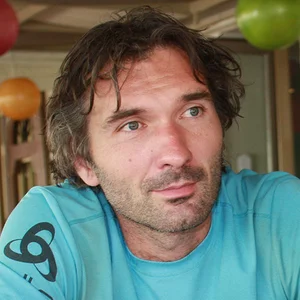
Steven Lohrenz, PhD, is a Professor at the University of Massachusetts Dartmouth's School for Marine Science & Technology (SMAST), specializing in Estuarine & Ocean Sciences. His expertise spans satellite oceanography, phytoplankton ecology, and aquatic optics, with a strong focus on carbon cycling and remote sensing in marine environments. Education: PhD, Massachusetts Institute of Technology/Woods Hole Oceanographic Institution (1985) BA, University of Oregon (1978) Research Interests: His work centers on biological productivity, carbon and nutrient cycling in coastal and oceanic systems, leveraging ship-based measurements, optical remote sensing, and ecosystem modeling. He investigates land-ocean interactions, climate impacts, and harmful algal blooms, contributing to critical understanding of marine carbon dynamics and environmental change. Grants & Projects: Dr. Lohrenz leads significant interdisciplinary projects, including NASA-funded research on carbon management decision support systems and NOAA-supported quantitative fisheries science initiatives. His collaborative efforts extend across institutions like Auburn University and the University of Delaware, addressing pressing marine and environmental challenges. Scientific Contributions: While no specific awards are listed, his extensive publication record in high-impact journals like Remote Sensing of Environment and Global Change Biology underscores his influential role in advancing marine science and remote sensing technologies.
Lizhi Sun is a Professor in the Civil and Environmental Engineering Department at the Samueli School of Engineering, University of California, Irvine. His research focuses on micro/nanomechanics of heterogeneous composite materials with applications spanning civil, mechanical, aerospace, electronic, and biomedical engineering disciplines. He maintains the Smart Nanocomposites Lab at UCI and has established himself as a leading researcher in advanced materials mechanics. Education: Ph.D., University of California, Los Angeles, Structural Mechanics, 1998 M.S., University of California, Los Angeles, Civil Engineering, 1997 M.S., Peking University, China, Solid Mechanics, 1990 B.S., Zhejiang University, China, Engineering Mechanics, 1987 Professor Sun's research centers on the micro/nanomechanics of heterogeneous composite materials, with particular emphasis on magnetorheological elastomers, computational mechanics, and multiscale modeling approaches. His work bridges fundamental mechanics with practical applications in civil infrastructure, aerospace systems, and biomedical devices. Recent research has expanded into sustainable materials, energy harvesting from waste materials, and AI-enhanced computational mechanics for structural analysis. Professor Sun's publication record demonstrates consistent leadership in materials mechanics, with a noticeable shift toward sustainable engineering solutions and AI integration in recent years. His work spans from fundamental micromechanics to practical applications in structural health monitoring and energy harvesting. The interdisciplinary nature of his research is evident in publications spanning civil engineering, materials science, mechanical engineering, and biomedical applications. Scientific Awards: Fellow of AAAS (2017) Fellow of ASCE's Engineering Mechanics Institute (2014) UCI Civil and Environmental Engineering Professor of the Year (2013) AFRL Faculty Fellow (2011) UCI School of Engineering Fariborz Maseeh Best Faculty Research Award (2008) Honda Research Initiation Award (2006) Iowa Chapter Chi Epsilon Special Recognition Award (2003) University of Iowa Old Gold Fellow (2003) University of Iowa CARVER Research Award (2000) UCLA Engineering School Outstanding Ph.D. Award (1998) Professor Sun has secured significant research funding from diverse sources including NSF, Army, Air Force, Navy, Northrop Grumman, and Honda R&D. He serves as editor of the International Journal of Damage Mechanics and associate editor for several ASCE journals. With over 180 publications including 95 peer-reviewed journal papers, he has organized more than 50 symposia and reviewed for over 80 journals and 10 funding agencies. His professional service includes leadership roles in ASCE committees focused on nanomechanics and multiscale behavior. Professor Sun leads the Smart Nanocomposites Lab at UCI, which focuses on developing advanced materials with applications in structural health monitoring, energy harvesting, and sustainable engineering solutions. The lab employs both experimental and computational approaches to investigate material behavior across multiple scales, from nanoscale interactions to macroscopic structural performance.
Zhuangkun Wei is an Assistant Professor in the Department of Engineering at Durham University, with additional academic visiting status at the Department of Computing, Imperial College London. His research spans machine learning, signal processing for wireless communications, and UAV control systems, with a particular focus on security applications in next-generation communication networks. Wei's research interests include physical layer security, control layer security for autonomous systems, and molecular communications. His work has identified new eavesdropping threats from malicious meta-surfaces designed for 6G communications, developed explainable adversarial learning frameworks for physical layer secret key generation, and proposed innovative control layer security mechanisms for UAV communications. He has also pioneered graph sampling methodologies for nonlinear networked dynamics and developed computational efficiency algorithms for molecular communications. His publication record shows a strong focus on security applications in wireless communications, with particular emphasis on reconfigurable intelligent surfaces, physical layer security, and autonomous systems. The research demonstrates a progression from theoretical frameworks to practical demonstrations, with applications in 6G networks, drone security, and molecular communications. Bell Labs Prize Semi-Finalist 2019 Wei has led postdoctoral researchers for Pillar 2 of the CHEDDAR project, collaborating with research groups from Glasgow University and Cranfield University. His proof-of-concept demonstrations in control layer security have helped secure industrial support for future fellowships and grant applications. His research has attracted significant attention in both academic and industrial circles, particularly for applications in secure 6G communications and UAV security. His work is associated with the Communications and THz and Electrical Power research centers at Durham University, where he contributes to advancing secure communication technologies for next-generation networks.
Giorgia Montalbano is a Fixed-term Assistant Professor in the Department of Applied Science and Technology (DISAT) at the Polytechnic University of Turin, specializing in Materials Science and Technology. She is an active member of both the College of Biomedical Engineering and the College of Chemical and Materials Engineering, where she serves as an invited member. Dr. Montalbano's research focuses on biomaterials for biomedical applications, particularly in bone tissue engineering. Her work encompasses 3D printing of biomimetic scaffolds, electrospinning techniques, collagen-based materials, and smart materials development. She has made significant contributions to the fields of scaffold fabrication, surface modifications, and the development of functional (bio)materials for regenerative medicine applications. Her research often involves the development of innovative strategies for bone regeneration, including the incorporation of bioactive components like strontium-doped glasses and hydroxyapatite nanorods into collagen-based scaffolds. Her recent publications demonstrate a strong focus on advanced materials fabrication techniques, with particular emphasis on 3D printing, electrospinning, and the development of biomimetic systems that replicate natural bone structure and function. Her work bridges materials science with biomedical applications, creating novel solutions for tissue engineering challenges. Dr. Montalbano serves as the Scientific Director for the FOCAL project (FIBER OPTIC SENSORS AS A PLATFORM FOR CANCER DIAGNOSIS AND IN VITRO MODEL TESTING), funded under the PNRR Mission 4. She has been actively involved in teaching both at the PhD level (Smart Materials for Biomedical Applications: Scaffolds and Sensors) and Master's level (Materials Engineering, Engineered Materials and Surfaces for Medical Applications) since at least 2019-2020. Her laboratory work is conducted within the Institute of Science and Engineering of Materials for Innovative Technologies (DISAT), specifically in the 3D Fabrication and Characterization of Functional (Bio)Materials Lab, Biomaterials Characterization Laboratory, and Advanced Electron Microscopy Laboratory.
Ali Emre Pusane is a Professor in the Department of Electrical and Electronics Engineering at Bogazici Universitys Faculty of Engineering. He holds a PhD in Electrical Engineering from the University of Notre Dame (2008), an MSc in Applied Mathematics, and dual MSc degrees in Electrical Engineering and Electronics/Communications. His research focuses on signal analysis theory with applications in digital communications, molecular networks, error-correcting codes, and nanoscale communication systems. Key interests include low-complexity algorithms for signal detection, modulation techniques for biological channels, and optimization of distributed systems. Recent publications demonstrate strong emphasis on molecular communication modeling, machine learning applications in signal classification, and hardware implementation of communication protocols. Articles frequently explore intersections of information theory, computational methods, and biophysics. As senior IEEE member, he leads the Bogazici University Signal Analysis Research Group (BUSARG), investigating automatic signal detection, spectrum monitoring, and emitter identification. His laboratory develops embedded systems for FEC encoders/decoders and radar signal processing.
Sangeetha Ravi Kumar is a Researcher in the Ambati Lab at the University of Oregon's Knight Campus. She holds a doctorate in biochemistry from the Central Food Technological Research Institute at the University of Mysore, India. Her career includes postdoctoral and research roles at Hokkaido University (Japan), Louisiana State University, University of Utah, and Loma Linda University. Her research focuses on understanding mechanisms of corneal and retinal diseases, with emphasis on developing novel therapies using bio-functional molecules. Key research areas include corneal nerve regeneration, genetic disease modeling via CRISPR/Cas9, and anti-oxidant mechanisms in ocular diseases. She has contributed to advancements in retinal imaging techniques for diabetic eye diseases and explored bioactive compounds like fucoxanthin and squalene for metabolic and anti-cancer applications. Publications span ophthalmology, biochemistry, and nutritional science, demonstrating interdisciplinary research bridging basic science and translational medicine. Her work has implications for therapies targeting eye diseases, metabolic disorders, and cancer. No formal awards are listed, though her contributions are reflected in peer-reviewed publications. She is actively involved in the Ambati Lab's research initiatives and has collaborated across multiple institutions globally.
Scott Huxtable is an Associate Professor and Associate Department Head of Undergraduate Studies in the Department of Mechanical Engineering at Virginia Tech (College of Engineering). He also holds an affiliate membership in the Department of Engineering Science and Mechanics. His research focuses on micro-nano-scale thermal transport, sensors/actuators, nanoscale energy conversion (e.g., thermoelectric devices), and thermal management of electronic systems. He has been recognized with awards including the 2010 Virginia Tech Dean’s Award for Excellence in Teaching and the 2006 NSF CAREER Award. His work bridges fundamental materials science with applications in clean energy, electric vehicles, and energy harvesting. Education: Ph.D. (2002) and M.S. (1999) in Mechanical Engineering from UC Berkeley, and B.S. (1997) in Mechanical Engineering from Bucknell University. Research interests emphasize nanotechnology-driven solutions for energy systems, including thermoelectric materials, thermal management in electronics, and bio-inspired multifunctional materials. His pedagogical work explores innovative educational tools to enhance engineering concept comprehension through virtual and hands-on learning environments. His publications span over two decades, with recent trends focusing on advanced materials characterization, automotive energy efficiency, and thermoelectric waste heat recovery systems. He has collaborated on projects funded by NSF and DOE, advancing scalable thermoelectric technologies for vehicle applications. Awards also include Virginia Tech College of Engineering’s Outstanding New Assistant Professor and Certificate of Teaching Excellence, reflecting his dual commitment to research and education.
Andrzej Herczyński is a Research Professor in the Department of Physics at Boston College. His work bridges fluid dynamics, mathematical modeling, and interdisciplinary studies in art and science. He holds a Ph.D. from Lehigh University and M.S. degrees from Warsaw University and Lehigh University. His research focuses on fluid dynamics under reduced gravity, thermal processes, and the intersection of physics with art, particularly analyzing Jackson Pollock's techniques using fractal geometry and fluid mechanics. Notable achievements include organizing the Form in Art, Toys, and Games workshop at the Isaac Newton Institute (2017) and co-curating the Pollock Matters exhibition (2007). Awards include the Boston College Faculty Fellowship (2011) and Teaching with New Media Award (2007). His publications span fluid mechanics, nanotechnology, and art-science collaborations. Herczyński has collaborated with institutions like the Newton Institute and Trinity College, Cambridge, and has authored works on Pollock’s artistic methods and the pedagogy of physics.
Krzysztof Kempa is a Professor of Physics at Boston College, located in Higgins Hall 230E. He holds a Ph.D. from the University of Wrocław and an M.S. from the Technical University of Wrocław. His research focuses on electronic and electromagnetic properties of nanostructures, plasmonics, metamaterials, and their applications in optoelectronics, photovoltaics, and biotechnology, alongside computational physics investigations. Key research themes include plasmonic energy barriers, topological surface states, and nanostructured transparent conductors for photovoltaic applications. Kempa has contributed to foundational reviews such as Foundations of Plasmonics (2011) and pioneered bio-inspired optoelectronic networks. His work bridges theoretical physics with practical innovations, including plasmon-protected solar cells and nanowire assembly techniques. Notable activities include co-founding Solasta (2007), a solar technology firm, and NanoLab (2000), a nanotechnology enterprise. He has organized major conferences like the International Conference on Physics and Applications of Nanotubes (2002). Kempa's research emphasizes interdisciplinary applications of plasmonics in energy and biotechnology domains.
Dr. Juan Beltran-Huarac is an Assistant Professor in the Department of Physics at East Carolina University (ECU). His research focuses on magnetic nanoformulations and bionanotechnology, particularly in cancer treatment and MRI contrast agents. He holds a PhD in Chemical Physics from the University of Puerto Rico (2014), followed by postdoctoral research at Harvard University (2016-2018) and UNC Chapel Hill (2018-2019). His work emphasizes developing safe-by-design nanomaterials for therapeutic and diagnostic applications, including magnetic actuation of tumor cells and non-invasive cancer imaging. Key research areas include nano-bio interactions under physical stimuli, magnetic therapy mechanisms, and relaxivity-tunable contrast agents. Primary research lab: Huarac Lab Specializes in: Magnetic nanoparticles, nanomedicine, nanotoxicology Recent achievements include the Ralph E. Powe Junior Faculty Enhancement Award (2020) and NSF I-Corps Site Award. His lab evaluates nanomaterial cytotoxicity and explores magneto-mechanical actuation for cancer therapy. Teaching includes PHYS 3416/3417 (Modern Physics), PHYS 3718 (Undergraduate Research), and BIO 3504 (Research in Biology). He mentors undergraduate, graduate, and high school students in nanotechnology research.
Michael McMaster is an Assistant Teaching Professor and Director of Instructional Labs in the Physics Department at Duquesne University. His academic focus includes teaching experimental physics and advancing research in condensed matter physics, optics, and bio-based materials. He holds a PhD in Experimental Condensed Matter Physics from Case Western Reserve University (2019) and a B.A. in Physics and Mathematics from Youngstown State University (2014). Education: Ph.D., Experimental Condensed Matter Physics, Case Western Reserve University, 2019 B.A., Physics and Mathematics, Youngstown State University, 2014 His research spans experimental optics, optoelectronics, and bio-based materials, with expertise in techniques like atomic layer deposition and optical profilometry. Collaborating across disciplines, he applies machine learning to analyze historical paintings’ surface topography for art conservation. Previously, he worked as an optical engineer at a data-storage startup and as a postdoctoral research fellow in the Netherlands focusing on atomic layer deposition. Michael’s work bridges physics and art, leveraging advanced materials and computational methods to solve practical problems in both technical and cultural domains. His lab at Duquesne emphasizes hands-on experimental training for students.
Dorel Homentcovschi is a Research Professor in the Mechanical Engineering Department at Binghamton University. His research focuses on microacoustic sensors, MEMS design, and modeling involving thermal and viscous effects. He holds degrees from the University of Bucharest (BS, MS, PhD). Key research interests include MEMS structural analysis, Hall effect sensors, and biomimetic acoustic devices. His work addresses challenges in sensor optimization, material characterization under thermal loading, and fluid-structure interactions in microscale systems. Recent publications highlight advancements in Hall plate structures, acoustic waveguides, and MEMS microphone designs. His contributions span theoretical modeling and experimental validation, emphasizing precision engineering and interdisciplinary applications.
Michael Twardowski is a Research Professor at Florida Atlantic University's Department of Ocean and Mechanical Engineering, with an affiliation as Professor at OME. His work focuses on oceanography, biogeochemistry, and remote sensing, emphasizing optical properties of marine environments. He leads research on instruments like hyperspectral absorption meters and lidar systems for studying plankton, harmful algal blooms, and particle dynamics. His contributions include advancing BRDF correction methods for satellite data and developing analytical models for ocean color inversion. Education : Not explicitly listed in provided texts. Research Interests : Dr. Twardowski specializes in bio-optical oceanography, with a focus on particle interactions, light scattering, and bioluminescence. He designs novel instruments for in situ measurements and applies remote sensing techniques to study coastal and open ocean ecosystems. His work bridges field observations with advanced modeling, particularly in retrieving oceanographic parameters from satellite data. Recent efforts include evaluating high spectral resolution lidar and compressive sensing technologies for CubeSats. Key Trends in Articles : Recent publications highlight advancements in instrument calibration (e.g., PSICAM, lidar systems), BRDF correction for satellite sensors (OLCI), and applications of bioluminescence for plankton diversity analysis. He also addresses challenges in harmful algal bloom monitoring and integrates machine learning for automated plankton classification from holographic data. Awards : No scientific awards explicitly mentioned in provided texts. Advising/Grants : No student advisees listed. Active in collaborative projects such as the GO-SHIP program's plankton measurement protocols and NASA's PACE mission-related radiative transfer modeling. Labs/Teams : Involved with Harbor Branch Oceanographic Institute (HBOI) and likely contributes to FAU's ocean engineering research facilities, though specific lab names aren't provided.

/prod01/production-cdn-pxl/media/umassdartmouth/profiles/smast/StevenLohrenz_150825_047.jpg)