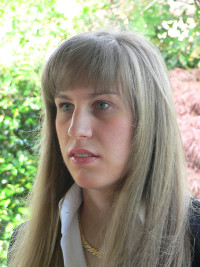
Jenny Y. Yang is a Professor in the Department of Chemistry at the University of California, Irvine. Her research focuses on the development of inorganic electrocatalysts for chemical fuel generation and utilization, emphasizing bio-inspired secondary coordination sphere effects and thermochemical property optimization. Institution: University of California, Irvine Department: Chemistry Research Interests: Oxygen activation mechanisms Hydrogen production and oxidation Carbon dioxide reduction for fuel synthesis Thermochemical property effects on catalysis Secondary coordination sphere engineering Electrochemical carbon capture systems Scientific Trends: Recent work spans from 2023–2025, covering CO2-to-methane conversion, quantum dot hybrid systems for hydrogen evolution, and computational approaches to CO2 capture agent design. Articles highlight interdisciplinary methods combining inorganic chemistry, electrochemistry, and sustainability-focused engineering. Contact: Office: 4080 ISEB | Phone: 949-824-1533 | Email: j.yang@uci.edu
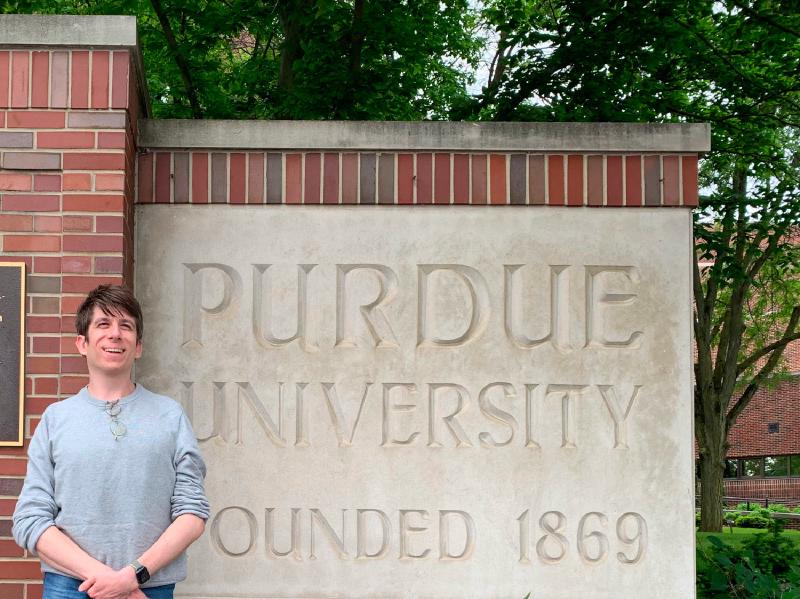
Joseph A. Campbell is an Assistant Professor in the Department of Computer Science at Purdue University, leading the Collaborative AI for Machines and People (CAMP) Lab. He holds a Ph.D., M.S., and B.S. in Computer Science and Computer Engineering from Arizona State University. Before academia, he worked as a software engineer for five years. Prior to Purdue, he was a Postdoctoral Fellow at Carnegie Mellon University's Robotics Institute. His research focuses on explainable machine learning and robotics, particularly how agents use explanations for self-improvement and decision-making. Key areas include theory of mind in multi-agent systems, lifelong learning, and interpretable transfer learning. His work bridges robotics and AI, with applications in human-robot interaction and prosthetic control. Notable publications include advancements in reinforcement learning with language models, multi-agent collaboration frameworks, and methods for enhancing state estimation in robots. His research has been presented at top conferences like NeurIPS, EMNLP, and CoRL. Dr. Campbell maintains an active GitHub profile (joe-campbell) with repositories such as Interaction Primitives for robotics applications. His lab, CAMP, explores AI systems that collaborate effectively with humans and other machines.
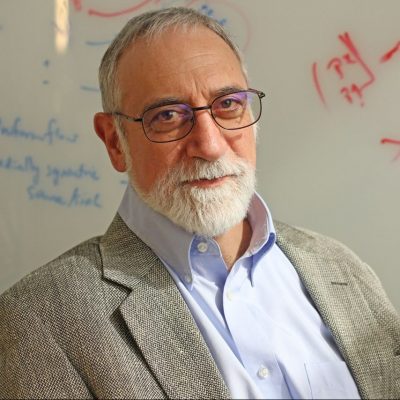
Thomas R Powers is a Professor of Engineering and Professor of Physics at Brown University. He joined Brown in 2000 as the first holder of the James R. Rice Term Chair in Solid Mechanics and has been an influential figure in soft matter physics, biomechanics, and microorganism locomotion. PhD in Physics, University of Pennsylvania (1995) BS in Physics and Mathematics, MIT (1989) His research focuses on soft matter systems, including colloidal and lipid bilayer membranes, liquid crystals, and active matter, with an emphasis on low-Reynolds-number hydrodynamics and geometric mechanics. His work has been supported by NSF grants, including collaborations with Brandeis University's bioinspired materials center. Recent publications explore microbial flagellar dynamics (e.g., Giardia lamblia ), chiral membrane behavior, and active gel responses to shear. Key keywords include soft matter, active matter, fluid mechanics, and microscale locomotion. Scientific honors include: Fellow, American Physical Society NSF CAREER Award (2001-2006) T. Francis Ogilvie Young Investigator Lectureship, MIT Ocean Engineering He has advised numerous students through courses like ENGN 2912F (Soft Matter) and ENGN 1210 (Biomechanics), while leading funded research on colloidal membranes and viscoelastic fluid interactions.
Isabella Guido is a Senior Lecturer in Experimental Soft Matter Physics at the University of Surrey's School of Mathematics and Physics. She holds a PhD from TU Berlin (2010) and has conducted postdoctoral research at Peking University and the Max Planck Institute for Dynamics and Self-Organization. Her research focuses on synthetic biology, active bioinspired systems, and microtubule-motor protein dynamics. Guido's work bridges active matter physics and synthetic biology, aiming to develop minimal systems mimicking natural cellular structures. Key projects include synthetic beating structures resembling cilia, 3D active nematics, and investigations into cellular symmetry breaking via biomimetic systems. Her education includes a PhD on dielectrophoretic effects in mammalian cells, followed by postdoctoral studies on cell mechanics, microfluidics, and electroporation. Guido's interdisciplinary approach combines experimental biophysics with synthetic biology to uncover principles governing living matter. She leads the Synthetic Active Systems group and collaborates internationally on projects such as light-powered artificial cells and motor-driven microtubule networks. Her work addresses sustainable development goals through bio-inspired material design and active matter applications. Publications highlight contributions to electrotaxis mechanisms, live-cell imaging techniques (e.g., MIET), and microtubule network dynamics under depletion forces. Guido's research has advanced understanding of ciliary beating patterns, synthetic axoneme models, and biopolymer self-organization under mechanical stress.
Dr. G.K. Knopf is a Professor in the Department of Mechanical & Materials Engineering at Western University, Canada. He holds a Ph.D. (1991), M.Sc. (1987), and B.E. (1984) from the University of Saskatchewan. His work bridges product design, advanced manufacturing, and bio-inspired technologies. Research Focus: Dr. Knopf’s research spans 3D shape reconstruction , laser microfabrication , micro-optics , and bioelectronic imaging arrays . Recent projects emphasize light-driven actuators , flexible electronics , and graphene-based inks for printing circuits on unconventional substrates like silk and paper. Publications: Over 150 peer-reviewed works, including two edited CRC Press volumes ( Smart Biosensor Technology , Optical Nano and Micro Actuator Technology ). Key contributions involve non-lithographic fabrication , bacteriorhodopsin photodetectors , and self-organizing feature maps for data visualization. Awards/Patents: Co-inventor of two U.S. patents (6,542,249 for 3D surface measurement; 7,573,024 for bioelectronic imaging arrays). Teaching: Leads graduate courses in Medical Device Design and Optomechatronic Systems , as well as undergraduate Mechatronics and Medical Device Development courses.
Rahul Sarpeshkar is a Professor of Engineering, Microbiology & Immunology, Physics, and Molecular & Systems Biology at Dartmouth College, holding the Thomas E. Kurtz Professorship and chairing the Neukom Computational Science Cluster. His research bridges analog circuits with quantum physics, synthetic biology, and ultra-low-power systems. BS in Electrical Engineering and Physics from MIT (1995) PhD in Computation and Neural Systems from Caltech (1998) His research focuses on analog synthetic biology , quantum circuit design , and bio-inspired supercomputing , emphasizing noise, thermodynamics, and energy efficiency. He develops cytomorphic chips to model biochemical networks and quantum-inspired circuits for spectrum analysis. Recent work integrates quantum and classical computation for biological simulations, drug cocktail formulation , and ATP energy measurement in living cells. Patents highlight innovations in quantum emulation and medical devices. Scientific awards include: Fellow, National Academy of Inventors (2018) IEEE Fellow (2018) NSF CAREER Award ONR Young Investigator Award Packard Fellow Award Junior Bose Teaching Award, MIT He leads a wet lab for synthetic microbial circuit implementation and a dry lab for quantum and nanoelectronics, mentoring a multidisciplinary team of physicists, bioengineers, and computer scientists.
Professor Michael Milford is a robotics and computer vision expert at Queensland University of Technology (QUT), serving as Joint Director of QUT's Centre for Robotics. His research bridges robotics, neuroscience, and computer vision, focusing on biologically inspired navigation systems for autonomous vehicles and drones. He has pioneered projects like SeqSLAM and RatSLAM, emphasizing the synergy between biological intelligence and robotic systems. Research Interests: Milford explores navigation algorithms inspired by animal behavior, energy-efficient neural networks, and autonomous systems. His work aims to create robots capable of operating in dynamic environments through interdisciplinary collaboration with institutions like MIT, Harvard, and NASA's Jet Propulsion Laboratory. Awards & Recognition: Awarded the 2019 Batterham Medal and a $2.7M Australian Laureate Fellowship for his project on GPS-independent positioning systems. His work has produced highly cited papers in robotics and computer vision, including breakthroughs in visual SLAM and place recognition under varying conditions. Teaching & Collaboration: Milford mentors students in robotics and AI, launching initiatives like the STEM Storybook to inspire youth. He collaborates globally, emphasizing cross-disciplinary research to bridge gaps between fundamental and applied sciences. Labs & Projects: Leads QUT's Centre for Robotics, advancing technologies for autonomous systems. His projects explore neuromorphic computing, SLAM systems, and bio-inspired navigation, with applications in defense, transport, and environmental monitoring.
Professor Sangbae Kim is the Jerry McAfee (1940) Professor in Engineering at the Massachusetts Institute of Technology (MIT), School of Engineering, Department of Mechanical Engineering. His research focuses on bio-inspired robotics, extracting principles from animal biomechanics to develop high-performance robotic systems. Education: B.S. from Yonsei University (2001), M.S. (2004) and Ph.D. (2008) from Stanford University. Research Interests: Bio-inspired Robotics, Robotic Actuators, Locomotion Dynamics, Composite Sensor Fabrication, and Minimally Invasive Surgical Robotics. His notable achievements include the MIT Cheetah robot capable of 13mph outdoor running and autonomous obstacle jumping, and Stickybot, a climbing robot featured in TIME's Best Inventions (2006). Recent publications emphasize soft robotics, energy-efficient legged locomotion, and bio-inspired actuator design. Kim has received prestigious awards including the NSF CAREER Award (2014), DARPA Young Faculty Award (2013), and Ruth and Joel Spira Award for Distinguished Teaching (2015). Scientific Awards: NSF CAREER (2014), DARPA YFA (2013), TIME Best Invention (2006), multiple best paper awards. Professional Service: Associate Editor roles, NSF review panels, and leadership in IEEE and ASME organizations.
Dr James Herbert-Read is an Associate Professor and Whitten Lecturer in Marine Biology at the Department of Zoology, University of Cambridge. He serves as Deputy Head of Department (Postgraduate Education) and leads the Marine Behavioural Ecology Group. His research focuses on understanding how animals, particularly marine organisms, collect and process information from their environments to make behavioral decisions, with emphasis on social interactions, adaptation mechanisms, and ecological constraints. His group employs theoretical frameworks, controlled experiments, and quantitative field studies to investigate behavioral diversity in marine species. Key themes include collective behavior, predator-prey dynamics, camouflage strategies, and the impacts of environmental stressors on animal decision-making. Recent publications highlight work on lionfish vocalization mechanisms, cuttlefish camouflage, citizen science applications in marine research, and behavioral responses to visual and acoustic noise. Scientific awards and affiliations include: Whitten Lecturer in Marine Biology Associate Professor, University of Cambridge He has supervised research projects on topics such as: Social attraction in invasive fish species Evolution of coordinated movement Neurophysiological basis for leadership in shoals Maternal effects on offspring exploration
Ming Cao is a Full Professor at the University of Groningen (Netherlands), holding positions in the Department of Discrete Technology and Production Automation, the Engineering and Technology Institute Groningen, and serving as Chair of the Jantina Tammes School of Digital Society, Technology and AI. His academic roles include Director of the Jantina Tammes School and membership in prestigious organizations such as the International Federation of Automatic Control (IFAC) and the European Commission’s DG CNECT. Cao’s research focuses on multi-agent systems, autonomous robotics, complex networks, and cooperative control, with applications in robotics, epidemic modeling, and biomimetic sensors. Education: PostDoc in Mechanical Engineering from Princeton University (2008), PhD in Electrical Engineering from Yale University (2007). Research Interests: Multi-agent systems, distributed decision-making, cooperative control, robotic teams, seal whisker-inspired flow sensing, and privacy-preserving control systems. Recent Trends in Articles: Recent work emphasizes co-evolutionary dynamics in social-technical systems, privacy in control systems, and biomimetic robotics. Key topics include feedback mechanisms in cooperation, hypergraph-based epidemic models, and seal whisker mechanics for underwater sensing. Awards: European Control Award (2016), Manfred Thoma Medal (2017), ERC Grant (2012). Grants: Vidi Grant from NWO (2015) for agent coordination research. Labs/Teams: Jan C. Willems Center for Systems and Control, Research Center for Data Science and Systems Complexity (DSSC). Active in editorial roles for journals like Artificial Life and Robotics and the SIAM Journal on Control and Optimization .
Associate Professor Mohammad Saadatfar is affiliated with the School of Civil Engineering at The University of Sydney. His research focuses on meso-scale materials, combining experiments with simulations to address challenges in environmental science, biomedical engineering, and advanced materials design. Key areas include the study of cellular solids, granular materials, and meta-materials. His work integrates physics, engineering, and biology, with applications to CO₂ geo-sequestration, bone implants, and mechanical meta-materials. He uses X-ray tomography, FE simulations, and topological analysis to explore material behavior. Recent publications span topics like additive manufactured foams, CO₂ flow dynamics in sandstone, and biomimetic wood structures. His contributions highlight interdisciplinary approaches to material science and engineering challenges. No scientific awards or student advisement details are explicitly mentioned in the provided text.
Giulia Giordano is a Full Professor in the Department of Industrial Engineering at the University of Trento, Italy, where she leads the Dynamical Networks and Systems Biology research group. She also holds a dual appointment as Visiting Professor and Delft Technology Fellow at the Delft Center for Systems and Control, Delft University of Technology, The Netherlands. Her career includes previous positions as Assistant Professor at Delft University of Technology (2017-2019), Postdoctoral Research Fellow at Lund University, Sweden (2016-2017), and Research Fellow at the University of Udine, Italy (2016). Giulia earned her Ph.D. in Industrial and Information Engineering: Automation (Excellent) from the University of Udine with a thesis titled "Structural Analysis and Control of Dynamical Networks." She completed her M.Sc. and B.Sc. in Electrical Engineering (both Summa cum laude) at the same institution. She also undertook research visits at Caltech (2012) as a SURF Fellow and at the University of Stuttgart (2015) as a DAAD Research Scholar. Her primary research focuses on the analysis and control of dynamical networks with applications in systems biology, mathematical ecology, and mathematical epidemiology. She develops mathematical frameworks that bridge control theory, network theory, and dynamical systems to address complex problems in biological systems. Her recent work spans epidemic modeling, opinion dynamics, biochemical networks, and neurological disorders, with a particular emphasis on structural analysis of networked systems. She employs both theoretical and computational approaches to understand system behavior under uncertainty. Giulia's publications reveal a strong interdisciplinary focus, spanning from theoretical control systems to practical applications in epidemiology and biology. Her recent work shows increasing emphasis on epidemic modeling (particularly related to mpox and SARS-CoV-2), network synchronization, and the application of control theory to biological phenomena like fibromyalgia pathogenesis and opinion formation. Many of her papers appear in top-tier control journals including Automatica and IEEE Transactions on Automatic Control. 2024: Outstanding Service as Associate Editor of IEEE Control Systems Letters 2021: SIAM Activity Group on Control and Systems Theory Prize 2020: Outstanding Reviewer, Annals of Internal Medicine 2017: NAHS Best Paper Prize and EECI PhD Award 2016: Outstanding TAC Reviewer, IEEE Transactions on Automatic Control Giulia actively mentors students and postdoctoral researchers, currently supervising five postdoctoral researchers and two Ph.D. students at the University of Trento. She has advised numerous M.Sc. and B.Sc. students on topics ranging from bio-inspired modeling to optimal control of epidemic systems. Her research is supported by competitive grants including the ERC Starting Grant INSPIRE (Integrated Structural and Probabilistic Approaches for Biological and Epidemiological Systems). She serves as Associate Editor for IEEE Control Systems Letters and Automatica, and is a Senior Member of IEEE and the Control Systems Society. Giulia leads the Dynamical Networks and Systems Biology research group at the University of Trento, which maintains strong international collaborations across Europe and North America. The group's work combines theoretical advances in control theory with practical applications to pressing problems in public health and biological systems, demonstrating the power of mathematical approaches to understanding complex phenomena in the life sciences.
Daniel E. Koditschek is the Alfred Fitler Moore Professor in the Department of Computer and Information Science at the University of Pennsylvania’s School of Engineering and Applied Science. He also holds primary appointments in the Department of Electrical and Systems Engineering and a research affiliation with the Department of Mechanical Engineering and Applied Mechanics. He is a leading figure in the GRASP Lab, where he leads the Kod*lab, a specialized group focused on physical interaction and locomotion in autonomous robots. His research lies at the intersection of dynamical systems theory and robotics, emphasizing legged locomotion, hybrid control systems, and bio-inspired design. Koditschek's work integrates formal mathematical modeling with empirical testing of physical robots that run, jump, climb, and manipulate objects. He actively explores how biological insights into animal mobility can inform robotic autonomy and control. His group maintains strong collaborations with biologists and emphasizes embodied intelligence in machine behavior. The recent publications reflect a strong trend in applying theoretical control frameworks—such as hybrid dynamical systems, averaging methods, and navigation functions—to practical robotic challenges in unstructured environments. Topics include terrain adaptation, energy-efficient locomotion, reactive planning, and affordance-based interaction. There is a clear focus on bridging abstract mathematical models with real-world robotic performance, particularly in legged and mobile manipulation systems. IEEE RAS Pioneer Award Heilmeier Research Award AFOSR MURI Award (2010) Daniel Koditschek has advised numerous PhD students and postdoctoral researchers, many of whom now hold faculty positions or leadership roles in robotics companies like Ghost Robotics and Boston Dynamics. His research is supported by major grants from the NSF and AFOSR, including the MURI award and REU/RET programs that engage K-12 and undergraduate educators. He has also been involved in international outreach, including activities at the Penn Wharton China Center. Koditschek leads the Kod*lab within the GRASP Lab’s PERCH facility, which houses advanced legged robots such as the Ghost Minitaur, XRHhex, Inu, Delta Hopper, and Jerboa platforms. The lab emphasizes experimental validation of control theories using custom hardware and real-world terrain challenges.
Jan Knippers is a Professor and Institute Director at the University of Stuttgart's Faculty of Architecture and Urban Planning , leading the Institute of Building Structures and Structural Design (ITKE) . He co-founded Knippers Helbig Advanced Engineering and established Jan Knippers Ingenieure in 2018 to focus on innovative fiber composite and timber structures. Key roles: Deputy Executive Director of Cluster of Excellence IntCDC , former Vice-Rector for Research (2019-2021), and Dean of Faculty of Architecture (2021-2023) Technical focus: Hybrid FRP-Timber systems, computational design, and biomimetic principles His projects include the 2024 Hybrid Flax Pavilion , Urbach Tower (2024), and BUGA Fiber Pavilion (2019). He contributes to European standardization committees and serves as 2024 Leverhulme Visiting Professor at University College London.
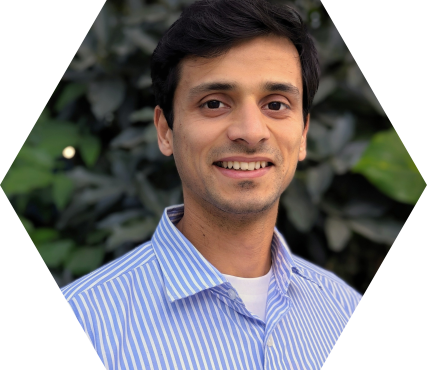
Karthik Menon serves as an Assistant Professor with a joint appointment in the Woodruff School at Georgia Institute of Technology and the Coulter Department of Biomedical Engineering. His research integrates fluid mechanics, computational modeling, and data-driven methodologies to address critical challenges in healthcare, renewable energy, and bio-inspired engineering systems. His academic credentials include: Ph.D. in Mechanical Engineering, Johns Hopkins University (2021) M.S. in Mechanical Engineering, Johns Hopkins University (2019) B.E. in Mechanical Engineering, Birla Institute of Technology and Science, Pilani, India (2015) Menon's research program centers on three interconnected domains: cardiovascular flows for personalized treatment of heart disease, fluid-structure interactions in biological systems like heart valves and bio-mimetic robots, and vortex-dominated flows for renewable energy applications. His approach combines high-fidelity computational modeling with machine learning to uncover fundamental physics and develop clinical solutions, such as cardiovascular digital twins for non-invasive risk assessment. Current projects focus on patient-specific hemodynamics using CT imaging and uncertainty quantification to improve surgical planning. Analysis of his 15 most recent publications (2023-2025) reveals a dominant focus on advancing multi-fidelity computational frameworks for cardiovascular applications. Key trends include Bayesian uncertainty quantification, zero-dimensional solver development, and integration of clinical imaging data to create predictive digital twins. His work bridges fluid dynamics with clinical cardiology, targeting improved outcomes in coronary artery disease and Kawasaki-related complications through physics-informed machine learning. Menon's scholarly contributions have been recognized through competitive awards: WCCM-PANACM 2024 Travel Award, U.S. Association for Computational Mechanics (2024) Future Faculty Symposium Travel Award, Society of Engineering Science Conference (2023) Mark O. Robbins Prize in High-performance Computing, Johns Hopkins University (2021) Corrsin-Kovasznay Outstanding Paper Award, Johns Hopkins University (2020) Prosperetti Travel Award, Johns Hopkins University (2017) Mechanical Engineering Departmental Fellowship, Johns Hopkins University (2016) As principal investigator of the ComBiNE Fluid Dynamics Lab, Menon mentors graduate students in developing computational tools for fluid-structure interaction problems. His collaborative projects with cardiologists at Stanford and Emory hospitals translate engineering principles into clinical applications for cardiovascular disease management. Current grant activities focus on NSF and NIH-funded initiatives for uncertainty-aware cardiovascular modeling and bio-inspired flow energy harvesting. The ComBiNE Fluid Dynamics Lab operates as an interdisciplinary hub where engineers, clinicians, and data scientists collaborate on fluid mechanics challenges. Current lab initiatives include developing real-time hemodynamic simulators for surgical planning, creating reduced-order models for cardiac device optimization, and investigating vortex dynamics in fish schooling for underwater vehicle design. The lab maintains strong partnerships with Children's Healthcare of Atlanta and the Parker H. Petit Institute for Bioengineering and Bioscience.