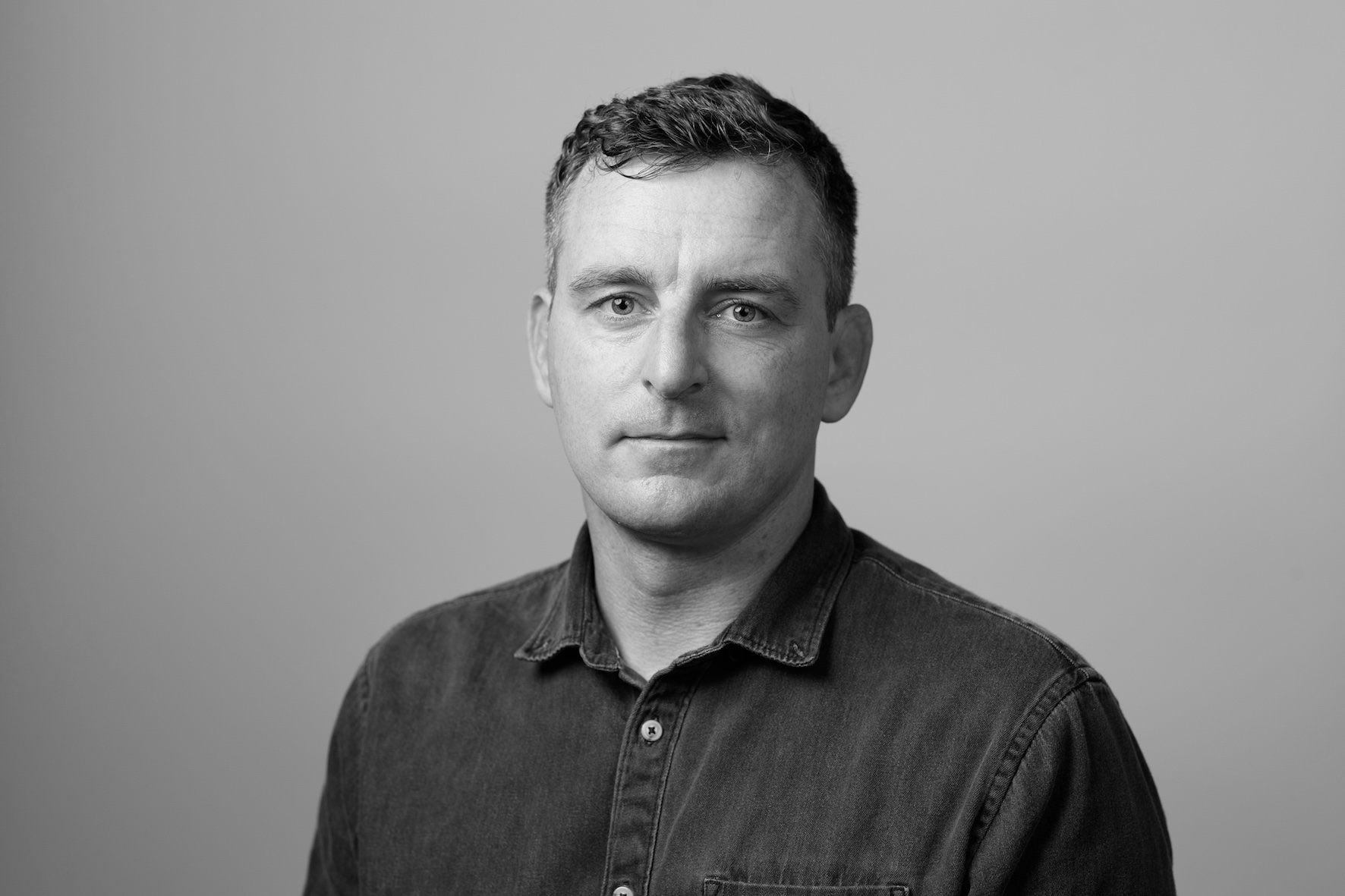
Vincent Noireaux is a Professor at the School of Physics and Astronomy at the University of Minnesota, Twin Cities. His research bridges biological physics and synthetic biology to develop cell-free transcription-translation systems and synthetic cell platforms . Current projects funded by the National Science Foundation and Department of Energy Collaborates with institutions in Israel, Romania, and Washington Expertise: Synthetic biology , cell-free systems , genetic circuits Research Focus : Develops quantitative models for in vitro gene expression and constructs synthetic cells using self-assembling systems . Key areas include biophysics , bioengineering , and biomanufacturing . Email: noireaux@umn.edu
Professor Shachr Richter serves as a Full Professor in the Department of Materials Science and Engineering within Tel Aviv University's Faculty of Engineering. His office is located in Wolfson Engineering Building, Room 126, and he maintains active research operations at Israel's largest research university. Richter's research spans cutting-edge interdisciplinary domains at the intersection of biology and electronics. His primary focus areas include Bioelectronics , Molecular Electronics , Self-Assembly of Thin Films , and Smart Bio-composite Materials . His work pioneers molecular-scale electronic devices using biological components, with particular emphasis on protein-based transistors, photosynthetic systems for energy conversion, and nanostructured biomaterials. Analysis of Richter's publication record reveals a consistent trajectory in developing nanoscale bioelectronic devices. His research demonstrates expertise in creating sub-5nm molecular transistors, integrating photosynthetic complexes with nanomaterials for photovoltaic applications, and engineering peptide-based nanostructures. The publications show strong methodological focus on self-assembly techniques, molecular junction fabrication, and characterization of charge transport in biological nanosystems spanning materials science, biophysics, and quantum electronics. Richter maintains active laboratory operations within Tel Aviv University's Wolfson Engineering facilities, where his team develops advanced molecular-scale electronic components. His research group specializes in constructing bio-nano hybrid systems that leverage the electronic properties of biological molecules for next-generation electronic and energy-harvesting applications.
Dr. Mohammad (Imran) Hossain is an Associate Professor in the Department of Civil Engineering & Construction at Bradley University's Caterpillar College of Engineering & Technology. With a Ph.D. from the University of New Mexico and over a decade of academic experience, his career includes roles as Assistant Professor at Bradley (2014-2020) and research positions at multiple institutions. His research integrates civil engineering with sustainability and AI: Pavement Systems : Climate resilience, smart city integration Materials Innovation : Recycled additives, waste valorization Environmental Impact : Hazard mitigation, pollution analysis Computational Modeling : Neural networks for performance prediction, molecular dynamics Dr. Hossain has secured significant external funding, including: $85,000 from Illinois DOT for concrete sensing (2025-26) $338,000 for rural road evaluation (2016-19) $70,500 for pavement management systems (2019-21) Honors include the 2025 Phi Kappa Phi Faculty Achievement Award, 2022 Outstanding Faculty Award, and 2017 Caterpillar Teaching Award. He has mentored 73+ students and maintains professional membership in the American Society of Civil Engineers.
Claudiane Ouellet-Plamondon is a Full Professor in the Department of Construction Engineering at École de technologie supérieure (ÉTS), where she holds the Canada Research Chair on Sustainable Multifunctional Construction Materials. She directs research at the Pavements and Bituminous Materials Laboratory (LCMB) and collaborates with the Interdisciplinary Research Centre for Sustainable Development (CIRODD) and Water Engineering Laboratory (LGEPE). Her credentials include a Ph.D. from the University of Cambridge and postdoctoral training at ETH Zurich. Her research encompasses: Sustainable Materials: Geopolymers from industrial waste, bio-based composites, functionalized clays. Advanced Manufacturing: AI-optimized 3D concrete printing, robotic fabrication. Circular Economy: Valorization of bauxite residue, dredged sediments, and agricultural byproducts. Environmental Impact: Life cycle assessment, urban ecological footprint modeling, decarbonization strategies. She has received significant recognition, including the Mercator Fellowship (2024), France-Quebec Science Ambassadorship (2022), and Royal Society of Chemistry Award (2023). Her work integrates computational methods like neural networks for material design and machine learning for construction automation. Professor Ouellet-Plamondon supervises a large cohort of graduate students working on projects ranging from self-sensing alkali-activated materials to mycelium-based insulation. She maintains robust industry partnerships, particularly in aluminum recycling and sustainable infrastructure, and teaches courses on materials science and specialized engineering topics.
Jinki Kim serves as an Assistant Professor in the Department of Mechanical Engineering at Georgia Southern University, where he has been a faculty member since 2018. His research program bridges mechanical systems, materials science, and computational methods, with particular emphasis on experimental techniques for structural assessment and manufacturing processes. Professor Kim's academic credentials include a Ph.D. in Mechanical Engineering from the University of Michigan (2017), complemented by both M.S. and B.S. degrees in Mechanical and Aerospace Engineering from Seoul National University (2008 and 2006 respectively). His educational foundation supports his interdisciplinary research approach spanning mechanical systems and experimental dynamics. Research interests center on Smart Materials and Structures , Structural Health Monitoring , and Advanced Manufacturing , with specific expertise in video-based motion estimation, piezoelectric systems, and machine learning applications. His work demonstrates strong connections to piezoelectric engineering (81% fingerprint match) and structural health monitoring (51%), while contributing to UN Sustainable Development Goals in sustainable industrialization. Recent projects integrate deep learning with traditional engineering methods to solve practical problems in bioprinting and infrastructure assessment. Publication trends from 2023-2024 reveal significant focus on applying computational techniques to manufacturing and structural monitoring challenges. Five recent papers demonstrate consistent methodology using video-based vibration analysis combined with machine learning, particularly in bio-printing quality control and soil mechanics characterization. This work shows increasing interdisciplinary collaboration across mechanical, civil, and biomedical engineering domains. Professor Kim currently leads an active NSF grant ($500,000, 2023-2025) as Principal Investigator for bio-printed construct evaluation research. While specific student advising details aren't provided in the source material, his educational publication suggests active engagement in curriculum development for mechatronics and machine learning integration. His research group likely supports graduate students working on video-based monitoring systems and manufacturing applications. Though no formal lab name is specified, Professor Kim's research group focuses on experimental validation of structural systems using non-contact measurement techniques. The group's work combines mechanical testing with computational analysis, particularly in additive manufacturing quality assurance and structural health monitoring applications, utilizing video-based vibrometry as a core methodology.
Dr. Andriy Kovryga serves as a Researcher at the Chair of Wood Technology (Prof. van de Kuilen) within the Department of Civil, Geo and Environmental Engineering at the Technical University of Munich (TUM). His work focuses on advanced wood material science and engineering applications in sustainable construction. His research interests span Wood Science , Timber Engineering , and Sustainable Construction Materials , with specialized expertise in wood durability mechanisms and bio-based structural systems. Current investigations include optimizing wood performance in engineered building applications and developing novel preservation techniques for long-term material integrity. Kovryga maintains active research collaborations through TUM's Wood Technology facilities, contributing to Germany's leadership in sustainable building innovation. His work interfaces with industrial partners in timber construction and material supply chains to translate laboratory findings into practical engineering solutions.
Philippe Poullain is a Lecturer and Educational Manager at the Department of Civil Engineering and Sustainable Construction, IUT of Saint Nazaire, University of Nantes. His work spans teaching and research in sustainable construction methods, with particular expertise in raw earth construction and large-scale additive manufacturing for building construction. He is affiliated with the GeM - IEG research team and actively collaborates with industry partners through the Robotics and Construction Site working group. Professor Poullain's research interests focus on characterizing raw earth construction methods to determine their mechanical and hygrothermal properties, with special attention to material variability. His work extends from material scale to wall scale using biclimatic chamber testing. He also investigates large-scale additive manufacturing, particularly 3D printing for construction using bio-sourced materials. His research on the raw earth heritage of the Guérande peninsula examines why earth construction was historically limited to the eastern part of the region. His recent publication record shows consistent output in high-impact construction journals, with 2024 publications addressing sustainable construction through tradition, hygrothermal performance assessment, and sensitivity analysis of material properties. His work spans fundamental material characterization to applied construction technologies, reflecting both academic rigor and practical application. Professor Poullain supervises numerous PhD students working on topics including raw earth composites, 3D printing materials, and building performance simulation. His collaborative approach is evident in his work with the LS2N researchers that led to startup creation, and his participation in industry-academic working groups focused on construction automation. His research has practical applications demonstrated through the Yhnova demonstrator project, a flagship initiative of the University of Nantes.
Monika Rom is an Assistant Professor at the University of Bielsko-Biała, Faculty of Materials, Civil and Environmental Engineering, where she has been employed since February 2010. She previously served as Vice Dean for Students from 2016 to 2020. Her academic background includes a Doctorate from the University of Bielsko-Biała (2008) and an MSc from the Technical University of Lodz in Textile Engineering and Environmental Protection (1996-2001). Her research focuses on textile engineering with emphasis on wool fiber applications, geotextiles, and sustainable materials. Monika Rom investigates biodegradation of natural fibers, acoustic properties of wool-based materials, soil erosion control using innovative geotextiles, and waste textile recycling. Her recent work explores applications of wool in agriculture (such as mulching for strawberry cultivation) and environmental protection, particularly in mine reclamation and soil stabilization projects. Analysis of her recent publications (2019-2025) reveals a strong trend toward practical applications of wool fibers in sustainable construction, environmental protection, and waste reduction. Her research spans multiple disciplines including materials science, environmental engineering, agricultural science, and acoustics, with particular emphasis on replacing synthetic materials with biodegradable wool-based alternatives. Her scientific contributions include significant work on: Biodegradation of wool fibers in natural conditions Acoustic performance of wool-based materials Thermoregulation and soil moisture management using wool mulch Wool waste utilization for geotextiles and erosion control Plastic reduction strategies using coarser wool fibers As an academic supervisor, Monika Rom has contributed to educational development through mentoring programs and academic support initiatives. Her research demonstrates strong potential for practical implementation in sustainable construction, environmental protection, and circular economy applications within the textile industry.
Professor Marco Wolf is a Visiting Professor at HafenCity University Hamburg's School of Architecture, where he teaches energy-efficient construction, building technology, and technical thermodynamics courses. His academic career spans multiple German institutions including Leibniz Universität Hannover, Hochschule Anhalt, and Hochschule Magdeburg-Stendal, where he has consistently focused on sustainable building practices. His research interests center on energy-efficient construction with specialization in building materials, technical building services (TGA), and building physics. Professor Wolf has made significant contributions to concrete technology, particularly ultra-high performance concrete (UHPC), vacuum insulated wall elements, and sustainable material development using renewable resources. His recent publications (2021-2023) show increasing focus on machine learning applications for HVAC systems, natural fiber composites, and sustainable building technologies. Professor Wolf brings substantial industry experience to his academic work, having served as Head of the Center for Lightweight and Environmentally Friendly Buildings at the Fraunhofer Institute and as a Research Specialist for Saint-Gobain. His work bridges academic research with practical building applications, as evidenced by his patent on vacuum isolation elements and supervision of the EU project 'The Greefa' for greenhouse cooling systems. Current position: Visiting Professor at HafenCity University Hamburg Specialization: Energy-efficient construction and sustainable building materials Research focus: Concrete technology, vacuum insulated elements, renewable resource applications Teaching areas: Building physics, technical building services, energy optimization
Dr Joshua Lehr is a Lecturer in Chemical Sciences at the University of Salford's School of Science, Engineering & Environment. He joined the university in 2018 after previously working at Nottingham Trent University. His academic career spans interdisciplinary research at the intersection of chemistry, nanotechnology, biology, and engineering, with a focus on molecular interfaces for medical diagnostics applications. Dr Lehr completed his educational journey with a BSc in Chemistry and Philosophy (2002-2005), followed by a 1st Class BSc Hons Chemistry (2005-2006), and a PhD in Chemistry (2006-2010) all at the University of Canterbury in New Zealand. After his PhD, he conducted postdoctoral research at the University of Oxford focused on supramolecular systems. In 2019-2020, he completed a Post Graduate Certificate in Academic Practice at the University of Salford. His research primarily focuses on the construction and study of functional molecular architectures at interfaces, leading to the development of switchable surfaces, sensors, supramolecular interfaces, and bioelectronic interfaces for medical diagnostics. Complementing this work, he studies the fundamental formation, characteristics, and electrochemical behavior of thin organic films at electrodes. His current projects include Kidscan placement studentships focused on leukaemia diagnostics and sensors, and supramolecular patterning of multifunctional interfaces. Analysis of his recent publications reveals a strong focus on electrochemical biosensors for medical diagnostics, particularly for cancer detection and monitoring. His work consistently bridges fundamental electrochemistry with practical medical applications, with increasing emphasis on childhood leukaemia diagnostics in his most recent research. The interdisciplinary nature of his work spans electrochemistry, materials science, biochemistry, and medical diagnostics. Dr Lehr leads several teaching modules including Introductory Biochemistry (Year 1), Bioinorganic Chemistry (Year 2), and Science and Industry (Year 3). He also contributes to Frontiers in Inorganic Chemistry, Applied Biomedical Science, and Current Topics in Biochemistry. As admissions tutor for Chemical Sciences, he plays an important role in student recruitment and supervision of final year projects, masters, and PhD students. His current research projects demonstrate strong industry and healthcare partnerships, particularly with Kidscan funding multiple placement studentships (2020-2025) focused on leukaemia diagnostics. These projects indicate his research has translational impact in developing electrochemical sensors for real-time monitoring of cancer treatments.
Prof. Dr. Robert Honke serves as Research Group Leader for System Simulation at the Institute for Hydrogen and Energy Technology (iwe) and sits on the Advisory Board of the Institute for Circular Economy of Bio:Polymers (ibp) at Hof University of Applied Sciences. His office is located in Building C, Room C117, with Wednesday office hours from 13:00-14:00. With over two decades of academic service since 2003, he bridges theoretical physics and practical engineering applications. Education: Physics studies at University of Regensburg Doctorate in Theoretical Physics (University of Regensburg) focusing on ab initio calculations of nonlinear vibrations on semiconductor surfaces Research Interests: Prof. Honke's work spans sustainable materials engineering and advanced simulation techniques. His primary focus areas include construction materials derived from biogenic residues, efficient thermal storage systems, control mechanisms for building energy management, and lightning strike damage simulation on composite structures. His research integrates computational physics with practical engineering challenges, particularly in aerospace and sustainable energy systems. The consistent thread through his career—from semiconductor surface physics to modern composite materials—demonstrates deep expertise in applying simulation methodologies to real-world structural and energy problems. Publication Trends: His recent publications (2015-2022) emphasize lightning protection for composite aerospace materials, thermal energy storage solutions, and biomass conversion technologies. Earlier works (1996-2002) established foundational contributions to surface physics, semiconductor vibrations, and satellite mirror design. Collectively, his research shows a strategic evolution from fundamental surface physics toward applied sustainable engineering, with computational modeling as the unifying methodology across all periods. Scientific Awards: No scientific awards were documented in the provided materials. Advising and Grants: Prof. Honke teaches core subjects in Master's programs for Composite Materials (structural mechanics) and Mechanical Engineering (CFD/FEM/Mathematics), maintaining strong industry connections from his prior Daimler Group experience. While specific student names and grant details aren't listed, his research group leadership indicates active supervision of graduate projects in simulation-based engineering. Labs and Teams: He directs the System Simulation research group at iwe, focusing on hydrogen technology applications, while contributing strategic guidance to ibp's circular economy initiatives for bio-polymers. These dual roles position him at the intersection of sustainable energy systems and advanced materials research within the university's engineering ecosystem.
Nuremberg Institute of Technology Georg Simon OhmGermany
Dominik Söthje is a Research Professor in Macromolecular Chemistry and Plastics Technology at Nuremberg Technical University Georg Simon Ohm, where he has been serving since March 2022. Previously, he held research professor positions at Aschaffenburg University of Applied Sciences in the fields of Macromolecular Chemistry and Polymer Materials, as well as Resource Efficiency and Engineering Fundamentals. His academic career spans over a decade of specialized work in polymer science and sustainable materials development. Nuremberg Technical University Georg Simon Ohm (2022-present) Aschaffenburg University of Applied Sciences (2019-2022) Fraunhofer Institute for Applied Polymer Research (2012-2015) Brandenburg University of Technology Cottbus-Senftenberg (2011-2011) Dominik Söthje earned his Doctorate in Engineering Sciences from Brandenburg University of Technology Cottbus-Senftenberg (2011-2015) with a dissertation on recyclable and repairable thermoset matrices for high-performance fiber reinforced plastics based on polycyanurates. He completed his Diploma in Applied Chemistry at Georg-Simon-Ohm University of Applied Sciences Nuremberg (2006-2011), where he also completed practical semesters and his diploma thesis at LEONI Bordnetz-Systeme GmbH focusing on flame-retardant treatment of polyurethane foams and UV-curable coating systems. Professor Söthje's research focuses on sustainable polymer systems, particularly chemical and mechanical recycling of polymers, development of bio-based epoxy resins, and advanced fiber-reinforced composites for aerospace applications. His work bridges fundamental polymer chemistry with practical industrial applications, emphasizing circular economy principles in materials science. Recent publications demonstrate his leadership in developing novel bio-based monomers derived from natural compounds like eugenol and estragole, creating high-performance sustainable alternatives to conventional petroleum-based epoxy resins. His research group has made significant contributions to carbon fiber recycling technologies, which has important implications for the aerospace industry's sustainability efforts. His work has been recognized with a Crystal Cabin Award 2016 Finalist position in the 'Greener Cabin, Health, Safety and Environment' category for his project 'Chemical Recycling of Cabin Lining Elements,' highlighting the practical impact of his research on real-world sustainability challenges in the aviation sector. Luftfahrtforschungsprogramm (LuFo VI-3) - NeMeSys project on new materials for lifetime-limited systems Luftfahrtforschungsprogramm (LuFo VI-2) - bio-Lufa project on sustainable bio-based epoxy resin composites for aviation Luftfahrtforschungsprogramm (LuFo V-3) - CaLEnA project on high-strength composites for aviation Vorlaufforschung project REnuka on emission reduction through sustainable binders for high-performance ceramics Staedtler-Stiftung project CERES on chemical recycling of epoxy resin-based materials As an active member of the OHM-CMP Institute (Institute for Chemistry, Materials and Product Development) and the Doctoral Center for Materials & Production Engineering, Professor Söthje contributes to interdisciplinary research initiatives that connect academic research with industrial applications. His laboratory capabilities span advanced polymer synthesis, comprehensive materials characterization (including thermal analysis, rheology, and spectroscopy), and specialized techniques for processing and testing high-performance composites. His leadership extends to the alumni association 'Friends of Chemistry - Georg Simon Ohm' where he serves as chairman, fostering connections between academia and industry in the chemical sector.
Jan Dutkiewicz serves as Assistant Professor in the Department of Social Science and Cultural Studies at Pratt Institute's School of Liberal Arts & Sciences, where he examines the ethical, political, and environmental dimensions of economic activity through the lens of food systems. His research centers on meat and commodity production in the United States, bridging academic scholarship with public policy discourse. Education: Ph.D. and MPhil in Politics, The New School for Social Research His interdisciplinary work integrates political economy, environmental ethics, and public health to analyze food system transformations. Key themes include cellular agriculture ethics, zoonotic disease risks in industrial farming, and the socio-political implications of plant-based transitions. He challenges locavore narratives through evidence-based advocacy for technology-informed food policy, emphasizing accessibility and systemic justice over individual consumer choices. Publications spanning 2013-2023 reveal consistent engagement with food system governance, appearing in The Lancet Planetary Health , Nature Food , and Journal of Peasant Studies . These works demonstrate methodological diversity—from ethnographic analysis of factory farms to policy frameworks for novel food technologies—while maintaining critical focus on labor conditions, environmental sustainability, and ethical consumption. Scientific recognition includes: SSHRC Doctoral Award Harvard Law School Policy Fellowship Connie Caplan Post-Doctoral Fellowship Visiting Fellowships at Oxford, Wesleyan, and UC Santa Barbara Funded by the Social Sciences and Humanities Research Council of Canada and the Robert L. Heilbroner Center, his research informs high-impact public scholarship. He contributes to The Guardian , Washington Post , and Vox while co-authoring the forthcoming trade book Feed the People! (Basic Books, 2026), which argues for technology-driven solutions to make industrial food systems more equitable. Current teaching includes SS-253P The Politics of Food. His collaborative projects with institutions like Harvard Law School and Oxford's Martin School demonstrate transdisciplinary approaches to food system transformation, though specific lab affiliations aren't documented in source materials.