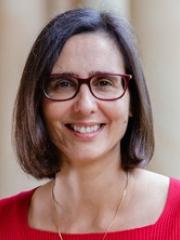
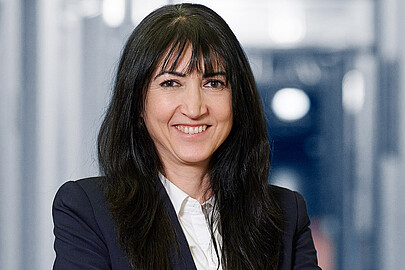
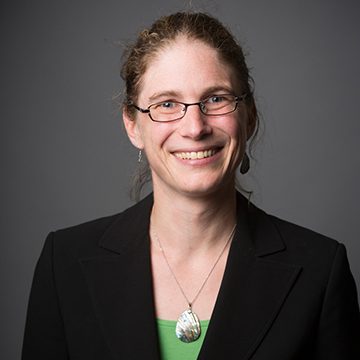
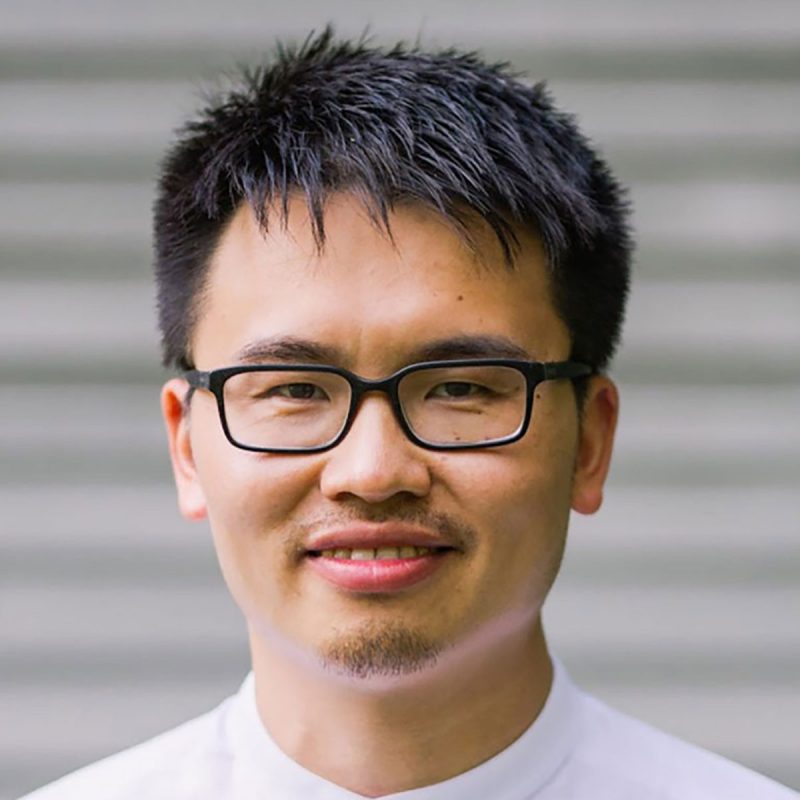
Associate Professor Gilda Carvalho is a leading researcher at the Australian Centre for Water and Environmental Biotechnology (ACWEB) and the School of Chemical Engineering at the University of Queensland. She leads the Drinking and Recycled Water research group and specializes in Environmental Bioengineering , focusing on microbial processes for water/wastewater treatment and resource recovery. Research areas: Chemicals of Emerging Concern (CEC), Biological Nutrient Removal (BNR), biofilm systems, membrane processes, and polyhydroxyalkanoate (PHA) production Key methodologies: Molecular tools linking microbial ecology to process performance Academic output: Over 90 peer-reviewed papers and >40 multinational research projects with industrial partners Educational impact: Coordinator of Postgraduate Programs in Urban Water Engineering and supervisor of >20 PhD students Her recent research explores phage-based biofilm disruption , micropollutant removal via advanced oxidation, and resource recovery from waste streams. Current funding includes projects on biofilm solutions for drinking water and sustainable wastewater reuse. She integrates multidisciplinary approaches across biotechnology, chemical engineering, and environmental science to address global water challenges.
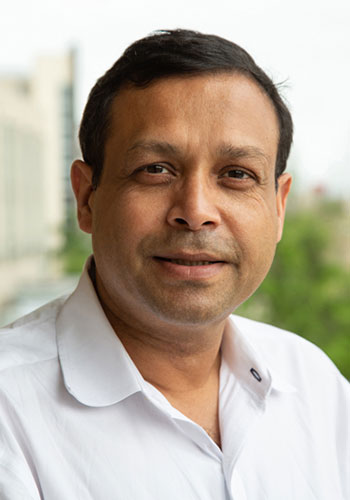
Dr. Alamgir Karim is the Dow Chair and Welch Foundation Professor at the University of Houston, leading the International Polymer & Soft Matter Center (IPSMC) and the Doctoral Materials Program. His research focuses on polymer nanotechnology, thin films, and interfaces for energy, sustainability, and health applications. He holds a Ph.D. in Physics from Northwestern University and a B.S. from St. Stephen's College, Delhi. Key contributions include polymer nanocomposites, block copolymer thin films, and graphene oxide membranes for desalination. He is a Fellow of the American Physical Society and AAAS, and a Keck Foundation Award recipient. Research interests span polymer nanotechnology, dielectric materials, and sustainable nanocomposites. Recent work explores MXene-based biomedical composites, CO₂ capture membranes, and high-energy-density dielectrics. His lab develops functional materials for energy storage, environmental remediation, and biomedicine. Education: Ph.D., Physics (Northwestern University, 1991); B.S., Physics (St. Stephen's College, 1985) Leadership: Director of IPSMC; former Goodyear Chair Professor at University of Akron Awards: AAAS Fellowship, APS Fellowship, Keck Foundation Award Advances in block copolymer self-assembly and nanocomposite design have enabled scalable filtration membranes and high-performance dielectrics. His group collaborates on protocell models and sustainable materials processing.
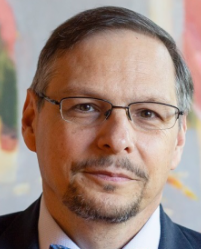
Orlando Rojas is a Professor at the University of British Columbia (UBC), holding joint appointments in the Departments of Chemical and Biological Engineering, Chemistry, and Wood Science. He leads the Biobased Colloids and Materials (BiCMat) research group and directs the Bioproducts Institute . His research focuses on sustainable development through renewable materials, including nanopolysaccharides, bacterial nanocellulose, lignins, and multiphase systems. Rojas has advised over 50 PhD students and 40+ MS students, with a h-index of 90 (Google Scholar). Key Roles/Positions : Canada Excellence Research Chair in Renewable Materials Adjunct Professor at NC State University (USA) and Dalian Polytechnic University (China) Director of FinnCERES Flagship (Finland) Research Interests : Development of bio-based materials for energy, healthcare, and environmental applications. Key areas include nanocellulose functionalization, lignin valorization, and bioinspired materials. His work integrates colloidal science, multiphase systems, and sustainable manufacturing. Grants & Awards : ERC Advanced Grant and Horizon H2020 funding 2013 ACS Fellow, 2015 Tappi Nanotechnology Award First Latin-American recipient of the Anselme Payen Award (ACS) Labs & Collaborations : Active partnerships with Aalto University (Finland) and institutions globally. Leads the BiCMat group spanning UBC and FinnCERES, focusing on bio-based materials and sustainable technologies.
Subash Jonnalagadda, Ph.D., is a Professor and Department Head of Chemistry & Biochemistry at Rowan University's College of Science & Mathematics, also affiliated with the Biological & Biomedical Sciences program. He holds a B.S. from Pondicherry University, M.S. from University of Hyderabad, and Ph.D. in Organic Chemistry from Purdue University, with postdoctoral training at University of Pennsylvania and University of Minnesota. Recipient of Rowan University's Wall of Fame Teaching Award (2013, 2016) Eli Lilly International Graduate Scholar (2000-2005) Research focuses on: Medicinal Chemistry: Developing boron-based small molecules (e.g., benzoboroxoles) and betulinic acid derivatives as anti-cancer agents Biomass Valorization: Converting cellulose into chemicals like hydroxymethylfurfural for bio-based polymers Publications emphasize anti-cancer drug design, nanocarrier systems, and enzyme inhibition strategies. Advised over 50 graduate/undergraduate students, many progressing to academic and pharmaceutical careers. Collaborates with Rowan School of Osteopathic Medicine on Alzheimer's drug candidates.
Regina Ragan is a Professor in the Department of Materials Science and Engineering at the Samueli School of Engineering, University of California, Irvine. Her research focuses on nanomaterials, self-assembly, and surface-enhanced Raman scattering (SERS) for applications in optical communication, energy systems, and biomedical diagnostics. Education: Ph.D. in Applied Physics, California Institute of Technology, 2002 M.S. in Applied Physics, California Institute of Technology, 1998 B.S. in Materials Science and Engineering, University of California, Los Angeles, 1996 Her work integrates scanning probe microscopy and first-principles calculations to study thermodynamic driving forces in self-assembly and structure-function relationships. Recent publications highlight applications in antimicrobial susceptibility testing, environmental monitoring, and plasmonic device fabrication. The Ragan group develops low-cost diagnostic tools using SERS for telemedicine applications. Current lab members include graduate students and postdoctoral researchers working on nanoscale systems from atomic to mesoscale. Scientific Awards: NSF CAREER Award for fundamental studies of biological/inorganic interfaces Research Trends: Recent articles show a focus on SERS-based diagnostics, plasmonic nanoantennas, machine learning-assisted spectral analysis, and scalable synthesis of 3D graphene architectures. Subfields span quantum plasmonics, stress-activated materials, and biofilm monitoring.
Professor Asterios Bakolas is affiliated with the Department of Materials Science and Engineering at the School of Chemical Engineering, National Technical University of Athens (NTUA). His research focuses on materials science, cultural heritage conservation, and sustainable construction technologies. Key areas include the development of compatible restoration mortars for historic structures, analysis of traditional building materials, and application of non-destructive testing (NDT) techniques for heritage assessment. He has contributed to projects involving Hagia Sophia, the Parthenon, and Cretan architectural heritage. Research interests span materials characterization, composite materials, and environmental impact assessment of construction materials. Notable work includes studies on polychromy in ancient art, weathering phenomena in historic buildings, and integration of AI for material property prediction. His interdisciplinary approach combines chemistry, civil engineering, and digital humanities to address challenges in conservation and sustainable building practices. No scientific awards are explicitly listed, but his extensive publications reflect recognition in academic circles. Advising and grants are not detailed here, though his involvement in restoration projects implies active collaboration with funding bodies. He is part of the School’s research groups focused on materials science and heritage preservation.
Dr. Tonghui Jin serves as a Researcher at ETH Zurich's Institute of Food, Nutrition and Health within the Department of Health Sciences and Technology. Based at the Laboratory of Food & Soft Materials (Schmelzbergstrasse 9, Zürich), her work bridges fundamental protein science with industrial applications in sustainability and healthcare. Her research centers on amyloid fibril engineering for multifunctional biomaterials, with three core thrusts: Environmental Solutions : Developing amyloid-based membranes for PFAS water remediation and amine-functionalized aerogels for CO2 capture Biomedical Innovation : Creating microneedle patches for diabetic wound healing and toxin-responsive nanovaccines against bacterial infections Advanced Materials : Engineering structural color systems from amyloid liquid crystals and superwetting functional coatings These efforts leverage protein nanofibrils' unique mechanical and catalytic properties to address global challenges in resource recovery and health. Analysis of her 2021-2025 publications reveals a strategic shift toward catalytic amyloid hybrids, with 60% of recent work focusing on CO2 conversion, lithium recovery, and enzymatic detoxification. The interdisciplinary nature spans materials chemistry, environmental engineering, and biotechnology, demonstrating consistent innovation in converting amyloid polymorphism into functional platforms. No scientific awards were documented in available sources. Dr. Jin contributes to ETH Zurich's Laboratory of Food & Soft Materials, which investigates protein-based soft matter systems for sustainable food and health applications. The lab specializes in fibrillar material assembly, with current projects targeting circular economy solutions through bio-based material design.
Virginia Davis is the Dr. Daniel F. and Josephine Breeden Professor in the Department of Chemical Engineering at Auburn University's College of Engineering. She holds a Ph.D. in Chemical and Biomolecular Engineering from Rice University, and M.S. and B.S. degrees in Chemical Engineering from Tulane University. Research Focus: Self-assembly of nanomaterials, rheology, lyotropic liquid crystals, additive manufacturing, polymers, nanocomposites, and biosensors Key Projects: USDA-funded agricultural outreach, NSF grant for MXene dispersion studies, Alabama STEM Council member Her recent publications explore cellulose nanocrystals, MXene 3D printing, and sustainable polymer recycling. Davis has received multiple honors including the Breeden Professorship, AIChE Fellowship, and Auburn University Faculty Awards for research and mentorship. Research Trends: Dominated by bio-based nanomaterials (cellulose nanocrystals, MXenes), with applications in additive manufacturing, environmental remediation (PFAS adsorption), biosensors (carbofuran detection, cancer biomarkers), and agricultural delivery systems. Scientific Awards Auburn University Faculty Awards (2023, 2025) AIChE Fellow (2023) Dr. Daniel F. and Josephine Breeden Professorship Davis leads outreach initiatives like the Tomorrow’s Community Innovators camp and collaborates with interdisciplinary teams on plastic recycling innovations. Her work emphasizes both fundamental material science and practical applications addressing environmental and agricultural challenges.
Susie Dai is a Professor in the Department of Chemical and Biomedical Engineering at the University of Missouri, with a laboratory located at the Bond Life Sciences Center. Her research bridges chemistry, biology, and engineering to address critical environmental and sustainability challenges. Education: PhD in Chemistry from Duke University; Certificate in Biomedical Engineering from Duke University; Certificate in Regulatory Science from Texas A&M University; BS in Chemistry from Fudan University Dr. Dai specializes in biological and material engineering, carbon waste conversion, contaminant remediation, and synthetic biology. She is developing RAPIMER, a lignin-based fungal scaffold for PFAS removal, and pioneering electro-microbial systems to convert CO2 into bioplastics and biofuels. Her work focuses on scalable, sustainable solutions for environmental pollutants and carbon utilization. Recent research trends include creating biomimetic materials for sustainable packaging, optimizing lignocellulosic biorefineries, and designing lignin-derived photocatalysts. She leads projects funded by Tito's Handmade Vodka's philanthropic arm for PFAS remediation and collaborates with the NSF Engineering Research Center CURB at Washington University in St. Louis. At Mizzou, Dai integrates engineering and life sciences, leveraging both Mizzou Engineering and Bond Life Sciences Center's resources. Her interdisciplinary approach combines electrochemistry, microbial engineering, and social impact analysis to advance circular bioeconomy solutions.
Aji Mathew is a Professor at the Department of Materials and Environmental Chemistry, Stockholm University. He holds a PhD in polymer chemistry from Mahatma Gandhi University (2001) and conducted postdoctoral research at CERMAV (Grenoble, France) and NTNU (Trondheim, Norway). His academic career includes roles as an assistant professor (2007–2011) and associate professor (2011–2015) at Luleå University of Technology before becoming an associate professor (2015) and subsequently a professor (2017) at Stockholm University. His research focuses on bio-based nanocomposites and sustainable materials, particularly nanocellulose and its applications in environmental remediation, advanced materials, and circular economy solutions. His group, the Aji Mathew Group , specializes in designing bio-based materials for diverse applications, including water treatment, 3D printing, and biomedical uses. Key projects involve upcycling textile waste, developing eco-friendly composites, and creating functional hydrogels. His work bridges fundamental polymer chemistry with practical sustainability challenges. Publications highlight innovations like nanocellulose-based foams, zeolitic frameworks for water purification, and bio-based coatings. While no awards are explicitly mentioned, his extensive peer-reviewed contributions reflect significant scholarly impact. His research emphasizes scalability and real-world applicability, addressing global environmental and material science challenges.
Professor Malcolm Kadodwala holds the Gardiner Chair within the School of Chemistry at the University of Glasgow. His research spans chiral nanophotonics, surface science, and spectroscopy with applications in biomolecular detection and nanomaterials. He maintains an active laboratory producing high-impact publications in top journals including Nature Nanotechnology, ACS Nano, and JACS. PhD from University of Nottingham Gardiner Chair in School of Chemistry Active research group with extensive international collaborations His research interests focus on three interconnected themes: (1) spectroscopic investigations of electronic properties in nanostructured materials; (2) development of electron-based chirally sensitive spectroscopic techniques; and (3) creation of novel chiroptical spectroscopic probes. Current work emphasizes superchiral fields for ultrasensitive biomolecular detection, chiral plasmonics, and nanoscale light-matter interactions. His group has pioneered techniques for detecting protein conformations and viral structures at unprecedented sensitivity levels. Publication trends show consistent high-impact output with 15+ recent articles (2021-2025) in nanophotonics and chiral sensing. His work bridges physics, chemistry, and biology, with strong emphasis on practical biosensing applications. Key journals include Nano Letters, ACS Nano, and Nature Nanotechnology. PhD from University of Nottingham Professor Kadodwala advises multiple PhD students including Calum Jack, Affar Karimullah, and Ryan Tullius. His research has attracted significant funding including an MRC discipline-hopping grant (Ref. G0902256). He maintains active collaborations with institutions worldwide including EPFL, University of Jena, and Heriot-Watt University. His laboratory specializes in chiral plasmonic nanostructures and superchiral field generation, with applications in disposable biosensors and viral detection platforms. Current projects involve nanoscale control of electronic properties using structured light and development of chiral metasurfaces for advanced optical applications.
Cecilia Leal is a Professor and Racheff Faculty Scholar in the Department of Materials Science and Engineering at the University of Illinois at Urbana-Champaign, with additional appointments at the Carle Illinois College of Medicine, Materials Research Laboratory, and Beckman Institute. Her interdisciplinary research program bridges materials science, biophysics, and medicine to develop innovative therapeutic delivery systems. Dr. Leal's research focuses on the self-organization of biomolecular systems, particularly lipid membranes, peptides, and nucleic acids. Her lab investigates how structural complexity of lipids and bio-membranes relates to disease mechanisms and informs the design of better gene and drug delivery systems. Key projects include developing lipid nanoparticles for mRNA delivery, studying polymer-lipid hybrid membranes, and characterizing lipid droplet dynamics in metabolic diseases. The lab employs advanced techniques including Small Angle X-ray Scattering, Cryo-EM, and live cell imaging. Her recent publications (2023-2025) reveal a strong emphasis on lipid-based delivery systems for mRNA therapeutics and cancer treatment, with particular attention to how nanostructure affects delivery efficiency. The research spans from fundamental biophysics of lipid-polymer interactions to applied therapeutic development, demonstrating consistent translation of basic science to medical applications. University of Illinois Provost's Distinguished Promotion to Full Professor Award (2024) University of Illinois Scholar (2023) NIH New Innovator Award (2016) NSF CAREER Award (2016) Racheff Faculty Scholar Award (2019) Dr. Leal has mentored numerous graduate students and postdocs, many now in prominent positions at MIT, Stanford, Dow Chemical, and pharmaceutical companies. Her research is supported by multiple NIH and NSF grants, and she maintains active collaborations with medical researchers studying obesity, cancer, and respiratory diseases. She teaches core courses including MSE 201 (Phases and Phase Relations) and MSE 473 (Biomolecular Materials Science), consistently earning excellent teaching ratings. The Leal Lab operates as an interdisciplinary team of materials scientists, physicists, and chemists using cutting-edge characterization tools to solve biomedical challenges. The lab's work on lipid nanoparticle structure has direct relevance to next-generation mRNA vaccines and cancer therapies, with several publications highlighted in C&EN News and other prominent scientific media.
Prof. Dr.-Ing. Selin Kara is a Professor at the Institute of Technical Chemistry, Faculty of Natural Sciences, Leibniz University Hannover. She leads research in biocatalysis and bioprocessing, with a focus on sustainable and innovative enzyme-based technologies. Her leadership roles include Spokesperson of the Curriculum and Teaching Committee for Life Science and Chairperson of the Admissions Board for MSc Life Science. Full Name: Selin Kara Institution: Leibniz University Hannover Faculty: Faculty of Natural Sciences Department: Institute of Technical Chemistry Academic Rank: Professor Email: selin.kara@iftc.uni-hannover.de Her research interests center on biocatalysis and bioprocessing , particularly in redox biocatalysis , enzyme immobilization , non-conventional media such as deep eutectic solvents, biocatalytic cascades , and flow biocatalysis . She explores enzyme kinetics and process engineering to enhance efficiency and sustainability in chemical synthesis. Her group develops novel reactor systems and materials, including hydrogels and 3D-printed microfluidics, for advanced biocatalytic applications. She emphasizes green chemistry principles, aiming to replace traditional chemical processes with eco-friendly enzymatic alternatives. The most recent publications (2024–2025) demonstrate a strong trend in deep eutectic solvents , fusion enzymes , immobilization techniques , and sustainable synthesis of bio-based chemicals . Her work integrates experimental and computational methods to understand enzyme behavior and optimize reaction systems. Key themes include process intensification, solvent engineering, and industrial scalability, with applications in pharmaceuticals, fragrances, and sustainable materials. She holds leadership positions in academic governance, including: Spokesperson, Curriculum and Teaching Committee, Life Science (BSc/MSc) Chairperson, Admissions Board for MSc Life Science Executive Board Member, Institute of Technical Chemistry Deputy Representative for Professors in Faculty Council and Examination Boards Her research is highly collaborative, involving interdisciplinary teams and international partners, and is consistently published in high-impact journals such as Green Chemistry , ACS Catalysis , and ChemSusChem . While specific scientific awards and student advisees are not listed in the provided text, her extensive publication record and leadership roles reflect significant academic contributions.
Lara A. Estroff is a Full Professor and the current Chair of the Department of Materials Science and Engineering at Cornell University's College of Engineering. She has been a faculty member since 2005 and served as Director of Graduate Studies from 2015 to 2019. Her academic leadership and research excellence position her at the forefront of bio-inspired materials and biomineralization research. Her educational background includes a B.A. in Chemistry from Swarthmore College (1997) and a Ph.D. in Chemistry from Yale University (2003), followed by an NIH-funded postdoctoral fellowship at Harvard University in the lab of Prof. George M. Whitesides. Dr. Estroff's research centers on the fundamental mechanisms of crystal growth, biomineralization, and pathological mineralization. She investigates how organisms control mineral formation and applies these principles to engineer synthetic materials with complex structures and functionalities. Her work spans biomaterials, tissue engineering, and energy materials—particularly hybrid organic-inorganic perovskites for photovoltaics. She employs advanced characterization techniques and has pioneered in situ methods to monitor crystallization dynamics. Her recent publications reveal a strong trend toward interdisciplinary research, integrating materials science with cancer biology, immunology, and machine learning. The articles emphasize bio-inspired synthesis, mineral-tissue interactions, and the development of functional crystalline materials for medical and energy applications. Faculty Early CAREER Award, National Science Foundation (2009) Fiona Ip Li '78 and Donald Li '75 Excellence in Teaching Award, Cornell College of Engineering (2007) Marilyn Emmons Williams Award, Cornell Undergraduate Research Board (2009) Keynote Speaker, Gordon Research Seminar on Biomineralization (2012) Lawrence Berkeley National Lab Affiliate (2013) Dr. Estroff leads a major DOE-funded project titled “Formulation Engineering of Energy Materials via Multiscale Learning Spirals,” a $3 million, three-year initiative using machine learning to optimize perovskite synthesis for solar cells. She has advised numerous graduate students and postdoctoral researchers, and her lab is known for fostering collaborative, cross-disciplinary research. She has also contributed to educational initiatives at Cornell, particularly in undergraduate research and materials education. Her research group operates at the intersection of chemistry, engineering, and biology, focusing on high-resolution characterization of biominerals, in situ crystal growth studies, and the design of in vitro models for cell-mineral interactions. The lab actively collaborates with institutions including Lawrence Livermore National Laboratory, National Renewable Energy Laboratory, and Johns Hopkins University.
Suyi Li is an Associate Professor in the Department of Mechanical Engineering at Virginia Tech's College of Engineering, where he leads the Dynamic and Architected Robot and structurE (DARE) Lab. Previously, he served as an Assistant Professor at Clemson University from 2016-2022 after completing postdoctoral research at the University of Michigan. Ph.D. in Mechanical Engineering, University of Michigan, Ann Arbor (2014) M.Sc. in Mechanical Engineering, Pennsylvania State University (2008) B.S. Summa Cum Laude in Mechanical Engineering, University of Michigan, Ann Arbor (2006) Dr. Li's research focuses on pioneering new paradigms of intelligent robots and functional structures by exploiting the interplay between geometry, mechanics, actuation, and computation. His work spans origami-inspired morphing structures, physically computing materials that perform machine learning tasks without traditional electronics, and soft/reconfigurable robots that can move like animals or grow like plants. His innovative approach combines mechanical engineering principles with computational thinking to create systems with 'mechano-intelligence'. Analysis of Dr. Li's recent publications reveals a strong trajectory toward embodied intelligence and mechanical computing, where physical structures themselves perform computational tasks. His work increasingly integrates origami/kirigami principles with advanced materials to create systems that can sense, process information, and actuate without conventional electronics. The research shows progression from fundamental mechanics of adaptive structures to sophisticated applications in robotics and computing. Dean's Awards of Excellence – Faculty Fellow, Virginia Tech (2024) C.D. Mote Jr Early Career Award, ASME Design Engineering Division (2022) Gary Anderson Early Achievement Award, ASME Aerospace Division (2021) Junior Researcher of the Year Award, College of Engineering, Clemson University (2020) CECAS Dean's Faculty Fellow, Clemson University (2018) CAREER Award, National Science Foundation (2018) ASME Freudenstein Young Investigator Award Dr. Li has secured nearly two million dollars in research funding, including the prestigious NSF CAREER award and an NSF EFRI project to build mechano-bio hybrid reservoir computers. He advises multiple Ph.D. and Master's students in the DARE Lab, with recent successes including Vishrut Deshpande's Ph.D. defense. His research has generated close to 80 journal and conference papers, demonstrating significant impact in the fields of adaptive structures and materials systems. Dr. Li also serves on editorial boards for several prominent journals including Journal of Intelligent Material Systems and Structures and Philosophical Transactions of the Royal Society A. The DARE Lab at Virginia Tech comprises a multidisciplinary team of researchers working on origami-inspired meta-structures, physically computing materials, and soft robotics. Current projects include developing electronics-free crawling robots with mechanical central pattern generators, creating kirigami-based wearable medical devices, and engineering metamaterials with programmable mechanical properties. The lab actively collaborates with institutions across the country and has received recognition for its innovative approaches to combining mechanical design with computational capabilities.