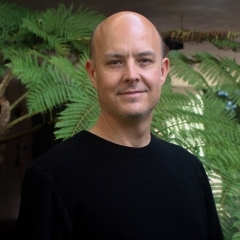
Alessandro CECCONELLO is a part-time lecturer at the Department of Molecular Sciences and Nanosystems (DSMN) at Ca' Foscari University of Venice , where he teaches Bio-Nanomaterials since 2021. His academic journey includes a PhD in Chemistry (2011-2018) at The Hebrew University of Jerusalem, followed by postdoctoral research funded by FEBS (2017-2018) and EMBO (2018-2019) grants at Queen Mary University of London and Technische Universitat Munchen respectively. BSc in Industrial Biotechnology, University of Padua (2001-2004) MSc in Industrial Biotechnology, University of Padua (2004-2009) PhD in Chemistry, The Hebrew University of Jerusalem (2011-2018) His research bridges DNA nanotechnology and synthetic biology to engineer functional nanoscale systems. Key themes include: Programmable DNA-based nanostructures for molecular recognition Plasmonic nanoparticle organization via DNA scaffolds Stimuli-responsive hybrid materials for biomedical applications Scientific output trends reveal a focus on bio-nanomaterials with programmable properties (48% of publications), drug delivery systems (31%), and supramolecular assemblies (21%). BEST POSTER (2014, Minerva Center Conference) BEST YOUNG SCIENTIST (2014, Center for Nanoscience and Nanotechnology) FEBS FELLOWSHIP (2017) EMBO LONG-TERM FELLOWSHIP (2018) As a mentor, he guided two PhD students at Queen Mary University (2018) on DNA-nanotube hybrids . His guest editorship for International Journal of Molecular Sciences (2020-2021) underscores editorial contributions. Collaborations span Nobel laureate Jean Marie Lehn and global leaders in nanotechnology.
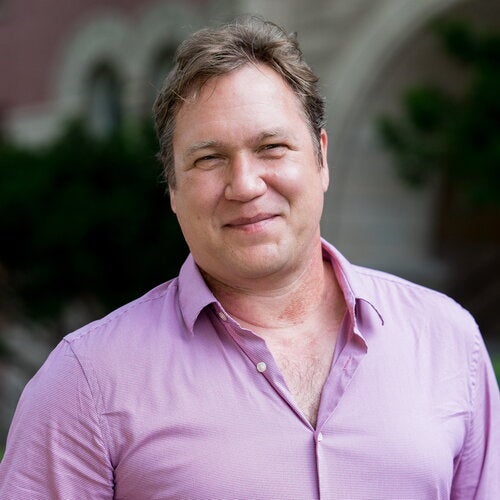
Xi Wu is a faculty member at Chengdu University of Information Technology , affiliated with the School of Computer Science . He holds a PhD from Sichuan University (2012, College of Electronic and Information Engineering). Current Research Focus: Medical imaging, computer vision, and deep learning applications in healthcare Key Themes: PET image reconstruction, radiotherapy dose prediction, GANs, diffusion models, and facial expression recognition His recent work explores transformer architectures , semi-supervised learning , and uncertainty-aware models for tasks like tumor segmentation and multi-organ analysis. Publications emphasize cross-domain adaptation and multi-modal medical imaging .
Nils Bausch is a Course Leader in the Department of Science and Engineering at Southampton Solent University. He holds a PhD from the University of Portsmouth and a Diplom Ingenieur (FH) in Mechatronics from FH Aachen. His academic roles include teaching engineering modules across foundation, undergraduate, and postgraduate levels, with a focus on project supervision and applied engineering. Affiliations : Southampton Solent University; Department of Science and Engineering Professional Memberships : Chartered Engineer (CEng), Member of Institution of Engineering and Technology (MIET), Fellow of the Higher Education Academy (FHEA) Research interests span embedded systems, additive manufacturing, corrosion detection, nuclear power plant control, and AI-driven technologies. Nils has secured grants from GCRF, EPSRC, and Innovate UK, and has authored over 40 peer-reviewed publications. His work includes studies on intelligent systems for powered wheelchairs, corrosion monitoring of offshore wind turbines, and advanced control methodologies for nuclear reactors. Key Research Themes : Smart home and assistive technologies Sensor systems and IoT applications Robust control engineering for critical infrastructure Material degradation analysis in marine environments Recent articles focus on wavelet-based control systems for nuclear reactors, corrosion detection in offshore wind turbines, and bio-inspired UAV control algorithms. Awards include prestigious engineering certifications reflecting his industry-academia collaboration. Nils serves as an external examiner for UK higher education programs and actively contributes to professional registration processes through the IET.
Celal Fadıl KUMRU is a Lecturer at the Department of Electrical and Electronics Engineering, Faculty of Engineering and Natural Sciences at Yildiz Technical University. He holds a Ph.D. in Electrical Facilities from the same institution (2016). His research focuses on High Voltage Technology, Power Systems, and Energy Transmission, with emphasis on cable insulation, dielectric properties, and smart grid technologies. He has conducted postdoctoral research at the University of Waterloo (2022-2023) under TÜBİTAK's International Postdoctoral Fellowship Program. Education: Bachelor's in Electrical Engineering (Yildiz Technical University, 2007) Master's in Electrical Facilities (Thesis, 2009) Doctorate in Electrical Facilities (2016) Research Interests: Dr. KUMRU specializes in high voltage cable systems, partial discharge detection using AI, and IoT-based monitoring solutions. His work bridges experimental testing (e.g., thermal analysis of underground cables) with computational modeling (finite element method applications). Recent studies include non-intrusive sensor systems for insulator defect diagnosis and adaptive relay coordination designs. Publications Trends: Focus areas include dielectric properties under varying conditions, cable aging analysis, and smart grid instrumentation. Machine learning methods (CNN, ANN) are increasingly applied in his recent works (2022-2024). Over 30 peer-reviewed articles published in journals like IEEE Transactions on Dielectrics and Electrical Insulation and Electric Power Systems Research. Awards: No specific awards listed, but maintains a h-index of 7 with 274 citations (Google Scholar). Teaching: Instructs core courses including Finite Element Method, Computer Aided Design, and specialized graduate seminars. Lab courses include Electrical and Circuit Laboratory and High Voltage Testing setups. Infrastructure: Developed an IoT-based weather station for high voltage labs and experimental setups for creep characteristic measurements in transformers. Collaborates on projects like dual-core transformer design and graphene-based cable materials. Future Works: Expanding research on AI-driven diagnostic systems for power infrastructure and sustainable insulation materials.
Anokhi Shah is a post-doctoral research associate specializing in structural biology of membrane proteins using electron paramagnetic resonance (EPR) and cryo-electron microscopy (CryoEM). She holds a Master's in Pharmaceutical Chemistry from Queen Mary University of London (2011-2015) and a PhD in Structural Biology from the University of St Andrews (2015-2019). Her work focuses on advancing EPR methodologies for studying protein structures and dynamics, with applications in membrane protein analysis and bio-nanomaterial interactions. She has contributed to projects in Prof. Christos Pliotas' lab, Prof. Tony Day's lab, and under supervision of Dr. Janet Lovett. Research Interests: Membrane protein structural analysis using EPR and CryoEM Development of novel spin labels for distance measurements Protein-protein interactions in matrix systems Copper and gadolinium-based MRI contrast agent design Publications highlight advancements in EPR techniques, structural studies of pentraxin-3, and innovative applications of coiled-coil scaffolds. Her work contributes to UN SDG goals related to health and scientific innovation.
Guihua Yu is a Professor of Materials Science and Engineering and Mechanical Engineering at the University of Texas at Austin, holding the Temple Foundation Endowed Professorship No. 2. He leads research in functional nanomaterials for energy, environment, and sustainability, with affiliations to the Texas Materials Institute and UT Energy Institute. Education: Ph.D. from Harvard University (highest honor from USTC), postdoctoral research at Stanford University. His research focuses on nanostructured materials for energy storage, solar water purification, and atmospheric water harvesting. Key innovations include advanced battery systems, hygroscopic materials, and sustainable filtration technologies. Research Interests: Nano-architected materials for energy storage (beyond-Li batteries, supercapacitors) Solar-driven water purification and atmospheric moisture harvesting Self-assembled bio-inspired materials for healthcare and sensors Hybrid inorganic-organic nanomaterials for biological interfaces Awards: Over 50 honors including AAAS Fellowship, Blavatnik Awards, and global recognitions for sustainability innovations. Featured in Nature, Science, and major media for contributions to clean energy and water technologies. Lab Activities: Yu Group develops interdisciplinary solutions at the chemistry-physics-materials-engineering interface, emphasizing scalable applications. Current projects explore next-gen batteries, climate-resilient water systems, and smart materials for healthcare.
Dr. Wei Min is a tenured full Professor in the Department of Chemistry at Columbia University's Faculty of Arts and Sciences. He leads a prominent Biophotonics Lab focused on developing novel optical spectroscopy and microscopy technologies, particularly stimulated Raman scattering (SRS) microscopy, to address biomedical challenges. His research bridges chemistry, physics, and biology with significant applications in metabolic imaging and cellular dynamics. Dr. Min earned his Bachelor's degree from Peking University in 2003 and completed his Ph.D. in Chemistry at Harvard University in 2008, working with Prof. Sunney Xie on single-molecule biophysics. After continuing his postdoctoral work in the Xie group, he joined Columbia University's Chemistry Department faculty in 2010 and achieved tenure as a full Professor in 2017. His research focuses on developing novel optical spectroscopy and microscopy technologies to address biomedical problems, with particular emphasis on stimulated Raman scattering (SRS) microscopy and corresponding labeling techniques. His lab aims to study the distribution and dynamics of small bio-molecules in living systems, addressing biological problems on metabolism through small molecule imaging and metabolic labeling techniques at both cell level and in vivo. His work has significantly advanced the field of vibrational imaging, breaking through the 'color barrier' of fluorescence microscopy to enable super-multiplexed imaging with unprecedented chemical specificity. Dr. Min's publication record demonstrates a consistent trajectory of high-impact research in biophotonics and chemical imaging. His most recent work focuses on super-resolution vibrational imaging, multiplexed tissue analysis, metabolic tissue atlas mapping, and applications in materials science. The research shows a clear progression from fundamental technique development to diverse biomedical and materials applications, with increasing complexity in multiplexing capabilities and imaging depth. Biophotonics Technology Innovator Award (2023) Craver Award of Vibrational Spectroscopy, Coblentz Society (2022) The Raman Award for the Most Innovative Technological Development, International Conference on Raman Spectroscopy (2022) Scientific Achievement Award, the Royal Microscopical Society (2021) Multiple Blavatnik National Awards for Young Scientists finalist positions (2019-2021) ACS Early Career Award in Experimental Physical Chemistry (2017) National Institute of Health (NIH) Director's New Innovator Award (2012) Dr. Min has mentored numerous students and postdocs, many of whom have gone on to faculty positions at prestigious institutions including Fudan University, Peking University, Tsinghua University, Caltech, and UC San Diego. His lab currently includes five PhD students and three postdoctoral researchers. His research is supported by significant grants, including the NIH Director's New Innovator Award, reflecting the innovative nature and potential impact of his work. The lab operates at the intersection of chemistry, physics, and biology, developing tools that enable new biological discoveries while advancing the fundamental science of optical imaging. Dr. Min's Biophotonics Lab maintains a strong focus on developing next-generation imaging technologies that overcome limitations of existing approaches. The lab's recent work on super-resolution vibrational imaging, multiplexed tissue analysis, and metabolic mapping demonstrates their commitment to pushing the boundaries of what's possible in optical imaging, with applications spanning basic biological research, disease diagnosis, and materials science.
Michael J. Gordon is the Warren G. and Katherine S. Schlinger Professor and Chair of Chemical Engineering at the University of California, Santa Barbara (UCSB). His research focuses on nanoscale materials synthesis, scanning probe microscopy (SPM), and energy-related applications, including photocatalysis, plasma-based synthesis, and bio-inspired photonics. He leads the Gordon Group, collaborating with interdisciplinary teams to advance materials science and engineering. Education: PhD in Chemical Engineering (Caltech), MS in Applied Physics (Caltech), MS and BS in Chemical Engineering (Colorado School of Mines). Research Interests : Gordon’s work spans nanomaterials, catalysis, biomolecular systems, and energy technologies. Key areas include protein assembly mechanisms (e.g., reflectin), plasma-driven carbon-neutral energy solutions, and optoelectronic devices. His lab develops novel materials characterization methods, such as tip-enhanced Raman spectroscopy and high-pressure plasma reactors. Publications : Over 150 peer-reviewed articles in top journals like Advanced Materials , ACS Catalysis , and Science . Recent work emphasizes photocatalytic hydrogen production, bio-inspired photonics, and protein-electrochemistry interfaces. Awards : Elected Fellow of the American Vacuum Society, David and Lucile Packard Fellowship, NSF Early Career Award, and multiple teaching accolades. He holds the Inaugural Founder’s Chair in Chemical Engineering at UCSB. Grants & Teams : Principal investigator on grants from NSF, DoE, and industry partnerships. Collaborates with the Solid State Lighting & Energy Electronics Center (SSLEEC) and Institute for Collaborative Biotechnologies (ICB). Labs & Facilities : Active in UCSB’s Nanofabrication Facility, CNSI Confocal Raman Facility, and MRL TEMPO Lab. His group designs custom instruments for nanoscale characterization and plasma synthesis.
Stephan Link is the Charles W. and Genevieve M. Walton Endowed Professor of Chemistry at the University of Illinois Urbana-Champaign, with joint appointments in Electrical and Computer Engineering and the Materials Research Lab. His research focuses on the photophysics and photochemistry of nanomaterials, plasmonics, and solar energy conversion. He employs ultrafast spectroscopy and single-particle imaging to study nanoparticle dynamics and interfacial processes. Education: PhD in Physical Chemistry, University of Notre Dame (2019–2024) Bachelor’s in Chemistry, Butler University (2015–2019) Research Interests: Plasmon-generated solvated electrons and energy transfer mechanisms Nanoparticle arrays and optical dichroism Plasmon-dephasing and acoustic modes in nanostructures Applications in solar energy conversion and biosensing Awards: AAAS Fellow (2024) Grants & Collaborations: Jenny and Antti Wihuri Foundation Grant (2025) for plasmonic solar energy projects Interdisciplinary collaborations with the Landes group on ultrafast spectroscopy Labs & Teams: Leads the Link Research Group, actively engaged in nanomaterial synthesis, spectroscopy, and device applications. Collaborates with experimental and computational groups across multiple disciplines.
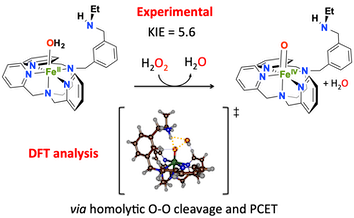
Frédéric Avenier is a Professor at Université Paris-Saclay, affiliated with the Institut de Chimie Moléculaire et des Matériaux d'Orsay (ICMMO) and the Laboratoire de Chimie Bioorganique et Bioinorganique (LCBB). He holds a PhD in Molecular Chemistry from Université Joseph Fourier, Grenoble (2003), followed by postdoctoral research at the University of Cambridge (2004-2008) and ENS Lyon (2008-2009). His research focuses on bio-inspired catalytic systems, particularly enzyme mimics involving iron complexes for oxygen activation and selective oxidation reactions. Key contributions include studies on diiron-peroxo intermediates and artificial flavoenzymes. Avenier has authored over 30 peer-reviewed publications, with highlights in Angewandte Chemie , Nature Communications , and ACS Catalysis . His work bridges inorganic, bioorganic, and computational chemistry, addressing challenges in sustainable catalysis. Education: PhD in Molecular Chemistry (2003), Université Joseph Fourier, Grenoble Habilitation (2017), Université Paris-Sud Research interests emphasize designing metal-based catalysts inspired by biological systems to achieve selective oxidations and oxygen activation. Collaborations include projects on polyoxometalate-catalyzed reactions and enzyme-hybrid biocatalysts. Recent publications (2013–2025) explore copper-mediated halogenations, palladium-catalyzed bioorthogonal reactions, and non-heme iron amine transfer mechanisms. Experimental and computational approaches are combined to elucidate reaction pathways and catalytic intermediates.
Hanlin Niu is an Honorary Research Associate at the University of Manchester, affiliated with the School of Engineering's Department of Electronic and Electrical Engineering (EEE). He holds a PhD from Cranfield University and a bachelor's degree from Tianjin University. His research focuses on autonomous systems, including collision avoidance algorithms, path planning, deep reinforcement learning, and formal verification. He has extensive industrial experience with projects funded by EPSRC, Innovate UK, and others. Current Position: Honorary Research Associate at University of Manchester Key Projects: Digital Twin-based Teleautonomous Systems (EPSRC), Robotics and AI in Nuclear (RAIN) Prior Experience: Postdoc at Cardiff University (robotics/computer vision) Research Interests: Collision avoidance, path planning for USVs/UAVs, deep learning for autonomous systems, and formal verification of decision-making systems. His work contributes to UN Sustainable Development Goals related to industry innovation and infrastructure. Notable Contributions: Developed collision avoidance algorithms for ASV Global's USVs, Kuka iiwa robot arm solutions, and multi-drone platforms. Authored 14 peer-reviewed publications, including high-impact papers on path planning and reinforcement learning.
Kwabena Boahen is a Professor of Bioengineering and Electrical Engineering at Stanford University, with a courtesy appointment in Computer Science. He is affiliated with the Wu Tsai Neurosciences Institute, the Bio-X Institute, and the System X Alliance. His research bridges neurobiology, computer science, and electronics, focusing on neuromorphic engineering to model brain functions. He founded the Brains in Silicon Lab, developing silicon chips that emulate neural behavior efficiently. Notable contributions include the Neurogrid platform and the Braindrop architecture. Boahen holds multiple awards, including the Packard Fellowship and NIH Pioneer Award, and has led interdisciplinary research initiatives like the Brainstorm Project. He advises numerous graduate students and teaches courses on neuromorphics and bioengineering systems. Education: PhD in Computation and Neural Systems from Caltech (1997). Prior to Stanford, he was at the University of Pennsylvania (1997–2005), holding the Skirkanich Term Junior Chair. His work spans over 100 publications, emphasizing energy-efficient neural models and silicon implementations of brain-inspired systems. Research interests include neuromorphic engineering, neural network design, and the intersection of neuroscience with artificial intelligence. Recent work explores dendrocentric learning and embodied AI frameworks. He has pioneered methods for scaling neural simulations to functional brain sizes while maintaining biophysical accuracy. His publications highlight advancements in neuromorphic hardware, computational neuroscience, and interdisciplinary applications. Awards reflect recognition for innovations in neurogrid technology and contributions to neuroAI. Advising spans bioengineering, neuroscience, and biomedical data science PhD programs.
Francesco Giacalone is a Full Professor at the Department of Biological, Chemical and Pharmaceutical Sciences (STEBICEF) at the University of Palermo. He specializes in the development of hybrid catalytic materials for CO2 conversion, functionalization of carbon nanostructures, and sustainable organic synthesis. His research integrates ionic liquids, polyhedral oligomeric silsesquioxanes (POSS), and nanocarbon supports for cross-coupling reactions. Recent publications highlight his work on: Deep eutectic solvents for carbon nanoform functionalization Catalytic systems for CO2 conversion into cyclic carbonates Palladium nanoparticle immobilization on modified nanocarbons Applications of supported ionic liquids in organic reactions He has extensively explored the synergistic effects of heterogenized catalysts in reactions like Suzuki-Miyaura, Heck, and alcohol oxidation, with a focus on recyclability and green chemistry principles.
Mathias Senge is a Professor of Organic Chemistry at Trinity College Dublin, where he has held the Chair of Organic Chemistry since 2005. He is also a Hans Fischer Senior Fellow at the Institute for Advanced Study, Technische Universität München (TUM-IAS) since 2020, and previously served as an August-Wilhelm Scheer Visiting Professor at TUM in 2018. His research focuses on porphyrins, tetrapyrroles, and their applications in photochemistry, photobiology, and photomedicine. Dr. Senge's educational background includes: Undergraduate studies in chemistry and biochemistry at Freiburg, Amherst, Marburg, and Lincoln Diplom-Chemiker from Philipps Universität Marburg (1986) PhD in plant biochemistry with Prof. Horst Senger in Marburg (1989) Habilitation in Organic Chemistry at Freie Universität Berlin (1996) Professor Senge's research spans multiple areas of chemistry with a particular emphasis on the synthesis and properties of porphyrins and related tetrapyrrole compounds. His work in synthetic organic chemistry has led to innovations in hydrocarbon scaffold molecules including triptycenes and cubanes. In bio(in)organic chemistry , he has made significant contributions to understanding porphyrin chemistry and its biological implications. His medicinal chemistry research focuses on photodynamic therapy and imaging techniques. Senge's work in photobiology connects to natural photosynthesis processes, while his crystallography research examines structure-function relationships. More recently, he has expanded into material science applications including photonics materials and 2D nanostructures, as well as exploring the history and philosophy of photochemistry. Analysis of Professor Senge's recent publications reveals a strong focus on molecular engineering of porphyrin systems, with particular attention to conformational control, symmetry properties, and applications in materials science. His work bridges fundamental chemical principles with practical applications in photomedicine, quantum computing, and nanotechnology. The interdisciplinary nature of his research is evident in collaborations spanning chemistry, physics, materials science, and medical applications. Among his notable scientific achievements: Hans Fischer Senior Fellow, Institute for Advanced Study, TUM (2020) Laboratory Team of the Year award for 'Senge Group' from the Irish Laboratory Awards (2020) August-Wilhelm Scheer Visiting Professor, TUM (2018) KIT International Collaborator Award (2018) Election to Professorial Fellow at Trinity College Dublin (2006) Science Foundation Ireland Research Professorship (2005-2009) Heisenberg-Fellowship of the Deutsche Forschungsgemeinschaft (1997-2002) Professor Senge has secured significant research funding throughout his career, including a prestigious Science Foundation Ireland Research Professorship from 2005-2009. His research group, the 'Senge Group,' was recognized with the Laboratory Team of the Year award in 2020. He has established international collaborations with institutions including Technische Universität München, Karlsruhe Institut für Technologie, and various research groups across Europe. His work has resulted in over 370 publications in the area of organic chemistry, porphyrins and photosciences. The Senge Group at Trinity College Dublin operates as a vibrant research team focused on molecular engineering of porphyrin systems. Their work spans synthetic chemistry, materials science, and photomedicine applications. The group has developed expertise in conformational control of porphyrins, molecular symmetry analysis, and applications of porphyrin chemistry in quantum information science. Their research has implications for photodynamic therapy, molecular electronics, and nanotechnology.
Dr. Pratheep Annamalai is a polymer and nanomaterials scientist at the University of Southern Queensland , affiliated with the Centre for Future Materials . He holds a BSc (1999) and MSc (2001) from the University of Madras, and a PhD (2009) from Pune University. His research focuses on polymer recycling , renewable nanomaterials , and sustainable food processing . Research Interests : Biodegradable polymers, lignin valorization, nanocellulose applications, and sustainable material engineering. Teaching : Coordinates BIO3811 Food Product Development and BIO3821 Food Quality Assurance . Professional Memberships : ISO/TC229 Nanotechnologies, American Chemical Society, Royal Australian Chemical Institute, and others. His work bridges materials engineering with food sustainability , particularly in plant-based emulsions and biocomposites. Current projects include spinifex nanocellulose for construction materials and lignin-based polyurethanes . Collaborations span the Institute for Advanced Engineering and Space Sciences and international institutions. Recent publications emphasize polymer foam insulation , cellulose nanocrystal applications, and food emulsion stabilization . A 2024 ACS Omega paper analyzes surfactant effects on PLA/graphite nanocomposites, while a 2025 Industrial Crops and Products study explores faba bean meat analogues with brewers' spent grain.


.png)