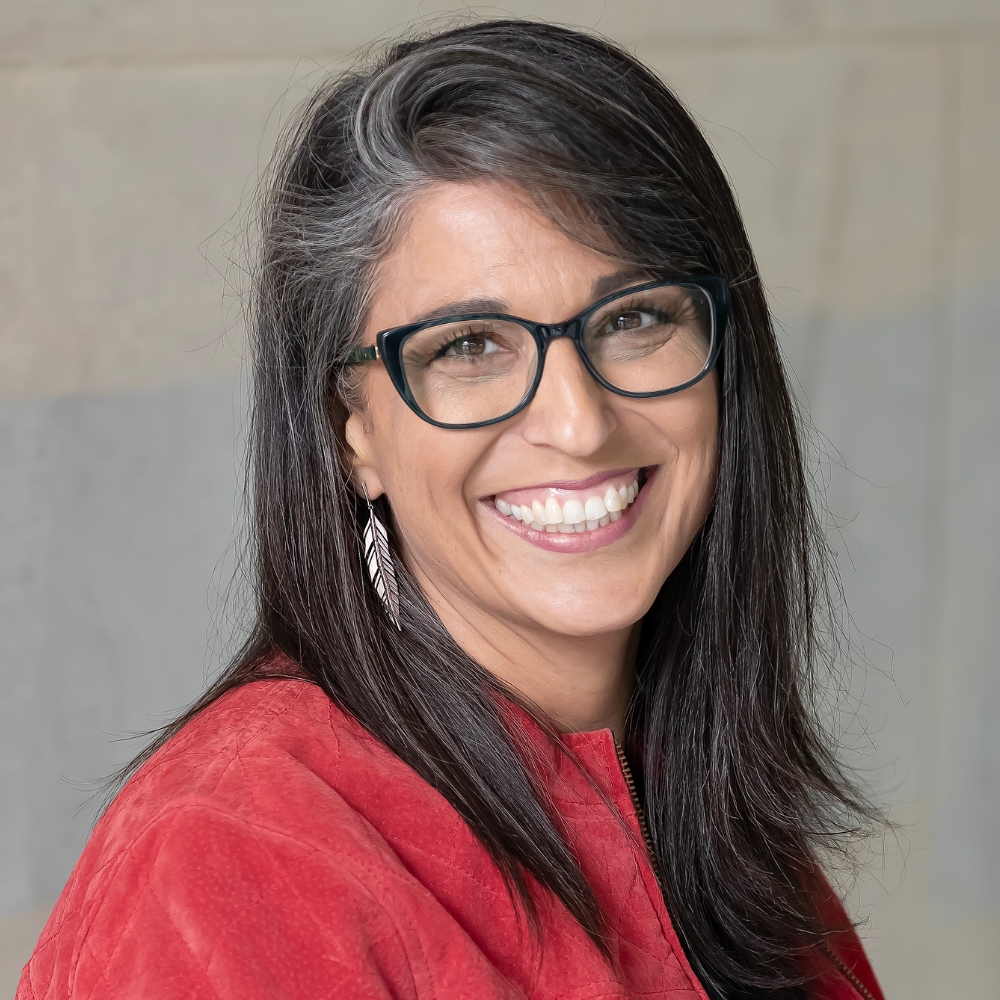
Margarita Machado-CasasView profile
Professor
Dr. Margarita Machado-Casas serves as Full Professor in the Department of Dual Language and English Learner Education at San Diego State University and holds the presidency of the National Association for Bilingual Education (NABE). A nationally recognized scholar in bilingual, multicultural, and transnational education, she directs research focused on immigrant, Indigenous, Afro-descendant, and multilingual communities through interdisciplinary lenses of identity, agency, and equity. Her academic foundation includes a Ph.D. from the University of North Carolina at Chapel Hill (IMPACT Award recipient) and a postdoctoral fellowship at the Frank Porter Graham Institute with Duke University collaboration. This training underpins her community-engaged scholarship that bridges academic research with real-world policy impact. Dr. Machado-Casas's research program centers on dismantling systemic barriers through culturally sustaining pedagogies. Key themes include affirming cultural memory in bilingual spaces, developing equitable assessment frameworks, and implementing the VERDAD model for family engagement. Her work consistently prioritizes community co-creation, as demonstrated in Nicaragua's first multilingual master's program for Afro-Indigenous communities. Analysis of her 15+ recent publications reveals persistent focus on pandemic impacts on bilingual education, STEM access disparities for Latina educators, and transnational approaches to minoritized student equity. These works increasingly integrate digital tools while maintaining critical consciousness foundations. Her scientific recognition includes: IMPACT Award during doctoral studies at UNC Chapel Hill Award-winning author of Handbook of Latinos in Education As a policy leader, Dr. Machado-Casas served on the Biden-Harris National Education Policy Committee and advises Latin American education ministries. She co-founded CUPE/BESO (the nation's largest bilingual student organization) and leads entrepreneurial ventures through ISET Pathway and Global Supply Exchange, demonstrating sustained commitment to translating research into systemic change. Her leadership extends beyond traditional academia into community advocacy and international policy development, creating unique pathways for students to engage in transformative educational work across institutional boundaries.