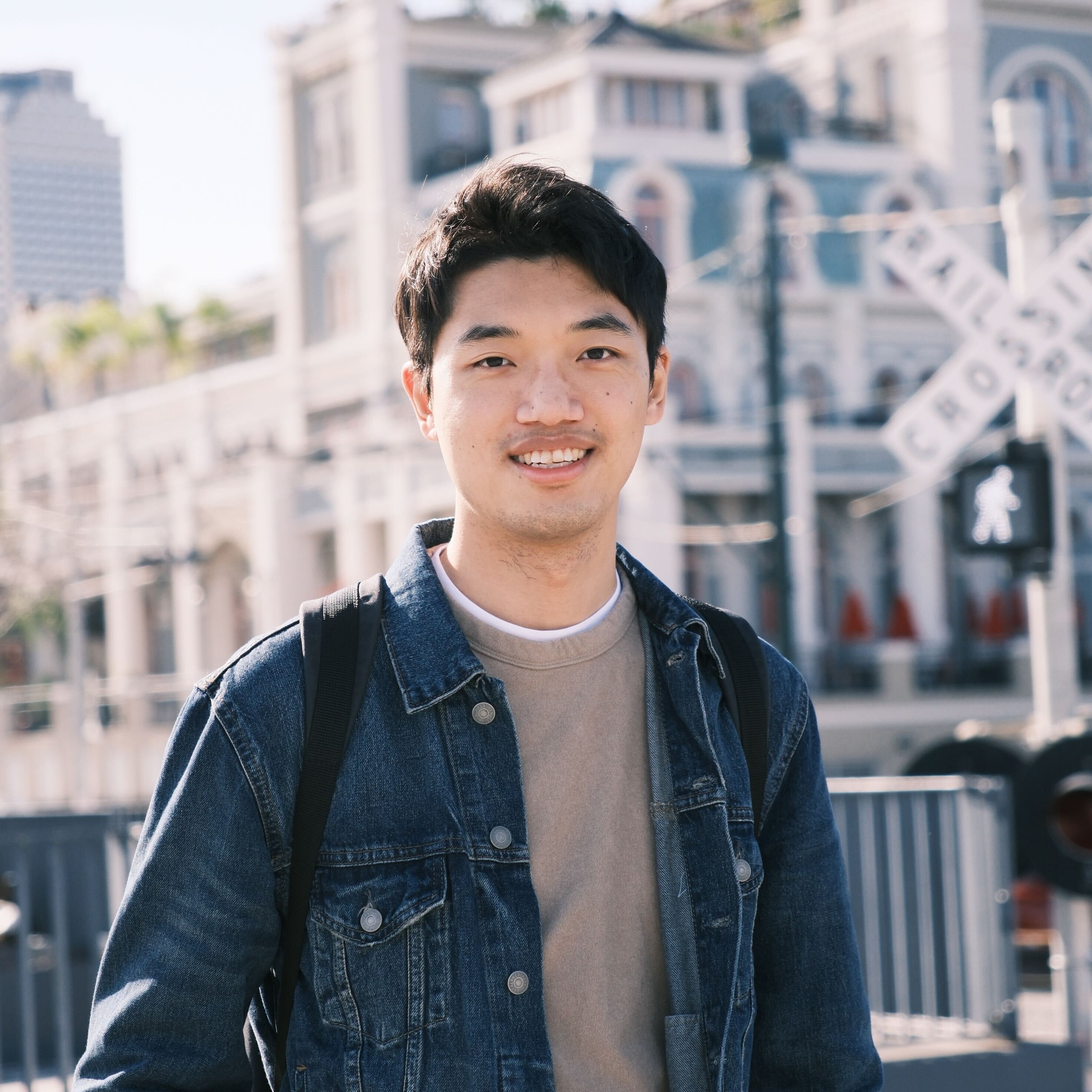
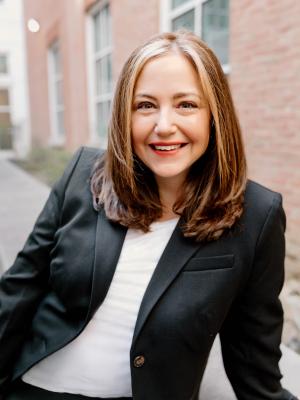
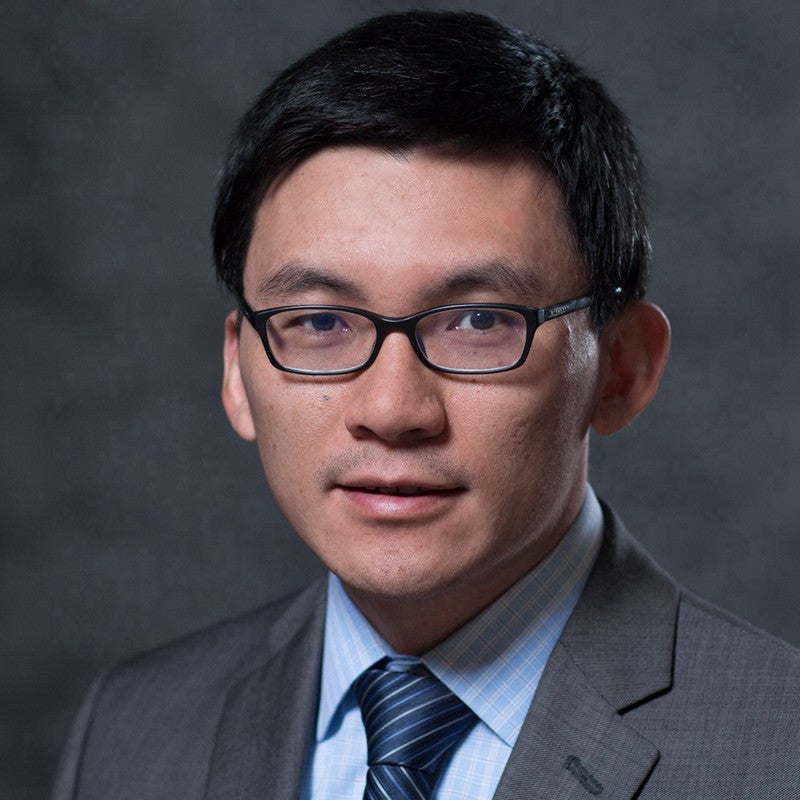
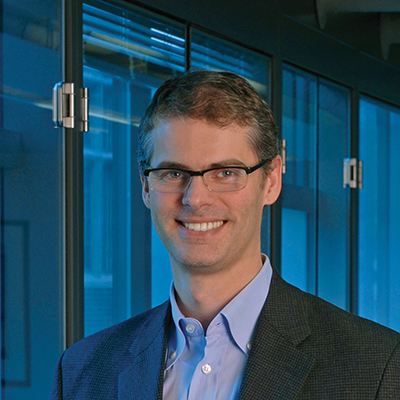
Zheng Zhang is a Ph.D. candidate in the Department of Computer Science and Engineering at the University of Notre Dame, where he focuses on human-AI interaction. He also works as an Applied Scientist in Adobe's GenAI team, developing interactive AI systems for user experience enhancement. He has held internships at Apple, AWS AI, and Meta Reality Labs. Education: Ph.D. (in progress) at University of Notre Dame M.S. in Computer Science from University of Rochester and University of Minnesota B.Eng. in Software Engineering from Shaanxi Normal University His research explores the intersection of human-computer interaction (HCI) and machine learning (ML), emphasizing systems that provide adaptive, context-sensitive support for complex cognitive tasks. Key areas include collaborative tools for team ideation, incremental learning from user demonstrations, and multimodal context-aware interfaces. Recent publications demonstrate a focus on AI-augmented collaboration through large shared displays (LADICA), audio-visual annotation (PEANUT), and interactive qualitative coding (PaTAT). His work increasingly integrates generative AI with real-time human input, particularly for co-located teams and educational applications. He serves as a Program Committee member and reviewer for top HCI/ML conferences including CHI, UIST, IUI, and ACL. Teaching experience spans courses in human-AI systems, algorithms, and data structures.
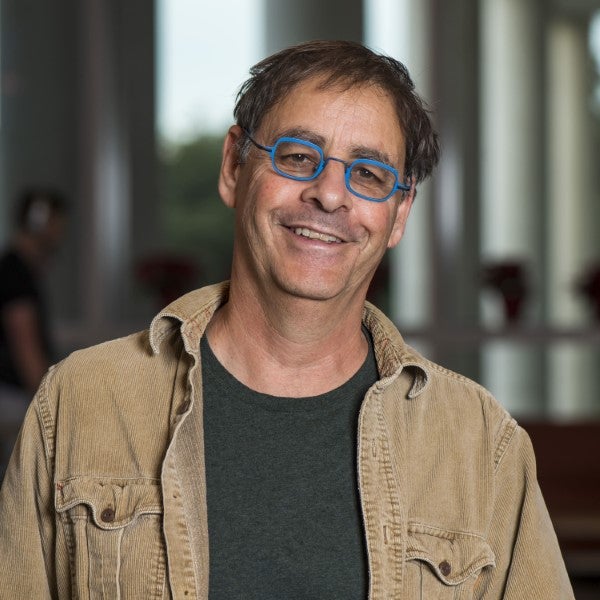
Remy Mbanga is an Adjunct Professor at Université de Sherbrooke since 2021, with prior academic roles at Université Laval (2019-2021). His research focuses on vocational indecision , academic motivation , adolescent development , and psychosocial interventions in educational contexts. He employs self-determination theory and motivational profiles to analyze career trajectories and school success. Education : PhD in Career Sciences (Université Laval, 2021), Master’s in Education (Aix-Marseille Université, 2015), and multiple Master’s degrees in Physiology and Science Education (Université de Yaoundé I, 2008-2010). His work bridges educational psychology and vocational guidance , emphasizing how parenting practices , achievement goals , and psychological needs influence vocational anxiety and school trajectories. Recent articles explore longitudinal associations between academic motivation and vocational indecision, motivational profiles in early adolescence, and psychosocial interventions for secondary students. Scientific awards include the Honor Roll of the Faculty of Graduate and Postdoctoral Studies (2021) and Faculty of Education Distinction (2019). His grants include funding from FRQSC , Fondation Rossy , and SSHRC , focusing on educational success, vocational anxiety reduction, and psychosocial leadership programs.
Harel Shouval is a Professor in the Department of Neurobiology and Anatomy at The University of Texas Health Science Center at Houston (UTHealth) and a Professor in the Electrical and Computer Engineering department at Rice University. His office is located in the McGovern Medical School Building (MSB) 7.264, and he can be reached at 713-500-5708 or harel.shouval@uth.tmc.edu. Dr. Shouval's research focuses on identifying the rules by which changes in synaptic strength—believed to be the basis of learning, memory, and development in the cortex—take place. His work spans multiple levels of analysis, from molecular mechanisms to functional implications, with an emphasis on theoretical and computational approaches. Key areas of investigation include: The molecular basis of synaptic plasticity, including complex simulations of signal transduction pathways and calcium dynamics Development of simplified cellular models of synaptic plasticity, such as his unified calcium-dependent plasticity model The contribution of synaptic plasticity to receptive field development in visual cortex Long-range horizontal connections in visual cortex and their role in map formation The stability mechanisms of long-term synaptic plasticity His extensive publication record demonstrates a consistent focus on computational and theoretical aspects of synaptic plasticity. Dr. Shouval's work bridges molecular neuroscience with systems-level understanding, particularly through his development of the unified calcium-dependent plasticity model that accounts for various induction paradigms including spike time-dependent plasticity. His research shows strong interdisciplinary connections between neuroscience, electrical engineering, and computational modeling, with applications to understanding learning, memory, and developmental processes in neural circuits. Dr. Shouval teaches courses in theoretical neuroscience at both institutions, including 'Theoretical Neuroscience I: Cells, Circuits and Systems' and 'Theoretical Neuroscience II: Learning, Perception and Cognition.' His teaching spans from biophysical foundations of neuronal cells to advanced topics in learning, perception, and cognition, reflecting his integrated approach to neuroscience education. The Shouval Lab for Theoretical Neuroscience maintains an active research program investigating the fundamental mechanisms of synaptic plasticity. The lab has trained numerous graduate students and postdoctoral fellows who have contributed to the field of theoretical neuroscience, as indicated by the 'Former Graduate Students' and 'Former Postdoctoral Fellows' sections on the lab website.
Sophia Frick is an Assistant Professor at the Erasmus School of Social and Behavioural Sciences, specializing in Work and Organizational Psychology. Her research focuses on the interplay between light exposure, sleep quality, and employee wellbeing, particularly within the context of digitalization's impact on modern workplaces. Research Themes: Role of ambient lighting in reducing workplace exhaustion Bidirectional relationships between sleep patterns and burnout indicators Temporal dynamics of burnout across workdays and weeks Key Collaborations: Co-authored studies with Karen C.H.J. Smolders, L. van der Meij, and Y. de Kort Active in the Sectorplan SSH-Breed research program
Jacobé Huet is an Assistant Professor of Art History and the College at the University of Chicago, specializing in modern architecture in the Mediterranean with a focus on transcultural exchanges between modernist and vernacular traditions, and architectural representations in art and literature. Her academic background includes a PhD in History and Theory of Architecture from Harvard University (2022), an MA from Williams College, and a BA from Université Paris 1 Panthéon-Sorbonne, all in art history. Huet's research investigates reciprocal relationships in Mediterranean architectural history, examining how vernacular-centric figures like Palestinian ethnographer Tawfiq Canaan engaged with modernist architects such as Marcel Breuer. Her current book manuscript challenges unidirectional narratives by analyzing bidirectional cultural exchanges and proposing reciprocity as a methodological framework for architectural historiography. Recent publications explore colonial architecture in Albert Camus' writings, Kader Attia's artistic reinterpretations of postcolonial urbanism, and Le Corbusier's encounters with Islamic architecture, reflecting consistent interdisciplinary engagement with Mediterranean identity and architectural representation. Research support includes: Fondation Palladio Aga Khan Program for Islamic Architecture She teaches courses including "Architecture and Colonialism in Algeria, Morocco, and Tunisia" and "Le Corbusier Beyond Europe: Internationalism and Ideology," framing architectural designs as ideologically charged products of global exchange networks.
Tiark Rompf is an Assistant Professor at Purdue University , with research spanning programming languages, compilers, and systems. His work bridges domains including architecture, databases, machine learning, and AI through projects like Reachability Types and Rhyme. Co-director of the Purdue Center for Programming Principles and Software Systems (PurPL) Scientific Advisor at SambaNova Systems Previously a member of the Scala team at EPFL His research focuses on: Runtime code generation and advanced compiler technology Expressive data-centric query languages (Rhyme, Datalog) Reachability type systems for memory safety and effect handling Metaprogramming and logical relations for formal verification Recent publications highlight contributions to Datalog compilation (Flan), nested data structures (Rhyme), and polymorphic reachability types. He leads projects exploring: Compiler optimizations for emerging architectures (GPU, TPU, FPGA) ML-driven compiler improvements Secure multi-party computation via metaprogramming Scientific awards include: NSF CAREER Award (2016) Google Faculty Research Awards (2017, 2018) DOE Early Career Research Award (2017) ACM SIGPLAN PL Software Award (2019) GPCE Test of Time Award (2020) Students and alumni from his group have joined institutions like Databricks, DeepMind, Galois, and Meta. He teaches advanced compiler courses including: CS 590 - Advanced Topics in Compilers CS 352 - Compilers CS 502 - Graduate Compilers
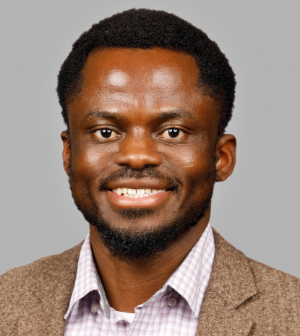
Dr. Paul Atandoh serves as an Assistant Professor of Statistics within the College of Liberal Arts and Sciences at Mercer University, specializing in statistics and actuarial science applications across health and computational domains. His educational background includes: Ph.D. in Statistics from Western Michigan University M.A. in Actuarial Science from Ball State University M.Sc. in Mathematical Science from the African Institute for Mathematical Sciences B.Sc. in Actuarial Science from the University for Development Studies Dr. Atandoh's research program integrates advanced statistical methodologies with real-world applications, particularly in natural language processing and health analytics. His work on statistical analysis of network data employs variational inference and machine learning techniques to address challenges in document clustering and sentiment analysis. In health research, he investigates critical public health issues including hypertension-depression comorbidity, prenatal mental health disparities, and cancer treatment inequities using large-scale survey data and population registries. Analysis of his 2021-2024 publications reveals a dual research trajectory: computational statistics innovations (deep learning architectures for text analysis, stochastic blockmodels for document clustering) and epidemiological investigations (health disparities by citizenship status, access to care impacts). His technical contributions frequently combine CNNs, BiLSTMs, and word embedding techniques with statistical modeling, while his health studies leverage complex survey methodologies to examine social determinants of health outcomes in US populations. Information regarding Dr. Atandoh's current student advising responsibilities and active grant funding is not specified in available materials.
Alvaro Torralba is an Associate Professor in the Department of Computer Science at Aalborg University, Denmark, affiliated with the Technical Faculty of IT and Design. His research focuses on symbolic search, heuristic functions, and planning algorithms within artificial intelligence and machine learning. Notable projects include the ConAn initiative exploring contrastive analysis for state-space exploration. He has contributed extensively to classical planning, probabilistic planning, and automated planning competitions, earning awards such as the First Prize in the Agile Track of the 10th International Planning Competition (IPC’23). His work often bridges theoretical advancements with practical applications, including game-based network update synthesis and believable non-player character development. Research outputs include over 60 publications since 2011, with a focus on optimizing search algorithms and enhancing planning efficiency through techniques like operator-potential heuristics and bidirectional search strategies. His scientific contributions span algorithmic innovation, verification methodologies, and large-scale abstraction evaluation. Collaborations and datasets include foundational work on PDDL generators and pattern databases, with open-access resources available via Zenodo. As a program committee member and award-winning researcher, Torralba actively contributes to advancing the frontiers of AI planning and decision-making systems.
Mario Marchesoni is a Professor at the Department of Naval, Electrical, Electronics and Telecommunications Engineering (DITEN) , affiliated with the University of Genoa . His academic responsibilities include coordinating the PhD program and teaching advanced courses in electrical engineering with a focus on energy transition and industrial technologies. Ranks: Full Professor Departments: DITEN Research Interests center on power electronics, control systems, and energy conversion , addressing challenges in hybrid vehicles, induction motor drives, and energy storage systems. His work emphasizes improving efficiency and reliability in electrical systems through innovative control strategies and converter topologies. Recent Publications (2024) highlight advancements in DC-DC converters for hybrid vehicles , thermal management of high-power diodes , and sensorless control of induction motors . Key themes include dynamic performance optimization, sub-harmonic reduction, and hybrid energy storage solutions. Contact: Email mario.marchesoni@unige.it or phone +39 010 33 52183. Office hours by appointment at DITEN, via all'Opera Pia 11a, first floor, Genova.
Andrea Chronis-Tuscano is the Joel & Kim Feller Endowed Professor at the University of Maryland, College of Behavioral & Social Sciences (BSOS). She holds a PhD in Clinical Psychology from SUNY Buffalo. Her research focuses on ADHD across the lifespan, parenting, and behavioral inhibition, with NIH-funded projects targeting interventions such as the TPAC and BEAMS trials. She directs the UMD SUCCEEDS College ADHD Clinic and has led large-scale studies like the Turtle Project. Chronis-Tuscano is a Fellow of the Association for Psychological Science and ABCT, serving on editorial boards and NIH review committees. Her work emphasizes community-informed designs and hybrid effectiveness-implementation research. Research interests include ADHD comorbidity with depression and substance use, maternal psychopathology, and early intervention for inhibited children. Key projects integrate telehealth, school-based mental health, and college student support. She has published extensively on ADHD mechanisms, parenting interventions, and neurobiological markers of anxiety. Awards include ADVANCE Professorship for BSOS and leadership in APA Division 53. NIH grants: TPAC, BEAMS, Turtle Project, and college student alcohol intervention Editorial roles: Journal of Consulting & Clinical Psychology and former JCCAP Associate Editor Service: NIMH SERV review committee and APA leadership
Anna Hayes is an Assistant Professor in the Department of Food Science and Technology at Oregon State University, affiliated with the Moore Family Center for Whole Grain Foods, Nutrition and Preventive Health. Her research program focuses on the gut-brain axis, specifically designing foods that alter food intake, metabolism, and cognition through gut-brain communication, with emphasis on utilizing food waste byproducts. Her educational background includes: B.S. in Food & Nutrition Science from St. Catherine University (2014) Ph.D. in Food Science from Purdue University (2021) Postdoctoral fellowship in Biological Sciences at the University of Southern California (2025) Dr. Hayes' research integrates nutritional neuroscience, obesity mechanisms, and food science to investigate how dietary components (e.g., slowly digestible carbohydrates, low-calorie sweeteners) impact cognitive function and metabolic health. She employs both human trials and rodent models to study neural pathways like the vagus nerve and oxytocin signaling, with particular focus on early-life nutrition effects and traditional African food systems. Her work bridges food waste valorization with cognitive health outcomes. Analysis of her recent publications (2023-2025) reveals three dominant research streams: (1) gut-brain axis mechanisms involving vagal signaling and oxytocin in memory regulation, (2) developmental programming of cognitive function through early-life diet (especially Western diets and food insecurity), and (3) metabolic impacts of carbohydrate digestion rates. Her global nutrition work examines traditional African foods like sorghum porridge in malnourished populations. Her scientific awards include: F32 Ruth Kirschstein National Research Service Award (NRSA) Postdoctoral Fellowship, NIH (2022-2025) Best poster award, International Behavioral Neuroscience Society (2024) Early Career Research Grant, The Obesity Society (2023) Trainee Professional Development Award, Society for Neuroscience (2023) Harry R. Kissileff Award for best oral presentation, Society for the Study of Ingestive Behavior (2023) 1st place oral presentation award, Diabetes & Obesity Research Institute (2022) Dr. Gideon 'Guy' Livingston Scholarship, Phi Tau Sigma (2020) Best student research award, Cereals & Grains Association Nutrition Division (2018) Feeding Tomorrow Graduate Scholarship, Institute of Food Technologists (2014-2015, 2018-2019) Dr. Hayes accepts graduate students for the Food Science and Technology Department and directs research supported by competitive grants including the NIH F32 fellowship and The Obesity Society's Early Career Research Grant. Her laboratory investigates neural mechanisms of diet-induced cognitive changes using physiological, behavioral, and molecular approaches. She collaborates with global nutrition initiatives focused on African food systems and participates in interdisciplinary projects at the Moore Family Center. She maintains active professional engagement through the Institute of Food Technologists, Society for the Study of Ingestive Behavior, American Society for Nutrition, The Obesity Society, and Phi Tau Sigma Honor Society, regularly presenting at major conferences in neuroscience and nutrition.
Sean X. He is an Associate Professor in the Civil and Environmental Engineering department at Rensselaer Polytechnic Institute , joining in 2017. His research focuses on modeling and simulating transportation systems, particularly the impacts of emerging technologies and network disruptions. Ph.D. and M.S. in Transportation Engineering from University of Minnesota, Twin Cities B.S. and M.S. in Computational Mathematics His expertise spans interdependent infrastructure resilience, connected autonomous vehicles (CAVs), and electric vehicles. He serves on the Network Modeling Standing Committee of the Transportation Research Board (TRB), and holds editorial roles for Transportation Research Part B , Frontiers in Future Transportation , and as guest editor for multiple journals. His work on CAVs and transportation resilience has earned recognition, including the Best Paper Award at the 18th International IEEE Conference on Intelligent Transportation Systems and the NSF CAREER Award 2021 . Recent publications highlight his work in dynamic traffic equilibrium, vehicle re-identification algorithms, and energy-efficient transportation systems. Collaborative research trends integrate AI, optimization techniques, and environmental impact analysis to address challenges in urban mobility and network disruptions. NSF CAREER Award 2021 Best Paper Award - 18th International IEEE Conference on Intelligent Transportation Systems
Craig Leth-Steensen is an Associate Professor in the Department of Psychology at Carleton University, affiliated with the Faculty of Arts and Social Sciences. He holds a Ph.D. from McGill University. His research focuses on cognitive psychology, particularly the application of quantitative methods and computational models (e.g., neural networks, random walks) to analyze human cognitive performance, reaction time distributions, and symbolic comparative judgments. Recent interests include early childhood cognitive development and interventions through programs like PlayWisely. His work spans experimental psychology and psychometrics, with key contributions to reaction time analysis, spatial-numerical associations (SNARC effect), and task-switching dynamics. He has published widely in journals like Psychological Review , Journal of Experimental Psychology , and Frontiers in Psychology . Dr. Leth-Steensen has no listed awards but has collaborated with institutions globally. His research emphasizes methodological rigor, integrating statistical techniques with experimental designs to explore information processing and decision-making mechanisms.
Dr. Madhusudan Choudhary is a Professor in the Department of Biological Sciences at Sam Houston State University. He holds a Ph.D. from McMaster University and completed post-doctoral training at Duke University. His research laboratory focuses on microbial genetics, genomics, and bioinformatics using Rhodobacter sphaeroides as a model organism to study bacterial cell-cycle regulation, metabolic innovations through gene duplication, and the evolution of genomic complexity in prokaryotes. Key investigations include chromosome replication origins, duplicate gene expression patterns, and the functional specialization of multipartite genomes. Dr. Choudhary's research spans diverse areas including bacterial responses to microgravity, CRISPR-Cas systems, heavy metal resistance mechanisms, and nanoparticle interactions. He directs studies on transcriptomics under stress conditions and develops computational methods for genome analysis. His work has significant implications for understanding microbial evolution and environmental adaptation.
Benjamin C. Pierce is Henry Salvatori Professor of Computer and Information Science at the University of Pennsylvania, with appointments in the School of Engineering and Applied Science. A Fellow of the ACM, his research spans programming languages, formal verification, and security-privacy technologies. He directs the DeepSpec project on verified systems infrastructure and leads climate computing initiatives. Research interests focus on: Formal methods for reliable software via proof assistants like Coq Bidirectional programming and data synchronization Language-based security and differential privacy Publication trends show consistent contributions to type theory foundations, with recent emphasis on property-based testing methodologies and real-world verification. Articles frequently appear in top PL/SEC venues with practical applications in compilers and secure systems. Scientific Awards: ACM Fellow (systems verification) SIGPLAN Distinguished Educator Award (textbook innovations) Advises graduate students through the Penn PL Club. PI for NSF Expeditions in Sustainable Computing. Leads the VERSE project for verified C code and Unison file synchronizer. Directs the Penn Programming Languages Research Group collaborating with industry partners including Amazon and Microsoft Research.