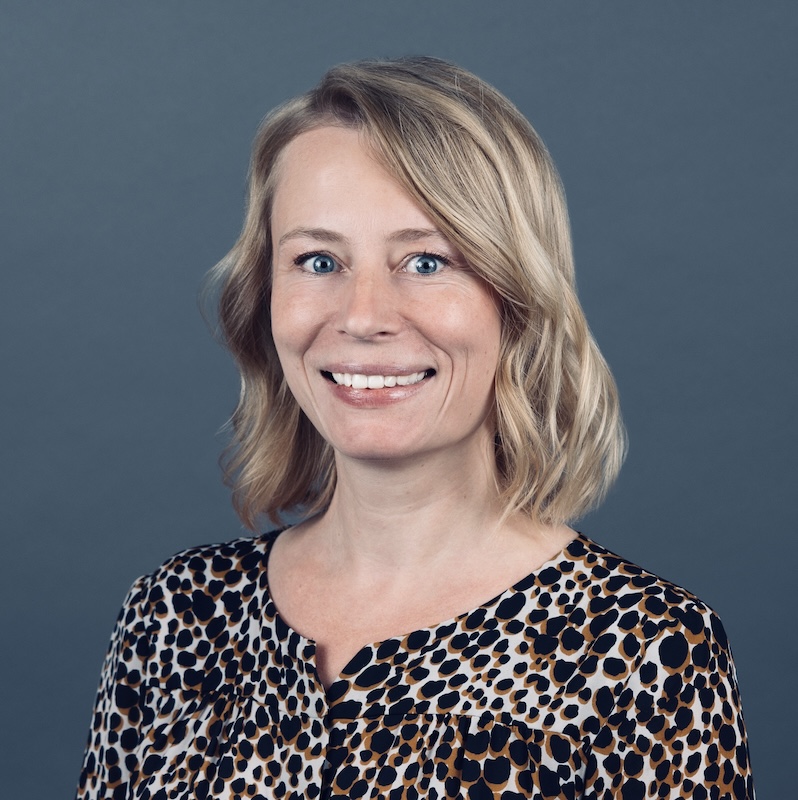
Catherine Arden is a researcher at Newcastle University , focusing on diabetes, autophagy, and pancreatic beta cell survival. Her work explores the molecular mechanisms of metformin therapy, GLP-1 signaling, and lysosomal dysfunction in diabetes complications.
Professor James Shaw is a leading academic at Newcastle University specializing in diabetes research with extensive contributions to hypoglycemia management, islet transplantation, and cystic fibrosis-related diabetes. His work bridges clinical practice and molecular research, focusing on innovative interventions for diabetes complications and glucose monitoring technologies. Primary Affiliation: Faculty of Medical Sciences, Newcastle University Research Leadership: Principal investigator for multiple clinical trials including HypoCOMPaSS and PHT2 Collaborations: Works with international consortia on islet transplantation and diabetes technology assessment Shaw's research centers on diabetes pathophysiology with particular emphasis on hypoglycemia awareness mechanisms, pancreatic islet function, and cystic fibrosis-related metabolic complications. His laboratory investigates molecular pathways involving ER stress, oxidative damage, and CFTR modulation in diabetes development. Clinically, he pioneers psycho-educational interventions for hypoglycemia prevention and develops novel monitoring protocols using continuous glucose monitoring systems. His work frequently addresses real-world challenges in diabetes management across diverse patient populations including children, elderly, and transplant recipients. Recent publications demonstrate a clear trajectory toward digital health solutions for diabetes self-management, molecular characterization of diabetes subtypes, and optimization of transplantation outcomes. His research integrates patient-reported outcomes with physiological metrics to create holistic diabetes care frameworks. Shaw's team has significantly advanced understanding of hypoglycemia symptomatology and awareness restoration through structured interventions. Principal Investigator: HypoCOMPaSS trial (hypoglycemia awareness restoration) Principal Investigator: PHT2 trial (hypoglycemia prevention in type 2 diabetes) Co-investigator: SIGNET trial (organ donation optimization) Shaw mentors numerous early-career researchers and clinicians, fostering expertise in diabetes clinical trials methodology and translational research. His team receives substantial funding from major UK research councils and diabetes charities for investigator-led trials and mechanistic studies. Current projects focus on exercise physiology in diabetes, digital therapeutics for hypoglycemia prevention, and molecular diagnostics for cystic fibrosis-related diabetes.
Professor Adrian Woolf holds the Chair in Paediatric Science at the University of Manchester since 2010, affiliated with the Faculty of Biology, Medicine and Health and the Division of Cell Matrix Biology & Regenerative Medicine . He serves as an Honorary Consultant in Paediatric Nephrology at Royal Manchester Children's Hospital (2010–2022) and an Honorary Professor at University College London (2010–present). Education : St Paul's School, Corpus Christi College Cambridge, Westminster Medical School. Qualifications include MB BS, MA, MRCP II, MD Thesis. His research focuses on congenital kidney and urinary tract malformations, their genetic basis, and translational therapies using growth factors, precursor cells, and gene therapy. He pioneered human pluripotent stem cell models for renal tract development and disease. His 188 publications have high impact (h=74, g=120). Recent work includes gene therapy for bladder disease, organoid modeling of kidney malformations, and macrophage studies in surgical adhesions. Grants from MRC, Kidney Research UK, and LifeArc underscore his leadership in regenerative medicine and rare kidney diseases . Scientific Awards : The Renal Association's Lockwood Award (2015) The de Wardener Lecturer (2016) He has supervised 23 PhD, 3 MD, and 12 MRes theses, with three former students becoming Professors at UCL. Current advisees include S Almuwallad, T Schlesinger, and S Al Madhy. His collaborations span institutions in the UK, Europe, and beyond, emphasizing interdisciplinary research in genetics, cell biology, and clinical nephrology.
Ted Jardetzky is a Professor of Structural Biology at Stanford University, with affiliations in Bio-X, the Maternal & Child Health Research Institute (MCHRI), and the Stanford Cancer Institute. His research focuses on the structural and functional analysis of macromolecular complexes involved in viral pathogenesis, allergic hypersensitivities, and cellular signaling pathways. PhD in Biophysical Chemistry, University of Basel (1986) BS in Chemistry, Stanford University (1982) His laboratory investigates molecular mechanisms of paramyxovirus and herpesvirus entry, IgE-receptor dynamics, and TGF-beta signaling. Recent work includes designing disruptive anti-IgE therapeutics and characterizing neutralizing monoclonal antibodies for respiratory viruses. Key publication trends span structural immunology , allergic disease intervention , and viral fusion protein inhibition , with a focus on conformational dynamics , receptor binding , and therapeutic antibody design . Pew Scholar in the Biomedical Sciences (1996-2001) Investigator Award, Cancer Research Institute (1999-2003) NIH Merit Award (2001-2011) Fellow, American Academy of Microbiology (2008) He mentors graduate students and postdoctoral fellows in Biophysics, Immunology, and Structural Biology PhD programs. His lab collaborates on projects targeting allergic disease mechanisms and viral entry inhibition .
Lenny M. Seligman serves as the John P. and Magdalena R. Dexter Professor of Biology at Pomona College, where he has maintained an active faculty position since 1996. His office is located in Seaver Biology 222 with an associated research laboratory in Seaver Biology 223. He is currently scheduled for academic leave during Spring 2026. His educational background includes: Ph.D. from University of Washington Bachelor of Arts from University of California, San Diego Professor Seligman specializes in molecular genetic engineering of homing endonucleases for precise DNA targeting. His research investigates protein-DNA interaction mechanisms that enable genome editing in complex organisms, with applications in genetic modification and biotechnology. This work bridges structural biology, enzymology, and microbial genetics to develop tools for site-specific DNA cleavage. His publication record demonstrates sustained focus on homing endonuclease engineering since the 1990s, evolving from foundational studies of intron homing systems to advanced enzyme specificity modification. This trajectory reflects consistent contributions to genetic engineering methodology within molecular biology and biochemistry disciplines. Notable recognitions include: Pomona College Wig Distinguished Professorship Award for Excellence in Teaching (2000) National Science Foundation Graduate Fellowship (1987) Phi Beta Kappa membership (1985) He mentors undergraduate researchers through independent study courses while teaching core curriculum including Introductory Genetics, Microbial Genetics, and Molecular Genetics of Cancer. His laboratory in Seaver Biology 223 provides hands-on research training in molecular genetic techniques focused on enzyme engineering and DNA-protein interactions.
Henrietta Nielsen, PhD is a Senior Lecturer at the Department of Biochemistry and Biophysics, Stockholm University. As President of the International Society for Molecular Neurodegeneration (ISMND) and Senior Editor at Molecular Neurodegeneration , she leads the Translational Neurodegeneration Group. Specializes in neurodegenerative dementia with focus on APOE variants Research explores Alzheimer's disease (AD) and dementia with Lewy bodies (DLB) Investigates plasma/CSF biomarkers and peripheral-brain lipid metabolism connections Research Trends: Publications emphasize APOE isoform biology, amyloid-beta dynamics, inflammation in neurodegeneration, and protein complexes as diagnostic markers. Key collaborations include the Netherlands Brain Bank and international institutions. Academic Leadership: Holds editorial roles at three major journals and has mentored 12 current students/postdocs. Funded by BrightFocus Foundation and Olle Engkvist Byggmästare grants. Key Grants: Alzheimer’s Association New Investigator Grant (2015-2017), VINNMER/Marie Curie Fellowship (2016-2018), Demensfonden (2017-2018), and BrightFocus Foundation (2019-2022).
Prof. Reiner Jumpertz-von Schwartzenberg serves as Full Professor for Clinical Metabolism and Obesity Research at the Medical Faculty of the University of Tübingen in conjunction with the Helmholtz Center Munich. He is a senior physician for the Department of Diabetology, Endocrinology, and Nephrology, and heads the clinical study center at the Institute for Diabetes Research and Metabolic Diseases of the Helmholtz Center Munich at the University Hospital Tübingen. Additionally, he leads a Helmholtz Young Investigator Group and functions as a Junior Research Group leader in the Cluster of Excellence Controlling Microbes to Fight Infections (CMFI) in Tübingen. His research program focuses on understanding the mechanisms underlying metabolic disease development, treatment, and remission, with particular emphasis on the gut microbiome-host metabolism interaction. While nutrient absorption is fundamental to energy balance, his group investigates the regulatory mechanisms of nutrient absorption that remain poorly understood. His work bridges clinical medicine with translational research, incorporating expertise in clinical trial design gained during his international research stays at the NIH and University of California/San Francisco. Analysis of his recent publications reveals a strong emphasis on prediabetes remission pathways, bariatric surgery outcomes, advanced biomarker discovery through proteomics and metabolomics, and the relationship between dietary components and metabolic health. His research employs sophisticated methodologies to address critical questions in diabetes and obesity, with significant implications for personalized treatment approaches and diabetes prevention strategies. Prof. Jumpertz-von Schwartzenberg completed his medical studies in Bochum and Leipzig, obtaining his doctorate in 2012. Between 2011 and 2021, he completed clinical training at the Charité in Berlin, becoming a board-certified internist, endocrinologist, and diabetologist. He was selected for Germany's first clinician scientist program focused on diet-metabolism-microbiome interactions, establishing his interdisciplinary research foundation early in his career. His work has significant translational potential for developing novel interventions targeting the gut microbiome to improve metabolic health outcomes. The integration of his clinical expertise with cutting-edge research methodologies positions him as a key contributor to advancing our understanding of metabolic diseases and their treatment.
Felicia Gerst is a Senior Scientist at the Helmholtz Diabetes Center and the Institute for Diabetes and Obesity (IDM). She earned her Habilitation at the Faculty of Medicine, University of Tübingen, in 2019, following postdoctoral and doctoral fellowships at the University Hospital Tübingen and the Graduate School GRK1302/2. Her research focuses on beta-cell biology, insulin secretion, and the interplay between pancreatic adipose tissue and metabolic diseases. Education & Career Habilitation (2019), Faculty of Medicine, University of Tübingen Postdoctoral Fellow (2007–2019), Internal Medicine IV, University Hospital Tübingen Doctoral Fellow (2004–2007), Institute of Physiology, University of Tübingen Dr. Gerst's research spans beta-cell function , insulin secretion dynamics , and pancreatic fat cell activity in health and disease. Her work integrates endocrinology , molecular biology , and diabetes pathophysiology , with recent studies exploring incretin-responsive organoids and free fatty acid receptor mechanisms. Her publications highlight trends in pancreatic adiposity , islet-adipose interactions , and hepatokine signaling in beta-cell dysfunction. Awards include the HUMAIN Award (InSphero, Switzerland) for functional organoid models. Scientific Awards HUMAIN Award (InSphero, Switzerland) Dr. Gerst leads the Islet Facility , contributing to networks like the German Center for Diabetes Research (DZD) and European Association for the Study of Diabetes (EASD). Grants include DDG Grant (2023) and DZD Grant (2018–2019) .
Dr. Raymond Chung is a Professor of Medicine at Harvard Medical School and serves as the Director of Hepatology and Vice Chief of the Gastrointestinal Division at Massachusetts General Hospital. His work focuses on hepatitis virus pathogenesis and antiviral strategies. NIH-funded research on HCV persistence mechanisms Leader of the NIH Hepatitis B Research Network's Mass General site Director of the Center for Human Immunology U19 Program Research interests include: HCV interferon resistance mechanisms HIV/HCV coinfection dynamics Lipid metabolism-virus interactions Development of novel antiviral therapies Genetic determinants of treatment response Biomarkers for liver disease progression His lab has developed: High-throughput HCV replicon models Whole genome siRNA screening for host targets Translational studies linking HCV to diabetes and fibrosis Clinical trials of natural compounds like naringenin
Gunilla Westermark is a Professor of Medical Structural Biology at Uppsala University, specializing in protein conformational diseases. She leads her research group at the Department of Medical Cell Biology within the Faculty of Medicine. Professor of Medical Structural Biology Department of Medical Cell Biology, Uppsala University Faculty of Medicine, Uppsala University Her research focuses on amyloidosis , particularly islet amyloid polypeptide (IAPP) and alpha-synuclein interactions, with applications in diabetes , neurodegenerative diseases , and protein misfolding . Recent work explores in vivo amyloid seeding, inflammasome regulation , and structural analysis of pathological amyloid fibrils using Cryo-EM and Micro-ED techniques. Key publications (2021-2025) address molecular mechanisms of amyloid toxicity , diagnostic assays for amyloid detection, and therapeutic strategies targeting protein aggregation. Her group collaborates on beta-cell transplantation studies and investigates prion-like transmission of amyloid pathology in inflammatory and metabolic diseases. Gunilla Westermark's laboratory employs Drosophila melanogaster models and human islet studies to dissect protein folding disorders . Her work has implications for Alzheimer's disease-diabetes links , transplantation failures , and public health risks in food chains related to amyloid.
F. Jon Kull '88 serves as Dean of the Guarini School of Graduate and Advanced Studies at Dartmouth College and holds the prestigious Rodgers Professorship in Chemistry. As an active faculty member in the Chemistry Department, he leads a research laboratory focused on understanding protein structure and function at the molecular level using X-ray crystallography and complementary biophysical techniques. His dual leadership roles position him at the intersection of academic administration and cutting-edge scientific research. Dr. Kull earned his A.B. in Chemistry from Dartmouth College, graduating magna cum laude and as a member of Phi Beta Kappa. He completed his Ph.D. in Biochemistry at the University of California, San Francisco, where his groundbreaking work included solving the first structure of a kinesin motor domain in 1996, published in Nature. His research program spans two primary areas of investigation: structural analysis of bacterial virulence gene regulatory proteins and fine-tuning the catalytic cycle of kinesin motors. In bacterial pathogenesis research, his laboratory focuses on Vibrio cholerae, investigating the structural and functional characteristics of regulatory proteins involved in virulence gene expression. This work has significant implications for developing therapeutics against cholera and other enteric bacterial infections. In molecular motor research, his lab studies kinesin proteins to understand the detailed mechanism of force generation, with applications in developing treatments for diseases involving motor protein defects. Analysis of his recent publications (2012-2021) reveals a strong focus on bacterial virulence mechanisms, particularly in Vibrio cholerae and enterotoxigenic E. coli, with increasing emphasis on identifying and characterizing small molecule inhibitors of virulence regulators. His structural biology approach consistently combines X-ray crystallography with functional studies to provide mechanistic insights into protein function. The Rodgers Professor at Dartmouth College, Endowed Chair (2012) Dartmouth Center for the Advancement of Learning Faculty Fellow (2012) Gridley Faculty Fellow (2011) Dean of the Faculty Award for Outstanding Mentoring and Advising (2010) Linda B. and Kendrick R. Wilson III Fellow (2007) Education Fellow in the Life Sciences by the National Academies (2006) March of Dimes Basil O'Connor Starter Scholar Research Award (2003) Dr. Kull has mentored numerous graduate and undergraduate students through the Kull Laboratory, with alumni including Justin Cruite, Jessica Day, Britney Privett, and Anne Woodbrey. His current research team includes Research Assistant Professor Charles R. Midgett and graduate students Jessica D. Tolbert and Minje Kim. The laboratory's work on bacterial virulence regulation has been supported by grants investigating structural mechanisms of virulence gene expression in Vibrio cholerae, with potential applications for developing novel anti-infective strategies that target virulence rather than viability. The Kull Laboratory maintains active research programs in two main areas: structural analysis of bacterial virulence gene regulatory proteins (particularly AphA, AphB, ToxR, ToxS, ToxT, and HapR in Vibrio cholerae) and investigation of kinesin motor mechanics. The laboratory employs X-ray crystallography as its primary tool, complemented by spectroscopy, calorimetry, small angle X-ray scattering, kinetics studies, NMR, and computational methods to study macromolecular structure-function relationships.
Maria Florencia Sánchez is a molecular imaging researcher leading the Transmembrane Signaling Lab at the European Institute for Molecular Imaging (EIMI) , affiliated with the University of Münster , Germany. She holds a doctorate in natural sciences (Dr. rer. nat.) and focuses on the molecular mechanisms of transmembrane signaling, receptor dynamics, and GPCR activation. Her research spans transmembrane signaling , GPCR dynamics , lipid bilayer systems , and receptor confinement . Through advanced imaging and biophysical techniques, she investigates how spatial organization and confinement influence receptor behavior and signaling outcomes, particularly in the context of neuropeptide and amyloid-beta signaling. Her publications reveal a consistent focus on ligand-independent GPCR signaling , receptor clustering , and membrane microdomains . These works bridge molecular biophysics and cell biology, offering insights into how membrane organization modulates signal transduction. She is actively engaged in research with no indication of retirement or departure from her current institution. Her lab is part of a larger collaborative network within EIMI, contributing to both fundamental science and translational imaging applications.
Dr Chi-Ho Ng is a Research Fellow at the School of Mechanical and Mining Engineering , The University of Queensland . His research focuses on advanced materials processing, particularly in additive manufacturing and surface treatments of titanium alloys. Bachelor (Honours) in Production Technology, Hong Kong Polytechnic University Masters in Manufacturing Technology, Cranfield University PhD in Materials Engineering, The University of Queensland His research interests include: Additive manufacturing techniques (wire arc, laser powder bed fusion) Hot isostatic pressing for defect elimination and microstructure control Laser-based surface modification (nitriding, alloying) Biomedical applications of titanium alloys and coatings Use of machine learning for porosity analysis in 3D-printed materials Recent publications highlight his work on β-fleck defect characterization, cryogenic coolant applications, and machine learning-assisted porosity analysis in titanium alloys. He actively supervises projects related to piezoelectric materials for biomedical applications and has received funding from the Australian Nuclear Science and Technology Organisation for process optimization research.
Siam Oottamasathien, MD, FAAP, FACS, is an Adjunct faculty member in the Department of Surgery at the University of Utah, where he directs the pediatric urology basic science research program. A board-certified pediatric urologist and principal investigator, he couples clinical expertise with innovative translational research focused on bladder inflammation, fibrosis, and hyaluronic-acid–based therapeutics. Education & Training BA in Molecular Biology & Biochemistry – University of Colorado at Boulder MD – University of Colorado School of Medicine Urology Residency & Chief Residency – University of Colorado Health Sciences Center Pediatric Urology Fellowship – Vanderbilt University Research Interests Dr. Oottamasathien’s laboratory integrates developmental biology, biomaterials science, and urologic translational medicine. A central theme is the use of hyaluronic-acid derivatives to modulate inflammatory cascades within the bladder wall. By developing in vivo murine models that recapitulate interstitial cystitis and painful bladder syndrome, his group identifies molecular targets and validates novel anti-inflammatory therapeutics. His team has pioneered photocrosslinkable hyaluronan-gelatin hydrogels for 3-D bioprinting of bladder constructs, engineered gold-nanoparticle/HA composites for localized drug delivery, and elucidated T-box transcription-factor networks governing genitourinary organogenesis. These efforts bridge bench discoveries to bedside applications, with several patents and an FDA-track small-business partnership (GlycoMira Therapeutics) advancing lead compounds toward clinical trials. Scientific Awards & Honors American Academy of Pediatrics Section on Urology – Basic Science Research Award (2006, 2010, 2012) American Urological Association / Pfizer Award – Benign Urologic Disease Research Society of Pediatric Urology Early Career Investigator Representative & 2nd Place (AUA 2013) Primary Children’s Hospital Early Career Development Award Primary Children’s Hospital Integrated Science Award Funding & Grants NIH R01 DK100868 – Glycosaminoglycan derivatives for bladder pain NIH K12 UL1RR025764 – University of Utah CCTS Career Development Award NIH Phase I SBIR R43DK093413 – GlycoMira Therapeutics collaboration NIH T32 HL079874 – Post-doctoral training under Nobel Laureate Dr. Mario Capecchi National Kidney Foundation – Utah Chapter grant American Urological Association / Pfizer Research Award Laboratory & Collaborations Dr. Oottamasathien leads a multidisciplinary team housed within the University of Utah’s Department of Surgery and maintains active collaborations with the Department of Medicinal Chemistry (Glenn Prestwich, PhD). The group integrates murine genetics, biomaterials engineering, and translational pharmacology to accelerate pediatric urologic therapeutics from concept to clinic.
Maria Bettini is a Professor of Pathology at the University of Utah School of Medicine and a faculty member in the Molecular Biology Program, where she investigates immunological mechanisms of autoimmunity with emphasis on type 1 diabetes pathogenesis. She earned her B.S. from East Tennessee State University and Ph.D. from Emory University, establishing expertise in T cell immunology and autoimmune disease models. Her research program centers on T cell-mediated destruction of pancreatic beta cells, focusing on regulatory T cell (Treg) function, T cell receptor signaling diversity, and metabolic-immune interactions. Using genetically modified mouse models, flow cytometry, and transcriptional analysis, her lab explores how self-tolerance fails in autoimmunity and identifies pathways for therapeutic intervention, particularly through Treg modulation. Analysis of her 15 most recent publications reveals dominant themes in TCR repertoire analysis, CAR-T engineering applications for autoimmunity, and novel mechanisms of Treg suppression in tissue-specific inflammation, with strong translational focus on diabetes therapeutics. Dr. Bettini has mentored numerous graduate students in the Molecular Biology Program and secured sustained funding from the National Institutes of Health for her work on autoimmune diabetes mechanisms and tolerance restoration strategies. Her laboratory maintains advanced capabilities in murine diabetes models, single-cell TCR sequencing, metabolic phenotyping, and antigen-specific T cell tracking, operating within the University of Utah's Department of Pathology immunology research cluster.