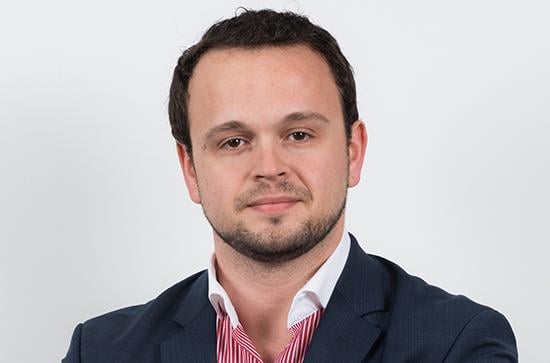
Sam Yam is a Professor and Head of the Management & Organisation Department at the National University of Singapore's (NUS) Business School. He holds the Jardine Cycle & Carriage Professorship and serves as Associate Dean. His research spans strategy, organisational behaviour, applied psychology, ethics, and human-technology interaction. Yam has contributed to over 125 publications, focusing on AI ethics, workplace dynamics, and cross-cultural management. He explores topics like robot replacement effects, abusive supervision, and financial anxiety's intergenerational impacts. His work bridges psychology, ethics, and organisational theory, addressing contemporary challenges in automation, leadership, and human-AI collaboration. Appointments: Head of Management & Organisation (2022–present), Joint Appointment in Arts & Social Sciences (2023–present). Key Research Themes: Future of work, human-technology interaction, ethical leadership, and Machiavellian dynamics. Notable Contributions: Multimodal ADHD diagnostics, leader biases toward robot-using employees, and cultural impacts on team performance. Yam’s interdisciplinary approach integrates psychology, technology, and management, addressing societal issues like AI ethics and workplace automation. His research frequently appears in top journals like the Journal of Management and Annual Review of Organizational Psychology .
Lourens Waldorp is an Associate Professor at the University of Amsterdam within the Faculty of Social and Behavioural Sciences , specifically the Department of Psychological Methods . His research focuses on network theory, causal inference, and statistical modeling in psychology and neuroscience. University of Amsterdam IAS Fellow (2024) His research interests include: Network psychometrics Causal inference in psychological models High-dimensional statistical methods Dynamical systems in psychopathology Graph theory applications Signal processing for biophysical data The trends in his recent publications center on causal modeling, network analysis of psychopathology, and statistical techniques for time-series data. He has developed methods for perturbation graphs, moderated network models, and dynamic intervention frameworks. Notable scientific awards : IAS Fellowship for 6 months (2024) He advises PhD students like Kyra Evers and collaborates with researchers across disciplines, including J. Haslbeck , D. Borsboom , and O. Ryan . His work intersects with network theory and clinical psychology .
Elisha David Klonsky is a Professor in the Department of Psychology at the University of British Columbia, Faculty of Arts. His primary research classification is Clinical Psychology with a secondary focus in Social/Personality Psychology. He directs the Personality, Emotion, and Behaviour Lab (PEBLab) and maintains an active research program while accepting graduate students for the 2023/24 application cycle. Dr. Klonsky earned his PhD from the University of Virginia in 2005. His educational background has positioned him as a leading researcher in clinical psychology, particularly in suicide research. Dr. Klonsky's research interests center on suicide theory, motivations, and the transition from suicidal thoughts to attempts. His work also spans metascience, emotion research, and psychological/clinical assessment. He has developed the influential Three-Step Theory (3ST) of suicide, which operates within an ideation-to-action framework. His research examines how emotional pain, impulsivity, and nonsuicidal self-injury relate to suicidal behavior, with particular interest in developing better assessment tools for clinical practice. Recent work has expanded into metascience, addressing the replication crisis in psychology. His publication record shows consistent high-impact work primarily in suicide research, with recent emphasis on suicide motivations, emotion measurement, and theoretical frameworks. The research demonstrates strong clinical applicability while maintaining rigorous scientific methodology. Dr. Klonsky has received numerous prestigious awards including: UBC Killam Research Prize (2020) Killam Faculty Research Fellowship (2017) American Association of Suicidology: Edwin S. Shneidman Award (2015) Association for Psychological Science Rising Star (2011) David Shakow Early Career Award (2011) American Psychological Association Fellow (2010) Dr. Klonsky has successfully mentored numerous graduate students who have gone on to academic positions at institutions including Old Dominion University, McGill University, Wesleyan University, and Texas Tech University. His research has been supported by significant funding from organizations including the Social Sciences and Humanities Research Council, American Foundation for Suicide Prevention, and National Institute of Mental Health. Current projects include studies on suicidality in youth with autism spectrum disorder and advancing the measurement of emotional experience. The Personality, Emotion, and Behaviour Lab maintains active research programs in suicide, emotion, metascience, and related areas, with particular emphasis on developing parsimonious models of suicide and better understanding suicide motivations and warning signs.
Professor Guy Wallis is a Professor and Director of Research at the School of Human Movement and Nutrition Sciences, Faculty of Health, Medicine and Behavioural Sciences at the University of Queensland. He is also an Affiliate of the Centre for Sensorimotor Performance. His work bridges visual neuroscience, computational modeling, and applied human factors research, with significant contributions to understanding visual recognition and visuomotor behavior. Education: Bachelor (Honours) of Engineering in Electrical and Electronic Engineering from Imperial College London PhD in Visual Neuroscience from University of Oxford, UK Prof. Wallis's research program combines computational modeling with behavioral studies, many conducted in computer-controlled virtual environments. His work spans visual neuroscience, object recognition, visuomotor control, and simulator-based training. He has made significant theoretical contributions to understanding how visual recognition is achieved in biological systems and how everyday visuomotor tasks are regulated, challenging existing paradigms and offering new insights. His recent publications reveal a strong focus on virtual reality applications, visual-motor integration challenges, and cross-species cognitive studies. There's a clear trend toward investigating how virtual environments can be optimized for training and assessment, with particular attention to visual perception limitations and how humans adapt to these environments across diverse contexts from surgical training to aviation. Scientific Awards and Recognitions: Elected Fellow of the Queensland Academy of Arts and Sciences (2022) ARC Medical Research Advisory Group (2022-2024) ARC College of Experts (2019-2021) CSIRO CSS Human Research Ethics Committee member (2020-2022) UQ Health and Behavioural Sciences Faculty, HDR Supervision Award (2018) ARC Future Fellowship (2011-2014) ARC QEII Fellowship (2003-2007) UQ Postdoctoral Fellowship (2001-2003) Prof. Wallis has successfully secured funding from major organizations including the Australian Research Council, the Human Frontier Science Program, and the Wellcome Trust. His industry partnerships span diverse sectors such as construction training, mining, healthcare, and aerospace. His research has led to the development of novel training programs for health professionals, impacted the design of man-machine interfaces for mining equipment, and informed the design parameters for pilot training systems. As Director of Research, he oversees the research direction of the School of Human Movement and Nutrition Sciences, fostering interdisciplinary collaborations and supporting early-career researchers through his leadership in the Centre for Sensorimotor Performance.
Prof. Albert Postma is a full professor in Experimental Psychology (Clinical Neuropsychology) at Utrecht University. He holds the chair in Clinical Neuropsychology and has served as department head of Experimental Psychology (2010–2017) and later as head of the Psychology Department (FSW, UU). His research focuses on spatial cognition, memory disorders, and sensory impairments, with notable contributions to understanding spatial navigation in neurological patients and the neurocognitive basis of spatial memory. Education: PhD in Psychology (1991, University of Nijmegen). Affiliations: Director of the Memory & Space Lab; Head of Research Committee at Korsakov Centrum Slingedael; Editorial roles in Cognitive Processing and Acta Psychologica . Research Interests: Spatial cognition, neuropsychology of memory (episodic, prospective), sensory deprivation effects (blindness/deafness), and neuroimaging studies of spatial processing. Key projects include EU-funded studies on spatial memory and the NWO Pioneer grant on spatial cognition development. Grants & Awards: Multiple EU Marie Curie grants, NWO Pioneer Grant (2000–2007), and coordination of the EU NEST Fp6 program on spatial orientation. His work emphasizes translational research in clinical settings, such as Korsakoff syndrome interventions. Labs & Teams: Leads the Memory & Space Lab, collaborating internationally on spatial cognition and neurological rehabilitation. Active in multidisciplinary initiatives like the Dynamics of Youth (DoY) research theme.
Dr. Jon Gruda is an Assistant Professor and Lecturer in Organisational Behaviour at Maynooth University's School of Business. He holds a PhD in Management from emlyon Business School (France) and a joint Dr. rer. nat. in Psychology from Goethe University Frankfurt. His research focuses on relational leadership, dark leadership traits, anxiety in the workplace, and personality psychology, with a strong emphasis on integrating machine learning and AI methodologies. Gruda has been recognized with prestigious awards, including selection for the Lindau Nobel Laureates Meeting in Economic Sciences (2020). His interdisciplinary work includes predicting anxiety and personality traits via social media data analysis. He serves as an Associate Editor for journals like Personality and Individual Differences and Frontiers in Psychology . Education PhD in Management, emlyon Business School (2012–2017) Dr. rer. nat. in Psychology, Goethe University Frankfurt (2012–2017) MSc in Affective Neuroscience, Maastricht University (2018) MSc in Management Research, emlyon Business School (2012–2014) Triple MSc in Management, City University London/ESCP Europe (2010–2012) BSc in International Business & Management, University of Groningen (2007–2010) Research Interests Gruda’s work bridges leadership studies, personality psychology, and data science. Key areas include: Dark leadership traits (e.g., narcissism, Machiavellianism) and their organizational impacts Machine learning applications for detecting anxiety and personality traits via social media Cross-cultural studies on leadership perceptions and attachment orientations Impact of physiological/psychosocial factors on leadership effectiveness Publications & Projects Recent projects include predicting state-level health outcomes linked to narcissism and developing algorithms to track anxiety using Twitter data. Over 20 peer-reviewed articles since 2017 highlight his contributions to organizational behavior and computational social science. Awards 7th Lindau Nobel Laureates Meeting on Economic Sciences (2020) Benedictine University Award (Academy of Management, 2020) Wharton Global Faculty Development Program (2020) Grants & Collaborations Gruda leads projects on pro-environmental behavior and collaborates with the National Care Experience Programme on healthcare feedback analysis. Seed funding includes €301,930 for computational text analytics in healthcare. Labs & Teams Interdisciplinary research collaborations span psychology, data science, and public health, with a focus on applying machine learning to organizational challenges.
James T. Enns is a Professor and Distinguished University Scholar in the Department of Psychology within the Faculty of Arts at the University of British Columbia. His research primarily focuses on the role of attention in human vision, with secondary interests in developmental psychology and human-machine interaction. Dr. Enns' research interests span perception, attention, vision, cognition, development, and human-machine interaction. His work explores how the human mind selects information, with particular emphasis on visual attention mechanisms. His laboratory research investigates the fundamental processes of visual perception and how attention modulates these processes across different contexts and developmental stages. Analysis of Dr. Enns' publication record reveals consistent engagement with visual perception, attentional mechanisms, and cognitive processing. His research demonstrates expertise in both theoretical frameworks and experimental methodologies related to visual attention, with applications spanning basic cognitive science to potential implementations in human-computer interaction systems. His work often bridges theoretical cognitive psychology with practical applications. Canadian Society for Brain, Behaviour and Cognitive Science Donald O. Hebb Distinguished Contribution Award (2013) Distinguished University Scholar, UBC (2004) Robert E. Knox Master Teaching Award (2004) Royal Society of Canada Fellow (2002) Killam Faculty Research Prize (1994) Killam Faculty Research Fellowship (1993) Society of Experimental Psychology Fellow Dr. Enns has served as Editor for the Journal of Experimental Psychology: Human Perception and Performance, and as Associate Editor for Psychological Science, Consciousness and Cognition, and Visual Cognition. His research has been supported by grants from NSERC, the Canadian Foundation for Innovation, the Australian Research Council, BC Health, and Nissan. He has authored textbooks on perception, edited research volumes on the Development of Attention, and published numerous scientific articles on vision, attention, and cognitive science. Dr. Enns is currently accepting graduate students and continues to mentor the next generation of cognitive scientists. Dr. Enns leads the UBC Vision Lab, which focuses on how the human mind selects information. The lab conducts research on visual attention, perception, and cognitive processes using a variety of experimental methodologies.
Prof. Jan Theeuwes is a Full Professor of Cognitive Psychology at the Vrije Universiteit Amsterdam's Faculty of Behavioural and Movement Sciences, leading the ERC-funded research group on statistical learning and attention. He holds additional roles as Distinguished Visiting Research Professor at the William James Center for Research (Lisbon) and Visiting Professor at Zhejiang University (China). With over 474 publications and two ERC Advanced Grants (2013 & 2019), his work spans visual attention, statistical learning, and applied human factors in road design. He pioneered the 'Self-Explaining Roads' concept, revolutionizing global road safety design, and co-developed Open Sesame, a widely used open-source experiment builder. His research integrates EEG, fMRI, and computational modeling, addressing topics like distractor suppression, emotion, and leadership influence. Over 25 PhD students have graduated under his mentorship, many securing academic roles across Europe. Education: Cum laude degrees in Experimental Psychology (Tilburg University) and a PhD (VU Amsterdam, 1992). Key awards include the Bertelson Award (2001) and KNAW membership (2010). He advises the Dutch Department of Transportation and founded the Institute for Brain and Behavior Amsterdam (IBBA) in 2016. Ancillary roles include leadership in European psychological societies and consultancy for Attention Architects, applying eye-tracking research in corporate settings.
Professor Louis Schmidt is a leading academic in the Department of Psychology, Neuroscience & Behaviour at McMaster University , with a research focus on developmental psychophysiology, temperament, and the long-term effects of early adversity. His work bridges neuroscience, psychology, and behavioral science, emphasizing the interplay between brain function and socio-emotional development across the lifespan. Key research themes: Shyness, social anxiety, autism spectrum disorder, schizophrenia, and outcomes of extremely low birth weight. Recognized for mentoring postdoctoral fellow Kristie Poole, who was celebrated as a role model in the Child Emotion Laboratory. Scientific Awards : Royal Society of Canada recognition for contributions to research and scholarship. Research Trends from 15 recent publications include: Neurophysiological mechanisms of shyness (EEG, ERP, RSA) Impact of antenatal corticosteroids on adult brain function Intergenerational effects of maternal mental health interventions Cross-cultural comparisons of temperamental shyness Developmental consequences of preterm birth Behavioral and neural correlates of social anxiety in diverse populations Grants & Collaborations : Led the SNACS randomized controlled trial on antenatal corticosteroids, with applications in obstetrics and developmental neuroscience. Collaborates extensively on topics like autism spectrum disorder, schizophrenia, and emotion regulation. Labs & Teams : Directs the Child Emotion Laboratory at McMaster University, fostering interdisciplinary research on developmental psychopathology and neural mechanisms of temperament.
Simon Hofman is an external PhD candidate at the Erasmus School of Social and Behavioural Sciences and a Scientific Researcher at Parnassia Groep since April 2020. His work focuses on clinical psychology, particularly personality disorders, posttraumatic stress disorder (PTSD), and trauma therapy. Research Interests Diagnosis and treatment of personality disorders EMDR therapy and its theoretical foundations (AIP model) Impact of trauma on psychological and physiological responses Pharmacological influences on social neuroscience Randomized controlled trials in clinical settings Pain perception and behavioral adaptation Article Contributions 2024: Article on underdiagnosis of PTSD in personality disorder outpatients 2024: Article on AIP model for EMDR therapy in personality disorders 2022: TEMPO study protocol on trauma-focused EMDR 2021: Study on acetaminophen's effects on social rejection
Professor Gavan McNally is a distinguished behavioral neuroscientist at the University of New South Wales, where he serves as a Professor in the School of Psychology. He is actively engaged in research on the fundamental behavioral and brain mechanisms for learning and motivation, with applications to clinical conditions such as addictions, anxiety disorders, and mood disorders. McNally holds several prestigious editorial positions, including Editor-in-Chief of Neurobiology of Learning & Memory and Senior Editor of The Journal of Neuroscience. He also serves as President-Elect of the European Behavioral Pharmacology Society and is a Member of the Australian Research Council College of Experts. McNally's research interests span behavioral neuroscience, focusing on how fundamental brain mechanisms apply to clinical conditions. He employs a systems neuroscience approach, combining well-controlled behavioral approaches with optogenetics, chemogenetics, in vivo calcium imaging, and whole brain circuit mapping in both normal and transgenic animals. His work bridges basic science with clinical applications through collaborations with colleagues at University of Sydney, Sydney Local Health District, Monash University, and Turning Point. McNally's research particularly examines the cellular, circuit, and systems level mechanisms underlying learning, motivation, and their dysregulation in disorders like addiction. His laboratory investigates how these mechanisms translate to human conditions, with a strong emphasis on developing new treatments for psychological disorders. His extensive publication record demonstrates a clear trajectory in understanding punishment learning, addiction mechanisms, and the neural circuits underlying motivated behavior. Recent work has increasingly focused on the cognitive pathways to punishment insensitivity, the role of specific neural circuits in addiction, and translational approaches to understanding maladaptive behaviors. McNally's research bridges animal models with human studies, creating a comprehensive understanding of the neural mechanisms that govern learning and motivation, with particular attention to how these processes go awry in addiction and other psychological disorders. 2008 QEII Fellow, Australian Research Council 2009 Association for Psychological Science, International Rising Star 2010 Fellow, Association for Psychological Science 2010 UNSW Faculty of Science Staff Excellence Award for Research and Training 2011 Pavlovian Research Award, The Pavlovian Society 2012 Future Fellow (Level 3), Australian Research Council 2016 D.G. Marquis Behavioral Neuroscience Award, American Psychological Association 2017 Fellow, American Psychological Association 2019 Fellow of the Academy of Social Sciences in Australia 2021 D.G. Marquis Behavioral Neuroscience Award, American Psychological Association 2022 Ross Day Plenary Lecturer, Australasian Brain and Psychological Sciences 2023 European Behavioural Pharmacology Society Plenary Lecturer 2024 Elspeth McLachlan Plenary Lecturer, Australasian Neuroscience Society 2024 D.G. Marquis Behavioral Neuroscience Award, American Psychological Association Professor McNally actively supervises several students including Bixuan Lin, Si Yin Lui, Hannah Machet, Bart Cooley, Kelly Zhuang, and Alexandra Gregory. His current research is supported by significant funding including an Australian Research Council Discovery Project (2024-2026) on "Risky choices: From cells and circuits to computations and behaviour," another Discovery Project (2025-2028) on "Multimodal mapping of punishment learning," and NHMRC grants including a Synergy Grant on "Linking clinical and basic science discovery to find new treatments for alcohol-use disorder" and an Ideas Grant on "Novel pathways to abstinence from alcohol seeking." These projects reflect his commitment to both fundamental neuroscience and translational applications for treating psychological conditions. His teaching responsibilities include PSYC2081 Learning & Physiological Psychology and PSYC3051 Physiological Psychology. McNally's laboratory employs advanced techniques including optogenetics, chemogenetics, in vivo calcium imaging, and whole brain circuit mapping to investigate the neural mechanisms underlying learning, motivation, and their dysregulation in disorders. His team works at the intersection of basic neuroscience and clinical applications, with strong collaborations across multiple institutions to translate fundamental findings into potential treatments for addiction and other psychological disorders. The lab has made significant contributions to understanding the role of brain regions like the ventral pallidum, paraventricular thalamus, and nucleus accumbens in addiction, fear learning, and punishment sensitivity.
Sharon Abrahams is a Professor of Neuropsychology and holds a Personal Chair at the University of Edinburgh's School of Philosophy, Psychology and Language Sciences. She leads research in clinical and experimental neuropsychology, focusing on neurodegenerative diseases like motor neurone disease/ALS and frontotemporal dementia. Her work integrates neuroimaging, cognitive assessment, and clinical intervention. She is affiliated with the Euan MacDonald Centre for Motor Neurone Disease, the Centre for Clinical Brain Sciences, and Edinburgh Neuroscience. Current PhD students include Monica de Icaza Valenzuela, Debbie Gray, and Caroline McHutchison. Abrahams has secured over 17 research grants since 2008, including projects on cognitive screening in MND, apathy impact, and the ECAS tool. Her research emphasizes cognitive and behavioral changes in ALS, with a focus on early detection, staging, and patient quality of life. Notable contributions include the Edinburgh Cognitive and Behavioural ALS Screen (ECAS), validated across multiple languages and populations.
Dr. Georgie Agar is a Lecturer at the School of Life & Health Sciences, Aston University , affiliated with the College of Health and Life Sciences and the Applied Health Research Group . Her research focuses on sleep disorders, self-injurious behavior, and caregiver impact in individuals with intellectual disabilities and rare genetic syndromes like Smith-Magenis and Angelman syndromes. Research Interests : Dr. Agar specializes in developing inclusive clinical assessment tools for sleep, pain, and behavior in neurodevelopmental populations. She employs mixed-methods, meta-analytic approaches, and longitudinal studies to explore sleep trajectories, behavioral conditioning models, and caregiver experiences. Publications : Her work spans sleep management in Smith-Magenis syndrome, overactivity metrics in genetic conditions, and systematic reviews on self-restraint in autism. Key journals include Molecular Autism , Orphanet Journal of Rare Diseases , and Research in Developmental Disabilities . Labs & Collaborations : She collaborates with the Aston Institute of Health & Neurodevelopment , focusing on neurodevelopmental research and cross-institutional partnerships in sleep and behavioral science.
Dr. Eiko Fried is an Associate Professor at Leiden University's Faculty of Social and Behavioural Sciences, where he works at the intersection of clinical psychology, psychiatry, epidemiology, methodology, and complexity science. His research focuses on improving psychological science through open science practices and innovative measurement approaches. PhD in clinical psychology, Free University of Berlin Postdoctoral training at KU Leuven and University of Amsterdam Promoted to Associate Professor at Leiden University in 2021 Key research areas include: Psychopathology measurement and classification Network analysis in mental health research Ecological momentary assessment (EMA) methodology Open science advocacy and implementation Dynamic systems modeling in psychology Transdiagnostic approaches to mental disorders Recent publications demonstrate expertise in: Symptom network analysis across disorders Improving depression measurement standards Transdiagnostic assessment protocols Mental health data integration challenges Psychological theory construction Methodological innovations in clinical research
Ali Abbas is a Senior Researcher and Methods Fellow at the MRC Epidemiology Unit within the University of Cambridge's School of Clinical Medicine. His academic background includes a PhD in Computer Science from Manchester Metropolitan University, an MSc in Media Informatics from RWTH Aachen University, and a BS in Computer Science from Mohammad Ali Jinnah University. With over two decades of research experience, he specializes in data-driven approaches including exploratory analysis, statistical modelling, and interactive visualization. His core research focuses on developing environmentally sustainable transport systems with positive public health outcomes, particularly through: Agent-based modeling of transport behaviors Cycling infrastructure and active travel interventions Health impact assessment of urban mobility policies Spatial analysis using GIS technologies Complex systems approaches to public health He leads several major research initiatives including the JIBE project (integrating transport and built environment models), GLASST (global health impact assessment), TIGTHAT (integrated global transport-health tool), National Propensity to Cycle Tool, and Impacts of Cycling Tool. His publication portfolio demonstrates consistent focus on transport-health interactions, physical activity epidemiology, and urban health modelling, with recent work emphasizing policy applications and global scalability. As an advocate for open science, he maintains active GitHub repositories of his computational models. He additionally manages junior researchers and contributes to training initiatives within his unit.