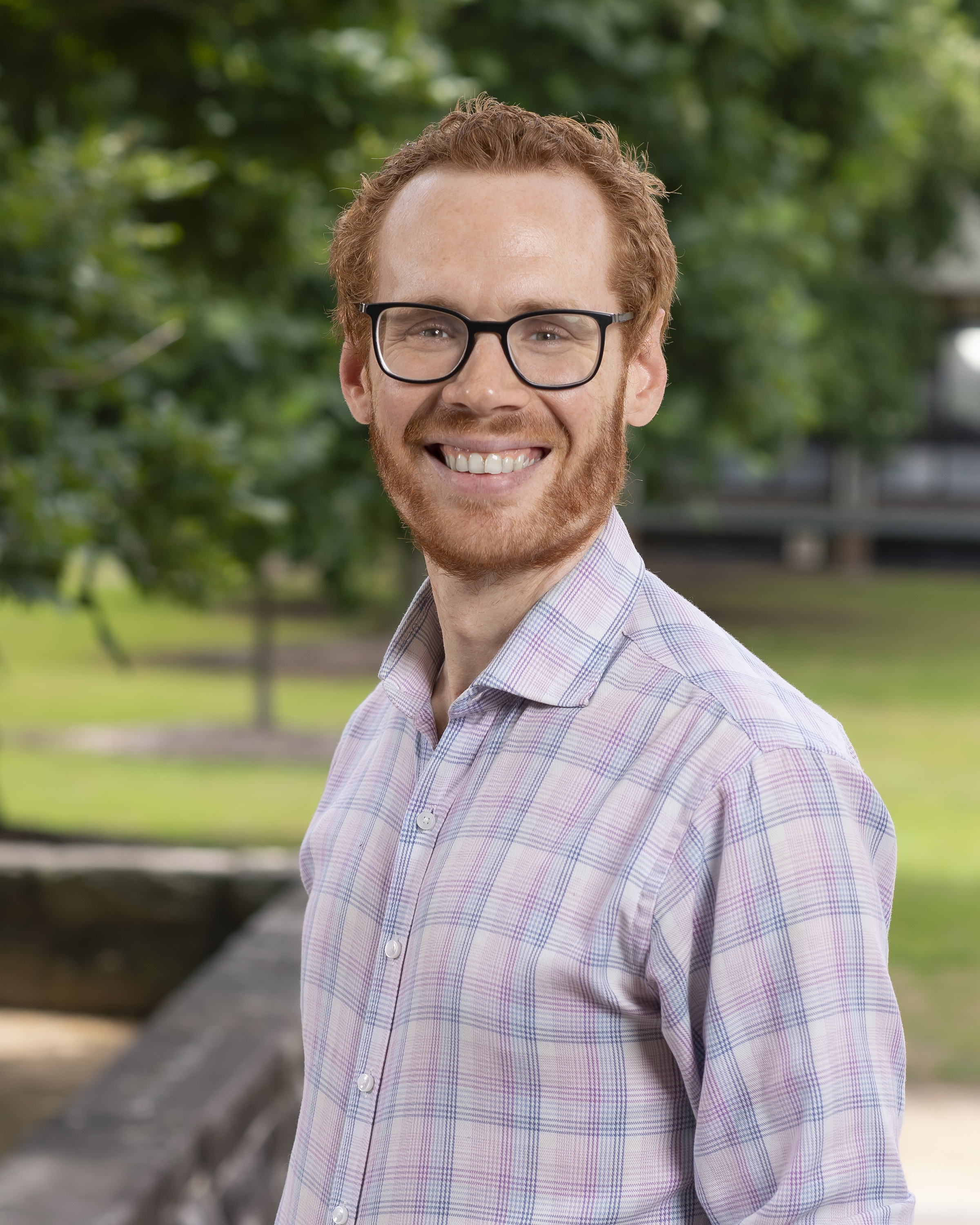
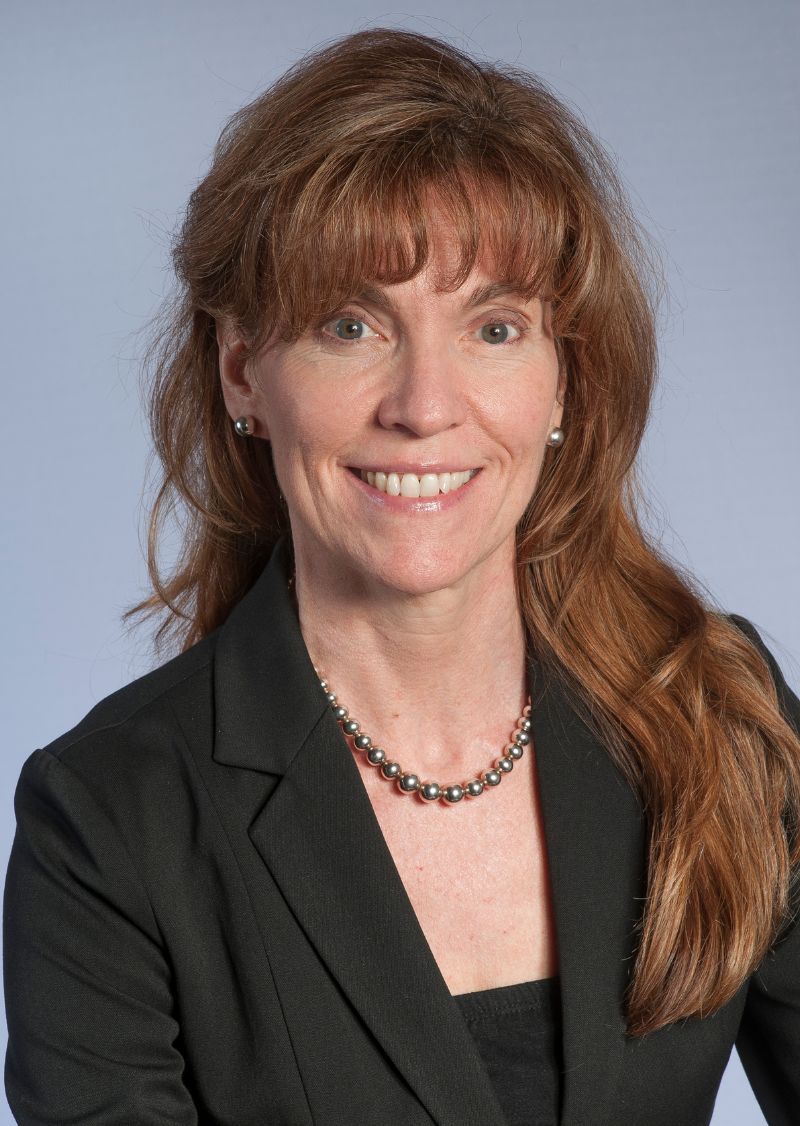
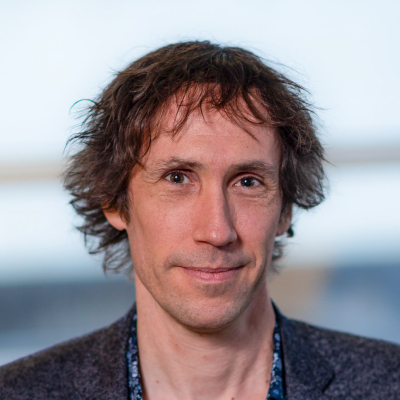
Amol Patil is a Research Engineer at the Institute for Frontier Materials (IFM), Deakin University, Australia. He holds an MTech in Textiles from IIT Delhi and a PhD in Textiles from Deakin University. His career spans industrial experience in Quality Assurance, R&D, and Product Development, followed by academic research focused on dyeing and finishing of textiles , environmental impact of textiles , and sustainable chemistry in fibre manufacturing . A key collaborator in industrial projects, he works on fibre-to-fibre recycling and microplastic pollution mitigation in laundry processes. Education: MTech (IIT Delhi), PhD (Deakin University) Affiliation: Institute for Frontier Materials, Deakin University Collaborations: ARC Research Hub for Functional and Sustainable Fibres, HeiQ-Marine Bioproducts (MBCRC) Research Trends The 15 most recent articles highlight his expertise in conductive polymers applied to cotton and polyester textiles, with implications for EMI shielding , gas sensing transducers , and smart materials . Topics include durable antimicrobial finishes , superhydrophobic treatments , and atmospheric aging resistance in textiles. His work bridges chemical engineering and environmental sustainability, particularly in reducing water usage and microplastic release during laundry.
Mikael Rinne is an Associate Professor in the Department of Civil Engineering at Aalto University's School of Engineering. His research focuses on rock fracture mechanics and its applications in various engineering contexts including nuclear waste repositories, geothermal energy systems, and underground construction. His expertise spans time-dependent rock failure mechanisms, fracture propagation models, and rock mechanics applications in energy storage and disposal systems. His work has direct applications in projects with Posiva Oy (nuclear waste repository), St1 Deepheat (geothermal energy), and mining operations with companies like First Quantum Minerals. Rinne's research integrates advanced numerical modeling with field applications, particularly in Finnish crystalline bedrock conditions. He has contributed significantly to understanding fracture initiation and propagation in rock masses under various stress conditions, with particular emphasis on long-term stability considerations for deep underground structures. His scholarly work demonstrates strong connections between theoretical fracture mechanics and practical engineering applications, with a focus on ensuring safety and reliability in rock engineering projects. His research has evolved from fundamental fracture mechanics studies to application-focused investigations addressing contemporary challenges in energy and waste management. Rinne has supervised doctoral research in rock mechanics and collaborates with researchers specializing in photogrammetry, virtual reality applications, and energy storage systems, creating a multidisciplinary approach to complex rock engineering problems.
Mark Dignan, Ph.D., is a Professor with joint appointments in Behavioral Science, Internal Medicine, and the College of Social Work at the University of Kentucky. He contributes to the Cancer Prevention and Control Research Program, Center for Appalachian Research in Environmental Sciences (UK-CARES), and UNITE Research Priority Area, focusing on reducing health disparities in rural and underserved communities. Doctor of Philosophy, University of Tennessee-Knoxville (1977) Master of Public Health, University of North Carolina (1982) Master of Science, University of Utah (1974) Bachelor of Science, University of Utah (1973) His research evaluates community-based screening and early detection interventions, particularly for cervical, colorectal, and breast cancers. He specializes in health equity, tobacco control, and digital health strategies for rural populations, aligning with UN Sustainable Development Goals related to health and well-being. Recent work includes HPV self-collection programs, digital health interventions for colorectal cancer screening, and behavioral studies during the COVID-19 pandemic. His projects often involve collaborations with state health departments and the National Cancer Institute. R. Davilene Carter Presidential Prize for Best Manuscripts (2012, 2013, 2016, 2017, 2021) University Research Professor Award (2012) Current projects include statewide tobacco control evaluations and multi-institutional trials for cancer screening. He has led over 220 grants and 258 research outputs, emphasizing translational research and community engagement.
Kirk Heilbrun is a Professor at Drexel University's Department of Psychological and Brain Sciences. He has served as department head from 1999-2012 and 2014-2016, and previously held roles as a staff psychologist and chief psychologist at forensic institutions. He directs the Reentry Project, providing pro bono assessment and treatment services for justice-involved individuals. PhD in Clinical Psychology from the University of Texas at Austin His research focuses on forensic mental health assessment, violence risk assessment, and interventions to reduce reoffending. He explores ethical, racial, and pandemic-related challenges in forensic psychology. Recent publications address trauma-informed collateral interviewing, race-conscious assessment, competence restoration models, and pandemic policy responses. These works intersect forensic psychology, legal policy, and public health. Fellow of the American Psychological Association (six divisions) Board Certified in Clinical Psychology Board Certified in Forensic Psychology He leads the Drexel Forensic Assessment Clinic, which evaluates juvenile commitment, competence to stand trial, and workplace disability cases, and the Reentry Project, which supports pro bono services for justice-involved individuals.
Dr. Yu Huang is an Assistant Professor in the Department of Computer Science at Vanderbilt University's School of Engineering, with a secondary appointment in the Department of Teaching and Learning at the Peabody School of Education. She is affiliated with the Institute for Software Integrated Systems, the Frist Center for Autism and Innovation, the Vanderbilt Lab for Immersive AI Translation (VALIANT), and the Vanderbilt LIVE Learning Innovation Incubator. Her academic journey began with a BS in Aerospace Engineering from Harbin Institute of Technology in China (2011), followed by an MS in Computer Engineering from the University of Virginia (2015), and culminated with a PhD in Computer Science and Engineering from the University of Michigan in 2021 under Professor Westley Weimer. Dr. Huang's research bridges human cognition and machine intelligence to enhance software development. Her work spans software, hardware, AI, medical imaging (fMRI/fNIRS), eye tracking, and mobile sensing through collaborations with Security, Education, Psychology, and Neuroscience researchers. She leads the MIND Lab (Mixed INtelligence Development for programming lab), investigating programming expertise formation, code comprehension processes, cognitive error patterns, and diversity in programming communities. Her innovative approach combines empirical human studies with AI model development to create more effective programming tools. Her recent publications reveal a growing emphasis on leveraging human attention data to improve code language models, analyzing cognitive biases in security contexts, and examining social factors in technical communication. The research shows strong interdisciplinary connections between neuroscience, psychology, and software engineering, with increasing applications of LLMs in developer tooling. Dr. Huang's work consistently demonstrates how understanding human cognition can inform better AI systems for programming tasks. Dr. Huang has received numerous prestigious recognitions including the 2025 ICPC Vaclav Rajlich Early Career Achievement Award and three ACM SIGSOFT Distinguished Paper Awards (ICSE 2019, FSE 2023, ICSE 2024). Her lab has earned the Best Presentation Award at GI2024, while her students have received the Richard Bennett/Dorothy Danforth Compton Prize scholarship and the C. F. Chen Best Paper award. She actively mentors a diverse team of graduate students (Yifan Zhang, Zach Karas, Zihan Fang, Yueke Zhang, Jiahao Zhang) and undergraduate researchers, with many former students advancing to top institutions (Stanford, Harvard, Duke, UC Berkeley) and organizations (NASA JPL). Her research is supported by a 4-year NSF grant, GitHub Tech for Social Good funding, and the Provost's Faculty Immersion Vanderbilt Grant, enabling comprehensive studies of human-AI collaboration in software engineering. The MIND Lab maintains a strong collaborative culture, frequently working with Professor Kevin Leach's research group and organizing retreats to locations like Radnor State Park and the Great Smoky Mountains. This environment fosters innovation at the intersection of human cognition and software engineering while supporting the professional development of emerging researchers in the field.
Christine Cheng serves as Assistant Professor of Accountancy at the University of Mississippi's Patterson School of Accountancy, specializing in Tax and Data Analytics. She previously held a visiting scholar position at the Securities and Exchange Commission Division of Economic and Risk Analysis (2020-2022) and currently contributes to the Financial Accounting Standards Board Taxonomy Advisory Group. Her academic credentials include: Ph.D. in Business Administration from Pennsylvania State University (2011) M.B.A. in Business Administration from Pennsylvania State University Harrisburg (2003) Dr. Cheng's research examines machine-readable financial reporting determinants, tax-influenced decision making, and the intersection of tax analytics with corporate strategy. Her work bridges theoretical accounting frameworks with practical data science applications, particularly in post-Wayfair e-commerce taxation and marriage tax policy analysis. She employs advanced tools like Alteryx and robotic process automation to model complex tax scenarios. Publication trends reveal a strategic shift toward data-driven tax education and regulatory compliance, with 60% of recent work integrating analytics into financial reporting. Her articles frequently address real-world policy impacts, such as same-sex marriage tax implications and hail damage fraud detection, demonstrating applied relevance to both academic and practitioner audiences. Major recognitions include: 2023 Public Interest Section Best Paper Award (American Taxation Association) 2023 Graduate Teacher Award (American Accounting Association) Three ATA/Deloitte Teaching Innovation Awards (2019-2022) 2019 Best Article Award from The Tax Adviser As an educator, she pioneered Ole Miss's Master's of Taxation and Data Analytics program and maintains a YouTube channel with 200+ instructional videos. Her advising includes master's student Taylor, J. (lead author on a 2015 publication), and she has secured multiple curriculum development grants through Deloitte partnerships. Current projects focus on SEC disclosure analytics and blockchain-based tax compliance systems.
David Mann serves as an Associate Professor at Vrije Universiteit Amsterdam in the Faculty of Behavioural and Movement Sciences, with additional appointments at the Institute for Brain and Behavior Amsterdam (IBBA) and Amsterdam Movement Sciences - Sports (AMS). His research focuses on the intersection of vision science, sports performance, and cognitive processes, particularly examining how visual impairments affect athletic performance and everyday functioning. Dr. Mann's research interests center on visual impairment in athletes, gaze behavior during sports performance, visual search patterns, and talent identification. His work spans multiple disciplines including sports psychology, cognitive neuroscience, and adaptive sports, with particular emphasis on how visual field and acuity limitations impact performance in basketball, football, and ball sports. His fingerprint analysis reveals strong expertise in Visual Impairment (100%), Athletes (91%), Visual Acuity (67%), Visual Field (53%), Visual Search (37%), and Gaze Behavior (33%). His recent publications demonstrate a consistent focus on understanding the relationship between visual perception and sports performance. Key research trends include examining quiet eye duration in basketball shooting, the effects of vision loss on naturalistic search, the role of cognitive skills in youth football performance, dynamic anticipation in sports, and how people with vision impairment use gaze to hit balls. These studies employ methodologies including eye tracking, cognitive testing, and performance analysis across various sports contexts. Dr. Mann currently serves as Director of the International Paralympic Committee (IPC) Classification Research and Development Centre for Athletes with Vision Impairment, demonstrating his leadership in this specialized field. He is also active in teaching as Course Coordinator for Talent and Talent Identification. His research portfolio includes an active project titled "Developing sensory-cognitive predictors of everyday functioning with visual impairment" running from January 2023 to December 2025, which he conducts with colleague C. Olivers. Dr. Mann has supervised 6 PhD theses and teaches courses including Master Research Project, Talent and Talent Identification, and Talent Identification and Development.
Martina Wade is a Researcher in the Department of Epidemiology of Microbial Diseases at Yale School of Public Health. Her work focuses on infectious diseases, particularly malaria and antibiotic resistance, with a global health perspective emphasizing sub-Saharan Africa. She collaborates on projects in Cameroon, Uganda, and Burkina Faso, addressing drug resistance mechanisms, diagnostic innovations, and public health interventions. Her research spans clinical trials (e.g., ivermectin mass drug administration protocols), microbiota analysis in livestock and human populations, and environmental transmission dynamics of pathogens. She has published extensively on malaria treatment efficacy, microbiome disruptions from antibiotic use, and novel diagnostic technologies like photoacoustic detection. Her work bridges laboratory science with field epidemiology, aiming to improve clinical outcomes and public health strategies. Key collaborations include Sunil Parikh, Justin Goodwin, and Fangyong Li, focusing on antimalarial resistance tracking and pediatric infection dynamics. Her laboratory is located at 60 College Street, Ste Room 711, New Haven, CT. Contact: martina.wade@yale.edu.
Eralp Demir is a Post-Doctoral Researcher at the Department of Engineering Science, University of Oxford. His research focuses on materials mechanics, crystal plasticity, and finite element methods. He holds a PhD from RWTH Aachen University and has conducted research at institutions including Carnegie Mellon University, Max Planck Institute, and Cornell University. His current work involves developing the OXFORD-UMAT framework for fusion energy materials in collaboration with UKAEA. He specializes in in-house finite element code development and commercial software integration (e.g., Abaqus, MSC Marc). His expertise spans computational materials modeling, microstructural analysis, and experimental validation using techniques like 3D XRD. Education: PhD in Engineering Science, RWTH Aachen University Advanced Studies at Carnegie Mellon University (Mechanical Engineering), Cornell University (MAE), and others Research Interests: Crystal plasticity modeling, fusion energy materials, finite element method development, microstructural mechanics, and additive manufacturing. His work bridges computational simulations with experimental techniques to understand material behavior under extreme conditions. Labs/Teams: Collaborates with the Tarleton Research Group at Oxford and UKAEA on fusion energy projects. Active in developing open-source tools for material modeling.
Dr. Michael Stevens is a Senior Lecturer at University of New South Wales (UNSW) Canberra , where he focuses on advanced manufacturing and biomedical device control systems . His work bridges digital manufacturing for SMEs with smart artificial heart technologies , emphasizing industry collaboration and translational research. Specializes in physiological control systems for rotary blood pumps Develops unobtrusive fall detection systems for dementia patients Leads international projects on total artificial heart development Education : B.Eng (Medical - First Class Honours), Queensland University of Technology (2010) PhD in Physiological Control for Biventricular Assist Devices, University of Queensland (2014) Research Trends show consistent focus on: Machine learning for biomedical diagnostics (2018–2025) mmWave radar and thermal sensors in patient monitoring (2021–2024) Computational fluid dynamics in artificial heart modeling (2016–2024) Physiological control algorithms for rotary blood pumps (2011–2025) Scientific Awards : UNSW Scientia Education Award (2021) for contextual teaching Heart Foundation Runner-up for "Smart Artificial Hearts" pitch (2021) ARC PGC Supervisor Award (2017) for mentoring Grants & Supervision : Holds over $6 million in competitive funding including MRFF and ARC grants. Currently supervises 4 PhD students while maintaining industry partnerships with VitalCare and BiVACOR. Labs & Facilities : Works across UNSW Engineering labs and Graduate School of Biomedical Engineering platforms, including mock circulation loops and high-performance computing clusters for CFD simulations.
Margaret Greenwald serves as Associate Professor and Ph.D. Coordinator in the Department of Communication Sciences and Disorders (CSD) within Wayne State University's College of Liberal Arts and Sciences. Previously department chair (2014-2020), she is a Licensed and Certified Speech-Language Pathologist (CCC-SLP) recognized in 2022 as Wayne State's Outstanding Graduate Mentor in the health sciences. Her academic credentials include: M.A. in Speech-Language Pathology (University of Florida) Ph.D. in Communicative Sciences and Disorders (University of Florida) Post Doctoral Research Training in Cognitive Neuropsychology (University of Maryland, Department of Neurology) Dr. Greenwald's research centers on adult neurogenic communication disorders , specializing in aphasia, traumatic brain injury, and stroke rehabilitation through cognitive neuropsychology. Her work employs Magnetoencephalography (MEG) to map brain-behavior relationships during language and musical processing tasks, revealing critical insights for rehabilitation. She actively bridges clinical practice with neuroscience to develop evidence-based interventions. Analysis of her recent publications shows consistent focus on neuroimaging applications for understanding language disorders, with growing emphasis on telepractice implementation and the cognitive effects of musical training. Her work demonstrates strong translational value, connecting basic neuroscience to clinical rehabilitation protocols while maintaining rigorous methodological standards. Her scientific recognition includes: Outstanding Graduate Mentor in the Health Sciences, Wayne State University (2022) As an educator, Dr. Greenwald teaches graduate courses in aphasia, neuromuscular speech disorders, research methods, and doctoral seminars, plus undergraduate speech-language pathology instruction. She supervises doctoral research as Ph.D. coordinator and mentors students through clinical research projects. Her teaching integrates current neuroscience findings with clinical practice standards. She maintains active professional engagement through memberships in the American Speech-Language Hearing Association (ASHA), Academy of Aphasia, and International Neuropsychological Society, contributing to both clinical guidelines development and research community advancement.
Mike Papadakis is an Associate Professor at the University of Luxembourg's Interdisciplinary Centre for Security, Reliability and Trust (SnT), where he leads the SerVal research group. His research focuses on software engineering, software security, and artificial intelligence. He holds a PhD in Software Testing and Verification from Athens University of Economics and Business, with an MSc and BSc from the same institution. His research explores mutation testing, machine learning applications in software development, and test optimization. Recent publications demonstrate a strong emphasis on AI robustness, flaky test analysis, and automated debugging techniques. Notable achievements include the IEEE TCSE Rising Star Award (2020) and 12 additional research awards. He has published over 100 peer-reviewed articles and delivered more than 30 invited talks globally.
Kevin Leyton-Brown is a Professor of Computer Science at the University of British Columbia (UBC), holding a Canada CIFAR AI Chair at the Alberta Machine Intelligence Institute (Amii). He is also an Associate Member of the Vancouver School of Economics and a Fellow of the Royal Society of Canada, ACM, and AAAI. His research focuses on AI, machine learning, computational economics, and game theory, with notable contributions to algorithmic market design, heuristic algorithms, and large language models. He co-authored influential textbooks on multiagent systems and game theory, and his work has been recognized with prestigious awards including the INFORMS Franz Edelman Award and the Killam Teaching Prize. Education: PhD (Computer Science), Stanford University; MSc (Computer Science), Stanford University; BSc (Computer Science), McMaster University. Research Interests: Artificial Intelligence, Machine Learning, Game Theory, Computational Economics, Algorithmic Game Theory, Market Design, and Large Language Models. He has developed impactful tools like SATzilla, AutoWEKA, and Mechanical TA, and contributed to high-stakes projects such as spectrum auction design and Ugandan agricultural market platforms. Awards & Recognition: Royal Society of Canada Fellow (2023), ACM SIG-KDD Research Track Test of Time Award (2023), INFORMS Franz Edelman Award (2018), ACM Fellow (2020), AAAI Fellow (2018), Killam Teaching Prize (UBC), and numerous paper awards from top conferences like AAAI, ICML, and ACM-EC. Leadership & Affiliations: Director of UBC’s CAIDA and AIM-SI research clusters, former Chair of ACM SIG-Ecom, and advisor to companies like AI21 Labs and Auctionomics. He has held visiting roles at institutions including MIT, Harvard, and the Simons Institute.
Fima Klebaner is Professor in the School of Mathematics at Monash University and Director of the Centre for Modelling of Stochastic Systems. His research spans stochastic processes, financial mathematics, and population biology, with emphasis on limit theorems, branching processes, and diffusion models. Current projects include ARC-funded work on stochastic population dynamics and financial derivatives pricing. Key research areas: 1) Population-dependent stochastic systems; 2) Large deviation principles; 3) Financial mathematics (Dupire formula, volatility); 4) Approximation methods for complex processes. Recent publications (2018-2025) show balanced focus on theoretical probability (45%) and applied modeling (55%), particularly in ecology and finance. Article analysis reveals advanced methodologies in: 1) Stochastic calculus applications (33% of recent works); 2) Limit theorems for interacting systems (27%); 3) Financial mathematics innovations (20%). Theoretical contributions frequently interface with biological and financial applications.
Christian Newman is an Associate Professor in the Department of Software Engineering at the Golisano College of Computing and Information Sciences, Rochester Institute of Technology (RIT). He serves as the Graduate Program Director and has expertise in software engineering methodologies, refactoring techniques, and source code analysis. His research focuses on improving code quality, developer practices, and automated documentation. Education: Newman holds a BS, MS, and Ph.D. from Kent State University. His academic background aligns with his current research in software engineering and empirical studies. Research Interests: His work emphasizes identifier naming standards, technical debt management, refactoring strategies, and code reuse. He explores how developers perceive and implement refactoring tools, as well as the role of large language models (LLMs) in programming education and code generation. Publications: Newman's recent work includes studies on identifier semantics, part-of-speech tagging for code analysis, and the performance of LLMs in introductory programming tasks. His research often combines empirical studies with tool development, such as SATDBailiff for technical debt tracking and TSDetect for test smell detection. Teaching & Advising: He teaches courses like SWEN-250 (Personal Software Engineering), SWEN-331 (Engineering Secure Software), and graduate-level thesis supervision. His courses emphasize secure development, software design principles, and team-based projects. Tools & Contributions: Newman has developed tools like srcSlice (static slicing), srcType (type resolution), and SCALAR (identifier analysis). These tools support software evolution, code comprehension, and empirical research in the field.