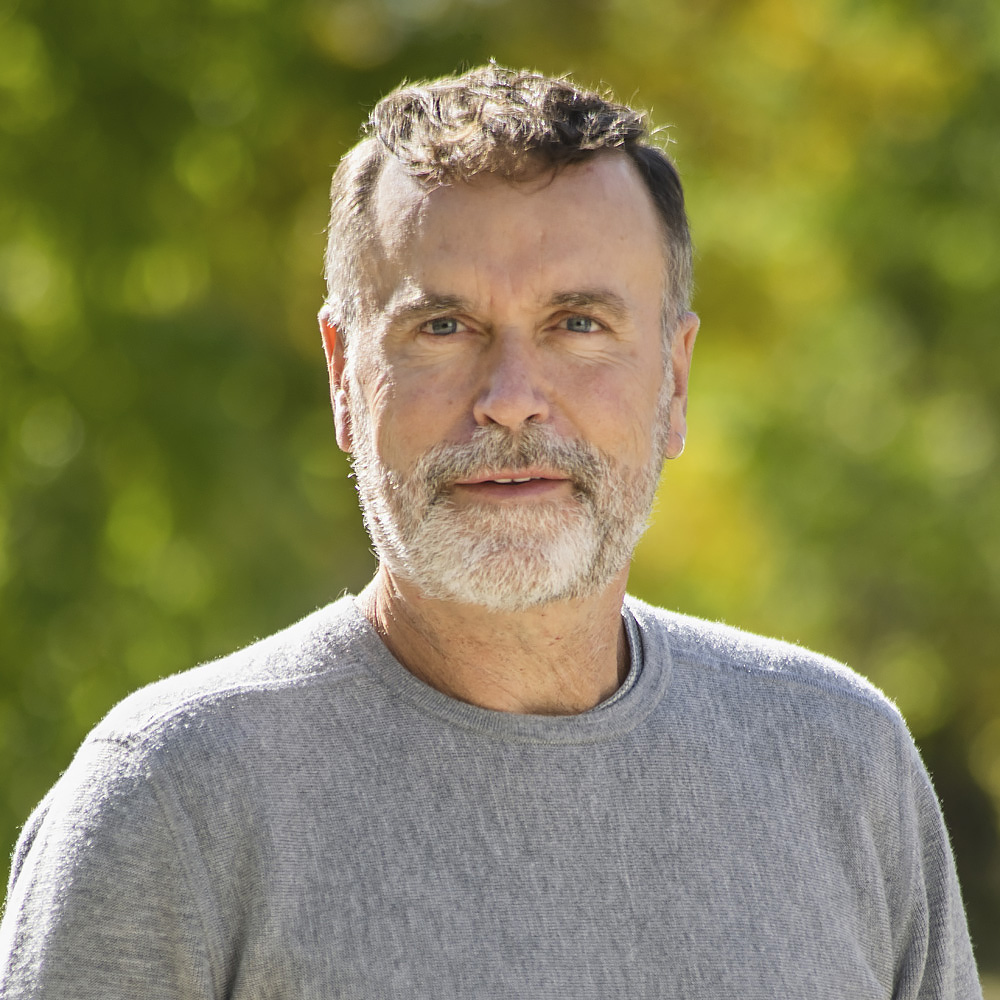
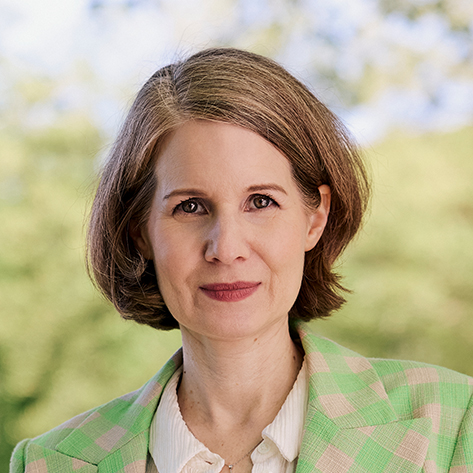
Dr. Michael P. Byrne is an Associate Professor at the School of Earth and Environmental Sciences , University of St Andrews, and a Marie Skłodowska-Curie Research Fellow at the Atmospheric, Oceanic and Planetary Physics Group , University of Oxford. His research focuses on climate dynamics, monsoons, land-climate interactions, and the water cycle. He leads the Climate Dynamics Lab at St Andrews, exploring topics like cloud feedbacks, tropical climate change, and continental-ocean temperature contrasts. He completed his PhD at MIT under Paul O’Gorman. His work bridges theory, models, and observations to address fundamental climate questions, including monsoon dynamics, intertropical convergence zone behavior, and extreme temperature amplification over tropical land. Key contributions include studies on ITCZ width impacts, elevation-dependent warming, and biases in precipitation projections. Education: PhD from Massachusetts Institute of Technology (advisor: Paul O’Gorman) Research Highlights: Cloud feedback mechanisms in tropical climates Land-ocean warming contrasts and their societal impacts ITCZ dynamics and global climate modeling Awards: Marie Skłodowska-Curie Fellowship (Oxford) Labs/Teams: Climate Dynamics Lab (St Andrews), ITCZ-MIP collaboration
Hannie A. Gijlers is an Associate Professor at the Digital Society Institute, affiliated with the Department of Instructional Technology in the Faculty of Behavioral, Management and Social Sciences at the University of Twente. Her work bridges technology and education, focusing on innovative learning environments and collaborative processes. Academic Rank: Associate Professor Institution: University of Twente Research Institute: Digital Society Institute Department: Instructional Technology Her research interests center on computer-supported collaborative learning (CSCL) , technology-enhanced STEM education , inquiry-based learning , and the role of emotions and feedback in learning. She investigates how digital tools and agent-facilitated environments support students and teachers in collaborative settings, often through cross-cultural comparisons. Her work integrates physiological and gaze-based data to understand implicit learner emotions, pushing the boundaries of learning analytics. The recent publications (2021–2024) reveal a strong focus on teacher guidance models , gamified STEM apps , clinical reasoning in medical education , and climate change literacy . These works span disciplines including educational psychology, computer science, and environmental education, indicating interdisciplinary collaboration. Keywords across these articles include collaborative learning, emotion detection, technology integration, and cross-cultural studies, reflecting a consistent research trajectory in digital pedagogy and learner support. While no specific awards are listed in the provided text, her sustained publication record in high-impact venues and leadership in collaborative research projects suggest recognition within the academic community. Hannie Gijlers actively supervises research, as evidenced by co-authored works with junior researchers and contributions to practitioner research models. Her involvement in datasets and conference presentations indicates ongoing grant-funded or institutionally supported research activities. She has contributed to both theoretical frameworks (e.g., four-phase mentorship model) and applied tools (e.g., Science Chaser app), demonstrating a balance between scholarship and practical innovation. She is part of a vibrant research network at the University of Twente, collaborating with scholars like T.H.S. Eysink, A.W. Lazonder, and N. Janssen. Her team explores agent-facilitated learning, gamification in STEM, and teacher development, often in international collaborations (e.g., Dutch-Finnish studies). These efforts are supported by digital infrastructure and interdisciplinary datasets, positioning her at the forefront of digital society research in education.
Dr. Saskia Peels-Matthey is a Senior Lecturer in Classics at the University of Groningen's Faculty of Arts, specializing in Ancient Greek religion, literature, and epigraphy. She holds MA degrees in English, Classics, and Linguistics from Leiden and Utrecht Universities, and a PhD in Classics from Utrecht University (2014). Her research integrates cognitive linguistics, digital humanities, and classical studies, notably through her NWO Veni project 'Polytheism as Language' exploring Greek divine semantics. She co-leads the open-access Collection of Greek Ritual Norms (CGRN) database and develops computational tools like AGILe lemmatizer. A board member of the Anchoring Innovation program, she also supervises interdisciplinary PhD projects blending classics with computational methods and climate communication. Her work spans semantic analysis of religious terms (e.g., hosios, hagnos), ritual innovations in inscriptions, and computational modeling of ancient Greek language evolution. Notable collaborations include organizing conferences on Artemis mythology and interdisciplinary workshops on ancient poetry's cognitive impact. She actively engages in public outreach through media appearances explaining classical studies' modern relevance.
Jeremy I. Borjon is an Assistant Professor in the Department of Psychology at the University of Houston, affiliated with the College of Liberal Arts and Social Sciences. He leads the Developing Systems Laboratory, focusing on infant cognitive, sensorimotor, and autonomic development. His research is supported by an NICHD R00 award and integrates multimodal technologies such as eye-tracking, motion capture, and wireless physiological sensors. Education: A.B. in Psychology and Neuroscience, Princeton University Ph.D. in Psychology and Neuroscience, Princeton University Dr. Borjon's research centers on how infants coordinate internal states with emerging cognitive and motor systems during the first two years of life. He investigates how visual, motor, and autonomic processes interact in real time, particularly during naturalistic caregiver interactions. His work emphasizes ecological validity by studying infants in dynamic, real-world contexts. He is particularly interested in sustained attention, language development, and how caregiver behaviors shape infant cognition. His recent publications reflect a strong trend in using dense, naturalistic behavioral sampling to understand developmental processes. The articles highlight interdisciplinary approaches combining developmental psychology, neuroscience, and engineering to study real-time cognitive and physiological dynamics in infants. Topics include physiological synchrony, attention regulation, and sensorimotor integration. Scientific Awards and Honors: R00 Pathway to Independence Award, NICHD K99 Pathway to Independence Award, NICHD NSF Postdoctoral Research Fellowship NICHD T32 Postdoctoral Fellowship 2019 Small Grant for Early Career Scholars, SRCD NSF Graduate Research Fellowship Princeton President’s Fellowship Simons Fellow in Computational Neuroscience Dr. Borjon has been actively involved in mentoring and is currently reviewing graduate applications for the Developmental, Cognitive, & Behavioral Neuroscience Program. His research is supported by federal grants, indicating active funding and research productivity. He previously held postdoctoral fellowships at Indiana University and positions at Yale and Emory. He directs the Developing Systems Laboratory, which employs cutting-edge technology to study infant behavior in naturalistic settings. The lab integrates head-mounted eye-tracking, wireless cardiorespiratory sensors, motion capture, and audiovisual recording to examine how cognitive achievements emerge within the context of a developing body and social environment.
Forest Isbell is an Associate Professor in the Department of Ecology, Evolution and Behavior at the University of Minnesota. As a prominent ecologist, his work focuses on biodiversity, ecosystem stability, and environmental change across natural and urban systems. Key Research Areas: Biodiversity, Grassland Ecosystems, Ecosystem Stability, Plant Traits, Invasive Species, Climate Change, Carbon Sequestration, Urban Ecosystems Recent Publications highlight spatial scaling laws, invasive species impacts on productivity, and biodiversity's role in carbon storage. His research integrates field experiments, modeling, and remote sensing approaches. Major Grants: NSF-funded Long-Term Ecological Research (LTER) projects, Spencer Foundation collaborations on tribal college STEM initiatives He actively contributes to science communication, with media coverage on prairie restoration challenges.
Tor Helge Aas is a Professor at the Department of Management and Innovation, School of Business and Law, University of Agder, and holds a part-time position as Professor II at Kristiania University College. He is the Director of the Executive MBA program at UiA and actively contributes to research and teaching in innovation management. His affiliations include the Research Centre for Studies of Innovation for Sustainable Transition (RIST) and the ISPIM Scientific Panel. His research interests focus on innovation management , particularly in digital servitization, service innovation, innovation processes, collaboration for innovation, and management control. He examines how organizations in manufacturing and service sectors transition to service-oriented business models through digital platforms and ecosystem collaboration. The recent publications highlight a strong trend in digital servitization , platform-based innovation , and human-technology interaction in Industry 5.0. His work spans business model innovation, legitimacy in smart services, and coopetition in R&D projects, with a consistent focus on organizational transformation and sustainable innovation. Scientific Awards and Recognitions: No explicit awards mentioned in the text. Advising and Grants: He has supervised Master’s and PhD students (implied through academic roles). Actively involved in Horizon 2020 projects: OpenInnoTrain (Work Package Manager) and REDI program. Research funded by EU frameworks, indicating competitive grant acquisition. Labs and Research Teams: Member of RIST – Research Centre for Studies of Innovation for Sustainable Transition . Active in ISPIM (International Society for Professional Innovation Management) Scientific Panel. Collaborates extensively with researchers like Anne-Laure Mention, Katja Maria Hydle, and Karl Joachim Breunig.
Dr. Marion Schrumpf is a Group Leader in the Soil Biogeochemistry research group at the Max Planck Institute for Biogeochemistry, affiliated with the Department of Biogeochemical Processes. Her work focuses on soil carbon dynamics, mineral-organic matter interactions, and climate change impacts on soil systems. Research areas: Soil biogeochemistry, carbon cycling, mineral-soil interactions, nutrient stoichiometry, microbial ecology, and climate modeling. Email: mschrumpf@... Phone: +49 3641 57-6182 Office: B2.015 Her recent publications address themes like mineral control over soil carbon stabilization, drought effects on soil processes, microbial stoichiometric adaptation, and the Jena Soil Model's role in simulating carbon-nutrient interactions. She leads efforts to disentangle the complex relationships between land use, mineralogy, and soil organic matter turnover across diverse ecosystems.
Sébastien MARCHAND is an Associate Professor in Economics (HDR) at the CERDI, Université Clermont Auvergne. He serves as Co-Director of the Master's in Economics and Territorial Transitions within the School of Economics. His research focuses on agricultural, environmental, and climate economics in emerging economies like China, Vietnam, and Brazil. Key themes include development economics, applied microeconomics, and institutional frameworks. He teaches Economic History, Macroeconomics, and Environmental Economics. His work has been published in journals such as Ecological Economics and Environment and Development Economics . He actively engages in policy-related research, addressing sustainability challenges and adaptation strategies in resource management. Recent publications highlight topics like log export bans' impact on employment, water pollution adaptation in China, and climate vulnerability assessments. His interdisciplinary approach bridges environmental science, policy analysis, and economic theory to address global sustainability challenges.
Kevin John Grimm is a Professor in the Department of Psychology at Arizona State University (ASU), serving as Director of Operations and Research within the College of Health Solutions. He holds a B.A. in Mathematics and Psychology from Gettysburg College (2000), and M.A. (2003) and Ph.D. (2006) in Psychology from the University of Virginia. Previously, he served as faculty at UC Davis before joining ASU in 2014. His research focuses on multivariate methods for analyzing developmental change, including nonlinear growth modeling, latent class analysis, and integrating machine learning with psychological data. Notable contributions include co-authoring the textbook *Growth Modeling: Structural Equation and Multilevel Modeling Approaches* (Guilford Press, 2017). Teaches courses like Structural Equation Modeling, Longitudinal Growth Modeling, and Machine Learning in Psychology at ASU. Active in professional service: Associate Editor of *Structural Equation Modeling: A Multidisciplinary Journal* since 2012. Recipient of NIH/NIDA grants for drug abuse/HIV prevention research and NICHD-funded studies on sleep health in children. His methodological work bridges quantitative innovation with substantive developmental research, emphasizing rigorous model specification and cross-disciplinary applications.
Payam Barnaghi is a Professor and Chair in Machine Intelligence Applied to Medicine at Imperial College London's Department of Brain Sciences, part of the Faculty of Medicine. He holds multiple leadership roles, including Co-Director of the School of Convergence Science in Human and Artificial Intelligence and Deputy Head of Neurology. His research focuses on AI-driven healthcare solutions, particularly in neurosciences and dementia care. He leads the Translational Machine Intelligence group at the UK Dementia Research Institute (UK DRI) and is a Visiting Professor at University College London's Institute of Child Health. His affiliations include the NVIDIA Deep Learning Institute, the British Heart Foundation Centre for Research Excellence, and the UK DRI Care and Research Technology Centre. He has received awards such as the Wellcome Trust Mental Health Ideathon Award (2023) and the IEEE Outstanding Leadership Award (2017). His work emphasizes remote patient monitoring, digital biomarkers, and explainable AI for early health event detection. Key projects include the TIHM (Technology Integrated Health Management) initiative for dementia care, leveraging wearable sensors and machine learning. He contributes to interdisciplinary efforts in smart care ethics and has published extensively on topics like neural network applications, healthcare data analysis, and clinical decision support systems.
Professor Anna Remington is the Director of UCL's Centre for Research in Autism and Education (CRAE) and holds the title of Professor of Autism Research within the Department of Psychology & Human Development at University College London's Faculty of Education and Society. She joined UCL in 2013 and became CRAE's Director in 2017, focusing on research addressing autism's perceptual and cognitive strengths while emphasizing participatory methods involving autistic communities. Her work bridges academic research with practical initiatives, such as the Deutsche Bank internship program for autistic graduates. Anna completed her BA in Natural Sciences at the University of Cambridge before pursuing an MSc in Human Communication Science and a PhD in Developmental Science at UCL. Her postdoctoral roles included positions at UCL's Institute of Cognitive Neuroscience and Oxford University. Her research explores superior perceptual and attentional abilities in autism, translating findings into strategies for improving employment opportunities and societal inclusion. Her awards reflect her commitment to impact, including the UCL Knowledge Exchange Champions Award (2016) and ESRC Impact Prize (2020 finalist). She teaches on UCL's MA programs in Special and Inclusive Education, Educational Neuroscience, and Psychology of Education, supervising students across these disciplines. Collaborations extend to institutions like Birkbeck and City University, with enterprise initiatives such as Mini Manuscript (co-founded with Jake Fairnie). She actively engages in public events like the Brain Detectives Science Club and advises organizations on supporting autistic employees. Current projects include studies on autistic experiences in the family justice system, perceptual capacities in autism/ADHD, and promoting autistic employment through policy and practice.
Dr. Gordon J.G. Asmundson is a Professor and Department Head at the University of Regina , College of Arts, Department of Psychology. He serves as Editor-in-Chief of Clinical Psychology Review and leads the Anxiety and Illness Behaviour Lab and Psychology of Pandemics Network . Contact: Gordon.Asmundson@uregina.ca , Office: 306-337-2415. Research Focus: Anxiety Disorders, PTSD, Chronic Pain, Pandemic Psychology Clinical Expertise: Adult Cognitive Behavioral Therapy, Clinical Assessment His research examines anxiety disorders (particularly PTSD), health anxiety , and chronic pain through cognitive-behavioral frameworks. Recent work addresses pandemic-related stress, including his COVID Stress Syndrome model. He investigates transdiagnostic factors like anxiety sensitivity and intolerance of uncertainty, with applications to global health challenges. Scientific recognition includes: Officer of the Order of Canada (OC) Fellow of the Royal Society of Canada (FRSC) Fellow of the Canadian Academy of Health Sciences (FCAHS) His lab explores bidirectional relationships between psychological states and physiological responses, notably in chronic pain maintenance and pandemic behavioral dynamics. As Editor-in-Chief of Clinical Psychology Review , he shapes discourse on evidence-based mental health interventions.
Dr. Sarah Bütikofer is a political scientist affiliated with the University of Zurich , where she serves as a Research Associate and Editor at the Policy Analysis & Evaluation Research Department . She is also a project partner at Sotomo and collaborates with the PEGO Research Group (University of Bern/Eawag) on environmental governance and policy analysis projects. Her academic work focuses on Swiss political systems, legislative professionalization, gender representation, and direct democracy. Her research spans parliamentary studies, including voting behavior in the Zurich Cantonal Council and Swiss Federalism, and the professionalization of cantonal legislatures. She has contributed to environmental policy analysis through collaborations on plastic governance in Bhutan and climate action frameworks. Recent publications address gender equality in Swiss politics, Green Party dynamics, and institutional responses to climate disasters. 2024: Gender and parenting in Swiss Parliament 2023: Green Party impact in Swiss federalism 2022: Women's electoral surge in Switzerland 2020: Institutional peculiarities of Swiss Council of States 2015: Strategic voting and political professionalization Bütikofer actively participates in public debates as an editor for DeFacto and through media engagements with Swiss outlets like SRF and 20 Minuten. She contributes to policy discussions on climate governance, plastic regulation, and Swiss political reform.
Clive Potter is Professor of Environmental Policy at Imperial College London's Centre for Environmental Policy within the Faculty of Natural Sciences. His interdisciplinary work bridges environmental science and social science to inform government policy, with specific focus on plant biosecurity, ecosystem services, and stakeholder engagement in rural and urban contexts. Professor Potter's research centers on agricultural restructuring and sustainable land use governance in industrialized nations, examining 25+ years of policy evolution and farmer responses to market, policy, and socio-cultural shifts. He investigates policy learning mechanisms and public involvement in environmental risk management, particularly regarding tree disease epidemics like ash dieback, analyzing how historical knowledge and local observations integrate into biosecurity frameworks. His approach combines natural science collaborations with social survey methodologies across UK and EU contexts. Recent publications (2021-2024) reveal intensifying focus on urban forestry dynamics during crises (including COVID-19), socio-ecological art-science collaborations, and policy innovations for landscape-scale conservation. Key trends include systematic analysis of tree pest impacts in cities, integration of public health co-benefits in climate policy, and novel stakeholder engagement methods using digital tools. His work increasingly addresses equity dimensions in environmental governance and the role of diverse knowledge systems in managing complex socio-ecological risks.
Sean Ehlman is an Assistant Professor in the Department of Biological Sciences at the University of South Carolina's McCausland College of Arts and Sciences. He leads the Ehlman Lab, which focuses on evolutionary behavioral ecology using integrated lab, field, and theoretical approaches. His research examines how ecological and evolutionary processes shape animal behavior development, with specific interests in: Phenotypic plasticity in response to environmental changes Origins and maintenance of behavioral individuality Aquatic ecosystem dynamics using Poeciliid fish models Application of tracking technology and AI in behavioral mapping Recent publications (2023-2024) demonstrate his interdisciplinary approach, combining behavioral ecology with data science to study: Developmental impacts of predator exposure Reproductive individuality in controlled environments Genotype-phenotype relationships in evolution Big data applications in behavioral research