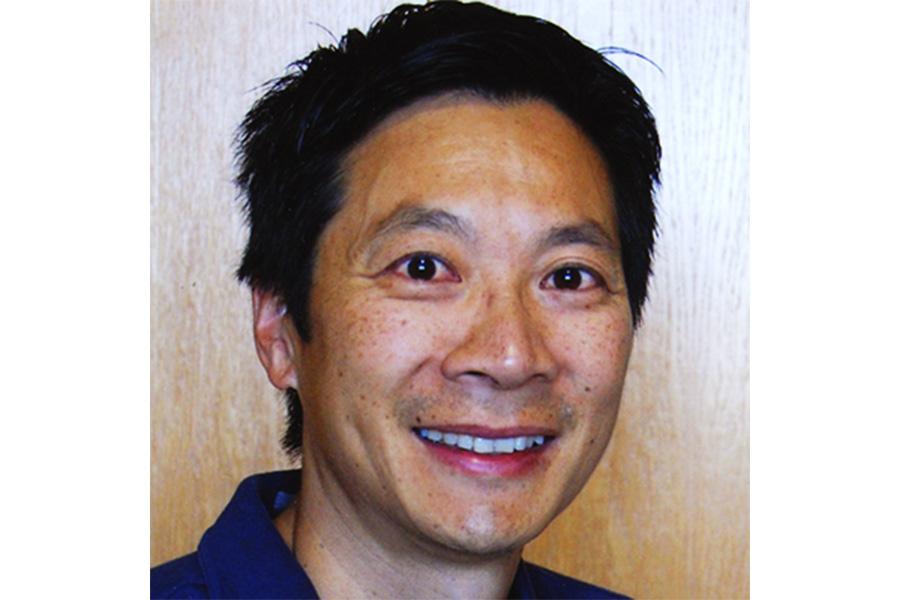
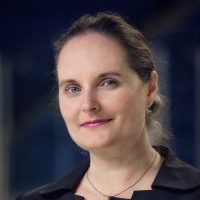
Ben Li is an Associate Professor in the Department of Computer Science at the University of Manitoba, Faculty of Science. His research focuses on combinatorics and theoretical computer science, including combinatorial design theory (e.g., Steiner triple systems, BIBDs, difference sets), graph theory, and algorithm design for combinatorial optimization problems. He also explores approximation algorithms for NP-Hard problems and subclasses of such problems with polynomial solutions. Dr. Li teaches a wide range of courses, including COMP 1010 (Introduction to Computer Science), COMP 2080 (Analysis of Algorithms), and advanced graduate courses like COMP 7720 on approximation algorithms and combinatorial optimization. His academic contributions span both theoretical computer science and interdisciplinary archaeological studies, as reflected in his publications. His recent work includes studies on ostrich eggshell beads' role in prehistoric social networks, archaeological site analysis in southern Africa, and medical education reforms in Canada. While his primary research aligns with computer science theory, his published articles also highlight interdisciplinary interests in anthropology, archaeology, and healthcare policy.
Dr. Vincent DePaul is an Assistant Professor in the School of Rehabilitation Therapy at Queen's University, with affiliations including the Faculty of Health Sciences, the Human Mobility Research Centre, and the Centre for Neuroscience Studies. His research focuses on interventions for gait and balance recovery in stroke survivors and older adults, emphasizing motor learning principles and wearable technology applications. He holds cross-appointments as an Associate Scientist in Health Services and Policy Research and Associate Professor in Rehabilitation Therapy. Education: Doctorate of Philosophy (2013), Rehabilitation Science, McMaster University Bachelor of Health Science (1990), Physiotherapy, McMaster University Diploma in Physiotherapy (1989), Mohawk College Research Interests: Cerebrovascular sciences, neurorehabilitation, stroke recovery, aging, motor learning, and community-based interventions. His work explores therapeutic strategies like feedback, guidance, and wearable technology to enhance mobility recovery. Key Contributions: Developed the Oasis Senior Supportive Living model for aging-in-place and led the OSCAIL study to improve stroke care in low-resource settings. Active in global health initiatives and rehabilitation technology development. Affiliations: Member, Human Mobility Research Centre (2017–present) Associate Scientist, Health Services and Policy Research Institute (2018–present) Research Affiliate, Providence Care Hospital (2016–present) Teaching: Teaches foundational clinical skills and motor performance in rehabilitation at Queen's University.
Dr. Raheleh Saryazdi is an Assistant Professor in the Department of Psychology at Trent University Durham GTA. She is an Affiliate Scientist at KITE-Toronto Rehabilitation Institute and a member of the Canadian Consortium on Neurodegeneration in Aging (CCNA-Team 17) and AGE-WELL. Her work focuses on sensory, cognitive, and social factors influencing everyday activities in healthy and clinical populations. Key research themes include lifespan language changes, human-artificial agent interactions, technology-based dementia interventions, multisensory memory effects, and aging driving behaviors. Education: BSc (Trent University), MA and PhD (University of Toronto). Postdoctoral fellowship under Dr. Jennifer Campos at KITE-Toronto Rehabilitation Institute. Active in the CHAT Lab (Cognition, Health, Aging, & Technology), exploring aging-related cognitive challenges through VR therapy and technology integration. Research trends in her articles emphasize cross-generational communication mechanisms, human-robot interaction design, and applying virtual reality to improve quality of life for dementia patients. Current projects include VRx@Home interventions and cybersickness mitigation strategies. She collaborates widely on aging-related studies through national networks like CCNA and AGE-WELL. Open to supervising graduate and undergraduate students in 2025-2026. Teaches courses on aging cognition, adult development, and behavior modification. Her work bridges cognitive science with applied technologies for older adults.
Dr. Alicia Horton is a Lecturer in the Department of Sociology at Kwantlen Polytechnic University's College of Arts. She holds a BA (Honors, 1st Class) from Simon Fraser University, an MA, and a PhD from Queen's University. Her research focuses on criminology, deviance, and body modification, with an emphasis on social policy, subcultural practices, and the cultural analysis of deviant behavior. She has contributed to academic discourse through publications in the Routledge Handbook of Deviance and peer-reviewed journals like Deviant Behavior. Her recent scholarly work explores the intersection of criminology, spatial dynamics, and identity formation. She co-founded the Prison Education Network (PEN) in 2021 to advance educational initiatives in correctional settings.
Dr. Stephen Ellenbogen is an Associate Professor at the School of Social Work, Memorial University of Newfoundland, located in St. John's College. His academic career spans over two decades, combining clinical practice with research focused on child welfare, social work education, and community engagement. He holds a Ph.D. in Social Work from McGill University (2008), an M.Sc. from Université de Montréal (1995), and a B.A. in Psychology from Concordia University (1987). His research interests include child maltreatment consequences, mental health service evaluations, and integrating community service learning into social work curricula. Key projects involve the Maltreatment and Adolescent Pathways study, examining abuse-related shame and aggression, and the Family TIES program addressing youth aggression. He has secured funding from organizations like SSHRC and the Janeway Foundation, totaling over $1.5 million for collaborative research initiatives. Dr. Ellenbogen has published extensively on topics such as early childhood education interventions for maltreated children, gender differences in trauma responses, and service-learning pedagogy. He pioneered Exchange conferences to disseminate student-led research and has led evaluations of mental health services like the Change Clinic and Family TIES. His work emphasizes bridging academic research with community needs, fostering partnerships between universities and local organizations. Teaching expertise includes research methods, human development, and community development. He has contributed to policy development through projects addressing gambling, school dropout, and bereavement. Clinical practice experience spans two decades in both clinical and community settings, including work with youth in care, homeless populations, and at-risk groups.
Leah Cahill is an Associate Professor and Howard Webster Department of Medicine Research Chair at Dalhousie University, affiliated with the Faculty of Medicine. She holds roles as a Scientist at Nova Scotia Health Authority and a Visiting Scientist at Harvard T.H. Chan School of Public Health's Department of Nutrition. Her research focuses on nutrition epidemiology, cardiometabolic disease prevention, and clinical nutrition outcomes in diverse populations. Education: PhD (University of Toronto, 2010), Postdoc (Harvard University, 2015), BSc (University of Manitoba, 2005) Affiliations: Nova Scotia Health Authority, Harvard T.H. Chan School of Public Health Research interests include dietary patterns, malnutrition screening in healthcare settings, and gene-nutrient interactions in cardiovascular disease. Her work bridges clinical practice and population health, emphasizing translational outcomes. Awards include the President’s Research Excellence Award (2021) and recognition for mentoring in medical education. Her lab, NOURISH Team (www.nourishteam.ca), collaborates on studies to improve nutrition-related health outcomes globally.
Dr. Louise Masse is a Professor at the School of Population and Public Health , Faculty of Medicine, University of British Columbia. She serves as Associate Director, Academic Affairs and Partnerships and holds a Scientist Level 3 position at the BC Children’s Hospital Research Institute. Research focus: Childhood obesity prevention and treatment through lifestyle modification, integrating population-based (environmental/policy) and behavioral (psychological) strategies Affiliated with: BC Children’s Hospital Research Institute BC Diabetes Research Network Implementing Knowledge for Equity and System Change Research Group Her research spans psychometrics, family-based interventions, school/community environments, and digital health tools like Aim2Be for weight management. She has led studies on SARS-CoV-2 transmission in schools and mental health impacts of the pandemic on educators. Key methodologies include: Interdisciplinary research combining systems and socio-ecological perspectives Social media recruitment for clinical trials Google Street View analysis for environmental assessment Development of validated parenting practice item banks Current affiliations: Experimental Medicine , Population and Public Health , Health Sciences , and Health Administration graduate programs
Dr. Alexandra Fiocco is a Professor in the Department of Psychology at Toronto Metropolitan University. Her research focuses on cognitive aging, stress, and biopsychosocial determinants of health in later life. She holds a PhD in Neuroscience from McGill University and has completed postdoctoral training at the University of California San Francisco and Baycrest in Toronto. Education: PhD in Neuroscience, McGill University (2008) MSc in Psychology (Neuroscience specialization), Carleton University (2002) Research Interests: Stress and aging Lifestyle behaviors and well-being Mindfulness-based interventions Cognitive function in residential care settings Labs & Teams: STAR Lab (Study of Aging, Resilience, and Aging Research). The lab investigates preventive strategies for healthy aging, including mindfulness and dietary interventions. Supervision: Dr. Fiocco supervises graduate and undergraduate students in clinical and psychological science. Her advisees focus on topics like stress biomarkers, dietary patterns, and caregiver resilience.
John Hunsley is a Full Professor in the Department of Psychology at the University of Waterloo. He specializes in psychotherapy outcomes, psychological assessment methodologies, and evidence-based clinical practices. His academic career includes roles such as teaching advanced courses like PSY 5133 Clinical Research Methods and supervising doctoral candidates like Shawn G. Sanders. Dr. Hunsley holds a Ph.D. in Clinical Psychology (1985) and B.Sc. in Psychology (1981), both from the University of Waterloo. His research interests focus on the scientific foundations of clinical assessment, including reliability and validity of measures, and the integration of evidence-based principles into practice. He has contributed to national initiatives such as the Canadian Psychological Association’s Task Force on Psychotherapy Outcomes. His publications emphasize methodological rigor in psychotherapy research, meta-analytic approaches, and the development of competency frameworks for psychologists. Notable contributions include critiques of controversial assessment techniques and advocacy for standardized progress monitoring in clinical settings. His work bridges academic research and practical application, influencing both training programs and clinical practice guidelines.
Marilyn Aita is a Full Professor at the Faculty of Nursing at the University of Montreal since 2008 and a regular researcher at the Azrieli Research Center of CHU Sainte-Justine under the fetal-maternal and neonatal pathologies research axis since 2016. She serves as the strategic group leader for 'Care for Vulnerable Populations' within the Quebec Nursing Intervention Research Network (RRISIQ) since 2018. Her clinical background as a neonatal nurse has shaped her academic trajectory in advancing evidence-based nursing practices for premature infants and their families. BSc in Nursing (1994), University of Montreal MSc in Nursing (1997), University of Montreal PhD in Nursing (2008), McGill University Postdoctoral Studies (2014), University of Toronto & McGill University Professor Aita's research program centers on neonatal developmental care interventions, with particular focus on how the NICU environment impacts growth and neurodevelopment of premature infants. She develops and evaluates nursing interventions aimed at optimizing the neonatal environment to promote neurodevelopment of preterm infants in neonatal intensive care units. Her work bridges clinical practice with research methodology, emphasizing family-centered care and evidence-based nursing interventions that address physiological stability, pain management, and developmental outcomes for vulnerable newborns. She has pioneered high-fidelity clinical simulations for perinatal skills training that led to the accreditation of the Faculty's Simulation Center by the Royal College of Physicians and Surgeons of Canada in 2018. Her publication record demonstrates consistent scholarly productivity with emphasis on developmental care interventions for premature infants. Key research themes include physiological stability monitoring, pain management strategies, breastfeeding support in NICU settings, parental involvement in neonatal care, and environmental modifications to reduce sensory stressors. Her work shows strong methodological diversity including randomized controlled trials, concept analyses, systematic reviews, and innovative educational interventions. Excellence in Teaching Award, University of Montreal (2021) Excellence Award for Innovation of the Simulation Center (2019) Best Oral and Poster Presentation Award in Nursing Sciences, ESPNIC (2017) Professor Aita has successfully supervised over 25 master's and doctoral students whose research focuses on neonatal care, perinatal interventions, and developmental care. Her research program is supported by major funding agencies including the Canadian Institutes of Health Research (CIHR), the Quebec Nursing Intervention Research Network (RRISIQ), and the Ste-Justine Hospital Foundation. Current projects include the NeuroN-QI study examining mother-preterm proximity interventions (2022-2028), comparative studies of developmental care practices between Quebec and French NICUs (2022-2023), and innovative approaches to optimizing neonatal environments. She leads research teams within the Azrieli Research Center at CHU Sainte-Justine and collaborates extensively through RRISIQ. Her simulation development work has created high-tech training environments where students interact with advanced delivery mannequins, standardized patients, and healthcare professionals. Most recently, her team designed a virtual game related to obstetrical labor, continuing her commitment to innovative educational approaches in nursing education.
Marjolaine HÉON is an Associate Professor at the Faculty of Nursing Sciences at Université de Montréal, where she has been a faculty member since 2007. She currently serves as Vice-Dean for Undergraduate Studies at the Faculty of Nursing Sciences. Her academic journey includes a Bachelor's degree in Nursing from McGill University (2002), followed by a Master's (2006) and Doctorate (2011) in Nursing Sciences from Université de Montréal. She completed postdoctoral studies at Université de Sherbrooke and Dalarna University in Sweden (2014). Dr. HÉON's research focuses on neonatology and perinatal care, with particular expertise in neonatal care, perinatal care, and child healthcare. Her work centers on supporting mothers of preterm infants, breastfeeding interventions in NICU settings, developmental care for preterm newborns, and educational interventions for healthcare professionals. She has developed several evidence-based nursing interventions targeting skin-to-skin contact, breast milk expression, and transition from gavage to direct breastfeeding for preterm infants. Her publication record demonstrates a consistent focus on improving outcomes for preterm infants and their families through evidence-based nursing interventions. Her research spans neonatal pain management, developmental care interventions, breastfeeding support, and educational strategies for healthcare providers. She frequently collaborates with interdisciplinary teams to address complex challenges in perinatal and neonatal care. 2013 Prix de la meilleure affiche - Choix du public, 5e Conférence annuelle de la Canadian Association of Neonatal Nurses 2005 Second prix de la meilleure affiche - 16e Conférence nationale d'AWHONN Canada Dr. HÉON has supervised numerous Master's students, including Sévigny, Julia (2025); Côté, Eve-Emmanuelle (2025); Boulet, Sarah-Emmanuelle (2024); Boisvert, Annie (2022); and Daigle, Valérie (2022). She has secured research funding from the Canadian Institutes of Health Research (CIHR) and the Quebec Network for Nursing Intervention Research (RRISIQ), including a major project on the effects of a nurturing and quiet intervention (NeuroN-QI) on preterm infants' neurodevelopment (2022-2028). She is an active researcher in the RRISIQ and a member of the Canadian Association of Perinatal and Women's Health Nurses (CAPWHN) and the International Secretariat of Nurses and Midwives of the Francophone Space (SIDIIEF).
Yazid Al Hamarneh serves as Assistant Professor at the University of Alberta, holding dual leadership roles as Scientific Officer of the Alberta SPOR SUPPORT Unit and Associate Director of the Epicore Centre. His work bridges academic research with practical healthcare implementation in community pharmacy settings. His academic credentials include: BSc Pharmacy from the University of Jordan PhD in Clinical Pharmacy and Pharmacy Practice from Queen’s University, Belfast Postdoctoral Fellowship in Cardiology and Research Methods at the University of Alberta Dr. Al Hamarneh's research focuses on revolutionizing chronic disease management through pharmacist-led interventions , with particular expertise in cardiovascular disease prevention and control. His work drives the paradigm shift toward patient-centered pharmacy practice , emphasizing community-based solutions for hypertension, diabetes, and cardiovascular risk factors. Key methodologies include implementation science frameworks and real-world effectiveness studies that translate research into actionable clinical tools. Analysis of his 2016-2022 publications reveals three dominant trajectories: (1) Development of practice tools like RXING for diabetes management, (2) Expansion of pharmacist roles during crises (notably the INSPIRE Survey on pandemic impacts), and (3) Rigorous evaluation of cardiovascular interventions through the landmark RxEACH trial across diverse populations including CKD patients. His work consistently demonstrates how pharmacist prescribing improves outcomes while addressing cost-effectiveness and patient perspectives. Through the Epicore Centre and Alberta SPOR SUPPORT Unit , he shapes health research infrastructure by mentoring researchers, developing methodology standards, and facilitating patient-oriented research networks. His leadership enables evidence translation into provincial healthcare policies, particularly for chronic disease management in underserved communities.
Dr. Malena Argumedes Charles is an Adjunct Professor at Université de Sherbrooke (Canada), specializing in behavioral interventions for autism spectrum disorders (ASD) and intellectual disability (ID). She obtained her PhD in Psychoéducation from Université de Montréal (2017), following a Master's without thesis (2010) and Bachelor's degree (2008) from the same institution. Her academic roles include previous positions as a Research Assistant (Université de Montréal) and Lecturer. Her research explores: 1) Challenging behaviors in ASD/ID populations, 2) Positive Behavior Support (PBS) in schools, homes, and childcare settings, 3) Program evaluation for early childhood interventions, and 4) Aging in developmental disabilities. She leads multidisciplinary projects like the evaluation of the Prevent-Teach-Reinforce model and the Unisson early-childhood program. Award highlights include her doctoral thesis receiving 'Excellent' distinction (Université de Montréal, 2017) and a FRQSC doctoral scholarship (2015). She secured over $1M in grants, including $105,000 from MITACS for PBS implementation research and $45,000 from FRQSC for ASD behavioral interventions. She collaborates with research groups like Groupe de recherche et d’intervention sur les adaptations sociales de l’enfance (GRISE) and co-authored the book L’évaluation psychoéducative (2022).
Shannon Bredin serves as Associate Professor in the School of Kinesiology at the University of British Columbia, actively contributing to the Centre for Early Childhood Education & Research (CECER) within the Faculty of Education. Her academic focus centers on motor development and physical activity promotion across diverse populations, from early childhood settings to elite athletic contexts. Research Expertise: Motor Skill Development in Early Childhood Physical Activity Assessment Tools (PAR-Q+/ePARmed-X+) Grassroots Sport Development Frameworks Indigenous Perspectives on Wellness and Movement Health Promotion for Chronic Disease Prevention Perceptual-Cognitive Training in Youth Sports Analysis of her 2023-2025 publications reveals three dominant research trajectories: (1) refinement of physical activity screening protocols for clinical and community use, (2) culturally responsive approaches to physical literacy in Indigenous communities, and (3) biomechanical and psychological factors in youth sports performance. Her work bridges theoretical exercise science with practical public health applications, emphasizing knowledge translation for practitioners. Scientific Recognition: No formal awards documented in source materials Academic Leadership: While specific student mentorship details are unavailable, her involvement in major initiatives like the ACCELERATION Program and PAR-Q+ development indicates significant supervisory responsibilities. Current grant activity cannot be confirmed from provided texts but is implied through ongoing publication output. Research Environment: Dr. Bredin operates within UBC's Centre for Early Childhood Education & Research, facilitating interdisciplinary collaborations between kinesiology, education, and Indigenous health scholars. Her work with community-based programs suggests strong ties to British Columbia's public health infrastructure and sport organizations.
Fergal O'Hagan is an Associate Professor (Teaching Intensive) in the Department of Psychology at Trent University, where he concurrently serves as Acting Director of Trent Online. He holds a B.Sc. from the University of Saskatchewan and earned both his M.Sc. and Ph.D. from McMaster University. His academic work bridges psychology with occupational health and educational innovation, with dedicated teaching responsibilities in advanced psychology courses including Models of Self Control, Advanced Statistics & Research Design, and Behaviour Modification. Dr. O'Hagan's research focuses on occupational adaptation mechanisms in health-challenged populations, particularly examining: Psychological and social factors in recovery from work-related injuries Long-term coping strategies for workers with permanent impairments The role of acceptance and resourcefulness in chronic illness management Mental health support systems in workplace and athletic environments His investigations span clinical, occupational, and educational psychology domains with consistent emphasis on practical interventions. Analysis of Dr. O'Hagan's recent publications (2019-2024) reveals three dominant research trajectories: occupational health psychology (work disability, return-to-work programs, workplace mental health), sports concussion (prevention strategies, management protocols, policy implementation), and educational psychology (learning resource development, statistical education). His work consistently demonstrates applied research methodologies with strong implications for rehabilitation practices and health behavior modification.