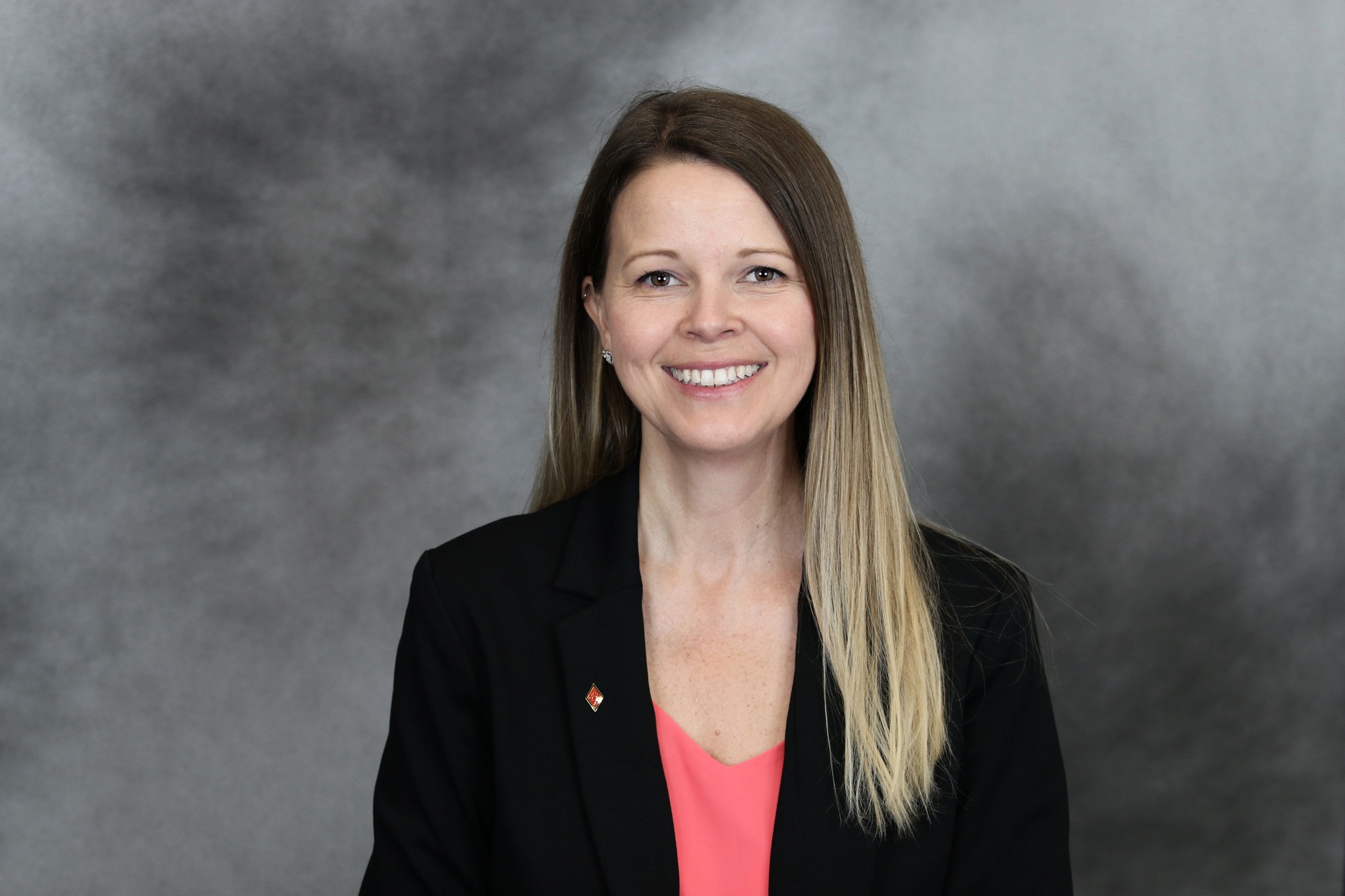
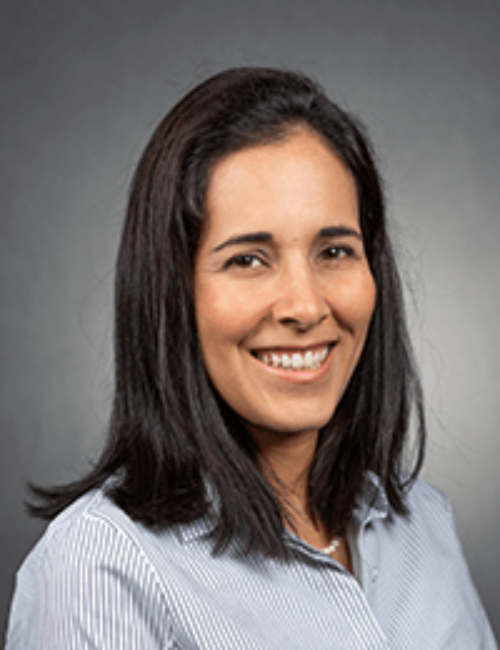
Jillian Bohlen is an Associate Professor at the University of Georgia within the College of Agricultural & Environmental Sciences , specifically the Department of Animal and Dairy Science . Her work focuses on dairy cattle reproduction, teaching, and youth development in agricultural sciences. Education: B.S. in Dairy Science, University of Georgia (2003) M.S. in Dairy Science, University of Georgia (2005) Ph.D. in Animal Sciences, Clemson University (2012) Dr. Bohlen's research emphasizes applied reproduction in cattle , including synchronization techniques, ultrasound applications in reproductive programs, and embryo competency. She integrates students into all research projects despite lacking a formal research appointment. Her teaching interests span dairy cattle production , reproductive management , and contemporary agricultural issues , with courses like ADSC 3620 (Dairy Cattle Production), ADSC 4010 (Issues in Animal Agriculture), and ADSC 4410 (Applied Reproductive Management). Scientific awards include: Student Career Success Influencer Award (2024) Russell Award for Excellence in Undergraduate Teaching (2023) UGA Creative Teaching Award (2022) CAES Early Career Teaching Award (2022) Hoard's Dairyman Youth Development Award (2021) Larry Benyshek Teaching Award (2017) She actively promotes agricultural education through programs like the Commercial Heifer Project , Dairy Cattle Judging , and Dairy Quiz Bowl . Additionally, she participates in funded projects related to methane emissions , heat stress mitigation , and antibiotic alternatives in dairy farming.
Maria Camila Ceballos Betancourt is an Assistant Professor (Teaching & Research) in Beef Cattle Welfare at the Faculty of Veterinary Medicine , University of Calgary . She holds a Ph.D. and M.Sc. in Animal Welfare and Behaviour from São Paulo State University (UNESP) , Brazil, and a B.Sc. in Animal Science from National University of Colombia . Her research focuses on animal welfare , human-animal interactions , and cattle temperament , with an emphasis on livestock handling practices and sustainable production systems . Education: B.Sc. in Animal Science, National University of Colombia (2010) M.Sc. in Animal Welfare and Behaviour, UNESP (2014) Ph.D. in Animal Welfare and Behaviour, UNESP (2017) She teaches VETM322: Animal Welfare and Behaviour annually since 2020. Her research integrates animal behavior , physiological and reproductive performance measures , and applied handling interventions . Recent publications address grimace scales for pain assessment , human-animal dynamics in livestock systems , and technological innovations for piglet monitoring , reflecting her interdisciplinary approach between agricultural science , veterinary medicine , and behavioral neuroscience . Her work spans continents, including internships at the Animal Welfare Science Centre (University of Melbourne, Australia) and postdoctoral research at the University of Pennsylvania (USA). While no formal awards are listed, her research has been highlighted in media outlets like Canadian Cattlemen’s The Beef Magazine and CBC Calgary .
Shannon Neibergs is an academic professional at Washington State University (WSU), serving as Director of the Western Center for Risk Management Education and Extension Specialist in the School of Economic Sciences. She holds a Ph.D. in Agricultural Economics from Texas A&M University (1993), an M.A. in Agricultural Economics from WSU (1987), and a B.S. in Animal Science from WSU (1983). Her research focuses on livestock production economics, auction market dynamics, and agribusiness employment strategies, with significant contributions to risk management education and sustainable agriculture. Notable honors include NACAA National and Regional Finalist awards for team newsletters (2010, 2008), a Faculty Member of the Year Award (University of Louisville, 1997), and multiple annual evaluation awards for service and research excellence. Her work bridges academic research with practical extension programs, addressing challenges in beef production systems, genomic selection tools, and rangeland management. Risk Management Education: Leads initiatives to help farmers navigate market uncertainties and policy changes. Livestock Economics: Specializes in production costs, crossbreeding impacts, and disease management economics. Regional Agriculture: Analyzes economic contributions of Washington's beef and dairy sectors through input-output models. Her advisory and collaborative efforts include managing the Western Center for Risk Management and contributing to the Beef Risk Control (BRD CAP) project. She collaborates with ranchers and policymakers to enhance agricultural resilience. Active in interdisciplinary teams such as the IMPACT Center and Transportation Research Group, her work emphasizes translating research into actionable solutions for agricultural stakeholders.
Dr. Joseph Cassady serves as the South Dakota Corn Endowed Dean of the College of Agriculture, Food and Environmental Sciences at South Dakota State University (SDSU). Previously, he held the rank of Professor and Head of the Department of Animal Science at SDSU (2013–2022) and North Carolina State University (2001–2013). His research focuses on food animal genetics and genomics, particularly improving production efficiency in swine and beef cattle. Education: B.S. in Animal Science (Iowa State University, 1993), M.S. and Ph.D. in Animal Science (University of Nebraska-Lincoln, 1995 and 1999). Professional roles include past-president of the National Swine Improvement Federation and executive director of the Beef Improvement Federation (2009–2015). Research emphasizes genetic and genomic advancements to enhance livestock productivity, with notable work on heat stress mitigation, swine behavior, and genomic selection in cattle. Awards include the 2019 Harold and Barbara Bailey Award for Academic Leadership and recognition for service to the Beef Improvement Federation. Administrative responsibilities include leading the College of Agriculture, Food and Environmental Sciences, overseeing accreditation processes, and participating in industry boards such as the South Dakota Poultry Industries Association and American Angus Foundation. Key research themes span animal genomics, livestock environmental adaptation, and precision agriculture. Over 150 peer-reviewed publications address topics like swine feeding behavior, cattle genetics, and genomic tools for improving meat quality and production efficiency.
Dr. Bok Sowell is a Professor in the Department of Animal & Range Sciences at Montana State University, affiliated with the College of Agriculture. His expertise spans rangeland ecology, wildlife habitat conservation, and livestock nutrition. He holds a Ph.D. in Range Nutrition from New Mexico State University (1989), an M.S. in Mule Deer Nutrition from Texas Tech University (1981), and a B.S. in Wildlife Management from New Mexico State University (1978). Research focuses on sagebrush ecosystems, sage-grouse conservation, grizzly bear behavior, and livestock grazing management. Notable projects include studies on fence modifications for sage-grouse nest survival, stable isotope analysis of army cutworm moths, and dormant season grazing strategies for beef cattle. Teaching includes courses like Natural Resource Conservation and Wildlife-Livestock Nutrition . Over 35 peer-reviewed articles highlight contributions to rangeland ecology and wildlife management. Awards include the 2024 Founder's Day Award for Excellence and recognition for academic advising. Grants include funding from the US Fish and Wildlife Service for sagebrush landscape management. Professional service includes roles with the Society for Range Management and Ecosphere journal. He leads efforts to restore aspen ecosystems and mitigate human-wildlife conflicts in the Greater Yellowstone Ecosystem.
Dr. Dan Shike is a faculty member in the Department of Animal Sciences at the University of Illinois at Urbana-Champaign, having joined the department in 2011. A native of Illinois with deep roots in the state’s cattle industry, Dr. Shike directs his research toward improving the efficiency, reproduction, and profitability of beef cow-calf production systems. His research interests revolve around nutritional strategies and management practices that span the entire beef cattle production cycle—from conception to final product. Using a systems approach, he examines how maternal nutrition during gestation and lactation not only influences cow reproductive performance but also affects fetal development and the lifetime productivity of offspring. Current investigations include fetal programming effects on calf growth, feed efficiency, carcass traits, and fertility, as well as identifying traits in developing heifers that correlate with improved efficiency in mature cows. Dr. Shike’s work is particularly focused on quantifying intake and efficiency in grazing cattle, aiming to reduce the substantial feed resources currently required to maintain the national cowherd. By integrating nutritional management during early life stages with lifelong performance outcomes, his research seeks to deliver practical, data-driven recommendations that enhance sustainability and profitability for beef producers across the United States. Laboratory & Industry Engagement: Systems-oriented Beef Cattle Research Program, Department of Animal Sciences, University of Illinois at Urbana-Champaign Collaborative partnerships with Illinois beef producers and allied industry stakeholders
Stamen Radulović is an Associate Professor at the Department of Nutrition and Botany within the Faculty of Veterinary Medicine. His academic role focuses on advancing research in animal nutrition and feed science, with affiliations centered on veterinary biosciences and agricultural technology. His research examines critical areas in animal husbandry, including: Feed Technology : Optimization of nutrient digestibility, alternative protein sources (e.g., insect meal), and selenium/vitamin supplementation in poultry and swine. Food Safety : Mycotoxin contamination in feeds, heavy metal bioaccumulation in animal products, and risk mitigation strategies. Sustainable Practices : Use of phytobiotics, essential oils, and prebiotics as growth promoters and antibiotic replacements. Radulović's publications (2012–2022) reflect a consistent focus on enhancing animal health and product quality through nutritional interventions. Key trends include feed additive efficacy, contaminant detection in animal products, and biotechnology applications in feed formulation. His work frequently involves collaborative studies with colleagues across veterinary and environmental sciences.
Dr. Lawton Stewart serves as a Professor and Extension Coordinator in the Department of Animal and Dairy Science at the University of Georgia's College of Agricultural & Environmental Sciences. With over 15 years of experience at UGA, Dr. Stewart leads statewide extension and applied research initiatives focused on beef cattle production systems in Georgia, building a synergistic program that leverages knowledge, collaboration, communication, and technology to improve the livelihood of Georgia's beef cattle producers. Dr. Stewart's educational background includes: B.S. in Animal Science from the University of Georgia M.S. in Agronomy with emphasis in Forage Management from the University of Florida Ph.D. in Animal Science with emphasis in Ruminant Nutrition and Forage Utilization from Virginia Tech Post-Doctoral Research Fellowship at the University of Kentucky investigating nitrogen metabolism in ruminants Dr. Stewart's research and extension program focuses on beef cattle nutrition, management, and forage systems, with particular emphasis on improving production efficiency in Georgia's diverse beef operations. His work integrates fundamental animal science research with practical extension programming to address challenges specific to southeastern US agriculture. Key areas include optimizing beef-forage systems, evaluating preconditioning and backgrounding strategies, developing sustainable parasite control methods, and investigating the impacts of nutrition on reproductive performance. He actively explores opportunities in beef cattle production such as stockering and retained ownership to enhance producer profitability. Analysis of Dr. Stewart's recent scholarly output reveals a strong thematic focus on integrated beef-forage systems, with particular attention to alfalfa-bermudagrass mixtures, nutritional impacts on reproductive physiology, and innovative management strategies for southeastern production environments. His publications bridge fundamental research with practical applications, addressing challenges like cotton byproduct utilization, baleage production, and sustainable grazing systems while maintaining scientific rigor through collaborations across multiple institutions. Dr. Stewart has received recognition for his contributions to student development: Student Career Success Influencer Award (2023) As an active researcher, Dr. Stewart manages a substantial portfolio of funded projects totaling significant grant support, primarily through the Georgia Commodities Commission for Beef, Cotton Incorporated, Merck & Co., and the Georgia Farm Bureau Federation. His research program includes studies on parasite control, forage improvement, cotton byproduct utilization, and sustainable beef production systems. He coordinates the UGA Beef Team, providing travel and educational support for student competitions including the Elite Stockman Short Course and Top Hand Stockmanship and Stewardship Contest, demonstrating his commitment to developing the next generation of agricultural leaders. Dr. Stewart participates in multiple interdisciplinary research teams focused on beef-forage systems across the southeastern United States, collaborating with agronomists, animal scientists, and extension specialists to address complex challenges in beef production. His program maintains strong industry partnerships that ensure research addresses practical on-farm challenges while advancing scientific understanding of beef cattle production systems in the southeastern agricultural environment.
Dr. Angela Maria Gonella-Diaza is an Assistant Professor in Beef Cattle Reproduction at the University of Florida's North Florida Research and Education Center. Born in Colombia, her early exposure to agricultural production shaped her career in veterinary science and reproductive physiology. She earned her DVM from the National University of Colombia, followed by a Master's in Reproductive Physiology and a Ph.D. at the University of São Paulo, Brazil. Her postdoctoral research focused on molecular patterns of reproductive tract receptivity in beef cows. Dr. Gonella-Diaza's work emphasizes improving reproductive efficiency in Bos indicus breeds through molecular, metabolomic, and genetic approaches. Her research interests include heat stress mitigation strategies, embryo transfer optimization, and the role of metabolomics in bovine reproduction. She has developed protocols for estrus synchronization and pregnancy diagnostics, contributing to practical advancements in beef cattle management. Key themes in her work include understanding how environmental factors like temperature and dietary supplements influence reproductive outcomes and offspring health. Dr. Gonella-Diaza has published extensively on topics such as conceptus survival mechanisms, maternal-offspring metabolic interactions, and the application of microRNA profiling to predict placental phenotypes. Her research bridges fundamental biology with applied agricultural solutions, aiming to enhance livestock productivity and sustainability in subtropical climates.
Dr. José Luis Calvo Rolle serves as a Professor in the Department of Industrial Engineering at the School of Engineering, Universidade da Coruña (UDC), specializing in Systems Engineering and Automation. His research focuses on intelligent control systems, fault detection, and virtual instrumentation within the Cybernetic Science and Technology Research Group. Teaches across multiple programs including Master's in Industrial Computing and Robotics, Textile Technology, and Occupational Risk Prevention Coordinates thesis supervision across Industrial Engineering and related disciplines His research spans intelligent control systems and optimization, with significant contributions in virtual sensors, fault detection, and AI-driven modeling for industrial applications. Current projects integrate machine learning with industrial processes for naval construction, wastewater treatment, and precision livestock farming, demonstrating cross-disciplinary impact from energy systems to agricultural technology. Recent publications reveal strong trends in applying deep learning to industrial metaverse frameworks, wastewater optimization, and livestock monitoring systems. His work bridges theoretical control engineering with practical implementations in energy management, naval manufacturing, and sustainable agriculture, frequently utilizing dimensionality reduction and one-class classification techniques. Dr. Calvo Rolle actively mentors students through thesis supervision across multiple engineering disciplines and coordinates research projects with diverse funding sources including the European Commission, Spanish National Research Agency, and industrial partners like Navantia and Telefónica. His laboratory work centers on the Cybernetic Science and Technology Research Group, developing testbeds for industrial automation, virtual instrumentation, and AI-driven monitoring systems. Current initiatives include digital twin implementations for naval manufacturing and smart energy management systems.
Mellissa Crosswhite is an Assistant Professor in the Department of Animal and Food Sciences at Oklahoma State University, where she focuses on applied ruminant reproductive physiology, particularly in beef cattle and on-farm research. She holds a PhD in Animal Sciences from North Dakota State University (2017), an MS (2014), and a BS from the University of Florida (2012). Her teaching responsibilities include courses on livestock anatomy and physiology, animal growth, and professional development. She also advises undergraduate students and leads organizations such as Sigma Alpha and the Oklahoma Collegiate Cattlemen's Association. Her research explores reproductive success in livestock, with a focus on hormonal interventions and nutritional impacts during gestation. Recent work includes optimizing estrus synchronization protocols and studying the effects of trace minerals on pregnancy outcomes. She has secured funding from the USDA NCR-SARE for projects like the 'Effects of pre-breeding administration of injectable trace mineral supplements on subsequent reproductive performance in beef herds.' Teaching methodologies emphasize active learning and peer-led teams to enhance student engagement. Her scholarly contributions span 15+ peer-reviewed articles, focusing on topics like CIDR device efficacy, opioid pharmacology in veterinary contexts, and cultural intelligence in agricultural education.
Veronika Vicic is a Scholarly Teaching Fellow in Animal Science at Charles Sturt University, within the School of Agricultural, Environmental and Veterinary Sciences. She is currently completing her PhD in Animal Sciences, focusing on the development of a sustainable supply chain for non-replacement male calves in the Australian dairy industry. Her work bridges animal production, welfare, meat science, and industry engagement. Bachelor of Animal Science (First Class Honours), Charles Sturt University (2014–2017) Doctorate of Philosophy (Animal Sciences), Charles Sturt University (in progress) Veronika's research centers on improving livestock system efficiency, particularly in beef and dairy integration. Her interests include dairy beef production, feedlot management, bovine respiratory disease (BRD), meat quality, and stakeholder engagement across the supply chain. She combines applied research with consumer and producer outreach to promote sustainable agricultural practices. Her recent publications highlight a strong focus on dairy beef supply chains, BRD diagnostics using molecular tools, and pathogen monitoring in feedlot environments. The research trends reflect a commitment to solving practical industry challenges through science-based, collaborative approaches that enhance animal welfare and economic viability. Scientific Awards: Communicate Your Research Finalist - Smartbeef (2017) Emerging Scientist Finalist - Dairy Research Foundation (2017) International Livestock Forum Scholarship Recipient (2017) Growing Young Leaders Program Recipient - Picture You in Agriculture (2020) National Council of Women NSW Australia Day Award (2022) Veronika is actively involved in mentoring and public engagement. She has supervised HDR students internally and participated in outreach programs such as the Growing Young Leaders Program. She has also been involved in grant-funded projects with industry partners like Meat and Livestock Australia. Her work emphasizes industry collaboration, knowledge transfer, and building trust between producers and consumers. She is engaged with several research teams and industry networks, including the Australian Lot Feeders Association and the Graham Centre for Agricultural Innovation. Her activities include organizing and speaking at workshops, participating in public lectures, and contributing to media discussions on dairy beef and agricultural sustainability.
Cyril Stephen is a Professor at the School of Agricultural, Environmental and Veterinary Sciences at Charles Sturt University, Australia. He is an active researcher and registered supervisor, with a strong focus on animal reproduction, particularly in beef cattle, sheep, and horses. His work integrates veterinary science, agricultural systems, and reproductive physiology, with significant contributions to understanding the impact of phytoestrogens on fertility and developing innovative technologies like the remote calving alert device. Education: BVSc & AH (Bachelor of Veterinary Science and Animal Husbandry) DVSc (Doctor of Veterinary Science) MANZCVS (Member of the Australian and New Zealand College of Veterinary Scientists) DipACT (Diploma in Animal Clinical Techniques) His research interests center on theriogenology , phytoestrogen effects on livestock fertility , embryo development , and reproductive management in agricultural animals . He investigates how natural compounds in pasture legumes affect conception rates and reproductive outcomes in cattle and sheep, aiming to improve breeding efficiency and animal welfare. The analysis of his recent publications reveals a consistent focus on reproductive challenges in livestock, particularly the influence of environmental and nutritional factors such as phytoestrogens. His work also extends to technological innovations in monitoring calving and improving neonatal survival. A recurring theme is the integration of clinical veterinary practice with agricultural science to solve real-world farming problems. Scientific Contributions and Recognition: Active editorial board member of Clinical Theriogenology Peer reviewer for the Ontario Agri-Food Innovation Alliance Tier 1 Research Program Invited speaker at the International Symposium of the Indian Society for Study of Animal Reproduction (ISSAR) 2021 Featured in multiple media outlets including ABC Southern Queensland for public engagement on calf loss prevention Cyril Stephen supervises both Honours and higher degree research (HDR) students, contributing to the next generation of veterinary and agricultural scientists. He has been involved in grant review responsibilities and collaborative research projects, particularly in the area of fertility control and reproductive technology. His work is supported by institutional and external engagement, reflecting strong interdisciplinary collaboration. He is affiliated with the Gulbali Research Institute at Charles Sturt University, which focuses on agricultural, environmental, and veterinary research. His team works on projects ranging from basic reproductive physiology to applied technology development, including sensor-based monitoring systems for extensive beef systems. Future research directions likely include expanding fertility control methods, refining reproductive technologies, and enhancing pasture management strategies to mitigate phytoestrogen risks.
Dr. John Michael Gonzalez is a Professor in the Department of Animal and Dairy Science at the University of Georgia's College of Agricultural & Environmental Sciences. He joined UGA in April 2019 with a 20% teaching and 80% research appointment after serving on the faculty at Kansas State University from June 2011 to March 2019. PhD in Animal Sciences from University of Florida (2008) MS in Animal Sciences from Sul Ross State University (2005) BS in Agricultural Economics from Texas A&M University (2002) Dr. Gonzalez's research program focuses on three main areas: cellular influencers of muscle growth related to meat quality (particularly muscle fiber size/type and collagen crosslinks); novel technologies for manipulating muscle growth through feed additives, management strategies, and breeding; and cellular mechanisms of muscle fatigue during livestock transportation. His work has significant implications for improving meat quality, animal welfare, and production efficiency. His recent publications (2023-2025) show a strong emphasis on nicotinamide riboside supplementation across various species, meat quality assessment, and participation in the National Beef Quality Audit. These works span beef, pork, and poultry production systems with a consistent focus on muscle biology and meat science applications. Student Career Success Influencer Award (2023) Student Career Success Influencer Award (2024) Dr. Gonzalez has secured substantial funding from diverse sources including USDA NIFA, Georgia Commodity Commission for Beef, Huvepharma, Genus PIC, and various industry partners. His research program includes multiple ongoing projects focused on nicotinamide riboside applications, heat stress impacts, vitamin D supplementation, and meat quality analysis. While specific lab details aren't provided in the text, his work involves extensive collaboration with other researchers across multiple institutions as evidenced by his numerous co-authored publications.
Dillon Feuz serves as Professor and Ag Economics Specialist in Utah State University's Department of Applied Economics, concurrently coordinating livestock farm operations. His dual academic-extension role bridges theoretical research with practical ranch management guidance across Western U.S. agricultural communities. Education: PhD in Agricultural Economics, Colorado State University (1990) MS in Agricultural Economics, University of Wyoming (1986) BS in Ag Business, University of Wyoming (1984) Feuz's research examines economic decision-making in beef production systems through consumer preference analysis, risk management modeling, and market structure evaluation. His work integrates experimental economics with real-world ranch data to quantify impacts of pricing mechanisms, trade policies, and production innovations on producer profitability. Recent studies explore sustainable feedlot alternatives, cattle size optimization under grazing regulations, and dairy margin protection forecasting. His 48+ journal articles reveal consistent focus on livestock economics with evolving methodological sophistication—from early spatial price analysis to contemporary consumer experimental auctions and bio-economic modeling. Key thematic threads include value-based marketing efficacy, futures hedging strategies for cattle feeders, and economic sustainability metrics for alternative production systems. Award Highlights: USU Extension Specialists Association Specialist of the Year (2010) Western Ag Economics Association Outstanding Extension Program (2000) American Ag Economics Association Distinguished Extension Program (1997) Feuz mentors graduate students in agricultural economics research while directing extension programming that reaches ranchers through workshops, publications, and direct consultation. His Beehive Master Beef Manager Program demonstrates applied risk management education impacting producer decision-making. As Livestock Farm Coordinator, he oversees university facilities supporting hands-on research in beef production systems and sustainable ranching practices.