Lennart Svensson is a Professor at Chalmers University of Technology in the Signal Processing research group. His work focuses on nonlinear filtering, multi-object tracking, Bayesian statistics, and deep machine learning with applications in autonomous systems and sensor fusion. Research Interests Nonlinear Filtering and Bayesian Inference Multi-Object Tracking and Sensor Fusion Deep Learning for Autonomous Systems Performance Metrics (GOSPA, T-GOSPA) Lidar-Camera Fusion and Radiance Fields 5G SLAM and mmWave Sensing Publications Trends Recent work emphasizes uncertainty-aware multi-object tracking metrics, trajectory estimation using Poisson Multi-Bernoulli Mixtures, and sensor fusion techniques for autonomous driving. His research integrates Bayesian methods with deep learning for applications in automotive radar, lidar, and 5G positioning systems. Contact Email: lennart.svensson@chalmers.se
Yoann Altmann is Professor in the School of Engineering & Physical Sciences at Heriot-Watt University and a member of the Institute of Sensors, Signals & Systems. Since 2024 he holds the Chair in Electrical, Electronic & Computer Engineering (EECE), directing a research programme that bridges statistical signal processing, computational imaging and quantum & neuromorphic sensing. Education & career: 2010 – Eng. degree (Electrical Engineering), ENSEEIHT, Toulouse, France 2010 – M.Sc. (Signal Processing), National Polytechnic Institute of Toulouse 2013 – Ph.D. (Signal & Communications), IRIT Laboratory, Toulouse 2014-2017 – Post-doctoral Research Fellow, Heriot-Watt University 2017 – Royal Academy of Engineering Research Fellow & Assistant Professor, HWU 2024 – promoted to Professor, School of Engineering & Physical Sciences, HWU Research interests: Prof. Altmann develops mathematical and algorithmic tools for Bayesian inverse problems, with emphasis on single-photon LiDAR, low-illumination imaging, neuromorphic computational sensing, variational inference and sparse reconstruction. His work combines principled statistical modelling with efficient computational schemes to enable imaging in extreme scenarios such as underwater scattering, photon-starved environments, quantum metrology and real-time 3-D scene reconstruction. Publication trends: Across 160 outputs (2011-2025) his recent articles reveal a clear trajectory toward integrating modern machine-learning paradigms—variational autoencoders, diffusion generative models, spiking neural networks—with rigorous physics-based forward models. Applications span quantum parameter estimation, multimode-fiber endoscopy, hyperspectral & Compton imaging, nuclear safeguards and cultural-heritage spectroscopy, demonstrating both methodological breadth and high-impact interdisciplinary deployment. Honours & recognition: Royal Academy of Engineering Research Fellowship – competitively awarded (2017) Grants & datasets: He has generated four open datasets supporting reproducible research in quantum sensing, variational autoencoders, underwater single-photon LiDAR and multispectral fluorescence imaging, reflecting sustained funding and commitment to open science. Continuous peer-review service for IEEE and Elsevier journals since 2013 underlines his standing within the signal-processing community. Labs & teams: He leads the Bayesian Imaging & Sensing Computing (BISC) group ( https://bisc.site.hw.ac.uk ) which hosts post-docs, PhD researchers and international visitors working on statistical machine-learning for imaging, sensing and quantum technologies.
Massi Pontil is a part-time Professor of Computational Statistics & Machine Learning in the Department of Computer Science at University College London (UCL). He joined UCL as a lecturer in 2003 and was promoted to Professor in 2010. Since 2016, his primary appointment has been at the Istituto Italiano di Tecnologia (IIT), where he leads the CSML research group. His work bridges theoretical machine learning with practical applications in physical sciences. His research interests span a wide range of topics in machine learning theory and algorithms: Machine Learning Theory and Statistical Learning Algorithmic Fairness and Ethical AI Kernel Methods and Reproducing Kernel Hilbert Spaces Transfer Learning, Multitask Learning, and Meta-Learning Operator Learning and Dynamical Systems Sparsity Regularization and Optimization Pontil's recent work focuses on the intersection of machine learning with numerical simulations of physical systems, particularly in molecular dynamics and climate science. His publications demonstrate a strong emphasis on theoretical foundations while addressing practical challenges in high-dimensional systems, symmetry-aware learning, and uncertainty quantification. Among his notable honors are: Best Paper Runner Up Award from ICML 2013 EPSRC Advanced Research Fellowship (2006-2011) Edoardo R. Caianiello Award for the Best Italian PhD Thesis on Connectionism (2002) Professor Pontil has served on program committees for major machine learning conferences (COLT, ICML, NeurIPS) and on editorial boards of prestigious journals including Machine Learning Journal, Statistics and Computing, and JMLR. He teaches Advanced Topics in Machine Learning at UCL, with a focus on convex optimization and statistical learning theory.
Yihong Wu is the James A. Attwood Professor of Statistics and Data Science at Yale University, where he also serves as Chair of the Department of Statistics and Data Science. His academic career spans prestigious institutions with a focus on theoretical and applied statistical methods. His research bridges information theory and statistics, with applications across multiple domains of data science. Professor Wu's research focuses on the theoretical foundations of high-dimensional statistics, information theory, and optimization. His work explores dimensionality reduction through both intrinsic low-dimensionality (sparsity, smoothness) and extrinsic low-dimensionality (functional estimation). He has made significant contributions to understanding statistical-computational tradeoffs in problems involving random graphs and combinatorial structures. His research has important applications in machine learning, network analysis, and signal processing. His recent publications reveal a strong focus on information-theoretic approaches to statistical problems, with particular emphasis on graph matching, empirical Bayes methods, and high-dimensional inference. Wu's work consistently addresses fundamental questions about the limits of statistical estimation and the computational feasibility of achieving those limits. His research spans theoretical foundations while maintaining relevance to practical data analysis challenges. Professor Wu actively contributes to academic education through multiple graduate-level courses including Information Theory, Statistical Inference on Graphs, and Topics in High-Dimensional Statistics and Information Theory. His teaching reflects his research interests, emphasizing mathematical rigor and theoretical foundations.
Tim Ruben Davidson is a Researcher at the Digital Life Lab (DLAB) within the School of Computer and Communication Sciences at EPFL. His current role is Doctoral Assistant, pursuing a doctoral program in Computer and Communication Sciences. His research focuses on advanced machine learning topics including deep generative models, agentic systems, synthetic data applications, and representation learning. His work bridges theoretical advancements in AI with practical implications, particularly in understanding AI agency, synthetic data generation, and latent space structures. Key research trends in his articles include exploring AI self-awareness, evaluating AI-driven peer review systems, and optimizing generative models through geometric and topological approaches. He has contributed to foundational studies on hyperspherical VAEs and reparameterization techniques on Lie groups, advancing mathematical foundations of neural networks. His work is published in top-tier venues and reflects interdisciplinary engagement between computer science, mathematics, and ethical AI considerations.
Will Townes is an Assistant Professor in the Department of Statistics and Data Science at Carnegie Mellon University's Dietrich College of Humanities and Social Sciences. He joined CMU in 2022 after completing a postdoctoral fellowship in computer science at Princeton University with Barbara Engelhardt. His academic journey includes a Ph.D. in biostatistics from Harvard University under Rafael Irizarry's supervision, an M.S. in math and statistics from Georgetown, and earlier work in tropical ecology fieldwork in the Philippines. Dr. Townes specializes in applied statistics with primary focus areas in biomedical and public health domains. His research centers on wastewater-based epidemiology, wearable devices, and auxiliary signals for infectious disease tracking and forecasting as part of the Delphi research group. He has developed normalization, feature selection, and dimension reduction methods for single cell RNA-Seq and spatial transcriptomics data analysis. His broader research interests span biostatistics, epidemiology, genomics, time series forecasting, and theoretical aspects of Tweedie distributions. His recent publications reveal a strong emphasis on wastewater surveillance methodologies, single-cell data analysis techniques, and infectious disease forecasting models. The research demonstrates a consistent focus on computational scalability and efficiency through approximate inference techniques. Dr. Townes approaches statistical problems with a pragmatic perspective, comfortable with probabilistic (Bayesian) models while drawing inspiration from diverse statistical perspectives. Member of DELPHI Lab Group at CMU Active contributor to genomics and biostatistics research Focus on computational efficiency in statistical methods Dr. Townes mentors several students including Gabrielle Thivierge (PhD candidate working on infectious disease forecasting methods), Julia Elrod, and Anna Rosengart. He teaches data science courses at CMU, including a field course in Costa Rica where students work with community partners on real-world data projects involving water quality indicators, spring flow rates, and ecological monitoring.
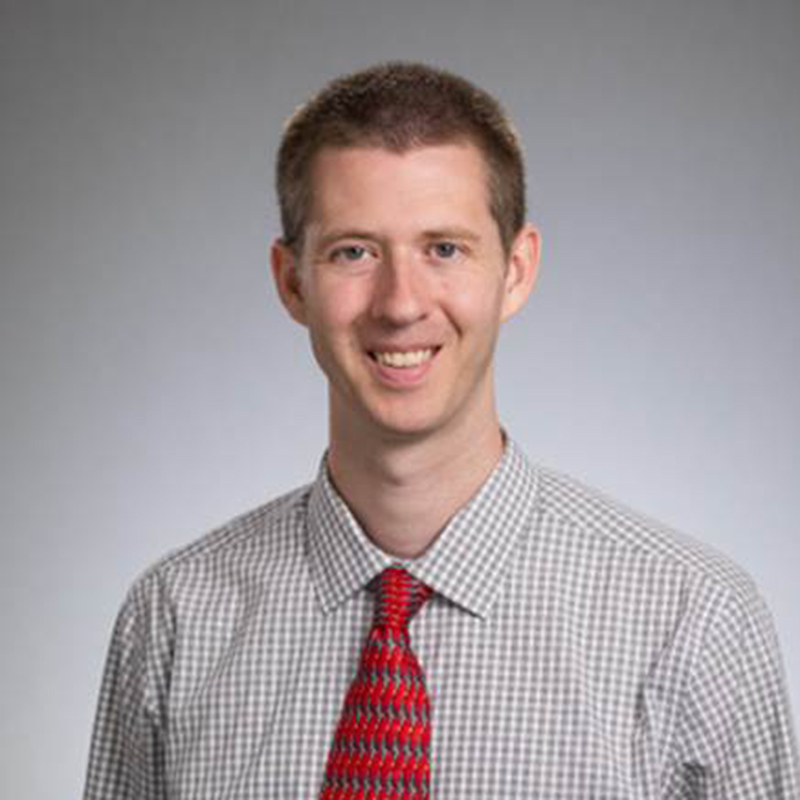
Arjun Mukherjee is a Lecturer at the Department of Computer Science , University of Houston , where he teaches courses in Machine Learning , Data Mining , Natural Language Processing , and Data Structures . His research focuses on Bayesian Inference , Data Mining , Natural Language Processing , Sentiment Analysis , Opinion Spam , and Web Mining , with a strong emphasis on deception detection and social media analysis. His recent publications explore advanced techniques in LLM-generated content detection synthetic data applications cross-domain deception modeling temporal user behavior analysis , reflecting his commitment to addressing modern challenges in digital content authenticity and machine learning robustness. Dr. Mukherjee has developed educational materials for graduate-level courses, including a well-structured Machine Learning course (COSC 6342) covering probabilistic inference, supervised/unsupervised learning, and neural networks. He earned his Ph.D. from the University of Illinois at Chicago in 2014, with a thesis titled Probabilistic Models for Fine-Grained Opinion Mining: Algorithms and Applications .
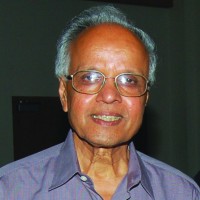
J.N.K. Rao is a Distinguished Research Professor in the Department of Mathematics & Statistics at Carleton University. A leading expert in survey sampling and statistical inference, he has made groundbreaking contributions to small area estimation (SAE) and data integration methodologies. Research Focus: Specializes in survey methodology, poverty mapping, Bayesian inference, and empirical likelihood techniques. Honors: Gold Medal of the Statistical Society of Canada (1993), Fellow of the Royal Society of Canada (1991), Waksberg Award (2005), SAE Outstanding Achievement Medal (2017). His recent work explores model-based SAE, combining probability and non-probability samples, and improving inference validity through robust calibration. Awards highlight his decades-long impact on statistical theory and practice. Email: jrao@math.carleton.ca
Mehdi Toloo is a Reader in Business Analytics at the University of Surrey's Surrey Business School. He holds a BSc, MSc, and PhD, and is a docent. Previously, he was a Professor at Technical University of Ostrava (Czech Republic) and Sultan Qaboos University (Oman). His research focuses on Business Analytics, Operations Research, Data Envelopment Analysis (DEA), and Decision Analysis. He has supervised over 40 postgraduate students and contributed to top-tier journals like European Journal of Operational Research and Omega. He is an editor for journals including Computers & Industrial Engineering and Decision Analytics. Recognized globally, he ranks in the top 2% of scientists worldwide in Business Analytics & Operations Research (2020-2024). His research projects include performance evaluation with unclassified factors, economies of scope in network DEA, and selective measures in DEA. He collaborates internationally on projects like robust optimization and supply chain sustainability. His teaching spans undergraduate courses in Operations Research, Mathematics for Business, and Programming, alongside postgraduate modules on Quantitative Methods and Advanced DEA. His work bridges theoretical and applied research, with applications in healthcare, renewable energy, and public policy.
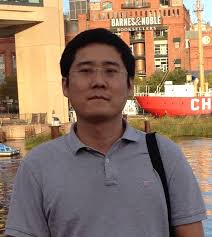
Qiang Wei, Ph.D., is an Adjunct Research Instructor in the Department of Molecular Physiology and Biophysics at Vanderbilt University School of Medicine. His research focuses on computational and systems biology approaches to study genomic and epigenomic mechanisms in cancer, drug response prediction, and disease risk gene prioritization. He has pioneered integrative frameworks combining multi-omics data (genomics, epigenomics, transcriptomics) with clinical information for precision medicine applications. Key research areas include: Developing computational tools for analyzing non-coding variants and DNA methylation patterns Characterizing tumor heterogeneity through circulating tumor DNA (ctDNA) and circulating tumor cells (CTCs) Identifying genomic drivers of therapy resistance in metastatic cancers Integrating GWAS data with functional genomics for disease mechanism discovery His work spans multiple cancer types including breast, prostate, and hepatocellular carcinoma, with a particular emphasis on translating genomic insights into clinical diagnostics and therapeutic strategies. Ongoing projects include optimizing liquid biopsy approaches for early cancer detection and leveraging single-cell technologies to understand tumor evolution. In recent years, his lab has developed novel algorithms like TVAR for functional variant analysis and Bayesian frameworks for multi-omics integration. These methods have been applied to study schizophrenia genetics, autism risk genes, and platelet reactivity regulation.
Andrea Barth is a W3-Professor of Computational Methods for Uncertainty Quantification at the University of Stuttgart, leading the Research Group for Computational Methods for Uncertainty Quantification within the Excellence Cluster for Simulation Technology. She holds a Ph.D. from the University of Oslo (2009) and has held positions at ETH Zürich and the University of Stuttgart. Her work focuses on stochastic partial differential equations, numerical methods for uncertainty quantification, and applications in engineering and natural sciences. Education: Ph.D. in Mathematics, University of Oslo (2006–2009) Lecturer/Postdoc at ETH Zürich (2010–2013) Junior Professor at University of Stuttgart (2013–2017) Research Interests: Stochastic PDEs, uncertainty quantification, Monte Carlo methods, Bayesian inverse problems, and numerical analysis of random fields. Her work bridges stochastic analysis and numerical simulations, addressing challenges in modeling and simulating complex systems with uncertainties. Grants & Funding: Principal Investigator in projects like 'Data-Integrated Simulation Science' (ExC 2075) and 'Quantitative Methods for Visual Computing' (SFB/TRR 161). Her research also explores applications in porous media, carbon dioxide storage, and optical flow analysis. Supervision: Advised PhD students including Oliver König, Fabio Musco, and Robin Merkle. Current students focus on topics like deep learning for stochastic PDEs and continuous level Monte Carlo methods.
Anuran Makur is an active Assistant Professor at Purdue University with dual appointments in the Department of Computer Science (College of Science) and the Elmore Family School of Electrical and Computer Engineering (College of Engineering). He is affiliated with the Institute for Control, Optimization and Networks (ICON) and teaches foundational courses in machine learning and data science. His educational background includes a B.S. in Electrical Engineering and Computer Sciences from UC Berkeley (2013, summa cum laude), an S.M. in Electrical Engineering and Computer Science from MIT (2015), and a Sc.D. from MIT (2019). B.S., UC Berkeley, 2013 S.M., MIT, 2015 Sc.D., MIT, 2019 Makur's research bridges theoretical machine learning, information theory, and applied probability. Key interests include ranking/preference learning, optimization for ML, non-parametric inference, information measures, permutation channel limits, broadcasting on graphs, and reliable computation. His work emphasizes fundamental theoretical limits and mathematical rigor in complex systems. Recent publications reveal strong trends in statistical learning theory (40%), information-theoretic methods (35%), and networked systems (25%), with growing emphasis on privacy-aware inference and high-dimensional statistics. His scientific achievements are recognized by prestigious awards: Arthur M. Hopkin Award (UC Berkeley, 2013) Ernst A. Guillemin Master's Thesis Award (MIT, 2015) Jin Au Kong Doctoral Thesis Award (MIT, 2020) Thomas M. Cover Dissertation Award (IEEE, 2021) NSF CAREER Award (2023) While specific advising details aren't public, his research leadership is evident through ICON affiliation and collaborations with MIT's LIDS/IDSS groups. The NSF CAREER grant supports his work on information-theoretic foundations of machine learning. He maintains active roles in theoretical computer science and information theory communities through conference organization and editorial work. Makur leads research within ICON, focusing on control-theoretic approaches to networked learning systems. His work integrates probabilistic modeling with optimization theory, particularly for distributed inference and networked decision-making under uncertainty.
Associate Professor Damith Ranasinghe holds a position at the University of Adelaide's School of Computer Science within the Faculty of Sciences, Engineering and Technology. His research focuses on Pervasive Computing, Machine Learning, Autonomous Systems (Drones), and Cybersecurity with applications in population ageing, conservation, and software security. He leads the Adelaide Auto-ID Lab, dedicated to developing innovative solutions for real-world challenges through multi-disciplinary approaches. Ranasinghe's work emphasizes embedded systems security and adversarial machine learning defenses. His lab explores autonomous UAV-based wildlife tracking systems and wearable sensor technologies for healthcare applications like fall prevention in geriatric care. He actively supervises postgraduate students in Masters and PhD programs and has contributed to projects such as the Ambient Intelligent Geriatric Management (AmbIGeM) system. His technical contributions span firmware fuzzing methodologies (e.g., ICICLE emulator), Bayesian learning defenses against adversarial attacks, and hardware security solutions using PUF-based authentication. These innovations address critical needs in both theoretical and applied domains of computer science and engineering.
Haijian Sun is an Assistant Professor at the University of Georgia's School of Electrical & Computer Engineering. His research focuses on advanced wireless communication systems, including 5G/6G networks, federated learning, mobile edge computing, and physical layer security. He explores cutting-edge topics like reconfigurable intelligent surfaces (RIS), hybrid active-passive symbiotic radio systems, and UAV-enabled communication. His work integrates machine learning and optimization techniques to address challenges in channel modeling, energy efficiency, and network security. Recent projects include autonomous agricultural monitoring via drones and energy-harvesting sensors, as well as secure IRS-VLC communication strategies. Publications highlight innovations in dynamic wireless charging for electric vehicles, graph-based phishing detection, and radio radiance field modeling. While no specific awards are listed, his contributions reflect significant engagement with industry-relevant 6G research. Research collaborations involve digital twin networks, IoT systems, and smart grid applications. His team develops practical solutions for real-world communication challenges, emphasizing both theoretical rigor and deployable technologies.
Lamine M. Mili is a Professor in the Bradley Department of Electrical and Computer Engineering at Virginia Tech. His expertise spans power systems, signal processing, and robust estimation theory. He holds an IEEE Fellowship (2016) for contributions to robust state estimation in power systems. Mili's research focuses on advancing methodologies for power system reliability, control, and integration of renewable energy sources. His work includes studies on dynamic state estimation, nonlinear dynamics, bifurcation theory, and quantum computing applications. He has contributed extensively to resilience engineering and computational social science in power systems. Mili’s recent articles address challenges in smart grids, quantum circuit error prediction, and multifractal signal analysis in EEG. His research often combines advanced statistical techniques with real-world grid data, emphasizing robustness and adaptability in dynamic environments. Education: Ph.D., University of Liège, 1987 M.S., University of Tunis, 1983 B.S., Swiss Federal Institute of Technology, Lausanne, 1976 Research Interests: Power system stability and control State estimation and robust filtering Quantum computing for power systems Resilience and cyber-physical-social systems Nonlinear dynamics and bifurcation analysis His recent publications reflect a focus on hybrid power systems, probabilistic methods, and data-driven approaches for grid optimization. The 2025 articles highlight advancements in photovoltaic state estimation, quantum error prediction, and robust modulation techniques. Mili’s work often bridges theoretical models with practical grid applications, emphasizing uncertainty quantification and real-time monitoring.