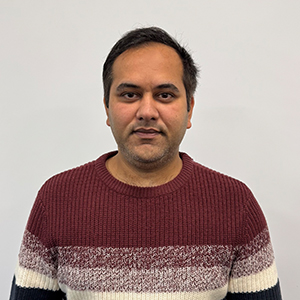
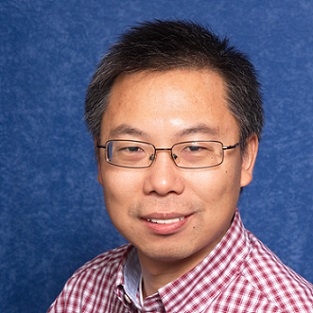
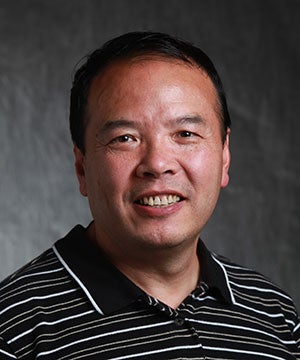
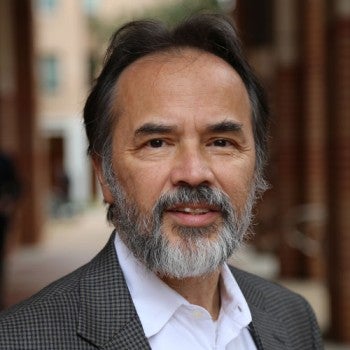
Dr. Ram Bajpai is a Lecturer in Epidemiology/Applied Statistics at Keele University's School of Medicine. He joined in 2019 as part of the Research Institute for Primary Care and Health Sciences, combining active research and teaching roles. Previously, he worked at the Lee Kong Chian School of Medicine (Nanyang Technological University, Singapore) and the Army College of Medical Sciences (India). Education: BSc in Statistics/Mathematics (University of Lucknow), MSc Health Statistics (Banaras Hindu University), PhD in Medical Statistics (Guru Gobind Singh Indraprastha University). Research focuses on cross-domain applications of statistical/epidemiological methods, including survival analysis, Bayesian methods, risk prediction modelling, and evidence synthesis. Teaching experience includes biostatistics modules for medical students at multiple institutions. Current research interests span prognostic studies, meta-analysis, complex data analysis, and design of epidemiological studies. Key contributions include systematic reviews on gout prophylaxis safety, dementia prognostic factors, and long-term outcomes of pediatric COVID-19. Active in collaborative projects on aging populations, musculoskeletal health, and public health interventions.
Soumik Purkayastha is an Assistant Professor in the Department of Biostatistics and Health Data Science at the University of Pittsburgh School of Public Health. He also serves as a Research Biostatistician at the Center for Healthcare Evaluation, Research, and Promotion (CHERP) within the Department of Veterans Affairs, focusing on improving healthcare outcomes for veterans. B.Sc. (Hons.), St. Xavier's College, Kolkata, 2014-17 M.Stat. (Biostatistics), Indian Statistical Institute, 2017-19 M.S. in Biostatistics, University of Michigan, 2019-21 Ph.D. in Biostatistics, University of Michigan, 2019-24 His research develops scalable statistical and machine learning methods for biomedical studies, emphasizing information-theoretic frameworks for association and causality without traditional causal inference assumptions. Applications include mediation analysis , instrumental variables , and spatiotemporal forecasting of infectious diseases like SARS-CoV-2. He integrates Bayesian and semi/non-parametric approaches with computational challenges in statistical modeling. His publications focus on asymmetric association methods, infectious disease compartmental models (e.g., SEIR-fansy), and data-driven pandemic resilience strategies. Key themes include causal discovery , collider detection , and patient-reported outcome correlation analysis in clinical studies. Prior to joining Pitt, he worked with the Abecasis Group and Diabetic Foot Consortium at the University of Michigan. He has developed open-source software tools like SEIRfansy , fastMI , and comet , contributing to epidemiological and statistical methodology.
Graham Hitman serves as Professor of Molecular Medicine and Diabetes at Queen Mary University of London's Faculty of Medicine and Dentistry, specifically within the Centre for Genomics and Child Health. Previously, he directed the Blizard Institute from 2013 to 2017 and edited Diabetic Medicine (2009-2015). His research spans genomics of diabetes , prevention strategies , and Bayesian AI clinical decision support systems . Current projects include gene-environment interactions in South Asian pregnancies related to offspring cardiometabolic disease (funded by EU FP7), and Bayesian models for gestational diabetes/COVID-19 management (EPSRC-funded). He led the influential CARDS trial that shaped lipid-lowering guidelines in diabetes. Prof. Hitman maintains extensive international collaborations with 337 PubMed-listed publications, 50,405 Google Scholar citations (h-index 81 as of March 2020). His clinical work includes advisory roles for Vital Signs Solutions. Graduated from University College Hospital Medical School (1976) Clinical training at King's College, St Bartholomew's, and Royal London Hospitals MD research on diabetes genetics under Prof. David Galton Lecturer/Senior Lecturer/Reader at Royal London Hospital Medical College Professor since 1995 at Barts and The London School of Medicine He supervises four PhD students across Bayesian clinical decision support systems, obesity pathogenesis, and pregnancy/post-partum clinical trials.
Katharina Eggensperger is an Early Career Research Group Leader at the University of Tübingen , leading the AutoML for Science group within the Cluster of Excellence Machine Learning for Science . She previously completed her Ph.D. at the University of Freiburg under Frank Hutter and Marius Lindauer (2022), and actively contributes to the AutoML community through open-source tool development and competition leadership. Co-developer of AutoML.org tools Faculty member of IMPRS-IS Chair for multiple AutoML workshops/conferences (2019-2025) Her research focuses on automated machine learning (AutoML) with specific attention to: AutoML Systems Hyperparameter Optimization Tabular Machine Learning Scientific Applications of ML She has organized multiple AutoML schools and conferences, including serving as Program Chair for AutoML 2024 and Non-archival Track Chair for AutoML 2025. Her work emphasizes making machine learning accessible through automation while maintaining scientific rigor and interpretability, particularly for tabular data applications. Katharina actively recruits PhD students through IMPRS-IS and collaborates with institutions like the University of Freiburg and Cyber Valley .
Michael L. Madigan is a Professor in the Grado Department of Industrial and Systems Engineering at Virginia Tech. His research focuses on human factors engineering, biomechanics, and ergonomics, particularly addressing issues related to slips, trips, falls, and musculoskeletal disorders. He leads the Madigan Biomechanics Group, which investigates the biomechanics of human motion and neuromuscular control to enhance occupational safety and elderly health. Education: Ph.D., Biomedical Engineering, Virginia Commonwealth University, 2001 M.S., Bioengineering, Texas A&M University, 1996 B.S., Bioengineering, Texas A&M University, 1994 Research Interests: Obesity’s impact on mobility, aging-related biomechanics, workplace ergonomics, and biomechanical interventions for fall prevention. His work combines experimental and computational methods to develop preventive measures like exercise interventions and ergonomic designs. Professional Roles: Editor-in-Chief, Journal of Applied Biomechanics (2017–present) Formerly Editor, Medicine and Science in Sports and Exercise (2013–2017) Secretary, American Society of Biomechanics (2009–2012) Awards: Kevin P. Granata Faculty Fellow (2013–2014) Virginia Tech College of Engineering Certificate of Teaching Excellence (2014) Finalist for International Society of Biomechanics Clinical Award (2005) Advising & Grants: Advised over 20 doctoral and undergraduate students since 2007. His grants support studies on obesity-related falls, exoskeleton design, and biomechanical modeling. Collaborates with the Virginia Tech-Wake Forest School of Biomedical Engineering and Sciences. Labs/Teams: Director of the Madigan Biomechanics Group and core member of the Occupational Ergonomics and Biomechanics Laboratories. Active in developing smart prosthetics and wearable technologies for injury prevention.
Liqiang Wang is a Professor in the Department of Computer Science at the University of Central Florida (UCF), where he directs the Big Data Lab. Previously, he served as faculty at the University of Wyoming (2006-2015). He holds a Ph.D. in Computer Science from Stony Brook University (2006) and spent a visiting research period at IBM T.J. Watson Research Center (2012-2013). His research focuses on big data analytics, high-performance computing, parallel systems optimization, and applying deep learning to detect programming errors and enhance model robustness. Education: Ph.D., Computer Science, Stony Brook University (2006); Visiting Researcher, IBM Watson (2012-2013). Research Interests: Improving accuracy and security of big data models, optimizing parallel computing systems (HPC, Cloud, GPUs), program analysis for concurrency errors, and deep learning applications in anomaly detection and adversarial robustness. Notable projects include scalable LSQR algorithms for seismic tomography and the OpenMP Analysis Toolkit (OAT) for concurrency error detection. Key Awards: NSF CAREER Award (2011), Castagne Faculty Fellowship (2013-2015), UCF Mid-Career Refresh Award (2020), and grants including a $50K NSF CIVIC-PG grant (2022) and Google/Meta donations. Advising and Grants: Supervises over 20 Ph.D./M.S. students and has secured grants totaling over $100K. Notable collaborations include seismic tomography with NCAR and cloud computing optimization. Labs/Teams: Director of UCF’s Big Data Lab, collaborating on projects like Parallel LSQR and Anti-Neuron Watermarking.
Professor Ian Marschner is a leading academic in biostatistics, currently holding the position of Professor of Biostatistics and Co-Director of Biostatistics at the NHMRC Clinical Trials Centre, University of Sydney. He has extensive experience spanning over 30 years, including roles as Professor and Head of the Department of Statistics at Macquarie University, Director of Biometrics at Pfizer, and Associate Professor at Harvard University. His research focuses on biostatistical applications in clinical trials, epidemiology, and public health, with a particular emphasis on adaptive trial designs, meta-analysis, and disease surveillance. Professor Marschner has contributed to major clinical trials in cardiovascular medicine, oncology, HIV/AIDS, neonatal/perinatal care, and COVID-19. He co-authored the book Inference Principles for Biostatisticians and is involved with the Biostatistics Collaboration of Australia (BCA) in developing and teaching the Masters of Biostatistics program. His grants include the NHMRC Centre of Research Excellence (AusTriM) and a National Critical Research Infrastructure Initiative grant totaling over $20 million. Research students under his supervision include Aydin HIBBERT, focusing on generalized joint regression models for longitudinal data. His work addresses methodological challenges such as bias in early-stopped trials, surrogate endpoints, and statistical frameworks for adaptive experiments. Recent contributions include risk modeling for diabetes, cardiovascular mortality prediction, and biomarker analysis in cancer therapies.
Claire Vernade is a Group Leader at the University of Tübingen in the Cluster of Excellence Machine Learning for Science. She leads an active research group focused on theoretical aspects of sequential decision making, with particular expertise in bandit problems and reinforcement learning theory. Her work bridges theoretical foundations with practical applications in scientific discovery. Her research interests span sequential decision making, bandit problems, theoretical Reinforcement Learning, Learning Theory, and principled learning algorithms. She has made significant contributions to understanding non-stationary environments, lifelong learning frameworks, and the theoretical foundations of bandit algorithms. Her work on "Eigengame: PCA as a Nash Equilibrium" received an Outstanding Paper Award at ICLR 2021. Dr. Vernade has been awarded prestigious grants including an Emmy Noether award (2022) for her FoLiReL project and an ERC Starting Grant (2024) for her ConSequentIAL project. Her current ERC project explores the role of Reinforcement Learning in developing Continual Learning agents, with applications to scientific domains like drug discovery and micro-chemistry. Emmy Noether award under the AI Initiative call (2022) ERC Starting Grant (2024) Outstanding Paper Award at ICLR 2021 She currently supervises three PhD students and actively recruits postdocs and PhD candidates through the IMPRS-IS and ELLIS doctoral programs. Her group collaborates extensively with the broader machine learning community, organizing workshops like FoRLaC at ICML 2024 and serving as co-chairs for tutorials at major conferences. Dr. Vernade is also deeply committed to diversity and inclusion in machine learning, co-leading initiatives like Women in Learning Theory and Tübingen Women in Machine Learning.
Hwanhee Hong is an Associate Professor in the Department of Biostatistics and Bioinformatics at Duke University School of Medicine and a member of the Duke Clinical Research Institute. Affiliated with the Biostatistics, Epidemiology, and Research Design (BERD) Methods Core and the B&B Faculty, Dr. Hong maintains an active research program focused on statistical methodology development for clinical applications. Dr. Hong's educational background includes a Ph.D. in Biostatistics from the University of Minnesota (2013), an M.S. in Biostatistics from Harvard University (2010), and a B.S. in Statistics from Chung-Ang University, Korea (2008). Prior to joining Duke, they completed a postdoctoral fellowship at Johns Hopkins Bloomberg School of Public Health under Dr. Elizabeth A. Stuart. Research interests center on Bayesian statistical methods for comparative effectiveness research, network meta-analysis, causal inference, measurement error correction, and data integration across multiple sources. Their work emphasizes adaptive information borrowing to address clinical and public health questions, particularly in developing flexible Bayesian modeling frameworks that synthesize diverse data streams for evidence generation. Analysis of recent publications reveals consistent methodological focus on network meta-analysis techniques, causal inference with error-prone covariates, generalizability assessment, and time-to-event analysis. The research spans applications in pediatrics, cardiology, obesity treatment, and vaccine effectiveness, demonstrating strong translational impact across medical domains. Dr. Hong actively collaborates with biostatisticians, epidemiologists, clinicians, and health policymakers through multiple funded projects, though no formal awards or fellowships are documented in the provided materials. Participant, Faculty Success Program, National Center for Faculty Development & Diversity (2023) Participant, Faculty Curriculum on Anti-Racism, Duke Office of Faculty Advancement (2021) Teaching responsibilities include BIOSTAT 719: Generalized Linear Models. Current grant funding spans eight major projects totaling over $20 million, primarily from NIH and PCORI, addressing pediatric care coordination, mental health interventions, obesity treatment, diabetes management, and advanced biostatistical methodology development. Dr. Hong's laboratory work focuses on computational approaches for data integration, maintaining active collaborations with the Duke Clinical Research Institute and multiple external institutions including Johns Hopkins University and North Carolina State University.
Prof. Berna Kılınç is a faculty member in the Department of Philosophy at Boğaziçi University, Faculty of Letters. She holds a Ph.D. from the University of Chicago and serves as Department Chair and Fourth Year Advisor. Her academic work spans philosophy of science, logic, epistemology, and the history of science, with a particular focus on probability theory and Kantian philosophy. Ph.D., University of Chicago, USA Her research interests include the history and philosophy of probability, Kant’s theoretical philosophy, statistical reasoning, and informal logic. She explores foundational questions in scientific reasoning, objectivity, and the evolution of logical thought, often bridging historical analysis with contemporary philosophical debates. The recent publications of Prof. Kılınç reflect a sustained engagement with logic, epistemology, and the philosophy of science. Her work spans from Kantian metaphysics to feminist epistemology and statistical methodology, demonstrating a broad yet coherent trajectory centered on the nature of scientific and logical reasoning. She frequently publishes on Ottoman science, the philosophy of chance, and meta-theoretical issues in research synthesis. No scientific awards were mentioned in the provided text. Prof. Kılınç has editorial and translation experience, having co-edited volumes of the World Congress of Philosophy and several issues of Felsefe Tartışmaları . She has translated philosophical texts into Turkish, contributing to the dissemination of analytic philosophy in Turkey. While specific grant information is not provided, her publications in international journals and edited volumes suggest active research engagement. She advises senior students as the Fourth Year Advisor, indicating a role in academic mentoring. There is no mention of specific labs or research teams in the provided information.
Jürgen Cito is an Associate Professor with tenure at Vienna University of Technology (TU Wien), specializing in software engineering, explainable AI, and performance engineering. He leads research at the IPA Lab (as indicated by his personal website) and maintains a visiting researcher position at Google. His academic journey began with joining TU Wien as an Assistant Professor in Spring 2020, with promotion to Associate Professor announced in April 2024. His research interests span multiple critical areas of modern software development, with particular focus on developer experience, program comprehension, and the intersection of AI with software engineering practices. His work bridges theoretical foundations with practical industrial applications, as evidenced by collaborations with major technology companies. Analysis of his recent publications reveals a strong emphasis on practical tools and methodologies that enhance software quality, performance, and security. His research trajectory shows increasing focus on explainable AI techniques applied to software engineering problems, performance prediction from source code, and automated security testing approaches that leverage large language models. best teaching award for distance learning for Web Engineering (2020) Cito actively contributes to the software engineering community through numerous conference committee roles, including program committee positions at ASE, ICSE, ESEC/FSE, and other major venues. His lab appears to focus on developer tools, program analysis, and AI-assisted software engineering, with connections to both academic and industrial research environments.
Ti John is a Research Fellow at Aalto University's Department of Computer Science within the School of Science. He is affiliated with Professor Marttinen's research group and the Probabilistic Machine Learning group led by Professor Samuel Kaski. His work connects with the Finnish Center for Artificial Intelligence (FCAI) and the Helsinki Institute for Information Technology (HIIT). Dr. John's research focuses on machine learning, particularly Bayesian optimization, Gaussian processes, and point process models. His work spans theoretical developments in neural processes and practical applications in healthcare analytics and large language models. He has made significant contributions to equivariant neural processes, causal mediation analysis in healthcare, and interpretability of additive models. His publication record shows consistent output with 17 publications between 2021-2024, including multiple papers at top AI conferences like NeurIPS, ICML, and ICLR. His research demonstrates strong interdisciplinary connections between statistical modeling, artificial intelligence, and healthcare applications. Active reviewer for NeurIPS, ICLR, AISTATS Reviewer for Journal of Machine Learning Research Member of Finnish Center for Artificial Intelligence project Dr. John has been actively contributing to the machine learning community through peer review and conference participation, demonstrating expertise across multiple subfields of artificial intelligence and statistical modeling.
Qiang Ji is a Professor in the Department of Electrical, Computer, and Systems Engineering at Rensselaer Polytechnic Institute (RPI), directing the Intelligent Systems Laboratory (ISL). He holds IEEE and IAPR Fellowships. Dr. Ji's research focuses on AI, computer vision, Bayesian methods, and robotics, with contributions to causal discovery, 3D reconstruction, and Tibetan multi-dialect speech recognition. He previously served as an NSF program director managing machine learning and computer vision initiatives. His academic journey includes positions at the University of Nevada, Reno, and visiting roles at institutions like Carnegie Mellon's Robotics Institute. Education: PhD in Electrical Engineering from the University of Washington. Research interests span machine learning, probabilistic graphical models, and human-computer interaction. Notable contributions include Bayesian adversarial learning, knowledge-augmented deep learning, and physics-aware human motion prediction. His work bridges theoretical advancements with applied systems like gaze estimation and facial action unit detection. Awards: IEEE Fellow (202?), IAPR Fellow (202?). Professional roles include conference committee chairs and editorial board memberships. Key research themes include uncertainty quantification, causal inference, and cross-domain learning challenges.
Chiara Sabatti is a Professor of Biomedical Data Science and Statistics at Stanford University, with affiliations to the Stanford Center for Computational, Evolutionary and Human Genomics (CEHG), Bio-X, and the Stanford Cancer Institute. She serves as Associate Director for Stanford Data Science and has led the development of the Data Science Major curriculum since 2012. Research Focus: Statistical models for high-throughput genomics data, causal inference in genetic studies, false discovery rate control, and knockoff methods for variable selection. Key Leadership: Associate Chair for Education and Training (2020-present), Vice Chair of Biomedical Data Science (2018-2019). Her work bridges statistical genetics with data science education, emphasizing robustness and interpretability in scientific findings. Recent publications highlight innovations in genome-wide association studies (GWAS), causal variant localization, and cost-effective sequencing techniques for underrepresented populations. Current projects include developing knockoff-based methods to address population structure and multi-resolution hypothesis testing. Scientific Awards: Institute of Mathematical Statistics (IMS) Fellow (2022) NSF CAREER Award (2003-2008) She mentors doctoral and graduate students in Biomedical Data Science, collaborates with the Data Studio on interdisciplinary projects, and actively recruits curious researchers to her lab. Her outreach efforts focus on expanding data science education and increasing research participation from underrepresented groups.
Rudy Guerra is a Professor and Chair of the Department of Statistics at Rice University, where he has been since 2000. His research spans biomedical applications of statistics, including bioinformatics, statistical genetics, and medical imaging, alongside sociological research in education and Mexican migration. He holds academic leadership roles, including Director of the Data Science Minor and member of the BRIDGE and Doerr Institute steering committees. Guerra earned his Ph.D. in Statistics from UC Berkeley, M.A. in Mathematics from UC Berkeley, and B.S. in Applied Mathematics from UT San Antonio. Education: Ph.D., Statistics, UC Berkeley (1992) M.A., Mathematics, UC Berkeley (1987) B.S., Applied Mathematics, UT San Antonio (1984) Key Roles: Department Chair, Statistics (2019–present) Associate Chair, Statistics (2016–2019) Former Jones College Magister (Residential College Leader, 2005–2011) Research Interests: Dr. Guerra’s work integrates statistical methods with biomedical and social science challenges. His biomedical focus includes cancer genomics (e.g., osteosarcoma metastasis, biomarker discovery), medical imaging (e.g., CT ventilation analysis), and bioinformatics. In social sciences, he examines educational inequities and Mexican migration impacts on health. His recent projects include collaborations with Texas Medical Center institutions and sociologists at Rice. Articles Trends: His publications emphasize interdisciplinary applications, combining statistical rigor with domain-specific insights. Recent work spans oncology, public health, and computational biology, reflecting a commitment to bridging theory and practical medical/sociological challenges. Awards & Roles: Panel Member, Ford Foundation Fellowship (2016–present) Associate Editor, BMC Genetics (2014–present) Former Residential College Master of Jones College (2005–2011) Advising & Grants: Guerra advises students on statistical research and curricula. He has led initiatives like the Keck Center for Quantitative Biomedical Sciences Training and co-founded the Empowering Leadership Alliance (ELA) to support underrepresented minorities in STEM. His grants include funding for bioinformatics consortia and educational outreach programs. Labs & Teams: Active in the Gulf Coast Consortia for Bioinformatics and collaborates with multidisciplinary teams at MD Anderson, Baylor College of Medicine, and UT Health Science Center.