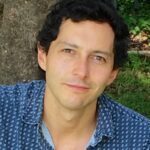
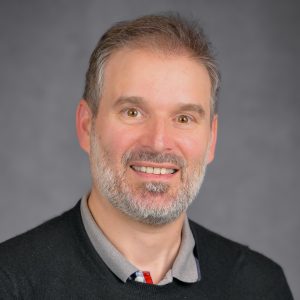
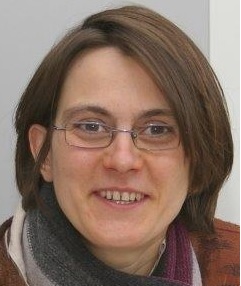
Maurizio Filippone is an Assistant Professor in the Data Science Department at Eurecom. He specializes in probabilistic machine learning, focusing on Bayesian inference methods for Gaussian processes, neuroimaging-based diagnostic tools for neurological disorders, and systems biology applications. His teaching includes Advanced Techniques of Statistical Inference. Research interests center around three core challenges: scalable uncertainty quantification, model interpretability, and reducing energy consumption in machine learning workflows. His work bridges theoretical advancements with practical applications in healthcare and computational biology. No specific awards or grants are listed in the provided text. While affiliated with the 3IA Chairholders program, details about labs, teams, or collaborative projects are not explicitly mentioned here.
Motonobu Kanagawa is an Assistant Professor (Maitre de Conférences) in the Data Science Department at EURECOM since September 2019. Previously, he was a researcher at the University of Tuebingen and the Max Planck Institute for Intelligent Systems in Germany under Prof. Philipp Hennig (2017–2019), and completed his PhD at the Institute of Statistical Mathematics in Tokyo under Prof. Kenji Fukumizu (2013–2016). Education: Doctorate in Statistical Science (2016), Graduate University for Advanced Studies / Institute of Statistical Mathematics, Japan Master in Computer Science (2013), Nara Institute of Science and Technology, Japan Research Interests: His work focuses on kernel methods, Gaussian processes, and machine learning for enhancing computer simulations. Key areas include statistical validation of simulation models, applications in climate, disaster, economic, and financial analysis, and interpretable distribution comparison. He emphasizes bridging theory and practice in probabilistic numerics and Bayesian optimization. Publications Trends: His recent work addresses challenges in Bayesian quadrature, Gaussian process scaling, covariate shift adaptation, and pension system risk analysis. He frequently explores kernel-based approaches for computational efficiency and interpretability. Awards: Chris Daykin Prize (2022) from the International Actuarial Association for work on pension system risk analysis Grants & Leadership: He chairs a position at 3IA Cote d'Azur (2021) and organizes the ProbNum 2025 conference. His advisory roles include editorial board membership at the Journal of Machine Learning Research (JMLR) and reviewing for top venues like TPAMI, NeurIPS, and ICML. Labs & Collaboration: Active in the Data Science Department at EURECOM,他曾领导Max Planck的Probabilistic Numerical Computing Group,并与EDHEC等机构合作研究养老金系统风险。他的研究团队通过贝叶斯优化和核方法推进跨领域应用。
Motonobu Kanagawa is an Assistant Professor (Maitre de Conférences) in the Data Science Department at EURECOM in France since 2019. Previously, he held research positions at the University of Tübingen and the Max Planck Institute for Intelligent Systems in Germany under Prof. Philipp Hennig. He earned his PhD in 2016 from the Institute of Statistical Mathematics in Tokyo under Prof. Kenji Fukumizu. His research focuses on statistical methodologies for complex systems simulation, including reliability validation of simulators, Gaussian processes, Bayesian optimization, and kernel methods. Recent work explores variable selection in distribution comparison and covariate shift adaptation. Key achievements include organizing the inaugural ProbNum 2025 conference, receiving the Chris Daykin Prize (2023) for pension system analysis with Bayesian optimization, and securing a chair position at the 3IA Côte d'Azur AI institute (2021). He reviews for leading journals like JMLR and conferences such as NeurIPS and ICML. Publications span topics like k-NN regression optimization, Gaussian process scale parameter estimation, and counterfactual mean embeddings. His work bridges theoretical statistics and applied machine learning, emphasizing computational efficiency and uncertainty quantification.
Marie-Laure Delignette-Muller is a Lecturer and Researcher at VetAgro Sup, where she teaches biostatistics modules in the veterinary curriculum and a course on critical article reading methodology. She is affiliated with the Laboratoire de Biométrie et Biologie Evolutive at Université Lyon 1, part of UMR CNRS 5558. Her research focuses on developing statistical methods for risk assessment in environmental health, including hierarchical models, nonlinear models, and Bayesian inference. She specializes in dose-response modeling of omics data and has contributed to R packages like fitdistrplus , nlstools , and DRomics to facilitate method implementation. Her work spans diverse fields such as veterinary epidemiology, ecotoxicology, and radioecology, with notable projects including the ANSES STRATA project on PFAS toxicity and the EC2CO DRing project for automated dose-response modeling. She collaborates on studies involving diagnostic test harmonization for Coxiella burnetii, colistin resistance in pigs, and Chernobyl ecosystem impacts. Her research integrates statistical rigor with practical applications, bridging academia and environmental management. Key contributions include advancing Bayesian approaches for imperfect diagnostic tests and applying machine learning (e.g., CNN-based pulmonary abnormality detection in cats). She actively publishes in journals like Preventive Veterinary Medicine , Journal of Hazardous Materials , and BMC Biology , and her methodologies are widely adopted through R packages.
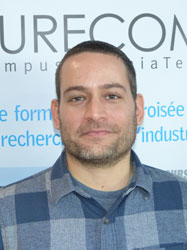
Vineet Gandhi is a Researcher at INRIA Rhone Alpes, France. He completed his PhD in the Imagine team under Dr. Remi Ronfard, funded by the CIBLE scholarship under the Scenoptique project. His research focuses on computer vision applications for video production, including actor detection, multi-clip editing, and sensor fusion for depth estimation. He holds a Masters from the CIMET consortium with an Erasmus Mundus scholarship and a B.Tech from Indian Institute of Information Technology, Jabalpur. Education: PhD: INRIA Rhone Alpes (2014), supervised by Dr. Remi Ronfard Masters: CIMET consortium (2011), thesis supervised by Dr. Radu Horaud and Dr. Jan Cech Bachelor: Indian Institute of Information Technology, Jabalpur (thesis with Prof. Challa S Sastry and Prof. Amit Ray) Research Interests: Visual detection/tracking, computational videography, sensor fusion, and cinematography automation. His work emphasizes practical applications like theatre performance analysis and automated video editing. Publications: Focus on optimizing video editing workflows, generative models for actor detection, and high-resolution depth mapping via sensor fusion. His methods combine computer vision techniques with cinematic best practices. Labs/Teams: Active in the Imagine and Perception teams at INRIA. Collaborated with University of Wisconsin-Madison (Michael Gleicher) on cinematography automation projects.
Sebastian Duchene is a researcher at the Institut Pasteur in Paris, where he serves as Principal Investigator (PI) for the TraM project, which focuses on trait-driven molecular clocks to date the long-term evolution of re-emerging bacterial pathogens. His work integrates genomics, evolutionary biology, and phylodynamics to understand infectious disease dynamics. Institution: Institut Pasteur, Paris Research Focus: Molecular clocks, phylodynamics, genomic epidemiology, bacterial evolution His research interests center on the evolutionary genomics of bacterial pathogens, with a focus on developing and applying computational methods for molecular dating, phylodynamic inference, and genomic surveillance. He investigates how pathogens such as Mycobacterium lepromatosis and Streptococcus pyogenes evolve over time and spread across populations. The trends in his recent publications reveal a strong emphasis on methodological innovation in phylodynamics and molecular clock modeling, including tools like Clockor2 for root-to-tip regression and studies on temporal signal detection. His work bridges computational biology with public health applications, particularly in understanding antibiotic resistance and historical disease spread. His scientific contributions have been published in top-tier journals including Science , Nature , PLoS Computational Biology , and Systematic Biology . Pre-European contact leprosy in the Americas and its current persistence. (Science, 2025) Rifaximin prophylaxis causes resistance to the last-resort antibiotic daptomycin. (Nature, 2024) Clockor2: Inferring Global and Local Strict Molecular Clocks Using Root-to-Tip Regression (Systematic Biology, 2024) How does date-rounding affect phylodynamic inference for public health? (PLoS Comput Biol, 2025) Duchene leads a research team and collaborates with post-doctoral fellows, research engineers, and students. While specific grant details are not listed, his active publication record and PI status suggest ongoing funding for projects in evolutionary genomics and infectious disease modeling. He contributes to open science through publicly available tools like Clockor2. He is part of the research team focused on the evolutionary dynamics of infectious diseases at the Institut Pasteur, working alongside experts in genomics, microbiology, and epidemiology to advance understanding of pathogen evolution and public health threats.
Jean-Christophe Olivo-Marin is the Head of the Biological Image Analysis Unit and Director of the Carnot Pasteur Institute for Microbes and Health at the Institut Pasteur in Paris, France. He previously served as Director of the Department of Cell Biology and Infection (2010–2014) and continues to lead impactful research at the intersection of biology, computation, and imaging. His research focuses on bioimage informatics , developing computational methods in Machine learning and deep learning for image analysis Bayesian tracking and optical flow algorithms Statistical modeling of spatial patterns in biological systems Mathematical imaging and computational cell biophysics Digital pathology and cancer microenvironment analysis His work enables rigorous quantitative analysis of complex biological phenomena such as cell motility, host-pathogen interactions, and neural dynamics. His recent publications (2024–2025) reflect a strong trend toward AI integration in bioimaging , with advances in deep learning-based segmentation (e.g., Deep ContourFlow), large-scale image annotation (SAMJ), and frameworks for evaluating neuron tracking. There is also a focus on spatial analysis in disease contexts , particularly in cancer and neurodevelopment, combining deep learning with spatial statistics. He has been awarded research funding for projects including Next-generation Structured Illumination Microscopy (SIM) Machine learning for cancer detection using FFOCT Compressive sensing in biological imaging Statistical analysis of spatial coupling in bioimaging (SODA) Olivo-Marin actively mentors students and postdoctoral researchers and contributes to open science through the development and maintenance of Icy , a widely used open-source bioimage analysis platform. He regularly participates in international conferences such as QBI, ICPR, and NEUBIAS, and leads advanced training courses, including the upcoming Advanced Bioimage Analysis with Artificial Intelligence (AI) course at Institut Pasteur in 2026. He leads a dynamic research unit with PhD students, postdocs, and engineers working on cutting-edge image analysis challenges. The team fosters collaboration across disciplines and institutions, promoting open science and community-driven software development.
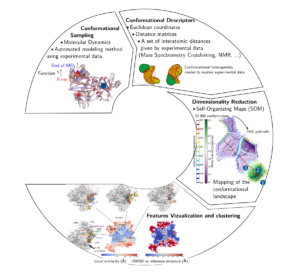
Guillaume Bouvier is a Researcher at the Institut Pasteur in Paris, France. His work focuses on structural biology, computational modeling, and biophysics, particularly on protein conformational dynamics and drug-target interactions. His research involves: Developing dimensionality reduction techniques for protein structural analysis Applying Self-Organizing Maps (SOM) to map protein conformational spaces Combining molecular dynamics simulations with experimental data Contributing to drug discovery projects targeting tuberculosis and viral diseases Working on algorithms for contact matrix ordering and protein fold prediction Recent publications highlight his contributions to: 3D deep learning models for functional binding site prediction (InDeep/InDeepNet) Antiviral compound mechanism studies, particularly phthalazinone derivatives Atomic modeling of protein complexes using cryo-EM and co-evolutionary data Crosslinking mass spectrometry-based assembly modeling (XL-MOD software) Structural characterization of bacterial surface proteins and drug engagement
Fotios Stavrou is an Assistant Professor at the Communication Systems Department of EURECOM, a leading research institution in France. His academic journey includes a Diploma in Electrical and Computer Engineering from Aristotle University of Thessaloniki (2008), a PhD in Electrical Engineering from the University of Cyprus (2016), and postdoctoral research at Aalborg University (2016–2017) and KTH Royal Institute of Technology (2017–2021). Currently, he leads research in goal-oriented semantic communication, networked control systems, and interdisciplinary applications combining control theory, communication, optimization, and AI. His research focuses on semantic-aware communication paradigms, emphasizing the mathematical framework of information significance and utility. Key areas include rate-distortion-perception theory, digital twin-enabled optical networks, and AI-driven automation. He actively contributes to projects like the EU-funded 6G-GOALS initiative, aiming to integrate AI-native networks and semantic communication for future 6G systems. Notable achievements include a Best Poster Award at MenaML 2025 and a Best Paper Award at ACP 2023. His work spans over 40 publications, with recent focus on optimizing communication systems for semantic efficiency, digital twin applications, and resource allocation under uncertainty. He mentors PhD students and postdoctoral researchers, fostering innovation in both theoretical and applied domains. Current projects involve autonomous optical network management, leveraging digital twins and large language models, alongside foundational studies in rate-distortion-perception functions. His research bridges fundamental theory with practical implementations, addressing challenges in 5G/6G networks and networked control systems.
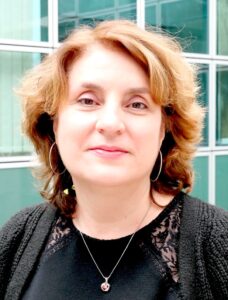
Pascale Le Gall is an active researcher specializing in formal methods and computer science, with primary research conducted through the Mathematics and Computer Science for Complexity and Systems laboratory. Their work spans theoretical computer science, software engineering, and interdisciplinary applications in biological systems modeling. Le Gall's research focuses on formal verification techniques, particularly in conformance testing, symbolic execution, and graph transformations. Their work bridges theoretical computer science with practical applications in distributed systems verification, geometric modeling, and biological network analysis. Key research themes include developing frameworks for stochastic process discovery, feature interaction resolution, and topological operations in geometric modeling, demonstrating both theoretical depth and practical implementation value across multiple domains. Analysis of their recent publications reveals a strong trend toward interdisciplinary applications of formal methods, particularly in biological systems. Their work increasingly integrates statistical approaches with traditional formal verification techniques, as seen in Bayesian inference for process discovery and statistical model checking of biological pathways. The research shows consistent development of symbolic execution techniques applied to increasingly complex systems, from abstract data types to distributed biological networks. Pascale Le Gall maintains active collaborations with researchers including Christophe Gaston, Marc Aiguier, and Paolo Ballarini across multiple projects. Their publication record shows consistent output with significant contributions to model-based testing frameworks, geometric modeling using graph transformations, and formal analysis of biological systems. The researcher has contributed to both theoretical foundations and practical implementations of verification techniques, with numerous conference papers and journal articles spanning over 15 years of active research.
Olivier Meyer is a Researcher at the Department of Electrical and Electronic Engineering at the University of Paris. His work focuses on microwave engineering, biomedical applications, and material characterization. He collaborates extensively with colleagues on projects involving sensor design, dielectric spectroscopy, and the development of implantable medical devices. His research bridges electrical engineering with biomedical challenges, such as optimizing wireless power transmission for IMDs and creating stable 3D-printed breast phantoms for microwave imaging. Key areas of expertise include: Microwave sensor modeling and multiphase flow analysis Dielectric characterization using machine learning techniques (e.g., SVM, neural networks) Investigating electromagnetic effects on biological systems Development of non-destructive testing methods Recent work emphasizes the application of advanced algorithms for parameter extraction in materials science and biomedical contexts. His contributions span both theoretical and applied research, with a focus on practical solutions for healthcare and industrial challenges.
Madalina Deaconu is an Inria Research Director and Assistant Scientific Delegate (DSA) at the Inria Center of the University of Lorraine since January 2022. She leads the PASTA joint project team (Processus Aléatoires Spatio-Temporels et leurs Applications) hosted at the Institut Elie Cartan de Lorraine (IECL). Her academic affiliation is with the Faculty of Science and Technology at the University of Lorraine, where she conducts research in probability theory and stochastic modeling. She serves on multiple committees including the Inria Evaluation Commission, the Geophysics Program Committee of the RT CNRS "Earth & Energies", and has held leadership positions including Director of the Charles Hermite Federation (2018-2022). Dr. Deaconu completed her Habilitation à diriger des recherches (HDR) at Université Henri Poincaré – Nancy 1 in 2008 and earned her PhD in Stochastic Processes and Partial Differential Equations from the same institution in 1997. Habilitation à diriger des recherches (HDR), Université Henri Poincaré – Nancy 1, France, 2008 PhD in Stochastic Processes and Partial Differential Equations, Université Henri Poincaré – Nancy 1, France, 1997 Madalina Deaconu's research focuses on stochastic modeling with applications across multiple domains. Her primary areas include data-enriched stochastic modeling, probabilistic approaches to coagulation/fragmentation models, numerical methods for diffusion reach times, and stochastic methods for linear and nonlinear partial differential equations. Her work bridges theoretical probability with practical applications in environmental science, geophysics, and actuarial science. She develops innovative probabilistic simulation methods and analyzes random spatio-temporal processes, with particular emphasis on fragmentation equations, Bessel processes, and Hawkes processes. Her research has significant applications in modeling avalanches, natural disasters, insurance risk assessment, and hydrochemical data analysis. She has established international collaborations with researchers from University of Turin, University of Uruguay, and institutions in Bucharest, as well as national collaborations with University of Burgundy and INRAE Grenoble. Analysis of Dr. Deaconu's recent publications reveals a consistent focus on fragmentation processes and stochastic modeling approaches. Her work spans theoretical developments in probability theory, numerical methods for stochastic processes, and practical applications in environmental science and actuarial mathematics. A notable trend is her increasing focus on Bayesian inference methods and point process applications, particularly for environmental and insurance contexts. Her most recent work demonstrates strong interdisciplinary connections, applying stochastic methods to hydrochemical data analysis, insurance recommendation systems, and natural disaster modeling. The consistent thread throughout her publications is the development and application of sophisticated probabilistic techniques to solve complex real-world problems. Dr. Deaconu has received recognition for her contributions to research: Paper and Poster award at EWEA 2015 (European Wind Energy Association) Plenary speaker at the 14th International Conference on Monte Carlo Methods and Applications (MCM23) While specific student names aren't listed in the provided text, Dr. Deaconu is involved in doctoral training through the IECL and supervises research in stochastic modeling. She coordinates multiple research collaborations including industrial partnerships with Le Foyer Luxembourg and SnT Université du Luxembourg (2018-2022). Her teaching activities include Stochastic Modeling at Master 2 level, Stochastic Differential Equations at École des Mines de Nancy, and Monte Carlo Simulation for Financial Market Engineering. Dr. Deaconu leads the PASTA research team (Processus Aléatoires Spatio-Temporels et leurs Applications), a joint Inria project hosted at IECL. She previously directed the Charles Hermite Federation (2018-2022), which brought together three major research laboratories: CRAN (Automatic Control), IECL (Mathematics), and LORIA (Computer Science). Her work is centered at the Institut Elie Cartan de Lorraine, a mathematics research institute affiliated with the University of Lorraine, where she contributes to both theoretical developments and practical applications of stochastic methods across multiple scientific domains.
Dr. Saïd Moussaoui is a Professor in the Department of Automation and Robotics at École Centrale de Nantes , affiliated with the Nantes Digital Sciences Laboratory (LS2N) and the Signal, Image and Sound research team. His work spans machine learning, medical imaging, and signal processing, with a focus on EEG-based mental workload classification, PET reconstruction, and 4D Flow MRI optimization. Research Areas : Signal Processing, Medical Imaging, Machine Learning, Neuroscience, Biomedical Engineering Labs/Teams : LS2N Laboratory, Signal, Image and Sound Team Recent publications highlight trends in graph learning for EEG analysis, deep learning regularization in PET imaging, and super-resolution techniques in cardiovascular MRI. His research integrates physics-based models with data-driven approaches for applications in healthcare and industrial predictive maintenance. The LS2N laboratory provides a multidisciplinary environment for his work, combining advanced computational methods with real-world applications in biomedical engineering and robotics. Collaborations with institutions like IEEE and projects on digital twins underscore his technical leadership in applied research.
Jean-Baptiste Woillard is a Professor of Medical Pharmacology at the Faculty of Medicine in Limoges and serves as the head of the "Pharmacometrics and Artificial Intelligence" functional unit within the Department of Pharmacology, Toxicology, and Pharmacovigilance at the University Hospital of Limoges. He also functions as deputy director at Inserm U1248 "Pharmacology & Transplantation" and is actively involved with the International Association of Therapeutic Drug Monitoring and Clinical Toxicology (IATDMCT), where he previously served as president of the Pharmacometrics Committee. His professional affiliations include membership in the European Association for Clinical Pharmacology and Therapeutics (EACPT) and the French Society of Pharmacology and Therapeutics (SFPT). Dr. Woillard obtained his PharmD from the University of Toulouse in 2004, followed by a Master's degree in Pharmacology in 2007, and completed his Ph.D. in Pharmacogenetics and Pharmacokinetics in 2011. His academic progression includes positions as Assistant Professor (2010-2014), Associate Professor (2014-2023), and Professor (since 2023) within the Pharmacology, Toxicology Department at the University Hospital of Limoges/INSERM U1248. His research focuses on pharmacometrics modeling, artificial intelligence applications in personalized medicine, and pharmacogenetics. Dr. Woillard's work centers on the personalization of treatments, particularly concerning immunosuppressants in organ transplantation. His research encompasses pharmacogenetic and pharmacodynamic studies, development of pharmacokinetic models, statistical modeling, and the application of machine learning methods to therapeutic drug monitoring. Since 2019, his research has increasingly incorporated AI methodologies to optimize drug dosing and treatment outcomes. Analysis of Dr. Woillard's recent publications reveals a strong emphasis on applying machine learning to pharmacokinetic modeling and therapeutic drug monitoring across various medications including immunosuppressants, antibiotics, and antivirals. His work demonstrates a consistent trajectory toward developing sophisticated algorithms for dose individualization, with particular focus on mycophenolate, tacrolimus, ganciclovir, and daptomycin. The research shows increasing integration of AI techniques with traditional pharmacometric approaches to create more precise dosing strategies. IFCC-Gérard Siest Young Scientist Award (2020) for Distinguished Contributions in Pharmacogenetics Recipient of 1.8 million euros funding through the French PEPR framework for developing multi-scale pharmacological digital twins Dr. Woillard has published over 130 articles in peer-reviewed international scientific journals, delivered more than 30 presentations at national and international conferences, and has been invited to give over 40 academic and industry talks. He leads a significant research consortium focused on developing multi-scale pharmacological digital twins, demonstrating his leadership in securing substantial research funding. His work bridges clinical practice with advanced computational methodologies to improve patient outcomes through personalized medicine approaches. As head of the "Pharmacometrics and Artificial Intelligence" functional unit at the Department of Pharmacology, Toxicology, and Pharmacovigilance (CHU of Limoges), Dr. Woillard directs research efforts focused on treatment personalization, particularly for immunosuppressants in organ transplantation. His team collaborates extensively within the Inserm U1248 unit "Pharmacology & Transplantation," working on both fundamental pharmacological research and clinical applications of their findings. The research group maintains active collaborations with international organizations including the IATDMCT and EACPT.
Christophette Blanchet-Scalliet is a Lecturer in the Department of Mathematics and Computer Science at École Centrale de Lyon, affiliated with the Camille Jordan Institute (UMR CNRS 5208). She obtained her doctorate in 2001 and her Habilitation to Supervise Research in 2016. Currently serving as Director of the Mathematics and Computer Science Department and Head of the Dual Diploma program at Centrale Lyon-ENSAE, she has been active in academia since 2002, with positions at both École Centrale de Lyon (since 2007) and the University of Nice Sophia-Antipolis (2002-2007). Her research spans applied probability , statistics , stochastic processes , stochastic control , Kriging , and robust optimization . She has developed significant expertise in Ornstein-Uhlenbeck processes, backward stochastic differential equations, Hamilton-Jacobi-Bellman equations, and applications in financial mathematics. Her work bridges theoretical probability with practical applications in risk assessment, insurance, and optimization under uncertainty. Analysis of her recent publications reveals a consistent focus on stochastic processes and their applications, with increasing emphasis on computational methods, sensitivity analysis, and optimization techniques. Her research shows strong connections between theoretical probability and practical applications in finance, insurance, and environmental risk assessment, with growing interdisciplinary collaboration across mathematical fields. Dr. Blanchet-Scalliet has supervised five doctoral students since 2015: Mélina Ribaud (2015-2018), Laura Gay (2016-2019), Thierry Gonon (2019-2022), Benoit Nieto (2021-2024), and Noé Fellmann (2021-2024), typically in co-supervision with colleagues from related research groups. She has secured significant research funding through multiple projects including the CIROQUO Consortium (2020-2028), ANR DREAMES (2021-2025), ANR Oquaido Chair (2015-2020), and others. She is actively involved in the CIROQUO research consortium as co-leader, which brings together multiple academic institutions and industry partners including École Centrale de Lyon, Mines Saint-Etienne, University of Toulouse 3, Stellantis France, BRGM, CEA, IFP Energies Nouvelles, and others to advance research in uncertainty quantification and optimization.