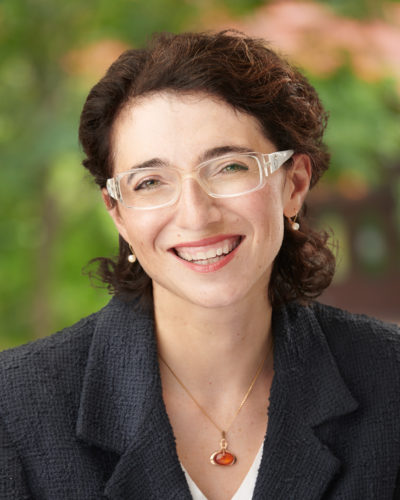
Nicole Carell, Ph.D., serves as an external Lecturer at Alice Salomon Hochschule Berlin (ASH Berlin), a specialized university of applied sciences in Berlin focused on social work, public health, and related disciplines. She is actively teaching courses in the Winter Semester 2025/26 as part of the Legal Foundations of Social Work curriculum. Dr. Carell's research interests center on the legal aspects of social welfare systems, with particular expertise in social administrative law and legislation related to livelihood security. Her work bridges the practical application of legal frameworks within social work practice. Currently teaching two core courses for the Social Work program, she contributes to foundational legal education for future social workers. Her courses address critical legislation that governs social support systems in Germany. As an external faculty member, Dr. Carell brings practical legal expertise to the academic environment, connecting theoretical social work education with real-world legal frameworks that social workers must navigate.
Florian Gommel serves as a Visiting Professor at Alice Salomon Hochschule Berlin (ASH Berlin) within the School of Social Work , specifically in the Department of Social Work. His academic appointment is complemented by his active professional practice as an Attorney at Law specializing in social law matters. Professor Gommel's research and teaching focus centers on legal frameworks governing social security systems . His expertise spans Social Security Law, Administrative Law, Social Assistance Legislation, and the Legal Foundations of Social Work. He brings practical legal experience to his academic role, bridging theory and practice in social law education. Currently teaching two courses for the Winter Semester 2025/26: Law on securing livelihoods, basic income support and social assistance and Social Administrative Law (both under U1/U2 to M13 Legal Foundations of Social Work II). His professional website ( sozialesundrecht.de ) serves as his primary online presence where students can contact him at gommel@sozialesundrecht.de .
David Chavanne is a Professor of Economics and Chair of the Department of Economics at Connecticut College. He joined the college in 2012 as an assistant professor and has since advanced to full professor. He also serves as the Entrepreneurship Pathway Co-Coordinator at the institution. Dr. Chavanne received his educational training at: B.A. from College of the Holy Cross Ph.D. from George Mason University Dr. Chavanne is a behavioral economist who specializes in experimental economics, behavioral economics, economics and philosophy, income redistribution, and law and economics. His research primarily focuses on how people's policy preferences are affected by perceptions of how luck and personal responsibility shape life situations. He uses surveys and experiments to better understand what drives perceptions of fairness, particularly examining how information about personal responsibility affects preferences for income redistribution and debt relief. His work also explores bargaining behavior and perceptions of fairness across different areas, with a significant portion of his recent research examining opioid addiction stigma and policy preferences related to healthcare and redistribution. Dr. Chavanne's research demonstrates a consistent thread examining the intersection of moral psychology and economic decision-making, particularly how cognitive biases like the headwinds/tailwinds effect influence policy preferences. His work spans multiple disciplines including economics, psychology, public health, and law, with a growing focus on healthcare policy, addiction treatment, and redistribution mechanisms. Dr. Chavanne teaches courses in behavioral finance, experimental economics, law and economics, and microeconomic theory. He has expressed interest in how economics can be integrated with other social sciences, philosophy and law, and how economic ideas can be communicated to people unfamiliar with, and resistant to, the economic way of thinking.
Professor Markus Zenger is a Professor of Differential and Personality Psychology at Hochschule Magdeburg-Stendal, where he has held a full professorship since 2016. His academic journey includes a habilitation at Friedrich-Schiller-University Jena (2020), a PhD from the University of Leipzig (2010, summa cum laude), and psychology studies at the same institution (2000-2007). He also completed training as a systemic therapist (2010-2013). His institutional affiliations span Hochschule Magdeburg-Stendal (current), University Medicine Leipzig (2007-2015), and Friedrich-Schiller-University Jena (habilitation). Professor Zenger's research centers on health psychology, psychometrics, and longitudinal studies, with a special focus on psychological resources and health. His work involves conducting representative population surveys across Germany, psychometric validation of assessment tools, and applying structural equation models to complex datasets. Key research areas include unemployment and mental health, political attitudes (particularly regarding German reunification), psycho-oncology, quality of life, psychosocial stress, care needs, and response shift phenomena. He has been deeply involved with the Saxon Longitudinal Study since 2007, which tracks psychological and social changes following German reunification. His extensive publication record demonstrates expertise in psychometric validation, with numerous articles developing and testing short-form psychological assessment instruments. His work often bridges clinical psychology and population health, creating practical yet scientifically rigorous tools for measuring psychological constructs in large samples. Professor Zenger has received the Sabine-Grüsser-Sinopoli Prize for young scientific researchers from the German Society for Medical Psychology (2010), recognizing his early contributions to the field. Sabine-Grüsser-Sinopoli Prize for young scientific researchers (2010) Extensive publication record in top psychology and medical journals Significant contributions to psychometric validation of assessment tools Long-term involvement with the Saxon Longitudinal Study Professor Zenger serves as a reviewer for numerous prestigious journals including Psychological Assessment, Journal of Individual Differences, and Quality of Life Research. His memberships include the German Society for Medical Psychology (DGMP), International Test Commission (ITC), and German Society for Systemic Therapy, Counseling and Family Therapy (DGSF). His work combines rigorous methodological expertise with practical applications for understanding psychological health in population contexts.
Professor Arri Coomarasamy is a distinguished academic and clinician at the University of Oxford, serving as Professor of Gynaecology and Reproductive Medicine and Director of Tommy's National Centre for Miscarriage Research. He is also an Honorary Consultant Gynaecologist at John Radcliffe Hospital. His work spans the Nuffield Department of Women's and Reproductive Health within Oxford's Medical Sciences Division, where he leads groundbreaking research in women's reproductive health. Professor Coomarasamy received his undergraduate medical education from the University of Birmingham and completed subspecialist training in reproductive medicine and surgery at Guy's Hospital, London. His academic journey has positioned him as a leading authority in reproductive medicine with significant contributions to clinical practice and research methodology. His research interests focus primarily on miscarriage prevention and global women's health, with particular emphasis on understanding why one in four pregnancies end in miscarriage and developing interventions to prevent maternal deaths during childbirth. His work encompasses reproductive immunology, investigating the role of immune cells like natural killer cells and regulatory T cells in pregnancy maintenance. He has pioneered research on treatments to prevent miscarriages and interventions to stop mothers dying from postpartum hemorrhage, which claims a mother's life every two minutes worldwide. Professor Coomarasamy's publications reveal a strong focus on clinical trials methodology, evidence synthesis, and implementation science, particularly in resource-limited settings. His work bridges basic science discoveries with practical clinical applications, with a special emphasis on translating research findings into global health policy and practice. OBE (Order of the British Empire) Professor Coomarasamy serves on numerous international and national committees including grant funding boards for NIHR, MRC, Wellcome and DfID, the BJOG editorial board, the RCOG Wellbeing of Women Research Panel, various WHO committees, and multiple clinical studies groups. He is the founding trustee of Ammalife, a UK-registered charity dedicated to reducing maternal deaths in low-income countries. His mentorship has cultivated a generation of outstanding clinicians and researchers in reproductive medicine. He leads two major research teams: one focused on treatments to prevent miscarriages and another targeting ways to prevent maternal deaths during childbirth. His laboratory work investigates immune cells in the endometrium of patients with recurrent miscarriage, while his clinical work spans multiple international trials addressing critical gaps in women's reproductive healthcare globally.
Dr. Sten H. Vermund is an Adjunct Professor of Epidemiology (Microbial Diseases) at Yale School of Public Health with extensive cross-appointments including Cancer Prevention and Control, Yale Cancer Center, Yale Institute for Global Health, and the Yale-UPR Integrated HIV Basic and Clinical Sciences Initiative. A news item from August 2024 indicates he was named Dean of USF Health College of Public Health, suggesting a potential dual appointment or recent career transition. Dr. Vermund's educational background includes: PhD in Epidemiology from Columbia University (1990) MPhil in Epidemiology from Columbia University (1987) MSc in Community Health in Developing Countries from London School of Hygiene and Tropical Medicine (1981) DPH from Royal Institute of Public Health and Hygiene (1981) MD from Yeshiva University, Albert Einstein College of Medicine (1977) BA in Human Biology from Stanford University (1974) His research focuses on global health challenges in low-resource settings, with particular expertise in HIV/AIDS prevention and treatment, adolescent sexual and reproductive health, maternal and child health, and pandemic response. His seminal work on HIV-HPV interactions influenced global public health policy by motivating changes to CDC AIDS case surveillance definitions and inspiring worldwide integration of cervical cancer screening within HIV/AIDS programs. Dr. Vermund's recent publications demonstrate engagement with contemporary public health challenges including gender-sensitive HIV care in Uganda, HIV trends in US cities, trauma-informed prevention for displaced youth, and pandemic response for avian influenza and COVID-19. His work spans implementation science, epidemiological research, and health systems strengthening across multiple continents. Dr. Vermund has received recognition for his contributions to public health, including an honorary Master of Arts degree from Yale University in 2018. His work has directly influenced global health policy and practice, particularly in the integration of cervical cancer screening within HIV/AIDS programs worldwide. As a collaborator, Dr. Vermund works with diverse researchers across disciplines. His recent grants include capacity-building for public health in Chad, molecular epidemiology for HIV in Kazakhstan, and COVID-19 vaccine studies in Dominican Republic and Connecticut. He has also worked with schools and arts organizations for COVID-19 risk mitigation and institutional safety, demonstrating practical application of his research to real-world settings.
Jennifer Melancon serves as an Instructor in the Department of Mathematical Sciences within McNeese State University's College of Engineering & Sciences. Her primary responsibilities include teaching freshman-level mathematics courses and directing the university's Freshman Math tutoring program, a critical support service for incoming students. Academic Background: Master of Science in Mathematical Sciences, McNeese State University Teaching Focus: Dr. Melancon specializes in foundational mathematics education for first-year undergraduates. Her work centers on developing student proficiency in core mathematical concepts through direct instruction and oversight of the tutoring program. This focus reflects a commitment to improving retention and success rates in introductory mathematics courses across engineering and science disciplines. Academic Support Leadership: As director of the Freshman Math tutoring program, she manages academic support operations that serve as a vital resource for students transitioning to university-level mathematics. This role involves coordinating tutoring services, developing support materials, and implementing strategies to address common challenges in early mathematics education. Professional Context: Based in Kirkman 138 B, Dr. Melancon operates within McNeese State University's College of Engineering & Sciences framework, contributing to the mathematical foundation required for engineering and science degree programs through targeted instructional support.
Erik Melander serves as a Lecturer at KTH Royal Institute of Technology within the Division of Basic Science Education, specializing in foundational instruction for the Technical Preparatory Year program. His academic focus centers on Engineering Education and Preparatory Studies in Mathematics and Physics, with emphasis on curriculum delivery for incoming engineering students. Teaching responsibilities include course design, examination, and direct instruction across multiple core subjects. Mr. Melander acts as course responsible and examiner for Physics courses (HF0022 and HF0025), while also teaching Database Technology (HI1030), Discrete Mathematics (CM1000), and Mathematics courses (HF0021/HF0024). His operational base is room 6305 at Hälsovägen 11 C, with contact via +46 8 790 48 12.
Ioana E. Marinescu is an Associate Professor at the University of Pennsylvania School of Social Policy & Practice, with secondary appointments in the Economics Department and the Wharton School of Business (BEPP). She serves as Director of the MS in Social Policy Program and is a Faculty Research Fellow at the National Bureau of Economic Research. Previously, she served as Principal Economist at the US Department of Justice Antitrust Division (2022-2024), where she helped integrate labor market analysis into the 2023 Merger Guidelines, the first version to explicitly address worker impacts. Her educational background includes a PhD in Economics, though specific details about her degrees and institutions are not provided in the given text. Dr. Marinescu's research spans several interconnected areas of economics and policy. She is particularly known for her pioneering work on labor market competition, monopsony power, and antitrust policy. Her scholarship links labor economics, antitrust, and technological change to study how market power and innovation affect wages, employment, and inequality. She has conducted significant research on the economic implications of artificial intelligence and policy tools such as safety nets and competition policy that can foster broad-based prosperity in an AI-driven economy. Her work on income support policies, including unemployment insurance, minimum wage, and universal basic income, has been influential in policy discussions. A notable finding from her research is that in labor markets where employers have more control over wages, increasing the minimum wage often results in a rise in employment. Dr. Marinescu publishes in top journals including the Review of Economic Studies and the Quarterly Journal of Economics, where she serves as an associate editor. Her research regularly appears in mainstream media outlets like the New York Times and the Economist. She has testified before Congress on labor market competition and the positive effects of universal basic income. Her work demonstrates consistent trends toward understanding market power dynamics in labor markets and developing policy solutions to address wage suppression and inequality. Faculty Research Fellow, National Bureau of Economic Research Principal Economist, US Department of Justice Antitrust Division (2022-2024) Member, Anthropic's Economic Advisory Council Co-creator, "Just Economics" podcast exploring policies and labor markets Dr. Marinescu has advised on significant policy initiatives, including the integration of labor market analysis into the 2023 Merger Guidelines. She provides expert insights on labor markets, antitrust, and AI to policymakers, journalists, and private-sector leaders. She has collaborated with researchers like José Azar and Hyeri Choi on various projects related to labor market concentration and power. While specific lab information isn't detailed in the provided text, her work appears to involve collaborations with the National Bureau of Economic Research and research teams at UPenn focused on labor economics and policy analysis.
Kymora B. Scotland, MD, PhD is an Assistant Professor of Urology at the University of California, Los Angeles (UCLA) David Geffen School of Medicine. She serves as the Director of Endourology Research and Associate Director of the Endourology Fellowship Program at UCLA Health. Dr. Scotland specializes in endourology with clinical expertise in kidney stone treatment and benign prostatic hyperplasia management at Westwood Urology in Los Angeles. Education: MD from Weill Cornell Medical College (2011) Internship in Urology at Thomas Jefferson University Hospital (2013) Residency in Urology at Thomas Jefferson University Hospital (2017) Fellowship in Endourology at University of British Columbia (Vancouver) (2019) Board Certified in Urology by the American Board of Urology (2022) Dr. Scotland's research program focuses on performing truly translational research to identify therapeutic targets that will improve current stone management and enhance quality of life for patients with stone disease. Her primary research interests include understanding kidney stone pathogenesis and the role of bacteria in this process, as well as elucidating the mechanisms underlying ureteral peristalsis and addressing the management of dysfunctional peristalsis and infection in nephrolithiasis patients with obstructing ureteral calculi. Her work bridges clinical practice with laboratory research to develop more effective treatments for urolithiasis through multidisciplinary collaboration. Dr. Scotland's publication record demonstrates a strong translational focus across multiple aspects of endourology. Her research spans from basic science investigations of stone pathogenesis to clinical studies evaluating treatment outcomes, with particular emphasis on kidney stone disease management. Recent work includes examining metabolic syndrome's impact on stone-related quality of life, developing biomarkers for stent-related inflammation, exploring bacterial interactions with ureteral stents, and applying artificial intelligence to kidney segmentation in CT imaging. Her collaborative approach is evident through numerous multi-institutional studies addressing various aspects of stone disease management and endoscopic procedures across international settings. Scientific Awards: AUA Western Section's Young Urologist of the Year for 2022 As Director of Endourology Research, Dr. Scotland leads a comprehensive research program focused on translational approaches to improve stone disease management. Her research initiatives include investigations into stone pathogenesis mechanisms, ureteral physiology, and technological innovations in endourological procedures. While specific grant information isn't detailed in the text, her active research program and multi-institutional collaborations across multiple publications indicate successful funding to support her translational research initiatives. Her work with international collaborators suggests participation in global research networks addressing urological conditions. Dr. Scotland leads the Endourology Research program and serves as Associate Director of the Endourology Fellowship Program at UCLA. Her research team employs multidisciplinary approaches, collaborating with experts in microbiology, engineering, and imaging to develop innovative solutions for stone disease management. The program focuses on bridging basic science discoveries with clinical applications through laboratory investigations and clinical trials to improve patient outcomes in endourology. Her work with international collaborators extends the impact of her research beyond the UCLA Health system to address global urological challenges.
Ingrid Robeyns is a Professor at Erasmus University Rotterdam's Faculty of Philosophy, specializing in Practical Philosophy and serving as a Network Member of the Inequality: Measurement, Interpretation, and Policy (MIP) initiative. Her academic credentials include: Licentiate (Magna cum Laude) and M.S (Magna Cum Laude) in Economics from Katholieke Universiteit Leuven, Belgium (1994, 1997) M.A. in Philosophy from the British Open University (2007) Ph.D. in Economics from Cambridge University, UK (2003) Professor Robeyns' research centers on normative theories of inequality and justice, with particular applications to gender inequalities and global justice issues. She has written extensively on Amartya Sen's capability approach, including a notable entry for the Stanford Encyclopedia of Philosophy. Her scholarly work bridges economics and philosophy, examining justice frameworks for children and parents while exploring alternative economic systems such as basic income societies and property-owning democracy. She maintains a long-standing interest in the ethical analysis of economic structures and has indicated plans to deepen this research trajectory. Her interdisciplinary approach combines philosophical ethics with economic analysis, creating valuable theoretical frameworks for understanding social justice and inequality. Professor Robeyns contributes significantly to academic discourse through her expertise in translating complex capability theory into practical applications for policy development.
Henrik Nyhus Kløverpris is an Associate Professor in the Department of Immunology and Microbiology at the University of Copenhagen's Faculty of Health and Medical Sciences. He also holds faculty positions at the Africa Health Research Institute (AHRI) in Durban, South Africa, and is affiliated with the Sir Henry Dale Wellcome Trust at University College London. His research focuses on the mechanisms underlying gut immune reconstitution following HIV infection and damage. Dr. Kløverpris earned his PhD in Immunology (HIV) from Oxford University (2007-2011) while also being affiliated with the University of Copenhagen. He completed his MSc in Immunology (2004-2007) and BSc in Microbiology (2001-2003), both at the University of Copenhagen. His primary research investigates how gut homeostasis is disrupted in people living with HIV (PLWH) and the implications for non-communicable diseases as the aging HIV-positive population on antiretroviral therapy enters higher-risk age groups. The Kloverpris laboratory has developed unique human tissue cohorts in high HIV prevalence areas of South Africa to study intestinal mucosal and lymphoid tissues. His work bridges clinical medicine and basic science to generate high-impact, clinically relevant discovery science that addresses health challenges in low-middle income settings. Analysis of his recent publications reveals a strong focus on HIV immunology, particularly examining CD8+ T cell responses, immune reconstitution, and the intersection of HIV with other pathogens like SARS-CoV-2 and Mycobacterium tuberculosis. His research frequently employs advanced techniques including flow cytometry and biomimetic models to investigate immune cell function in mucosal tissues. Scientific Awards: Wellcome Trust, Henry Dale Wellcome Trust Fellow (2016-2022) Danish Council for Independent Research, Sapere Aude (2015-2016) Danish Council for Independent Research Post doc fellowship (2012-2015) Dr. Kløverpris has secured significant research funding including NIH grants as Co-I and Co-PI, AHRI grants as PI, and funding from the South African Network for TB&HIV Excellence, Lundbeck Foundation, and MAERSK. His work has led to numerous invited speaking engagements at international conferences including the Australian Centre for HIV and Hepatitis Virology, Human Cell Atlas Africa Symposium, and Wellcome Trust Meetings. The Kloverpris laboratory operates at the intersection of the University of Copenhagen and Africa Health Research Institute, creating a unique research environment that leverages well-characterized human tissue cohorts from areas with the highest HIV prevalence in the world. This global collaboration enables groundbreaking research on HIV pathogenesis and immune function in resource-limited settings.
Janne Skakon is an Assistant Professor in Work & Organisational Psychology at the Department of Psychology, University of Copenhagen. She also serves as a Part-time lecturer on the Study board of Psychology. With extensive experience across academic and practical settings, she actively participates in departmental working committees and broader university contexts, collaborating with colleagues, advisory boards, and stakeholders. Her educational background includes a PhD in Organisational Psychology from the University of Copenhagen (2010), an M.Sc. in Psychology (1990-1996), and authorization as a psychologist (2003). She has completed specialized training including the Work Disability Prevention Strategic Training Program in Canada (2003-2006). Skakon's research focuses on leadership, organisational change, innovation processes, and the psychosocial work environment, with particular attention to stress prevention from an organisational perspective, workplace bullying, and return-to-work processes. Her work bridges academic research with practical applications in organizational settings. Analysis of her recent publications reveals consistent focus on workplace wellbeing interventions, particularly examining leadership's role in shaping psychosocial work environments. Her research employs diverse methodologies including daily diary studies, intervention protocols, and cross-cultural comparisons, with strong emphasis on practical applications for frontline managers in healthcare and other sectors. Scholarship by the Canadian Institutes of Health Research for Work Disability Prevention (2003-2006) Certificate of Excellence from IRSST for RTW project development (2006) Seed money from the Faculty of Social Sciences (2014) Skakon actively supervises students at BA, MA, and PhD levels while engaging in knowledge transfer between research and practice. She has been involved in numerous research projects examining organizational change, workplace bullying, and interventions for improving psychosocial work environments. Her work with the Center for Research in Social Relations at Work and international networks like EAWOP demonstrates her collaborative approach to addressing workplace challenges.
Ivar Lødemel is a Professor at Oslo Metropolitan University, affiliated with the Faculty of Social Sciences and the Department of Social Work, Child Welfare and Social Policy. His work focuses on social policy, work inclusion, and activation programs within comparative welfare state contexts. He leads research on social citizenship, poverty, and labor market integration, with particular expertise in Norwegian social assistance systems and their transformation. Professor Lødemel's research interests span across several key areas of social policy. He specializes in activation policies and workfare programs, examining how labor market integration strategies affect social inclusion. His work on social citizenship explores theoretical frameworks beyond traditional Nordic welfare models. He investigates comparative urban contexts of work inclusion, particularly regarding migrant populations. His research also addresses poverty in affluent societies, welfare state transformations during austerity, and the psychological impacts of benefit conditionality. Lødemel contributes significantly to understanding the implementation gap between policy intentions and realities in social assistance systems. Analyzing his recent publications reveals a strong focus on activation policies across European welfare states, with particular attention to Norway's NAV reforms. His work demonstrates an evolving research trajectory from examining specific Norwegian programs to developing broader theoretical frameworks about social citizenship and property rights in welfare states. Lødemel frequently employs comparative methodologies, analyzing policy diffusion across national contexts while maintaining focus on the unique aspects of Scandinavian social models. His publications consistently address the tension between welfare state protections and labor market activation requirements. Professor Lødemel actively contributes to research communities through his involvement with the Living Conditions, Health, Work and Social Inequality Research Group and the Work Inclusion in North and South: Comparative Urban Contexts (WORKINC) project. His WINS project specifically examines how work inclusion affects social inclusion of migrants in urban settings across different national contexts. These research initiatives reflect his commitment to addressing contemporary challenges in social policy through both theoretical innovation and practical policy analysis.
Christian Mølgaard is a Professor in preventive and clinical pediatric nutrition at the Department of Nutrition, Exercise and Sports (NEXS) at the University of Copenhagen, a position he has held since July 2015. He also served as Head of Section for Pediatric and International Nutrition at NEXS from July 2015 to July 2023 and was an Adjunct Professor at the Clinical Institute, University of Southern Denmark from March 2018 to February 2023. University of Copenhagen, Department of Nutrition, Exercise and Sports (2015-present) Clinical Institute, University of Southern Denmark (2018-2023) Rigshospitalet, Copenhagen as Medical Consultant (2002-present) Professor Mølgaard's research focuses on child and adolescent nutrition across multiple dimensions. His work spans from basic physiological processes like bone mineralization and glucose metabolism to clinical applications in obesity prevention and treatment, as well as addressing malnutrition in low-income countries. His research integrates clinical practice with scientific investigation, creating a bridge between theoretical knowledge and practical healthcare solutions for children. His recent publications demonstrate a strong emphasis on longitudinal studies examining the impact of early nutrition on long-term health outcomes, with particular attention to pregnancy nutrition, infant feeding practices, and interventions targeting childhood obesity. The research spans multiple continents, with collaborations in Europe, Africa, and beyond, reflecting both the global nature of nutritional challenges and his international research network. Professor Mølgaard has received significant recognition for his scholarly contributions, with a Web of Science h-index of 53 and a Google Scholar h-index of 72 (as of April 2023), reflecting the substantial impact of his 430+ publications, including over 260 in peer-reviewed journals. As an academic mentor, Professor Mølgaard has supervised 26 completed PhD theses and currently oversees 7 ongoing PhD studies. He has also served on 28 PhD assessment committees, demonstrating his commitment to academic development and quality control in graduate education. His research is supported by substantial grants from organizations including the Novo Nordisk Foundation, Bill & Melinda Gates Foundation, and various Danish research councils. Professor Mølgaard maintains active clinical practice as a Medical Consultant at the Paediatric Nutrition Unit of Rigshospitalet in Copenhagen, ensuring his research remains grounded in real-world clinical challenges. His work bridges the gap between academic research and practical clinical application, with particular focus on translating scientific findings into actionable healthcare strategies for children and adolescents.