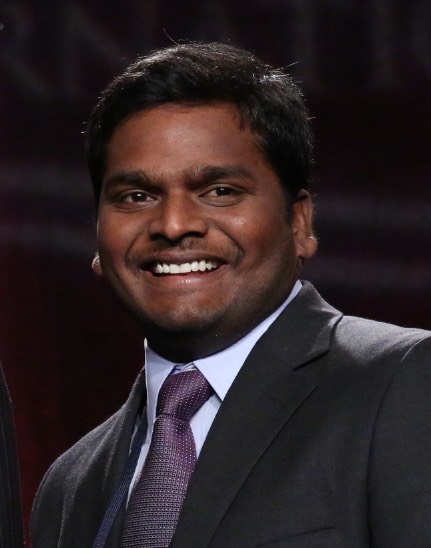
Aberham Hailu Feyissa is an Associate Professor at the National Food Institute of the Technical University of Denmark , specializing in process modeling and sustainable food engineering. His research bridges complex transport phenomena with practical food manufacturing challenges. Ph.D. in Food Process Engineering, Technical University of Denmark MSc in Food Science, K.U.Leuven and Universiteit Gent BSc in Chemical Engineering, Bahir Dar University His work focuses on coupled mass and heat transfer during solid food processing, aiming to develop robust first-principles models for predictive process optimization. Key applications include Ohmic heating , digital twin technology , and bioactive ingredient extraction . Recent publications highlight his contributions to sustainable food processes , including insect-based feed modeling , seaweed bread kinetics , and clean-label cheese formulation . His methodological innovations span FTIR spectroscopy , computational fluid dynamics , and kinetic modeling . Supervisor for PhD students S. S. Turgut , M. E. Jabali , and Dahal S. Principal Investigator for projects like Modelling and Digitalisation of Food Processes and Sustainable Extraction of Bioactive Insect Fractions Active in conference presentations and peer review , he drives advancements in food process understanding through mechanistic modeling and mathematical simulation .
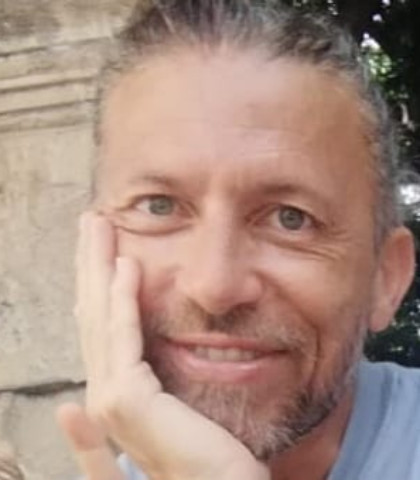
Charlotte Jacobsen is a Professor and Head of the Research Group for Bioactives – Analysis and Application at the National Food Institute, Technical University of Denmark (DTU). Her research focuses on lipid oxidation, antioxidants, and sustainable utilization of marine resources. She leads multiple interdisciplinary projects and supervises PhD students in food science and technology. Research Interests: Antioxidant chemistry in food systems Oxidative stability of omega-3 fatty acids Valorization of fish and seafood by-products Microalgae as sustainable sources of bioactives Functional foods and nutraceuticals Green extraction technologies Recent Research Trends: Her recent publications (2021–2025) reflect a strong focus on sustainable food systems, including the recovery of bioactive compounds from fish side-streams, stabilization of omega-3 lipids, development of anti-obesity peptides from seaweed, and cultivation of microalgae using industrial waste streams. The work spans food chemistry, marine biotechnology, and green processing, with applications in functional foods and nutrition. Scientific Awards: Danisco Award, 2003 Edwin Frankel Best Paper Award, 2010 and 2011 La Médaille Chevreul, 2010 Marcuse Lecturer grant, 1999 Advising and Grants: Professor Jacobsen actively supervises PhD students and leads multiple funded research projects, including 'Utilization of fish side-streams for production of novel food ingredients' and 'Sustainable Production of Microalgae Proteins'. She is involved in national and international collaborations, securing research funding for projects on omega-3 extraction, microalgae cultivation, and seafood quality. Labs and Teams: She leads the Research Group for Bioactives – Analysis and Application at DTU, which is part of the DTU Microbes Initiative. The group specializes in analytical methods for bioactive compounds, lipid oxidation analysis, and development of sustainable food ingredients.
Dr. Cristina Rosell is a Professor and Head of the Department of Food and Human Nutritional Sciences at the Faculty of Agricultural and Food Sciences, University of Manitoba. Her research focuses on grain-based food innovation, starch properties, and sustainable bakery processes. Education: PhD and BSc in Pharmacy from Universidad Complutense de Madrid, Spain Dr. Rosell specializes in cereal science, enzymatic food modification, and gluten-free product development. Her current projects include optimizing bakery processes with computational tools, tracing rice supply chains via blockchain, and integrating bioactives into gluten-free foods. Her work bridges food chemistry, nutritional science, and industrial bakery technology. Her recent research trends emphasize gluten-free bread using legume and root starches, starch-plant compound interactions , and sustainable food processing via microwave-assisted extraction, high-pressure treatments, and fermentation. Key subfields include dough rheology, polyphenol bioactivity, and techno-functional ingredient development. Dr. Rosell’s teaching includes graduate seminars in food science (HNSC 7130). She supervises graduate students in breadmaking, starch hydrolysis, and functional food design. Her lab explores grain quality, enzymatic treatments, and bakery product optimization through interdisciplinary approaches combining chemistry, nutrition, and process engineering.
Henry Jäger is a Professor in Food Technology at the University of Natural Resources and Life Sciences, Vienna (BOKU) since 2014. Previously, he worked as a Project Manager at Nestlé (2012-2014) and Lecturer at TU Berlin (2012-2017), following his PhD/Postdoc at TU Berlin (2006-2012) and Diploma in Food Technology (2000-2006). His research focuses on electrotechnologies in food processing , particularly pulsed electric fields (PEF) and ohmic heating , for microbial inactivation, food preservation, and quality optimization. He explores applications in plant material processing , gluten-free baking , and novel food preservation methods . His work also addresses edible insect processing for allergenicity reduction and protein recovery. Recent publications (2025-2024) analyze synergies between PEF and ohmic heating, biofilm imitation systems for hygiene validation, and computational models for sterilization processes. These studies span food safety , sustainable processing , and functional food design . Henry Jäger actively contributes to scientific communities, serving on the EFFoST managing board , as scientific advisor for food conferences, and as reviewer for journals like Food Chemistry and Trends in Food Science & Technology . He has organized workshops on PEF applications and contributed to EU food technology initiatives.
Miguel Ângelo Cerqueira is a Research Fellow at the International Iberian Nanotechnology Laboratory (INL) in Braga, Portugal. He holds a PhD in Biological Engineering from the University of Minho (2010) and served as an Assistant Professor there from 2011 to 2016. His research focuses on biopolymers, edible films, nanotechnology, and sustainable food packaging. Cerqueira has led numerous projects funded by agencies like FCT and Horizon 2020, addressing topics such as antimicrobial coatings, functional food delivery systems, and circular economy materials. Education: PhD in Biological Engineering, University of Minho (2006–2010) Bachelor's Degree in Biological Engineering, University of Minho (2000–2005) Research interests span biodegradable packaging materials, nanostructured systems for food applications, and valorization of agro-industrial byproducts. His work combines material science with food technology to develop eco-friendly solutions, such as edible coatings, oleogels, and active packaging. Recent trends in his publications focus on antimicrobial nanocomposites, recyclable food packaging, and functional foods enriched with bioactives like resveratrol and β-carotene. Awards: Best PhD Thesis Award (2011), University of Minho Young Scientist Award (2014), IUFoST World Congress Advising and Grants: Currently supervising 3 MSc and 2 PhD students. Has co-supervised 10 students and led over 30 funded projects. His work includes collaborations with industry partners like 2BNanoFood and Improveat, focusing on innovations like bioplastic packaging and functionalized food systems. Labs/Teams: Active in multidisciplinary teams such as the European Network for Gastrointestinal Health Research (ENGIHR) and COST Actions on food packaging and nanofiber composites. His lab develops nanosensors for food quality assessment and smart packaging materials with self-degradability.
Dr. Janie McClurkin Moore is an Assistant Professor in the Department of Biological and Agricultural Engineering at Texas A&M University, part of the College of Agriculture & Life Sciences. Her research focuses on post-harvest technologies, food safety, and innovative engineering education strategies. She holds a PhD in Agricultural and Biological Engineering from Purdue University and has extensive expertise in applying cold plasma technology to agricultural challenges. Education: B.S., Bio-Environmental Engineering, North Carolina A&T State University (2006) M.S.A.B.E., Agricultural and Biological Engineering, Purdue University (2009) Ph.D., Agricultural and Biological Engineering, Purdue University (2015) Research interests span post-harvest treatment innovations, biomass valorization, and educational methodologies. Her work emphasizes non-thermal plasma applications for food safety, mycotoxin mitigation, and sustainable agriculture practices. Publications reveal a strong focus on plasma technology for pest control, food preservation, and hydroponic systems. Her engineering education research explores inclusive pedagogy and curriculum development in diverse educational settings. Advising and grants include contributions to the NSF Convergence Accelerator project addressing food security in extreme environments. She is affiliated with Texas A&M AgriLife Research, advancing applied agricultural solutions through interdisciplinary collaboration.
Prof. Dr. Michael Horn-von Hoegen is a full professor in the Faculty of Physics at the University of Duisburg-Essen , Germany. His research focuses on ultrafast structural dynamics , surface physics , and 2D materials , particularly using electron diffraction and plasmonic imaging techniques. He leads the Horn-von Hoegen Group , which plays a central role in the Collaborative Research Center CRC 1242 Non-Equilibrium Dynamics of Condensed Matter in the Time Domain , where his team investigates driven phase transitions and phonon systems with sub-femtosecond temporal resolution. Location: Office Window MF260, Faculty of Physics, Lotharstr. 1-21, 47057 Duisburg Contact: Tel. +49 (203) 379 1439 | Fax +49 (203) 379 1555 His research spans ultrafast electron diffraction of photo-induced phase transitions in atomic wires and topological materials , with recent breakthroughs on Kibble-Zurek dynamics in the Si(001) surface and chiral plasmon polaritons . The group’s 15 most recent publications (2025-2022) address phenomena such as negative thermal expansion in 2D materials , electron-phonon coupling in Pb/Si heterostructures , and quantum pathway analysis in Bismuth films . These works are categorized under disciplines like Condensed Matter Physics , Nanooptics , and Ultrafast Dynamics , with subfields including Ising Model Transitions , Plasmon Focusing , and Time-Resolved Diffraction . Prof. Horn-von Hoegen serves as DFG Liaison Officer for the University of Duisburg-Essen, providing guidance on Deutsche Forschungsgemeinschaft (DFG) proposals . His group has mentored notable researchers including Dr. Simon Sindermann (postdoc at IBM), Dr. Anja Hanisch-Blicharski (Leopoldina Fellow), Dr. Hichem Hattab (Leopoldina Fellowship), and Dr. Marin Petrovic (Humboldt Fellow). The group’s laboratory facilities include advanced ultrafast electron diffraction and photoemission microscopy systems, enabling studies of atomic-scale processes such as molecular dynamics simulations of laser-excited surfaces and domain wall motion in Si(553)-Au systems .
Professor Asgar Farahnaky is the Deputy Head of Food Technology and Nutrition at RMIT University's School of Science. He holds a PhD in Food Physics from the University of Nottingham and has extensive industry experience in food innovation and research. His academic roles include Deputy Head of Department (Research & Innovation), Program Manager for the Master of Food Science and Technology, and past leadership at Charles Sturt University and Shiraz University. He has secured significant research grants, including a $500k CRC grant and GRDC funding. His research focuses on food innovation, functional foods, and emerging technologies like ultrasound and ohmic processing. Collaborations with national and international industries highlight his emphasis on market-oriented solutions. Awards include research productivity recognitions at Shiraz University. Supervision spans projects on plant protein valorization, starch modification, and food packaging. He leads a dynamic lab exploring food physics, hydrocolloids, and sustainable processing.
Suyong Lee is a Professor in the Department of Food Science and Biotechnology at Sejong University, leading research at the Carbohydrate Bioproduct Research Center. His work bridges food science, artificial intelligence, and advanced processing technologies to develop innovative food systems. His research focuses on Artificial intelligence for food systems , Alternative food processing , and Food Texture Design , with particular emphasis on hydrocolloids, oleogels, and plant-based analogues. His laboratory specializes in rheo-processing technologies that integrate machine learning with hyperspectral imaging for non-destructive food analysis. Analysis of his recent publications reveals strong trends in AI-driven food characterization, with 60% of his 2023-2025 work applying machine learning to predict food properties. His research spans from fundamental carbohydrate chemistry to applied product development, particularly in sugar reduction, fat replacement, and gluten-free systems. Over 130 peer-reviewed research papers More than 30 patent applications h-index of 47 with 6548 citations He actively supervises research in food texture engineering and maintains strong industry collaborations, particularly in developing plant-based meat and dairy alternatives using hydrocolloid-based technologies. His laboratory operates cutting-edge facilities for rheological analysis, hyperspectral imaging, and AI modeling of food systems.
Dr. Martin Scanlon is a Professor and Dean of the Faculty of Agricultural and Food Sciences at the University of Manitoba. His work focuses on physical and structural changes in plant materials during food processing, particularly in oilseed-based systems and cereal products. Education: Operative Miller Certificate (with Distinction), City & Guilds (London), England PhD (Food Science), University of Leeds, England BSc Hons (Food Science), University of Leeds, England His research spans modeling process-ingredient interactions, aerated food materials, ultrasonic analysis, and grain-legume science. Recent projects include novel canola oil extraction methods and mitigating acrylamide precursors in wheat. Analysis of his publications reveals expertise in sustainable processing (supercritical CO₂, microemulsions), dough rheology, antioxidant recovery, and bubble dynamics in cereal systems. No scientific awards are explicitly mentioned. Dr. Scanlon is not currently accepting graduate students and has not disclosed specific grant funding or lab affiliations in the provided texts.
MARIO MARTINEZ MARTINEZ is Associate Professor at University of Valladolid's Department of Agricultural and Forestry Engineering, with secondary appointments at Aarhus University and Purdue University. His research develops plant-based macromolecular assemblies for food, pharmaceutical, and packaging applications. Research focuses on: Structure-function relationships of plant biopolymers Green modification techniques for polysaccharides Food waste valorization strategies Edible packaging development Nutrient bioaccessibility enhancement Recent publications showcase innovative approaches to starch modification using deep eutectic solvents, waste upcycling (bread, apple pomace, garlic peels), and functional ingredient development from underutilized sources (macroalgae, hawthorn). Major recognitions include: Nils Foss Talent Prize 2021 DFF-Sapere Aude excellence grant (€1M) Ontario Early Researcher Award Young Scientist Award from Cereals & Grains Association Leads research on sustainable food systems through international collaborations and industry partnerships.
Kaliramesh (Kali) Siliveru is an Associate Professor and University Outstanding Scholar in the Department of Grain Science and Industry at Kansas State University. His work focuses on grain processing, food safety, and process modeling , with expertise in milling technologies, particle mechanics, and material handling. He holds a B.S. in Food Science from Acharya N.G Ranga Agricultural University, India, and a Ph.D. in Grain Science from Kansas State University. Dr. Siliveru’s research has produced 75+ peer-reviewed articles, 13 book chapters , and impactful studies on reducing microbial contamination in wheat-based products, optimizing pulse processing, and advancing nonthermal technologies like cold plasma. He has received prestigious awards including the ASABE Early Career Engineer of the Year and the University Distinguished Faculty Award for undergraduate mentoring. He teaches GRSC 310 (Materials Handling) , GRSC 810 (Particle Technology) , and GRSC 840 (Advanced Grain Processing) . His lab affiliations include the BIVAP Feed Quality Assurance Lab and Hal Ross Flour Mill, where he explores milling efficiency, microbial control, and sustainable food processing . Current projects address novel applications for minor millets and engineering solutions for safe, nutritious food production.
Aldo Todaro is an Associate Professor of Food Science and Technology at the University of Catania since October 1, 2024. Previously, he worked as a University Researcher (2007–2011) and Associate Professor (2019–2024) at the University of Palermo. His research focuses on enzymatic activity in food processing, brewing innovation (malting processes and beer production), and sustainable food technology. Education: PhD in Food Science and Technology (University of Catania, 2006); Laurea in Food Science and Technology (University of Catania, 2001). His research has resulted in over 100 publications (74 ISI/SCOPUS-indexed) and an H-index of 24. He has participated in national and international projects (PRIN, PON, HORIZON 2020) and collaborated with food companies. Currently, he teaches Fundamentals of Unit Operations and has previously taught Unit Operations in Food Technology , Technology and Quality in the Food Supply System , and Food Processing . Scientific Awards: National Scientific Qualification for first-tier professorships (2021) Open badges for digital competence and language proficiency courses Ordinary member of SISTAl since 2012 International Engagement: Visiting professor at the University of Burgundy (2021) Visiting scientist at Hohenheim University (2009) He serves as a referee for journals like the Journal of Agricultural and Food Chemistry and is on the editorial board of three open-access journals. His work spans sustainability assessments (LCA in agrofood), technological innovation in citrus derivatives (via CRA-ITIDA), and digital pedagogy in food science education.
Karin Wendin is a Professor in Food and Meal Science at the Department of Food and Meal Science, Faculty of Natural Science, Kristianstad University. She also maintains an Associate Professor position at the University of Copenhagen since 2012. Her research is centered within the Food and Meals in Everyday Life (MEAL) research group and she plays a key role in the Centre for Food, Health and Retail at Kristianstad University (FOHRK). Dr. Wendin earned her PhD in 'Sensory Dynamics in Emulsion Products Differing in Fat Content' from Chalmers University of Technology in 2001. Her academic career spans over two decades with significant contributions to sensory science and food research. She has collaborated extensively with research institutes including RISE and has held visiting researcher positions at the University of Copenhagen. Wendin's primary research focus is sensory science, defined as 'the discipline that evoke, measure, analyze and interpret reactions to characteristics of food and other materials perceived by the human senses.' Her work investigates how chemical and physical food properties influence human sensory perception through sight, smell, taste, touch and hearing. A substantial portion of her research addresses health, wellbeing, and sustainability challenges, particularly in developing food products with reduced fat, salt, and sugar while maintaining sensory appeal, and exploring alternative protein sources including insect-based foods. She has specialized in adapting food products for specific demographic groups including the elderly, children, teenagers, and individuals with weight concerns. Her research methodology incorporates both objective and subjective sensory assessments using various statistical approaches from classic to multivariate methodologies. Analysis of her recent publications reveals a strong emphasis on sustainable food systems, novel food sources, historical grains in modern contexts, and sensory evaluation methods for high-value products. Her work consistently bridges scientific analysis with practical food industry applications, with many projects involving direct collaboration between academia and industry partners. The research demonstrates increasing focus on UN Sustainable Development Goals related to sustainable consumption, health, and responsible production. Professor Wendin has extensive supervisory experience across multiple institutions including University of Copenhagen, University of Borås, Linköping University, Chalmers University of Technology, Örebro University, and Lund University of Technology. She has served on examination committees for PhD defenses at institutions across Scandinavia and internationally. Her research has been funded by major organizations including Formas, Vinnova, and the Family Kamprad Foundation, as well as through contract research with industry partners where results often remain confidential. She currently leads multiple significant projects including 'Food and Drinks for Seniors' (2024-2026), 'Ending food waste from plant to plate' (2023-2026), 'Nutritious, tasty and health-promoting novel wheat products' (2022-2025), and research on prediction methods for sensory properties of high-value sustainable products. These projects reflect her commitment to addressing contemporary food challenges through interdisciplinary research that combines sensory science with sustainability and health considerations.
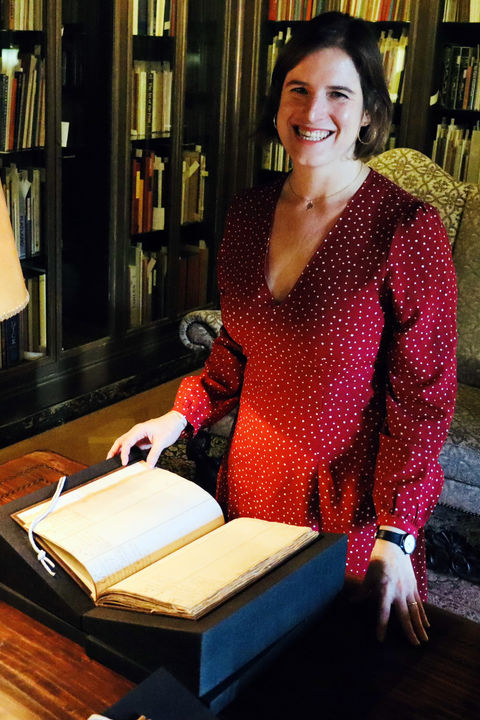
Marissa Nicosia is an Associate Professor of Renaissance Literature in the English Department at Penn State Abington, part of the Pennsylvania State University system. She also serves as an Associate Professor in the Writing Program. Her academic work bridges literary studies, food history, and digital humanities, making significant contributions to our understanding of early modern English culture through innovative interdisciplinary approaches that combine textual analysis with practical experimentation. Dr. Nicosia received her Ph.D. in English from the University of Pennsylvania in 2014 and her B.A. in English Literature and Creative Writing from Barnard College, Columbia University in 2007, where she was elected to Phi Beta Kappa. Before joining Penn State Abington, she taught at Scripps College, the University of Pennsylvania, and the University of the Arts in Philadelphia. Her research focuses on the intersections of early modern English literature, food studies, book history, and political theory. Dr. Nicosia examines how literary texts and historical documents reveal cultural practices, particularly around food and temporality. Her methodology combines historical formalism and critical bibliography to uncover how early modern writers engaged with questions of time, politics, and material culture. She has developed innovative approaches that bridge academic scholarship with public engagement through recipe reconstruction and digital humanities projects. Dr. Nicosia's publications demonstrate a consistent engagement with how historical texts can inform contemporary understanding across multiple formats. Her work spans academic monographs, edited collections, peer-reviewed articles, and public-facing digital humanities projects. She has established herself as a leader in bringing early modern studies to broader audiences through accessible scholarship that connects historical practices to modern experiences in meaningful ways. Franklin Research Grant, American Philosophical Society, 2024-2025 Dibner Research Fellow in the History of Science and Technology, The Huntington Library, 2024-2025 Faculty Senate Outstanding Research Award, Penn State Abington, 2023 Margaret Hannay Fellow, Folger Shakespeare Library, 2022-2023 Ogontz '65 Career Development Professorship, Penn State Abington, 2021-2023 Resident Scholar, Penn State Humanities Institute, 2022 Chief Ogontz Award, Penn State Abington, 2022 President's Award for Engagement with Students, Penn State, 2022 Dr. Nicosia has secured significant grant funding for her research, including a Summer Stipend from the National Endowment for the Humanities (2021) and the Pennsylvania Grants for Open and Affordable Learning (2021-2022). Her innovative teaching approaches have been recognized with multiple awards, including the President's Award for Engagement with Students from Penn State (2022) and the Faculty Senate Outstanding Teaching Award at Penn State Abington (2018). She has mentored numerous undergraduate students through research projects, particularly through her 'What's in a Recipe?' initiative that engages students with early modern manuscript transcription. Her public humanities project 'Cooking in the Archives' has gained national recognition, being featured in the Washington Post, HuffPost: Taste, Edible Philly, CNN.com, and on Talk of Iowa (NPR). This initiative curates transcribed and updated recipes from early modern English household manuscripts, creating a valuable resource for food historians, students, culinary enthusiasts, and the general public. The project has attracted approximately 300,000 visitors and demonstrates Dr. Nicosia's commitment to making academic research accessible and engaging for diverse audiences.