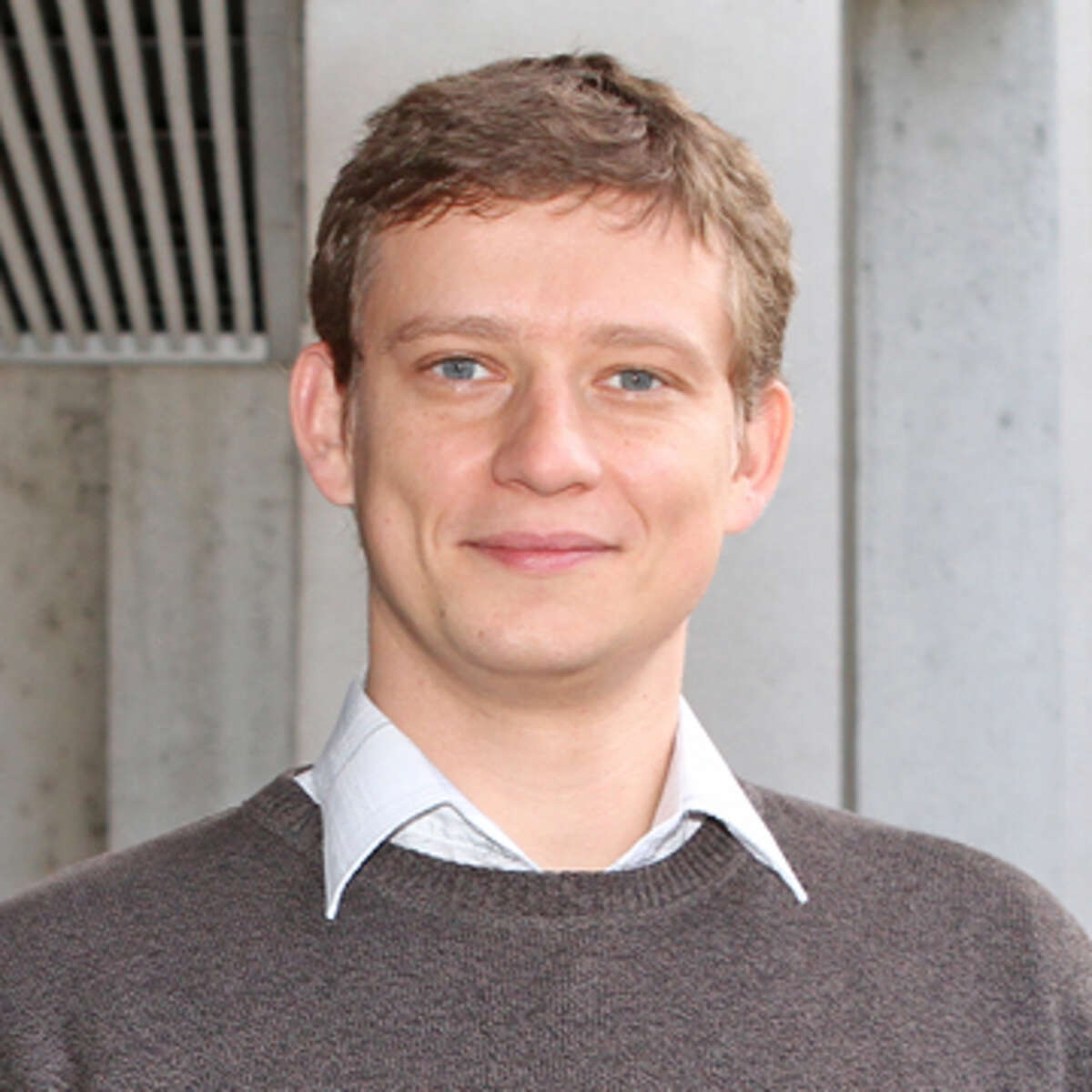
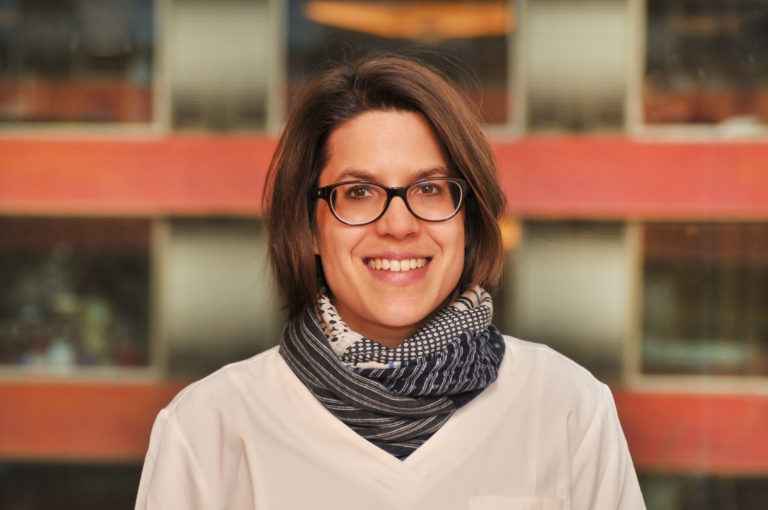
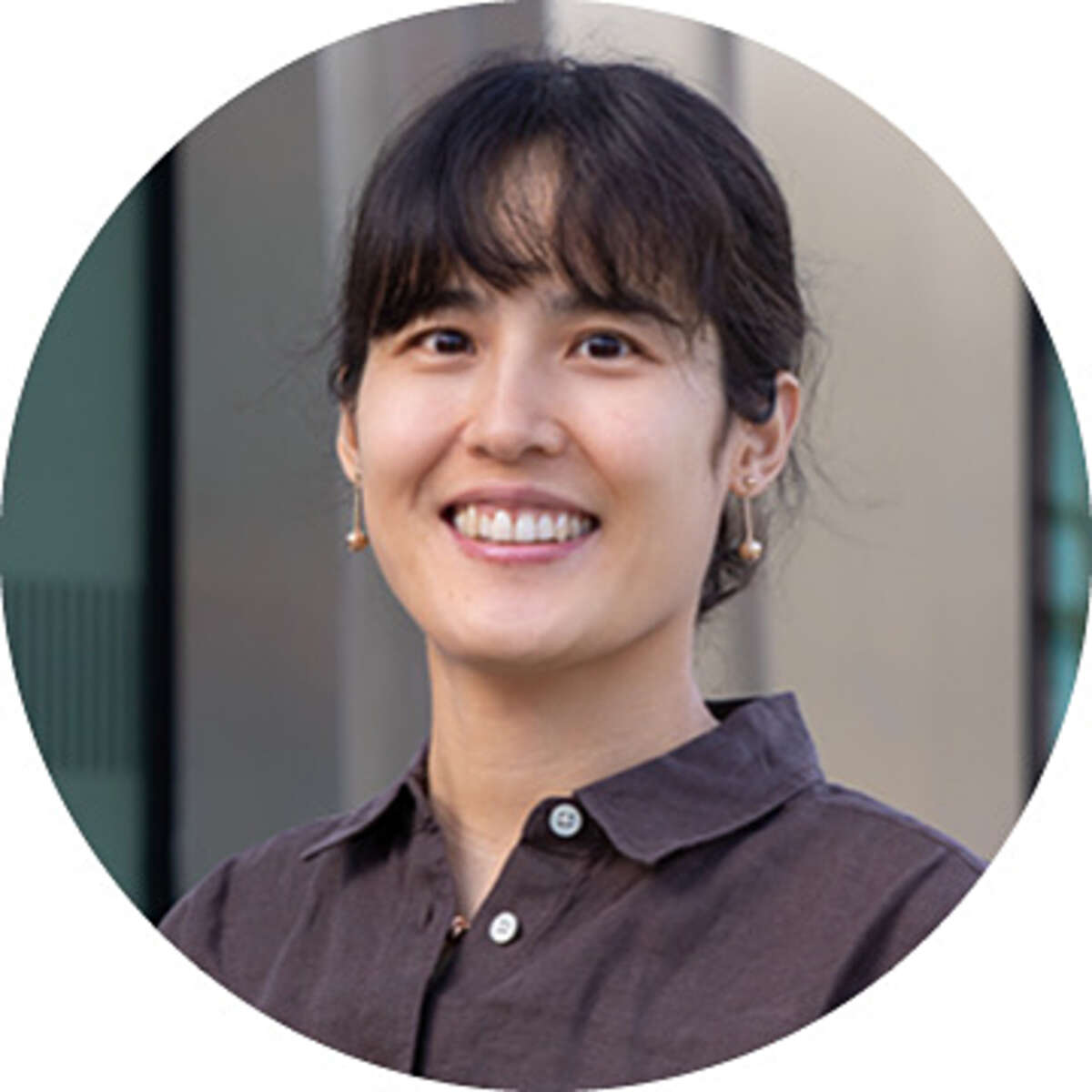
Prof. Knut Drescher is an Associate Professor at the Biozentrum, University of Basel , leading a research group focused on bacterial biofilms , swarming , and microbial multicellularity . Previously, he served as a Professor of Biophysics and Max Planck Research Group Leader at Philipps-Universität Marburg (2015-2021) and conducted postdoctoral research at Princeton University. Research Interests: Physical and biological mechanisms of biofilm formation Cell-cell interactions in microbial communities Antibiotic resistance in biofilms Hydrodynamics of bacterial swarms Evolution of cooperation in multispecies biofilms Development of bioimaging software (BiofilmQ, BacStalk) Scientific Awards: 2023: SNSF Consolidator Grant 2019: Heinz Maier-Leibnitz Prize (DFG), VAAM Research Prize, IUPAP Young Scientist Prize 2016: ERC Starting Grant Advising & Grants: Advises PhD and Master's students in microbiology, biophysics, and bioinformatics Secured major grants from ERC , HFSP , and DFG
Professor Urs Jenal is a Full Professor at the Biozentrum of the University of Basel, Switzerland, where he has led research on bacterial signal transduction since 2008. His laboratory investigates the molecular mechanisms of bacterial persistence and antibiotic resistance, with particular focus on pathogens causing chronic infections in humans. Previously, he served as Associate Professor (2002-2008) and Assistant Professor (1996-2002) at the same institution, and completed postdoctoral training at Stanford University and ETH Zurich. Education 2000: Habilitation and VENIA DOCENDI in Microbiology, University of Basel 1987-1991: PhD in Molecular Microbiology, ETH Zurich (supervisor: Prof. T. Leisinger) 1982-1986: Studies of Experimental Biology, ETH Zurich 1977-1981: Gymnasium with Matura Type C, Chur Research Focus Prof. Jenal's research centers on understanding how bacterial pathogens persist in the human body despite antibiotic treatments. His laboratory investigates cyclic nucleotides, particularly c-di-GMP, as signaling molecules that control bacterial biofilm formation, virulence, and antibiotic tolerance. His team studies pathogenic Escherichia coli causing recurrent urinary tract infections and Pseudomonas aeruginosa causing long-term lung infections in cystic fibrosis patients. Recent work has revealed how "sleeping" bacteria survive antibiotic treatments and how pathogens breach respiratory epithelia through goblet cell invasion. Scientific Recognition 2014: Elected member of the European Academy of Microbiology (EAM) 2013: ERC Advanced Investigator Award 2012: Elected member of the European Molecular Biology Organization (EMBO) 2011: Elected member of the American Academy of Microbiology (AAM) Mentorship and Collaborations Prof. Jenal has mentored numerous PhD students and postdocs, many receiving awards for their research. His laboratory is part of the NCCR AntiResist initiative focused on developing novel approaches against antibiotic resistance. He collaborates extensively with clinical researchers and has developed innovative models, including human mini-lungs, to investigate pathogen-host interactions. His recent publications demonstrate how understanding bacterial persistence mechanisms can lead to new therapeutic strategies against chronic infections.
Prof. Dr. Alex Hall is an Associate Professor at the Department of Environmental Systems Science and Head of the Institute of Integrative Biology at ETH Zürich , Switzerland. He holds a PhD from the University of Edinburgh (2008), followed by postdoctoral work at the University of Oxford and ETH Zürich, including prestigious SNSF Ambizione and Marie Curie Intra-European fellowships. Research Focus: The Hall lab investigates Microbial interactions in human microbiomes Antibiotic resistance evolution Horizontal gene transfer dynamics Computational and in vitro modeling of microbial communities Evolutionary medicine applications Scientific Contributions: His recent studies analyze probiotic treatments for Staphylococcus aureus decolonization, strain-specific ecological success in gut microbiomes, and CRISPR-Cas system roles in plasmid conflicts. The lab employs computational frameworks combined with experimental validations. Scientific Awards: SNSF Ambizione fellowship Marie Curie Intra-European fellowship He also serves on the SNSF PRIMA fellowship evaluation panel and the ETH Zürich Coordination Council Medicine .
Swiss Federal Institute of Technology in LausanneSwitzerland
Georg Fantner is an Associate Professor at the Swiss Federal Institute of Technology Lausanne (EPFL) with dual appointments in the School of Engineering (STI) within the Institute of Bioengineering and the School of Life Sciences (SV) for teaching. He directs the Laboratory for Bio- and Nano-Instrumentation (LBNI) and holds leadership roles including President of the Open Science Strategic Committee and the Association des Professeurs de l'EPFL. Research Focus: Bioinstrumentation, Nanotechnology, Scanning Probe Microscopy, and Metrology Teaching: Structural Mechanics for Life Sciences, Metrology, and Metrology Practicals His research pioneers advanced instrumentation for nanoscale characterization, emphasizing data-driven approaches to enhance microscopy techniques. Recent work integrates deep learning with scanning probe microscopy for real-time biological imaging and develops novel MEMS devices for fluid-compatible nanoscale manipulation. Key innovations include hermetically sealed sample chambers for pathogen studies and deterministic nanotopography engineering. Professor Fantner actively mentors 7 current PhD students and has supervised 14 graduates. His laboratory fosters interdisciplinary collaboration across engineering, physics, and life sciences to advance nanoscale measurement technologies and instrumentation development.
Professor Sebastian Hiller is a Full Professor at the Biozentrum of the University of Basel, Switzerland, where he leads a research group focused on structural biology and biophysics. His laboratory specializes in using nuclear magnetic resonance (NMR) spectroscopy to elucidate the structures and functions of proteins and their interactions at the atomic level. His research spans several key areas including molecular chaperones and protein folding mechanisms, outer membrane protein biogenesis in bacteria, and kinase signaling pathways. Notably, his group has made significant contributions to understanding how chaperones like trigger factor function, the mechanisms of outer membrane protein assembly through the Bam complex, and dynamic kinase interactions. Their work has direct implications for neurodegenerative diseases and antibiotic development. The Hiller lab's recent publications demonstrate a strong focus on NMR methodology development, protein folding dynamics, and structural mechanisms of antibiotic action. Their research on darobactin's mechanism of action against Gram-negative bacteria represents a significant advance in antibiotic discovery. The group frequently publishes in high-impact journals including Nature, Science, and Nature Communications. ICMRBS Founder's Medal (2018) EMBO Young Investigator (2014) ERC starting grant (2011) SNSF professorship (2010) SNSF scholarship for young researchers (2008) Professor Hiller supervises numerous PhD students and postdoctoral researchers, with many alumni having secured prestigious positions in academia and industry. His laboratory maintains strong collaborations across multiple institutions and has received significant funding through ERC grants and other competitive mechanisms. The Hiller group also operates advanced NMR facilities that serve the broader research community at the University of Basel.
Prof. Dr. Roderick Lim is an Associate Professor at the Biozentrum, University of Basel , where he leads a research group since 2014. His work bridges biophysics, nanotechnology, and molecular biology , focusing on the nuclear pore complex (NPC) and mechanobiology of cells . He develops biomimetic systems for selective molecular transport and ARTIDIS , a nanomechanical tissue diagnostic platform commercialized for breast cancer prognosis . Education : BSc (UNC Chapel Hill), PhD (NUS/IMRE Singapore), Postdoc (Swiss Nanoscience Institute) Positions : Argovia Professor (2014–present), Tenure Track Asst. Prof. (2009–2013), Postdoc (2004–2008) His research on NPC transport selectivity reveals how karyopherins modulate the FG Nup barrier via multivalent interactions, with implications for viral entry and Alzheimer’s disease . His ARTIDIS platform uses atomic force microscopy to detect cancer via tissue softness, linking hypoxia to metastasis . Recent 2025 publications explore bacterial nanoharpoon defense mechanisms and DNA origami-based NPC mimics . Scientific Awards : Pierre-Gilles de Gennes Prize (2008), A*STAR Fellowship (2004) Collaborations : NCCR Molecular Systems Engineering, NanoTera, KTI He mentors PhD students in institutions across Switzerland, Singapore, Sweden, and the UK , with alumni working on polymersome delivery, mechanotransduction, and pathogen transport . His lab pioneered high-speed atomic force microscopy for real-time NPC dynamics and plasmonic nanopores for synthetic biology applications.
Prof. Dr. Marek Basler is an Associate Professor of Infection Biology at the Biozentrum, University of Basel , leading a research group focused on the Type VI Secretion System (T6SS) in bacterial pathogens. His work bridges structural biology, molecular microbiology, and computational analysis to unravel the mechanisms of this contractile nanomachine. PhD in Microbiology (2007, Institute of Microbiology, CAS, Prague) Postdoctoral Fellow (2007–2013, Harvard Medical School) Assistant Professor (2013–2018) and Associate Professor (since 2018) at Biozentrum His research explores the structure, assembly, and therapeutic potential of the T6SS, a critical virulence factor in pathogens like Pseudomonas aeruginosa . Key themes include bacterial defense strategies , intermicrobial competition , and host-pathogen interactions . Recent projects highlight T6SS roles in antibiotic resistance and horizontal gene transfer . The most recent publications (2025–2024) reveal novel insights into T6SS activation by environmental stress , toxin diversity , and host cell targeting . Trends span microbial ecology , nanomachine dynamics , and computational modeling of bacterial interactions. Scientific Awards : EMBO Membership (2023) ERC Consolidator Grant (2019) EMBO Gold Medal (2018) Friedrich Miescher Award (2018) EMBO Young Investigator (2015) His lab (Basler Lab) utilizes state-of-the-art microscopy , biochemical techniques , and live-cell simulations (e.g., BacFighT6 ). Collaborations span institutions like Harvard Medical School and NCCR-AntiResist , with future work targeting antibacterial therapies .
Federica Sallusto is a Full Professor in Medical Immunology at ETH Zurich and Università della Svizzera italiana (USI), and a Group Leader in the Cellular Immunology department at the Institute for Research in Biomedicine (IRB), Bellinzona, Switzerland. She leads a prominent research group focused on human T cell biology, immunological memory, and immune responses in infection and autoimmunity. Doctor in Biology, University of Rome, 1988 Postdoctoral work: Istituto Superiore di Sanità, Rome; Basel Institute for Immunology Group Leader, IRB, since 2000 Full Professor, ETH Zurich and USI, since 2017 Her research centers on the heterogeneity and function of human CD4+ T cell subsets, particularly Th17 and T follicular helper cells, and their roles in protective immunity and inflammatory diseases. She investigates immune responses to pathogens such as Mycobacterium tuberculosis, influenza, SARS-CoV-2, and HIV, using cutting-edge techniques in cellular immunology and systems immunology. Her work integrates human immunology with translational applications in vaccinology and autoimmune disorders. The recent publications reflect a strong focus on human immune responses to infectious agents, mechanisms of T and B cell immunity, and the intersection of immunology with neurology and autoimmunity. Key themes include antigen-specific T cell activation, antibody cross-reactivity, regulation of inflammatory pathways, and the impact of vaccines and infections on immune memory and disease outcomes. Pharmacia Allergy Research Foundation Prize Behring Lecture Member, German Academy of Sciences Leopoldina (2009) Member, EMBO (2011) International Member, U.S. National Academy of Sciences (2022) Doctor honoris causa, University of Fribourg (2022) Federica Sallusto has mentored numerous students and postdoctoral researchers, many of whom are co-authors on her high-impact publications. Her group has received significant funding from the European Research Council (ERC), Marie Curie Actions, and the Swiss National Science Foundation (SNSF), where she served on the National Research Council from 2018 to 2024. She has held leadership roles including President of the Swiss Society for Allergology and Immunology (2013–2015) and President of the European Federation of Immunological Societies (2022–2024). Her laboratory is embedded within the IRB, a leading biomedical research institute affiliated with USI, and collaborates extensively with clinical and research teams across Europe. The group is part of broader scientific networks in antibody discovery, infectious disease immunology, and neuroimmunology.
Zurich University of Applied Sciences (ZHAW)Switzerland
Prof. Dr. Rainer Riedl is the Head of the Competence Center for Drug Discovery and Organic & Medicinal Chemistry at the Zurich University of Applied Sciences (School of Life Sciences and Facility Management) . He leads numerous drug development projects targeting acute myeloid leukemia , Alzheimer's disease , antimicrobial resistance , and infectious diseases , with a focus on peptide therapeutics , targeted protein degradation , and structure-based drug design . His research combines medicinal chemistry and natural product-inspired design to develop antiviral agents (including against SARS-CoV-2 ), anti-inflammatory compounds , and novel antimicrobial delivery systems using extracellular vesicles . He has pioneered computational frameworks like CyBy2 for chemical data management and contributed to inhibitor development for matrix metalloproteinases and SENPs . Recent peer-reviewed publications highlight his work in drug resistance mechanisms , peptide engineering , and innovative antiviral strategies . He holds multiple international patents for CD93 inhibitors , skin cancer treatments , and antifungal compounds , reflecting translational impact of his research.
Prof. Martin Loessner is a Full Professor at the Department of Health Sciences and Technology, ETH Zurich, Switzerland. He leads the Institute of Food, Nutrition and Health, focusing on food microbiology and bacteriophage research. His work bridges fundamental molecular biology with practical applications in food safety and antimicrobial development. Education and Career: Martin Loessner earned a Biology degree from the Albert-Ludwigs-University of Freiburg, followed by an MSc from Wayne State University and a PhD in 1991 from the Technical University of Munich. He held postdoctoral and Research Assistant Professor roles at TU Munich, with visiting research stints at the University of Nottingham and Ben-Gurion University. After Habilitation, he became a Privatdozent (Assistant Professor with tenure) at TU Munich. Following a sabbatical as a Visiting Research Professor at UC Berkeley, he joined ETH Zurich as a Full Professor in 2003. Research Interests and Contributions: Loessner’s research centers on foodborne pathogens such as Listeria monocytogenes and Staphylococcus aureus, leveraging bacteriophages for detection and control. His group develops recombinant proteins for bacterial labeling, genetic engineering for safer food products, and CRISPR-based phage engineering. Key applications include antimicrobial enzybiotics, phage-based diagnostics, and treatments for biofilms and infections. Collaborations with industry and academia have led to several awards recognizing his contributions to food safety and microbiology. Research Trends in Recent Publications: Recent work emphasizes engineered bacteriophages for pathogen detection (e.g., reporter phages for urinary pathogens) and therapeutic applications (e.g., CRISPR-edited phages, bone-targeting enzymes). Innovations include nanoparticle-enhanced endolysins for biofilm eradication and strategies against phage-resistant L-form bacteria. These studies highlight advancements in synthetic biology, antimicrobial development, and diagnostic tools. Awards and Collaborations: His research has garnered multiple awards, though specific names are not detailed here. The group collaborates with academic institutions and industry partners in diagnostics and food safety. Teaching and Academic Contributions: Prof. Loessner teaches courses including “World Food System” and “Food Microbiology I,” reflecting his commitment to educating future scientists. His group’s work integrates research with practical solutions, addressing global challenges in food safety and infectious diseases. Labs and Teams: His research group at ETH Zurich’s Institute of Food, Nutrition and Health drives interdisciplinary projects, combining microbiology, synthetic biology, and engineering to combat pathogens and improve food safety standards.
PD Dr. Ronald Dijkman is Group Leader of the Experimental Virology Research Group within the Institute for Infectious Diseases (IFIK) at the University of Bern Medical Faculty. His laboratory is located at the Multidisciplinary Center for Infectious Diseases (MCID) , underscoring his central role in Swiss infectious-disease research infrastructure. Education & Training: While the supplied pages do not list explicit degrees, the title PD Dr. indicates that he has completed a PhD, post-doctoral training, and the Germanic Habilitation, qualifying him as an Associate Professor-level faculty member. Research Focus: Dr. Dijkman’s team investigates host–pathogen interactions in the respiratory epithelium , concentrating on three pillars: Innate immunity triggered by influenza and coronaviruses in human and animal airway epithelial cells. Viral genetic determinants that modulate immune evasion and cross-species transmission. Host determinants that either restrict or facilitate infection across species barriers. To dissect these questions, the group has pioneered genetically-tractable, well-differentiated primary airway epithelial cell (AEC) cultures derived from humans, pigs, cattle and bats, creating a unique comparative platform for zoonotic-risk assessment. Funding & Collaborative Networks: His research is currently supported by: Swiss National Science Foundation (SNF) – project on Molecular characterization of Influenza D virus–host interactions . EU Marie Skłodowska-Curie ITN “HONOURs” – a multi-partner training network on host-switching pathogens and zoonoses. Federal BLV grant – implementation of nanopore sequencing for rapid identification of OIE-notifiable animal viruses. These grants enable a team of one post-doc and four PhD students, together with technical staff. Scientific Output & Impact: Since 2010, Dr. Dijkman has authored >60 peer-reviewed articles. His work on SARS-CoV-2 reverse genetics (Nature, 2020), MERS-CoV receptor usage (Nature, 2014) and single-cell influenza pathogenesis (bioRxiv, 2020–22) has been highly cited, reflecting broad scientific impact. Laboratory & Team: The Experimental Virology group occupies BSL-2 and BSL-3 laboratories equipped with state-of-the-art live-cell imaging, lentiviral genetic engineering, and nanopore sequencing pipelines. The group presently comprises: Larise Oberholster – Early Post-doc Alina Baltensperger – PhD student Jean-Claude Makangara – PhD student Mike Javan Mwanga – PhD student Karen Stevers – PhD student Cinzia Moscardelli – laboratory technician
Swiss Federal Institute of Technology in LausanneSwitzerland
Dr. Tamar Kohn is a Full Professor at EPFL, leading the Laboratory of Environmental Virology (LEV) within the Institute of Environmental Engineering (IIE), School of Architecture, Civil and Environmental Engineering (ENAC). She holds additional roles as Director of the IIE-GE unit and serves on the ENAC School Direction. Her expertise focuses on environmental virology, waterborne pathogens, and disinfection mechanisms. Education: 2000–2004: PhD in Environmental Engineering, Johns Hopkins University 1999: Diploma in Environmental Sciences, ETH Zurich 2004–2006: Postdoc at UC Berkeley Research Interests: Her work investigates viral behavior outside hosts, particularly in water and air. Key areas include viral inactivation mechanisms, environmental stability of pathogens, and applications in wastewater surveillance. She explores how factors like pH, salinity, organic compounds, and microbial interactions influence virus survival and transmission. Key Contributions: Recent studies highlight aerosol pH's role in influenza stability, bacterial promotion of viral inactivation in lakes, and mpox monitoring via wastewater. Her lab also models virus transport in Lake Geneva under climate change scenarios. Advising & Grants: Supervised over 20 PhD students, including Chaojie Li (2023), Aline Schaub (2024), and Margot Olive (2022). Her research leverages advanced techniques like mass spectrometry and metagenomics for pathogen detection. Labs/Teams: Leads the LEV lab, collaborating on projects combining virology, environmental chemistry, and engineering to combat waterborne and airborne diseases.
PD Dr Maya André serves as Deputy Head of the Paediatric Intensive Care Service (IPS) at the University Children’s Hospital Basel (UKBB) , Switzerland, and is a physician-scientist with venia legendi in Paediatrics from the University of Tübingen. She concurrently directs her own research laboratory at the University Children’s Hospital Tübingen , Department I Haematology & Oncology, focusing on anti-leukaemic NK-cell immunotherapy. Education & Training MD, Universities of Bonn, Freiburg & Vienna (1990-1996) Dr. med., University Children’s Hospital Freiburg – thesis on Valproate and haemostasis (1998) Specialist certificate in Paediatrics (2002) Additional qualification in Paediatric Intensive Care Medicine (2005) Specialisation in Neonatology (2006) Dr. rer. nat., Faculty of Mathematics & Natural Sciences, Tübingen – thesis on Functional conversion of bacterially reprogrammed monocytes (2012) Habilitation & venia legendi in Paediatrics, University of Tübingen – thesis on Donor-patient-specific xenotransplantation model for NK-cell graft-versus-leukaemia reactivity (2016) Research Focus Maya André’s scientific work bridges bedside paediatric intensive care with cutting-edge cellular immunology. Her laboratory pioneered patient-specific zebrafish and murine xenograft models to dissect how natural killer (NK) cells eradicate acute leukaemia. She has advanced the concept of tumor-priming to generate memory-like NK cells with enhanced anti-tumour activity and currently investigates TIGIT-CD155 blockade to potentiate NK-92 and cytokine-induced memory-like NK cell therapies. Her translational studies integrate multi-parameter flow cytometry panels, real-time intravital imaging, and rigorous pre-clinical validation in preparation for first-in-child trials. Scientific Awards & Funding Sponsorship Prize, Society for Neuropaediatrics (1995) Continuous third-party funding since 2010 totalling 1.5 million CHF from: German Research Foundation, Jose-Carreras Foundation, Else-Kröner-Fresenius Foundation, Fortüne Programme (Tübingen), Madeleine-Schickedanz Foundation, German Childhood Cancer Foundation, Manchot Foundation. Professional Memberships German Society for Paediatrics (DGKJ) Reviewer for Blood, Epilepsy, Haematologica, Plos One, International Journal of Cancer, Journal of Leukocyte Biology, Human Immunology, Leukaemia Research Laboratory & Clinical Team She heads a dedicated research group located at the University Children’s Hospital Tübingen, collaborating closely with the Departments of Paediatric Haematology & Oncology and the Centre for Translational Immunology (CTI). The team includes post-doctoral scientists, graduate students, and clinical fellows who straddle bench-to-bedside research pipelines.
Yuping Li is a Tenure-track Assistant Professor at the Biozentrum, University of Basel, where she leads a research group focused on the genetics and evolution of bacteria-jumbophage interactions. She was appointed in 2024 and received an SNSF Starting Grant the same year. Her research explores the unique biology of jumbophages—phages with large genomes and eukaryote-like properties—and their co-evolution with bacterial hosts, particularly the Pseudomonas phage phiKZ and the bacterial 'jumbophage killer' (Juk) immune systems. Nationality: Chinese Current Position: Tenure-track Assistant Professor, University of Basel, Biozentrum (since 2024) Previous Position: Postdoctoral Researcher, University of California, San Francisco (2019–2024) Visiting Scientist: EMBL, Heidelberg (2022–2023) Her research interests center on molecular microbiology, bacteriophage biology, bacterial immunity, and evolutionary genetics . She investigates how jumbophages form protective 'nuclei' inside bacterial cells to evade host defenses and how bacteria have evolved counter-mechanisms like the Juk system. This work combines genetics, microscopy, biochemistry, and structural biology to understand infection dynamics and evolutionary arms races. The ultimate goal is to harness jumbophages in fighting antibiotic-resistant bacteria. The recent publications show a strong trend in phage-host interactions, anti-CRISPR mechanisms, microbial evolution, and systems-level analysis of adaptation . Her work bridges fundamental virology with applied antimicrobial strategies, often using high-throughput sequencing, proteomics, and mathematical modeling. Articles span top journals like Cell , Nature Communications , and PLoS Biology , reflecting interdisciplinary impact. Scientific Awards: SNSF Starting Grant (2024) Postdoctoral Independent Research Grant, Program for Breakthrough Biomedical Research, UCSF (2021–2022) CEHG Predoctoral Fellowship, Stanford University (2018–2019) Genentech Foundation Predoctoral Fellowship (2016) Outstanding Student Scholarship (2007–2011) Yuping Li advises PhD students and postdoctoral fellows, including Elena Kaube, Dr. Marina Mahler, and Dr. Sam van Beljouw. Her group is supported by competitive grants such as the SNSF Starting Grant. She collaborates with leading scientists like Dr. Joseph Bondy-Denomy (UCSF) and Dr. Nassos Typas (EMBL). Her lab employs cutting-edge techniques in genetics, proteomics, and structural biology to dissect phage infection and bacterial immunity mechanisms. Her research group is part of the Biozentrum at the University of Basel, a leading institution in life sciences, and she is affiliated with the NCCR AntiResist initiative, focusing on antimicrobial resistance solutions.
Monika Maurhofer is a Professor at the Department of Environmental Systems Science, ETH Zurich , specializing in multitrophic interactions within the rhizosphere. Her research bridges plant pathology, microbial ecology, and biological control of plant diseases and insect pests. 1988: Dipl. sc. nat., ETH Zurich 1993: Dr. sc. nat., ETH Zurich Research focuses on biocontrol pseudomonads and their molecular interactions with plants, fungi, and insects. Key projects include: Understanding Pseudomonas protegens mechanisms in rhizosphere colonization Comparative genomics of entomopathogenic bacteria Developing disease-suppressive compost diagnostics Investigating microbial consortia for pest control 2024-2025 publications highlight her work on entomopathogenic pseudomonads and nematode-bacteria symbiosis , with applications in sustainable agriculture. She received the Golden Owl Award for teaching excellence in 2014 and 2017. Current collaborations include Syngenta Crop Protection and interdisciplinary teams at University of Zurich and University of Basel.