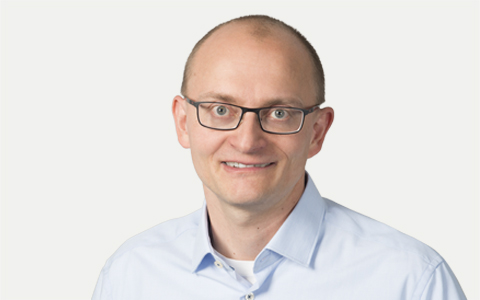
Prof. Martin Loessner is a Full Professor at the Department of Health Sciences and Technology, ETH Zurich, Switzerland. He leads the Institute of Food, Nutrition and Health, focusing on food microbiology and bacteriophage research. His work bridges fundamental molecular biology with practical applications in food safety and antimicrobial development. Education and Career: Martin Loessner earned a Biology degree from the Albert-Ludwigs-University of Freiburg, followed by an MSc from Wayne State University and a PhD in 1991 from the Technical University of Munich. He held postdoctoral and Research Assistant Professor roles at TU Munich, with visiting research stints at the University of Nottingham and Ben-Gurion University. After Habilitation, he became a Privatdozent (Assistant Professor with tenure) at TU Munich. Following a sabbatical as a Visiting Research Professor at UC Berkeley, he joined ETH Zurich as a Full Professor in 2003. Research Interests and Contributions: Loessner’s research centers on foodborne pathogens such as Listeria monocytogenes and Staphylococcus aureus, leveraging bacteriophages for detection and control. His group develops recombinant proteins for bacterial labeling, genetic engineering for safer food products, and CRISPR-based phage engineering. Key applications include antimicrobial enzybiotics, phage-based diagnostics, and treatments for biofilms and infections. Collaborations with industry and academia have led to several awards recognizing his contributions to food safety and microbiology. Research Trends in Recent Publications: Recent work emphasizes engineered bacteriophages for pathogen detection (e.g., reporter phages for urinary pathogens) and therapeutic applications (e.g., CRISPR-edited phages, bone-targeting enzymes). Innovations include nanoparticle-enhanced endolysins for biofilm eradication and strategies against phage-resistant L-form bacteria. These studies highlight advancements in synthetic biology, antimicrobial development, and diagnostic tools. Awards and Collaborations: His research has garnered multiple awards, though specific names are not detailed here. The group collaborates with academic institutions and industry partners in diagnostics and food safety. Teaching and Academic Contributions: Prof. Loessner teaches courses including “World Food System” and “Food Microbiology I,” reflecting his commitment to educating future scientists. His group’s work integrates research with practical solutions, addressing global challenges in food safety and infectious diseases. Labs and Teams: His research group at ETH Zurich’s Institute of Food, Nutrition and Health drives interdisciplinary projects, combining microbiology, synthetic biology, and engineering to combat pathogens and improve food safety standards.