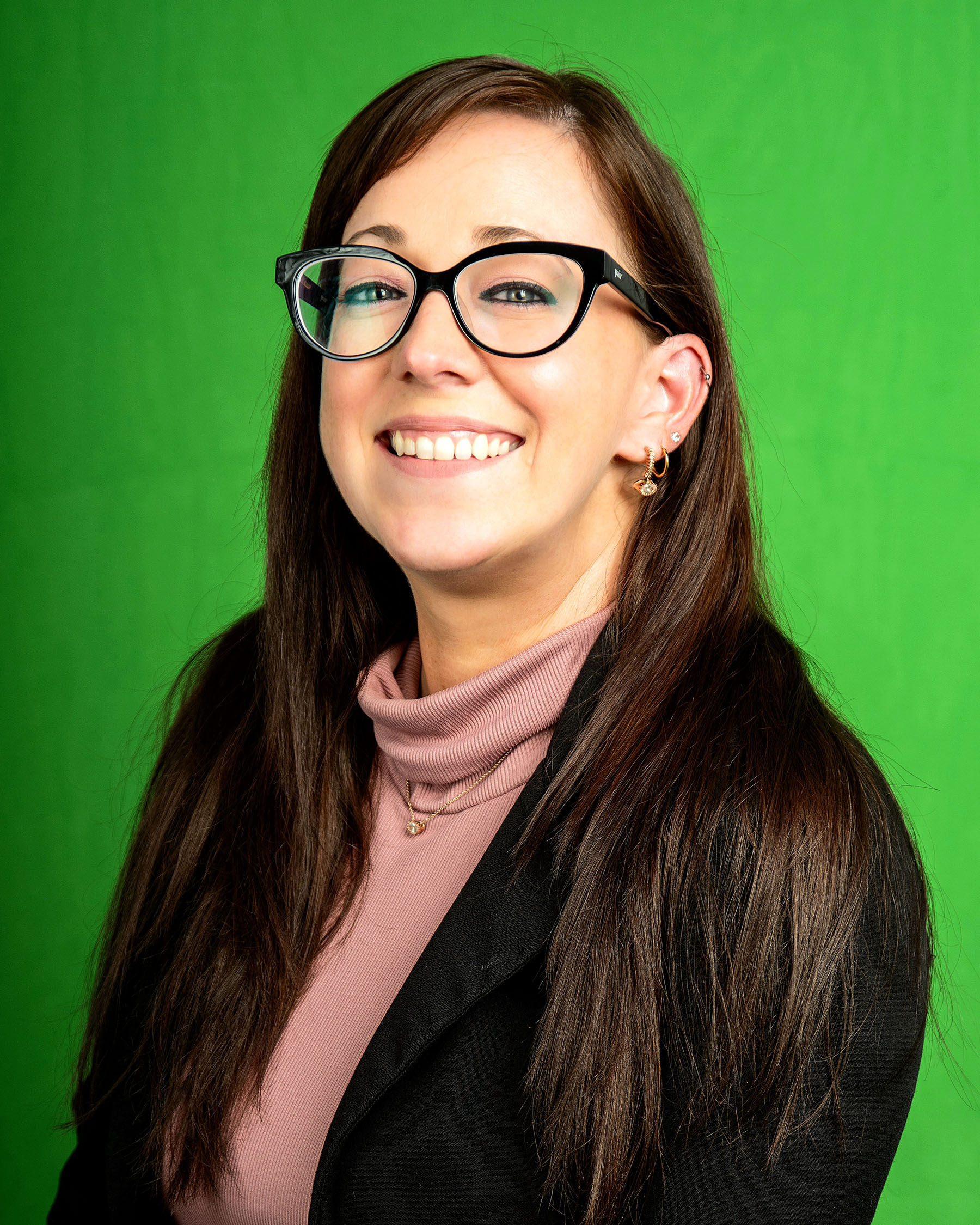
Amanda Manchack is a Clinical Assistant Professor and BSW Program Director at the University of North Texas. Her expertise spans executive leadership in behavioral health, clinical project management, and social work administration. She holds an LCSW-S license and has extensive experience in opening outpatient clinics, managing EHR implementations, and developing community programs. Her specialties include crisis intervention, chemical dependency intervention, and volunteer management. She currently oversees an external clinical supervision group focusing on social work administration and leadership. Additionally, she serves as the Student Coordinator for the Cherokee Community of North Texas, promoting cultural preservation and community engagement. Prior roles include managing psychiatric hospital intake departments, designing parenting curricula, and supervising staff in diverse settings such as homeless shelters and retirement communities. Her professional interests emphasize leveraging administrative and clinical skills to improve behavioral health systems and community outcomes.
Janet Vizina Roubal is a full-time Professor in the Department of Social Work at Ferris State University's College of Arts, Sciences and Education. She serves as the MSW Program Director and actively participates in departmental leadership through curriculum, budget, and planning committees. Doctorate of Social Work (DSW) - University of St. Thomas/St. Catherine Master of Social Work (MSW) - University of Michigan Bachelor of Social Work (BSW) - Ferris State University Her research focuses on technology-mediated social work practice , particularly in trauma-informed supervision models and virtual therapy skills training. She has developed frameworks for relational supervision in post-pandemic education and pioneered digital competency development for social work students. Recent publications and presentations demonstrate expertise in eTherapy implementation (2015-2025), with particular emphasis on simulated scenarios for clinical training and smartphone-based interventions for child welfare services. She has delivered keynote presentations at national conferences including CSWE's Annual Program Meeting. As an active academic leader, she contributes to: Curriculum development for Advanced Micro Practice Virtual education standards formulation DSW program evaluation Field seminar instruction Policy advocacy initiatives Assessment methodology refinement
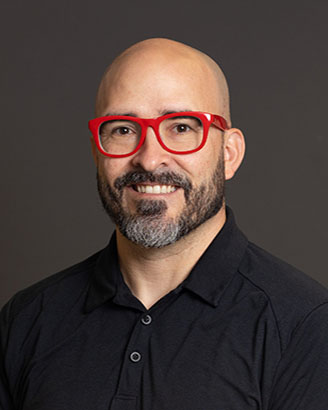
Dr. Poco D. Kernsmith is a Professor and Chair of the Department of Social Welfare at the UCLA Luskin School of Public Affairs. His work integrates research and practice in violence prevention, school policies, and community-based interventions. He leads federally funded projects addressing youth violence, intimate partner violence, and school-based prevention programs. Educational Background: BA (1994): Psychology & Women's Studies, University of California, Santa Barbara MSW (1995): Interpersonal Practice and Community Organizing, University of Michigan PhD (2002): Social Welfare, University of California, Los Angeles MPH (2020): Urban Public Health, Wayne State University Research Focus: Dr. Kernsmith studies violence perpetration etiology, trauma-informed school policies, water justice, and hate-motivated violence prevention. His research is funded by the CDC, NIH, and National Institute of Justice. Teaching & Leadership: He teaches research methods and violence intervention courses at BSW, MSW, and PhD levels. As former PhD program director, he addressed structural inequities in academic systems. Community Engagement: Collaborates with the ACLU on criminal legal system reform and develops community-based strategies against domestic terrorism. Current Projects: Investigating disparities in doctoral student mentorship and school policy frameworks for inclusive violence prevention.
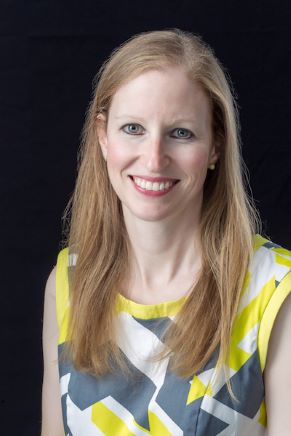
Dr. Stephanie Payne is an Assistant Professor of Social Work and Program Coordinator of the Child Welfare BSW Scholars Tuition Assistance Program at South Carolina State University. She also serves as an adjunct professor at Winthrop University and Capella University. Her expertise spans child welfare, DEI, and social work education. Payne holds a DSW from Tulane University, MSW from the University of South Carolina, and a BA in Psychology from North Carolina A&T State University. Her research focuses on child maltreatment, foster care, adoption, and the impact of cultural taxation on women of color in leadership. She has co-authored a manuscript exploring Black administrators navigating white cultural norms. Payne has received notable recognitions, including Citizen of the Year (2023) and inclusion in the South Carolina Black Pages Top 20 Under 40 (2020). Payne’s professional experience includes roles as Child Welfare Training Director and Program Manager at the University of South Carolina’s Center for Child and Family Studies. She develops curricula for child welfare professionals and advocates for systemic improvements in social work practice. Her courses include Social Work Practice III, Child Welfare Services, and Professional Development.
Sandra Lisa Fernandez is an Adjunct Assistant Professor in the Department of Social Work at The University of Texas at Arlington, where she teaches courses in stress, crisis, and coping; social welfare policy; and brain and behavior. She is concurrently employed as Deputy Director for Learning and Development at the Texas Department of Family and Protective Services (DFPS), bringing extensive field experience into her academic role. Education: MSSW in Social Work, The University of Texas at Arlington, 2000 BSW in Social Work, Stephen F. Austin State University, 1988 Her research interests focus on trauma-informed care, child abuse and neglect, emotional intelligence, critical thinking, and management in social work settings. These areas are deeply informed by her two decades of professional experience in child welfare, training, and organizational leadership within DFPS. Although no publications are listed, her teaching portfolio reflects a consistent engagement with core social work disciplines, particularly in mental health policy, diverse populations, and professional development. Her courses such as SOCW 5316 (Stress, Crisis, and Coping) and SOCW 5353 (Social Policy and Mental Health) demonstrate a commitment to preparing students for real-world challenges in clinical and policy environments. Professional Certifications: Society Human Resources Management Certified Professional (SHRM-CP), 2025–2028 Certified Professional in Training Management (CPTM), 2023–2027 Licensed Master Social Worker (LMSW), Texas State Board of Social Worker Examiners, 2007–2027 Sandra has held progressive leadership roles at DFPS, including Training Division Administrator and Training Academy Manager, highlighting her expertise in program development and staff training. She has also contributed to community service through roles in the Parent Teacher Organization and Mission Arlington. Her dual role in public service and academia underscores her dedication to advancing social work education and practice. She is actively involved in advising and curriculum delivery, though specific student names are not provided. Her future work likely includes continued leadership in public child welfare training and the integration of evidence-based practices into social work education.
Stephen W. Stoeffler serves as Professor in the Department of Social Work within Kutztown University's College of Liberal Arts and Sciences, bringing extensive experience from prior academic appointments at Widener University, Temple University, West Chester University, and The University of Valley Forge. His career bridges macro-oriented social work practice and education, with direct field experience in child welfare, probation and parole, older adult protective services, and family homelessness. His educational foundation includes a Ph.D. in Social Work from Widener University, an MSW from Temple University, and a BSW from Shippensburg University. Ph.D. in Social Work, Widener University MSW, Temple University BSW, Shippensburg University Dr. Stoeffler's research critically examines structural poverty, racism, and housing insecurity through intersectional frameworks. His work consistently advocates for community empowerment and integrates spirituality with social justice, challenging individualistic explanations of poverty while promoting macro-level interventions. He champions the integration of poverty curriculum across social work education and explores professional identity formation within the discipline. His publication trajectory (2015-2024) reveals a methodical progression from foundational poverty theory toward contemporary analyses of environmental racism and structural homelessness. Recent work increasingly employs systematic reviews and critical analyses to expose systemic failures while proposing community-centered solutions, with growing emphasis on environmental justice and intersectional oppression. Professional engagement spans national leadership and community action: Macro Curricular Guide National Task Force Work Group Member Mid-Atlantic Regional Representative/Board Member, ACOSA Special Commission to Advance Macro Practice in Social Work Mayor's Commission to Combat Poverty (Lancaster, PA) Advisory Board, Lancaster Bible College Social Work Program Reviewer for Journal of Community Practice, Families in Society, and 5 additional journals His community impact extends through roles as Resource Parent Pre-Service Trainer for COBYS Family Services and Advisory Board Member for Hope Inspire Love, demonstrating commitment to translating theory into community-based practice. Current work focuses on structural solutions to poverty through policy advocacy and curriculum transformation.
Liza Lorenzetti is an Associate Professor at the Faculty of Social Work , University of Calgary. Her work focuses on transforming gender-based violence prevention, racial equity, and decolonizing practices through an intersectional lens. Education: PhD in Social Work (University of Calgary, 2016), MSW (University of Calgary, 2006), BSW (McGill University, 1992) Her research centers on: Engaging men in gender justice and violence prevention Decolonizing education and research methodologies Transdisciplinary approaches to racial equity Culturally inclusive peer-based writing models Migrant rights and anti-racism Systematic reviews bridging theory and practice Recent publications highlight: Global masculinities and gender justice Online caring skills development Decolonizing frameworks in social work Community-university partnerships Anti-racist pedagogy implementation Interdisciplinary research ethics Scientific awards include: Certificate of Appreciation: Migrant Rights Support (2018) Distinguished Service Award (2018) John Graham Hutton Award (2018) Clarice Chodak Recognition (2013) She leads multiple SSHRC-funded projects including Transforming Masculinities and Helping One Another , while co-developing equity-focused educational frameworks. Her work emphasizes: Community-driven policy change White accountability in anti-racism Indigenous partnership models Graduate mentorship systems Postcolonial field education Digital storytelling ethics
Denise Levy is a Professor in the Department of Social Work at Appalachian State University and holds affiliate roles in Gender, Women’s, and Sexuality Studies and the Blue Cross NC Institute for Health and Human Services. She previously served as Associate Dean for Academic Affairs in the Beaver College of Health Sciences, and has led the MSW and BSW programs. Her expertise includes expressive arts therapy, LGBTQ+ identity development, and interfaith dialogue. Education: B.S.Ed., MSW, and Ph.D. from University of Georgia; Certificate in Expressive Arts Therapy from Appalachian State University Specialties: Identity intersections (sexuality/gender/religion), expressive arts in therapy, leadership development, and social justice pedagogy Dr. Levy’s research focuses on LGBTQIA+ individuals with Christian upbringings, exploring identity conflicts and faith community dynamics. Her work emphasizes bridge-building between religious and LGBTQ+ communities. She has authored over 50 publications and presented at numerous conferences. Her teaching includes courses like Advanced Social Work Practice with Families and Cultural Competence in the Helping Professions. Her research trends highlight intersectionality between faith, identity, and mental health, with a focus on qualitative methods and community-based interventions. She co-led a national survey examining LGBTQ+ experiences during the pandemic. Professional Contributions: Advised students in MSW/BSW programs; no specific grants listed in provided texts. Active in interprofessional collaborations using arts-based interventions. Labs/Teams: Affiliate with the Blue Cross NC Institute for Health and Human Services, focusing on community health initiatives.
Douglas Crews serves as Associate Professor of Social Work within Belmont University's College of Pharmacy & Health Sciences, bringing expertise from his PhD in Social Work (University of Utah), MSW (University of Central Florida), MDiv (Vanderbilt University Divinity School), and BA in Religion (Belmont University). A Licensed Master Social Worker and certified Spiritual Director, he has extensive clinical experience with developmentally disabled individuals, older adults, LGBTQ+ communities, and college students through prior ministry work with the United Methodist Church and therapeutic social work practice. His educational credentials include: PhD in Social Work, University of Utah MSW, University of Central Florida MDiv, Vanderbilt University Divinity School BA in Religion, Belmont University Dr. Crews' research centers on self-compassion and mindfulness as transformative tools intersecting with diversity, social/economic/environmental justice, and LGBTQ+ issues. He critically examines religious trauma within spirituality-social work integration while advancing social work education methodologies. His work consistently emphasizes identity formation, belonging, and truth-seeking in marginalized populations through innovative pedagogical approaches. Analysis of his 2014-2021 publications reveals persistent focus on self-compassion applications across diverse contexts - particularly LGBTQ+ coming-out narratives, sexual violence recovery, and eco-mindfulness practices. He employs creative qualitative methods including six-word essays and ecomaps while bridging social work with yoga therapy, hip-hop culture, and environmental consciousness to develop culturally responsive interventions. His scientific recognition includes: Belmont University Chaney Distinguished Professor Teaching Award (2022) Dr. Crews actively mentors students through faculty sponsorship of the Bridge Builders LGBTQ+ Student Group and Muslim Student Association, while collaborating with campus counseling services and leading international study programs. His teaching portfolio spans Crisis Intervention, Mindfulness, Mental Health, and Exploring Human Diversity courses in the BSW program, reflecting commitment to experiential learning and social justice advocacy. Though not lab-affiliated, he cultivates interdisciplinary partnerships across campus to address mental health disparities and promote inclusive environments, particularly through his work with Muslim student populations and LGBTQ+ communities at this Christian university context.
Susan Hillock is a Full Professor and faculty member at Trent University's Department of Social Work and Department of Graduate Studies in Education. She leads innovative programs, including the BSW program, and focuses on eco-femagogy, social justice, and feminist pedagogy. Her clinical background spans over 30 years in areas like trauma, palliative care, and community mental health. University: Trent University (Durham, Oshawa) Departments: Social Work & Graduate Studies in Education Key Roles: Founding Director of Trent’s Social Work Department (2014–2016) Research emphasizes equality, ending violence, and environmental sustainability. Notable awards include Trent’s 2022 Education Leadership Award and OCUFA’s 2019 Equity Award. She has secured over $100k in grants, including SSHRC funding for publications and international travel. Publications span journals like Journal of Social Work Education and books such as Greening Social Work Education . She actively presents at global conferences, advocating for queer inclusion, trauma-informed teaching, and sustainability in social work curricula.
Kinnon MacKinnon is an Assistant Professor in the School of Social Work at York University, specializing in transgender medicine and healthcare access for sexual/gender minorities. Their research examines social and structural dimensions of care delivery through critical theoretical frameworks. MacKinnon holds a PhD in Public Health Sciences from the University of Toronto, an MSW from Toronto Metropolitan University, a BSW from York University, and a BA in Gender Studies from Saint Mary's University. Their practice background includes facilitating support groups for gender-affirming surgery, queer/trans youth, and eating disorders. Research interests center on gender-affirming healthcare ethics, health equity for LGBTQ2S+ populations, and community-driven care models. Recent work investigates detransition experiences, mental health service accessibility, and peer support systems in gender-diverse communities. Publications demonstrate strong focus on qualitative methodologies, policy analysis, and community-engaged research addressing healthcare inequities. Trends include examinations of clinical decision-making, patient autonomy in gender care, and systemic barriers affecting LGBTQ+ populations across healthcare, employment, and social services. Scientific Awards: Research Leaders Award, York University (2023) MacKinnon's work emphasizes lived experience as practice knowledge in social work and advocates for structural reforms in gender-affirming care systems.
Janna C. Heyman serves as Professor and Henry C. Ravazzin Endowed Chair at Fordham University's Graduate School of Social Service, while also directing the Children & Families Institute. With extensive expertise in aging policy and foster care systems, she previously served as President of the State Society on Aging of New York and maintains active board membership. Her research bridges academic scholarship with direct policy implementation through numerous government and community partnerships. Her educational credentials include: PhD from Fordham University MSW from Fordham University BSW from SUNY College at Brockport Dr. Heyman's research focuses on critical gaps in aging services , foster care system interventions , and community-based needs assessments . She investigates systemic barriers faced by vulnerable populations through mixed-methods approaches, with particular emphasis on intergenerational connections and health equity. Her work consistently addresses the intersection of policy implementation and grassroots service delivery, employing community-engaged research frameworks to develop practical solutions for complex social problems. Analysis of her recent publications reveals dominant themes in foster care intervention design (notably the BraveLife model), ageism and discrimination in healthcare settings, and innovative assessment tools for housing and health risks. Her scholarship demonstrates consistent attention to lifespan perspectives, connecting youth welfare with gerontological concerns through intergenerational frameworks. The research shows strong methodological diversity, combining quantitative evaluation with qualitative exploration of lived experiences. Her scientific recognition includes: Outstanding Externally Funded Award from Fordham University SSA Walter M. Beattie Jr. Leadership Award Fellowship in the New York Academy of Medicine Fellowship in the Gerontological Society of America Dr. Heyman has secured over $3 million in external funding through 10 major grants, including the nationally recognized Westchester Building Futures initiative and the PIPELINE for Youth Health Project. Her collaborative work with the Westchester County Department of Social Services focuses on improving foster youth outcomes through intergenerational connection strategies. She has developed multiple evidence-based interventions now implemented across New York State child welfare systems. As Director of the Children & Families Institute, she leads interdisciplinary teams conducting community needs assessments and program evaluations focused on vulnerable populations. The institute serves as a nexus for translating research into practice through partnerships with county agencies, nonprofit organizations, and healthcare systems across the New York metropolitan area.
Nicole Mattocks is an Assistant Professor of Social Work in the MSW Program at Colorado Mesa University, where she teaches Advanced Practice with Individuals and Families and Research and Program Evaluation. She is affiliated with the Department of Social Work in the College of Humanities and Social Sciences and maintains an active role in both teaching and research. Education: PhD in Social Work, University of Maryland Baltimore MSW, University of Maryland Baltimore BSW, University of North Carolina Wilmington Her research centers on innovative mental health interventions, with a growing emphasis on the intersection between nature and well-being. She advocates for integrating environmental justice and climate change into social work curricula and practice. Her work explores nature-assisted therapies and their application in clinical and educational settings, promoting holistic and community-based approaches. Nicole’s scholarly contributions reflect a commitment to addressing health disparities through interdisciplinary and global research. She is involved in a multi-year international study on climate change impacts on fisherfolk in Zambia and collaborates on federally funded telemedicine research for severe mental illness. These efforts highlight her focus on vulnerable populations and evidence-based interventions. Scientific Awards: No awards listed in the provided text. Nicole Mattocks has over 15 years of experience in social work education and practice. She has mentored students across undergraduate and graduate programs and continues to contribute to curriculum development. Her teaching integrates experiential methods and inclusivity. She also practices part-time as a telehealth psychotherapist, specializing in trauma, depression, and anxiety, and is trained in EMDR and Motivational Interviewing. Her work is supported by federal grants and international collaborations. Labs and Research Teams: Collaborator on a multi-year international study with the University of Maryland School of Social Work focusing on climate change and fisherfolk in Zambia. Collaborates with her Postdoctoral Mentor at the University of Maryland on federally funded research evaluating telemedicine interventions for medication adherence in severe and persistent mentally ill populations.
Jennifer Trujillo Hollenberger serves as Associate Professor of Social Work and BSW Program Director at Grove City College, where she has taught since 2018. Her work bridges clinical social work practice and Christian faith integration. She holds a Ph.D. in Social Work from Baylor University, an M.S.W. and B.S.W. from the University of Pittsburgh, and an Associate of Arts in Biblical Studies from Liberty University. Her research centers on pregnancy options counseling, the intersection of faith and social work, and mental health spirituality. She investigates how religious support moderates the long-term effects of adverse childhood experiences and explores ethical integration of faith in clinical settings. Her dissertation examined pregnancy options counseling across settings. Recent publications (2021-2024) reveal a strong focus on reproductive health counseling through qualitative studies and systematic reviews. Concurrently, she has published on Christian mindfulness, religious coping, and integrating family planning into social work curricula. Dr. Hollenberger mentors student researchers on topics including human trafficking and crisis text lines, and collaborates with the Center for Rural Ministry on church-based mental health initiatives. She presents with students at national conferences and enjoys family outdoor activities.
Dr. Christopher Robinson serves as Associate Professor of Social Work at Coppin State University's College of Behavioral and Social Sciences in Baltimore, Maryland. With over 20 years of experience as a social justice advocate and licensed social worker, he brings extensive professional expertise to his academic role. Previously, he served as BSW Program Director and Assistant Professor at Pennsylvania State University's Greater Allegheny Campus and led the Social Work program at Community College of Allegheny County for eleven years. His educational background includes: BSW from Jackson State University (2006) MSW from University of Pittsburgh (2007) Ed.D from Indiana University of Pennsylvania (2017) Robinson's research focuses on anti-racism, diversity, equity and inclusion frameworks within social work practice and education. His work examines culturally-centered approaches to leadership development, particularly for Black males, and investigates health equity initiatives through DEIJ frameworks. He explores the critical role of community colleges and HBCUs in providing accessible, affordable social work education pathways. His recent publications demonstrate a consistent scholarly trajectory examining transfer equity in HBCU social work programs, African-centered leadership models, health equity for AAPI communities, and strategies to increase Black male participation in STEM fields. These works collectively emphasize culturally responsive approaches to education and healthcare that address systemic disparities. His notable awards include: Pittsburgh Magazine's 40 Under 40 (2023) University of Pittsburgh Distinguished Alumni Award for Social Work Education (2021) National Institute for Staff & Organizational Development Teaching Excellence Award (2020) Vanguard Faculty Diversity Award from Community College of Allegheny County (2013) As an active scholar-practitioner, Robinson bridges academic research with real-world application through his professional affiliations with the Council on Social Work Education, National Association of Social Workers, and Society for Social Work Research. His work as Manager of Cultural Competency for UPMC Center for Engagement and Inclusion demonstrates his commitment to translating research into practice, particularly regarding culturally competent patient care and reducing community trauma.