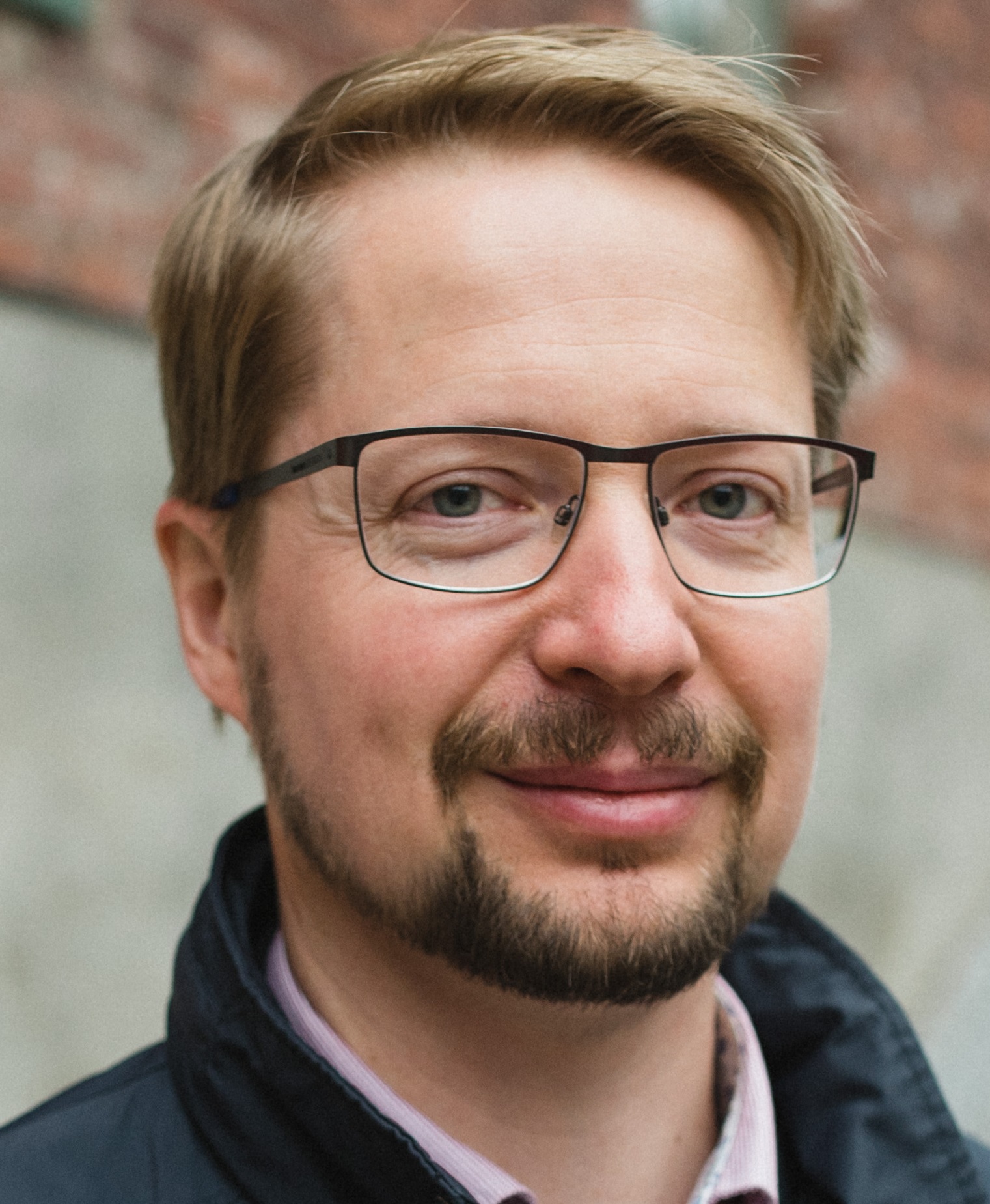
Eelon Mikael Lappalainen serves as a Postdoctoral Researcher within the Department of Civil Engineering at Aalto University's School of Engineering, actively contributing to the Performance in Building Design and Construction research group. His work bridges theoretical frameworks with practical applications in construction project delivery, emphasizing process optimization and digital innovation in the built environment sector. His research spans lean construction methodologies, situational awareness systems, and digital transformation in infrastructure projects, with specific focus areas including Last Planner System implementation, Takt Time production, BIM-based visualization, and decision-making dynamics in building design. He investigates how digital tools enhance work flow management, address design complexity, and empower self-managed construction teams while examining challenges faced by small and medium enterprises in alliance contracting environments. Analysis of his 2024-2025 publications reveals consistent exploration of situational awareness systems across infrastructure projects, with emerging trends in batch sizing for design workflows, real-time visual management, and cognitive aspects of construction decision-making. His work demonstrates strong interdisciplinary collaboration, frequently co-authored with Finnish researchers like Olli Seppänen and Petri Uusitalo, and targets high-impact venues including IGLC conferences and journals such as Buildings and Frontiers in Built Environment. Dr. Lappalainen's scholarly contributions appear primarily in proceedings of the International Group for Lean Construction (IGLC) conferences and peer-reviewed journals focused on construction innovation, with notable publications examining digital situational awareness adoption barriers, empowerment challenges in self-managed teams, and SME competitiveness in alliance contracts. His research methodology combines case studies, user experience analysis, and theoretical framework application to practical construction scenarios. He maintains active involvement in the Performance in Building Design and Construction research group, which focuses on developing and testing performance-enhancing strategies through lean principles, digital tools, and collaborative design approaches. The group's work addresses critical industry challenges including work complexity navigation, real-time project monitoring, and technology adoption in infrastructure construction contexts.