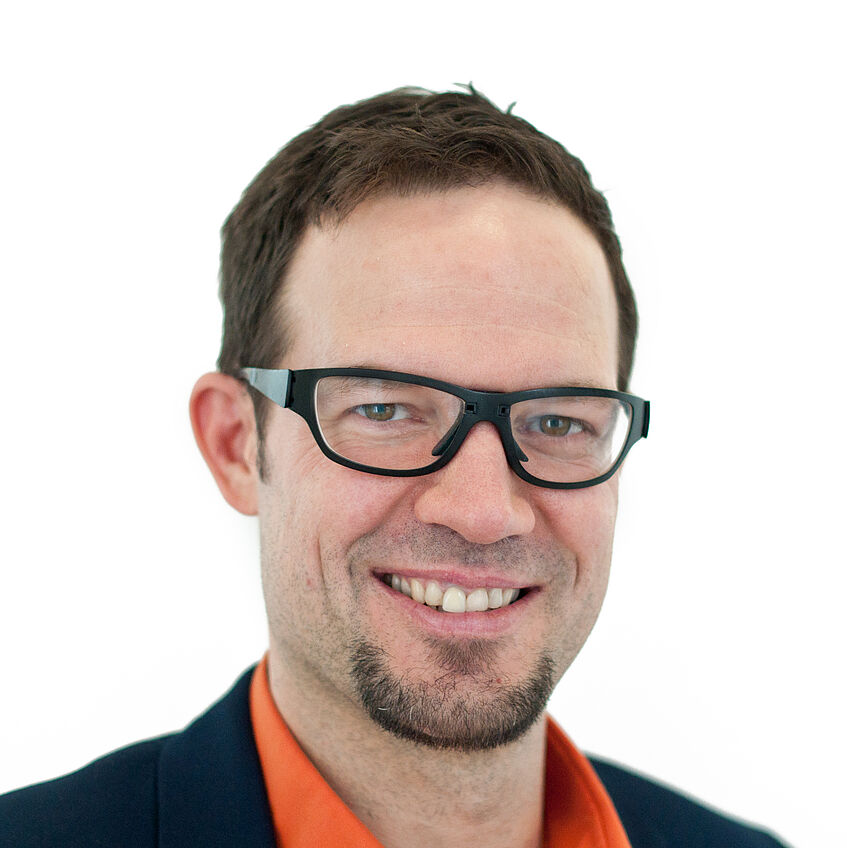
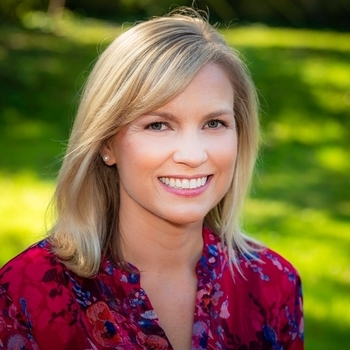
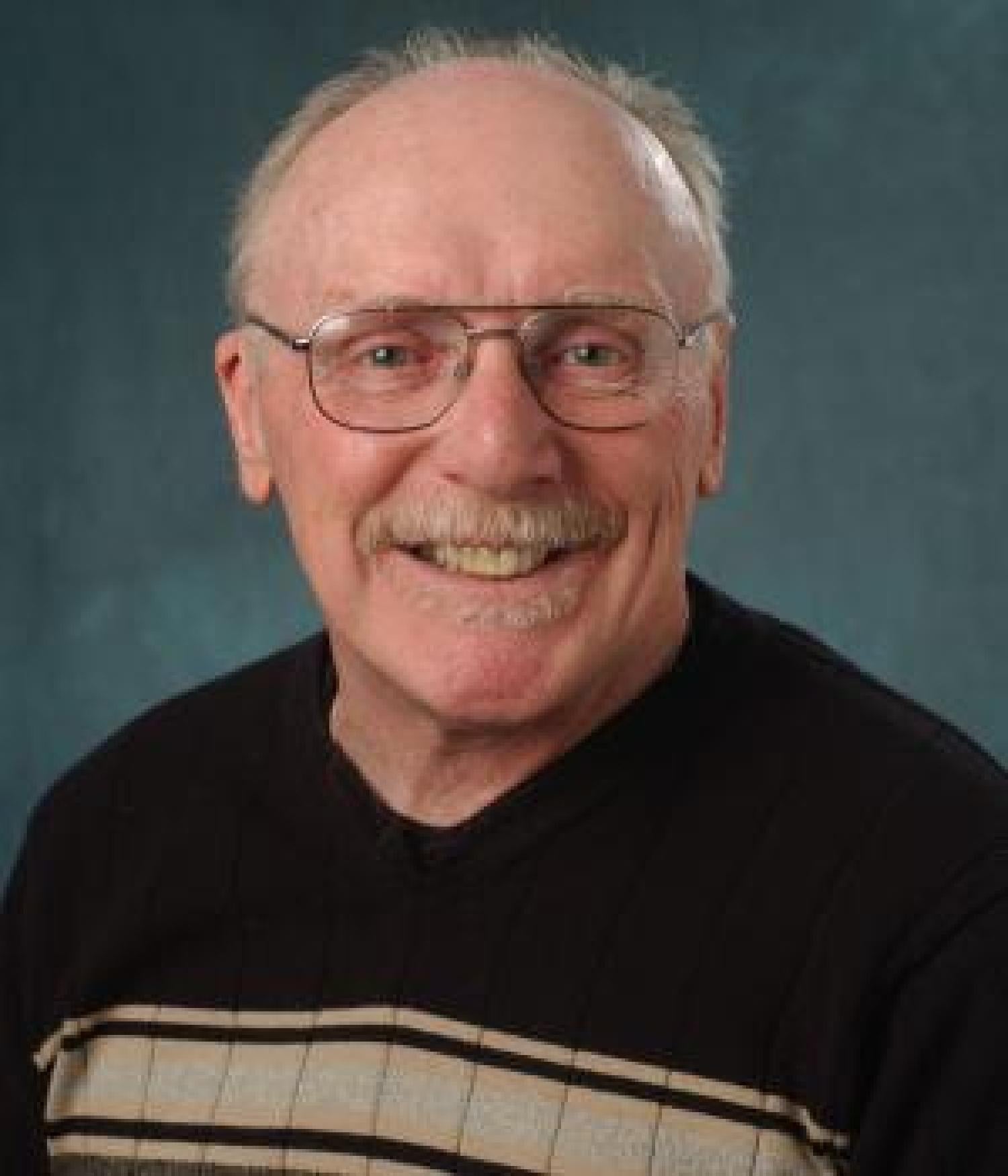
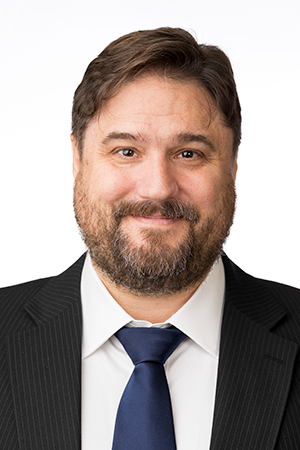
Claus Lamm is a Full Professor of Biological Psychology at the University of Vienna , where he leads the Social, Cognitive and Affective Neuroscience Unit (SCAN-Unit) . He serves as Vice Dean for Research and Advancement of Early Career Researchers at the Faculty of Psychology and holds affiliations with the Vienna Cognitive Science Hub , Environment & Climate Change Hub , and Austrian Academy of Sciences . His academic career spans international collaborations and formative research experience abroad. Scientific Focus: Lamm investigates the neural underpinnings of empathy and prosocial behavior , employing multi-modal approaches combining neuroimaging, psychopharmacology, and psychoneuroendocrinology . His work extends to comparative studies with ravens and dogs, and explores environmental social neuroscience through climate change decision-making research. Recent publications show trends in cross-cultural psychology , machine learning applications , and neurobiological pathways related to social behavior. Awards & Grants: Recipient of the APS Mentor Award for his support of early career researchers. Funded by European Research Council , Austrian Science Fund , Vienna Science and Technology Fund , and intramural grants exceeding €10 million. Key projects include "Unravelling the opioid system in empathy" and "Comparative dog-human fMRI" . Media Engagement: A prominent public science communicator, Lamm has appeared in Nature , Science Magazine , and Austrian media outlets like Ö1 Mittagsjournal and ORF2 , discussing topics from pandemic psychology to social media effects . He maintains active outreach through Science TV and educational programs .
Kelly Arnold is an Associate Professor in the Department of Biomedical Engineering at the University of Michigan. Her research integrates systems engineering principles with immunology to investigate variability in immune responses across infection, vaccination, and injury, with a focus on computational modeling and clinical translation. Research Focus Systems-level immune response modeling Vaccination and antibody functionality Vaginal microbiome-host interactions Chronic lung disease progression Computational serology and proteomics Recent Work Her 2025 studies examine SARS-CoV-2 vaccination responses in cancer patients and computational frameworks for vaginal probiotics. Earlier works (2024-2007) span COPD progression, lupus fibrosis, HIV susceptibility, and tissue engineering for fertility preservation. Methodologies include proteomic profiling, network modeling, and microfluidic systems.
Richard D. Noble is a Research Professor in the Department of Chemistry at the University of Colorado Boulder. His research focuses on advanced membrane technologies for gas and liquid separations, with particular expertise in ionic liquids, liquid crystals, and the application of external fields for selective separations. He maintains an active laboratory in Cristol Chemistry (room 357) and collaborates extensively with Professor Doug Gin on many research projects. Noble received his BE and ME from Stevens Institute of Technology in 1968 and 1969 respectively, followed by a Ph.D. from the University of California, Davis in 1976. His educational background in engineering has provided a strong foundation for his research in chemical engineering and materials science. Professor Noble's research program centers on three interconnected areas. His primary focus is on ionic liquids for gas separations , where he evaluates various ionic liquids and complexation chemistry to tailor material properties to specific feed mixtures. He explores composite polymer/IL structures and incorporation of complexation chemistry and zeolites, and has developed specialized apparatus to measure gas solubility and diffusivity in ionic liquids. This work is conducted in collaboration with Professor Doug Gin. His second research thrust involves the use of external fields for selective separations . Noble studies how electric or light energy can enhance separation processes by changing binding affinity of complexing agents. His notable achievement is an electrochemical pump with no moving parts that produces pressures exceeding 20 atm, with applications in lab-on-a-chip and micro-scale devices. He also develops charged polymer structures for membrane separators with wide temperature and chemical stability. His third major area focuses on liquid crystals organized to form nanostructured polymer network films. These cross-linked stable films are evaluated for nanofiltration applications, particularly in water filtration including treatment of water from fracking operations. This work often intersects with his ionic liquids research, creating composite structures with potential applications in electrochemical pumps. Noble's publication record from 2017-2019 shows consistent focus on membrane technologies for separation processes, with increasing sophistication in membrane design incorporating ionic liquids, liquid crystals, and novel materials like pillar[5]arenes. His work demonstrates a clear trend toward addressing practical industrial challenges, particularly in natural gas purification (CO 2 /CH 4 separation) and environmental applications (treatment of fracking wastewater). His collaborations have produced high-impact work published in top journals including Nature Materials , Journal of Membrane Science , and Angewandte Chemie . Professor Noble has received numerous prestigious awards recognizing his contributions: AIChE Institute Service to Society Award (2005) Alfred T. and Betty E. Look Professor of Chemical Engineering (2005-present) Multiple Outstanding Graduate Teaching Awards from the Chemical Engineering Department (2006-2008) ACS Industrial & Engineering Chemistry Division Fellow (2007) CU Boulder Inventor of the Year (2008) Barrer Lecture at Penn State University (2008) Fellow at the Renewable and Sustainable Energy Institute (2009-2012) Robert L. Stearns Award from CU Alumni Association (2010) Chair d'Excellence Pierre de Fermat at Paul Sabatier University, Toulouse (2010) AIChE Institute Excellence in Industrial Gas Technology Award (2010) And numerous others through 2015 While specific grant details aren't provided, Noble's extensive publication record with multiple co-authors suggests active research mentoring and well-funded projects. His work on sophisticated apparatus and high-quality publications indicates substantial research support. His collaborations, especially with Doug Gin, suggest a strong research group environment focused on membrane science and separation technologies. Professor Noble's research operates at the intersection of chemistry, chemical engineering, and materials science. His laboratory includes facilities for membrane fabrication, gas separation testing, and characterization of novel materials. The development of specialized apparatus for measuring gas properties in ionic liquids suggests dedicated equipment for fundamental property measurements. His work on electrochemical pumps indicates capabilities in microfluidics and device fabrication, with the collaborative nature of his research suggesting a team approach to tackling complex separation challenges.
Prof. Waldemar Kolanus leads the Molecular Immunology and Cell Biology department at the University of Bonn's Life & Medical Sciences Institute (LIMES) . His research bridges immunoregulation , stem cell dynamics , and metabolic stress responses in immune cells. Unit 2 member at LIMES Principal investigator in SFB 704 and ImmunoSensation Cluster Leads a multidisciplinary lab with postdocs, PhD students, and technical staff His work focuses on intracellular signaling pathways connecting immune activation to tissue homeostasis, particularly through: Cytohesin proteins in integrin-mediated adhesion and migration TRIM71 in stem cell regulation and congenital hydrocephalus High-salt environments affecting macrophage function Publication trends show expertise in immune cell migration , genetic models , and chemical inhibition , with frequent use of mice and zebrafish for in vivo studies. Key articles explore: TRIM71's dual role in auditory development and germ cell maintenance Cytohesin family's Golgi regulation and insulin signaling Ruxolitinib's off-target migration inhibition of dendritic cells Contact details: Address: LIMES Institute, Carl-Troll-Straße 31, Bonn Email: kolanus.sekretariat@uni-bonn.de Phone: +49 228 73-62788
Jonathan Santo is a Professor of Psychology at the University of Nebraska at Omaha (UNO), where he serves as Director of the Graduate Developmental Psychology Program and as a faculty member in the Office of Latino/Latin-American Studies. His research explores peer relations, cultural differences in self-esteem, and classroom-level influences on child and adolescent development, with a focus on improving school environments and fostering positive social interactions. ORCA Faculty Fellow His research spans broad areas including Developmental Psychology , Social Support Systems , and Cross-Cultural Peer Dynamics , with specific attention to peer victimization , self-continuity , school climate , and developmental trajectories in Brazilian and Colombian youth . Recent publications analyze topics like hikikomori experiences , friendship security , and HPA axis dysregulation in adolescents. Scientific awards include the ORCA Faculty Fellow recognition. His work often involves longitudinal assessments of peer relationships cross-cultural comparisons (Brazil, Colombia, China, Nigeria, Singapore, U.S.) policy-focused blog posts on family separations and school interventions
Christian P Petersen, PhD is a Professor in the Department of Cell and Developmental Biology at the Weinberg College of Arts and Sciences , Northwestern University Feinberg School of Medicine. His research focuses on molecular mechanisms underlying regeneration in planarians and other organisms. PhD: MIT (2006) Research Interests: Planarian regeneration and tissue patterning Wnt signaling pathway regulation Stem cell biology in regenerative contexts Neurogenesis and injury response Molecular mechanisms of tissue repair Affiliations: Center for Reproductive Science Robert H. Lurie Comprehensive Cancer Center
Suzanne M. Carbotte is a Bruce Heezen Lamont Research Professor at the Lamont-Doherty Earth Observatory (LDEO) and affiliated with the Columbia Climate School . She holds a PhD in Marine Geophysics from the University of California, Santa Barbara (1992), an M.Sc. in Geophysics from Queen's University (1986), and an H.B.Sc. in Geology and Physics from the University of Toronto (1982). Marine and Polar Geophysics Department, LDEO Key focus areas: Mid-ocean ridges, subduction zones, seismic imaging, geoinformatics Research Interests : Carbotte specializes in marine geophysical studies of oceanic crust formation, subduction zone dynamics, and cyberinfrastructure development for geoscience data. Her work integrates seismic reflection, sonar mapping, and geoinformatics tools to analyze crustal evolution, magma chamber processes, and sediment dynamics in regions like the East Pacific Rise, Juan de Fuca Ridge, and Hudson Estuary. Scientific Trends : Recent publications highlight 3D/4D seismic imaging of magmatic-hydrothermal systems, sediment consolidation in subduction zones, and data infrastructure innovations. Key subfields include melt sill dynamics, fault distribution in oceanic plates, and mantle temperature gradients. Scientific Awards 2015 AGU Fellow 2010 Ridge2000 Distinguished Lecturer 2008 Birch Lectureship & UCSB Distinguished Alumni Award 2007 Bruce C. Heezen Research Chair 1982 Governor General's Silver Medal Grants & Projects : Her career spans funding for initiatives like the Rolling Deck to Repository (R2R) program, EarthCube Building Blocks , and Integrated Earth Data Applications (IEDA) . She has led 16 marine expeditions, emphasizing seismic studies from ridge to trench.
Yukiko Gotoh is a Professor at the Department of Pharmaceutical Sciences, Graduate School of Pharmaceutical Sciences, The University of Tokyo. She serves as the Deputy Director and Principal Investigator at the International Research Center for Neurointelligence (IRCN). Her research focuses on understanding the mechanisms that regulate neural stem/progenitor cell fate during embryonic brain development and in the adult brain. Dr. Gotoh's research interests include: Genetic and epigenetic regulation of neural stem/progenitor cell fate Neuronal maturation processes Genesis and maintenance of adult neural stem cells Relevance of neural stem/progenitor cell dysregulation in neurodevelopmental disorders such as autism spectrum disorders Investigation of mechanisms regulating neural stem-progenitor cell fate during neocortical development Genetic and epigenetic regulation of neuronal activation Analysis of Dr. Gotoh's recent publications reveals a strong focus on neural stem cell biology, epigenetic regulation, and neurodevelopmental disorders. Her work demonstrates how chromatin modifiers like Polycomb group proteins and HMGA proteins regulate neural stem cell fate decisions during brain development. A significant portion of her research explores the embryonic origins of adult neural stem cells and how dysregulation of these processes contributes to conditions like autism spectrum disorders and schizophrenia. Her laboratory also investigates the basic mechanisms of cellular responses to viral infection in the brain and their relevance to neurodevelopmental disorders. Dr. Gotoh has made significant contributions to understanding: The role of Polycomb group proteins in neural development How chromatin modifiers regulate neurogenic potential Cell cycle regulation in neural stem cells The PDK1-Akt pathway in neuronal migration Layer-specific heterogeneity of astrocytes Mechanisms underlying schizophrenia-related abnormalities Dr. Gotoh's laboratory conducts research on multiple fronts related to neural development and stem cell biology. Her team investigates: Mechanisms regulating neural stem-progenitor cell fate during neocortical development Genetic and epigenetic regulation of neuronal activation The embryonic origin of adult neural stem cells Dysregulation of neural stem-progenitor cell and neuronal fate in neurodevelopmental disorders Innate immune responses in the brain
Océane Martin is a Lecturer in Clinical Microbiology at the University of Bordeaux, where she conducts her research at the Institute of Cellular Biochemistry and Genetics, a joint unit of CNRS and the university. Her work bridges clinical microbiology, oncology, and nutritional sciences. Research Interests: Océane Martin specializes in the role of the microbiota in cancer development, particularly focusing on: Links between processed meat consumption, nitrites/nitrates, and colorectal cancer. The role of pathogenic bacteria like Helicobacter pylori and Salmonella in gastric and colorectal cancers. The gut-brain axis in glioblastoma, including how the microbiota influences tumor progression and therapeutic resistance through the GLIOBIOTA project. Intratumoral microbiota in brain tumors and their functional implications. Publication Trends: Her recent publications reflect a strong focus on bacterial genotoxins, DNA damage responses, host immune modulation, and dietary factors in carcinogenesis. Her work integrates molecular microbiology with immunology and cancer biology, often using in vivo models to study host-pathogen dynamics. Scientific Contributions: Member of ANSES working group (2020–2022) on nitrite salts in food. Invited expert at the French National Assembly on nitrite-related health risks. Regular contributor to public science communication via The Conversation and national media. Advising and Grants: While no formal students are listed, her leadership in the GLIOBIOTA project suggests active mentorship and grant-funded research. Her involvement in national expert panels and interdisciplinary projects indicates sustained funding and collaborative research networks. Labs and Teams: She conducts research at the Institute of Cellular Biochemistry and Genetics (University of Bordeaux / CNRS), contributing to teams focused on infection biology, microbiota, and cancer. Her work aligns with translational research initiatives linking diet, microbiology, and oncology.
Dr. Timur Alexander Yorgan is a prominent researcher at the Department of Osteology and Biomechanics at University Medical Center Hamburg-Eppendorf (UKE). Holding a Dr. rer. nat. degree, he has established himself as a leading figure in bone biology with over 60 publications spanning from 2013 to 2025. His research is deeply integrated with key institutional research areas including the Hamburg Center of Neuroscience and immunology research networks at UKE. Dr. Yorgan's research focuses on skeletal development, bone remodeling, and genetic bone disorders, with particular emphasis on Wnt signaling pathways and their role in bone homeostasis. His work spans multiple approaches from molecular genetics to translational studies, investigating osteoblast and osteocyte biology, genetic mechanisms underlying disorders like osteogenesis imperfecta, and the effects of various mutations on skeletal integrity. Recent research has expanded into the gut-bone axis, mechanobiology of bone cells, and neuro-immune interactions affecting bone metabolism. Analysis of Dr. Yorgan's publication record reveals a consistent trajectory of high-impact research in bone biology. His work increasingly explores interdisciplinary connections between bone metabolism and other physiological systems, with growing emphasis on translational approaches for therapeutic interventions. The research demonstrates sophisticated use of mouse models and molecular techniques to unravel complex bone disorders and identify potential treatment targets. Dr. Yorgan appears to be actively involved in collaborative research across multiple institutions, as evidenced by his extensive publication record with numerous co-authors from various departments and institutions. His work is frequently published in high-impact journals including Journal of Bone and Mineral Research, Nature Communications, and Bone Research. The Department of Osteology and Biomechanics at UKE, where Dr. Yorgan is based, is part of a vibrant research ecosystem that includes the Hamburg Center of Neuroscience and other key research networks focusing on immunology, oncology, and cardiovascular research. This collaborative environment enables interdisciplinary approaches to understanding skeletal disorders and developing novel therapeutic strategies.
Bridget Goosby is a Professor of Sociology at the University of Texas at Austin, affiliated with the College of Liberal Arts and serving as co-director of the LifeHD Health Disparities Research Lab with Dr. Jacob Cheadle. Her work bridges biosociology and health disparities research, focusing on how social marginalization and racism manifest in biological pathways affecting health outcomes. Education : Ph.D. from Pennsylvania State University Contact : bgoosby@prc.utexas.edu Her research integrates biometric and mixed-methods approaches to examine: Dynamic biosocial pathways linking racism to health risks Sympathetic arousal responses in natural settings Epigenetic profiles associated with socioeconomic and racial disparities Recent projects include a Spencer Foundation-funded national study on Black women faculty's health and professional navigation. Prior research has been supported by the National Institute of Child Health and Human Development (NICHD). Scientific recognition includes lifetime membership in AAAS for her contributions to understanding discrimination's biosocial health impacts. Her work appears in journals like Proceedings of the National Academy of Sciences and Annual Review of Sociology . She teaches undergraduate courses on Race, Ethnicity, and Health (UGS 302) across multiple semesters, emphasizing experiential learning through synchronous and asynchronous formats.
Ehud Gazit is a distinguished Professor in the Department of Molecular Microbiology and Biotechnology at Tel Aviv University's Faculty of Life Sciences. He holds the Chair for Nano-Biology and serves as Vice President for Research and Development at Tel Aviv University. Professor Gazit has held numerous prestigious visiting appointments including at Umeå University, Fudan University, and Cambridge University. His academic journey began with a B.Sc. (summa cum laude) from Tel Aviv University's Special University Program for Outstanding Students in 1991, followed by a Ph.D. (with distinction) from the Weizmann Institute of Science in 1997, and postdoctoral training at MIT from 1997-2000. Professor Gazit's research focuses on molecular structure and self-assembly at the nano-scale, particularly examining protein folding, unfolding, and misfolding phenomena. His laboratory investigates the mechanisms and significance of protein unfolding and misfolding, with experimental systems including bacterial toxin-antidote systems, type II diabetes-related amyloidogenic proteins, and the VHL tumor suppressor protein. His work bridges fundamental biochemistry with nanotechnology applications, exploring how molecular self-assembly can be harnessed for technological innovation. His recent publications demonstrate a strong trajectory in peptide-based nanomaterials, with particular emphasis on amyloid formation mechanisms, peptide self-assembly for functional materials, and therapeutic applications targeting neurodegenerative diseases. His work spans multiple disciplines including biochemistry, nanotechnology, materials science, and biomedical engineering, showing increasing integration of fundamental research with practical applications. Professor Gazit has received numerous prestigious awards including: 2020 Landau Prize in Sciences and Arts in the Field of Healthy Aging 2019 Rappaport Prize for Excellence in Biomedical Research 2018 Foreign Fellow of the National Academy of Sciences, India 2016 ERC Advanced Grant from the European Research Council 2015 Elected Member of the European Molecular Biology Organization (EMBO) Professor Gazit has been actively involved in mentoring students and researchers, as evidenced by his extensive publication record with numerous collaborators. He has secured significant research funding including an ERC Advanced Grant. His professional activities include editorial board memberships for journals including Journal of Peptide Science, Nanoscience & Nanotechnology - Asia, and Amyloid. He previously served as Chief Scientist of the Ministry of Science and Technology (2012-2014). His laboratory has developed innovative approaches to studying molecular self-assembly, with particular expertise in peptide nanostructures. The research team has made significant contributions to understanding amyloid formation mechanisms while simultaneously developing novel biomaterials with applications ranging from electronics to medicine. They have established strong collaborations with research groups worldwide, creating a dynamic interdisciplinary research environment focused on the intersection of biology and nanotechnology.
Eskandar Sadeghi-Boroujerdi is a Senior Lecturer in the History of the Middle East at the University of York and Fellow of the Royal Historical Society. His interdisciplinary research examines revolutionary movements, intellectual history, and decolonization processes in modern Iran and the broader Middle East. His scholarship explores the intersections of international political theory, postcolonial studies, and global Cold War dynamics. Major works include the monograph 'Revolution and its Discontents: Political Thought and Reform in Iran' (Cambridge University Press, 2019) and the edited volume 'Political Parties in the Middle East' (Routledge, 2019). Current research projects include studies on Iranian thinker Jalal Al-e Ahmad, diplomatic cultures of revolutionary states, and strategies of Global South actors in multilateral institutions. He supervises PhD candidate Kimia Talebi researching political activism of Middle Eastern migrants in Britain. Dr. Sadeghi-Boroujerdi previously taught at Goldsmiths, University of London, and held a British Academy Postdoctoral Fellowship at the University of Oxford.
Karen Mulleners is an Associate Professor at the École polytechnique fédérale de Lausanne (EPFL), affiliated with the School of Engineering (STI), the Institute of Mechanical Engineering (IGM), and the UNFOLD Laboratory (Laboratoire de diagnostic des écoulements instationnaires). She also serves in the SGM-ENS teaching department and is a member of the EDEY-GE doctoral program commission. Her research focuses on experimental fluid dynamics, particularly unsteady flow phenomena and vortex dynamics. Professor Mulleners specializes in the intersection of fluid dynamics and bio-inspired engineering, with research interests including: Unsteady vortex-dominated flow phenomena Fluid-structure interaction in flexible systems Experimental methods for flow visualization and measurement Application of fluid dynamics principles to bio-inspired robotics Aerodynamic performance optimization of wind turbine systems Vortex dynamics in flapping and rotating wing systems Her recent publications (2022-2025) demonstrate a strong experimental focus on understanding complex fluid phenomena, particularly in bio-inspired robotics and renewable energy applications. Mulleners' work consistently addresses fundamental questions about vortex formation, flow control, and fluid-structure interactions, with significant contributions to understanding dynamic stall in wind turbines and undulatory swimming mechanics. Her research group employs advanced diagnostic techniques to study unsteady flows, often bridging engineering and biological principles. Professor Mulleners actively supervises PhD students and has directed multiple EPFL theses. Her teaching responsibilities include courses on Measurement Techniques and Aerodynamics, where she imparts knowledge on experimental methods for observing and measuring physical variables such as force, resistance, temperature, flow velocity, and structural deformation. The UNFOLD Laboratory, which Professor Mulleners leads, focuses on diagnostic techniques for unsteady flow phenomena, employing advanced experimental methods including flow visualization, particle image velocimetry, and force measurement systems to study complex fluid dynamics problems with applications in renewable energy and bio-inspired engineering.
Bauyrzhan Primkulov is an Assistant Professor of Mechanical Engineering at Yale University. His research focuses on interfacial fluid dynamics and soft matter physics, with emphasis on fluid-fluid displacement in disordered environments and hydrodynamic pilot-wave theory. He holds a Ph.D. from MIT (2022) and B.Sc./M.Sc. from the University of Alberta. Primkulov's work bridges theoretical and experimental approaches to address energy and environmental challenges. His team investigates phenomena such as capillary flow dynamics in porous media, wettability effects on displacement patterns, and pilot-wave systems that mimic quantum behaviors. Key contributions include advancing Lenormand's phase diagram for multiphase flows and studying avalanches in imbibition processes. Recipient of InterPore PoreLab Award (2024) and MIT's CEE Best Doctoral Thesis (2022) Expertise spans experimental hydrodynamics, multiphase flow modeling, and granular media mechanics Active in developing novel methods like photoporomechanics to visualize stress fields in fluid-filled granular systems His recent studies explore crossover dynamics between stick-slip and steady sliding regimes in viscous slugs, as well as confinement effects in pilot-wave hydrodynamics. Primkulov collaborates across disciplines to translate fundamental fluid mechanics insights into practical solutions for energy storage and environmental systems.