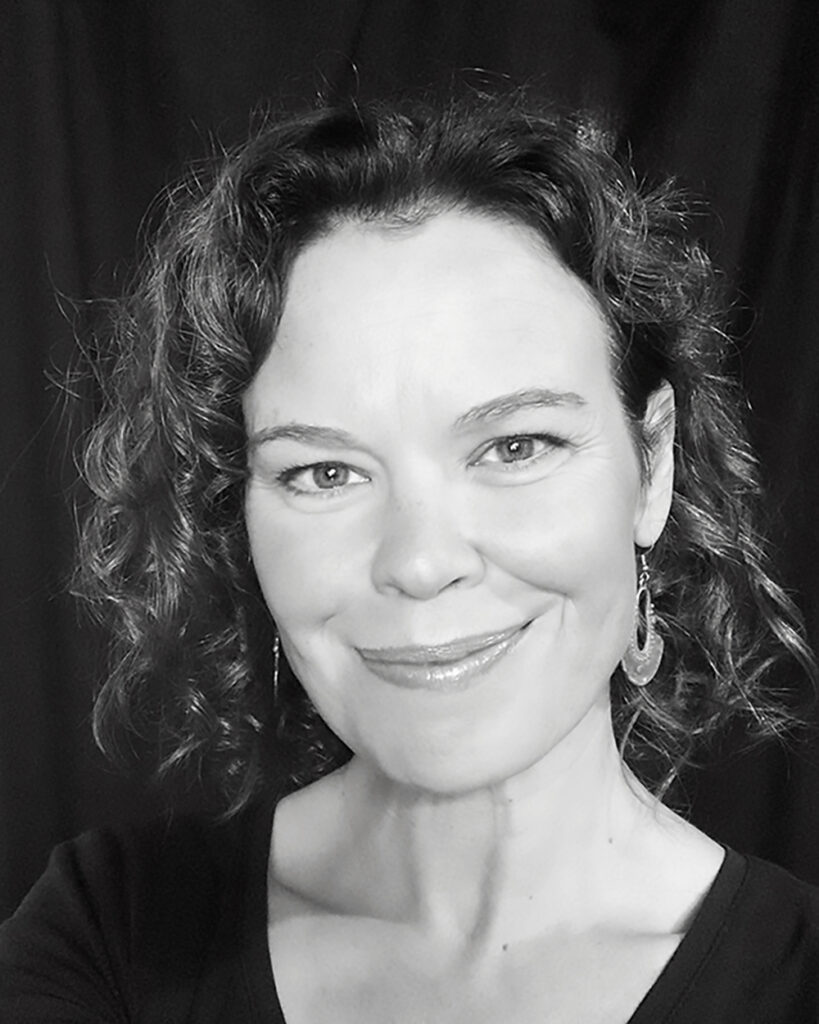
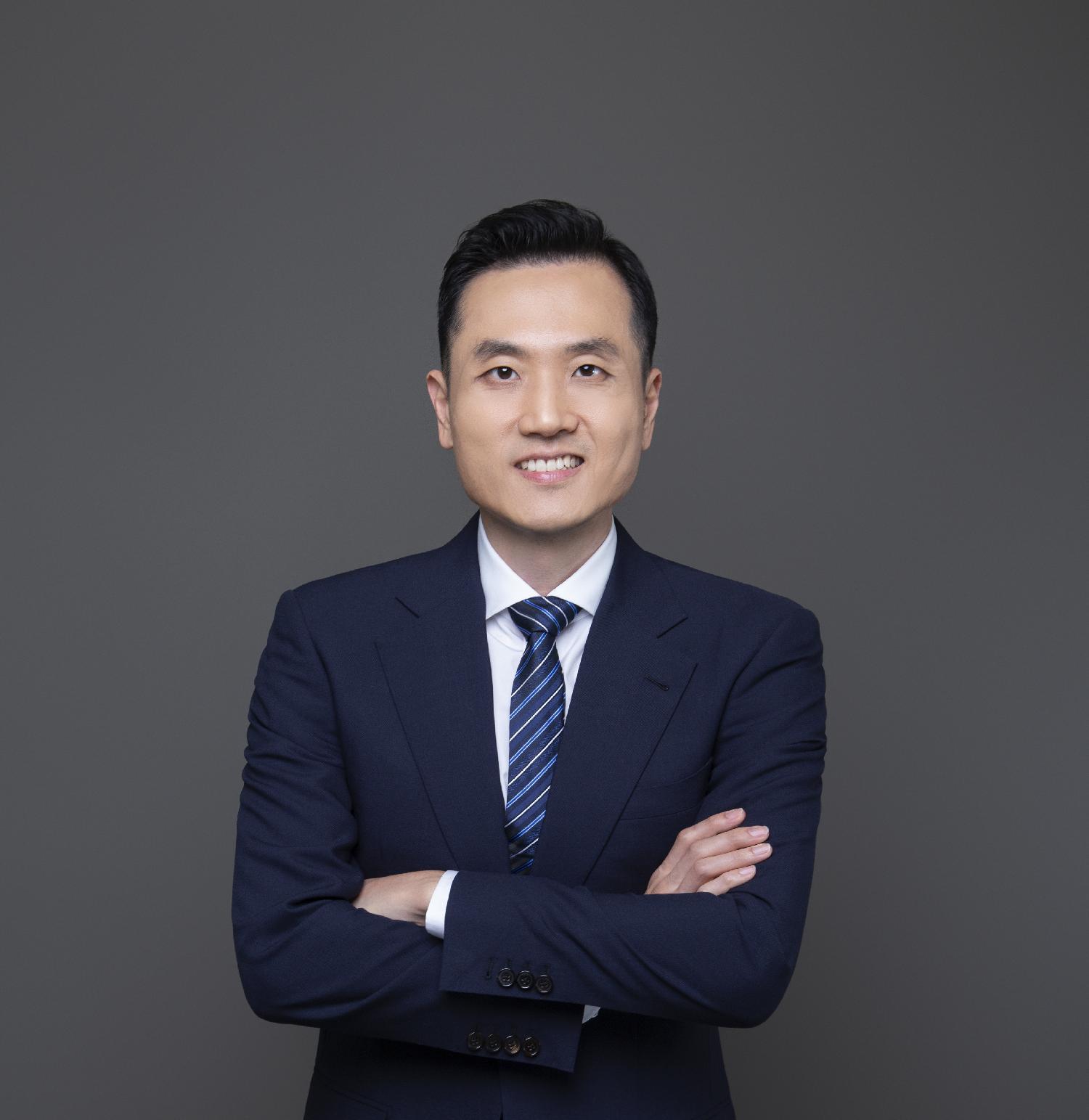
Jennifer Gregg is a Professor in the Department of Psychology at San Jose State University's College of Social Sciences. Her research focuses on avoidance mechanisms in psychological disorders, particularly related to fear of death, end-of-life experiences, and grief. She explores how these avoidance behaviors intersect with coping strategies during global crises like pandemics, emphasizing their impact on meaningful living. Her work is inspired by collaborations with international research assistants, resilient students overcoming educational barriers, and patients sharing their end-of-life journeys. Contact: jennifer.gregg@sjsu.edu
Dr. Matthew Baldock is a Senior Research Fellow at the University of Adelaide , affiliated with the Faculty of Sciences, Engineering and Technology and the Centre for Automotive Safety Research . With 20 years in road safety research, his work spans in-depth crash investigation, impaired driving, motorcycle safety, and driver distraction. Education : PhD in "Self regulation of the driving behaviour of older drivers" (2004), University of Adelaide. Research Interests : - Road Safety : Medical conditions in crashes, age-related driver/pedestrian risks. - Crash Analysis : In-depth investigations, forensic trauma studies. - Policy Development : Graduated licensing systems, traffic penalties, and infrastructure design. Article Trends : His recent publications focus on medical conditions in crashes, motorcycle safety innovations, pedestrian protection, and forensic biomechanics. Key methodologies include epidemiological analysis and collision dynamics evaluation. Supervision : Eligible to supervise Masters and PhD candidates in road safety disciplines.
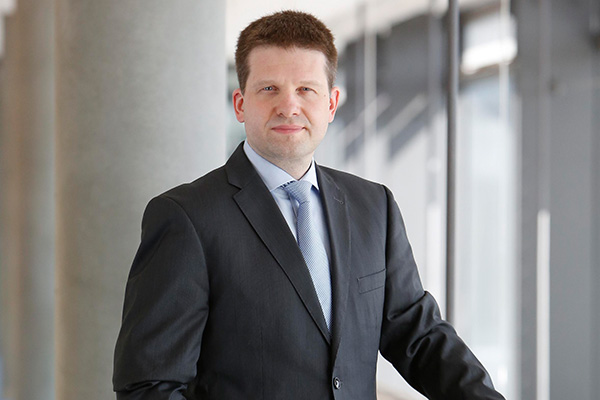
Tobias Bach is a Professor at the Department of Political Science , University of Oslo, and Deputy Director of the institute since 2024. He leads the research group Politikk, byråkrati og organisasjon and is involved in projects like KODEM (a national data infrastructure for social scientists) and Comparative Research on the Executive Triangle in Europe (CoREx) . His work bridges academic research with public policy implementation. Education: PhD in Political Science (Dr. rer. pol.) from University of Potsdam (2013). Research Interests: Tobias Bach’s research focuses on the interplay between political control and bureaucratic autonomy, meritocratic vs. politicized appointments, organizational change in government, and public trust in regulatory agencies. His comparative approach spans Norway, Germany, and other European countries, often utilizing survey experiments and longitudinal analyses. Scientific Awards: Fellow at the Hertie School (2015). Circle U. Chair of Democracy (2021-2023). Lead role in establishing KODEM, a national data infrastructure for social scientists (2024). Selected Publications: His recent work examines the functional politicization of civil services, the competence and responsiveness of bureaucrats, and how organizational changes affect civil servant proactivity. These studies often involve cross-national collaborations and experimental designs. Grants & Collaborations: Bach has secured significant grants for infrastructure development (KODEM) and participates in networks like The Blind Spots of Public Bureaucracy and Norsk Forvaltningspanel , which enable experimental and comparative analyses of public administration.
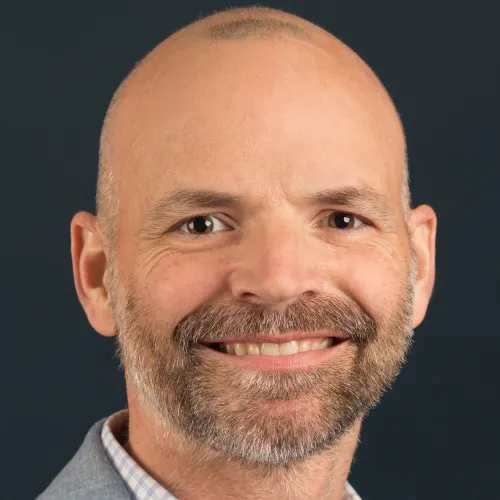
Prof. Dr. Frank Hechtner is a Professor of Business Taxation at Friedrich-Alexander University Erlangen-Nuremberg (FAU) , where he has held the chair since 2020. He previously held academic positions at the Free University of Berlin, including a junior professorship (2012-2017) and research assistant roles (2005-2010). His research focuses on tax impact analysis , economic analysis of tax law , tax compliance costs , and tax complexity . Current affiliation: FAU Erlangen-Nuremberg Previous: Free University Berlin Education: Ruhr University Bochum economics graduate Research Interests: Tax policy economic analysis Compliance cost measurement Gender equality in taxation Sustainability tax disclosures Digitalization in tax research Corporate tax avoidance deterrence Article Trends: Recent work combines tax economics , compliance behavior , and digital tax research , with notable studies on the 'Tampon Tax' , Digital Services Taxes , and AI applications for tax analysis . Publications appear in journals like European Economic Review , Public Finance Review , and Steuer und Wirtschaft . Collaborations: Frequently collaborates with researchers like Prof. Dr. Michael Fochmann, Prof. Dr. Christiane Nickel, and institutions including the German Federal Ministry of Finance.
Tomu Otsuki is a Professor at the School of Human Sciences, Waseda University, holding a PhD in Clinical Psychology from Hiroshima International University. His academic career spans clinical psychology, counseling science, and behavioral analysis, with a strong emphasis on contextual behavioral science approaches. He maintains active research collaborations across Japan and internationally, particularly in school-based mental health interventions. Dr. Otsuki's research interests center on Acceptance and Commitment Therapy (ACT), Relational Frame Theory (RFT), psychological flexibility models, and their applications in educational and clinical settings. His work bridges theoretical behavioral psychology with practical applications for mental health promotion, particularly among children and adolescents. Recent research has focused on developing culturally adapted ACT interventions for Japanese school settings, examining teacher behavioral support skills, and investigating psychological flexibility as a mediator of mental health outcomes. His publication record demonstrates a clear progression from foundational research on Relational Frame Theory toward applied interventions in educational contexts. Recent articles show a strong emphasis on developing culturally relevant assessment tools (like Japanese versions of ACT questionnaires) and implementing school-based ACT interventions. His work increasingly incorporates longitudinal designs to examine causal pathways between psychological flexibility and mental health outcomes. Japanese Association of Cognitive and Behavioral Therapy Uchiyama Memorial Award (2017.09) Japanese Association of Behavior Therapy Uchiyama Memorial Award (November 2007) Dr. Otsuki has mentored numerous students who have become active researchers in contextual behavioral science, particularly Kenichiro Ishizu and Yoshiyuki Shimoda who frequently appear as first authors on collaborative projects. His research has been supported by various Japanese funding bodies focusing on educational psychology and mental health promotion in schools. He has been instrumental in developing training programs for teachers in behavioral support and psychological flexibility concepts. He leads the Ohtsuki Lab (https://www.ohtsuki-lab.info/), which functions as a hub for contextual behavioral science research in Japan. The lab collaborates with schools, clinical settings, and international research groups to advance both theoretical understanding and practical applications of ACT and RFT. Recent initiatives include digital mental health interventions for teachers and students, reflecting the lab's commitment to innovative delivery methods for evidence-based psychological approaches.
Yukio Gunji is a Professor at Waseda University's School of Fundamental Science and Engineering since 2014, with prior 27-year tenure at Kobe University. Holding a Ph.D. in Science from Tohoku University, he bridges Cognitive Science Quantum Logic Bio-inspired Computing Swarm Dynamics through interdisciplinary research. His work reveals quantum-like cognitive structures via Orthomodular lattices from rough set analysis Inverse Bayesian inference systems Asynchronous cellular automata models explaining phenomena like free will paradoxes , virtual agent persuasion , and Physarum plasmodium decision-making . Analysis of 15 recent articles shows strong focus on Lévy walk patterns in ants and fish schools, self-avoiding walk algorithms , and nonlocal cognitive models . Key contributions include Developing Extended Bayesian Inference frameworks Formalizing trilemma structures in consciousness studies Creating heterarchical market models with critical behavior while his Virtual Hand experiments challenge ownership perception boundaries through squeeze machine studies.
Jeong-Bon Kim is a Distinguished Professor at Simon Fraser University, specializing in accounting, auditing, and corporate finance. His research examines stock price crash risk, accounting conservatism, tax avoidance, audit quality, and international financial reporting standards. With over 100 scholarly publications, he ranks among the top SSRN authors globally. Research Focus: Kim's work integrates accounting transparency with market outcomes, exploring how disclosure quality, corporate governance, and regulatory frameworks influence financial stability. Key themes include: Mechanisms driving stock price crashes (e.g., bad news hoarding, managerial overconfidence) Tax avoidance strategies and their impact on firm risk Audit quality determinants (e.g., office size, geographic proximity) IFRS/XBRL adoption effects on information asymmetry Recent Trends: His latest articles analyze climate risk disclosure, fintech applications (social media, XBRL), supply-chain information flows, and banking sector consolidation. Methodologically, he employs natural experiments, international datasets, and advanced econometrics to identify causal relationships.
Matthew Lease is a Professor at the School of Information, University of Texas at Austin, where he serves as Director of Doctoral Studies and Assistant Graduate Advisor. He is a Distinguished Member of the Association for Computing Machinery (ACM), a Senior Member of the Association for the Advancement of Artificial Intelligence (AAAI), and an Amazon Scholar. Lease co-directs the $20M NSF-Simons AI Institute for Cosmic Origins (CosmicAI) and is a faculty founder and leader of UT's Good Systems, an eight-year, $20M university-wide Grand Challenge aimed at designing responsible AI technologies. In 2023-2024, he was invited four times to address the Texas Legislature on responsible AI. Ph.D. Computer Science, Brown University, 2010 M.Sc. Computer Science, Brown University, 2004 B.Sc. Computer Science, University of Washington, 1999 Lease directs the UT Austin Laboratory for Artificial Intelligence and Human-Centered Computing (AI&HCC), where his research spans artificial intelligence modeling and human-computer interaction design. His work focuses on creating novel datasets, building AI models, and evaluating both model performance and their impact on end-users. When automated AI falls short, his team designs human-in-the-loop approaches, leveraging AI model explanations and creative user interfaces. To promote fair AI, they focus on better annotation techniques to avoid bias and develop modeling strategies to mitigate dataset biases. Their work tackles real-world problems as part of UT Austin's Good Systems Grand Challenge, with an ongoing emphasis on content moderation—exploring automated, human-in-the-loop, and human-safe practices to combat disinformation, hate speech, and online polarization. Lease's recent publications (2021-2024) demonstrate a strong focus on human-centered AI, particularly in the areas of fair and explainable AI, content moderation, fact-checking, and crowdsourcing. His research integrates technical AI development with human factors considerations, emphasizing the importance of designing AI systems that work effectively with human users. The publications reveal a consistent theme of addressing bias in AI systems, improving human-AI collaboration, and developing methods to ensure the ethical deployment of AI technologies in sensitive domains like content moderation and misinformation detection. His work shows progression from foundational techniques in crowdsourcing and human computation toward more sophisticated approaches that consider psychological impacts and ethical implications. 2024 Test of Time Paper Award, AAAI Conference on Human Computation and Crowdsourcing (HCOMP) 2024 Most Influential Paper Award, IEEE/ACM International Conference on Automated Software Engineering (ASE) 2024 Best Paper Honorable Mention, ACM Conference on Computer Supported Cooperative Work (CSCW) 2022 Best Student Paper, Conference on Information Systems and Technology (CIST) 2020 Conference Award Track, Journal of Artificial Intelligence Research (JAIR) 2019 Best Student Paper, European Conference for Information Retrieval (ECIR) Early Career awards from DARPA, NSF, and IMLS Lease has secured significant funding for his research, including the $20M NSF-Simons AI Institute for Cosmic Origins and the $20M Good Systems Grand Challenge. His lab, AI&HCC, has developed numerous tools and methodologies for human-AI collaboration, particularly in the context of content moderation and fact-checking. He has advised numerous students who have gone on to publish in top-tier conferences and journals in AI, HCI, and NLP. Lease actively collaborates with industry partners including Amazon, where he serves as an Amazon Scholar, and has served on advisory boards for JASIS&T, Texas Advanced Computing Center (TACC), and UT Austin-Amazon Science Hub. His research has led to practical tools like SQUARE for aggregating crowd responses and methods for transparent AI evaluation. Lease leads the UT Austin Laboratory for Artificial Intelligence and Human-Centered Computing (AI&HCC), which has developed innovative approaches to human-AI collaboration. The lab's work on content moderation addresses critical challenges in online safety, including the psychological well-being of content moderators who face traumatic material. Their research on fair and explainable AI has produced methods for detecting toxic speech while maintaining accuracy across demographic groups. The lab actively collaborates with fact-checking organizations through co-design processes to create tools that meet real-world needs. As part of UT Austin's Good Systems initiative, the lab is developing AI technologies that prioritize human values and social responsibility from the outset of the design process.
NA Ke serves as Associate Professor of Accounting at Cheung Kong Graduate School of Business (CKGSB), conducting influential research at the intersection of accounting, finance, and economics with emphasis on executive compensation systems, financial reporting standards, and corporate tax strategies. His scholarly contributions appear in premier journals including Management Science and Journal of Financial Economics. His academic credentials include: PhD in Accounting, University of Rochester Dr. Ke's research program systematically investigates how corporate governance frameworks, political environments, and labor market dynamics shape financial decision-making. He examines executive incentive structures through tax policy lenses, analyzes state intervention effects on corporate taxation, and explores audit quality determinants using human capital theory - consistently employing rigorous empirical methods and natural experiments. His publication trajectory reveals increasing focus on cross-disciplinary connections between tax policy and executive compensation, political economy influences on corporate reporting, and labor market dynamics within professional service firms. Recent work demonstrates sophisticated integration of institutional theory with econometric analysis to address real-world accounting puzzles. Key recognitions include: Best Paper Award, 2018 Annual Symposium of China Journal of Accounting Research 2018 Best Paper Award Semi-finalist, Financial Management Association Doctor Fellowship, University of Rochester (2009-2014) Dr. Ke maintains an active research agenda supported by competitive grants, demonstrating sustained scholarly productivity. His mentorship likely extends to graduate students through CKGSB's doctoral programs, though specific advisees aren't listed in available materials. Research funding: General Research Fund (HK$490,966), 2019-2021 General Research Fund (HK$244,800), 2018-2020 Early Career Scheme (HK$228,614), 2015-2017 While dedicated laboratory facilities aren't specified, his extensive co-authorship network spanning University of California Irvine, Hong Kong University of Science and Technology, and other global institutions indicates robust collaborative research infrastructure. His work contributes significantly to accounting academia through conference presentations and editorial engagements.
Daniel Howard Weissman serves as Professor of Psychology in the College of Literature, Science, and the Arts at the University of Michigan, with additional affiliation as Faculty Associate at the Research Center for Group Dynamics within the Institute for Social Research. His research centers on psychological mechanisms of attention and cognitive control, specifically investigating distraction minimization, cross-modal attention allocation, avoidance of attentional capture by salient stimuli, task-switching during multi-tasking, and statistical learning of environmental regularities. A core focus examines adaptive control—how recent experiences shape behavioral adjustments—as demonstrated through Stroop task paradigms showing reduced distraction after overcoming interference and during high-distraction blocks. Analysis of his 2019-2025 publications reveals concentrated investigation of conflict tasks (particularly prime-probe paradigms), congruency sequence effects, and proportion congruency phenomena. His work consistently explores dual-timescale adaptive control mechanisms spanning immediate trial-by-trial adjustments to longer block-wide adaptations, emphasizing episodic memory's role and examining neural correlates in aging and trauma contexts. Dr. Weissman maintains active laboratory research at the Research Center for Group Dynamics, employing cognitive psychology methodologies to dissect attentional and executive control systems through experimental paradigms measuring behavioral and neural responses.
Katie DeCicco-Skinner is a Professor in the Biology Department at American University's College of Arts and Sciences, where she leads the DeCicco-Skinner Cancer Biology Lab. Her research focuses on molecular mechanisms of cancer development with particular emphasis on tumor microenvironment interactions. She has secured substantial research funding including multiple NIH R15 grants, NASA Space Grants, and American University Mellon Grants through 2025. Her research program spans two primary areas: (1) investigating the tumor suppressor role of Tpl2 in squamous cell carcinoma development, and (2) examining how obesity contributes to multiple myeloma progression through adipocyte-tumor interactions. Her laboratory employs a range of molecular, cellular, and in vivo approaches to understand the signaling pathways involved in cancer initiation and progression. Analysis of her recent publications (2022-2024) reveals a continued focus on Tpl2 signaling in skin cancer and obesity-related mechanisms in multiple myeloma, with expanding research into HIV-1 maturation processes and angiogenesis. Her work bridges basic molecular mechanisms with potential therapeutic applications, particularly in understanding drug resistance mechanisms. Scientific Awards and Recognition: While specific awards aren't listed in the provided information, Dr. DeCicco-Skinner has received significant research funding including: American University Mellon Grant (2008, 2012, 2013, 2022, 2023, 2025) Faculty Research Support Grant (2011, 2015, 2017) NIH R15 grant (2R15CA152907-02 2015-2019) DC NASA Space Grant 2019 Dr. DeCicco-Skinner has mentored numerous undergraduate and graduate students, with over 50 student co-authors identified in her publication record. Her laboratory operates as an inclusive community of undergraduate, postbaccalaureate, and graduate students working collaboratively on cancer research. She has also contributed to media discussions about cancer research, including interviews with Washington Post, Doctor Radio/SiriusXM, and Science Daily.
Emmanuel Saez is a Professor of Economics at the University of California, Berkeley, specializing in public economics, tax policy, and income inequality research. His work has established him as one of the world's leading experts on economic inequality and optimal taxation. Saez's research focuses on measuring and understanding the distribution of income and wealth, particularly at the top of the distribution. He is renowned for developing Distributional National Accounts, which integrate tax, survey, and national accounts data to provide comprehensive insights into how economic growth is distributed across different income groups. His work with Thomas Piketty has produced groundbreaking analyses of long-term trends in income and wealth concentration. His recent publications reveal a consistent focus on wealth inequality measurement, tax policy effects on distribution, and historical trends in economic inequality. The articles demonstrate methodological innovation in combining diverse data sources and have significantly influenced academic understanding and policy debates around progressive taxation. John Bates Clark Medal (2009) Elected to the National Academy of Sciences Saez has been instrumental in shaping contemporary discussions about economic inequality and tax policy. His research has provided empirical foundations for policy proposals aimed at reducing extreme inequality through progressive taxation and wealth taxation. He continues to lead important research initiatives examining the distributional consequences of fiscal policy and the dynamics of wealth concentration in modern economies.
Dr. Steven J.R. Allain is a Lecturer in Animal Science at Anglia Ruskin University's Writtle School of Agriculture, Animal and Environmental Sciences within the Faculty of Science and Engineering. An accomplished herpetologist, he has been researching aspects of ecology and conservation of native herpetofauna at ARU since 2012, with a particular focus on amphibians and reptiles in the British Isles and internationally. Dr. Allain earned his PhD in Biodiversity Management from the University of Kent, where he received Natural Environment Research Council funding to study ophidiomycosis in grass snakes in Norfolk. His educational background also includes an MRes in Ecology, Evolution and Conservation from Imperial College London and a BSc (Hons) in Zoology from Anglia Ruskin University. His primary research interests span emerging infectious diseases in herpetofauna, introduced species ecology, survey techniques for reptiles and amphibians, amphibian bioacoustics, and population genetics/genomics. Dr. Allain conducts field research both in Great Britain and internationally, including projects in Malaysia and the Netherlands. He has maintained a long-term monitoring project on midwife toad populations across Great Britain, an introduced species present for over a century. Analysis of Dr. Allain's recent publications reveals a strong focus on herpetological conservation challenges, particularly the impact of emerging diseases like ophidiomycosis on snake populations. His work frequently employs genetic and phylogeographic approaches to understand introduced species, while also documenting novel behavioral observations and predation events in wild populations. His research spans both field ecology and laboratory-based genetic analyses. Dr. Allain has received significant recognition for his work, including: 2022 NBN Award for Wildlife Recording – Terrestrial 2022 Anglia Ruskin University Sustainability Champion 2014 Bob Scott Prize As an active member of numerous professional societies, Dr. Allain serves as a Trustee for the British Herpetological Society and contributes to the IUCN SSC Amphibian and Snake Specialist Groups. He is also an editor for the journal Reptiles and Amphibians. His collaborative approach is evident in his extensive publication record featuring work with ecologists, wildlife veterinarians, and microbiologists. Dr. Allain welcomes undergraduate and postgraduate research students interested in herpetology and conservation biology, emphasizing passion and willingness to learn over pre-existing research ideas.
Thomas Raffel serves as an Associate Professor in the Department of Biological Sciences at Oakland University, where he maintains laboratory facilities in Dodge Hall Rooms 355-357 and teaches courses including Medical Parasitology (BIO 4320/4321/5320) and Ecological Problem Solving (BIO 4380/4381/5900). Dr. Raffel's research program focuses on the ecology and evolution of parasite-host interactions , with particular emphasis on amphibian systems and their global conservation implications. His laboratory investigates how parasites influence host ecology and evolution, and how environmental factors affect parasite dynamics. Key research areas include: Thermal Biology of Parasitism - examining how temperature variability affects parasitism in ectothermic hosts Host Life History Evolution - studying parasite effects on host reproductive strategies Aquatic Ecotoxicology - analyzing how pollutants alter snail-borne parasite dynamics Acquired Resistance - investigating vertebrate immune responses to repeated parasite exposure Host Resistance vs. Tolerance - comparing different defense mechanisms against parasites Analysis of Dr. Raffel's recent publications reveals a strong focus on disease ecology spanning multiple host systems (amphibians, insects, and humans), with particular attention to environmental drivers of disease dynamics. His work frequently examines temperature effects on host-parasite interactions across diverse systems, from amphibians facing chytrid fungus to bumblebees combating gut parasites. Several publications demonstrate collaborative research addressing public health concerns related to waterborne parasites like schistosomiasis. Dr. Raffel actively mentors undergraduate and graduate students, as evidenced by Oakland University student co-authors (marked with asterisks) on multiple publications. His laboratory maintains an active presence through the Raffel Lab Disease Ecology website and merchandise store, with proceeds supporting children's hospitals in the Detroit area.
Dr. Huai-Ti Lin is an Associate Professor in the Department of Bioengineering at Imperial College London's Faculty of Engineering. His affiliations include the Centre for Neurotechnology and Robotics Forum. His research focuses on biomechanics, control systems, robotics, and neurosciences, with a particular interest in translating biological principles into engineering solutions. His lab develops bio-inspired sensors, neural devices, and robots by studying insect locomotion and sensory systems. Key projects include motion capture and neural recording techniques in insects like dragonflies. Dr. Lin holds a PhD from Tufts University, USA. His work integrates interdisciplinary approaches to understand how neural signals and physical bodies coordinate to enable sophisticated motor control in animals. The lab's innovations include the 'GoQBot' soft robot and passive aerial righting mechanisms. His research spans robotics, aerospace engineering, and artificial intelligence, with applications in micro aerial systems and obstacle negotiation. His articles highlight advancements in dragonfly flight mechanics, insect sensory systems, and bio-inspired algorithms. The lab's efforts aim to bridge biology and engineering for next-generation technologies. For more details, visit htlinlab.com .