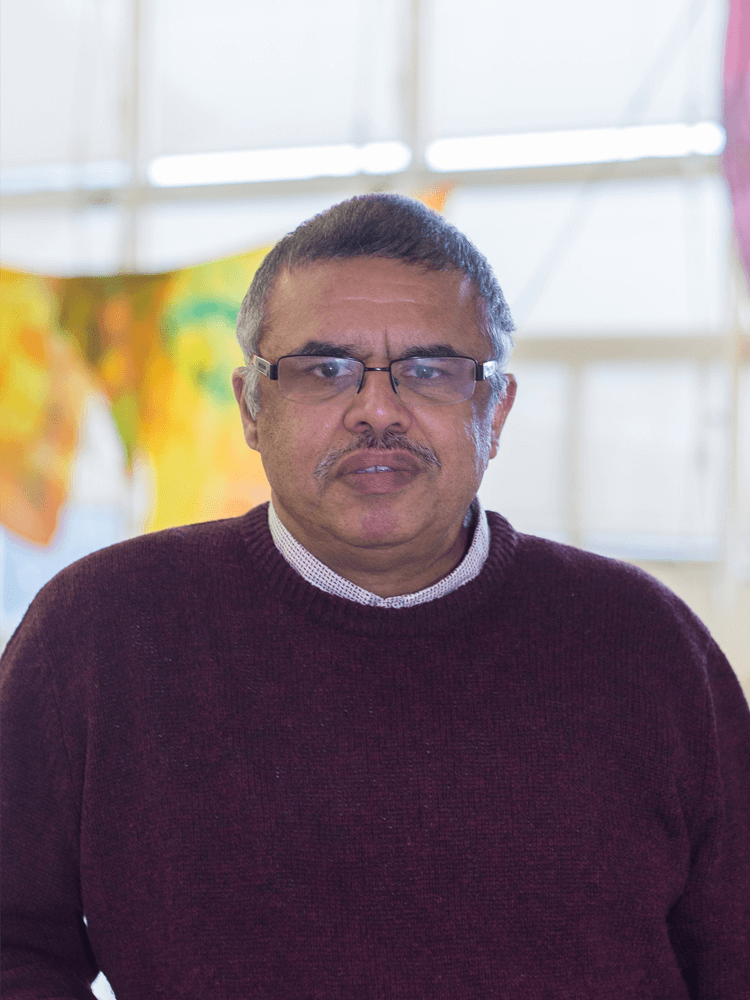
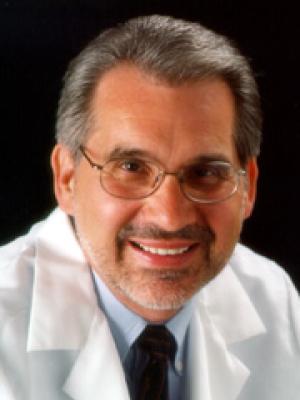
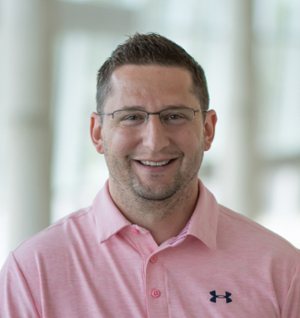
Dr. Bill Sheel is a Professor and Distinguished University Scholar at the School of Kinesiology, University of British Columbia. His research focuses on the integrative physiology of exercise, particularly respiratory and cardiovascular interactions. Email: bill.sheel@ubc.ca Office: Chan Gunn Pavilion, Room 221B, Vancouver, BC Lab: Health and Integrative Physiology Laboratory Research Interests: Dr. Sheel investigates respiratory physiology during exercise, cardiovascular modulation by breathing patterns, and human performance optimization. His work spans elite athletes, aging populations, and clinical applications. Publication Trends: Recent studies include pulmonary mechanics in exercise physiology, respiratory muscle training applications, and socio-cultural factors in sports science. Collaborative works address aging interventions and environmental influences on athletic performance. Scientific Recognition: Distinguished University Scholar, UBC Laboratory & Collaborations: Leads the Health and Integrative Physiology Laboratory at UBC, focusing on respiratory-cardiovascular integration and exercise tolerance mechanisms.
Southern Connecticut State UniversityUnited States
Dr. Peter L. Latchman serves as a Professor in the Department of Health and Movement Sciences at Southern Connecticut State University. He holds a Doctorate in Applied Physiology from Columbia University and is an Overseas Fellow of the Royal Society of Medicine. His academic career spans decades of research in autonomic cardiovascular regulation with applications to diverse populations including Young adults post-COVID-19 infection Ethnic disparities in baroreflex sensitivity Autonomic dysfunction in obese children Central hemodynamic analysis Recent scholarship focuses on autonomic modulation patterns and their implications for cardiovascular health, while his teaching portfolio encompasses both graduate and undergraduate courses in exercise physiology, cardiac rehabilitation, and medical terminology. Dr. Latchman has delivered presentations at international symposia on topics including Baroreflex sensitivity in African American populations Effects of aerobic capacity on autonomic recovery Vascular physiological assessment techniques Scientific contributions include Overseas Fellowship, Royal Society of Medicine $10,000 grant for cardiovascular assessment in autistic children (2023) He maintains active research collaborations with institutions such as East China Normal University and Hong Kong Baptist University.
Institute for Bioengineering of Catalonia (IBEC)Spain
Prof. Raimon Jané Campos is a leading figure in biomedical signal processing at the Universitat Politècnica de Catalunya (UPC) and Universitat de Barcelona (UB). As co-director of UPC's Biomedical Signal and System Group (CREB) and coordinator of the Biomedical Engineering PhD Programme, he bridges engineering and clinical applications. His work focuses on respiratory and sleep disorder diagnostics, with significant contributions to COPD and sleep apnea monitoring through wearable devices and machine learning. PhD in Biomedical Engineering (UPC, 1989) Visiting researcher at Université de Nice-Sophia Antipolis Vice-president of Spanish Society of Biomedical Engineering Research spans respiratory mechanics , sleep-disordered breathing , acoustic biomarkers , bioimpedance , and machine learning in biomedical contexts . His 2025 work on microcalorimetric pathogen classification and 2024 spiking neural networks for apnea detection demonstrate cutting-edge integration of computational methods with physiological monitoring. Articles from 2017-2024 reveal consistent focus on non-invasive diagnostics , cardiorespiratory synchronization , and smartphone-based health solutions . Awarded the Barcelona City Technology Research Award (2005) and serving on the International Advisory Board for Physiological Measurement since 2010, his career combines academic leadership with real-world clinical translation through IBEC's technology transfer initiatives.
Dr. Praveen Bhugra is a Senior Lecturer in Pharmacology at the University of Sunderland , where he has taught graduate courses including MPharm since 2006. His expertise spans cardiovascular, central nervous system, and autonomic pharmacology with a focus on receptor regulation in disease states. MSc (Pharmacology) from The Maharaja Sayajirao University of Baroda, India PhD (Medical Pharmacology) from Sardar Patel University, India His research integrates experimental pharmacology, molecular techniques (cell culture, calcium flux analysis), and biochemical approaches. Notably, he supervised PhD candidate Thomas Cherian (awarded 2014) on ureteral motility mechanisms. He authored the widely used textbook MCQs in Pharmacology (2000) and contributed to cardiovascular research during a 2000-2001 Visiting Scientist fellowship at the Institute of Cardiovascular Research, University of Manitoba, Canada. Recent publications (2015-2001) emphasize neurodegenerative pharmacology , hypertension mechanisms , and lipid mediator roles in cardiovascular disease . His work has been recognized with awards from the Indian Pharmacological Society and the International Society for Heart Research. Jaypur Prize (1985-86) C.L. Malhotra Research Prize (1994) Ahmedabad Branch Prizes (1996, 2001) National Academy of Medical Sciences Membership (2000) He has also contributed to public health research on probiotics in Clostridium difficile infection and participated in systematic reviews of substance abuse patterns in youth. Contact: praveen.bhugra@sunderland.ac.uk
Craig Morrell is a Professor at the University of Rochester School of Medicine and Dentistry , with joint appointments in the Departments of Medicine , Microbiology and Immunology , and Pathology and Laboratory Medicine . He serves as Associate Director of the Aab Cardiovascular Research Institute . Education: Sc.B. in Biology, Brown University (1995) D.V.M. , Tufts University School of Veterinary Medicine (2000) Ph.D. in Pathobiology, Johns Hopkins University (2005) His research examines the interface between platelets, vascular biology, and immune cells , focusing on platelet roles in thrombosis, inflammation, and immune regulation. Using advanced mouse models , his lab investigates platelet-derived mediators like β2M and PF4 in diseases such as malaria, stroke, and myocardial infarction. Article trends highlight platelets' dual roles in thrombosis and immune modulation , with recurring themes in vascular inflammation , ERK5 signaling , and age-related immune dysfunction . Scientific Awards: Kenneth M. Brinkous Young Investigators Prize (2008) Deans Gift research award (2006) Multiple travel scholarships and fellowships (2003-2005) Pathology Award-Excellence in Pathology (2000) Mentoring and Teaching : He has mentored 8 doctoral students , 7 undergraduates , and 6 postdoctoral fellows , with a focus on diversity. He serves on thesis committees and the URMC MSTP (MD/PhD) admissions committee . Labs and Collaborations : Leads the Morrell Lab at the Aab Cardiovascular Research Institute, collaborating with institutions like Johns Hopkins and Medical College of Wisconsin.
Greg J. Norman is Associate Professor, Associate Chair, and Director of Graduate Studies in the Department of Psychology at the University of Chicago, with a secondary appointment in Psychiatry and Behavioral Neuroscience. He joined the faculty in 2012 after completing his Ph.D. and postdoctoral research at the same institution. Education: Bachelor's in Psychology and Philosophy, The Ohio State University Ph.D. in Psychology (Behavioral Neuroscience), The Ohio State University, 2010 Postdoctoral Research Scholar, University of Chicago, Laboratory of John T. Cacioppo Dr. Norman's research lies at the intersection of social neuroscience, psychophysiology, behavioral endocrinology, and behavioral genetics. He investigates how social interactions modulate physiological systems—including the autonomic nervous system, neuroendocrine axes, and inflammatory responses—to influence health outcomes. His work employs both human and animal models, with a particular focus on oxytocin signaling, stress reactivity, and neural mechanisms of social evaluation. He uses multilevel assessment techniques to bridge behavior, biology, and social context. His recent publications reveal a strong thematic focus on the neurobiological underpinnings of social behavior and health. Key areas include oxytocin's role in autonomic regulation and social buffering, the impact of loneliness and social isolation on neuroinflammatory and cardiovascular responses, and the neural basis of evaluative processing in social contexts. His work frequently appears in high-impact journals such as PNAS , Psychosomatic Medicine , and Hormones and Behavior , reflecting interdisciplinary rigor and clinical relevance. Scientific Awards: No awards listed in the provided text. As Director of Graduate Studies, Dr. Norman plays a central role in mentoring and shaping the training of graduate students in psychology. While specific students are not named, his extensive publication record with multidisciplinary teams suggests active supervision and collaboration. He has contributed to major handbooks and has been involved in research supported by institutional and federal funding, though specific grants are not detailed in the text. Labs and Research Teams: His research is conducted in laboratories associated with the Department of Psychology and the former Center for Cognitive and Social Neuroscience at the University of Chicago. He has collaborated extensively with prominent researchers including John T. Cacioppo, Gary G. Berntson, A. Courtney DeVries, and Louise Hawkley, indicating membership in a large, interdisciplinary social neuroscience research group.
Md Mobashir Hasan Shandhi is a tenure-track Assistant Professor at Arizona State University , jointly appointed in the School of Electrical, Computer and Energy Engineering and the Biodesign Institute Center for Bioelectronics and Biosensors . His work focuses on developing equitable digital health technologies—wearable sensors and AI/ML algorithms—for personalized care and remote monitoring of chronic and infectious diseases. Education PhD, Electrical and Computer Engineering, Georgia Institute of Technology, 2020 Postdoc, Biomedical Engineering, Duke University, 2021–2024 MS, Electrical and Computer Engineering, University of Utah, 2016 BSc, Electrical and Electronics Engineering, Bangladesh University of Engineering and Technology, 2011 Research Interests Dr. Shandhi’s lab designs low-cost, reliable wearable sensors and machine-learning models to enable remote monitoring of cardiovascular, respiratory, and infectious disease patients. His goal is to reduce healthcare disparities by translating these technologies into resource-limited settings. Scientific Awards & Grants American Heart Association Career Development Award Mayo Clinic–ASU Alliance Faculty Summer Residency Fellowship AHA Postdoctoral Fellowship Duke Heart Center & Translating Duke Health cardio-oncology grant NIH mHealth Training Institute Scholarship Best Paper, Runner-up Best Paper, First Place Research Awards Distinguished Poster Nominee Advising & Funding Dr. Shandhi is currently recruiting PhD students with backgrounds in electrical/biomedical engineering or computer science. He also welcomes postdocs and MS/undergraduate researchers to join the SHANDHI Lab. Interested candidates should email him directly with a CV and statement of interest. Labs & Teams He directs the SHANDHI Lab at ASU, where interdisciplinary teams of engineers, clinicians, and data scientists collaborate on translating wearable health technologies from bench to bedside.
Professor Samuel Fountain is a leading academic in pharmacology at the University of East Anglia, where he serves as Chair of Pharmacology within the School of Biological Sciences. He holds additional leadership roles as Associate Pro-Vice-Chancellor of the UEA Doctoral College and has previously served as Associate Dean for Postgraduate Research and Director of the Biomedical Research Centre. He is actively supervising multiple PhD students and securing major research funding. BSc (Hons) Pharmacology, University of Leeds (1997–2000) MRC-funded PhD, University of Leeds (2000–2004) Wellcome Trust Research Associate, University of Manchester (2004–2008) BBSRC David Phillips Fellow, University of Leeds (2008–2010) Lecturer to Professor of Pharmacology, University of East Anglia (2010–present) His research focuses on the role of ion channels—particularly P2X receptors—in vascular and adipose tissues, with implications for cardiometabolic diseases. His work integrates pharmacology, physiology, and molecular biology to understand neurovascular and neuroadipose communication, receptor-ligand interactions, and drug discovery. He employs techniques such as pressure myography, patch-clamp electrophysiology, calcium imaging, and molecular modelling. The analysis of his recent publications reveals a strong emphasis on purinergic signalling, ion channel pharmacology, and autonomic control of blood vessels and fat tissue. His work bridges basic science with translational applications, particularly in hypertension, obesity, and metabolic syndrome. Collaborations with AstraZeneca, Merck, and the British Heart Foundation underscore the clinical and pharmaceutical relevance of his research. Notable scientific recognition includes the prestigious BBSRC David Phillips Fellowship. He also contributes to the academic community through editorial roles, including as Editor of Purinergic Signalling , and as a member of the British Pharmacological Society and The Physiological Society. Professor Fountain actively mentors postdoctoral researchers and PhD students, several of whom are funded by BBSRC, BHF, and AstraZeneca iCASE awards. His lab is supported by significant grants from the British Heart Foundation, BBSRC, and industry partners, enabling cutting-edge research in vascular and metabolic pharmacology. He leads multiple active projects on neurovascular transmission, purinergic control, and drug discovery for P2X receptors. His research group operates within the Cells and Tissues research theme at UEA and utilizes advanced experimental platforms including human tissue studies, high-throughput screening, and computational ligand docking. The lab fosters interdisciplinary collaboration between pharmacologists, physiologists, and clinicians, positioning it at the forefront of autonomic and metabolic research.
Dr. Corey Tomczak is an Associate Professor in the Department of Kinesiology at the University of Saskatchewan. His research focuses on cardiovascular physiology, cardiac rehabilitation, and exercise intolerance in chronic conditions such as heart failure and congenital heart disease. He holds a PhD in Rehabilitation Medicine and has extensive postdoctoral training in the field. His work integrates clinical and physiological approaches to improve outcomes in patients with cardiovascular disorders. Affiliations: University of Saskatchewan, College of Kinesiology Research Themes: Health Aging and Management of Chronic Conditions, Child and Youth Health and Development Dr. Tomczak's research examines mechanisms underlying exercise limitations in heart failure and congenital heart disease, including autonomic regulation, vascular function, and skeletal muscle metabolism. He has trained numerous graduate students and mentors future researchers in cardiovascular physiology. His lab, the Russ Kisby Physical Activity and Health Promotion Laboratory, collaborates with clinical partners at the Royal University Hospital. Key areas of investigation include cerebrovascular responses during exercise, muscle metaboreflex modulation of cardiac function, and the impact of exercise training on cardiovascular outcomes. Recent work highlights impaired vascular function in heart failure and sex-based differences in exercise capacity.
Dr. Tiago Peçanha is a Senior Lecturer in Human Cardiovascular Physiology at Manchester Metropolitan University's School of Sport, Exercise and Health Sciences. He holds a PhD from the University of São Paulo and has conducted postdoctoral research at prestigious institutions including the University of São Paulo and Liverpool John Moores University. His research focuses on neural regulation of cardiovascular responses to exercise, effects of physical activity in older adults and individuals with rheumatic diseases, and vascular health in autoimmune conditions. Education: PhD in Sport and Exercise Science (University of São Paulo, 2017) MSc in Exercise Physiology (Federal University of Juiz de Fora, 2012) BSc in Sport and Exercise Science (Federal University of Juiz de Fora, 2008) Professional Memberships: Fellow of the Higher Education Academy British Society for Rheumatology Physiological Society American Physiological Society Research Interests: Dr. Peçanha explores cardiovascular and cerebrovascular physiology, particularly in contexts of aging, rheumatic diseases (e.g., rheumatoid arthritis), and physical inactivity. His work addresses mechanisms linking exercise to reduced cardiovascular risk in chronic inflammatory conditions and investigates interventions to mitigate sedentary behavior's health impacts. Key themes include autonomic nervous system regulation, vascular function, and translational approaches to improving patient outcomes. Grants & Projects: He leads projects funded by Health Innovation Manchester (£9,989), Lupus UK (£24,992), Alzheimer’s UK (£3,318), and the Royal Society (£20,000). These focus on physical activity interventions for lupus patients, cognitive dysfunction in systemic lupus erythematosus, and cerebrovascular responses to exercise in aging populations. Teaching: Delivers modules in Sport and Exercise Physiology, Health and Exercise Physiology, and Introduction to Physiology at undergraduate levels. Supervises BSc and MSc dissertation students. Labs/Teams: Collaborates with the Manchester Institute of Sport and the Health and Exercise Science Research Group, advancing clinical and applied research in rheumatology and cardiovascular health.
Dr. Ant Shepherd is an Associate Professor in Clinical Exercise Physiology at the University of Portsmouth, affiliated with the School of Psychology, Sport and Health Sciences within the Faculty of Science & Health. He also contributes to the Institute of Life Sciences and Healthcare and the Centre for Integrated Health and Wellbeing. Dr. Shepherd holds an ORCID identifier (0000-0001-6392-7944) and is actively involved in PhD supervision and academic leadership. Education: BSc (Hons) Sports Science (Bangor University), MSc Exercise Rehabilitation (Bangor University), PhD (University of Exeter, 2015) Postdoctoral Experience: University of Exeter Medical School Research Interests: Dr. Shepherd focuses on using novel interventions—such as nutritional strategies and exposure to extreme environments—to improve metabolic and cardiovascular health. His work emphasizes patient-centered outcomes, particularly in chronic conditions like type 2 diabetes, cystic fibrosis, and chronic obstructive pulmonary disease. He explores disease pathophysiology to identify therapeutic strategies. Publications: His recent work includes studies on cardiovascular function in cystic fibrosis patients, the effects of ketone esters in diabetes, and the role of nitrate in vascular health. Articles often employ randomized controlled trials and observational designs. Awards: Runner-up, Inaugural Annual Review Prize of the Physiological Society (2021) Advising & Grants: Supervises multiple PhD students and postdocs. Serves as a grant reviewer for the Medical Research Council and reviews for journals including Journal of Applied Physiology and Thorax . Active in collaborative projects, such as investigating climate adaptation strategies in diabetes and the effects of passive heating on older adults. Labs & Teams: Leads research teams in translational exercise physiology and collaborates internationally on projects related to cystic fibrosis, diabetes, and vascular health.
Margaret Izabella Chustecki is an Associate Clinical Professor at the Yale School of Medicine's Department of Internal Medicine. She obtained her MD from Warsaw Medical School (1988) and an MBA from the Yale School of Management (2009). Her clinical practice focuses on improving healthcare efficiency through quality programs achieving NCQA accreditation and implementing initiatives like Meaningful Use and PQRS. She coordinates medical education for trainees while maintaining an active clinical practice. Education: MD - Warsaw Medical School (1988), MBA - Yale School of Management (2009) Clinical Experience: Extensive inpatient/outpatient internal medicine, hospitalist service leadership Practice Management: Founded Internal Medicine of Greater New Haven in 2003 Her research interests center on cardiovascular disease management, diabetes therapies, and healthcare quality improvement. She has led over 30 clinical trials evaluating treatments for cardiovascular conditions, diabetes, COPD, migraines, and osteoarthritis. Key areas of investigation include statin efficacy, anticoagulant therapies, and novel diabetes medications. Dr. Chustecki's clinical trials portfolio demonstrates expertise in cardiology, endocrinology, and gastroenterology. Recent studies focus on residual cardiovascular risk reduction, type 2 diabetes combination therapies, and migraine treatment innovations. Her work bridges clinical practice improvements with rigorous evidence-based research. Teaching contributions include supervising Yale medical students, PA trainees, and residents in both hospital and ambulatory settings. She actively participates in medical education program development and interprofessional team coordination. Labs/Teams: Collaborates with Yale New Haven Hospital teams in clinical trial execution and quality improvement initiatives.
Margaret Wardle, PhD is an Associate Professor in the Department of Psychology at the University of Illinois Chicago , serving as Director of Clinical Training and Clinical Program Chair within the College of Liberal Arts and Sciences. Her research focuses on developing interventions for addiction, particularly examining drug-induced emotional dysfunction and anhedonia in cocaine use disorder. Education: B.H.A. in Psychology and Art (2001) - Carnegie Mellon University Ph.D. in Clinical Psychology (2009) - University of Illinois at Chicago Postdoctoral Fellowship (2009–2012) - University of Chicago in Human Behavioral Pharmacology Research Interests: Neurobiological mechanisms of addiction Emotional processing in substance use disorders Clinical trials targeting anhedonia MDMA and oxytocin effects on social/emotional processing Exercise as a reward modulator Grants & Lab: Current NIH NIDA Grant: Targeting Anhedonia in Cocaine Use Disorder Principal Investigator for studies on neural mechanisms and pharmacological interventions Led the Addiction Research and Treatment Lab exploring drug-emotion interactions Professional Credentials: Licensed Clinical Psychologist (Illinois, 2015–present) Expert in human laboratory studies and clinical trial design
Dr. Lee S. Berk is the Associate Dean of Research at the School of Allied Health Professions and an Associate Research Professor in the Department of Pathology and Human Anatomy at the School of Medicine , Loma Linda University . His research spans psychoneuroimmunology , focusing on the physiological effects of mirthful laughter , humor , and neuroendocrine responses on stress, immune function, and brain health. Dr. Berk has served on numerous committees, including the Loma Linda University Health Research Oversight Committee and Board of Directors of the American College of Lifestyle Medicine . He has been an Editorial Board Member for the Journal of Physical Therapy and Rehabilitation and Advances in Mind-Body Medicine . His advisory roles include mentoring doctoral candidates Olivia Moses and Micheline Vargas . Over his career, Dr. Berk has been extensively featured in media outlets (e.g., CNN , NPR , Newsweek ) and has contributed to over 150 peer-reviewed publications. His work explores EEG gamma wave modulation , anti-oxidant effects on autism , and exercise interventions for inflammation and metabolic health . Current projects include studies on brain health , type 2 diabetes , and religious cognitive-behavioral therapy outcomes.
Adam J. Case, PhD, is an Associate Professor in the Department of Psychiatry and Behavioral Sciences and affiliated with the Department of Medical Physiology at Texas A&M University School of Medicine. His research focuses on the bidirectional interactions between the brain and immune system, particularly how psychological trauma like PTSD influences autoimmune disorders and cardiovascular diseases, and vice versa. He holds a BS in Biochemistry (2004) and a PhD in Free Radical and Radiation Biology (2011) from the University of Iowa, followed by a postdoctoral fellowship at the University of Nebraska Medical Center (2012-2015). Dr. Case’s work integrates redox biology, immunology, and physiology to explore trauma-induced inflammation and its systemic consequences. He has received the 2020 Distinguished Graduate Student Mentor Award from the University of Nebraska Medical Center. His teaching interests include Redox Biology, Immunology, and Scientific Communication. His research highlights include investigations into IL-6’s role in trauma-cardiovascular links, beta-adrenergic signaling as an autoimmune therapeutic target, and hemoglobin’s redox-sensitive regulation of T-lymphocytes. He actively contributes to societies such as the Society for Biological Psychiatry and the American Physiological Society. Dr. Case’s lab explores neuroimmune mechanisms underlying PTSD and seeks translational therapies. His recent articles emphasize mitochondrial ROS regulation, T-lymphocyte neurotransmission dynamics, and trauma-induced inflammatory pathways.