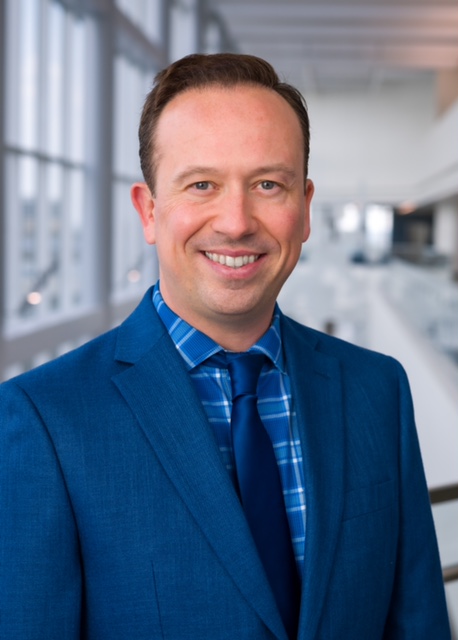
Dr. Mathew Stokes is an Assistant Professor of Pediatrics and Neurology at the University of Texas Southwestern Medical Center. He completed his medical degree and Pediatric Neurology Residency at UT Southwestern, followed by a fellowship in Pediatric Headache with a focus on sports neurology and concussion. His clinical practice focuses on caring for children and adolescents with headache, concussion, and neurological conditions affecting athletic participation. His research explores autonomic dysfunction in concussion, epidemiology of neurological injuries, and long-term outcomes of concussions in youth athletes. No specific scientific awards, publications, or grants are listed in the provided information.
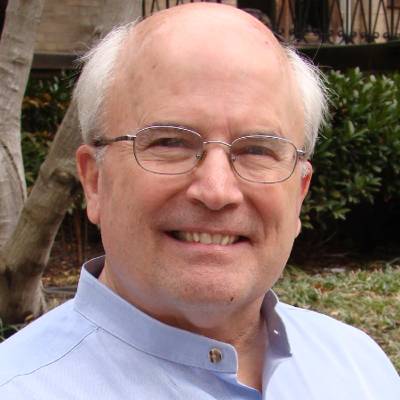
Kevin Lutz, Ph.D., is an Assistant Professor in the Department of Public Health at the University of Texas Southwestern Medical Center's School of Public Health. His work integrates microbiological, statistical, and clinical approaches to study urological and cardiovascular conditions. Education details are available in his downloadable CV. Research focuses include urinary tract infections (UTIs), urobiome ecology, and heart failure physiology. He employs advanced statistical methods such as Bayesian modeling for microbiome data analysis and explores biomarkers for recurrent UTIs in postmenopausal populations. Recent studies investigate long-term outcomes of pelvic reconstructive surgeries, exercise physiology in heart failure patients, and the interplay between microbiome communities and metabolic profiles. His interdisciplinary approach bridges clinical practice with public health implications.
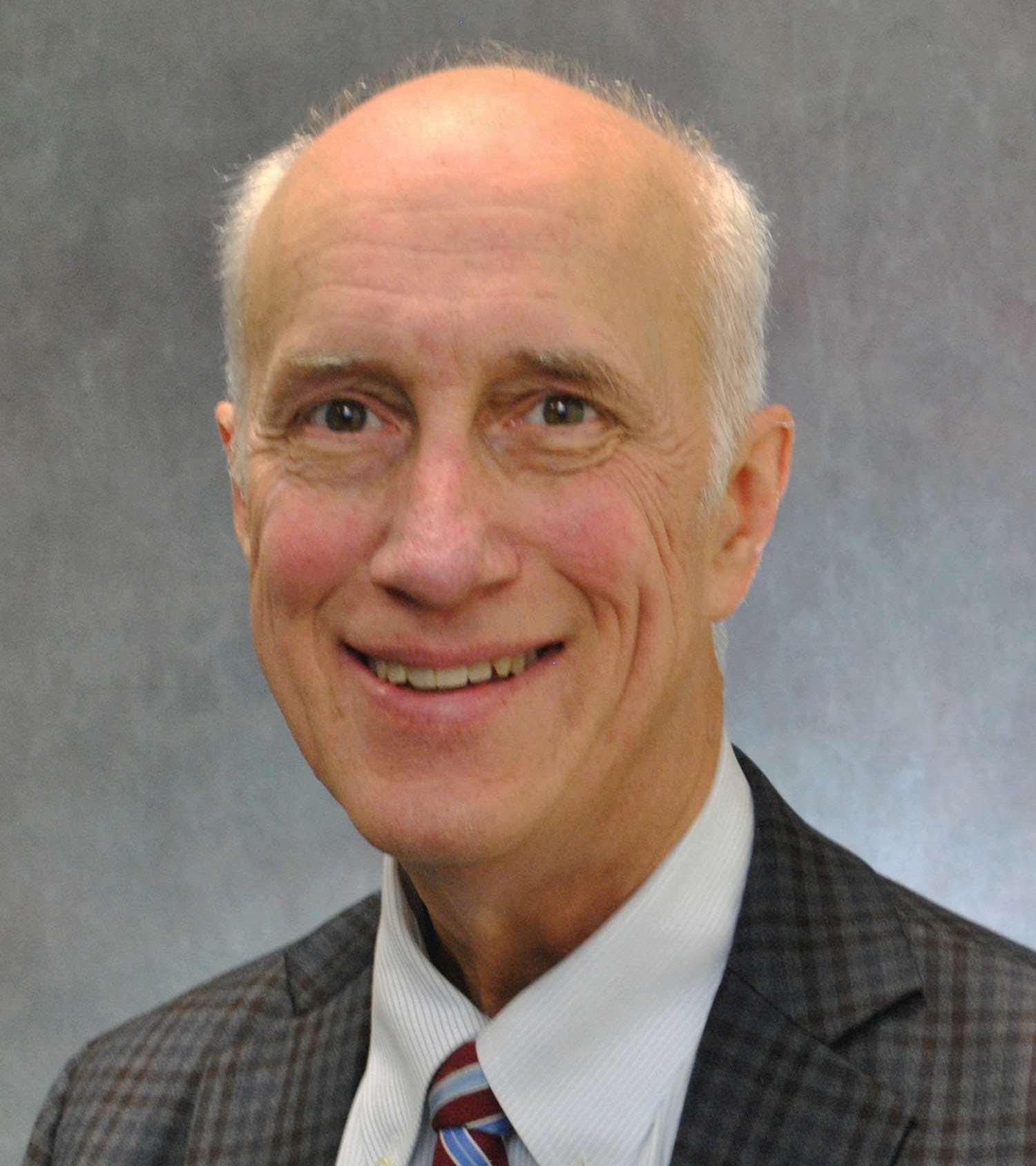
Professor Ahmed Khattab is a medical researcher and clinical practitioner at Bournemouth University's School of Health & Social Care, focusing on translational biomedical and clinical research. He holds honorary roles at Royal Bournemouth and Christchurch Hospitals, and his expertise spans stroke, vascular disease, diabetes, neurodegenerative disorders, and public health. He leads interdisciplinary research teams collaborating with NHS hospitals and international institutions like Weill Cornell Medical College. Education: M.B.B.S. in Medicine and Surgery from the University of Baghdad (1980) PhD in Medical Science from Reading University (1994) Research Interests: His work integrates clinical practice and academia, emphasizing translational research in cardiovascular diseases, autonomic nervous system dysfunction, and aging-related health challenges. Key areas include stroke prevention, biomarkers for vascular health, and inflammation's role in chronic conditions. Grants & Collaborations: Notable projects include a Qatar-funded stroke registry initiative, collaborative work on respiratory diagnostic tools with Bournemouth Hospital, and international bids targeting vascular diseases and cancer research. Current grants involve studying cardiovascular outcomes post-traumatic injury and myocardial blood flow in coronary patients. Awards & Affiliations: A Fellow of the Royal Society of Public Health and Chartered Biologist, he also serves as a Visiting Professor at the Anglo-European College of Chiropractic. His work aligns with UN SDGs focused on health equity, gender equality, and clean water access.
Timothy Donahue serves as an Assistant Professor in the Department of Psychology within Virginia Commonwealth University's College of Humanities and Sciences. His academic home spans Health Psychology and behavioral neuroscience, with teaching responsibilities including Biological Psychology, Physiological Psychology, and Psychology and Law at both undergraduate and graduate levels. Dr. Donahue's research trajectory reveals a significant evolution from his foundational work in behavioral pharmacology —where he investigated the discriminative stimulus properties of antipsychotics like amisulpride—to his current prolific output in bone and muscle physiology . Recent publications (2023-2025) demonstrate deep engagement with space medicine models, examining microgravity effects on skeletal development, genetic modifiers of disuse-induced bone loss, and sex-specific responses to mechanical unloading. His work bridges psychological frameworks with hard physiology, particularly exploring connections between depression, metabolic disease, and musculoskeletal health. His publication trends highlight three converging themes: (1) spaceflight analog modeling using hindlimb suspension, (2) genetic and sex-based variability in musculoskeletal responses, and (3) clinical translation of bone healing mechanisms. This shift toward translational physiology is evident in his co-authorship on biomaterials research involving titanium implants and hydrogels. Faculty Council Research Award by the College of Humanities and Sciences, VCU (2015) Graduate Student Research Award, Society for the Stimulus Properties of Drugs (2011) As Faculty Adviser for Psi Chi, Dr. Donahue mentors psychology students while contributing to departmental governance through the Faculty Council. His research program appears integrated with VCU's Musculoskeletal Collaboration Center, evidenced by co-authorship on their 2023 Research Day proceedings and repeated investigations of fracture healing mechanisms. Current work focuses on genetic diversity in disuse responses and sex-specific bone loss pathways, suggesting ongoing NIH-funded projects in space medicine and osteoporosis. Though no dedicated lab is mentioned in directory materials, his publication pattern indicates active collaboration with bone biology teams at VCU, particularly in the College of Engineering's biomaterials research and the School of Medicine's space physiology initiatives.
Ludovica Brusaferri is a Senior Lecturer in Medical Imaging at the School of Engineering, London South Bank University (LSBU), within the Department of Computer Science and Informatics, since November 2023. She holds a PhD in Medical Imaging Physics from University College London (2020) and completed a postdoctoral fellowship at the A.A. Martinos Center for Biomedical Imaging at Harvard Medical School (2020–2023). Her research focuses on advancing PET/MR imaging through AI integration to address clinical challenges in neurodegenerative diseases, neuroinflammation, and chronic pain. Education: Bachelor/Master in Biomedical Engineering, Sapienza University of Rome (2016) PhD in Medical Imaging Physics, University College London (2020) Research Interests: Her work bridges medical imaging innovation and clinical practice, emphasizing PET/MR quantification algorithms, neuroinflammation biomarkers, and AI-driven solutions for disease staging and diagnostics. Key areas include migraine pathophysiology, pandemic-related mental health impacts, and non-invasive PET quantification techniques. Article Trends: Recent publications highlight neuroinflammation’s role in chronic pain (e.g., migraine, PASC), AI applications in PET reconstruction, and TSPO PET modeling. Her work frequently explores brain imaging correlates of pain and inflammatory responses, leveraging interdisciplinary collaboration. Grants and Advising: She is actively accepting PhD students and collaborates with engineers and computer scientists to translate research into clinical tools, though specific grant details are not disclosed. Her lab at LSBU focuses on AI-enhanced medical imaging pipelines. Labs/Teams: Associated with LSBU’s Bioscience and Bioengineering Research Centre and the Biomedical Imaging, Monitoring, and Treatment group. Collaborates with Harvard’s Martinos Center and global institutions on neuroimaging studies.
Dr. Clare Eglin is a part-time Senior Lecturer in Human and Applied Physiology at the University of Portsmouth within the School of Psychology, Sport and Health Sciences , affiliated with the Centre for Integrated Health and Wellbeing. After earning her PhD at the University of Sheffield, she worked at the Universities of Surrey and Portsmouth before transitioning to lecturing in 2001. Her roles include teaching physiology modules, supervising PhD students, and leading Athena Swan submissions for six years. She also served on the Faculty Research Ethics Committee for 16 years. University of Sheffield - PhD in Physiology Research Interests focus on human physiology in extreme environments , particularly cold exposure. She investigates cold shock response, non-freezing cold injury (NFCI) pathophysiology, survival strategies, and vascular responses to thermal stress. Her work extends to cold water immersion, thermoregulation in diabetes, and practical applications like paragliding ergonomics. Publication Trends (2025–2021) highlight cold-related physiology, with emphasis on NFCI, vascular function, and thermal stress mitigation. Collaborative studies span diabetes management, survival swimming, and aerospace medicine, often employing meta-analyses, clinical trials, and applied testing. Advisory and Roles include long-term PhD supervision and ethics committee service. While no specific grants are listed, her work involves commissioned reports for entities like the Ministry of Defence.
Richárd Reichardt is an Assistant Professor at the Department of Cognitive Psychology, Eötvös Loránd University (ELTE), Budapest. He is affiliated with the Budapest Laboratory of Sleep and Cognition as a Research Group Member. His research focuses on sleep physiology, memory processes, novelty perception, and emotional processing, with particular emphasis on how sleep stages (e.g., REM sleep) and autonomic activity influence cognitive functions like memory consolidation and emotional regulation. He has contributed to methodological advancements in novelty encoding tasks and investigates clinical phenomena such as nightmare disorders and their physiological correlates. Education details are not explicitly listed, but his academic contributions indicate advanced training in cognitive and neuroscience disciplines. His work integrates experimental psychology, neuroimaging, and physiological measurements to explore topics like parasympathetic activity in nightmare sufferers, the impact of unexpectedness on memory, and the role of prior knowledge in learning. Research interests include sleep-cognition interactions, autonomic nervous system responses, and the neural mechanisms underlying memory formation. His publications span from 2018 to 2024, reflecting sustained engagement in these areas. No awards or grants are explicitly mentioned, but his active publication record suggests ongoing research activity. He is contactable at reichardt.richard@ppk.elte.hu and located at 1064 Budapest, Izabella u. 46, Room 312.
Gregory J. Pazour is a Professor at the Program in Molecular Medicine, UMass Chan Medical School, with affiliations at T.H. Chan School of Medicine and Morningside Graduate School of Biomedical Sciences. He holds roles in the Interdisciplinary Graduate Program, MD/PhD Program, and Postbaccalaureate Research Education Program. His research focuses on cilia biology, their assembly, and roles in health and disease, particularly in kidney development and congenital heart defects. Education: B.A./B.S. in Chemistry & Biology (South Dakota State University, 1986), Ph.D. in Biochemistry (University of Minnesota, 1991). Postdoctoral work at Worcester Foundation for Biomedical Research. Research Interests: Ciliary dysfunction links to structural birth defects, kidney diseases (e.g., polycystic kidney disease), heart malformations, and sensory disorders. Key projects include investigating cilia assembly mechanisms, Hedgehog signaling, and cilia’s role in organ patterning. Recent publications emphasize ciliary proteins’ roles in disease (e.g., TMEM67, IFT140), signaling pathways (Hedgehog, Wnt), and genetic causes of ciliopathies. Awards include the American Society for Cell Biology Fellowship and the Lilian Jean Kaplan Prize. Grants and advising: Active in mentoring students and postdocs in cilia research. Labs: Pazour Lab explores cilia’s functional and structural roles in health and disease.
Jānis Mednieks serves as an Assistant Professor in the Department of Neurology and Neurosurgery at the Faculty of Medicine, Riga Stradiņš University. His research focuses on neurodegenerative diseases, multiple sclerosis progression, and cognitive disorders using advanced methodologies including brain MRI volumetry and heart rate variability analysis. His primary research interests encompass multiple sclerosis pathophysiology, neurodegenerative impacts on perceptual organization (particularly face recognition and pareidolia), cardiovascular autonomic dysfunction in diabetes, and cognitive-musculoskeletal interrelationships in neuropsychiatric conditions. He investigates how brain structural changes correlate with functional disability using longitudinal MRI studies. Recent publications reveal strong interdisciplinary trends integrating neurology, cardiology, and cognitive science. Key research directions include MRI volumetry for tracking MS disability progression, heart rate variability as a biomarker for autonomic dysfunction, and perceptual organization deficits in neurodegenerative diseases—demonstrating methodological innovation through combined imaging and physiological assessments. No scientific awards were documented in the provided materials. Mednieks leads the PhD project "The analysis of alterations in cognitive functions in neuropsychiatric conditions and their possible link with musculoskeletal conditions" (2018-2024) under supervisors Millers A. and Groma V., and serves as expert in the Latvian Council of Science-funded project "Development of an integrative approach to cognitive assessment in neurodegenerative diseases" (2023-2025) led by Platkājis A. His research involves significant collaboration with neurology and imaging specialists across Latvian institutions. He actively participates in multidisciplinary research teams focusing on neurocognitive processes, as evidenced by conference presentations at the RSU International Research Conference 2023 where he contributed to studies on perceptual organization, Alzheimer's disease imaging, and brain-MRI volumetry correlations in multiple sclerosis.
Quinn H. Hogan, MD is a Professor in the Department of Anesthesiology at the Medical College of Wisconsin (MCW). His work bridges clinical practice and research, focusing on pain mechanisms and novel therapies. Dr. Hogan completed his BS at Stanford University, MD at Harvard Medical School, and residency/fellowship at MCW. Research Focus: Investigates disrupted sensory neuron function post-injury using advanced techniques like patch-clamp electrophysiology, single-unit recordings, and microfluorometry. Key areas include translating mechanistic discoveries into therapies via molecular manipulations, stem cell therapy, and electrical stimulation. Emphasizes valid behavioral testing to align animal models with human pain conditions. Publications Trends: Recent work highlights RNA interference applications (e.g., Piezo1 channel targeting), AAV-mediated gene therapy for pain, and endocannabinoid system modulation. Studies also address Fabry disease's neurobiological impacts and osteoarthritis pain mechanisms. Collaborative projects explore spinal cord stimulation neuroimaging and dorsal root ganglion therapies. Laboratory: The Hogan Lab combines physiological and molecular approaches to decode pain pathways. Current efforts prioritize translational research bridging basic science and clinical pain management, with a focus on sensory neuron-specific therapies.
Pippa M. Simpson serves as an Adjunct Professor in Pediatrics and Biostatistics at the Medical College of Wisconsin (MCW), where she functions as a biostatistician for the MCW Clinical Translational Science Institute (CTSI). With over 20 years of research consulting experience, she specializes in complex statistical analyses of national databases including NHANES and NHIS, supporting studies across community health, pharmacogenetics, cardiology, and gastroenterology. Dr. Simpson earned her PhD from the University of Kentucky in 1988, establishing her foundational expertise in biostatistical methodology. Her research program centers on reliability analysis, alternative clinical trial design, and missing data methodologies with strong applications in genetic and pediatric research. She has developed specialized statistical approaches for analyzing pediatric functional gastrointestinal disorders, cardiovascular conditions in congenital heart disease, and biomarker validation studies. Her work bridges advanced statistical theory with practical clinical applications in pediatric translational research. Analysis of her 15 most recent publications (2023-2025) reveals dominant themes in pediatric gastrointestinal motility disorders (particularly cyclic vomiting syndrome and dysautonomia), cardiovascular outcomes in congenital heart disease, and innovative diagnostic methodologies. Her work frequently employs multicenter study designs with emphasis on normative data collection, biomarker validation, and health-related quality of life metrics in pediatric populations. Scientific recognition includes: US FDA Advisory Committee Service Award (2004) Commonwealth Undergraduate and Postgraduate Scholarships University of Kentucky Fellowship As an NIH grant reviewer for over 15 years, Dr. Simpson has significantly influenced research funding decisions while actively mentoring faculty and fellows in research proposal development. She previously served as president of the Central Arkansas Statistical Association (2004-2006), demonstrating leadership in the statistical community. Through the MCW CTSI, she collaborates with multidisciplinary research teams across pediatric subspecialties, providing critical statistical expertise from study design through data interpretation. Her current projects involve developing novel assessment tools like the neurocognitive passport for sickle cell disease and validating breath testing methodologies for gastric motility disorders.
Robert Dantzer is a Professor in the Department of Symptom Research at The University of Texas MD Anderson Cancer Center, with adjunct professorships at UT Health Science Center Houston (Department of Psychiatry and Behavioral Sciences) and Rice University. His work bridges psychoneuroimmunology and cancer-related symptomology, focusing on neuroimmune mechanisms of fatigue, pain, and depression. He co-founded the Neuroimmunology Laboratory to study cancer survivorship symptoms in animal models. Education: DVM and PhD from French institutions, with early career work in veterinary pharmacology and stress physiology. Research emphasizes inflammation's impact on brain function, transitioning from basic psychobiology to clinical applications in oncology. Key contributions include unraveling cytokine effects on behavior and identifying molecular pathways (e.g., GDF15/GFRAL axis) driving chemotherapy-induced fatigue. Recent publications (2023-2025) explore neuroimmune signaling in cancer-related fatigue, immunopsychiatry, and mechanistic links between inflammation and mental health. His lab investigates therapeutic targets for pain, cognitive impairment, and motivational deficits in cancer patients.
Gary Schwartzbauer is an Associate Professor in the Department of Neurosurgery at the University of Maryland School of Medicine , with secondary appointments in Orthopaedics and Surgical Critical Care . He serves as the Director of the Neurotrauma Critical Care Unit (NTCC) at the R Adams Cowley Shock Trauma Center and holds clinical responsibilities in operating rooms and intensive care units. B.S. in Biophysics and Biochemistry from the University of Pittsburgh (1990, Summa Cum Laude) Ph.D. in Molecular, Cellular, and Developmental Biology from the University of Pittsburgh (1997) M.D. from the University of Maryland School of Medicine (2007) Postdoctoral fellowships at Children's Hospital of Pittsburgh (1997-1999) and Cincinnati Children's Hospital (1999-2003) Dr. Schwartzbauer specializes in traumatic and degenerative spine disease , traumatic brain injury , and brain tumors , with research focused on microvascular dysfunction in CNS injuries. His work explores therapies for cerebral edema in conditions like TBI, SCI, and cerebral malaria, emphasizing small molecule interventions. Recent publications highlight applications of augmented reality in neurosurgery and medical imaging for outcome prediction. His 15 most recent articles span neurotrauma , neurocritical care , spine surgery , and medical technology , including studies on glymphatic system changes after mTBI , AR-guided surgical tools , and trauma-induced thrombosis . Collaborative work with J. Marc Simard, M.D., Ph.D., and others dominates his publications. Co-valedictorian , University of Maryland School of Medicine President of AOA national medical honor society Clinically, Dr. Schwartzbauer integrates augmented reality for preoperative planning, combining his expertise in neurosurgery and critical care . His research bridges pre-clinical models and clinical investigations , aiming to reduce secondary injury in neurotrauma patients.
Assoz. Prof. PD Dr. Yvonne Teuschl is an Associate Professor at the University for Continuing Education Krems, affiliated with the Department for Clinical Neurosciences and Preventive Medicine. Her work focuses on stroke prevention, neurology, and diabetes-related complications. She leads and collaborates on projects such as the Austrian Stroke Unit Registry and studies on post-stroke cognitive decline. Key contributions include research on dysphagia screening (GUSS protocol), autonomic dysfunction monitoring, and the impact of lifestyle interventions on vascular health. Her publications span stroke epidemiology, post-stroke rehabilitation, and pandemic-related clinical challenges. She actively participates in international conferences and contributes to clinical guidelines on neurological care.
Brent Shell is an Associate Teaching Professor and Master’s Program Director in the Department of Biomedical & Nutritional Sciences at the University of Massachusetts Lowell (Zuckerberg College of Health Sciences). He holds a PhD in Biomedical Sciences from the University of North Texas Health Science Center (2016), with dual bachelor’s degrees in Psychology and Biology (2009). His research focuses on neurophysiological mechanisms of blood pressure regulation, particularly the role of angiotensin II in hypertension induced by chronic intermittent hypoxia (a model for sleep apnea). He emphasizes science education innovation, managing the Student Resource Center, and advising the Health Education Academic Living Learning (HEALL) community. Notable awards include the 2022 OER Champion, 2021 Teaching Excellence Award, and recognition for advising excellence. Education: PhD: Biomedical Sciences, University of North Texas Health Science Center (2016) BA: Psychology, University of North Texas (2009) BS: Biology, University of North Texas (2009) His research integrates neuroendocrine pathways and autonomic regulation, with a focus on hypertension mechanisms. He explores how angiotensin receptors in the median preoptic nucleus contribute to CIH-induced pathologies. Recent work addresses oxidative stress and neuroinflammation links to hypertension and cognitive decline. He actively publishes in American Journal of Physiology and Neuron , emphasizing translational physiology and educational reforms. Awards & Recognition: 2022 Open Educational Resources (OER) Champion 2021 Biomedical & Nutritional Sciences Teaching Excellence Award 2018-2019 UML Excellence in Teaching Award (Zuckerberg College) 2017-2018 HEALL Advisor of the Year (Residence Life) Advising & Grants: Directed the HEALL living-learning community, fostering health science collaboration. Developed digital tools for student engagement (e.g., online check-in systems). Shell advocates for student success through interdisciplinary initiatives, including OER development and campus-wide health science integration.