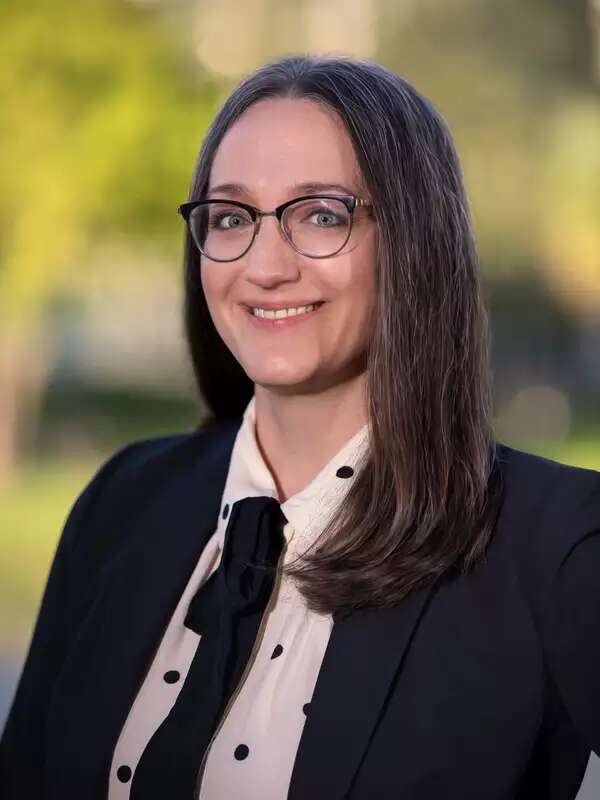
Sandra Aleksic, M.D., is an Assistant Professor in the Department of Medicine at Albert Einstein College of Medicine, specializing in Endocrinology and Geriatrics. Her research focuses on metabolic and neuroendocrine mechanisms underlying healthy aging, particularly the role of the hypothalamus in aging processes. She earned her medical degree from the University of Belgrade and completed residency at Rutgers New Jersey Medical School, followed by an endocrinology fellowship at Montefiore/Einstein and a Master of Science in Clinical Research. Her work utilizes advanced MRI techniques to study hypothalamic microstructure, linking it to metabolic disturbances and age-related diseases. Notable awards include the Resnick Emerging Scholar in Aging Research Award and the Paul B. Beeson Award. Her translational research bridges clinical endocrinology with aging mechanisms, emphasizing drug repurposing and geroscience applications.
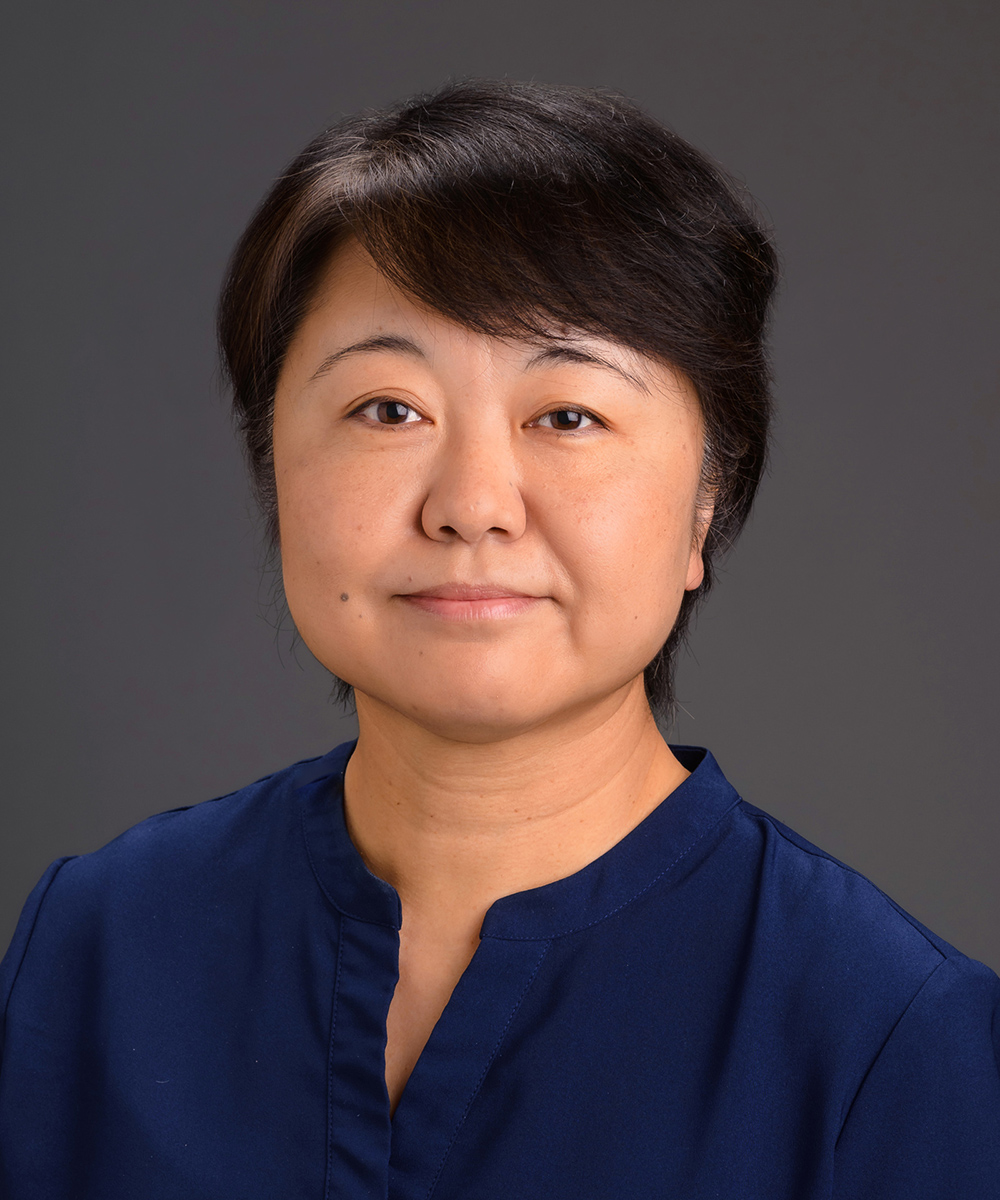
Dr. Yu Sun Bin is a Senior Research Fellow and Senior Lecturer at the University of Sydney, affiliated with the Charles Perkins Centre and the Faculty of Medicine and Health. She holds a BSc(Hons), MPH, and PhD, specializing in epidemiology and public health research. Her work focuses on sleep and circadian rhythms, particularly their impact on population health and disease prevention. Dr. Bin develops and teaches the university's first undergraduate unit on Sleep and Circadian Rhythms, reaching 2,000 students annually. Her research interests include sleep as a lifestyle risk factor, sleep disorders in pregnancy, and health surveillance methodologies. She has led international grants, including the Charles Perkins Centre-Qantas Partnership Project on mitigating jetlag. Dr. Bin’s awards include the Australasian Sleep Association's President's Award (2021) and the Mid-Career Publication Award (2023). Dr. Bin collaborates with global institutions like the Finnish Institute of Occupational Health and the University of Chicago. She advises students on jetlag and circadian misalignment projects and contributes to health policy through parliamentary inquiries and public advocacy. Her work bridges research, education, and real-world applications in sleep health.
Dr Johnny Bourke is a Research Fellow at the John Walsh Centre for Rehabilitation Research at The University of Sydney. He holds a PhD from the University of Canterbury (New Zealand), an MHealsSc (Rehabilitation) from the University of Otago, and a BA (Psychology) from Massey University. His work focuses on disability theory, rehabilitation practices, and co-design methodologies. Education: BA (Psychology), Massey University, New Zealand MHealsSc (Rehabilitation), University of Otago, New Zealand PhD, University of Canterbury, New Zealand Research Interests: Johnny explores community participation post-injury, disability policy, and the lived experience of rehabilitation. His unique perspective combines academic rigor with his personal history of high-level spinal cord injury. He emphasizes co-design approaches to involve disabled individuals in research and service development. Key Projects: "Telling Our Stories": Examining disabled medical students' experiences "Spinal Cord Injury Health Maintenance Tool": Digital health innovation Factors influencing positive relationships between disabled people and support workers Awards: University of Sydney Research Excellence and Inclusion Prize (2025) Canterbury Medical Research Fund Fellowship (2022/23) Best Student Presentation (AFRM Conference 2015) Advising & Grants: Johnny has led projects funded by the Canterbury Medical Research Foundation, Otago Medical School, and iCare. His work often involves collaborative teams across universities and healthcare organizations. Current projects address systemic barriers in healthcare access, Māori post-injury experiences, and vocational rehabilitation frameworks.
Dr. Tim Bruns is an Associate Professor in the Department of Biomedical Engineering at the University of Michigan. His research focuses on peripheral neural engineering and urodynamics, particularly developing closed-loop neuroprostheses and examining neural control mechanisms. He leads the pNEURO Lab, which investigates neural interfaces with dorsal root ganglia and autonomic organ function. Key interests include improving bladder and sexual dysfunction treatments through neuromodulation. Research Areas: Neural Engineering, Neurological Disorders, and Biomedical Engineering. His recent work explores interpatient variability in neural recruitment during nerve stimulation, vaginal blood flow modulation, and spinal cord injury rehabilitation. He has published extensively on topics like dorsal root ganglia recordings and chronic nerve stimulation effects. Lab: pNEURO Lab (Peripheral Neural Engineering and Urodynamics Lab). Collaborations involve clinical translation of neuromodulation techniques for functional recovery.
Erica Musser is an Assistant Professor in the Department of Neuroscience & Behavior and Psychology at Barnard College. Her research focuses on neurodevelopmental disabilities, particularly ADHD and Autism Spectrum Disorder (ASD), with an emphasis on improving clinical assessment, diagnosis, and neuroaffirming care through interdisciplinary approaches. Her work integrates psychological, physiological, and neuroimaging methodologies to understand the heterogeneous nature of these conditions. Dr. Musser’s research interests include emotion regulation, autonomic nervous system functioning in neurodevelopmental disorders, and the development of evidence-based interventions. She has pioneered studies examining biomarkers for ADHD subtyping and the role of early physiological markers (e.g., heart rate variability) in predicting neurodevelopmental outcomes. Her collaborations extend to global initiatives like the Psychological Science Accelerator, addressing challenges such as pandemic-related mental health and cross-cultural moral cognition. Her recent work emphasizes translational research, bridging clinical needs with basic science. Key contributions include studies on the neurobiological underpinnings of ADHD and ASD, the impact of acculturation on mental health in Hispanic/Latinx populations, and the application of virtual human simulations in clinician training. While no specific awards are listed, her extensive publication record reflects recognition in developmental psychopathology and clinical neuroscience. Dr. Musser’s lab focuses on innovative methodologies, including advanced neuroimaging (fMRI), psychophysiological assessments, and large-scale longitudinal data analysis. She collaborates with institutions worldwide to advance understanding of neurodevelopmental disorders and improve clinical care for affected individuals.
Dr. Lei Lei is an Associate Professor in the Department of Obstetrics, Gynecology and Women’s Health at the University of Missouri School of Medicine. Her research focuses on ovarian reserve formation, maintenance, and associated diseases, with a particular emphasis on the role of Balbiani bodies in oocyte development and the cellular origins of ovarian cancer. She also investigates sleep-disordered breathing in pediatric populations, leveraging exosome biology, machine learning, and transcriptomic approaches to understand disease mechanisms and develop diagnostic tools. Dr. Lei holds a PhD in Physiology (Reproductive Endocrinology) from Beijing’s College of Biological Sciences and a BS in Biology from China Agricultural University. Her awards include the MAVEN Senior Scientist (2020) and Beattie Awards in Stem Cell Biology (2017). Her work bridges reproductive biology and sleep medicine, with a focus on translational research. Her sleep research explores exosome-driven pathophysiology in obstructive sleep apnea (OSA), using cutting-edge techniques like single-cell RNA sequencing and deep learning models for sleep staging. Key findings include exosome-mediated blood-brain barrier disruption in OSA and the role of intermittent hypoxia in metabolic dysfunction. Dr. Lei’s publications span 2017–2025, with over 50 peer-reviewed articles. Notable contributions include developing explainable AI tools for OSA diagnosis and identifying exosome-based biomarkers for neurocognitive deficits. Her lab collaborates on projects involving pediatric sleep apnea, metabolic syndrome, and endothelial dysfunction.
Lizbeth de la Cruz is an Assistant Professor in the Department of Biological Sciences at Idaho State University. Her research focuses on understanding how pancreatic β-cells function across the lifespan, particularly in relation to aging and metabolic diseases like diabetes. She employs electrophysiology, calcium imaging, lipid mass spectrometry, and 3D modeling to study β-cell electrical properties, insulin release mechanisms, and the role of the autonomic nervous system in aging-related dysfunction. Education: Ph.D. (2017) and B.S. (2012) in Biological Sciences from Universidad Nacional Autónoma de México. Her research interests include β-cell excitability, phosphoinositide dynamics, and the interplay between sympathetic nervous system regulation and metabolic health. Key studies investigate how aging impacts insulin secretion pathways and sympathetic nerve function in pancreatic islets. She has pioneered techniques integrating electrophysiology with tissue-clearing methods to visualize β-cell networks in aged tissues. Publications highlight contributions to understanding phosphoinositide metabolism in neurons and β-cells, as well as population-level studies on metabolic disorders in Mexican communities. Her work bridges basic cellular mechanisms with translational research on aging-related diseases. De la Cruz is committed to science education and outreach, mentoring high school students and publishing articles promoting STEM accessibility. She advocates for diversity in scientific careers through community initiatives and collaborative research programs.
Valia Rodríguez Rodríguez is a Lecturer in Neurophysiology at the College of Health and Life Sciences, Aston University, UK. She is affiliated with the Applied Health Research Group and the Aston Research Centre for Health in Ageing. Her research focuses on biomarkers for age-related declines, neurovascular ageing, and electrophysiological markers of brain dysfunction. She holds a PhD in Neural basis of object-based visual attention from the Cuban Neuroscience Center and an MD in Clinical Neurophysiology from the University of Medical Sciences of Havana. Research Interests: Healthy ageing, mobility disorders, biomarkers for early diagnosis, neurovascular ageing, and electrophysiology. She employs imaging techniques (MRI, fMRI, retina imaging) and electrophysiology (EEG, EP, ERP) to study age-related declines. Current projects include biomarkers for cognitive frailty and diagnostic markers for physical rehabilitation of frail older adults. Funding and Collaborations: Recent grants include a BCHC-Aston pilot study (2023-2024) and a UKAN-Cognitive Frailty Interdisciplinary Network pilot on neurovascular status (2023). Collaborators include Lancaster University, University of Edinburgh, and Cuban institutions. She supervises PhD students focusing on ageing, neurovascular ageing, and retina health. Teaching: Leads courses in clinical neurophysiology practice, EEG applications, and research projects at the postgraduate level. Also teaches introductory science for audiology undergraduates.
Ferran Casals López is an Associate Professor at the Department of Genetics, Microbiology and Statistics in the Faculty of Biology at the Autonomous University of Barcelona. His research focuses on understanding genetic mechanisms underlying primary immunodeficiencies, genetic mosaicisms, and alternative inheritance models in rare disorders. He coordinates master's programs in Genetics and Genomics and Bioinformatics, and teaches courses on molecular genetics and disease genetics. His research projects include studying somatic and germline mutations in immunodeficiencies, genetic modifying factors in periodic fevers, and medical genomics of common variable immunodeficiency (IDCV). He has led multiple projects funded by institutions like the Ministry of Science and Innovation and the European Union. Recent work involves nanopore sequencing applications and genomic analysis of human migration patterns. Casals has published extensively on topics including genetic load in primates, exome sequencing applications, and population genetics of Indian and Andamanese populations. His educational contributions include developing digital skills programs for health professionals in computational biology.
Lauren Phillips, M.D., is the Neurology Residency Program Director at UT Southwestern Medical Center's Department of Neurology since 2018. She earned her medical degree from the University of Texas Health Science Center at San Antonio and completed her neurology residency and neuromuscular medicine fellowship at UT Southwestern. Board-certified in Neurology and subspecialty-certified in Neuromuscular Medicine, she also holds certification in Autonomic Disorders. Her clinical expertise focuses on neuropathies, myasthenia gravis, myopathies, and autonomic disorders, with proficiency in nerve conduction studies, electromyography, and autonomic function testing. She has contributed to clinical trials and maintains active roles in medical student education and residency program leadership. Her research spans neuromuscular imaging, autonomic dysfunction, and radiation tolerance in peripheral nerves. Notable studies include work on postural tachycardia syndrome, spinal nerve radiation effects, and skeletal muscle channelopathies. Over 16 publications reflect her interdisciplinary engagement across neurology, radiology, and clinical oncology. Dr. Phillips collaborates within the Neuromuscular Medicine and Autonomic Disorders sections at UT Southwestern. While specific scientific awards are not detailed here, her contributions to clinical education and research demonstrate significant academic impact. Her work bridges clinical practice with advanced diagnostic techniques and translational studies.
Jan Huizinga is a Professor at the McMaster School of Biomedical Engineering, McMaster University. His research focuses on gastrointestinal motility, smooth muscle physiology, and the interplay between the autonomic nervous system and gut dysfunction. Key interests include colonic dysmotility, interstitial cells of Cajal (ICC), and neurogenic/myogenic motor patterns in health and disease. Education and background details are not explicitly provided in the text. His work combines experimental and mathematical modeling approaches to understand gut motor patterns, particularly in conditions like chronic constipation and autonomic dysfunction. He collaborates on translational research, including diagnostic tools like hydrogen breath testing and ultrasound imaging of motor patterns. Research emphasizes clinical applications such as evaluating therapies (e.g., spinal laser therapy) for colonic motility disorders and validating novel diagnostic methods (e.g., heart rate variability analysis). Recent studies investigate the role of short-chain fatty acids in restoring motility in germ-free mice and the physiology of defecation reflexes via high-resolution colonic manometry. No awards or grants are listed, but his extensive publication record reflects sustained contributions to gastrointestinal physiology and neurogastroenterology. He advises no listed students, though collaborations with clinicians and researchers in the field are implied. Labs/teams: Affiliated with McMaster’s biomedical engineering research clusters focusing on therapeutics, imaging, and translational physiology. Active in human and animal model studies to bridge basic science and clinical practice.
Mary Woo is a Professor at the UCLA School of Nursing researching brain-heart interactions in heart failure patients, where she identified specific brain injury sites. Her NIH-funded program (continuously since 1997) examines causes and treatments for cardiac-related brain injury. She mentors trainees across nursing, physiology, neurobiology, and medicine. Research expertise includes autonomic-cardiac regulation, heart failure complications, sleep apnea neurology, and neuroimaging (brain MRI, DTI, MRS). Publications document gray matter loss, hippocampal damage, blood-brain barrier dysfunction, and metabolic changes in cardiovascular and sleep-disordered patients. Honors include American Heart Association fellowship (1997), American Academy of Nursing fellowship (2001), AHA's Pillar of Cardiovascular Nursing Research award (2009), and NINR Director's Leadership Award (2013). She leads multiple NIH grants investigating brain injury mechanisms in heart failure and sleep apnea.
Michael G Kaplitt , M.D., Ph.D., is a leading Professor of Neurological Surgery at Weill Cornell Medical College , with additional appointments in Neurology, Otolaryngology-Head and Neck Surgery, and Neuroscience. He serves as the David and Ursel Barnes Professor in Minimally Invasive Surgery , focusing on surgical treatments for movement disorders like Parkinson's disease and essential tremor, particularly pioneering MR-guided focused ultrasound techniques. Education : Ph.D. in Molecular Neurobiology from The Rockefeller University (1993) M.D. from Weill Cornell Medical College (1995) B.A. in Molecular Biology and Russian Studies from Princeton University (1987) His research spans gene therapy for neurodegenerative diseases, molecular neurobiology , and neurosurgical innovations . Notably, he conducted the first FDA-approved gene therapy trial for Parkinson's Disease and continues investigating AAV vectors and focused ultrasound applications. Dr. Kaplitt has published over 40 papers and edited two books, including Gene Therapy of the Central Nervous System: From Bench to Bedside . His scientific awards include the Young Investigator Award from the American Society for Gene Therapy and Crain's 40 Under 40 recognition. He collaborates with institutions like MeiraGTx, LLC and Graviton Bioscience Corporation , holding proprietary interests in gene therapy technologies. His clinical expertise includes deep brain stimulation , spinal cord stimulators , and trigeminal neuralgia treatment.
Professor Janet Keast is Chair of Anatomy and Neuroscience in the Department of Anatomy and Physiology at the University of Melbourne's Faculty of Medicine, Dentistry and Health Sciences. She is an internationally recognized researcher in neural innervation of urogenital organs and neurobiology of pain, with leadership experience including Director of Basic Research at the Pain Management Research Institute and Head of the Department of Anatomy & Neuroscience at the University of Melbourne. Her educational background includes: Bachelor of Science (Honours) from University of Adelaide PhD from Flinders University (mentors: John Furness and Marcello Costa) Postdoctoral training with Dr William (Chet) de Groat at University of Pittsburgh Professor Keast's primary research interests focus on the autonomic and sensory innervation of urogenital organs , with particular emphasis on mechanisms of neural plasticity contributing to pelvic visceral pain and spinal cord injury pain. Her work spans neuro-urology , neural development , vascular innervation , and neuromodulation approaches for restoring bladder control. She employs advanced techniques including microscopy of neural circuits, viral tracing methods, and computational modeling to understand the complex neural regulation of urogenital function. Her recent publications demonstrate a strong focus on mapping neural circuitry of the lower urinary tract, developing endovascular neuromodulation approaches, and investigating pathological changes in urogenital tissues. These works span neuroscience, urology, biomedical engineering, and reproductive medicine, reflecting the interdisciplinary nature of her research program. Her notable scientific achievements include: 2018 Nina Kondelos Award from the Australasian Neuroscience Society (awarded annually to a female neuroscientist for outstanding contribution) President of the Australasian Neuroscience Society (2023-2024) Professor Keast currently leads a research team supported by the NIH SPARC Program to map neural circuitry of the lower urinary tract and develop new neuromodulatory therapies. With Dr. Peregrine Osborne, she co-leads a project within the NIH GUDMAP consortium to map the development and maturation of vasculature and nerve supply in the mouse lower urinary tract. Her research program has received substantial funding through multiple research grants, including international collaborations with the NIH. Her laboratory focuses on neuroanatomical mapping, neural circuit analysis, and development of neuromodulation approaches for urogenital disorders, working at the intersection of basic neuroscience and clinical applications.
Rejji Kuruvilla is a Professor of Biology and Vice Dean for Natural Sciences at Johns Hopkins University's Krieger School of Arts & Sciences. Her research focuses on the development and functions of the sympathetic nervous system, particularly investigating how target-derived neurotrophins regulate neuronal growth, signaling, and regeneration. She holds a BS from Calcutta University (India), a PhD from University of Houston (Biology), and completed postdoctoral work at Johns Hopkins School of Medicine. Her lab employs mouse genetics, imaging, transcriptomics, and biochemical analyses to study how peripheral organs interact with sympathetic neurons. Key areas include glucose homeostasis regulation, satellite glial cell functions, and neurotrophin receptor trafficking mechanisms. Recent work highlights the role of satellite glial cells in maintaining autonomic functions and the sympathetic nervous system's influence on metabolic processes like cold tolerance and lipid management. Contact: rkuruvilla@jhu.edu | Office: 227 Mudd Hall | Lab: 410-516-7641 | Lab Website