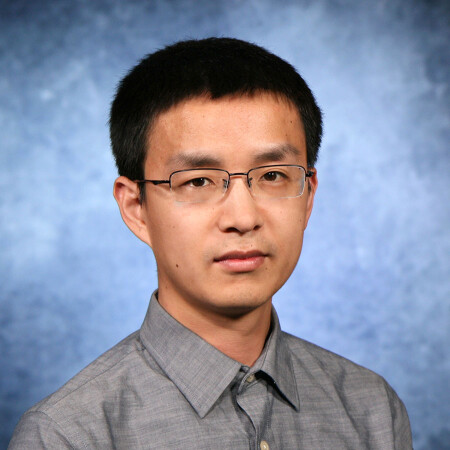
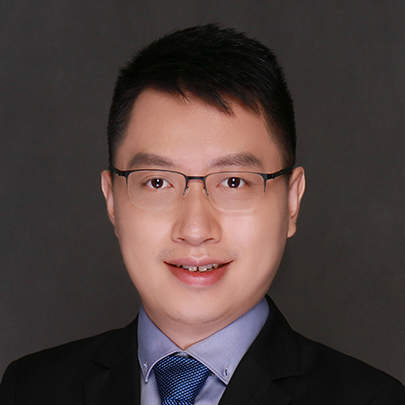
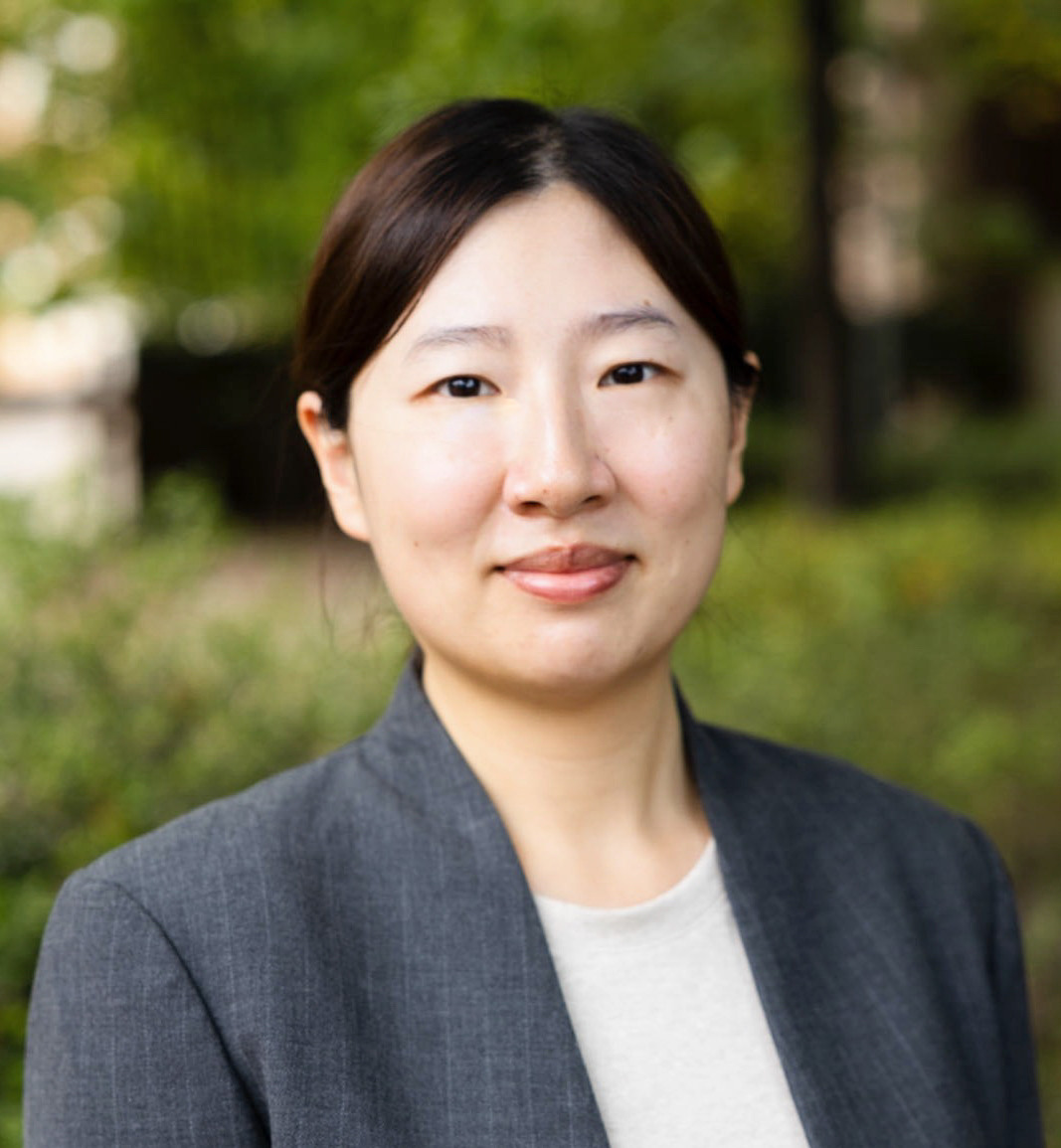
Lingming Zhang is an Assistant Professor of Computer Science at The University of Texas at Dallas, affiliated with the Erik Jonsson School of Engineering and Computer Science. His work focuses on advancing automated debugging technologies, particularly for software written in Java within the JVM ecosystem. He holds a NSF CAREER Award supporting his research into maximal and scalable unified debugging solutions. Research Interests: Automated Software Debugging Programming Languages (Java) Software Testing and Verification JVM Ecosystem Optimization Awards: NSF CAREER Award ($520,000, 5-year grant for debugging technology development) Grants: His NSF-funded project, “Maximal and Scalable Unified Debugging for the JVM Ecosystem,” aims to improve error diagnosis and repair in Java-based software systems.
XIE Xiaofei is an Assistant Professor of Computer Science at the School of Computing and Information Systems (SCIS), Singapore Management University (SMU). He holds the Lee Kong Chian Fellowship and has a PhD from Tianjin University (2018). Previously, he was a postdoctoral researcher at Nanyang Technological University (NTU, 2018–2021). His research focuses on program analysis, software testing, vulnerability detection, and AI system quality assurance. Key areas include adversarial attacks on deep learning systems, autonomous driving testing, and secure software development. He actively advises PhD students and collaborates on projects like the GameRTS framework for video game testing and BehAVExplor for autonomous systems. Education : PhD, Tianjin University, 2018 Postdoctoral Research, NTU Singapore, 2018–2021 Research Interests : Dr. Xie explores cutting-edge topics such as neural network testing , AI security , and large language model (LLM) reliability . He develops tools like DeepHunter for DNN fuzz testing and CAShift for cloud attack detection. His work bridges theory and practice, addressing real-world challenges in software safety and AI robustness. Recent Contributions : His publications span top venues (ICSE, ASE, CVPR) and include innovations like behavior diversity testing for autonomous vehicles and multi-target backdoor attacks on code models. He also leads initiatives to enhance federated learning security and LLM vulnerability detection. Awards & Recognition : ACM Tianjin Doctoral Dissertation Award (2019) ACM SIGSOFT Distinguished Paper Award (ISSTA 2022) Best Paper Award, APSEC 2020 3 rd place in AI Singapore’s Trusted Media Challenge (2022) Advising & Grants : He mentors seven PhD/MSc students and leads research teams funded by initiatives like SMU’s Lee Kong Chian Fellowship. His labs focus on autonomous systems testing and AI-driven security tools .
Stephanie Forrest is a Professor in the School of Computing and Augmented Intelligence (SCAI) at Arizona State University (ASU), where she also serves as Director of the Biodesign Center for Biocomputation, Security and Society. She is an External Faculty member of the Santa Fe Institute (SFI), where she previously held leadership roles including Co-Chair of the Science Board (2010–2013) and Interim Vice President for Academic Affairs (1999–2000). Prior to joining ASU, she was a Regents Distinguished Professor and Department Chair of Computer Science at the University of New Mexico (2006–2011). B.A., St. John's College M.S., Ph.D., University of Michigan, Computer Science Her research lies at the intersection of biology and computation, focusing on computational immunology, automated software repair, evolutionary computation, and modeling complex systems such as cancer and immune responses. She pioneers bio-inspired algorithms for cybersecurity and develops evolutionary techniques for software optimization and repair. Her work integrates principles from immunology, genetics, and complex adaptive systems to solve problems in computer science. The trends in her recent publications reveal a sustained focus on automated program repair using evolutionary computation, GPU code optimization, and modeling biological systems. Her work increasingly combines machine learning with mutation-based search, explores semantic representations in code repair, and applies bio-inspired models to real-world software and security challenges. ACM/AAAI Allen Newell Award (2011) Presidential Young Investigator Award (1991) Stanislaw Ulam Memorial Lectures, SFI (2013) IEEE Fellow UNM Annual Research Lecture (2012) IEEE S&P Test of Time Award (2020) ICSE Most Influential Paper Award (2019) ACM/SIGEVO Impact Award (2019) SEAMS Best Paper Award (2019) WEIS Best Paper Award (2015) Stephanie Forrest has advised numerous students and researchers, often in collaboration with W. Weimer, C. Le Goues, and M. Moses. Her research is supported by major funding agencies including the National Science Foundation (NSF), Defense Advanced Research Projects Agency (DARPA), Air Force Research Laboratory (AFRL), and the Santa Fe Institute. She has also contributed to public policy as a Jefferson Science Fellow at the U.S. Department of State (2013–2014), advising on cyber-policy. She currently chairs the Government Affairs Committee of the Computing Research Association (CRA). She leads the Biodesign Center for Biocomputation, Security and Society, which brings together interdisciplinary teams to study the co-evolution of technology and society. Her research group has developed tools for intrusion detection (e.g., STIDE, pH, RISE), automated software repair (e.g., GenProg), and biological modeling (e.g., CancerSim). Current projects include engineering diversity for enhanced cybersecurity, measuring internet censorship, and modeling immune and cancer systems.
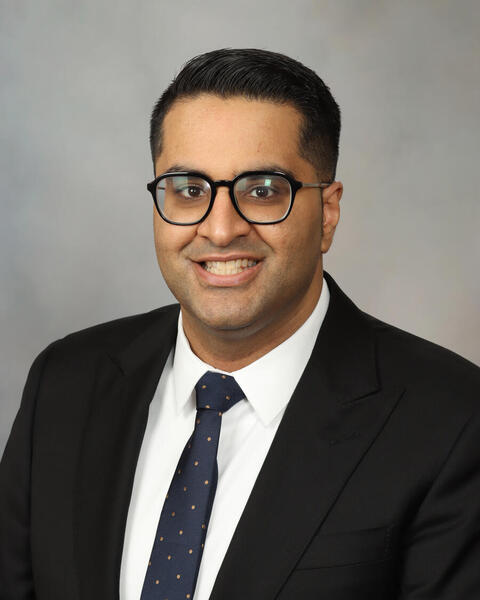
Ahad M. Siddiqui, Ph.D., is an Assistant Professor in the Department of Neurology and the Department of Regenerative Medicine at Mayo Clinic in Rochester, Minnesota. He holds administrative appointments as Associate Consultant I-Research in both the Department of Neurology and the Department of Physical Medicine & Rehabilitation. His interdisciplinary work bridges neuroscience, regenerative medicine, and biomedical engineering. His research focuses on regenerative neuroimmunology, particularly in the context of spinal cord injury (SCI). Dr. Siddiqui's laboratory investigates combinatorial therapies that modulate inflammation, deliver neurotrophic factors via biomaterials, and enhance neural regeneration and functional recovery. He also pioneers the application of machine learning and AI to automate and improve the reliability of histological data analysis in neuroscience. The recent publications of Dr. Siddiqui reflect a strong trajectory in SCI research, with emphasis on hydrogel scaffolds, microglia modulation, retinal ganglion cell survival, and AI-driven image analysis. His work integrates biomaterials, cell and gene therapies, and neuromodulation to target multiple aspects of SCI pathophysiology. His scientific contributions have been recognized through a pilot award from the RNA Discovery and Translation Program at Mayo Clinic (2025–2026) and leadership in the Early Career Advisory Committee of the North American Spine Society (2022–present). Dr. Siddiqui mentors research teams and collaborates across institutions, advancing translational solutions for unmet needs in neuroregeneration. His lab is actively developing novel technologies—including gene therapies, engineered cell systems, and smart biomaterials—aimed at improving outcomes for patients with neurological injuries.
Indika Anuradha Mendis Balapuwaduge is a Researcher at the Department of Information and Communication Technology , University of Agder , Norway. He previously served as a Senior Lecturer at the University of Ruhuna (2020-2022) and held postdoctoral and PhD positions at the University of Agder (2017-2020 and 2012-2016). Education PhD in ICT (University of Agder, 2016) MSc in ICT (University of Agder, 2012) BSc in Electrical and Information Engineering (University of Ruhuna, 2008) Research Interests : Focus on Wireless Communication with expertise in Cognitive Radio Networks , Ultra-Reliable Communication , and Applied Machine Learning . His work integrates Dependability Theory and Stochastic Process Modeling to address challenges in 5G/6G Networks , IoT , and Network Slicing . Recent Publications include studies on Electric Vehicle Charging Optimization , Secure IoT Protocols , and 5G Network Slicing . He has contributed to IEEE Transactions and Springer publications, emphasizing Dynamic Spectrum Allocation and Machine Learning Applications .
Karine Even-Mendoza is a Lecturer at King's College London specializing in software reliability, with active contributions to SPLASH, ASE, and ISSTA conferences. Her research bridges traditional software engineering with emerging domains like quantum computing and green software. Her research interests focus on: Advanced testing methodologies (Fuzzing, Model Checking) Machine Learning integration for test generation Quantum software validation Energy-efficient computing solutions Recent publications (2020-2025) reveal a strategic evolution from compiler testing foundations to ML-augmented quantum and green computing research. This progression demonstrates consistent innovation in software reliability while addressing industry-critical challenges in emerging technologies. As a Lecturer, she actively supervises student projects and conference submissions. Her involvement in conference organization (SPLASH, ICTSS) and industry collaborations (eBay, IBM legacy) provide students with real-world exposure to software engineering challenges. Her research group develops practical tools like CsmithEdge and SearchGEM5, maintaining strong GitHub engagement for open-source contributions to compiler and simulator testing.
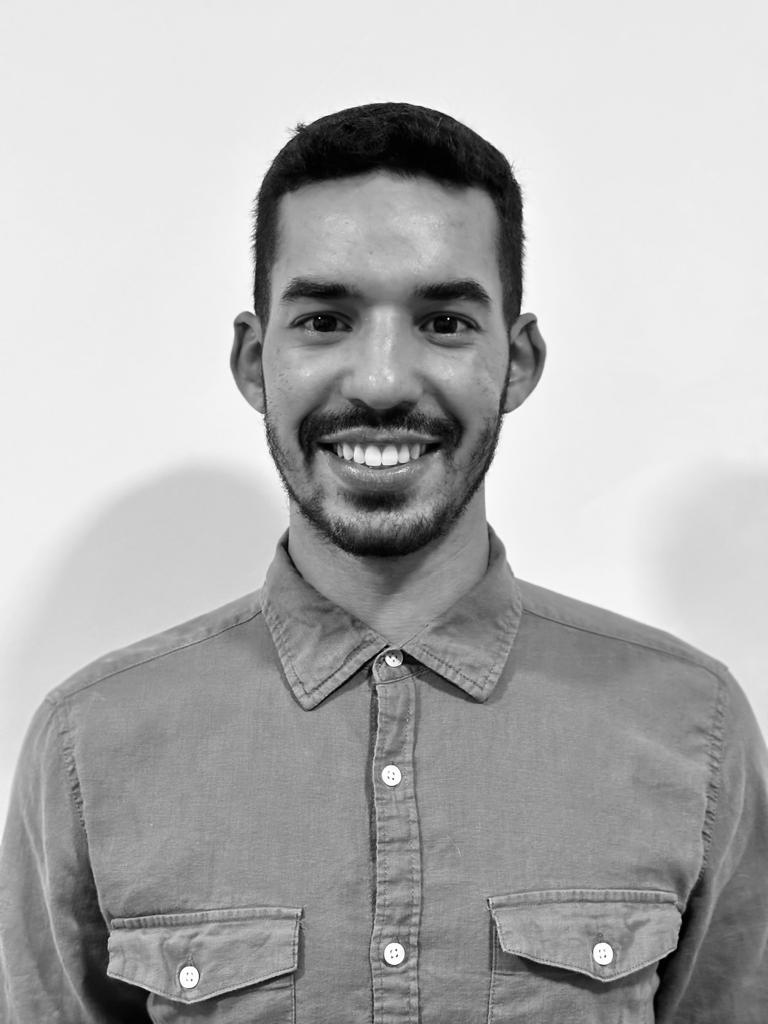
Leonardo Mendonça is a PhD student in Intelligent Systems Engineering at the Polytechnic Institute of Bragança (IPB), Portugal. He holds a bachelor's degree in Control and Automation Engineering from CEFET-MG, Brazil, and a master's degree in Electrical and Computer Engineering from IPB, earned through a double degree program. PhD in Intelligent Systems Engineering, IPB BSc in Control and Automation Engineering, CEFET-MG MSc in Electrical and Computer Engineering, IPB His research focuses on Simulation and Advanced Data Analytics , particularly in optimizing complex industrial processes as part of the PRODUTECH R3 project at IPB's Research Centre in Digitalization and Intelligent Robotics (CeDRI). He develops data analytics solutions to enhance efficiency in standardized engine repair tasks. Leonardo is affiliated with the Research Centre in Digitalization and Intelligent Robotics (CeDRI) , contributing to advancements in industrial automation and robotics. His work bridges theoretical models with practical applications in intelligent systems.
Dr. Matthew Joseph Donough is a post-doctoral researcher at the University of New South Wales (UNSW Sydney), affiliated with the ARC Training Centre for Automated Manufacture of Advanced Composites (AMAC). He holds a PhD in Aerospace Engineering from RMIT University (2015). His research focuses on aerospace structures, numerical modeling, composite and hybrid materials, and bio-inspired designs. Key interests include fatigue crack growth prediction, grid structure optimization, and thermal load modeling of composite materials. Current supervisions include PhD candidates Shafaq, Rowan Caldwell, and Christopher Jenkins, all working on durability aspects of marine composite propellers and leaf arms. He has contributed to grants such as the Light Weight Composite Conveyor Support Structures project (2021–2023), funded by the Australia Coal Research Program. Dr. Donough’s expertise spans advanced manufacturing techniques like automated fibre placement (AFP), fracture mechanics, and composite material characterization. His work emphasizes practical applications in aerospace and structural engineering, with a focus on enhancing composite materials’ performance and durability under various loading conditions.
Dr. Ben Leong is an Associate Professor of Computer Science at the National University of Singapore (NUS), holding roles as Assistant Dean, Director of the Centre for Computing for Social Good and Philanthropy (CCSGP), and Director of the AI Centre for Educational Technologies (AICET). He earned his S.B., M.Eng., and Ph.D. from MIT (Computer Science, 2006). His research focuses on computer networking and distributed systems, including low-latency TCP, mobile cellular networks, and software-defined networks. He has published extensively at top venues like SIGCOMM and CoNEXT. Dr. Leong is a recipient of the NUS Outstanding Educator Award (2015) and multiple teaching excellence awards. He has supervised numerous PhD students and contributed to educational initiatives, including Coursemology, a gamified learning platform. Beyond academia, he serves as Chief Data Officer at AI Singapore and leads software development for the Ministry of Education. His research group explores modern network protocols, congestion control, and distributed systems. Notable projects include improving TCP performance in cellular networks and mitigating packet loss in datacenters. He has also pioneered innovations in educational technology, blending gamification with programming feedback systems.
Yi Li is an Associate Professor at the College of Computing and Data Science (CCDS) , Nanyang Technological University (NTU) , focusing on the security, reliability, and sustainability of modern software systems. Their work bridges blockchain-based decentralized applications and software evolution management. Research Interests : Sustainability of evolving software systems, security/reliability of blockchain applications, semantic history slicing, and compositional analysis. Academic Roles : Associate Professor (2024–Present), Assistant Professor (2018–2024) at NTU, and research internships at Google and Microsoft Research . Scientific Awards : Distinguished Paper Award at NDSS'25 ACM SIGSOFT Distinguished Paper Award at ASE'23 Professional Activities : Co-Chair, Journal-First Track at FSE'25 and APSEC'25 Program Committee roles at ICSE, FSE, ASE, FM, and others (2016–2025) Organizing and reviewing for IEEE/ACM journals Key Publications : 2025: ICSE (SpecGen), FSE (invariant analysis), ISSTA 2024: INFOCOM (LightCross), ASE, ACM Computing Surveys 2023–2014: SPLC, ASE, FM, Dagstuhl Reports Student Advising : Chenguang Zhu (UT Austin, advisor Sarfraz Khurshid), Tai D. Nguyen (SMU, advisor Jun Sun).
Minsi Chen is a Researcher at the University of Huddersfield , affiliated with the School of Computing and Engineering and the Department of Computer Science . They serve as Subject Area Leader (CIS - U/G) and are a member of the Centre for Industrial Analytics and Centre for Sustainable Computing . Their work spans interdisciplinary research with a focus on computer science, augmented reality, and medical applications. Research Interests : Minsi Chen's research expertise includes real-time rendering , volume rendering , augmented reality , multimodal sensing data fusion , and visualization of large datasets . They have contributed to advancements in medical imaging , hybrid system modeling , and graph neural networks , with applications in trauma surgery simulation , automotive systems , and industrial analytics . Collaborative Activity : Recent research outputs indicate strong collaborations with institutions such as University of Huddersfield , CERN , and University of Leeds . Their work intersects with UN Sustainable Development Goals related to good health , industry innovation , and climate action through sustainable computing initiatives.
Wenxi Wang is an Assistant Professor in the Department of Computer Science at the University of Virginia. His research focuses on enhancing software reliability and security through the integration of formal methods and machine learning, particularly in areas like SAT solving, graph neural networks, and cloud access control. He holds a Ph.D. from the University of Texas at Austin and an MPhil from the University of Melbourne. Education Ph.D., University of Texas at Austin (2024) MPhil (Research Master's), University of Melbourne Research Interests Wenxi Wang’s work bridges software engineering, security, formal methods, and machine learning. Key areas include: - Software reliability (especially for AI systems) - Verification and validation techniques - SAT solving and automated reasoning (e.g., SMT solving) - Graph neural networks and reinforcement learning applications Awards MIT EECS Rising Stars (2022) George J. Heuer, Jr. Ph.D. Fellowship (2023–2024) Service & Leadership He serves on program committees for top venues like ICSE, CAV, and ASE, and chairs sessions on verification and testing at ECOOP and ASE. His group, the Hiprel Group, actively develops tools like NeuroBack and DataBack to advance SAT solving and software reliability. Labs/Groups Leads the Hiprel Group , focused on integrating machine learning with formal methods for secure software systems.
Alcino Cunha is an Associate Professor with habilitation at the Department of Informatics of the University of Minho. He is a member and co-coordinator of the High-Assurance Software Laboratory, part of the University of Minho and INESC TEC. His research focuses on making formal software design accessible, particularly through advancements in the Alloy framework, including Alloy4Fun and Alloy Version 6. He has contributed to tools like HAROS for robotic software verification and Echo for model repair. Teaching roles include Formal Methods in Software Engineering (MSc), Formal Verification (MSc), and Algorithmic Problem Solving Lab (BSc). He has led projects such as SAFER (robotic safety verification), TRUST (Alloy-based design), and DigiLightRail (railway network verification). His service includes PC roles at SEFM 2025, ABZ 2025, and QRARSAC conferences. Research highlights include formal specification education, temporal relational modeling (Pardinus), and verification of distributed systems. Collaborations with ONERA and INESC TEC have produced influential frameworks like Alloy4Fun and Electrum. His work bridges academia and industry, notably through consultancy with EFACEC and contributions to national CRIS ecosystems (PTCRISync).
Wolfgang Banzhaf is the John R. Koza Endowed Chair in Genetic Programming and a Professor in the Department of Computer Science and Engineering at Michigan State University. He previously served as University Research Professor at Memorial University of Newfoundland, holding leadership roles including Department Head. His research focuses on bio-inspired computing, evolutionary computation, complex adaptive systems, and artificial life, with recent emphasis on network research applications. Education: Dr.rer.nat (Ph.D.) from Karlsruhe Institute of Technology (KIT), Diplom in Physik (M.Sc.) from Ludwig-Maximilians-University, Munich. Research Interests include genetic programming, evolutionary algorithms, self-organization, and computational models of biological systems. He has pioneered work in genetic programming, founding the Genetic Programming and Evolvable Machines journal and co-founding the European Genetic Programming conference series. Notable awards include the EvoStar Award (2007), ACM SIGEVO Outstanding Contributions Award (2023), and ISAL Lifetime Achievement Award (2022). His work spans 200+ publications, with recent contributions in symbolic regression, protein engineering, and evolutionary machine learning. Advising: Supervised over 20 graduate students and postdocs, including Jorden Schossau, Kenneth Reid, and Mark Kocherovsky. Active in interdisciplinary projects like NIH-funded genomic prediction and MRI reporter gene engineering. Labs/Teams: Leads research groups at MSU collaborating on evolutionary computation, artificial life, and computational biology. Collaborates with institutions globally on theoretical and applied projects.
Amey Karkare is a Professor in the Department of Computer Science and Engineering at the Indian Institute of Technology Kanpur (IIT Kanpur). He holds a PhD from IIT Bombay and has been affiliated with IIT Kanpur since 2010, progressing through academic ranks to his current role since 2021. Education: PhD, IIT Bombay (2003-2008); B.Tech., IIT Kanpur (1994-1998) Research Interests: His work spans compilers , functional programming , program analysis , code optimization , and programming education . He focuses on improving compiler error messages, automated error repair, and educational tools like Prutor for programming courses. Recent Publications highlight advancements in pedagogical error repair , intelligent problem indicators , error localization , and GPU energy optimization . Notably, his 2023 paper on automated error repair received a Best Paper Award. Awards & Recognitions: Poonam and Prabhu Goel Chair Fellowship (2022) IIT Kanpur 1989 Batch Faculty Award for innovative teaching (2019) Best Faculty of the Year by Computer Society of India (2018) P. K. Kelkar Young Faculty Fellowship (2013-2016) Teaching & Advising : He supervises PhD, M.Tech, and B.Tech students, offering courses like Advanced Compiler Optimizations and Principles of Programming Languages . His projects integrate AI and functional programming in education.