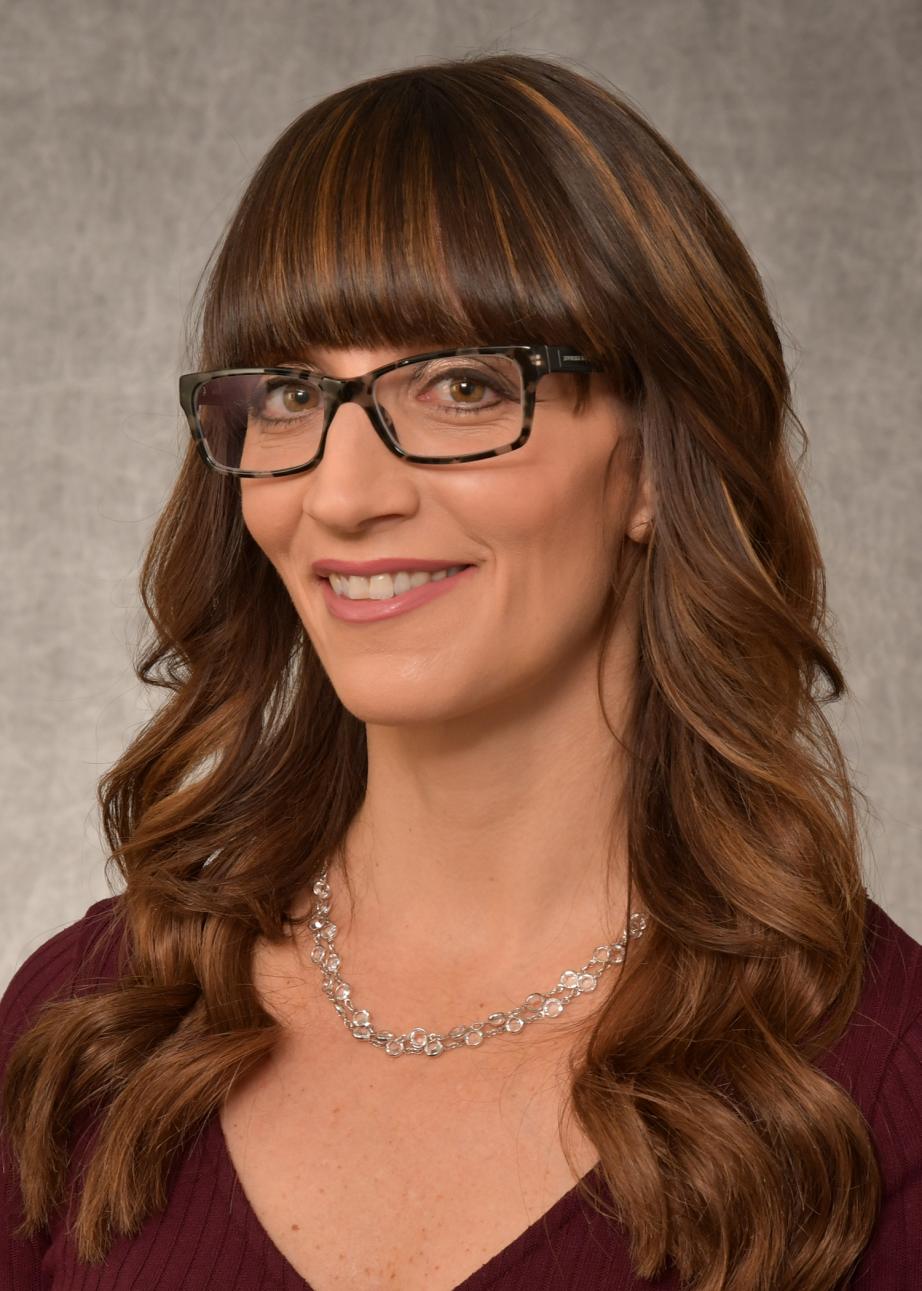
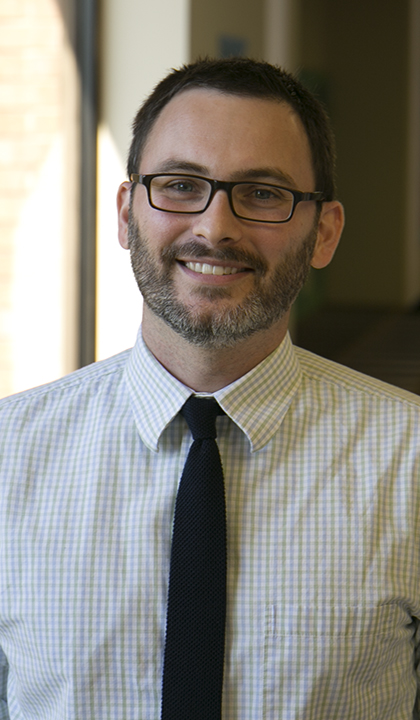
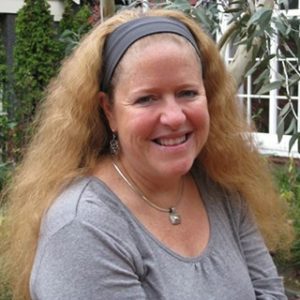
Dr. Sarah Marsden is a Researcher affiliated with Lancaster University's Health Research Department within the Lancaster Medical School, part of the Faculty of Health and Medicine. Her role involves a Scoping Study on Suicide, Self-harm and Learning Disability. She focuses on qualitative research addressing mental health challenges in marginalized groups, particularly suicidality and self-harm behaviors among autistic individuals, neurodiverse populations, and those with learning disabilities. Her research emphasizes understanding systemic barriers in healthcare access through studies like 'Diversifying medicine by widening participation' and exploring self-harm dynamics in autistic adults. Publications reflect interdisciplinary approaches bridging medical sociology and clinical psychiatry. She holds no listed awards but contributes actively to public health discourse through blogs and peer-reviewed journals. As part of the Health Research team, her work aligns with broader institutional priorities in advancing equitable healthcare practices and improving outcomes for vulnerable groups.
Lauren A. Delisio is an Associate Professor of Special Education at Rider University's Department of Teacher Education. She has taught graduate and undergraduate courses in special education, inclusive practices, and assistive technology since 2015. Ph.D. in Exceptional Student Education (2015, University of Central Florida) Graduate Certificate in Autism Spectrum Disorders (2012, University of Central Florida) M.S. in Teaching (2005, Pace University) B.A. in Communications (2000, Rider University) Her research focuses on universal design for learning (UDL) , assistive technology , and inclusive education practices for students with autism spectrum disorders (ASD), attention deficit hyperactivity disorder (ADHD), and intellectual disabilities. She has explored trauma-informed instruction, STEM accessibility, and evidence-based practices in inclusive classrooms. Her recent publications analyze UDL implementation, video prompting for independence, and pandemic impacts on inclusive education. She has received grants through the Department of Education's Office of Special Education Programs (OSEP) for Project LEAD and served as a doctoral intern with OSEP. Delisio has contributed to STEM research via video game integration for students with disabilities and supported alumni engagement through data collection. She collaborates with service providers, universities, and policymakers to improve educational outcomes for neurodiverse learners.
Dr. Sarah Benson is an Associate Professor in the Department of Disability, Inclusion and Special Needs at the University of Birmingham, based at the Dubai Campus. She serves as Programme Lead for the Inclusion and Special Education Needs PGCert and Masters in both the UK and Dubai, and is affiliated with the School of Education. Educational Background: PhD in Special Education, University of Virginia, 2020 MA in International Education, The George Washington University, 2010 BA in English and Special Education, James Madison University, 2002 Her research focuses on inclusive education policy and practice, particularly in the Middle East and North Africa (MENA) region. She explores teacher development, inclusive science curriculum for primary students, and autism support in Gulf countries. Her work is deeply informed by cross-cultural experiences, including Peace Corps service in Jordan and a Fulbright year in Norway. Dr. Benson's recent publications reveal a strong trend in inclusive teaching strategies, policy analysis in Jordan and the UAE, and the integration of science education with special needs pedagogy. Her research emphasizes practical implementation, teacher preparedness, and equity in educational access. Scientific Awards and Honors: Fulbright Scholar (2013) President, Curry School of Education and Human Development (University of Virginia) Dr. Benson is actively involved in research leadership, serving as Principal Investigator for the ESRC-GCRF Bhutan Inclusive Employment and Social Participation Project and Co-Investigator on the Disability Under Siege Network and a study on teachers' perceptions of autism in Ras Al-Khaimah. She currently supervises PhD candidates and contributes to international scholarly communities such as the Council for Exceptional Children and the Comparative International Education Society. She is also engaged in commissioned research, including a report on autism teaching preparedness in Ras Al-Khaimah, and teaches modules on cross-cultural special education, inclusion, and policy analysis.
Prof. Dr. Teresa Sansour is a full Professor of Pedagogy and Didactics in Cases of Intellectual Development Impairments with Special Consideration of Inclusive Educational Processes at the Institute for Special and Rehabilitation Education, Carl von Ossietzky University of Oldenburg. She joined the university in April 2020 and has held leadership roles including Vice Director for Teaching at the Center for Teacher Education (since October 2021) and Deputy Institute Director (since April 2025). Her academic affiliations reflect a deep commitment to inclusive and special education. Her research focuses on educational interactions in the context of intellectual disabilities, inclusive subject didactics, the participation of people with complex disabilities, and the professionalization of educators and prospective teachers. Key research areas include inclusive literacy, art education, teacher motivation, and social integration. She leads significant funded projects such as Literary Texts in Simple Language (LiES) and Lighthouses for Participation , both aimed at enhancing inclusion for people with disabilities. The recent publications of Prof. Sansour span topics such as school absenteeism in autism, self-concept in intellectual disabilities, inclusive art education, and participation models. Her work demonstrates a strong interdisciplinary and applied focus, combining qualitative methods with pedagogical innovation. She frequently publishes in peer-reviewed journals and edited volumes on special education, inclusive didactics, and disability studies. Member, German Society for Educational Research (DGFE), Section Special Education Member, Network for Complex Disabilities e.V. Chair, Advisory Board of the Georg-Leffers-Stiftung Chair, Association for the Promotion of Pedagogical Rehabilitation and Social Integration of People in Risk Situations Board Member, German Interdisciplinary Society for Research Promotion for People with Intellectual Disabilities (DIFGB) Prof. Sansour actively contributes to academic leadership and teacher training. She serves as program coordinator for the Bachelor’s in Special Education and accreditation officer for the Special Education/Social Studies cluster. Her work includes advising on inclusive curricula, fostering research collaborations, and securing external funding for inclusive initiatives. She has not received explicitly mentioned scientific awards in the provided text. She is involved in multiple collaborative research teams and projects focused on inclusion, literacy, and disability rights.
Dr Dawn Elizabeth Cavanagh is a Researcher at Manchester Metropolitan University, affiliated with the Faculty of Health and Education. Her work focuses on healthcare equity for individuals with intellectual disabilities and autism, particularly addressing systemic issues like restrictive practices and long-term segregation. She holds a PhD from the University of South Wales, where her research explored annual health checks and self-management for people with learning disabilities. Dr Cavanagh’s research has included NIHR-funded studies on psychotropic medication decision-making and the impact of the pandemic on people with learning disabilities. She is currently evaluating the HOPE(S) Programme to End Long-Term Segregation, focusing on mothers of children detained in secure hospitals. Her advocacy extends to campaigning against institutional segregation through initiatives like Stolen Lives Wales and her role as a trustee of the Paul Ridd Foundation. Her research interests intersect personal advocacy, as she is autistic and the parent of an adult son with multiple disabilities whose experiences informed her work. She co-chaired the 2023 RRN conference and has been recognized with awards for her contributions to restraint reduction and disability advocacy. Education: PhD in Intellectual Disability Healthcare (University of South Wales) Dr Cavanagh’s articles emphasize ethical healthcare practices, policy reform, and co-produced solutions for marginalized groups. Her work bridges academic research with grassroots advocacy, aiming to dismantle systemic barriers in healthcare access and institutional care. Awards: Restraint Reduction Network’s 2024 Outstanding Contribution Award, Cardiff Parents’ Federation 2024 Trustee Award She collaborates with organizations like the Rightful Lives Team and leads Stolen Lives Wales, advocating for systemic change in healthcare provision for vulnerable populations.
Ada M. Fenick, MD, is a Professor of Pediatrics (General Pediatrics) at Yale School of Medicine. She holds multiple leadership roles including Associate Director for Pediatrics in the Biopsychosocial Approach to Health clerkship, Medical Director of School-Based Health Centers, and Medical Director of the Medical-Legal Partnership Project. Her clinical practice focuses on economically disadvantaged pediatric populations, emphasizing developmental aspects of child health and addressing toxic stress impacts. Education: BS in Biomedical Sciences (University of Michigan, 1990), MD (University of Michigan, 1993), Pediatric Residency (Weill-Cornell/NY Medical Center, 1996) Research: Centers on pediatric primary care innovations such as group well-child care models, medical-legal partnerships, and obesity prevention. Key themes include health equity, social determinants of health, and curriculum development. Her recent work emphasizes leveraging medical student experiences to improve curricula addressing social drivers of health. Over 20 peer-reviewed publications since 2020 focus on topics like electronic phenotyping algorithms for obesity screening and frameworks for group pediatric care implementation. Awards: Includes Howard A Pearson MD Teaching Award (2013) and multiple institutional recognitions for clinical excellence and innovation. She leads initiatives like the Yale Primary Care Pediatrics Curriculum and collaborates with community organizations to enhance access to early intervention services for vulnerable children. Her work integrates clinical care, education, and policy advocacy to promote holistic child health outcomes.
Dr. Susana Castro-Kemp is an Associate Professor in Psychology and Human Development at University College London's Institute of Education (IOE), where she serves as Director of the Centre for Inclusive Education (CIE) since September 2023. Previously, she was a Reader in Education at the University of Roehampton for eight years. Her work focuses on inclusive education policy and practice globally, with particular expertise in special educational needs and disabilities (SEND), early childhood intervention, and mental health in schools. The IOE has been ranked number one in the world for Education for several consecutive years, providing an ideal environment for her impactful research. Dr. Castro-Kemp holds a PhD in Psychology jointly awarded in 2012 by the University of Porto (Portugal) and the University of North Carolina at Chapel Hill (USA). Her doctoral research was fully funded by the Foundation for Science and Technology/European Commission and the Global Education and Development Studies scholarships. She is a Chartered Psychologist with the British Psychological Society, a Senior Fellow of Advance HE, and a Recognised Research Supervisor by the UK Council for Graduate Education. Dr. Castro-Kemp's research centers on policy regulating education, health, and welfare services for children, particularly those with support needs. She examines inclusive education practices from users' perspectives, policy models leading to effective inclusive pedagogy, and country-level policy impacts on outcomes for children with special educational needs. Her work moves away from diagnostic labels toward engagement and civic participation as educational outcomes. She also investigates inclusion and early intervention in low- and middle-income countries, mental health in schools, and quality of early childhood education. Her recent publications reveal several key trends in inclusive education research. There's growing emphasis on understanding educational experiences through the voices of children and families rather than diagnostic labels. Much of her work examines the implementation gap between inclusive education policy and classroom practice. She has conducted significant research on how children with special educational needs experienced the pandemic, revealing both challenges and unexpected "silver linings" for some groups. Her corpus analysis of Ofsted reports shows narrow focus in early childhood education inspections, while her work on SEND policy increasingly takes an international comparative approach. Dr. Castro-Kemp has received recognition for her impactful work, including: Best Digital Humanities Project for Community Engagement Prize (2023) from the National Institute of Humanities and Social Sciences of South Africa for her project "Optimising collaborations and reducing inequalities of Early Childhood Intervention in post-Covid-19 South Africa" Dr. Castro-Kemp has secured approximately £1.3 million in research funding from various sources including ESRC, British Academy/Leverhulme Trust, European Commission, and private sponsors. Her current major project is 'ScopeSEND' (2024-2026), funded by the Nuffield Foundation (£250,000), examining international SEND policies. She has led numerous projects including "Transdisciplinary provision for children with disabilities in the Global South" (£3,500), "Optimising collaborations in South Africa" (£47,200), and "Froebel meets Ofsted" (£19,185). As a supervisor, she mentors MA/MSc and PhD students in education policy, early childhood, and inclusive education, having been nominated for student choice awards for excellent feedback and outstanding research supervision. As Director of the UCL Centre for Inclusive Education since 2023, Dr. Castro-Kemp leads a team focused on advancing knowledge exchange and research in inclusion and special needs. The Centre works with schools, educators, parents, and early years settings to translate research into practice. Her international collaborations include work with the World Health Organization as a technical advisor on the use of the International Classification of Functioning, Disability and Health (ICF) system in educational contexts. She also serves on the SEN Policy Research Forum and has provided oral evidence to the House of Commons Education Select Committee.
Sally M. Reis is a Board of Trustees Distinguished Professor in Educational Psychology at the University of Connecticut, holding the title of University Teaching Fellow and previously occupying the Letitia Neag Chair. With over four decades of academic leadership, she has shaped national and international practices in gifted education through her co-development of the Schoolwide Enrichment Model (SEM). Her academic credentials include: Ph.D. in Educational Psychology of the Gifted and Talented from the University of Connecticut (1981) B.A. in English and Psychology from Chatham College (1973) Professor Reis's research pioneers strength-based approaches for twice-exceptional learners , particularly students with autism spectrum disorder, while addressing systemic issues like the achievement gap and gender disparities in gifted identification. Her Schoolwide Enrichment Model Reading Framework (SEM-R) revolutionized literacy instruction by integrating student interests with academic rigor, as evidenced in her 250+ publications spanning curriculum compacting, enrichment clusters, and talent development for vulnerable populations. Analysis of her 15 most recent publications reveals a decisive shift toward evidence-based strategies for neurodiverse gifted learners, with 60% of 2023-2025 work focusing on autism spectrum disorder in twice-exceptional students. Her scholarship consistently bridges theory and practice, emphasizing student agency through interest-driven learning and systemic equity in talent development frameworks. Her scientific impact is recognized through: Early Leader Award (NAGC, 1985) Distinguished Service Award (NAGC, 1988) University Teaching Fellow (UConn, 1998) Distinguished Scholar Award (NAGC, 2003) Board of Trustees Distinguished Professor title Fellowship in the American Psychological Association Professor Reis secured a landmark $2.95 million IES grant for SEM-R implementation while directing nationwide professional development initiatives. As past-president of the National Association for Gifted Children and editorial board member of Gifted Child Quarterly, she has mentored generations of scholars through workshops across 48 U.S. states. Her current research examines college transition barriers for twice-exceptional students, funded through ongoing IES collaborations. Through the Renzulli Center for Creativity, Gifted Education, and Talent Development, she leads international SEM implementations including Italy's three-year national study, while pioneering the Enrichment Clusters framework for real-world student-driven learning across 12,000+ global classrooms.
Dr. Lisa Fernandes is a Lecturer in Inclusive Education and Programme Director for the MSc Inclusive Education at the University of Edinburgh's Moray House School of Education & Sport. She holds a Doctorate in Education from the University of Glasgow and specializes in autism inclusion, teacher education, and ethics of care. Prior to academia, she spent 15 years in post-compulsory education and led PGCE programmes in learning difficulties/disabilities. Education: Doctorate in Education (U Glasgow), Masters in Autism (Northumbria), PGCE (FE, Sunderland), BA Combined Studies (U Sheffield) Her research focuses on improving inclusive education practices for autistic learners, teacher training methodologies, and the role of Learning Support Assistants. She represents the University of Edinburgh in the Scottish University Inclusion Group and is a Fellow of the Higher Education Academy. Recent work includes exploring ethics-based pedagogy to reduce autistic learner exclusion and curriculum design for FE sectors. Teaching responsibilities include Comparative Approaches to Inclusive Education and Dissertation supervision for the MSc programme. Though not currently open to PhD supervision, she maintains active conference engagement through presentations at ECER and TEAN.
Dr. Anna Bobak is a Senior Lecturer in Psychology at the University of Stirling, UK. She holds a PhD from Bournemouth University (2016) and joined Stirling as a Research Assistant on an EPSRC project under Peter Hancock before transitioning to her current role. Her primary research focuses on individual differences in unfamiliar face recognition, particularly developmental prosopagnosia, and the reliability of face-processing assessments. She also investigates neurodiversity in women, emphasizing lived experiences of autism and ADHD, including camouflaging behaviors and societal awareness. Research Interests: Face Recognition: Examines perceptual strategies, diagnostic criteria (e.g., Balanced Integration Score), and technological applications in forensic contexts. Neurodiversity: Explores gender-specific manifestations of autism and ADHD, societal perceptions, and support mechanisms. Cognitive Methodology: Advances psychometric rigor in face-processing studies and critiques measurement validity. Her work bridges theoretical research and real-world applications, such as evaluating automated face recognition technology’s biases and collaborating on initiatives like #ScienceForUkraine to aid displaced academics. She is affiliated with the Cognition in Complex Environments research group and contributes to global security and resilience themes at Stirling.
Jesse J. Helton, Ph.D., is an Associate Professor in the School of Social Work at Saint Louis University, where he has been since 2014. His research focuses on child maltreatment, adverse childhood experiences (ACEs), food insecurity, and disability, with notable work published in JAMA Pediatrics , Child Maltreatment , and Preventative Medicine . He holds editorial roles at the Child Maltreatment journal and serves on the Prevention Committee of the American Professional Society on the Abuse of Children. Dr. Helton’s community partnerships address child abuse prevention, food security, and family violence mitigation in collaboration with statewide and local organizations. Education: Ph.D. in Social Work, University of Illinois; M.A. in Social Work, University of New Hampshire. Research Interests: Dr. Helton’s work explores intersections between childhood trauma, socioeconomic factors, and health outcomes. Key themes include the impact of food insecurity on caregiver-child dynamics, disparities in ACEs among marginalized groups, and policy interventions to reduce maltreatment. His studies often employ mixed-methods approaches, combining quantitative data analysis with qualitative insights from affected communities. Awards: Recipient of the 2020 Association of Jesuit Colleges Leadership Institute award, 2018 Outstanding Young Alumni from Eureka College, and a 2014 Innovative Teaching Fellowship from SLU’s Reinert Center. Teaching: Courses include Principles of Statistics and Data Analysis , Research Methods for Diverse Societies , and Science of Helping . He emphasizes evidence-based practices and culturally responsive pedagogy. Labs/Teams: Collaborates with multidisciplinary teams across universities and NGOs, focusing on translational research to inform child welfare policies and community programs.
Laurie Ford is an Associate Professor at the University of British Columbia , affiliated with the Faculty of Education and the Department of Educational and Counselling Psychology, and Special Education . She serves as the SACP Admissions Coordinator , Director of Training , and Director of Early Childhood Education . Her work bridges Child and Adolescent Development with Family-School-Community Partnerships , emphasizing culturally responsive practices. Dr. Ford’s research focuses on Early Childhood Assessment , Multi-disciplinary Teams , and Supporting Vulnerable Populations , including immigrants, refugees, and children with chronic health conditions like IBD. She leads the Children, Families, and Communities Lab , where students explore topics such as Cognitive Assessment , Family Engagement , and Community-level Child Development . Her recent publications analyze psychometric tools in diverse populations, assessment feedback communication, and community factors influencing child development. She has presented nationally and internationally on topics like Indigenous Family Engagement and School Belonging for Refugee Students . Dr. Ford has supervised over 75 graduate theses and collaborates with global institutions, including the University of Melbourne on the KIDS in Communities Study (KICS) . Current projects examine school belonging for immigrant/refugee families , supporting children with inflammatory bowel disease , and cross-national assessment norms . She advocates for collaborative approaches to address Early Childhood Mental Health and Multi-cultural Considerations in educational environments.
Jasmine Begeske serves as Clinical Assistant Professor of Special Education in Purdue University's Department of Educational Studies within the College of Education. She co-founded and directs CREATE: Center for Research and Equipment for Assistive Technology in Education, an AT library and makerspace providing hands-on opportunities for pre-service teachers to develop individualized solutions for students with disabilities using 3D printers, Cricut, and Glowforge equipment. Her educational background includes: PhD in Special Education with Cognate in Art Education from Purdue University MFA in Photography and Related Media from Purdue University MS in Secondary Education (Special Education specialization) from Indiana University Northwest BFA in Photography with Art History minor from Indiana University Dr. Begeske's research program examines inclusive access to arts education through program evaluation and creative assistive technology development. Her experimental printmaking practice integrates individuals with disabilities as co-creators , while her scholarly work validates instruments measuring preschool arts accessibility and develops multisensory adaptations for students with visual impairments. She bridges art education and special education through evidence-based AT interventions . Analysis of her publication history reveals consistent focus on arts/special education intersections with increasing emphasis on empirical validation of accessibility instruments and multisensory adaptations. Her 2023 work on teacher education in art classrooms and multisensory adaptations demonstrates practical applications of her CREATE center's mission, while her 2022 instrument validation study establishes methodological rigor in measuring arts accessibility. Her scientific recognition includes: 2023 USSEA Outstanding Dissertation Award 2023 Purdue Focus Award for equity initiatives 2022 AEAI President's Award for EDI service Multiple Purdue University teaching and discovery awards (2020-2023) With 15+ years of teacher preparation experience spanning 100+ course sections, Dr. Begeske mentors doctoral students while securing grant funding including $100K from Purdue's Instructional Equipment Grant for CREATE. Her professional service encompasses state-level program reviews, academic standards committees, and leadership roles in Indiana Division of Early Childhood and CEC-DARTS. The CREATE center operates as a dual-space AT innovation hub with fixed location in Beering Hall and mobile carts supporting field experiences. It empowers pre-service teachers to prototype solutions addressing specific student needs while advancing Dr. Begeske's mission of making education universally accessible through technology and creativity.
Dr. Lindsey Cameron is a Reader in Psychology and Director of Undergraduate Student Experience and Student Success at the University of Kent 's School of Psychology . Her research focuses on social developmental psychology , particularly how children develop social knowledge and intergroup attitudes. Her research interests include the development of intergroup attitudes, the role of social norms and cognitive development in shaping these attitudes, and the creation of school-based interventions to reduce prejudice. She investigates the impact of intergroup contact (direct and indirect), cultural awareness, and acculturation processes in childhood. Recent publications highlight trends in intergroup relations, bullying dynamics in schoolchildren, and interventions for social inclusion. Notable areas include intergenerational contact , malocclusion and peer relationships , and gender stereotypes in children’s media . Scientific awards include her appointment to the British Journal of Developmental Psychology Editorial Advisory Panel. She has supervised PhD students such as Dr. Caitlin Baker (2020) and Dr. Lauren Spinner (2017), focusing on topics like strategic color blindness and gender socialization . Her grants span projects like "Growing up with diversity" (British Psychological Society, 2014) and "Tackling racism amongst adolescents" (Big Lottery Research Programme, 2008–09). Collaborations involve charities and diversity organizations across Europe, including One Globe Kids and Office of the Children’s Commissioner .
Karrie A. Shogren is the Ross and Marianna Beach Distinguished Professor at the University of Kansas. Her work focuses on self-determination for individuals with intellectual and developmental disabilities, emphasizing educational outcomes, policy, and inclusive practices. She holds a Ph.D. in Disability and Education from KU, an M.A. in Psychology from the University of Dayton, and a B.S. in Psychology from The Ohio State University (summa cum laude). Her research spans self-determination interventions, special education policy, and the intersection of disability and citizenship. Key areas include improving IEP goal attainment, evaluating technology-delivered interventions, and co-designing inclusive environments with disability communities. She advocates for supported decision-making alternatives to guardianship and has published extensively on measurement tools for self-determination. Dr. Shogren’s awards include the distinguished professorship, recognizing her contributions to advancing equity in education for marginalized groups. She collaborates internationally, adapting interventions across cultural contexts while prioritizing anti-racism and anti-ableism in transition services. Her work intersects with museum accessibility, telehealth mindfulness programs for adolescents with disabilities, and policy reforms to reduce educational segregation. She emphasizes practitioner partnerships, developing teacher coaching models to implement self-determination practices in inclusive classrooms.