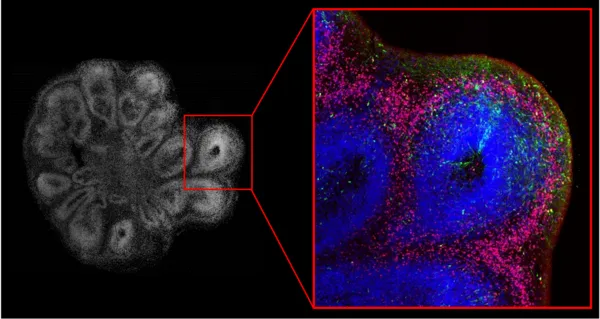
Prof. Dr. Simon Schäfer leads the Schäfer Lab at the Technische Universität München , focusing on engineering advanced organoid systems to study human brain development, disease modeling, and repair mechanisms. His work bridges stem cell biology, gene editing, and bioengineering to develop personalized therapies for brain disorders. Stem Cell & Organoid Technology Neurodevelopmental Mechanisms Neurodegenerative Disease Models Gene Editing & Neuroimmune Interactions Translational Neuroscience Recent research emphasizes brain organoid development, microglia phenotypes, and neurodevelopmental timing anomalies in autism. His team’s work also explores zika virus interactions with glioblastoma stem cells and neuronal plasticity in psychiatric disorders. Scientific awards and funding include support from the Deutsche Forschungsgemeinschaft (DFG), Brain & Behavior Research Foundation (BBRF), and Munich Cluster for Systems Neurology (SyNergy). Collaborations span institutions like the TUM Center for Organoid Systems. Advises 6 students (2 PhD, 1 MSc, 3 associated) Labs include Schäfer Lab, COS@TranslaTUM Contact: simon.schafer@tum.de
Prof. Casper Hoogenraad is a full professor in Molecular Neuroscience at the Department of Cell Biology, Faculty of Science, Utrecht University. His research focuses on understanding how intracellular protein trafficking underlies neuronal development and function, with particular emphasis on the microtubule cytoskeleton, synaptic cargo trafficking, and synaptic plasticity. He leads an active research group within Utrecht University's Cell Biology department and collaborates extensively with other neuroscience research groups. Education: PhD, Erasmus University Rotterdam (1996-2001) Postdoc, Massachusetts Institute of Technology (2002-2005) Hoogenraad's research spans three main themes: cytoskeleton dynamics during neurodevelopment and synaptic plasticity, motor proteins and adaptors as regulators of synaptic transport, and psychiatric and neurologic disease disorders linked to intracellular transport. His work combines genetics, biochemistry, molecular, and cellular biology methods in in vitro (neuron cultures), ex vivo (brain slices), and in vivo (mice) systems, along with advanced microscopy techniques including immunofluorescent confocal microscopy, high-resolution live cell imaging, and photo-activated localization microscopy (PALM). Analysis of Hoogenraad's recent publications reveals a strong focus on microtubule organization, neuronal polarity, and the molecular mechanisms underlying synaptic function and dysfunction. His work frequently explores how disruptions in intracellular transport contribute to neurological disorders including Alzheimer's disease, schizophrenia, and autism spectrum disorders, with particular attention to the relationship between cytoskeletal organization and cargo transport in neuronal compartments. Scientific Awards and Memberships: ZonMW-VIDI (2004) European Young Investigators (EURYI) award (2005) NWO-ALW VICI (2011) ERC Consolidator grants (2013) FENS-Kavli Network of Excellence (2014) European Molecular Biology Organization (EMBO) (2015) Young Academy of Europe (YAE) (2015) IBRO Kemali Prize (2016) Hoogenraad leads a research group studying neuronal development and function, with a particular focus on how intracellular transport mechanisms contribute to both normal brain function and neurological disorders. His laboratory employs a multidisciplinary approach combining molecular, cellular, and systems neuroscience techniques to investigate the molecular basis of neuronal polarity, synaptic plasticity, and the pathogenesis of neurological disorders. He has secured significant research funding through prestigious grants including ERC Consolidator grants. The Hoogenraad lab operates within the Cell Biology department at Utrecht University, collaborating with other research groups focusing on cellular dynamics, biophysics, and neurobiology. The lab utilizes advanced microscopy techniques including immunofluorescent confocal microscopy, high-resolution live cell imaging (spinning disc microscopy and total internal reflection fluorescence microscopy), and quantitative analysis using advanced high-resolution microscopy (photo-activated localization microscopy). Current lab technicians include Phebe Wulf and Bart de Haan.
Dr. Philippe Campeau is an Associate Clinical Professor in the Department of Pediatrics at the Faculty of Medicine, Université de Montréal. He is affiliated with CHU Sainte-Justine, a major pediatric hospital in Montreal, Quebec, where he works in the Medical Genetics Service. His clinical and research work focuses on genetic disorders affecting children, particularly in the areas of skeletal development and neurogenetics. Dr. Campeau obtained his Doctorate in Medicine from Laval University in Quebec (1998-2003) followed by specialty training in medical genetics at McGill University (2003-2008). He completed postdoctoral training at Baylor College of Medicine (2008-2013), which further developed his expertise in genetic research methodologies. His primary research interests include bone dysplasias , skeletal dysplasias , epilepsy , and epigenetic diseases . Dr. Campeau's laboratory identifies disease-causing genes, deciphers disease pathophysiology, and works to improve the management of children affected by these conditions. His work encompasses exome analysis , functional studies with cell lines and mouse models , and investigations into urea cycle abnormalities . He has made significant contributions to understanding genetic causes of conditions such as Genitopatellar syndrome (KAT6B), osteopetrosis, dysosteosclerosis (SLC29A3), osteogenesis imperfecta, early-onset osteoporosis (WNT1), Yunis-Varón syndrome (FIG4), and DOORS syndrome (TBC1D24). Dr. Campeau's publication record demonstrates a strong trajectory in medical genetics research, with numerous high-impact publications spanning from fundamental genetic discovery to translational research. His work spans skeletal disorders, neurodevelopmental conditions, and epigenetic mechanisms. Recent publications indicate an expanding focus on chromatin modifiers, DNA methylation patterns, and spliceosome function in neurodevelopmental conditions, reflecting the evolution of his research interests toward more complex molecular mechanisms. Dr. Campeau has received several research grants in recent years (6 starting in 2014) from organizations including the Fonds de la recherche en santé du Québec, Canadian Institutes of Health Research, and Fondation Grand Défi Pierre Lavoie. While specific students are not mentioned in the available information, as a clinical professor, he mentors medical students, residents, and research trainees in the Department of Pediatrics. His research is conducted as part of the 'Musculoskeletal Diseases and Rehabilitation' axis at CHU Sainte-Justine Research Center, where he collaborates with international research teams to identify disease-causing genes and develop better management strategies for children with genetic disorders.
Xiaoyu Che is an Assistant Professor of Biostatistics at Columbia University's Mailman School of Public Health, where he serves as the principal biostatistician in the Center for Infection and Immunity (CII) at Columbia University Irving Medical Center. His work bridges statistical methodology with biomedical research, focusing on complex disease mechanisms through advanced data analysis approaches. Dr. Che received his academic training at prestigious institutions: BS in Mathematics from Zhejiang University (2006) PhD in Mathematics from Claremont Graduate University (2013) Dr. Che's research program centers on the development and application of statistical methods for multi-omics analyses, with particular focus on understanding the pathogenesis of chronic and neurodevelopmental conditions. His work spans multiple domains including Autism Spectrum Disorder (ASD), Myalgic Encephalomyelitis/Chronic Fatigue Syndrome (ME/CFS), and Gulf War Illness (GWI). He employs sophisticated biostatistical approaches to integrate diverse biological data types, revealing novel insights into disease mechanisms. His methodological expertise includes Bayesian statistics, metabolomic analysis, immune signature identification, and microbiome characterization, all aimed at translating complex biological data into meaningful clinical insights. Analysis of Dr. Che's publication record reveals a strong thematic focus on applying advanced statistical methods to understand complex disease mechanisms. His work consistently bridges biostatistical innovation with biomedical discovery, particularly in the areas of neurodevelopmental disorders and chronic fatigue conditions. The publications demonstrate progression from foundational methodological work to increasingly sophisticated multi-omics integration approaches, reflecting both technical growth and expanding research impact. His collaborative approach is evident through numerous high-impact publications with interdisciplinary teams across Columbia University and beyond. Dr. Che teaches BIST P8104: Probability in the Biostatistics MS degree program at Columbia, demonstrating his commitment to training the next generation of biostatisticians. While specific grant information isn't detailed in the provided materials, his extensive publication record across multiple high-impact journals suggests successful grant funding supporting his research program. As principal biostatistician in the Center for Infection and Immunity, Dr. Che plays a critical role in the analytical framework of the center's research initiatives. His work supports the center's mission to understand the relationship between infectious agents and human health through rigorous quantitative analysis. The collaborative nature of his research is evident in the diverse range of co-authors spanning immunology, virology, microbiology, and clinical medicine.
Julia Chamot-Rooke is a Principal Investigator and Researcher at the Institut Pasteur in Paris, France, affiliated with the Department of Structural Biology and Chemistry and the Mass Spectrometry for Biology unit (UTechS MSBio), a joint CNRS service and research unit (USR2000). She leads multiple projects in advanced proteomics and is the PI for the Institut Pasteur in the European Proteomics Infrastructure Consortium providing access (EPIC-XS). Her research focuses on developing innovative methods in top-down proteomics , cross-linking mass spectrometry , and structural proteomics to study intact proteins, post-translational modifications, and protein complexes. Her work has applications in microbiology, infectious diseases, and host-pathogen interactions. She has developed the ProteoCombiner software to integrate proteomics data for improved proteoform characterization. The recent publications reflect a strong emphasis on structural and functional proteomics , particularly in microbial systems and immune interactions. Trends include the use of advanced mass spectrometry techniques (HDX-MS, cross-linking MS, top-down MS) to investigate protein structure, dynamics, and interactions in pathogens and host systems. There is also a growing focus on software and tool development to enhance data analysis and reproducibility in proteomics. Principal Investigator, EPIC-XS at Institut Pasteur Coordinator, Joint Research Activity on Future and Emerging Proteomics Technologies Lead Developer, ProteoCombiner software She supervises PhD students and research engineers and collaborates widely on projects involving bacterial pathogenesis, immune evasion, and structural biology. Her lab is equipped with state-of-the-art Orbitrap mass spectrometers and participates in transnational access programs, providing cutting-edge proteomics services to the European research community.
Jennifer Park is an Assistant Professor of Ophthalmology at SUNY Downstate Health Sciences University, serving as Director of the Cornea Service. She practices comprehensive ophthalmology and specializes in corneal disorders, cataracts, and refractive surgery, employing advanced techniques like DMEK, DSAEK, and keratoprosthesis implantation. She treats complex conditions including microbial keratitis, keratoconus, and autoimmune eye diseases while educating residents at Kings County Hospital. Undergraduate: Brown University Medical School: Albert Einstein College of Medicine Internship: Mount Sinai Beth Israel Residency: New York Eye and Ear Infirmary Fellowship: Illinois Eye and Ear Infirmary Dr. Park's research focuses on ocular surface disease , keratoprosthesis , and microbial keratitis . Her work addresses surgical innovations, treatment outcomes, and ocular manifestations of systemic diseases, with recent studies exploring pandemic-related eye conditions and immune therapy complications. She has contributed chapters on corneal surgery and published in journals like Ocular Surface and JAMA Ophthalmology . Scientific contributions include: Chairman’s Award for Academic Honors and Distinction Alpha Omega Alpha Medical Honor Society membership Her clinical practice spans Midwood and Brooklyn Heights, integrating patient care with resident education. She has explored topics ranging from FLACS surgical training to microbial keratitis epidemiology, emphasizing practical applications in community and academic settings.
Dr. Irene Nobeli is a Senior Lecturer and Education Lead (PG taught courses) at the School of Natural Sciences, Birkbeck, University of London. She specializes in computational biology and chemoinformatics, focusing on regulatory RNAs, transcriptomics in health/disease, brain disorders, and small molecule roles in biology. Her work bridges bioinformatics tools development and translational research. Administrative roles include directing the MSc Bioinformatics program and organizing the Sequence Analysis and Omics module. She collaborates with research centers like the Birkbeck Institute for Data Analytics (BIDA) and the Institute of Structural Molecular Biology (ISMB). Research interests span bioinformatics methodologies, Mycobacterium genomics, neurodevelopmental disorders, and computational drug design. Notable contributions include developing flexiMAP (alternative polyadenylation analysis) and baerhunter (bacterial non-coding RNA detection). Publications highlight her expertise in transcriptomics, bacterial pathogenesis, and neurobiological mechanisms. She actively engages in advancing computational methods for genomic data interpretation and translational medicine.
Dr. Sabbir Ahmed is a Researcher at the Faculty of Science , Utrecht University , specializing in Pharmacology . His research focuses on kidney disease biomarkers, uremic toxins, and cross-disciplinary applications in autism spectrum disorder. BSc in Pharmacy from East West University MSc in Toxicology from Karolinska Institute Research expertise includes: Kidney disease biomarker development High-Performance Liquid Chromatography (HPLC) Pathological analysis of animal models Molecular biology of uremic toxins Drug-induced toxicity testing His publications span Life Sciences , Pharmacology , and Toxicology , with recent work on gut microbiota interactions in kidney disease and autism. Contact: s.ahmed@uu.nl .
Dr. Vanessa Aguiar-Pulido is an Assistant Professor in the Computer Science department within the College of Arts and Sciences at the University of Miami. Her research focuses on the intersection of computer science and biomedical sciences, specifically developing computational tools to address challenges in genetic disorders and precision medicine. Her research interests include: Bioinformatics and computational genomics Machine learning and artificial intelligence applications in healthcare Big data analytics for genetic disorders Neural tube defects and spina bifida research Epigenetics and omics data integration Development of algorithms for candidate gene analysis Dr. Aguiar-Pulido's recent publications demonstrate a strong trend toward applying advanced machine learning techniques to understand genetic disorders, particularly neural tube defects and autism spectrum disorder. Her work frequently involves developing novel computational approaches that integrate multiple data types to identify genetic risk factors and biological pathways. A significant portion of her research focuses on spina bifida and epilepsy-related genetic analysis, showing consistent thematic focus in her scholarly output. Her scientific contributions include: Development of RExPRT, a machine learning tool for predicting pathogenicity of tandem repeat loci Creation of EpiPred, a gene-specific model for classifying missense variants in epilepsy-related genes Innovative approaches using embedded feature selection to pinpoint biological pathways in structural birth defects Dr. Aguiar-Pulido leads or participates in several funded research projects: Center for Accelerated Real Time Analytics (CARTA) (2021-2022) - NSF (Project Leader) Epilepsy Multiplatform Variant Prediction (2020-2025) - NIH (Co-Investigator) Progenitor regulation underlying cortical interneuron specification (2018-2023) - NIH (Key Personnel) Risk Genes and Environmental Interactions in Neural Tube Defects (2018-2023) - NIH (Researcher) Hybrid sequencing for improved genetic diagnosis in clinical settings (2019-2020) - Sackler Research Grant (Principal Investigator) She directs the DSaCB Lab, which focuses on developing computational approaches to address challenges in biomedical research, particularly related to genetic disorders. Her lab's work bridges computer science methodologies with real-world clinical applications in precision medicine.
Zhuhao Wu serves as Assistant Professor of Neuroscience at the Brain and Mind Research Institute, Weill Cornell Medical College since 2022. His research integrates neurovascular biology, neural circuit mapping, and neurodegenerative mechanisms to understand brain organization and disease processes. Education: Ph.D. in Neuroscience, The Johns Hopkins University School of Medicine (2011) B.S. in Biological Sciences, Tsinghua University, China (2003) Research Focus: Dr. Wu pioneers multi-scale investigations of neurovascular coupling , brain-wide circuit organization , and neurodegenerative pathways . His lab employs whole-brain imaging , single-cell transcriptomics , and genetic engineering in murine models to dissect mechanisms of stroke recovery, tau pathology, and developmental disorders. Current work emphasizes regional blood-brain barrier heterogeneity and axon degeneration pathways with therapeutic implications. Publication Trends: Recent work (2023-2025) reveals three convergent themes: (1) neurovascular dynamics in health/disease, (2) high-resolution brain atlasing techniques, and (3) molecular mechanisms of neurodegeneration. Publications in Cell , Nature , and Neuron demonstrate methodological innovation in circuit mapping and translational relevance to stroke, Alzheimer's, and autism spectrum disorders. Grant Portfolio: Principal Investigator Subaward: NINDS R01 Investigating Neurobiology of Early Cognitive Impairment (2024-2029) Principal Investigator Subaward: NINDS R01 Mechanisms of anosmia in COVID-19 (2023-2028) Principal Investigator Subaward: NINDS BRAIN CONNECTS Center for Large-scale Imaging (2023-2028) Principal Investigator Subaward: NINDS Global mapping of DDX3X mutation circuits (2023-2028) Principal Investigator Subaward: NIAID single-cell encephalitis pathogenesis (2023-2026) Dr. Wu leads a multidisciplinary team within the Brain and Mind Research Institute focused on developing HOLiS (whole-brain staining/clearing pipeline) and TrailMap for neural circuit analysis. His lab collaborates extensively on NIH BRAIN Initiative projects advancing large-scale connectome mapping.
Professor Elizabeth Fisher is a leading academic in Neurogenetics at the UCL Queen Square Centre for Neuromuscular Diseases , affiliated with the Faculty of Brain Sciences at University College London. She specializes in mouse models for human neurodegenerative diseases. Undergraduate: Physiological Sciences, University of Oxford (1978–1981) PhD: Mouse Molecular Genetics, St Mary’s Hospital Medical School (Imperial College) and MRC Mammalian Genetics Unit (Harwell) (1983) Her research focuses on Down’s syndrome and amyotrophic lateral sclerosis (ALS) , using mouse models to investigate the neurological basis of these conditions. She collaborates extensively, including with Victor Tybulewicz since 1991. Recent publications highlight her work in neurogenetics , mouse modeling , and neurodegenerative disease mechanisms , including studies on ALS, Down syndrome, and metabolic alterations in genetically modified mice. Scientific recognitions include: Fellow of the Academy of Medical Sciences (2007) Member of EMBO (2009) Fellow of the Royal Society of Biology (2010) Wellcome Trust Senior Investigator (with Victor Tybulewicz) Her work emphasizes interdisciplinary collaboration and translational approaches, leveraging mouse genetics to address fundamental questions in neurodegeneration.
Qiang Wei, Ph.D., is an Adjunct Research Instructor in the Department of Molecular Physiology and Biophysics at Vanderbilt University School of Medicine. His research focuses on computational and systems biology approaches to study genomic and epigenomic mechanisms in cancer, drug response prediction, and disease risk gene prioritization. He has pioneered integrative frameworks combining multi-omics data (genomics, epigenomics, transcriptomics) with clinical information for precision medicine applications. Key research areas include: Developing computational tools for analyzing non-coding variants and DNA methylation patterns Characterizing tumor heterogeneity through circulating tumor DNA (ctDNA) and circulating tumor cells (CTCs) Identifying genomic drivers of therapy resistance in metastatic cancers Integrating GWAS data with functional genomics for disease mechanism discovery His work spans multiple cancer types including breast, prostate, and hepatocellular carcinoma, with a particular emphasis on translating genomic insights into clinical diagnostics and therapeutic strategies. Ongoing projects include optimizing liquid biopsy approaches for early cancer detection and leveraging single-cell technologies to understand tumor evolution. In recent years, his lab has developed novel algorithms like TVAR for functional variant analysis and Bayesian frameworks for multi-omics integration. These methods have been applied to study schizophrenia genetics, autism risk genes, and platelet reactivity regulation.
Dr. Holly N. Cukier serves as a Research Assistant Professor in the Dr. John T. Macdonald Foundation Department of Human Genetics at the University of Miami Miller School of Medicine, where she investigates the genetic foundations of Alzheimer's disease and autism spectrum disorders through family studies and minority population analyses. Her academic credentials include: PhD in Molecular and Human Genetics from Baylor College of Medicine (2007) BS in Biology with Chemistry minor from the University of Miami (1999) Dr. Cukier's research integrates population genetics with cutting-edge stem cell technology, focusing on identifying genetic risk variants in diverse cohorts and developing patient-derived induced pluripotent stem cell (iPSC) models to dissect disease mechanisms. Her work specifically examines how genetic differences in African American populations contribute to Alzheimer's pathology and autism susceptibility, with emphasis on cellular phenotypes like cytoskeletal organization and synaptic function. Recent publications demonstrate her leadership in functional genomics of Alzheimer's disease, particularly through investigations of TTC3 and ABCA7 variants using iPSC-derived neuronal models. These studies reveal novel pathways linking genetic risk to cellular dysfunction in neurodegeneration, with strong translational potential for therapeutic development. Her scientific contributions have been recognized with prestigious awards including: New Investigator Research Grant from the Dale Schenk Alzheimer’s Association Research Roundtable Grant Program NARSAD Young Investigator Grant from the Brain and Behavior Research Foundation Ed and Ethel Moore Alzheimer’s Disease Research Grant from the Florida Department of Health Ruth L. Kirschstein National Research Service Award from NIH Travel Fellowship from Alzheimer’s Association International Conference Reviewers’ Choice Abstract at American Society of Human Genetics Annual Meeting Travel Award and Trainee Research Award Semifinalist at International Congress of Human Genetics Baylor Research Advocates for Student Scientists Scholar Finalist Elizabeth Wagner Internship at Duke University Henry King Stanford Half Tuition Scholarship Phi Kappa Phi Honor Society membership Patricia Schneller Scholarship Vice President’s Award for Service nomination Dr. Cukier's grant portfolio demonstrates sustained funding success, with current projects supporting her innovative work on patient-specific iPSC models to bridge genetic findings with functional neurobiology in Alzheimer's disease. Her research directly informs precision medicine approaches for neurodegenerative disorders. She directs a research program generating induced pluripotent stem cell lines from Alzheimer's patients to create physiological models of disease, with particular focus on how population-specific genetic variants alter cellular pathways. This work establishes critical infrastructure for testing therapeutic interventions in genetically defined patient subgroups.
Julian Antonio Martinez-Agosto is an Associate Professor at the UCLA School of Medicine with appointments in the Department of Human Genetics, Pediatrics, and Psychiatry and Biobehavioral Sciences. Board-certified in Medical Genetics, he has served on the UCLA faculty since 2007 after completing his MD/PhD at Yale University and pediatric training at Mattel Children's Hospital UCLA. His research focuses on novel growth regulatory pathways in progenitor and stem cell maintenance, particularly studying human growth disorders with cancer predisposition. Yale University: MD/PhD in Medicine/Neuroscience (2000) UCLA: Pediatric Residency and Medical Genetics Training Postdoctoral Fellow: Laboratory of Utpal Banerjee at UCLA Dr. Martinez-Agosto's research spans genetics, developmental biology, and neurogenetics with specific emphasis on overgrowth disorders, cancer predisposition syndromes, and autism spectrum disorders. His laboratory investigates molecular pathways including PTEN, mTOR, and other growth regulatory mechanisms using both human clinical studies and Drosophila models. His clinical practice focuses on genetic syndromes leading to overgrowth, vascular malformations, and cancer predisposition. His recent publications reveal strong trends in autism genomics, PTEN-related disorders, neurodevelopmental conditions, and molecular mechanisms of growth regulation. The research demonstrates interdisciplinary collaboration across genetics, neurology, and pediatrics with emphasis on translational applications. Cell Press 2021 Faces of Cell Pediatric Department Outstanding Research Award David W. Smith Pediatric Trainee Research Award Dr. Martinez-Agosto serves as Principal or Co-Principal Investigator on multiple NIH-funded research projects including studies on PTEN-associated autism, undiagnosed disorders, and Drosophila hematopoietic stem cell niches. His laboratory has trained numerous researchers in the field of medical genetics and developmental biology. His research is conducted through the Martinez Lab, which maintains active collaborations with multiple research groups at UCLA and other institutions, focusing on translational approaches to understanding genetic growth disorders.
Prof. Ben Maoz is a Professor at the Department of Bio-Medical Engineering , The Iby and Aladar Fleischman Faculty of Engineering , Tel Aviv University . He directs the MaozLab, which pioneers interdisciplinary research in neuroengineering, microphysiological systems, and nanoscale therapeutic delivery. His lab integrates engineering principles with neuroscience to model human diseases and develop translational technologies. Research Focus Prof. Maoz's research spans: Organ-on-Chip Platforms : Developing modular microfluidic systems (e.g., neurovascular units, PNS-CNS models) for disease modeling and drug screening. Nanoneuroengineering : Designing brain-targeted nanocarriers (liposomes, dendriplexes) for siRNA and antibody delivery in neurodegenerative disorders like Parkinson's. Medical Devices : Creating implantable sensors, nanogenerators for sensory restoration, and tools for traumatic brain injury analysis. Cellular Mechanobiology : Investigating biomechanical forces in tissues using magnetoresponsive hydrogels and 3D cultures. Publication Trends His recent work (2023-2025) emphasizes: Advanced drug delivery systems for neurological applications (e.g., siRNA to neurons, alpha-synuclein-targeting antibodies). Innovative organ-on-chip platforms for studying cancer metastasis, viral entry, and neuro-immune interactions. Biomaterials and nanotechnologies addressing sensory restoration, cellular contractility, and super-resolution imaging. Laboratory & Collaborations The MaozLab employs microfabrication, molecular biology, and in vitro modeling to tackle challenges in brain health, with collaborations spanning oncology, virology, and gastroenterology.