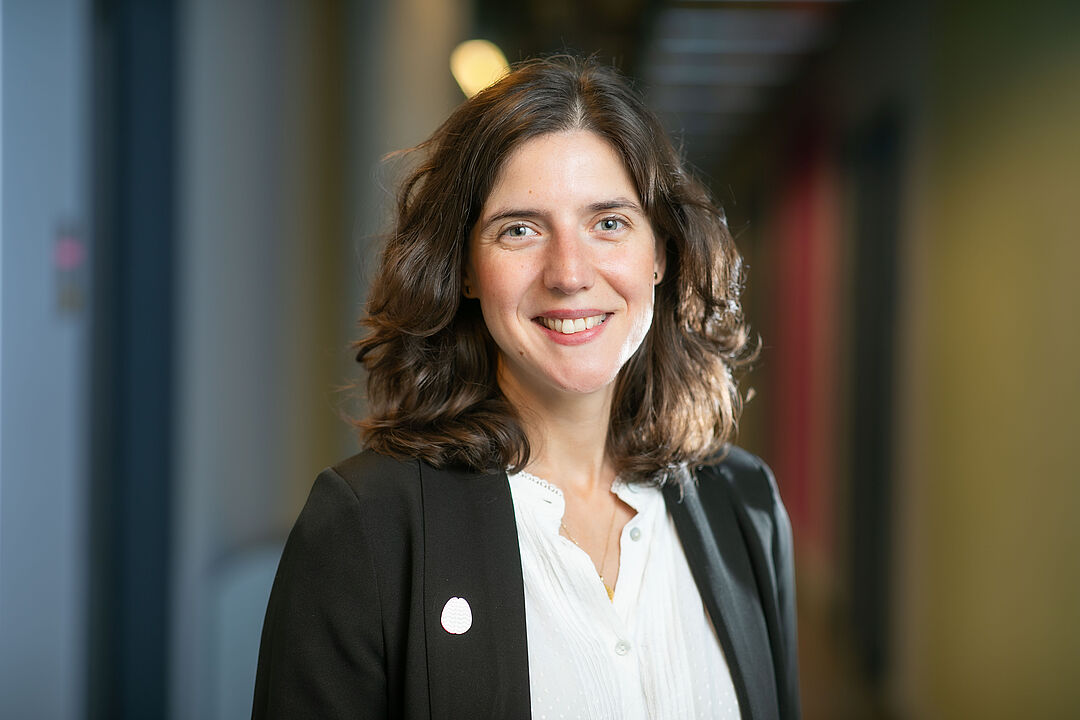
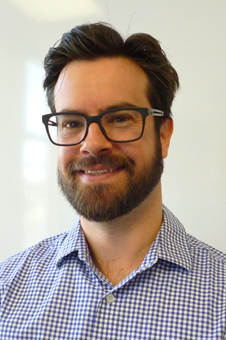
Fatma Deniz is a Full Professor (W3) of Computer Science at Technische Universität Berlin, supported by the Berlin Equal Opportunities Program. She leads the Chair of Language and Communication in Biological and Artificial Systems, and is a member of the Berlin Bernstein Center for Computational Neuroscience. Her roles include membership in TU Berlin's Executive Board and the Berlin University Alliance Steering Committee. She holds a Ph.D. (Dr. rer. nat.) from TU Berlin and a Diploma in Computer Science from Technische Universität München, with research training at Caltech and postdoctoral work at UC Berkeley. Her research focuses on understanding neural mechanisms of language processing, integrating computational neuroscience, cognitive science, and artificial intelligence. Key areas include semantic representation dynamics, cross-modal neural alignment, and language learning in bilingual contexts. She has pioneered studies showing the brain's invariant semantic processing across reading and listening modalities. Her grants include an ERC Starting Grant (2023-2028) for studying language learning shifts and a NSF-BMBF CRCNS grant on bilingual representations. She co-edited The Practice of Reproducible Research: Case Studies in Data Science (UC Press, 2017) and contributed to foundational work on reproducible data science methodologies. She has advised projects in neuroimaging, AI ethics, and computational linguistics, and collaborates with institutions like UCSF and the German Academic Exchange Service. Her lab explores neural correlates of language through fMRI, MEG, and machine learning techniques.
Jenelle Feather is an Assistant Professor at Carnegie Mellon University, affiliated with the Neuroscience Institute and Psychology Department . She leads the Laboratory for Computational Perception , focusing on neural activity patterns in perception and cognition through computational modeling, behavioral studies, and brain measurements. Education : PhD in Brain and Cognitive Science (2022), MIT Prior Affiliations : Research Fellow, Flatiron Institute Center for Computational Neuroscience Her research spans auditory and visual perception , comparing artificial neural networks with biological systems. Recent studies include model metamers (2023) and neural population geometry (2021). Key software contributions include chcochleagram (PyTorch) and tfcochleagram (TensorFlow) for auditory signal processing. Key Awards : Friends of McGovern Institute Graduate Fellow DOE Computational Science Graduate Fellow She advises students through multiple programs and develops open-source tools for auditory neuroscience.
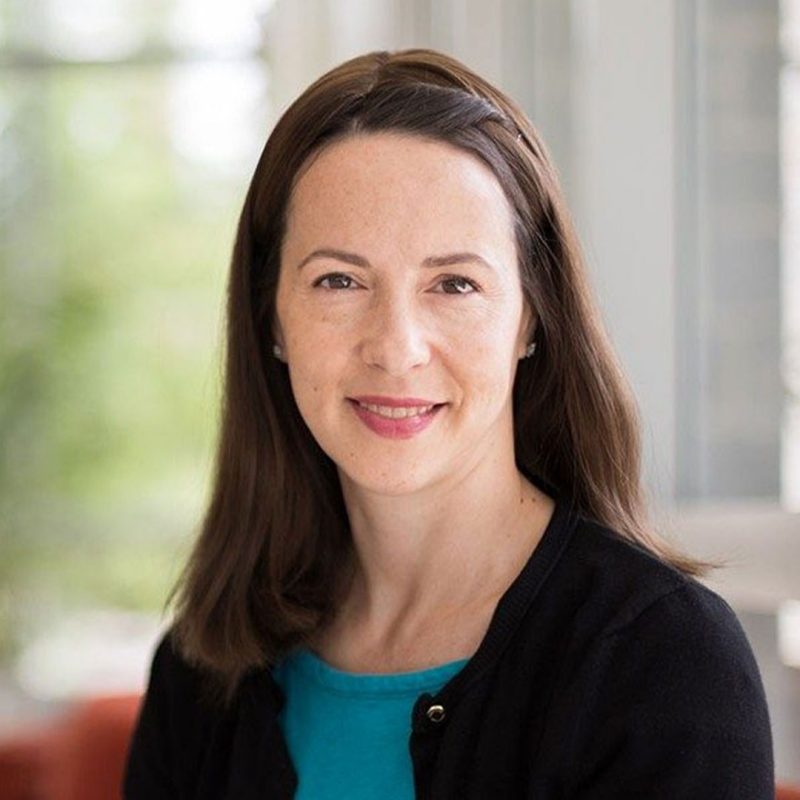
Peter Fino is an Assistant Professor in the Department of Health, Kinesiology, and Recreation within the College of Health at the University of Utah. He directs the Neuromechanics and Applied Locomotion Lab, which is situated within the Cognitive and Motor Neuroscience research theme. His research focuses on understanding and improving mobility in individuals with neurological dysfunction, particularly those with brain injuries, using core concepts from biomechanics and motor control to develop better diagnostic tools and rehabilitation approaches. Dr. Fino's research explores how humans maintain stability during everyday activities that require complex motor control. His primary areas of investigation include: Foot placement control during walking and turning on uneven surfaces Balance recovery mechanisms following perturbations Effects of neurological conditions like concussion and Parkinson's disease on gait Development and application of inertial sensor technology for clinical assessment Neuroanatomical correlates of motor dysfunction after brain injury Nonlinear dynamics approaches to understanding human movement His lab employs a multidisciplinary approach, collaborating with engineers, clinicians, physical therapists, and neuroscientists to translate research findings into practical applications that improve people's lives. Current projects examine mobility in populations with traumatic brain injury, Parkinson's disease, and other neurological conditions, with particular focus on turning gait, dual-task performance, and objective measurement of balance recovery using wearable sensor technology. Dr. Fino actively mentors a diverse research team comprising PhD students, MS students, research coordinators, and undergraduate researchers. His lab has produced numerous graduates who have gone on to academic positions, clinical research roles, and healthcare professions. He maintains strong collaborative relationships across the University of Utah and with external institutions including Oregon Health & Science University, University of Nebraska Omaha, and US Army-Baylor Physical Therapy. The lab participates in outreach through National Biomechanics Day and partnerships with high school programs to introduce students to biomechanics and neuroscience.
Courtney N. Reed is a Lecturer in Digital Technologies at Loughborough University London, where she joined in November 2023. She maintains a dual role as a visiting research fellow at the Max Planck Institute for Informatics. Her academic journey includes a BMus in Electronic Production and Design from Berklee College of Music (2016), followed by an MSc (2018) and PhD (2023) in Computer Science from Queen Mary University of London. Prior to her current position, she completed postdoctoral research at both the Max Planck Institute for Informatics and King's College London. Bachelor of Music: Electronic Production and Design, Berklee College of Music (2016) Master of Science: Computer Science, Queen Mary University of London (2018) Doctor of Philosophy: Computer Science, Queen Mary University of London (2023) Dr. Reed's research explores the entangled relationships between humans, bodies, instruments, and technology in music interaction, with particular focus on vocal electromyography (VoxEMG) and the vocalist-voice relationship. Her work incorporates feminist and post-human theories to examine sociopolitical contexts within arts technology, aiming to design for creativity while acknowledging individual, messy bodies in artistic practice. She has developed an open-source platform for vocal electromyography to investigate how biosignal feedback changes understanding and perception of the body in vocal performance. Her interdisciplinary approach bridges music technology, human-computer interaction, and embodied interaction studies. Analysis of Dr. Reed's recent publications (2023-2025) reveals a strong thematic focus on embodied interaction in music technology, with particular emphasis on vocal performance, biosignal feedback, and the philosophical underpinnings of digital instrument design. Her work consistently integrates theoretical frameworks like Karen Barad's agential realism with practical applications in digital musical instruments. Key trends include the exploration of ambiguity in data representation, the sociocultural dimensions of timbre in instrument design, and the development of novel methodologies for understanding embodied musical experiences through micro-phenomenology and ethnographic approaches. ACM SIGCHI Outstanding Dissertation Award (2024) for her thesis 'Imagining & Sensing: Understanding and Extending the Vocalist-Voice Relationship Through Biosignal Feedback' Best Newcomer Award at Loughborough University London's Community Awards Celebration (2024) Dr. Reed actively contributes to the academic community through conference organization and leadership roles. She serves as Member-at-Large on the NIME Board, previously chaired papers for NIME 2024, and co-organized the IBM SkillsBuild Sprint at Loughborough London. She has also chaired sessions at the ACM TEI Conference and co-chaired the Student Design Competition. Her collaborative work spans multiple institutions and includes significant contributions to interdisciplinary projects that bridge music, technology, and human experience. She has been instrumental in developing the senSInt research group and the RaveNET wearable network project. Dr. Reed leads the senSInt research group which focuses on sensorimotor interaction in music and performance contexts. The group develops innovative technologies including the VoxEMG platform for vocal electromyography, the Bones anti-corset for vocal performance, and the RaveNET network of wearable biosensing nodes. These projects explore the intersection of biosignals, embodied interaction, and musical expression, creating novel frameworks for understanding how technology mediates human creativity and performance. The group frequently collaborates with musicians, technologists, and theorists to develop and test these systems in real-world performance contexts.
Morten Søndergaard is an Associate Professor at Aalborg University’s Department of Communication and Psychology, affiliated with the Faculty of Social Sciences and Humanities. He is part of the Art, Aesthetics & Health Research Laboratory and the MASSHINE initiative. His research focuses on sound art, media art curation, and transdisciplinary practices, emphasizing the exclusion mechanisms in 20th-century art systems and unarchived avant-garde movements. Søndergaard has curated exhibitions globally, including at Kiasma and ZKM, and co-founded the POM conference series and ISACS symposia. He leads the Erasmus Master of Excellence in Media Arts Cultures, collaborating with institutions in Austria, Poland, and Hong Kong. His work bridges art, science, and technology, with recent projects exploring sonic archives and participatory curatorial frameworks. Key collaborations include roles with the European NeMe network, SUNY College New York, and the Momentum Biennial. He has organized over 20 projects since 2008, including the 2025 Momentum Biennial as head curator. His teaching spans media art theory, sound art practices, and curatorial methodologies at both bachelor and master levels. Søndergaard’s research outputs include over 145 publications, with a focus on sound art’s theoretical and practical dimensions. His current projects emphasize ‘uncurating’ methodologies and the reactivation of marginalized avant-garde practices. Notable activities include editorial roles, international conference organization, and advisory roles in art and science networks. His work has been featured in media outlets like Artdaily and the Biennial Foundation, highlighting his contributions to contemporary art discourse and curatorial innovation.
Marlene Behrmann is the Thomas S. Baker University Professor of Psychology and Cognitive Neuroscience at Carnegie Mellon University (CMU), affiliated with the Dietrich College of Humanities and Social Sciences. She leads the Behrmann Lab, which moved to the University of Pittsburgh in 2023. Her research focuses on visual cognition, object recognition, and neural mechanisms of perception, with a particular emphasis on face and word recognition. Behrmann holds a B.A. and M.A. in Speech and Hearing Therapy and a Ph.D. in Psychology from the University of Toronto. She is a leader in her field, recognized by her induction into the National Academy of Sciences (2015) and the American Academy of Arts and Sciences (2019). Her work combines neuropsychological studies of patients with brain damage, neuroimaging, and computational modeling to explore visual processing. Recent research highlights include studies on dorsal-ventral pathway interactions, functional reorganization post-hemispherectomy, and autism-related sensory processing differences. Behrmann has advised numerous graduate students and postdocs, contributing to their academic and professional development. Key awards include her National Academy of Sciences membership and American Academy of Arts and Sciences fellowship. Her lab collaborates widely, publishing in top journals like Cerebral Cortex , PNAS , and Trends in Cognitive Sciences . She also engages in translational research to improve interventions for perceptual and cognitive disorders.
Anne Staples is an Associate Professor in the Department of Mechanical Engineering at Virginia Tech, leading the Laboratory for Fluid Dynamics in Nature (FINLAB). Her research focuses on fluid mechanics in biological systems, medical fluid dynamics, and bioinspired engineering, leveraging computational modeling and microfluidic technologies to innovate in healthcare and engineering. Education: B.S. in Mechanical and Aerospace Engineering, Cornell University (2000) M.Eng. in Mechanical and Aerospace Engineering, Princeton University (2001) Ph.D. in Mechanical and Aerospace Engineering, Princeton University (2006) Postdoctoral Researcher at the Naval Research Laboratory (2006–2008) Research Interests: Her work spans bioinspired microfluidics, medical device design, and fluid dynamics in biological systems. Notable projects include developing pulse-driven micropumps for drug delivery and studying insect respiratory systems to inform engineering solutions. Publications: Over 50 peer-reviewed articles, focusing on topics like microfluidic systems, insect-inspired flow control, and hemodialyzer modeling. Recent work emphasizes wearable drug delivery and biomechanical innovations. Awards & Service: NIH Trailblazer Award (2024) Virginia Tech Dean’s Fellow (2023–present) Editorial Board Member, PLOS ONE and Scientific Reports (2021–present) Fulbright Scholar (2016) Grants & Collaborations: Leads a NIH-funded project to develop lightweight drug delivery devices. Collaborates with statisticians and biomedical engineers to simulate and optimize prototypes. Active in interdisciplinary teams at Virginia Tech and Georgia Tech. Labs & Teams: Directs the FINLAB, which integrates computational modeling, experimental microfluidics, and biological principles to address challenges in healthcare and environmental engineering.
Susanne Schötz is an Associate Professor of Phonetics at Lund University's Centre for Languages and Literature and a Researcher at the Lund University Humanities Lab. She is also the project manager for Cat-human communication research and a member of the LU Profile Area: Natural and Artificial Cognition. Her research focuses on phonetic variation in three main areas: dialectal variation in Swedish and other languages, paralinguistic variation related to age, emotion, attitude and health condition, and phonetic variation in human-animal communication, particularly cat-human communication. She has led several research projects including Melody in human–cat communication (Meowsic), Cat–Human Communication, and studies on Estonian Swedish and Swedish vowel articulation using articulography. Dr. Schötz teaches courses at the speech and language pathology and audiology programs at Lund University. Her work with cats has gained significant attention, including winning the Ig Nobel Prize in Biology in 2021 for research on cat-human communication. Her research output demonstrates strong trends in animal communication, particularly focusing on the acoustic properties of cat vocalizations and how humans perceive and interpret these sounds. She combines traditional phonetic analysis with innovative approaches to study cross-species communication, making significant contributions to both linguistics and animal behavior studies. Scientific Awards: The Ig Nobel Prize in Biology (2021) Årets Mäster (Master of the Year) (2020) Vetenskapssocieteten Lunds universitet (2016) Vetenskapssocieteten i Lund: Stipendium för betydande insats inom humanistisk forskning (2007) Dr. Schötz has supervised research projects and students in phonetics and human-animal communication. Her work has been supported by various research funds including MAW, SKK och Agrias forskningsfond, and the Pufendorf IAS. She is in charge of the articulographs in the Humanities Lab, which are essential for her research on speech production and articulation. She is actively involved in the Lund University Humanities Lab, contributing to its mission of interdisciplinary research in the humanities through her expertise in phonetics and communication studies.
Timothy Tricas is a Professor at the University of Hawaii at Manoa's School of Life Sciences, specializing in fish sensory systems and coral reef ecology. He leads a research lab focused on understanding acoustic communication, neuroethology, and behavioral ecology in marine species. His work integrates field observations with neurophysiological and anatomical studies, often using advanced techniques like rebreather diving and hydrophone recordings. Affiliations: School of Life Sciences, Department of Zoology, Hawaii Institute of Marine Biology Courses Taught: Ethology, Animal Behavior, Sensory Ecology, Fish Behavior and Sensory Biology Research Interests: His studies explore how fish use sensory systems (auditory, lateral line, electrosense) to navigate, communicate, and survive in coral reef ecosystems. Key projects include decoding fish acoustic behaviors, understanding the evolution of specialized sensory adaptations (e.g., butterflyfish hearing mechanisms), and applying bioacoustics for coral reef health monitoring. Grants & Funding: Secured grants from NOAA, NSF, and the Hawaii Undersea Research Laboratory for projects like parrotfish soundscapes analysis and stingray electrosensory systems. Lab Activities: Mentors graduate and undergraduate students in field experiments, neuroanatomical studies, and acoustic data analysis. Current projects include parrotfish home range behavior and开发 new bioacoustic monitoring tools.
David Lo is the OUB Chair Professor of Computer Science at Singapore Management University's School of Computing and Information Systems, where he directs the Information Systems and Technology Cluster and the Center for Research on Intelligent Software Engineering. An ACM Fellow, IEEE Fellow, and ASE Fellow, his research focuses on AI for Software Engineering (AI4SE), leveraging machine learning, data mining, and NLP to enhance software analytics and automation. Research Highlights: AI4SE, code LLMs, human-AI synergy in software engineering, software reliability, and empirical studies of practitioner pain points Awards: IEEE TCSE Distinguished Service Award, university-wide Teaching Excellence Award, Outstanding Graduate Supervisor Award, 2 Test-of-Time Awards, and 11 ACM SIGSOFT/IEEE TCSE Distinguished Paper Awards Leadership: General Chair of ASE'16 and MSR'22, PC Co-Chair for ASE'20, FSE'24, and ICSE'25, ACM SIGSOFT Executive Committee member His work has received over 20 awards, 37,000 citations, and an H-index of 100. As an educator, he has mentored trainees who became faculty and R&D experts globally.
Richard Born is a Professor of Neurobiology at Harvard Medical School , focusing on the circuitry of the mammalian cerebral cortex and its role in visual perception. His lab employs multi-species approaches, combining primate psychophysics and electrophysiology rodent 2-photon imaging and optogenetics hierarchical Bayesian modeling of perceptual inference to investigate cortico-cortical feedback, neural variability, and context-dependent visual processing. Research Interests span visual systems neuroscience, with emphasis on top-down modulation of sensory processing binocular rivalry and perceptual states gamma oscillations and neural synchrony input-gain control in V1/V2/V3 Bayesian brain frameworks neuroanatomical connectomics Recent work explores layer 1 dendritic interactions with somatostatin interneurons and collaborations with institutions like Boston University and the University of Rochester. Advising includes mentoring postdoctoral fellows (Ariana Sherdil, Camille Gómez-Laberge, Abhinav Grama) and students at Harvard Medical School. The lab utilizes advanced techniques including multi-electrode arrays laminar probes optogenetic perturbation DTI tractography validation for circuit analysis.
Akito Miura is an Associate Professor at the Faculty of Human Sciences of Waseda University , with a career spanning over 15 years in embodied cognitive science and movement research. His work bridges dance science , neuroscience , and biomechanics , focusing on sensorimotor coordination in performing arts and sports. PhD in Academic Studies from the University of Tokyo Research Experience at Waseda University, University of Tokyo, and EuroMov Institute (France) Editorial board member for Journal of Dance Medicine & Science and Advances in Cognitive Psychology Research interests include embodied cognition , rhythmic coordination , and interpersonal motor dynamics , with applications to dance, golf, and violin ensembles. His recent articles examine foot pressure in ballet, auditory-motor synchronization, and groove perception in music. Key awards include the Incentive Paper Award (2024) , Progress in Motor Control Scholarship (2011) , and multiple grants from the Japan Society for the Promotion of Science. He has also contributed to media coverage on rhythm perception in sports and performing arts. Current projects explore machine learning in motor learning, social interaction dynamics, and ACL rehabilitation metrics Professional memberships in the International Association for Dance Medicine & Science and Japan Cognitive Science Society
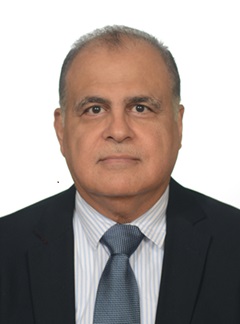
Dr. Esam Abdel-Raheem is a Professor in the Department of Electrical and Computer Engineering at the University of Windsor, Faculty of Engineering. His research focuses on digital signal processing, biomedical engineering, cognitive radio networks, and VLSI design. He holds a Ph.D. from the University of Victoria (1995) and is a Professional Engineer (P.Eng.) in Ontario and a Senior Member of IEEE. Education: B.Sc. Electrical Engineering, Ain Shams University (1984) M.Sc. Electrical Engineering, Ain Shams University (1989) Ph.D. Electrical Engineering, University of Victoria (1995) Research Interests: Dr. Abdel-Raheem’s work spans signal processing for communications, biomedical signal processing, and VLSI implementations. He has pioneered algorithms for cognitive radio networks and adaptive filtering. His recent studies leverage deep learning for medical diagnostics (e.g., lung nodule detection, Parkinson’s disease voice analysis) and cognitive radio spectrum sensing. Publications Trends: Recent work emphasizes biomedical applications (e.g., CT scan analysis, diabetic retinopathy detection) and machine learning integration in communications (e.g., federated learning for traffic crowdsourcing). His articles often bridge theoretical signal processing with practical implementations in hardware (e.g., FPGA-based filters). Awards/Grants: Not explicitly listed in the text, though his senior IEEE membership and prolific publications suggest sustained professional recognition. Lab/Teams: While not detailed, his research themes imply involvement in interdisciplinary teams focusing on biomedical engineering, telecommunications, and VLSI design.
Steven Livingstone is an Associate Professor in the Department of Computer Science at Ontario Tech University, Faculty of Science. His research focuses on affective data science, applying machine learning and statistical modeling to understand emotion and its disorders. He leads the Affective Data Science Lab (ADSL), specializing in emotion recognition technologies using physiological data like EEG and motion capture. Livingstone holds a PhD from The University of Queensland (2008) and has published over 70 peer-reviewed papers, with over 2,400 citations. His RAVDESS dataset is widely used in speech emotion recognition research. His research interests span data science, affective computing, and music's role in emotion. Recent work emphasizes data provisioning for deep learning applications. Livingstone teaches courses including Scientific Data Analysis and Information Visualization. He actively mentors undergraduate and graduate students in his lab, focusing on research assistantships in emotion technology development. Key contributions include studies on musical tempo’s physiological effects, Parkinson’s disease facial mimicry deficits, and ensemble performance dynamics. His work has been featured in The Atlantic, NBC Today, and on the cover of Informatik Spektrum. The ADSL lab collaborates on projects combining data analytics with human-computer interaction to advance emotion-aware systems.
Henrik von Coler is an Assistant Professor at Georgia Institute of Technology's School of Music within the College of Design. His work bridges engineering, electronic music, and empirical research, focusing on spatial audio systems, live electronics, and human-computer interaction in musical contexts. He joined Georgia Tech in 2023 after serving as director of the TU Studio for Electronic Music at Technische Universität Berlin from 2015 to 2023, where he founded the Electronic Orchestra Charlottenburg (EOC) to explore live electronic ensembles in multichannel environments. His research emphasizes the integration of sound, space, and HCI to enhance compositional and performative expressiveness. Notable projects include immersive audio installations, virtual instrument design, and AI-assisted composition. Coler has performed globally on immersive audio systems and curated international concerts. His technical contributions span spatial sound synthesis algorithms, networked music systems, and real-time signal processing tools. Key areas of exploration include volumetric music performances in metaverse environments, hybrid spatial interaction via ARCube, and statistical models for spectral synthesis. He has developed open-source systems like Orchestra (for metaverse performances) and SPRAWL (for ensemble interaction). Coler’s work often combines empirical research with artistic practice, aiming to redefine the boundaries of live electronic music through technological innovation. His academic output spans over 30 peer-reviewed articles since 2011, with recent focus on metaverse applications, AI-human collaboration, and immersive audio design. While no formal awards are listed, his leadership roles and project outcomes highlight significant contributions to music technology and spatial audio engineering.