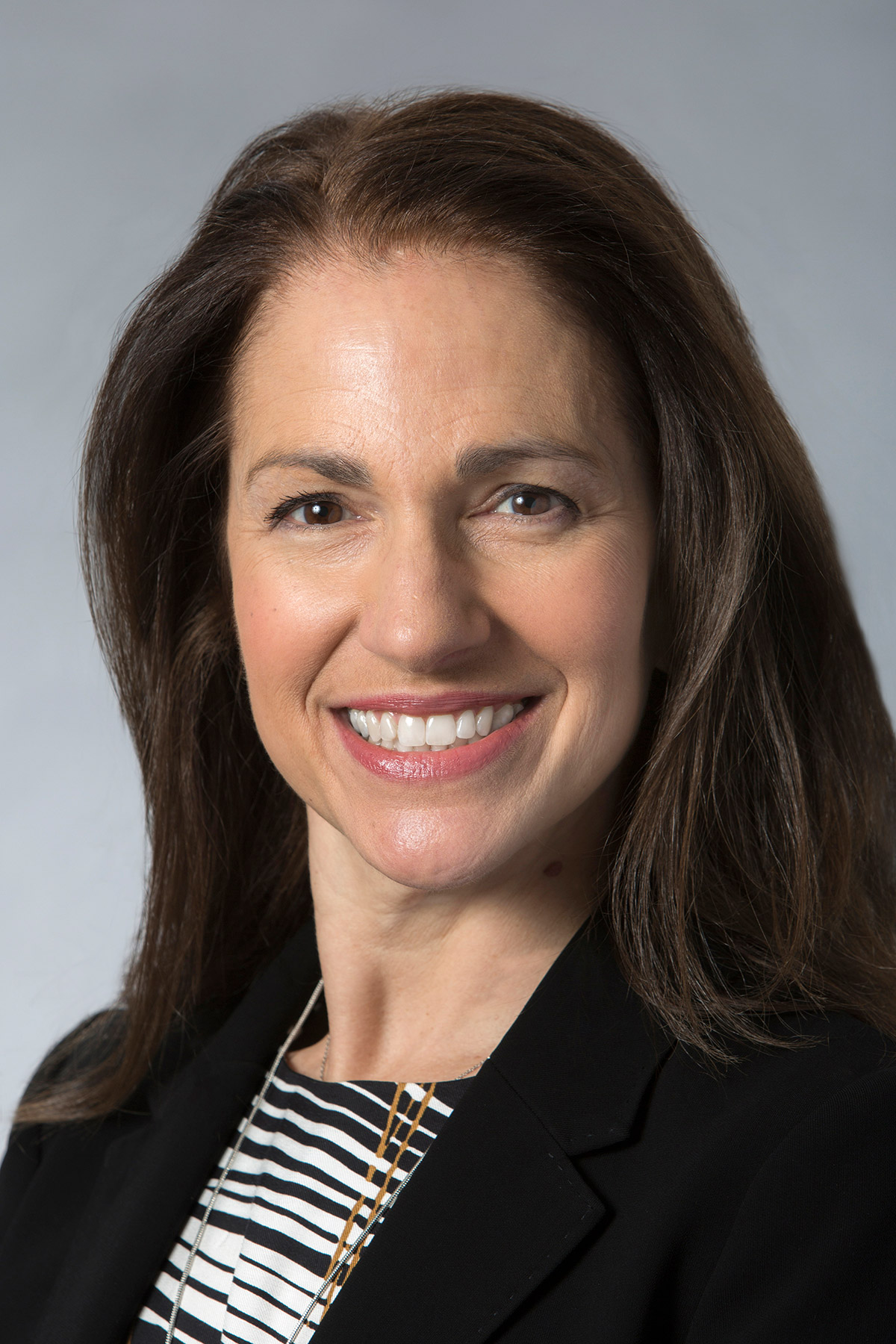
Dr. Sooyeon Lee is an Assistant Professor in the Department of Informatics at the New Jersey Institute of Technology (NJIT). Her research focuses on accessible technologies for people with disabilities, particularly those with visual impairments and deaf or hard-of-hearing (DHH) needs. She designs innovative solutions in areas such as AI-driven navigation systems, multimodal interaction frameworks, and inclusive virtual reality experiences. Her work bridges human-centered design principles with cutting-edge AI and sensor technologies. Dr. Lee holds a Ph.D. and B.S. in Information Sciences and Technology from Pennsylvania State University, with a specialization in Human-Computer Interaction. Her academic contributions span over 30 peer-reviewed publications, including seminal work on NaviGPT, an AI-driven navigation system for visually impaired users, and BubbleCam, a privacy-focused remote assistance tool. Central to her research are collaborations with user communities, including participatory design studies with blind users, DHH viewers, and ASL learners. She explores topics such as non-speech audio captioning trends, spatial audio descriptions for VR performances, and text simplification for DHH adults. Her datasets, such as the ASL-Homework-RGBD dataset, have become benchmark resources for sign language technology research. Dr. Lee’s work addresses emerging challenges in human-AI collaboration for accessibility, ethical AI practices in assistive tech, and the intersection of privacy and remote assistance systems. She actively contributes to advancing accessibility standards in multimedia content, educational tools, and smart environments.
Florencia Assaneo, PhD is a researcher at the Max Planck Institute for Empirical Aesthetics, specifically affiliated with the Department of Cognitive Neuropsychology where her work focuses on language, neural mechanisms and temporal processing. Her research investigates the intersection of speech perception and production through neurophysiological and psychophysical approaches. Dr. Assaneo's research interests center on the temporal dynamics of speech processing, particularly how rhythmicity and synchrony operate in both speech production and perception. Her work examines the crucial role of speech rhythms in comprehension and the interaction between motor and auditory brain regions. She has developed biophysical models explaining the stability of syllable rates across languages as consequences of intrinsic cortical rhythms. Her recent publications reveal a strong focus on neural oscillations in speech processing, with particular attention to sensorimotor integration. The research demonstrates how cortical rhythms influence speech comprehension and production across different languages, bridging cognitive neuroscience and linguistics. Dr. Assaneo has published in top-tier journals including Nature Neuroscience and Science Advances, demonstrating the significance of her contributions to understanding the neural basis of speech processing. Her work combines neurophysiological recordings with psychophysical protocols to characterize the temporal dynamics of speech integration.
Prof. Ofer Tchernichovski is a Professor in the Department of Psychology at Hunter College, CUNY. He specializes in cultural evolution, social learning, and vocal learning in birds and humans, focusing on mechanisms underlying song learning and cultural transmission. His lab investigates how birds' communication signals shape stable polymorphic cultures and explores applications in designing agile communication systems. He holds a PhD in Zoology from Tel Aviv University. His research spans behavioral neuroscience, developmental processes, and interdisciplinary studies with computational models. He has collaborated on virtual world experiments to study collective intelligence and governance challenges. Tchernichovski’s work bridges animal behavior, cognitive psychology, and neuroscience, contributing to understanding vocal learning and cultural dynamics in both birds and humans. Education: PhD, Department of Zoology, Tel Aviv University. Current Research: Cultural evolution of bird song, social learning dynamics, and neural mechanisms of vocal production. His lab uses zebra finches to study how vocal learning is influenced by auditory experience and social interaction. Recent projects include experiments on online governance and the role of sleep in developmental learning. He also explores applications of social force analysis to design stable communication systems. Key Projects: Laboratory of Social Learning & Cultural Evolution (Hunter College), collaborations on virtual world experiments (e.g., ferry game simulations for collective intelligence), and studies on dopaminergic systems in avian monogamy. His work integrates field studies, neuroimaging, and computational modeling.
Debra M. Zeifman is a Professor of Psychological Science at Vassar College, where she has served since 1996. She currently holds the role of Dean of Studies, overseeing academic policies, advising, and student support. Zeifman earned her BS, MA, and PhD in Human Development from Cornell University. Her research focuses on the biological and evolutionary foundations of close relationships, particularly infant-caregiver dynamics and romantic partnerships. She uses infant simulators to study hormonal responses in caregiving, including testosterone levels in men and cortisol responses in undergraduates. Zeifman teaches courses in Developmental Psychology, Evolutionary Psychology, and the Psychology of the Holocaust. She mentors students in her research lab, guiding them through empirical thesis projects. Her work has been published in journals like Parenting and Current Opinion in Psychology , and she collaborates with institutions globally. She has been quoted in media discussions about child trauma and school safety policies. As Dean of Studies, Zeifman prioritizes student wellbeing and academic success, emphasizing the importance of stress management and collaborative learning. She advocates for Vassar’s liberal arts mission through initiatives like the 'Psychologist’s Toolkit for Success' course, aiming to bridge psychological science with practical life skills.
Uta Noppeney is a researcher at the Max Planck Institute for Empirical Aesthetics, specializing in cognitive neuroscience and multisensory perception. Her work investigates how the brain integrates sensory signals through causal inference and reliability-weighted processing. Affiliation: Department of Cognitive Neuropsychology, Max Planck Institute for Empirical Aesthetics Research Themes: Sensory integration, neural systems, computational modeling She was awarded the prestigious Heisenberg Fellowship, reflecting her contributions to empirical aesthetics and cognitive neuropsychology.
Dr. Seung-Goo Kim is a Postdoctoral Researcher at the Max Planck Institute for Empirical Aesthetics (since 2021), working under Prof. Daniela Sammler. His career spans postdoctoral roles at Duke University, University of Cambridge, and MPI for Human Cognitive and Brain Sciences, with a PhD in Psychology from University of Leipzig (2017, summa cum laude). He holds graduate degrees in Cognitive Science and dual BA in Economics/Psychology, with early training in Musical Composition. PhD: University of Leipzig & MPI for Human Cognitive and Brain Sciences Postdoc: Duke University (USA), University of Cambridge (UK) Current affiliation: Max Planck Institute for Empirical Aesthetics, Frankfurt/Main His research focuses on the neural encoding of music and speech , particularly: shared mechanisms of musical emotion and prosody; intersubject variability in musical reward sensitivity; temporal structure processing; pitch perception correlates; and applications in clinical neuroscience. Key methodologies include MEG, fMRI, and computational modeling of auditory systems. Major scientific awards include: Johanna Quandt Young Academy Fellowship (2023) Postdoc Research Grant Award (Duke University, 2021) Summa cum laude PhD (2017) Conference Scholarship (Mariani Foundation, Italy, 2014) Best Poster Presentation Award (Korean Society of Human Brain Mapping, 2010) His work includes collaborations with leading labs in neuroaesthetics , music cognition , and clinical neuroscience , with recent publications analyzing tonal hierarchy, dissonance encoding, and myeloarchitecture of impulsivity. Current projects emphasize computational models of auditory processing and empirical aesthetics.
Michele Morningstar is an Assistant Professor in the Department of Psychology at Queen's University, Faculty of Arts and Science. She serves as Director of the Development of Social and Emotional Communication (DSEC) Lab and holds cross-appointments in the Centre for Neuroscience Studies. Her research examines the biological, cognitive, and social mechanisms underlying emotional communication development from childhood through adolescence. Education: Post-doctoral fellowship in Pediatrics & Neuroscience, Nationwide Children's Hospital & Ohio State University (2020) PhD in Clinical Psychology, McGill University (2017) BA in Psychology, McGill University (2011) Research focuses on neurodevelopment of emotional communication using multimodal methods including functional neuroimaging and vocal analysis. Key interests include: how nonverbal cues (tone of voice, facial expressions) facilitate emotional understanding; neural correlates of social cognition maturation; and relationships between emotional skills, social functioning, and psychological well-being across development. Current projects investigate adolescent neural responses to peer emotions and vocal emotion recognition in clinical populations. Publications show consistent focus on developmental social neuroscience, with recent trends examining: (1) Neural mechanisms of vocal emotion processing in typical and atypical development (2) Social-cognitive changes during adolescence (3) Clinical applications in epilepsy and psychopathology. Work emphasizes multimodal approaches integrating neural, behavioral, and acoustic data. Teaching includes PSYC251: Developmental Psychology. Actively mentors graduate students through the DSEC Lab which employs diverse methodologies to study emotional communication development. Lab research has been funded by Canadian Institutes of Health Research and other national/international agencies.
Assoc. Professor Adam Clarke is an Associate Professor at the School of Psychology, University of Wollongong. He specializes in electrophysiological research, focusing on ADHD, dementia, mindfulness meditation effects, and neurocognitive mechanisms. His work integrates EEG analysis with behavioral studies to explore attentional processes, arousal dynamics, and developmental psychophysiology. Research Interests: Professor Clarke’s research spans clinical and developmental psychophysiology, including EEG biomarkers for ADHD and dementia, meditation-induced neural changes, and age-related cognitive decline. He leads studies on gait analysis linked to cognitive impairment and employs advanced neuroimaging techniques to investigate attentional disorders. Funding Highlights: He has secured grants totaling AUD millions, including projects on dementia diagnosis via EEG-gait integration, ADHD neurodevelopment, and mindfulness-based interventions. Notable grants include the ARC-funded studies on ADHD central nervous system dynamics (2009–2013) and the 2023 UOW grant on gait-stability biomarkers for dementia. Key Projects: Biofeedback for dementia patients, EEG coherence in ADHD/autism comorbidity, and mindfulness-induced EEG spectral changes Labs: Centre for Psychophysics, Psychophysiology, and Psychopharmacology; Collaborative gait-neuroimaging lab Teaching & Supervision: Current PhD supervision includes dual-task biofeedback protocols and mindfulness EEG studies. Over 10 completed PhDs cover topics like ADHD EEG development, schizotypy stress responses, and gambling physiology.
Nan Bernstein Ratner is a Distinguished University Professor in the Department of Hearing and Speech Sciences at the University of Maryland, College Park. She is actively involved in multiple campus units including the Neuroscience and Cognitive Neuroscience (NACS) program where she serves as Director of Graduate Studies, the Language Sciences Center (LSC), the University of Maryland Developmental Sciences Field Committee, and the Bahá'í Chair for World Peace International Advisory Board. Dr. Bernstein Ratner holds the following educational credentials: BA in Child Study, Linguistics from Tufts University (1974) MA in Speech-Language Pathology from Temple University (1976) Ed.D in Applied Psycholinguistics from Boston University (1982) Her primary research focuses on fluency development and disorders (particularly stuttering), psycholinguistics, and the role of adult input and interaction in child language development. Bernstein Ratner's work spans both typical speech and language development in infants and children as well as childhood communication disorders including autism, seizure disorders, and late talkers. She is deeply committed to evidence-based practice in communication disorders and the role of information literacy in clinical decision-making. Her research also examines the impact of sports-related concussion on children's language skills and the development of speech and nonspeech predictors of later language development. Analysis of her recent publications reveals a strong emphasis on stuttering research, language sample analysis methodology, child language development, and the application of computational approaches to speech and language disorders. Her work increasingly incorporates considerations of linguistic diversity and bias-free assessment, particularly for children who speak non-mainstream dialects of American English. There's also a clear trend toward leveraging technology and computational linguistics to enhance clinical practice and research in communication sciences. Dr. Bernstein Ratner has received numerous prestigious awards for her contributions to the field: Fellow of the American Speech, Language and Hearing Association (ASHA) Fellow of the American Association for the Advancement of Science (AAAS) (2014) Distinguished Researcher award from the International Fluency Association (2006) Professional of the Year by the National Stuttering Association (2016) Board-recognized Specialist in Child Language Disorders As an advisor, Dr. Bernstein Ratner has mentored numerous doctoral students who have gone on to successful careers in academia and clinical practice. She has secured significant grant funding from organizations including the National Institute on Deafness and Other Communication Disorders (NIDCD) and the National Science Foundation (NSF) to support FluencyBank, a project of TalkBank that tracks fluency development across various populations. More recently, she has received NIH TALK initiative funding to examine predictors of recovery from late-talking in early childhood and to study growth in writing skills across diverse student populations. She is currently accepting doctoral students and emphasizes the importance of prior discussions with potential mentees. Dr. Bernstein Ratner co-manages FluencyBank with Brian MacWhinney of Carnegie-Mellon University. This initiative, jointly funded by the NIDCD and NSF, tracks fluency development in typical children, those who stutter, late-talking children, and children raised bilingually. Her lab website at http://languagefluency.umd.edu/ provides additional information about her research activities and current projects, including the Atypical Disfluency Project and investigations into how autism affects understanding in multitalker environments.
Andrea De Cesarei is a Full Professor at the Department of Psychology 'Renzo Canestrari' at the University of Bologna. His research focuses on cognitive processes, emotional perception, and the intersection of artificial intelligence with human behavior. He holds office hours on Fridays 9-11 AM at the Department of Psychology in Bologna, with virtual availability via Teams. His work spans disciplines including cognitive neuroscience, environmental psychology, and AI ethics. Key research interests include: cognitive control mechanisms during scene categorization, emotional responses to natural stimuli, and behavioral drivers behind sustainable choices. He also explores how humans and AI systems process visual information differently, with recent projects involving AI trustworthiness and autonomous planning systems. Recent publications highlight his contributions to understanding neural correlates of emotion (via ERP and EEG studies), the role of spatial frequencies in perception, and motivational factors in pro-environmental behavior. His lab develops tools like the VISTO device for precise exposure time measurement in experiments. Teaching responsibilities include courses on perception and experimental psychology, with active involvement in student disability research methodologies. He maintains an ORCID profile and is accessible via email for scheduling consultations.
Professor Katie McMahon is a leading academic at Queensland University of Technology (QUT), holding dual roles as Deputy Director of the Herston Imaging Research Facility and Academic Lead for Research at the School of Clinical Sciences. With a PhD from the University of Queensland, her expertise spans neuroimaging and cognitive neuroscience. Research Focus: Neurobiology of language, genetics of brain development, and neuroimaging applications in stroke, epilepsy, and pediatric language disorders (e.g., autism). Collaborations: Works with Queensland Health and philanthropic organizations on brain imaging and musculoskeletal studies. Teaching: Contributes to radiation therapy and MR-guided radiation therapy courses, emphasizing clinical sciences education. Recent Research Trends: Her work bridges neuroimaging techniques (fMRI, DTI) with cognitive deficits, exploring lexical processing, aphasia recovery, and genetic influences on brain structure. Recent studies address stroke rehabilitation, epilepsy language deficits, and fatty liver imaging protocols. Grants & Projects: Lead investigator on grants like “Predicting and Promoting Aphasia Recovery” (2016) and “Enhancing Language Learning in Ageing with Exercise” (2016). Labs/Teams: Active in the Herston Imaging Research Facility and National Imaging Facility committees.
Jonas Brännström is an Associate Professor in Audiology and Senior Lecturer at the Department of Logopedics, Phoniatrics and Audiology, Lund University, Sweden. He completed his PhD at Lund University and has extensive clinical experience as a audiologist. He served as President of the Swedish Association of Audiologists for five years. His research focuses on psychoacoustics, cognition-auditory interactions (including tinnitus), hearing rehabilitation, and tele-audiology, emphasizing the psychosocial aspects of audiology practice. He is actively involved in educational programs for audiology and speech pathology. Education : PhD in Audiology, Lund University Research Interests : Psychoacoustics and cognitive-auditory interactions Hearing aid outcomes and tele-audiology Classroom acoustics and child listening Audiologist work environment Article Trends : Recent work emphasizes children's listening in educational settings, telehealth applications, and the interplay between hearing loss and cognitive performance. Key themes include bilingualism effects, noise impacts on comprehension, and digital rehabilitation tools. Grants & Advising : Supervises projects like the 'Online Audiological Rehabilitation Support Program' and 'Classroom Sound Environments Study'. Advises students such as S. Ahlberg and S. Waechter on hearing aid outcomes and cognitive-auditory interactions. Labs/Teams : Collaborates in multidisciplinary groups addressing audiological rehabilitation, telemedicine, and educational acoustics.
James Jeanne is an Assistant Professor in the Department of Neuroscience at Yale School of Medicine. He holds affiliations with the Interdepartmental Neuroscience Program, Molecular Medicine, Pharmacology, and Physiology, as well as the Wu Tsai Institute. His research focuses on understanding how neural circuits implement computations supporting behavior, particularly in Drosophila melanogaster. He earned a B.S.E. in Electrical Engineering from Princeton University (2005), a Ph.D. in Computational Neuroscience from UC San Diego (2012), and completed postdoctoral work at Harvard Medical School (2017). Primary Research Themes: Sensory processing, working memory, decision-making, and neural circuit mechanisms in Drosophila Techniques: 2-photon optogenetics, whole-cell electrophysiology, connectomics, and calcium imaging Recent awards include the 2020 Klingenstein-Simons Fellowship and 2019 Smith Family Foundation Award. His lab investigates how circuit architecture enables flexible behavioral responses to sensory stimuli, with recent work exploring synaptic plasticity's role in odor tracking and decision-making algorithms in mushroom body circuits. Key collaborations include work with Rachel Wilson (Harvard), Timothy Gentner, and Tatyana Sharpee. His team has published in high-impact journals like Nature Communications , Current Biology , and Neuron .
Nabin Koirala is an Associate Research Scientist at Yale University's Child Study Center, where he conducts interdisciplinary research at the intersection of neuroscience, engineering, and clinical applications. His work focuses on understanding brain pathophysiology in neurological and neuropsychological disorders and developing disease-specific brain biomarkers. Dr. Koirala's educational background reflects a strong interdisciplinary foundation: PhD in Neuroscience from Johannes Gutenberg University (2019) MSc in Engineering & Neuroscience from Christian Albrechts University (2014) BE in Engineering from Tribhuvan University (2010) Postdoctoral Researcher at Haskins Laboratories (2022) His research program investigates the neural correlates of speech, hearing, and language-related disorders using multi-modal brain imaging and electrophysiological data. He applies state-of-the-art frameworks of complex network algorithms and machine learning approaches to analyze brain connectivity and function. Dr. Koirala's work spans several key areas including cochlear implant research, brain network analysis in neurological conditions, machine learning applications in neuroscience, deep brain stimulation mechanisms, and speech and language processing in the brain. His publication record demonstrates significant contributions to understanding how socioeconomic status influences brain circuitry for literacy, neural characteristics affecting literacy outcomes in children with cochlear implants, and the application of artificial intelligence in epilepsy care, particularly in resource-limited settings. His research often employs advanced neuroimaging techniques including EEG and functional near-infrared spectroscopy to examine cross-modal plasticity and sensory integration. Dr. Koirala collaborates extensively with researchers across disciplines, with frequent co-authorship with Vincent Gracco and Nicole Landi. His work bridges basic neuroscience with clinical applications, particularly in pediatric populations and neurological conditions including Parkinson's disease, multiple sclerosis, and stroke.
Jochen Schiewe is a Researcher specializing in geovisualization, GIS, and spatial uncertainty analysis, with a career spanning over two decades. His work bridges cartography, urban planning, and computational methods. Key Affiliations: University of Hanover (PhD), ISPRS community, EuroVA workshop Research Focus: Geovisualization techniques, uncertainty quantification, smart cities, and historical map analysis His 2024 publication introduces agent-based approaches for preserving spatial patterns in urban data. Earlier works examine sound maps for data representation, land cover change analysis, and interactive GIS for public participation. Schiewe's scholarly contributions emphasize human-computer interaction and cognitive aspects of mapping . He has served as editor for special issues on smart city solutions and collaborated with leading experts in GIS and visualization.