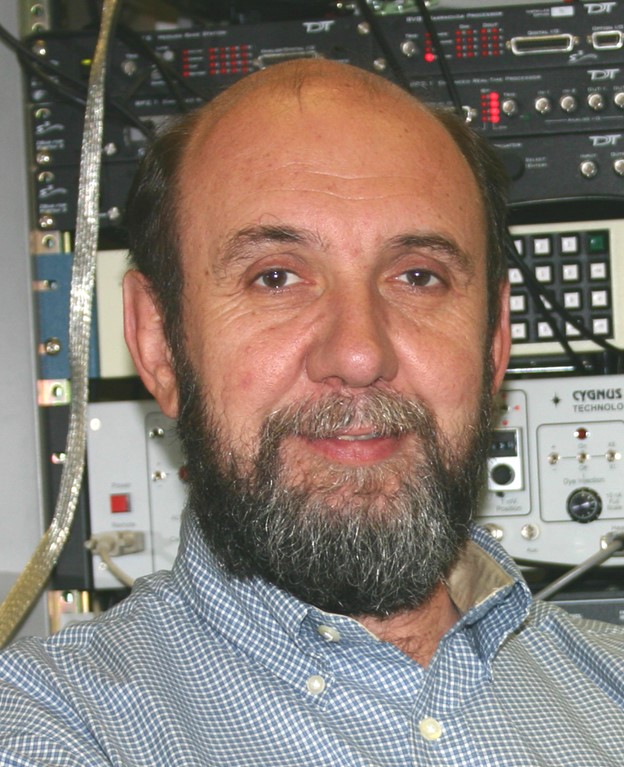
Bryan Wong is an Assistant Professor in the Department of Speech, Language, and Hearing Sciences at the University of Arizona. He holds a PhD (2024) and AuD (2019) from the University of Arizona, alongside a graduate certification in intraoperative neuromonitoring from the University of Connecticut (2017). He is pursuing a graduate certification in college teaching by December 2021. His research focuses on addressing hearing health care disparities, improving accessibility through innovative approaches, and advancing knowledge in auditory neuroanatomy, electrophysiology, and central auditory processing. He is also dedicated to student-centered pedagogy in medical education. Bryan is licensed by the Arizona Department of Health Services and holds the Certificate of Clinical Competence from the American Speech-Language-Hearing Association (CCC-A). He teaches courses such as Anatomy & Physiology of Auditory and Vestibular Systems , Advanced Audiologic Evaluation , and Hearing Disorders . His clinical practice is based at 1131 E. 2nd Street, Tucson, AZ, with clinic contact at (520) 621-7070. While no specific grants or awards are listed, his work emphasizes equity in healthcare access and evidence-based teaching methodologies.
Melle van der Molen is an Assistant Professor at Leiden University's Department of Developmental and Educational Psychology within the Faculty of Social and Behavioural Sciences. His research focuses on the intersection of developmental cognitive neuroscience and clinical psychology, employing multimethod approaches including EEG/ECG analyses and network theory. He founded the CoDAP Lab in 2018, investigating social-evaluative cognitive biases and neurocognitive profiles in disorders like social anxiety, fragile X syndrome, and dyslexia. Education: MSc in Clinical Neuropsychology (University of Amsterdam, 2007), PhD in Psychophysiological and Neuropsychological Profiling (University of Amsterdam, 2011). Postdoctoral research at Leiden University under Prof. Michiel Westenberg. Supervised PhD candidates include Elise Kortink (NWO grant recipient) and Hanjie Liu. Awards include the 2023 British Neuroscience Association Team Award and an NWO Research Talent Grant. Active in professional societies such as the Society for Psychophysiological Research and Society for Developmental Cognitive Neuroscience.
Robert Raphael is an Associate Professor of Bioengineering at Rice University and Principal Investigator of the Neuroengineering IGERT program. He leads research on auditory system mechanics, focusing on ion transport in inner ear membranes and cochlear implant development. His work bridges biophysics with engineering to address hearing loss and deafness. Affiliations: Rice University/Baylor College of Medicine Neuroengineering IGERT Grants: $3M NSF IGERT grant (2018), NIH R01 (collaborative) Research interests include membrane biophysics, computational modeling of ion transport, and carbon nanotube-based cochlear implants. He develops 3D cell culture systems using magnetic levitation and studies mitochondrial diversity in auditory cells. His lab integrates optical imaging, computational modeling, and micromechanical techniques. Recent articles explore synaptic transmission in vestibular systems, potassium transport dynamics, and electromagnetic wave effects on auditory cells. Key awards include the NSF CAREER Award (2005), three Hamill Innovation Awards (2006–2018), and the Charles W. Duncan Jr. Achievement Award (2010). Advising focuses on interdisciplinary neuroengineering training through the IGERT program. Collaborations span Rice, Baylor, and University of Chicago. His lab pioneered the first biophysically-based inner ear ion transport model and advances magnetic nanotechnology for biomedical applications. Current projects include optogenetic studies of membrane proteins and equity initiatives for deaf professionals.
Bhismadev Chakrabarti is Professor of Neuroscience and Mental Health at the University of Reading's School of Psychology and Clinical Language Sciences. He leads research on human social behavior mechanisms, focusing on neural and gut microbiome influences. His work utilizes eye-tracking, MRI, psychophysics, and psychophysiology methodologies. Research examines: Neurobiological foundations of social cognition Autism spectrum heterogeneity Gut-brain axis interactions Cross-cultural emotion processing Neurodiversity across lifespan Recent publications demonstrate strong focus on autism phenotyping through multimodal approaches including neuroimaging, behavioral tasks, and computational modeling. Predominant themes include sensory integration differences, cross-cultural validation of traits, and transdiagnostic assessment frameworks. Neurodevelopmental trajectories and biomarker discovery are recurrent investigative threads. Laboratory activities coordinate with the Centre for Autism and Centre for Integrative Neuroscience and Neurodynamics (CINN), fostering interdisciplinary collaborations on neurodiversity research.
Aaron Nidiffer, Ph.D., is a Research Assistant Professor in the Department of Neuroscience at the University of Rochester's School of Medicine and Dentistry (SMD). His research focuses on understanding multisensory integration, speech processing, and neurophysiological mechanisms underlying social cognition. He employs EEG and computational modeling to investigate how the brain processes naturalistic stimuli, with clinical applications in schizophrenia research and neurodevelopmental disorders. Dr. Nidiffer's work emphasizes the interplay between sensory modalities, attentional processes, and neural plasticity. His recent studies explore how gaze direction and temporal synchrony influence multisensory perception, as well as the role of predictive coding in speech comprehension. He advocates for open science practices, contributing to standardized frameworks for neural data sharing. Key research themes include: Multisensory integration in complex environments EEG biomarkers for schizophrenia spectrum disorders Cross-modal speech processing (lipreading, audiovisual speech) Computational modeling of subcortical-cortical interactions His publications span 2011–2025, demonstrating sustained focus on temporal dynamics, attentional modulation, and clinical neuroscience applications. No academic awards are explicitly listed in the provided materials.
Dr. Julie A. Fiez Full Professor at the University of Pittsburgh, affiliated with Psychology, Neuroscience, and Communication Science & Disorders departments. Holds positions as Senior Scientist at LRDC and Co-Director of the Center for the Neural Basis of Cognition and BRIDGE imaging center. Adjunct faculty at Carnegie Mellon University. Education: PhD in Neuroscience (Washington University, 1992), Postdoctoral training at Washington University/Iowa (1996). Research Focus: Neural mechanisms of language, reading, learning systems (basal ganglia/cerebellum), and numerical cognition. Uses neuroimaging (fMRI/MEG) and intracranial recordings. Studies include: Language networks and orthographic processing Cerebellar contributions to speech and memory Adaptive speech perception mechanisms Developmental differences in numerical representation Awards: NIH Study Section Chair (2014-2016), APS Fellow (2007), APA Early Career Award (2002), Wiley Young Investigator Award (1997). Grants/Labs: Director of Western Pennsylvania Patient Registry. Mind and Brain Lab investigates speech, language, and learning. Collaborates on cerebellar-speech studies using intracranial recordings. Future Work: Expanding research on bilingual reading mechanisms and neural plasticity in numerical cognition.
Dr. Leonardo Ceravolo is a Senior Researcher and Lecturer at the Swiss Center for Affective Sciences, University of Geneva. His primary research focuses on understanding brain mechanisms underlying vocal perception, particularly attentional orienting through emotional stimuli and spatial perception. He employs advanced neuroimaging techniques like fMRI and fNIRS, alongside intracranial recordings. His work also explores sleep, memory, and emotional regulation, with a notable emphasis on music expertise and depression in the elderly. Dr. Ceravolo holds a Master’s degree (2009) and a Ph.D. (2013) from the University of Geneva. His research spans interdisciplinary areas, including cognitive neuroscience, behavioral studies, and neuroimaging applications in affective science. He has mentored numerous students, contributing to their academic and professional growth in neuroscience and related fields. His research interests are reflected in over 15 peer-reviewed articles, emphasizing vocal emotion processing, brain connectivity, and the interplay between attention and auditory stimuli. Collaborations with international researchers highlight studies on primate vocalization processing and the neural basis of emotional perception. Despite no explicit awards mentioned, his contributions to affective neuroscience have advanced methodologies in neuroimaging and human behavior analysis.
Dr. Jagmeet S Kanwal is an Associate Professor in the Department of Neurology and Secondary Associate Professor in Neuroscience at Georgetown University's School of Medicine (SOM). His research focuses on understanding neural mechanisms underlying sensory information processing, particularly in auditory communication sounds in bats. He uses multidisciplinary approaches including electrophysiology, neuroimaging, and behavioral experiments. Education: Louisiana State University (PhD). Research Interests: Dr. Kanwal studies how the brain efficiently processes complex auditory information, with a focus on communication sounds in bats. His work explores hemispheric asymmetry in auditory processing, neural coding of vocalizations, and the role of neuropeptides like oxytocin in social interactions. His lab pioneered studies using bats as models for understanding speech and music perception evolutionarily. Recent Articles Trends: Recent work emphasizes decision-making algorithms in animals (zebrafish navigation, bat vocal adaptations), neuroanatomical mapping (bat brain atlases), and the intersection of stress/sleep on adolescent neuroplasticity. His 2025 zebrafish study highlights evolutionary origins of motor control systems. Labs/Teams: Maintains active bat neuroethology lab at Georgetown, collaborating with neuroimaging teams on fMRI studies of auditory perception in humans. Develops novel tools like NemoTrainer for automated animal behavior experiments.
Professor Carl Verschuur is a leading academic at the University of Southampton, specializing in hearing science and cochlear implant technology. His research focuses on enhancing auditory perception through sensory substitution systems and investigating inflammatory mechanisms in age-related hearing loss. Member of the Institute for Life Sciences Active projects include DSE Award for medical device translation, Flexi Grant, and RNID Studentships Key research areas include cochlear implant optimization , inflammatory biomarkers for hearing loss , and tactile speech perception systems . His recent publications address noise-robust signal processing and electrode integrity testing. External engagements include invited speaking roles at the University of Manchester (2011) and presentations on topics ranging from music perception in implant users to PPIE initiatives in auditory research.
Gregory S. Lee is an Assistant Professor in the Department of Electrical, Computer, and Systems Engineering at Case School of Engineering (Case Western Reserve University). His teaching interests include Robotics, Haptics, Control Systems, and Embedded Systems. Research focuses on Mobile Robotics, Manipulation Robotics, and Haptics Technology. He holds a PhD in an unspecified field. Key contributions include work on speech therapy applications using biofeedback and sensor technology, as evidenced by publications in The Journal of the Acoustical Society of America. He received the 2015 Case School of Engineering Undergraduate Teaching Award for instructional excellence. His research bridges robotics and biomedical engineering, emphasizing practical applications in speech rehabilitation and sensory-motor systems.
Prof. Dr. Johanna Kißler is a full Professor of General Psychology and Affective Neuroscience at Bielefeld University, affiliated with the Faculty of Psychology and Sport Science and the Department of Psychology. She leads the Affective Neuropsychology research unit (Unit 02) and is a key member of the Center for Cognitive Interaction Technology (CITEC), where she serves on the Board of Directors and leads a participating research group. She is also involved in the Center for Interdisciplinary Research (ZiF) as a board member and co-leads a subproject in the Collaborative Research Center SFB 1646 on linguistic creativity. Her research focuses on the neural mechanisms underlying emotion and language processing, particularly in clinical populations such as patients with epilepsy and disorders of consciousness. Using EEG, fMRI, and behavioral methods, she investigates emotional face and word perception, memory, emotion regulation, and verbal fluency. Her work often examines the impact of brain lesions, especially in the temporal and frontal lobes, on cognitive and affective functions. She has led numerous third-party funded projects from the German Research Foundation (DFG), federal agencies, and foundations, including the NeuroCommTrainer project aimed at developing brain-computer interfaces for severely brain-damaged patients. Her recent publications reflect a strong trend in affective neuroscience, clinical neuroimaging, and neurolinguistics, with a focus on EEG/ERP markers, gamma-band activity, hemispheric specialization, and multimodal assessment of emotional and cognitive processing. Themes include emotion regulation in epilepsy, social feedback processing, and the neural basis of linguistic creativity. German Research Foundation (DFG) Federal Government (Bund) Foundations (Stiftungen) She has received research funding for projects on memory in epilepsy, emotion processing, and brain-computer interfaces. She has supervised students and contributed to academic governance, having served as Dean of the Faculty of Psychology and Sports Science (2016–2019) and Dean of Graduate Studies (2013–2016). She teaches courses in psychology and medicine, including clinical neuropsychology and communication in medical contexts. Prof. Kißler is actively involved in interdisciplinary research teams, including CITEC, SFB 1646, and ZiF, where she collaborates on advanced topics in cognitive interaction, linguistic creativity, and consciousness research. Her lab focuses on affective neuropsychology, utilizing electrophysiological and neuroimaging methods to explore emotion-language interactions and clinical applications in neurorehabilitation.
Prof. Hugo Fastl is a Professor at the Technical University of Munich (TUM), holding a position in the TUM School of Computation, Information and Technology, and leading the Chair of Human-Machine Communication. His research integrates engineering and acoustics, focusing on psychoacoustics, audio-visual interactions, and applications in noise assessment, sound quality design, and hearing disorder diagnosis. A pioneer in interdisciplinary acoustics, he has contributed to audio technology and musical acoustics. Prof. Fastl earned his Dipl.-Ing. in Electrical Engineering (1970) and studied Music at the Munich University of Music (1969), majoring in double bass. He completed his doctorate (1974) and habilitation (1981) at TUM, later serving as a visiting professor at Osaka University (1987) and as an associate professor of technical acoustics at TUM (1991). His career has spanned academia and industry, blending theoretical and applied research. His scientific contributions include seminal work on psychoacoustic parameters in automotive noise assessment and foundational textbooks like Psychoacoustics: Facts and Models (2007). Key awards include the EAA Lifetime Achievement Award (2017) and the Rayleigh Medal (2003). His research bridges engineering principles with human perception, addressing both technical and auditory challenges in communication systems. Prof. Fastl’s work extends to video quality assessment and signal processing innovations, as seen in his development of a hybrid metric for digital video quality (2011) and blind estimation of blocking artifacts (2010). His interdisciplinary approach underscores the intersection of technology and human experience.
Barbara Dodd is an Honorary Professor at the School of Health and Rehabilitation Sciences, University of Queensland. Her work focuses on phonological disorders, speech-language pathology, and bilingual language acquisition. She has contributed extensively to clinical assessment tools such as the Diagnostic Evaluation of Articulation and Phonology (DEAP) and the Bilingual Maltese-English Speech Assessment (MESA). Her research addresses differential diagnosis of speech disorders in monolingual and bilingual children, phonological intervention strategies, and the impact of socioeconomic factors on language development. Key areas of research include phonological disorders in children, intervention efficacy, and the interplay between phonological awareness and literacy. She has published widely on topics such as core vocabulary intervention, early language development, and the effects of bilingualism on speech and language skills. Her work bridges clinical practice and theory, emphasizing evidence-based approaches. Notable contributions include studies on the McGurk effect in speech perception, phonological consistency in children, and the long-term outcomes of phonological awareness interventions. Her research also explores auditory-visual speech processing and its implications for speech therapy.
Dr. Konstantin Weise is a Scientific Researcher at the Max Planck Institute for Human Cognitive and Brain Sciences , leading the Methods and Development Group Brain Networks . His work focuses on uncertainty and sensitivity analysis of computational models , developing the pygpc Python package , and advancing numerical models for non-invasive brain stimulation techniques like Transcranial Magnetic Stimulation (TMS) . He specializes in improving localization precision, optimizing stimulation parameters, and addressing microscopic tissue effects in brain stimulation simulations. Research interests include: Modeling TMS-induced electric fields and their cortical effects High-resolution EEG/MEG forward modeling Uncertainty quantification in biomedical simulations Neurostimulation applications for neuropsychological disorders His contributions bridge computational methods with clinical neurotechnology, emphasizing electrical field-based dosing and adaptive stimulation optimization . Recent work addresses microscopic field distortions' impact on neuronal activation thresholds and develops novel protocols for precise motor cortex mapping. Labs/Teams: Core member of the Brain Networks Group , collaborating on interdisciplinary projects integrating engineering, neuroscience, and clinical applications.
Alexander Galazyuk is a Professor of Anatomy and Neurobiology at Northeast Ohio Medical University (NEOMED), part of the College of Graduate Studies. He holds a Ph.D. from the Bogomoletz Institute of Physiology in Ukraine and has over 30 years of academic experience, including postdoctoral research at the University of Illinois. His primary research focuses on auditory neuroscience, particularly the neural mechanisms underlying sound processing, tinnitus, and hearing loss. His lab pioneered a mouse model for tinnitus research and employs electrophysiological and behavioral methods to study auditory system dynamics. Key research areas include residual inhibition mechanisms for tinnitus treatment, glutamate receptor modulation in auditory neurons, and the role of DNA methylation in bat longevity. Galazyuk teaches Neurobiology to medical students and graduate students, emphasizing cellular and molecular neuroscience. His work bridges basic science and translational research, contributing to understanding hearing disorders and aging processes. Publications highlight collaborations on auditory neuroscience, epigenetic aging studies in bats, and neurophysiological techniques. His research has advanced methodologies for assessing hearing deficits and tinnitus, with implications for clinical applications. Galazyuk’s interdisciplinary approach integrates neurobiology, genetics, and behavioral science to address critical questions in sensory neuroscience.