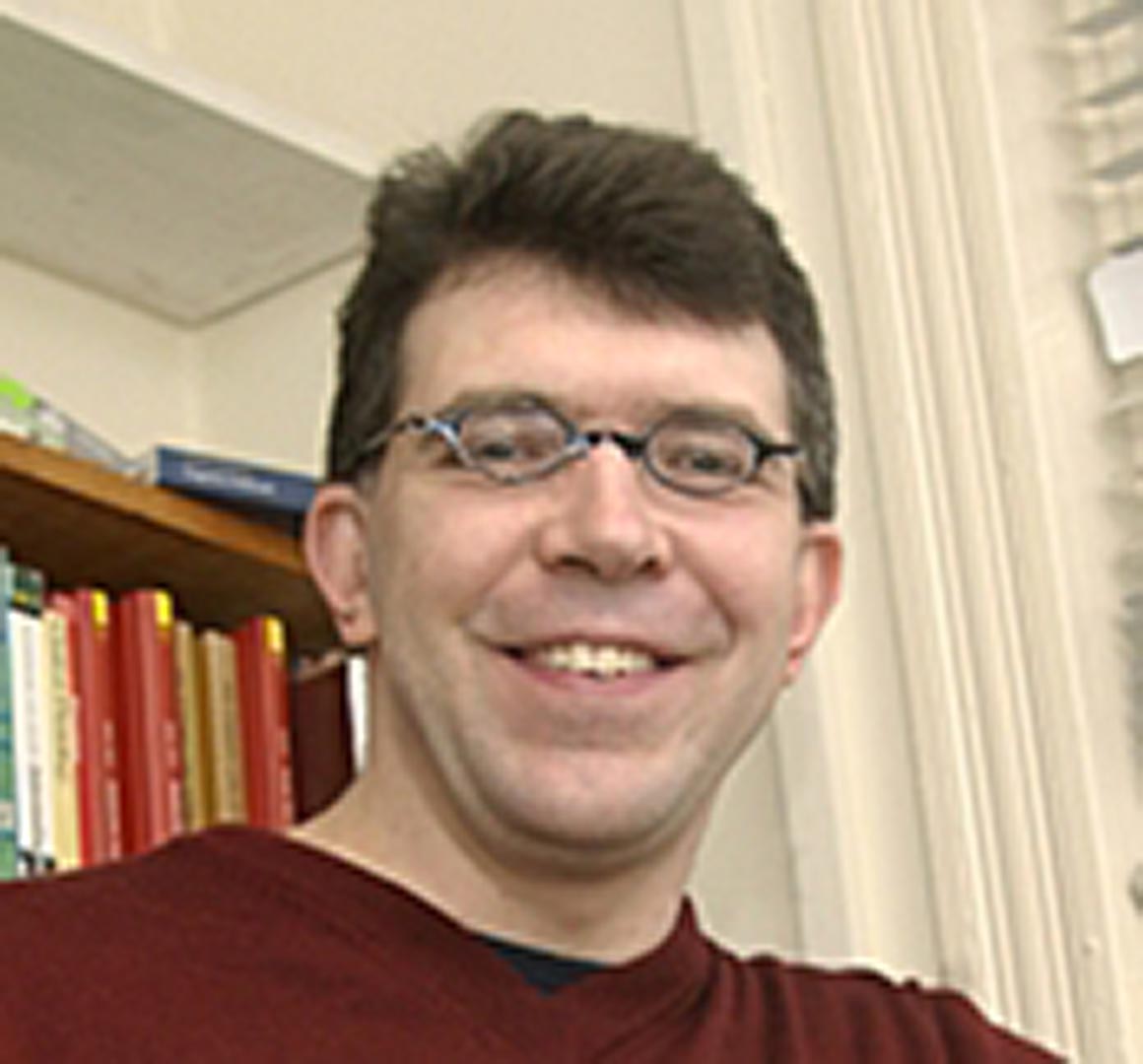
John Kingston is a Professor of Linguistics and Director of the Phonetics Lab at the University of Massachusetts Amherst, where he has been since 1990. He holds a BA and MA from the University of Chicago (1976–1977) and a PhD from UC Berkeley (1985). His research focuses on the interplay between phonetics and phonology, particularly speech perception and its influence on phonological representations. He co-founded the Laboratory Phonology Conference series in 1987 and has conducted fieldwork on Otomanguean languages. His work emphasizes experimental methods to study phonological questions, including studies on vowel perception, tone systems, and cross-linguistic phonetic patterns. Kingston’s academic journey includes roles at the University of Texas, Austin (1984–1986) and Cornell University (1986–1990). His research explores how auditory processing and linguistic knowledge shape speech perception, with notable contributions to understanding tonogenesis, perceptual contrast effects, and vowel category learning in second languages. He collaborates on grants examining Ganong effects and phonological inventories, advocating for theories that bridge perceptual and structural aspects of language. His lab, the Phonetics Lab, supports experimental work on speech perception and production. Kingston is also the Honors Program Coordinator, mentoring students in linguistics and related fields. Despite no explicit awards listed, his extensive publications and conference leadership reflect his scholarly impact.
Georgia Zellou is an Associate Professor in the Department of Linguistics at the University of California, Davis, where she co-directs the Phonetics Lab and conducts award-winning research at the intersection of phonetics, speech perception, and human-AI interaction. Her work investigates how phonetic detail is cognitively represented through variations in speech production, with significant contributions to understanding speech alignment with voice assistants, face-masked speech intelligibility, and cross-linguistic perception of synthetic voices. Her academic credentials include a Ph.D. in Linguistics from the University of Colorado at Boulder (2012), an M.A. in Linguistics from Stony Brook University (2007), and a B.A. in Linguistics & Anthropology from the University of Florida (2005, Cum Laude, Phi Beta Kappa). Ph.D., Linguistics, University of Colorado at Boulder (2012) M.A., Linguistics, Stony Brook University (2007) B.A., Linguistics & Anthropology, University of Florida (2005) Professor Zellou's research program centers on laboratory phonology approaches to real-world communication challenges, examining how acoustic-phonetic details influence speech perception across contexts. Her studies span speech alignment with voice-AI systems (e.g., Amazon Alexa), sociophonetic variation in bilingual speech, and the cognitive mechanisms underlying perceptual compensation for coarticulation. She employs experimental methods including eye-tracking, acoustic analysis, and perceptual testing to uncover how phonetic variation functions pragmatically in human communication and human-machine interaction. Analysis of her 15 most recent publications (2023-2025) reveals three dominant research trajectories: (1) human-AI voice interaction dynamics, including prosodic alignment and social evaluation of TTS voices; (2) intelligibility optimization in challenging contexts (face masks, clear speech for diverse listeners); and (3) cross-linguistic phonetic variation in vowelless words and consonant clusters. These works consistently bridge theoretical phonology with applied speech technology, demonstrating how fine-grained phonetic detail influences communication effectiveness in both human-human and human-machine contexts. Her scientific recognition includes: Fulbright Scholar (2022) for research in France Chancellor’s Award for Excellence in Undergraduate Mentoring (2019) Fellow of the Linguistic Society of America (2020) Amazon Faculty Research Award (2019) for Alexa-related speech studies Dean’s Fellow designation at UC Davis (2020-2023) Professor Zellou maintains an active mentoring practice recognized with the Chancellor’s Award, supervising undergraduate researchers in the Phonetics Lab while teaching core linguistics courses from introductory to advanced graduate levels. Her research program is supported by competitive grants including NSF funding, Amazon Research Awards, and UC Davis internal grants (Hellman Foundation, ISS Junior Faculty Grant), reflecting the translational value of her work for speech technology development. She has co-directed major initiatives including the 2019 LSA Linguistic Institute. The Phonetics Lab she co-leads serves as a hub for experimental phonetics research, focusing on speech production-perception relationships through projects investigating vocal accommodation to voice assistants, nasal coarticulation dynamics, and cross-linguistic prosody. Current collaborations with industry partners aim to implement human speech adaptation principles into voice assistant design to enhance naturalness and engagement.
Dr. Sander Los is an Associate Professor at the Faculty of Behavioural and Movement Sciences (Department of Cognitive Psychology), Vrije Universiteit Amsterdam. He earned his PhD in 1994 with a thesis on 'On the origin of mixing costs: Exploring information processing in pure and mixed blocks of trials' under Prof. Andries Sanders. His research focuses on temporal dynamics of preparatory processes, co-developing the formalized Multiple Trace Theory (fMTP) to explain temporal preparation across time scales (seconds to days). His work integrates cognitive psychology, neuroscience, and computational modeling to explore attentional mechanisms, statistical learning, and spatiotemporal dynamics. Education: PhD in Cognitive Psychology (VU Amsterdam, 1994), postdoctoral research at VU Amsterdam, progressing to Assistant Professor before his current role. Key research areas include visual attention, response inhibition, and long-term memory. He has published over 40 peer-reviewed articles and serves on editorial boards for journals like Attention, Perception, and Psychophysics and Acta Psychologica . Research Interests: His studies investigate how humans prepare for upcoming events temporally and spatially, with recent work on statistical learning guiding visual attention and computational frameworks for temporal preparation. Collaborations emphasize interdisciplinary approaches to understanding attention allocation and neural underpinnings of timing. Grants & Advising: No explicit grants listed, but active in training students (1 supervised PhD thesis). His courses include Methodology, Research Methods, and Practical Skills for Researchers at VU Amsterdam. Labs/Teams: Works closely with colleagues on the fMTP model and statistical learning projects, emphasizing team-based computational and experimental psychology.
Paul Boersma is a Professor of Phonetic Sciences at the University of Amsterdam within the Faculty of Humanities. His research explores how phonetic, phonological, and morphological phenomena emerge through computational modeling using artificial neural networks and Optimality Theory, with a focus on multi-level constraint interactions and distributional learning. University of Amsterdam Faculty of Humanities Phonetic Sciences Key research areas include: Computational Modeling : Simulations of phonological category emergence from phonetic data Optimality Theory : Gradual Learning Algorithm applications BiPhon Framework : Parallel bidirectional phonology/phonetics models Statistical Learning : Cross-situational and distributional learning mechanisms Recent publications emphasize: 2025: Inclusive speech recognition systems using Whisper model 2025: F0 ratio analysis for creaky voice diagnostics 2024: Prosodic clitics in child speech and checked tones in Shanghai Chinese 2023: Distributional learning in developmental language disorder contexts 2022: Substance-free phonological features and ghost segment phenomena He has also contributed extensively to the Praat software for phonetic analysis, with continuous updates since 1993.
Dr. David Sewell is a Senior Lecturer and Deputy Head of School (Teaching & Learning) at the School of Psychology, The University of Queensland. His research focuses on attention, learning, memory, and decision-making, with a strong emphasis on formal mathematical models of human cognition. He is affiliated with the Centre for Perception and Cognitive Neuroscience within the Faculty of Health, Medicine and Behavioural Sciences. Education: Bachelor (Honours) of Arts and Doctor of Philosophy, both from the University of Western Australia. David's research explores the intersection of cognitive psychology and computational modeling. Key areas include perceptual decision-making, attentional mechanisms, and the application of diffusion models to understand cognitive processes. His work also extends to sustainability and collective self-regulation through cognitive frameworks. The 15 most recent articles highlight his contributions to modeling decision thresholds in memory prioritization, analyzing gaze cueing effects, and investigating neural correlates of confidence in multisensory decisions. Collaborative projects frequently involve interdisciplinary approaches, combining neuroscience, psychology, and computational methods. He has supervised multiple PhD candidates, serving as Principal or Associate Advisor, with research topics ranging from visual categorization to metacognition in children. Current and past funding includes ARC Discovery Projects on collective self-regulation and category learning constraints.
University Medical Center Hamburg-EppendorfGermany
Prof. Helen Blank is a Professor leading the Multisensory Perception Group and the Prediction in Communication Lab at the Institute for Systems Neuroscience, University Medical Center Hamburg-Eppendorf. Her work focuses on understanding how sensory information is integrated and predicted in contexts like speech perception and face recognition. She holds a Marie Curie Fellowship for her research on prior information's role in human communication. Fluent in German, English, and French, she contributes to experimental medicine and systems neuroscience. Her research spans predictive coding, neuroimaging, and clinical applications in Parkinson’s and developmental disorders. Education: Not explicitly stated in text, inferred as advanced degrees in neuroscience or related fields. Her research interests emphasize multisensory integration, predictive processing in speech and vision, and the neural bases of perception. Recent articles explore topics such as pupil responses to auditory surprise, face expectation hierarchies, and audio-visual speech processing. Awards include the Marie Curie Fellowship supporting her predictive communication work. She leads interdisciplinary teams within the Center for Experimental Medicine, advancing knowledge on perceptual mechanisms and their clinical implications.
State University of New York at BuffaloUnited States
Eduardo Mercado III is a Professor in the Department of Psychology at the University at Buffalo, College of Arts and Sciences. His research focuses on bioacoustics, cognitive psychology, and marine ecology, particularly the vocal behavior of humpback whales and its implications for understanding human impact on marine ecosystems. He is also known for his work in perceptual learning, autism spectrum disorder, and comparative cognition. Scientific Awards Guggenheim Fellowship Harvard Radcliffe Institute Fellowship Research Trends His recent publications emphasize bioacoustic analysis of humpback whale songs, including their spectral entropy, cyclical variations, and adaptive adjustments to anthropogenic noise. Additional work explores perceptual learning mechanisms in autism, neural network modeling for acoustic classification, and cognitive processes in canines and rodents. Projects Mercado’s “Singers as Sentinels” project combines acoustic analysis of humpback whale songs with public awareness initiatives about ocean noise pollution. The project will produce a book, Why Whales Sing and Dolphins Don’t , and a web-based interface for public engagement.
Dr. Yves Boubenec is an Associate Professor at École Normale Supérieure (ENS)-PSL University, Paris, France. He serves as Head of the LSP Neuro Platform and Director of Studies at the Department of Cognitive Studies. Academic Rank: Associate Professor Institution: ENS-PSL Departments: Cognitive Studies (ENS), LSP Neuro Platform Email: yves.boubenec@ens.psl.eu Research Focus: Boubenec investigates neural mechanisms of auditory perception and cognition using integrated methodologies spanning single-neuron electrophysiology to large-scale neuroimaging. His work reveals how context, learning, and multisensory interactions shape sound encoding in mammalian neocortex. Primary Research Themes Context-dependent auditory encoding Perceptual attention mechanisms Task-driven neural plasticity Self-supervised learning models Population-level cortical dynamics Human/ferret auditory comparisons Publication Trends: Recent work (2024-2025) examines speech production networks, premotor auditory categorization, and algebraic structures in sound learning. Earlier studies (2018-2022) focus on population gating, hierarchical auditory coding, and self-voice mechanisms. 2025 Self-voice frequency analysis Hierarchical ferret auditory cortex mapping Temporal window constraints 2024 Premotor category hemodynamics Self-supervised sound structures Human speech cortical encoding Methodological Expertise: Combines awake ferret functional UltraSound, Neuropixels recordings, and computational modeling to analyze neural representations across spatial scales. Specializes in translating animal model findings to human auditory processes.
Lori L. Holt is a Professor of Psychology at the University of Texas at Austin (UT-Austin), where she leads the Holt Lab. Previously, she served as faculty at Carnegie Mellon University (1999–2023), contributing to the Center for the Neural Basis of Cognition. Her research focuses on auditory cognitive neuroscience, exploring how learning, attention, and neural mechanisms shape speech perception and communication. She holds a BS and PhD in Psychology from the University of Wisconsin-Madison (1995, 1999). Her work investigates the neural foundations of listening, emphasizing adaptive plasticity in speech perception, statistical learning dynamics, and the interplay between sensory input and cognitive processes. Recent studies examine how short-term sound statistics influence perceptual weighting, the impact of accent exposure on speech production, and neural correlates of auditory category learning. The Holt Lab, equipped with EEG facilities, advances understanding of voice perception, speech motor control, and neurocognitive adaptation. Dr. Holt teaches courses such as Behavioral Neuroscience (PSY 332) and Biopsychology (PSY 308), reflecting her expertise in linking biological mechanisms to psychological processes. Her research has been published in leading journals, with a focus on auditory neuroscience, statistical learning, and neurorehabilitation.
Dr. Behrooz Mahmoodi-Bakhtiari is an Associate Professor and Head of the Department of Performing Arts at the University of Tehran, Iran. Born in 1974 in Tehran, he earned his PhD in Linguistics from Allameh Tabatabaee University in 2003. His work bridges linguistics and performing arts, with a focus on Persian language pedagogy and cultural studies. His research encompasses Iranian linguistics, dialectology, teaching Persian as a foreign language, Iranian dramatic literature, and discourse analysis of drama. He employs linguistic and semiotic approaches to analyze drama and film, contributing to interdisciplinary academic dialogues. Mahmoodi-Bakhtiari has published extensively in these areas and contributed to major reference works, including the Encyclopedia Iranica , Encyclopedia of Language and Linguistics , Encyclopedia of Islam (Third Edition) , and The Great Islamic Encyclopedia . His publications span linguistics, medical education, neuroscience, and literature, reflecting a broad interdisciplinary scope. He welcomes international academic collaborations and can be contacted via email for scholarly exchanges.
Katherine Twomey is a Lecturer in Language & Communicative Development at the University of Manchester's Division of Psychology, Communication and Human Neuroscience. She holds a PhD from the University of Sussex (2013) focusing on early word learning processes. Her research uses computational and empirical methods to study how infants and toddlers learn language, particularly the influence of environmental stimuli and curiosity-driven exploration. She is affiliated with the Autism@Manchester initiative and the Centre for Robotics and Artificial Intelligence (RAI), contributing to interdisciplinary projects. Key research areas include curiosity mechanisms in early learning, the role of perceived emotions in word acquisition, and telehealth interventions for aphasia. She has received awards such as the Future Research Leaders Fellowship (2016) and has published over 50 peer-reviewed works. Twomey’s work addresses UN Sustainable Development Goal 4 (Quality Education) and 3 (Good Health and Well-being), with projects like the TALES program targeting post-stroke literacy recovery. She actively collaborates with NHS trusts and participates in autism-focused summits, demonstrating commitment to translational research and societal impact. Her research methodologies span experimental psychology, neurocomputational modeling, and longitudinal studies, with datasets archived at the UK Data Service. Twomey is also engaged in public outreach, contributing to media discussions on child language development and autism advocacy.
Maria Neimark Geffen is a Professor at the Perelman School of Medicine , University of Pennsylvania , with appointments in the Department of Otorhinolaryngology, Neuroscience, and Neurology . She directs the Lab for Auditory Coding since 2010, focusing on how the brain encodes auditory information and how perception is shaped by experience and emotion. Her work combines two-photon imaging , optogenetics , electrophysiology , and behavioral experiments . Dr. Geffen earned her A.B. in Molecular Biology from Princeton University and a Ph.D. in Biophysics from Harvard, where she discovered a novel retinal circuit. After a postdoc at Rockefeller University, she joined UPenn, uncovering mechanisms like inhibitory neuron roles in sensory acuity and emotional learning links to auditory perception . Her recent publications highlight computational models of auditory cortex circuits , inhibitory neuron subtypes in adaptation , and cross-modal integration , reflecting her interdisciplinary approach. Scientific awards include the Burroughs Wellcome Career Award and Klingenstein Fellowship . Burroughs Wellcome Career Award at the Scientific Interface Klingenstein Foundation Award in Neurosciences Human Frontiers Young Investigator Award Auditory Neurophysiology Spotlight Award Kaufman Foundation New Initiative Grant Dr. Geffen mentors extensively, with trainees winning NIH Ruth L. Kirschstein NRSA and Brain Research Foundation Awards . Her lab collaborates across Computational Neuroscience Initiative , Hearing Sciences Center , and international institutions.
Dr Dominic Guitard is a Lecturer in the School of Psychology at Cardiff University , appointed in 2022. He teaches undergraduate modules on thinking, emotion and consciousness, as well as applied cognitive science, and contributes to the MSc research-project supervision programme. Education 2018–2021: PhD in Psychology, Université de Moncton 2016–2018: MA in Psychology, Université de Moncton 2013–2016: BA in Psychology, Université de Moncton Research Interests Dr Guitard’s research lies at the intersection of memory , attention and language . Using tightly-controlled experiments and computational modelling, he investigates how people learn, maintain and retrieve item versus order information in short-term and working memory. Key factors examined include attention allocation, semantic knowledge, emotion, lexical properties, irrelevant information and dual-task demands. His theoretical goal is a unified account of memory, attention, learning and language; his applied goal is to inform educational practices and cognitive technologies. Publication Trends Across more than 60 peer-reviewed articles, Dr Guitard has steadily advanced understanding of serial recall, recognition memory and working-memory limitations. Recent work (2024–2025) clusters around four themes: (1) computational frameworks predicting veridical and false recall; (2) the interplay between working-memory capacity and long-term retention across the lifespan; (3) phonological and semantic influences on order memory; and (4) methodological factors such as stimulus duration, presentation modality and set size. Collaborations & Funding He collaborates extensively with leading laboratories in the USA (e.g., University of Missouri, University of Illinois), Canada (Université de Moncton, University of Manitoba), the UK and Australia, and was supported by an NSERC Postdoctoral Fellowship (2021–2022). Supervision & Mentoring Current PhD supervision: Helena Leach Personal tutor and contributor to MSc research-project module (PST723) Available for further postgraduate supervision Editorial & Service Roles Dr Guitard serves as an ad-hoc reviewer for over a dozen international journals, including Journal of Experimental Psychology: General , Memory & Cognition , Quarterly Journal of Experimental Psychology and Cognition .
William Idsardi is a Professor of Linguistics at the University of Maryland, affiliated with the Program in Neuroscience and Cognitive Science and the Maryland Language Science Center. His research focuses on neurolinguistics, phonology, and psycholinguistics, combining experimental, computational, and theoretical approaches. Key areas include phonological abstraction mechanisms, the neural basis of speech perception, and the computational foundations of phonological patterning. His work bridges disciplines, investigating how phonological categories are represented in the brain using neuroimaging techniques like MEG. Notable contributions address the role of categorical perception in fricative sounds, the phoneme hypothesis, and computational complexity differences between phonology and syntax. Collaborative projects explore dialect perception, infant lexical learning, and cross-linguistic vowel systems. Publications span phonological theory, neuroimaging studies, and computational linguistics, emphasizing interdisciplinary methods. His research has implications for understanding language acquisition, speech disorders, and the evolution of linguistic structure. Labs associated with his work include the EEG/ERP Lab and Maryland Neuroimaging Center.
Christina Tzeng serves as an Assistant Professor in the Department of Psychology within San Jose State University's College of Social Sciences. Her research investigates the cognitive mechanisms enabling human comprehension of spoken language despite inherent variability from social factors including age, gender, and regional origin. She examines how listeners rapidly decode speech signals while simultaneously processing speaker identity and contextual information. Her primary research focuses on cognition, cognitive science, and spoken language perception, with emphasis on how social diversity in speech inputs shapes perceptual organization and auditory expectations. Key investigations include perceptual learning of non-native accents, lexically guided recalibration, integration of linguistic/non-linguistic speech properties, and sound symbolism. Her work demonstrates that speech variability—often perceived as noise—actually facilitates memory organization and predictive processing in human cognition. Dr. Tzeng's publication record (2010-2024) reveals consistent exploration of perceptual adaptation mechanisms, with recent work emphasizing attentional modulation in accent processing (2024), cumulative statistical learning in speech perception (2021-2023), and cross-modal correspondences in prosody (2016-2018). Her research trajectory shows increasing sophistication in modeling how social context interfaces with core speech processing systems. Scientific Awards: No awards documented in source material Advising and Grants: Source text provides no details regarding graduate student mentorship or research funding. Her background notes undergraduate research experience in human communication and memory labs, suggesting potential mentorship focus areas. Dr. Tzeng directs the Cognition of Language Processing (CLAP) Lab, which employs experimental methodologies to investigate spoken language perception. The lab's research framework positions speech diversity not as interference but as fundamental to human perceptual systems, with implications for understanding communication in multicultural contexts and developing more robust speech recognition technologies.